Estate cleanout furniture best actions are to sort, appraise, and decide what to keep, sell, donate, or recycle. All options are conditional on the condition, worth, and emotional needs. Furniture in good shape can be donated to local charities or reused by the family. Older or worn-out pieces can head to recycling centers. Online sites or local consignment shops work for valuable or collectible pieces. For large quantities, professional estate services assist in sorting, relocating, or selling furniture quickly. Thoughtful preparation prevents headache and heartache. Knowing where to start saves time and makes the process smooth. The following will provide easy advice for each choice, so you know what fits your situation.
Table of Contents
ToggleKey Takeaways
- What do you do about furniture when you’re doing an estate cleanout?
- Determine what to do with furniture during an estate cleanout by evaluating each piece’s condition and worth, including professional appraisals and market value research if applicable.
- Strike a balance between the pragmatic and the sentimental by having your family members involved in open discussions and finding ways to commemorate through keepsakes or pictures.
- Tackle legal and financial obligations by sorting paperwork, acknowledging tax consequences, and seeking professional advice as necessary to maintain compliance and responsibility.
- Plan furniture removal logistics early, considering DIY or professional options, and take care to avoid injuries or damage.
- Handle the estate cleanout process with emotional sensitivity, taking time to pause, reflect, and maintain open lines of communication among all involved.
First Steps With Estate Furniture
A methodical, cautious approach paves the way for any estate cleanout. Hurrying is expensive as it leads to mistakes, so every minute you invest in planning will pay off. Take a walk through the estate as your first step. Giant dining tables and cumbersome cabinets may not be in style or have a place in smaller homes. Certain furniture styles, such as mid-century modern, can be more worthwhile than others. First steps with estate furniture. Pause and make observations before you move a thing.
Assess Condition
Examine every piece for scratches, broken legs, faded fabric, or missing hardware. Photograph any obvious defects. These documents serve you well whether selling or donating. If a chair has a cracked leg or a table has water stains, record this for potential repair or scrapping. For valuable or antique pieces, expert evaluation may be appropriate and offers an idea of market value and possible restoration avenues.
A few of them will be a no-brainer. A solid, cared-for dresser could find its way into a resale shop, whereas a sagging old couch may have to be tossed. Most estate cleanouts take weeks, so patience is crucial.
Check Documents
Look for receipts, warranties, or appraisals associated with each piece. They assist with establishing provenance or value, which is essential for resale or inheritance. Keep legal paperwork, like wills or tax filings, with you rather than jumbled together with less important records.
Certain antiques or collectibles require additional paperwork to be sold or donated. A filing system or binder keeps documents easy to locate throughout the often long cleanout.
What To Do With Furniture
Furniture tends to be the largest and most intimate category to deal with in an estate cleanout. They might be sentimental, carry decades of family history with them, or be just plain difficult to move because of their weight and bulk. Dealing with furniture first can guide how the whole project unfolds. A transparent, straightforward process prevents fights over worth and makes sure you’re still in one piece, as lifting bulky pieces can cause damage. With older homes, cramped doorways or stairs create logistical challenges, and concealed damage lurking under oversized furniture is always a shock. What you do with furniture will be contingent upon your storage possibilities, area disposal guidelines, and the timing of your purge.
Keep It
Begin by categorizing what actually has sentimental or useful value. Take inventory and consider where you will place each item—going with you, in storage, or in a new home. Consider expenses for transport and maintenance, which accumulate quickly for bulky or delicate pieces. If space is tight, be upfront about what lives your life now. Occasionally, an itemized list prevents sibling strife down the road.
Sell It
If you’re looking to sell, look into local and online options such as consignment shops, secondhand sites, or an estate sale. Price things by looking at listings and conditions. Dust off every piece and snap some nice pictures to increase desirability. Advertise through social media, group chats, or community boards to find additional buyers. Be aware that disputes over value or price may arise, so document and bring in impartial parties if necessary.
Donate It
For donations, search for local organizations or charities that accept furniture. Some require them to be washed and undamaged. Schedule a pickup if offered, as that’s less time and hassle on your part. Be sure to check their standards first to save wasted effort. Save donation receipts for tax or recordkeeping. Donating helps out local communities and ensures things don’t get wasted.
Dispose It
If that’s the way to go, hire a junk removal service or even rent a dumpster for large loads. Certain cities will recycle wood, metal, or upholstery, so look into local ordinances to prevent fines. Things to do with furniture. Attention here results in a more frictionless remainder of the estate cleanout.
How To Value Estate Furniture
Valuing estate furniture is more than just looking at the sticker. It’s about balancing competing considerations, both pragmatic and sentimental, to inform equitable decisions. Often, receipts have been misplaced, ed or furniture is jointly owned, which complicates this task further. Other times it’s connected to legal or financial steps, such as talking to a probate attorney or thinking about Medicaid asset guidelines. Always think safety first, particularly with bulky or old pieces that might have hazards.
- Age, condition, and brand of the furniture
- Provenance and any available documentation
- Current market trends and buyer demand
- Sentimental value to family members
- Unique features or craftsmanship
- Complexity from co-ownership or legal issues
Professional Appraisals
A certified appraiser is usually the best step for antique or valuable furniture. They know how to spot those rare little details that can change a price significantly. Appraisers love clean furniture and any documentation, such as maker’s marks or family notes, that can help establish an item’s provenance. If you don’t have receipts or documentation, simply relate what you know. They’ll still apply their expertise to price it fairly. Always inquire about the appraisal procedure and how they derive their figures, as this provides you with a transparent scope for selling or retaining pieces. Their reports come in handy if you must divide assets among parties or satisfy legal requirements.
Market Research
Here’s how to value estate furniture. Check out online sources like eBay, Craigslist, or Facebook Marketplace for similar listings that resemble your pieces in style and age. Local estate sales or auctions are an excellent place to get an idea of what buyers desire and what they’re willing to pay for it. Keep tabs on what you discover, such as pricing trends or which styles attract more attention. This aids you in pricing fairly, particularly if the furniture is dated or difficult to sell. If you co-own, market research simplifies value consensus.
Sentimental Value
For some pieces, the stories are worth more than the money. Consider what each piece represents to you and others. Chat with family to see if anyone wants to hold on to a piece for memories. If it’s too big or not practical, keep a memento, like a photograph, or keep a piece, such as a drawer pull. Attempt to be pragmatic as well. If it’s valuable but no one wants it, you’re probably best off selling or donating it so someone else can use it and appreciate its value.
Navigating Emotional Attachments
Estate cleanouts usually mean parting ways with furniture that’s more than just wood, fabric, or metal. They could remind us of loved ones, special moments, or life milestones. The process can stir up emotions, particularly if the house had belonged to a loved one or represents a significant transition. It’s natural to be grief-stricken, nostalgic, or even guilty. Acknowledging these feelings helps smooth the process for all concerned.
Acknowledge Feelings
Emotional connections to furniture are genuine and should be honored. Taking time to ponder the meaning of each item can ease the pain of release. We love hearing about a chair that grandma always sat in or a family dinner table. Capturing these memories on paper or in a discussion with a trusted friend provides closure. Reflection provides a margin for grief and sometimes even peace.
Writing down why a piece feels important can help clarify which ones really do. This can assist with navigating emotional attachments, helping to distinguish those with deep meaning from those easier to part with. Keep in mind, emotional attachments come from memories and experiences, not the thing.
Create Mementos
Releasing doesn’t necessarily imply forgetting. Turning old wood into little mementos, a picture frame, or a shelf, allows you to bring the past into the present. Taking photos of special furniture preserves the memory, not the object. Others create a virtual album or scrapbook of photos and information about the origin of each piece or its significance.
Designing something new and useful from the old, such as a coffee table-turned-bench, allows you to preserve the narrative and declutter your life at the same time. This gesture can be cathartic and moves the emphasis from loss to commemoration.
Legal And Financial Duties
Estate cleanouts have legal and financial duties. Anything done with furniture, such as removal, sale, donation, or trashing, has to meet certain criteria to safeguard the estate and all parties.
Estate Obligations
Start by building a checklist that covers legal steps: securing court authority, consulting the will, and noting who has the power to act. You need to have clear legal authority before you move or sell anything. Skipping this can result in penalties of over $5,000. Be sure to check local regulations on what you can take or leave behind in estates. Laws vary greatly from country to country and even city to city. Certain places may need special permits for removing heavy furniture or certain materials.
Dumb a record of every decision and transaction, particularly for big-ticket or antique items. Even if you’re the legal owner, bring all heirs or stakeholders in to prevent conflicts down the line. Legal and Financial Responsibilities. Occasionally, a brief conversation about what remains or is removed can save years of family strife. Back up all actions in writing in case of disputes.
Documentation
Gather and sort key papers: wills, property deeds, insurance forms, and professional appraisals. Don’t forget furniture, art, or collections appraisals from before 1980. A €400 appraisal could unearth items worth multiples of that. As with all legal and financial obligations, use an easy checklist to keep tabs on every document, from receipts to condition reports. For every piece of furniture, document its condition, worth, and its disposition, which includes sale, donation, or retention for complete clarity.
Keep them in a locked file or secure digital vault. Neglecting to save documents jeopardizes the loss of unreplaceable materials, such as family photographs or crucial legal evidence. Go through all the paperwork before any sale or donation. It only takes missing one important document to make an expensive error.
Tax Implications
Action | Tax Effect | Notes |
Sell furniture | Capital gains tax possible | Applies to valuable or rare pieces |
Donate furniture | Potential tax deduction | Keep receipts and charity details |
Dispose items | No direct tax effect | Check local disposal fees |
Be sure you save receipts for donations. These may offset estate taxes if properly filed. A financial advisor can help determine if any sales gains need to be reported and if deductions apply. Significant sales or donations without a record can cost you thousands in missed savings or surprise taxes.
Logistics Of Furniture Removal
Furniture removal is a key step in estate cleanouts, often overlooked until the last minute. With the average home containing many large pieces, planning early helps prevent delays and stress. Many families face this challenge, especially with 10,000 people turning 65 daily in the U.S., leading to more estate transitions. The process often requires careful coordination, whether you plan to move items yourself or bring in outside help. Evaluating the size and weight of each item is essential to avoid damage or injury. For example, heavy wardrobes and old couches may need special handling. Laying out a clear removal timeline makes it easier to fit this task into the broader estate cleanout plan, especially in homes with multiple rooms full of belongings. Working with family or hiring professionals can greatly reduce the workload and ensure safe transport.
DIY Moving
If you’ve got furniture removal to deal with and you’re going it alone, arming yourself with the proper supplies is essential. Moving blankets keep things safe, and dollies and hand trucks help you move bulky items without hurting yourself. Being prepared with the appropriate tools, such as screwdrivers to disassemble beds or shelving, will help you save time and stress.
Dividing the logistics of furniture removal among friends and family just makes the burden lighter, in every way. Splitting up the work maintains efficiency, particularly when navigating bulky items out of cramped quarters. A step-by-step plan is essential to ensure everyone is on the same page, whether that’s transporting an individual chair or a dining set. Specific directions minimize chaos and avoid injuries.
Don’t ever forget your lifting techniques! Bend your knees, keep loads close to the body, and never hustle. Injuries can derail the process, so make safety the top priority.
Professional Movers
Professional movers make sense, particularly for those heavy or valuable pieces. Look up estate cleanout companies for better service. Compare quotes to get competitive pricing and see what each company provides. Some will do packing, and others will just be transportation. Be clear about your needs, especially deadlines, so movers can prepare. Make sure you have insurance to cover damage in the move. This is a particularly smart move in the case of vintage or antique pieces, which are prone to being worth more.
Junk Removal
Junk removal services are great for unwanted or low-value items. Locate local services that deal with heavy loads. Arrange pickup in advance to keep your cleanout on schedule. Inquire how they dispose of items to make sure they are not simply throwing things away. Some will donate whatever is still usable, while others recycle. Maintain an actual list of what has to go, which avoids mix-up and forgotten things at pickup.
Conclusion
Estate furniture cleanout requires sensitivity, careful decision-making, and some hard-nosed courage. Every chair, table, or shelf may contain old stories, so the task feels large. Begin with a strategy. Estate cleanout – what do you do with furniture? Sell, give, or haul away what works best. Be upfront with money and steps. Attempt to view each piece for what it is, not what it was. Certain aspects may seem hard, but straightforward actions assist. Here’s what worked best for your space, time, and heart. If you want more tips or want help with the next step, reach out. A lot of people have traveled this road, so you don’t have to travel it alone.
Frequently Asked Questions
1. What Is The First Step When Handling Estate Furniture?
Begin by listing all furniture. This helps in knowing what’s there and mapping next steps.
2. How Do You Decide What To Keep, Sell, Or Donate?
Think about the sentimental value, condition, and practicality of each piece. Furniture – if it’s in good shape, you can sell it or donate it. If it’s damaged, you can throw it away.
3. How Can You Determine The Value Of Estate Furniture?
Go to a professional appraiser or look up similar items online. Value depends on condition, age, and brand.
4. What If Family Members Have Emotional Attachments To Furniture?
Be honest and open with everyone involved. Before making decisions, agree on what is special to each of you.
5. Are There Legal Requirements For Distributing Estate Furniture?
Review the will and local statutes. Executors have to adhere to the law and the wishes of heirs.
6. What Are Some Ways To Remove Unwanted Furniture?
Charity pickups, removal services, eBay! Just don’t forget to clear pathways for safe moving!
7. Can Estate Furniture Be Recycled?
Yep, some of it is recyclable. Contact local recycling centers about items accepted and instructions.
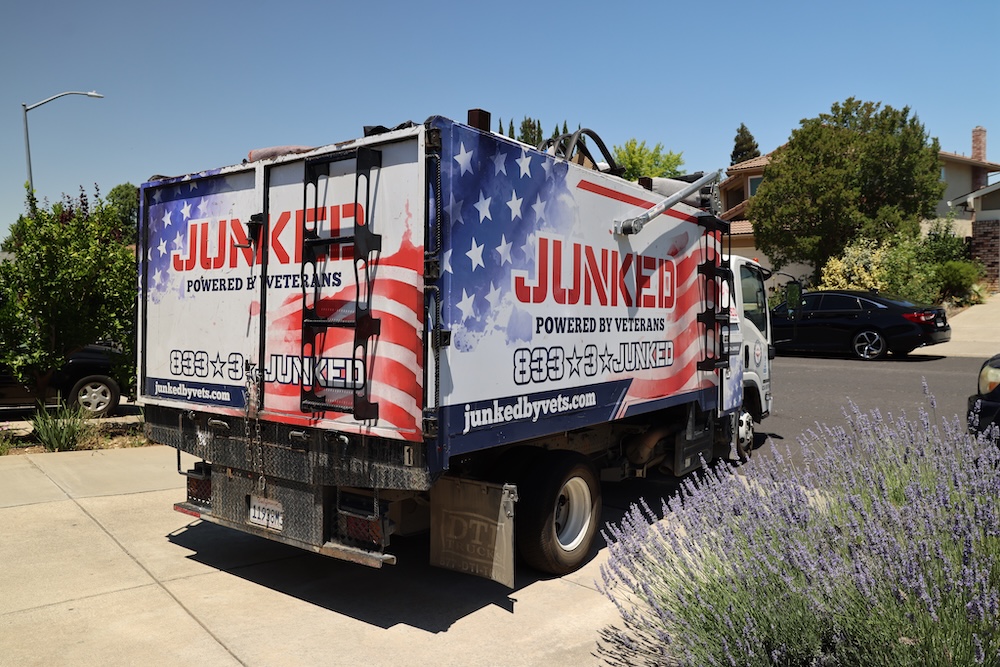
Handling An Estate Or Inherited Property? Here’s Why Bay Area Property Pros Choose Junked: Powered By Veterans™
If you’re managing an estate or dealing with an inherited property, choosing the right cleanout company matters. The wrong team can slow things down, create unnecessary stress, or leave behind items and debris that delay the next steps. At Junked: Powered by Veterans™, we help Bay Area families, executors, real estate agents, and property managers handle estate cleanouts with care, efficiency, and professionalism from start to finish.
Whether you’re clearing out a home after a loved one’s passing, preparing a property for sale, or managing a full estate transition, our veteran-led team brings respect, organization, and the right approach for every situation. We don’t just remove items, we help you move forward with a property that’s clean, cleared, and ready for what comes next.
Why Junked: Powered by Veterans™ Is The Right Choice For Estate & Inherited Property Cleanouts
- Compassionate, Respectful Service: We understand these situations can be emotional, and we handle every cleanout with care and discretion
- Full-Service Cleanouts: From furniture and personal items to garage and attic cleanouts, we handle everything so you don’t have to
- Efficient Turnaround: We work quickly to help you meet timelines for listing, renovation, or property transfer
- Eco-Friendly Disposal: Donations, recycling, and responsible disposal are always prioritized whenever possible
- Veteran-Led Professionalism: Clear communication, reliability, and a team you can trust during a sensitive time
If you’re dealing with an estate or inherited property in the Bay Area, the decision comes down to who will make the process easier. Schedule your free, no-obligation estimate and see why so many property professionals trust Junked: Powered by Veterans™ for cleanouts that are respectful, efficient, and stress-free.
Disclaimer
The materials available on this website are for informational and entertainment purposes only and not to provide legal or professional advice. You should contact your attorney or home improvement specialist for advice concerning any particular issue or problem. You should not act or refrain from acting based on any content included in this site without seeking legal or other professional advice. The information presented on this website may not reflect the most current home improvement developments. No action should be taken based on the information on this website. We disclaim all liability concerning actions taken or not taken based on any or all of the contents of this site to the fullest extent permitted by law.