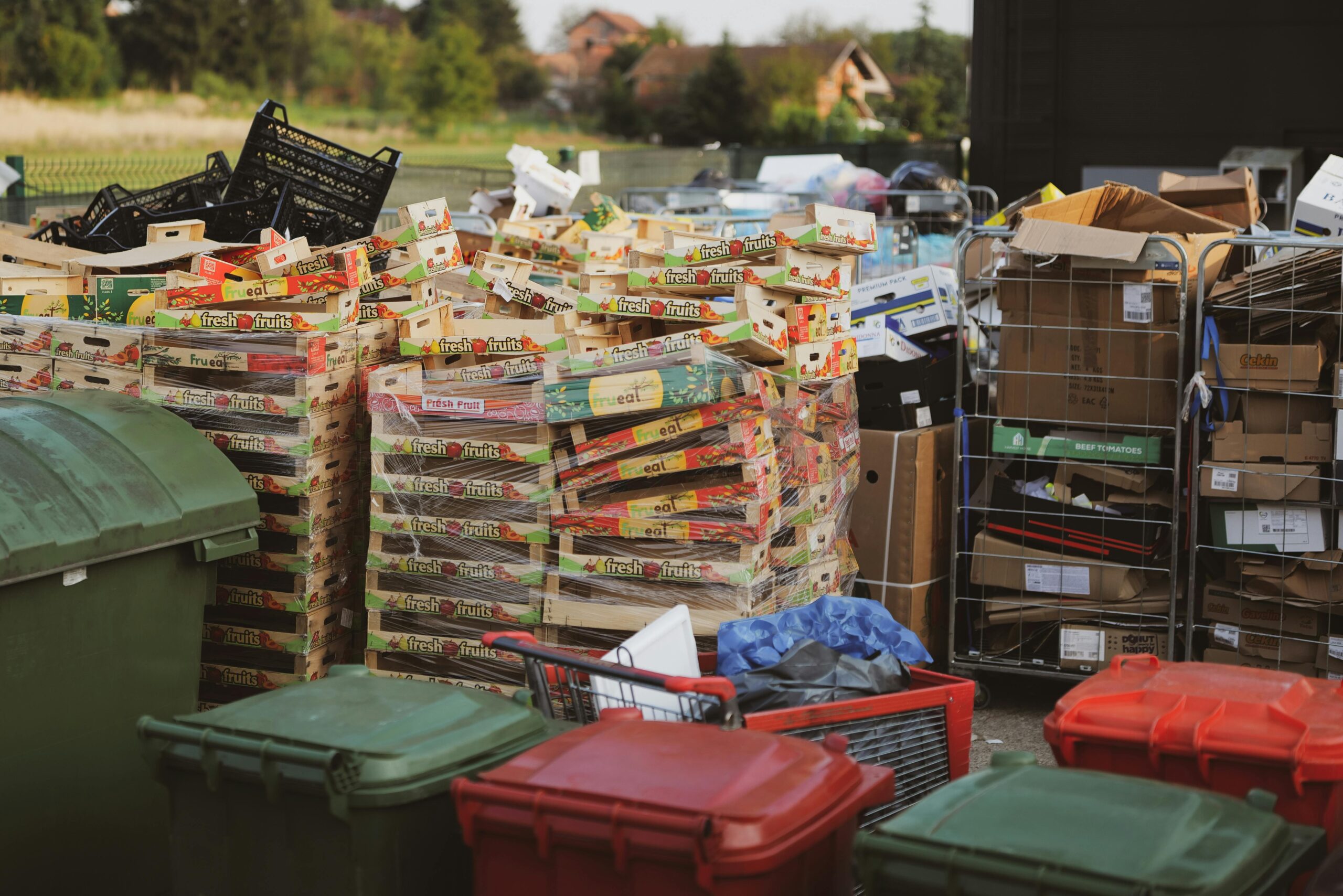
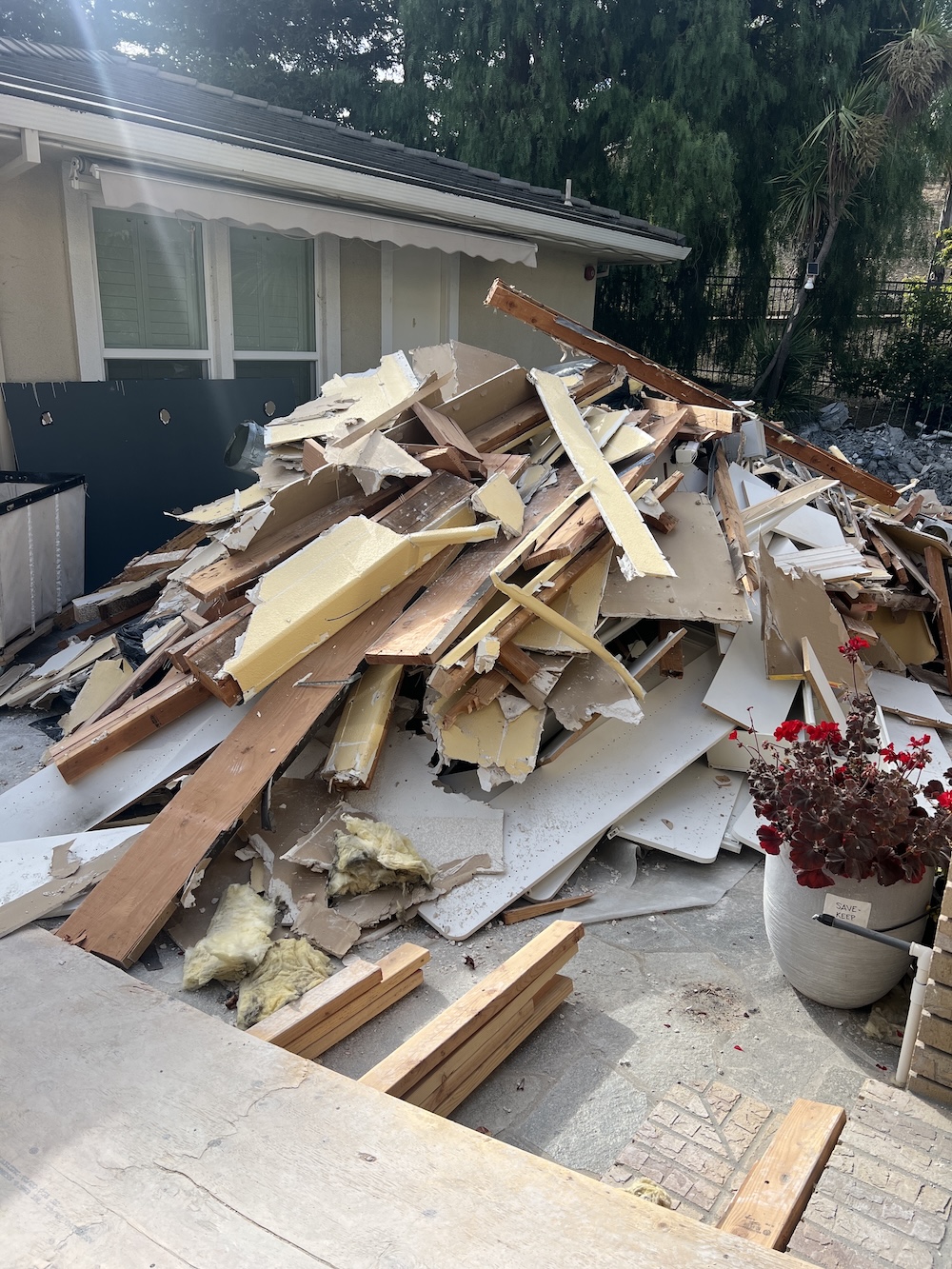
Storage cleanouts in the Bay Area usually cost between $200 and $1,200. The price depends on the size of the unit, how much work is needed, and disposal fees. For smaller jobs, like cleaning out a 5 to 10 cubic meter unit, you can expect to pay around $200 to $400 if it takes less than two hours with one or two movers. For bigger units or messy cleanouts, costs can rise to $600 to $1,200 due to extra labor, sorting, and recycling. Additional fees for permits, landfills, and hazardous waste vary by county. Local prices also change based on demand, truck access, and same-day service. The article goes on to provide detailed cost breakdowns, sample estimates, and money-saving tips for individuals and small businesses.
Key Takeaways
- The cost of storage cleanouts in the Bay Area mainly depends on three things: the size of the unit, the amount of stuff, and the location. When the unit is bigger or has larger items, the total cost tends to go up. This increase is because it affects how much work, hauling, and disposal will be needed.
- Select a pricing scheme that suits your needs by weighing flat, hourly, and volume-based fees. Ask for an itemized quote to pinpoint possible surcharges.
- Local Bay Area issues, such as rigid disposal rules, scarce parking, and increased expenses, increase prices, so engage services familiar with local regulations to prevent tickets and hold-ups.
- Pros usually cost more, but they save time, mitigate safety risks, and facilitate compliant recycling or disposal. DIY can conceal hidden fees for rentals, dump charges, and lost time.
- Cut your bill by pre-sorting and clearing out, segregating donations and recyclables, choosing off-peak slots,s and combining units where you can to minimize volume-based charges.
- Consider the beyond-the-price advantages when budgeting, such as reclaimed time, reduced anxiety, environmentally friendly diversion of reusables, and liability protection from insured experts.
Bay Area Storage Cleanout Costs
Storage cleanout pricing in the Bay Area depends on several measurable inputs: unit size, item volume, labor needs, disposal fees, and travel distance. These all play off each other. Bigger units and more bulky items push up labor and hauling. On top of that, local landfill fees and special handling requirements impose fixed surcharges. Here are the core drivers and specific cost mechanics to help bound likely bills.

1. Unit Size
When it comes to storage cleanouts in the Bay Area, the size of the unit plays a big role in the cost. Common sizes include 5×5, 5×10, 10×10, and 10×20. Larger units mean higher prices because they need more workers, more trips, and bigger trucks. The amount of stuff to dump also goes up. For smaller cleanouts, like picking up just one item, prices usually start at around $80. Adding more items can raise the cost by $10 to $15 each. Companies often charge a flat rate based on the size of the truckload, which can range from 1/2 yard to 2 yards. To give you an accurate price, most businesses will look at the unit size and sometimes do an on-site or photo estimate.
2. Item Volume
Storage cleanout costs usually depend on cubic yards, truckload size, or the number of items. As the volume increases, so does the price. Larger items need more labor, raising costs further. Smaller jobs, like single-item pickups, are usually cheaper, while full truckloads or multiple trips cost more due to extra fuel, labor, and disposal fees. Sorting items beforehand can help save money; separating recyclables and donations can lower disposal costs, and donations might reduce fees further. Oversized items like furniture and appliances take up more space and may incur extra charges. For example, appliances needing refrigerant removal can add fees from $35 to over $100, depending on the item and service.
3. Labor Needs
Labor is charged by the crew for the difficulty or complexity of the 15th-floor job. Complex jobs, such as disassembly, tight stair access, or upper floors, incur surcharges. Lift or crane jobs or 15th-floor walk-ups increase rates. Hazardous waste or very heavy lifts increase labor and compliance costs. Smart, seasoned crews cut hours and charges.
4. Disposal Fees
In the Bay Area, the cost for using local landfills and transfer stations tends to range from $40 to $125 per ton. If you have hazardous waste, the disposal fees can reach between $50 and $250, depending on what it is and the rules that apply. Getting rid of electronics usually costs around $20 to $60, while general items can be disposed of for free or up to $30. Though recycling or donating items can help reduce some of the costs, it does require extra time for handling.
5. Travel Distance
The cost of storage cleanouts can change based on how far the service provider is from the facility. Many companies will add extra charges if their location is more than 20 to 30 miles away. If the facility is far or if there are several stops, this can lead to higher mileage and time costs. Choosing local businesses can help reduce travel charges and speed up the service. Common extra costs include weekend work, minimum dump runs, and fuel fees.
Understand Pricing Models
Storage cleanout pricing in the Bay Area is influenced by several key factors, including the volume or weight of items, travel distance to disposal sites, labor requirements, applicable taxes, profit margins, and any special handling needed for oversized or hazardous materials. The following framework can help you evaluate and compare estimates so you can choose the pricing model that best matches the size, complexity, and budget of your cleanout.

$7 Itemized Pricing Checklist
Knowing how the costs are broken down can help you understand what you’re paying for when you hire a cleanout service. The list below highlights usual cost factors, making it easier for you to compare different quotes with confidence.
- Base fee typically covers the essentials such as the number of workers, estimated labor hours, and truck size included in the job.
- Labor allocation Standard quotes often include a baseline crew (commonly two workers for about two hours), with additional labor billed hourly if the job exceeds the estimate.
- Volume and weight charges. Pricing may be based on how much space the load occupies (cubic meters or truckload fractions) or total weight, often using tiered pricing thresholds.
- Distance and disposal fees include fuel, travel time, and tipping fees charged by transfer stations or disposal facilities.
- Special item surcharges. Extra fees may apply for items such as appliances, electronics, tires, mattresses, or hazardous materials requiring special handling.
- Equipment requirements: Costs can increase if the job requires special equipment like lifts, hoists, or tools for confined or hard-to-access spaces.
- Taxes and margin.s Applicable taxes and company profit margins are factored in and should be clearly disclosed to avoid unexpected charges.
- Disposal destination breakdown:wn Some providers separate costs for recycling, donation drop-offs, and landfill disposal so you can see where materials are going.
Flat-Rate Pricing
Flat-rate is one price for the entire cleanout, no matter how long it takes. It works great for flat, predictable loads like a small storage unit full of miscellaneous household goods. They frequently price flat based on an estimated volume and labor package. Verify that the base includes two workers and two hours or whatever. Anticipate surcharges for heavy appliances, hazardous items, or awkwardly large furniture. Grab flat-rate offers when you want budget certainty and confirm exactly what’s included so the flat doesn’t become extras later.
Hourly Rates
Hourly rates invoice on-site time, typically with a minimum crew and minimum hours. This model works for jobs in which volume is uncertain, or access is tricky, such as upper floors, tight hallways, or long carries. Time carefully and request a time check every once in a while to avoid overages. Labor-heavy cleanouts, such as estate jobs with high sorts, generally cost more under hourly billing because the hours accumulate.
Volume-Based Fees
Volume-based fees are charged by the amount of room your load takes up in the truck in cubic yards or cubic metres. This incentivizes tight packing and separating donations or recyclables to reduce billed volume. Request a pricing estimate or tier chart before you dive in. Heavy, bulky items and large overall volume increase costs, and the disposal destination’s distance continues to factor into your final price.
The Bay Area Difference

With its mixture of dense urban districts and spread-out suburban neighborhoods, the Bay Area difference affects how storage cleanouts are scoped and priced. City units might hold electronics, office equipment, and accessories associated with tech work, while suburban units will house bigger pieces of furniture or yard equipment. This variety fuels the need for crews capable of managing everything from household items to toxic waste, all within rigid regional regulations and eco-friendly standards.
Regional challenges that impact service rates:
- We have a huge need for same-day or short-notice cleanouts in the concentrated neighborhoods.
- Insufficient parking, congested streets, and loading zone restrictions adjacent to buildings.
- Strict local disposal and recycling regulations across cities.
- Higher wages, insurance, and fuel costs for service providers.
- Complex permits for large-scale or hazardous-material removals.
- Emotional and cultural sensitivities tied to some stored items.
- Need for specialized handling for electronics and e-waste.
- Emphasis on eco-friendly disposal and donation logistics.
Local Regulations
San Francisco Bay Area cities are very diligent about recycling and disposal for junk removal services, with different regulations per city. Item disposal restrictions typically prohibit hazardous waste, some electronic waste, and some types of yard waste from landfills. Recyclables, organics, and hazardous items all need their own streams, and if you don’t separate, you can be fined and have your loads rejected. Professional cleanout services know which transfer stations accept what, how to label loads, and when permits are needed for bulk disposal, lowering your legal risk and keeping your project on schedule.
Challenges with Moving and Organizing
Restricted facility access, tight corridors, and upper-floor walk-ups typically drag out cleanouts. Parking limitations and elevator windows can add time and require extra crew or equipment, increasing the price. Scheduling them during off-hours or booking a daytime slot at the facility usually escapes fines and labor hours. Working with professional teams who show up with dollies, stair climbers, and permit expertise keeps things moving and doesn’t make us go back and forth.
Higher Operating Costs
Labor, fuel, insurance, and disposal fees are higher in the Bay Area than in many places, and those costs flow into service pricing. Cleanout companies have to account for equipment rental, special permits for hazardous materials, and local business taxes when they bid jobs. Plan to spend additional funds on cleanouts in elite neighborhoods like Pacific Heights or Mission, where baseline rates are higher, and add-ons for complex disposals are more common. Account for donation, recycling, and certified disposal pathways to satisfy local expectations and environmental requirements.
Professional Service vs. DIY
Professional cleanouts versus DIY vary in scope, speed, and risk. Here’s a quick contrast to set up the full argument.
Factor | Professional Service | DIY |
Efficiency | High: teams, tools, scheduling | Variable: depends on experience and time |
Safety | High: trained crews, proper equipment | Lower: risk of injury, improper lifting |
Final expenses | $275–$4,000 typical; avg $1,250; $25–$50/hr labor; 35–40% of sale proceeds; extra crane fees up to $2,000 | Direct costs: rentals, dump fees, transport; hidden costs can raise the total beyond the pros |
The True DIY Cost
Don’t forget to factor in rentals (truck or van), moving equipment (dollies, straps), and disposal. Truck rental and fuel, short-term equipment hire, city dump fees, and even authorized recycling center costs must be calculated in a ton-friendly manner. For example, 500 kg of rubbish might incur proportional fees. Include time cost: if you value your time at a modest hourly rate, add that too.
Unexpected expenses tend to show up. Special handling for hazardous items like electronics, batteries, or asbestos can necessitate paid drop-off or certified handlers. Wasted time sorting through that paperwork, the saleable goods, and the good intentions involved in coordinating donations. Injuries from lifting heavy things can saddle you with medical bills and lost work.
Fines and repeat trips are involved with improper disposal. Illicit dumping jeopardizes city fines. One blown load to a transfer station can add a few hundred dollars in fees. Create a line-item budget: transport, disposal, rental, permits, contingency (15 to 25 percent), and estimated personal labor hours.
The Professional Value
With crews and lift equipment, pros can do the same with much faster turnaround. Standard market numbers indicate that full-service cleanouts are between $275 and $4,000, with an average of $1,250 based on size and scope. Hourly wages commonly range from $25 to $50, and if the firm sells products, they might take 35 to 40 percent of gross sales.
Pros sort, recycle, and dispose responsibly under local regulations, minimizing legal and environmental risk. They can spot anything that has resale value and provide reasonable estimates, which help offset costs. For really big removals that require cranes, pros handle permits and can charge premium fees of as much as $2,000.
You can prep to cut costs: take photos, set aside valuables, and remove fragile items before the crew arrives. That cuts down on man-hours and makes the project smoother for both parties.
Beyond The Price Tag

Storage cleanouts in the Bay Area are about more than just a price tag. They are about your valuable time, regional laws, environmental stewardship, and ultimately, enduring value. Here are real-world advantages and compromises to consider when deciding between DIY and professional services.
- Reclaim valuable time
- Reduce stress during transitions
- Achieve a clean slate for reuse or resale
- Minimize liability and safety risk
- Improve the odds of proper disposal and recycling
Reclaiming Time
Professional cleanout teams get the job done fast, saving your schedule for higher-value work. In congested urban markets, teams skilled in close-quarters moving and advanced load optimization can clean out a typical unit in a matter of hours, not a labor-intensive weekend.
Tenants, landlords, and small businesses can instead concentrate on lease turnover, tenant outreach, or operations rather than lifting boxes. Normal waiting times are the same on the next day. If you book for an off-time, the wait is usually even shorter and requires less coordinating work.
Factor in opportunity cost: your hourly billable rate or productivity loss can make paid help cost-effective. Attack one shelf or a handful of boxes at a time. This will keep you from a last-minute frenzy and save you time sorting during the serviceman’s visit.
Environmental Impact
Good junk removal companies in the Bay Area adhere to rigorous recycling and disposal guidelines largely motivated by local ordinances and climate factors. They redirect reusable items to local charities and recyclables to proper facilities.
Extracting metals, cardboard, electronics, and hazardous waste cuts down on landfill strain and curbs regulatory fines. By selecting services that record drop-off locations and diversion rates, you’re helping meet sustainability objectives.
The Bay Area’s draconian recycling laws make improper disposal more expensive. Ask your providers how they dispose of e-waste, paints, and mattresses. Packing things by category, such as sports equipment and seasonal wear, accelerates donation and recycling choices and enhances diversion results.
Peace of Mind
Hiring insured professionals takes away a lot of liability and safety issues. Our expert crews take care of sorting, heavy lifting, hauling, and disposal so you don’t hurt yourself or your home.
Honest, upfront information and pricing reduce anxiety. Get quotes from three providers at least for a sense of the local price landscape. It’s easy to be surprised out there. As soon as your unit is clean after the initial clean, inspect it once again to ensure that nothing has been missed and it is being disposed of in an agreed manner.
How to Reduce Your Bill
Begin with volume and value. Break things down into keep, donate, sell, and trash piles before the crew gets there. Taking out just a few big items cuts down on truck time and tipping weight. Use vertical space: stack boxes and disassemble furniture so you move more in fewer trips. Calculate the unit’s replacement cost plus rent from the past year. If replacement will be greater than probable disposal and storage costs, it might make sense to downsize or even do a complete cleanout.
Declutter and prep for the crew to reduce hourly fees. Most haulers bill by truck size or labor hour. If you can, stage items in easy-to-grab batches by the door. Crews clear out quicker. If you choose to do it yourself, account for truck rental at approximately $50 to $150 per day, plus your time. For professional jobs, inquire about minimums and peak-hour rates. Weekend surcharges and fuel fees can increase bills quickly.
Schedule single-item pickups to lower your disposal costs. Pickups are frequently free or inexpensive by charitable organizations or reselling sites for usable furniture or electronics. Having these removed yourself or through a charity pickup reduces the amount delivered to landfill and reduces tipping fees, which for a unit’s worth of furniture can be anywhere from $50 to $200. For items that charities won’t take, split large loads: a single-item pickup service may cost less than full-load disposal.
Plan it for savings. Book off-peak weekdays or multiple units in the same run for a bulk discount. Booking off-times slashes rates and stress. Providers have slack during weekdays and mid-month. Pool appointments from neighboring units so that labor and truck charges are spread over more volume.
Ask for itemized quotes and make surcharges clear. Ask for quotes from at least three providers so you can map the price landscape and avoid surprises. Inquire about tipping charges, dump run minimums, labor per hour, travel or fuel fees, weekend surcharges, and cleaning add-ons. Check if quotes include landfill or transfer station fees, which in the Bay Area can be $40 to $125 or more per ton, depending on the county. Save written estimates and compare them line by line.
Consider hybrid options: you do staging and donations, pros handle heavy removal. This generally reduces overall expenditure while maintaining security and performance.
Conclusion
Local prices for storage cleanouts vary depending on unit size and the type of items involved. Small units typically range from $165 to $385 USD, while medium units fall around $330 to $770 USD. Larger units generally cost between $660 and $1,650 USD. Final pricing is influenced by labor hours, haul-away fees, disposal costs, and any extra charges for bulky or hazardous materials.
Hiring a professional service offers speed, efficient labor, and responsible disposal. A DIY approach can reduce costs and give full control, making it the cheapest option for smaller jobs. A hybrid method—removing lighter items yourself while hiring a crew for heavy lifting—often provides the best balance of cost and convenience. Always request itemized quotes, a clear timeline, and disposal verification before committing.
Compare at least 2–3 local providers, secure written estimates, and confirm an exact pickup schedule. So, how much do storage cleanouts cost in your area? Getting multiple quotes from local cleanout teams is the best way to find a fair price.
Frequently Asked Questions
How much does a storage unit cleanout typically cost in the Bay Area?
Bay Area storage cleanouts typically cost from $300 to $1,500 based on unit size, how cluttered it is, and labor. Anticipate elevated rates in San Francisco and Silicon Valley.
Do companies charge by the hour or by volume?
A lot of them charge by volume (truckload) or flat project rates. Others charge by the hour for labor, plus disposal fees. Ask for a transparent written estimate before scheduling.
Are there extra fees for hazardous or bulky items?
Yes. Appliances, mattresses, chemicals, and electronics usually have surcharges or disposal fees. Anticipate separate fees for haul-away and recycling.
Can I save money by doing a partial DIY cleanout?
Yes. Taking out the valuables and trash yourself reduces labor hours and volume. Hire professionals for heavy lifting, disposal, or logistics to save overall cost and time.
Do storage cleanout services offer donation or recycling options?
Good companies arrange donations and recycling. They might knock a little off your invoice or give you something written for taxes. Double check alternatives ahead of time.
How long does a typical storage cleanout take?
Small units may take one to three hours. Big or packed units can take half a day or more. Time varies based on access, sorting requirements, and special-item processing.
How should I choose a trustworthy cleanout company in the Bay Area?
See what local reviews say and check licensing, insurance, and upfront estimates. Inquire about disposal work and secure a written contract to prevent surprises.