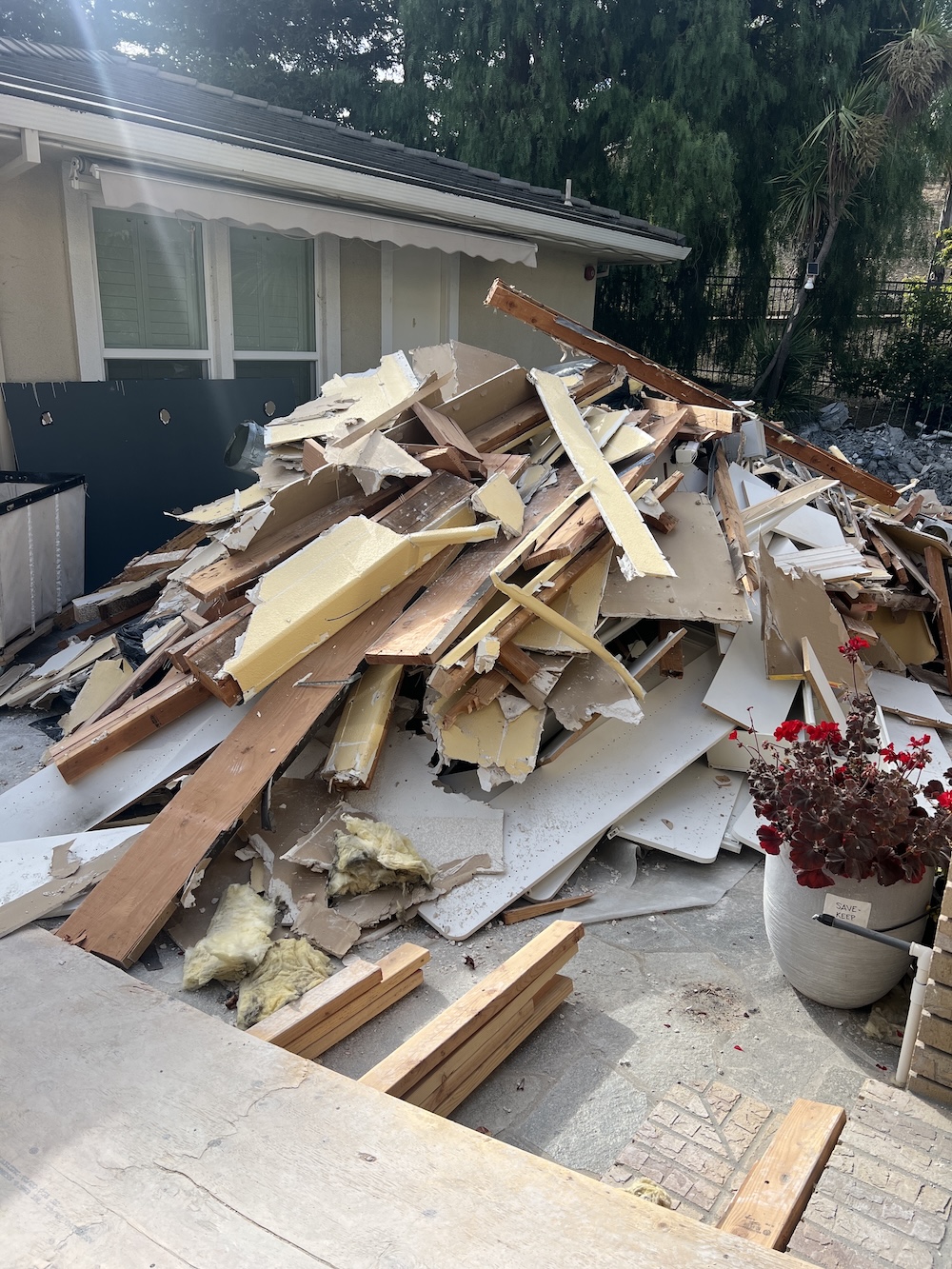
Hoarder cleanouts are much more complex than regular house cleaning. Large amounts of clutter often need to be sorted, organized, and removed with care. Blocked walkways, stairways, and exits can create safety hazards that must be cleared before work can continue. Many belongings also have sentimental value, so deciding what to keep or discard takes time and patience.
The time needed for a hoarder cleanout depends on the amount of clutter, the size of the home, accessibility, health hazards, and the number of workers involved. Some projects take only a day or two, while severe cases may require weeks. Understanding these factors helps families and property owners plan the cleanup more effectively.
Key Takeaways
- Hoarder cleanouts can range from a one-day project to a multi-week undertaking depending on the severity of the situation.
- The size of the property and the volume of accumulated belongings are among the biggest factors affecting completion time.
- Homes with blocked access points, structural concerns, pest infestations, or biohazard conditions often require additional cleanup time.
- Sorting possessions into categories such as keep, donate, recycle, and discard can be one of the most time-consuming parts of the process.
- Family involvement and decision-making regarding sentimental items may extend project timelines.
- Professional cleanout teams can often complete projects more efficiently through specialized equipment, trained personnel, and organized workflows.
- Disposal regulations, donation coordination, and recycling requirements may impact scheduling and overall project duration.
- Deep cleaning, sanitization, odor removal, and property repairs may be necessary after clutter removal is completed.
- Every hoarding situation is unique, making a professional assessment one of the best ways to estimate an accurate timeline.
- Proper planning and realistic expectations can help make the cleanout process smoother and less overwhelming for everyone involved.

Understanding The Average Hoarder Cleanout Timeline
The amount of time required to complete a hoarder cleanout can vary dramatically based on the unique circumstances of the property. While some cleanouts involve removing a manageable amount of clutter from a relatively organized space, others may require extensive labor, specialized equipment, and multiple phases of cleaning and restoration. Because no two hoarding situations are exactly alike, there is no universal timeline that applies to every project.
In general, mild hoarding situations may be completed within one to three days, particularly when clutter is limited to certain areas of the home and pathways remain accessible. Moderate hoarding cases often take several days to a week, while severe hoarding situations can require multiple weeks to fully address. Homes that contain extensive debris, health hazards, or structural concerns may require additional time for safety inspections, specialized cleanup procedures, and repairs.
Most professional hoarder cleanouts follow a structured workflow designed to maximize efficiency while ensuring safety and proper handling of personal belongings.
Common Stages Of A Hoarder Cleanout

Property Assessment
Before any work begins, the property is evaluated to determine the severity of the hoarding situation, identify safety hazards, estimate labor requirements, and develop a cleanup strategy.
Sorting And Categorization
Items are carefully reviewed and separated into categories such as belongings to keep, donate, recycle, or discard. This stage often requires the most decision-making and can significantly impact the overall timeline.
Removal Of Unwanted Items
Once sorting is complete, crews begin removing clutter, furniture, debris, and other unwanted materials from the property.
Disposal And Donation Handling
Items designated for disposal, recycling, or donation must be transported to appropriate facilities, which can require additional coordination and scheduling.
Deep Cleaning And Sanitation
After clutter removal, surfaces are cleaned and sanitized to address dust, dirt, odors, and potential contamination.
Final Inspection
A final walkthrough helps ensure the property is safe, accessible, and ready for its intended use.
Each of these stages contributes to the total project duration, and the amount of time spent on each phase depends on the complexity of the cleanout.
Factors That Influence How Long A Hoarder Cleanout Takes
Several key factors determine whether a hoarder cleanout can be completed in a few days or whether it will require a much longer timeframe. Understanding these variables can provide a more realistic estimate of what to expect.
Size Of The Property
The overall size of the home plays a major role in determining cleanup duration. Larger properties naturally contain more space to inspect, sort, clean, and restore.
- A studio apartment may require only a day or two of work.
- A two-bedroom home may take several days.
- Large multi-story homes can require one or more weeks depending on the volume of accumulated possessions.
Additional structures such as garages, sheds, attics, and basements can further increase the amount of time required.
Volume Of Accumulated Items
The quantity of belongings inside the property is often one of the strongest indicators of how long the project will take.
Homes where clutter is limited to certain rooms are generally easier to clean than properties where every available space is filled. In difficult situations, items may be stacked from floor to ceiling, creating dense accumulations that require careful removal and extensive sorting.
The greater the volume of possessions, the more labor, transportation, and disposal resources will be needed.
Accessibility Challenges
Accessibility can significantly impact cleanup efficiency.
Common obstacles:
- Blocked hallways
- Narrow pathways
- Staircases filled with belongings
- Heavy furniture
- Overcrowded storage areas
- Limited entry and exit points
When workers must navigate difficult conditions or create safe access routes before beginning removal, the timeline can increase substantially.
How Hoarding Severity Affects Project Duration
Not all hoarding situations present the same level of complexity. Industry professionals often classify hoarding conditions according to severity levels, which can provide insight into how long cleanup efforts may take.
Level 1 And Level 2 Hoarding
Lower-level hoarding situations typically involve noticeable clutter without major health or safety concerns. Although organization may be challenging, the home generally remains functional.
These projects often move faster because:
- Rooms remain accessible.
- Utilities are operational.
- Exits are not blocked.
- Structural concerns are minimal.
- Health risks are relatively limited.
As a result, cleanup crews can focus primarily on sorting and removal rather than extensive hazard mitigation.
Level 3 To Level 5 Hoarding
More advanced hoarding situations require a significantly greater investment of time and resources.
These properties may contain:
- Excessive debris accumulation
- Severe clutter throughout the home
- Rodent or insect infestations
- Mold growth
- Biohazard contamination
- Damaged walls or flooring
- Structural instability
In these cases, crews often need to work more cautiously while following strict safety protocols. Additional inspections and remediation measures may also be necessary before the property can be restored.
The Time Required For Sorting And Decision-Making

One of the most time-consuming aspects of any hoarder cleanout is determining what should happen to the belongings inside the home.
Unlike ordinary junk removal projects, hoarder cleanouts often involve items with personal, sentimental, or financial value. Family members may need time to review possessions, locate important documents, or identify treasured keepsakes before disposal begins.
Common Sorting Categories
Items are typically organized into categories such as:
- Items to keep
- Family heirlooms
- Important documents
- Donation items
- Recyclable materials
- General household waste
- Hazardous materials
The more belongings that require individual review, the longer the sorting process will take.
Emotional Considerations
In many situations, family members become actively involved in decision-making. While this involvement can be valuable, it may also extend the timeline as individuals carefully evaluate personal belongings and discuss what should remain in the family.
Because emotional attachment can make decisions difficult, sorting frequently becomes one of the longest phases of the entire cleanout.
Safety Hazards Can Extend The Cleanout Process
Safety concerns often require additional planning and precautions before cleanup can begin.
Many hoarder homes contain hidden dangers that are not immediately visible beneath accumulated clutter. These hazards may require specialized handling procedures, protective equipment, and additional labor.
Potential Hazards Include
- Fire hazards
- Mold contamination
- Rodent infestations
- Insect infestations
- Biohazard materials
- Damaged flooring
- Water damage
- Exposed wiring
- Unstable structures
When these conditions are present, cleanup teams must prioritize worker safety while preventing further property damage.
Additional Safety Measures
Depending on the circumstances, crews may need:
- Protective suits
- Respirators
- Gloves
- Hazard containment procedures
- Specialized sanitation equipment
These precautions help ensure safe cleanup but can increase the amount of time required to complete the project.
Disposal, Donation, And Recycling Requirements
Many people underestimate the amount of coordination required after items are removed from the home.
A hoarder cleanout often generates a wide range of materials that must be processed through different disposal channels. Proper handling is important not only for efficiency but also for environmental compliance and public safety.
Materials That May Require Specialized Disposal
Certain items cannot simply be placed in standard waste containers.
Examples include:
- Electronics
- Paint products
- Household chemicals
- Batteries
- Appliances
- Propane tanks
- Fluorescent light bulbs
- Medical waste
Each category may require transportation to a designated recycling or disposal facility.
Donation And Recycling Coordination
Items in good condition may be donated to charitable organizations, while recyclable materials must be separated and processed appropriately.
Coordinating these services can add time to the overall project, particularly when large quantities of items are involved.
The Role Of Professional Cleanout Services In Reducing Timelines

Attempting a hoarder cleanout without professional assistance can be overwhelming and time-consuming. Many families underestimate the labor required and quickly discover that the process takes far longer than anticipated.
Professional cleanout teams can often complete projects much more efficiently because they have the resources and experience needed to manage complex situations.
Specialized Resources
Professional crews typically bring:
- Trained labor teams
- Commercial hauling equipment
- Large trucks and dumpsters
- Protective safety gear
- Cleaning and sanitation tools
- Established disposal networks
These resources allow work to progress more quickly than most individuals could accomplish on their own.
Organized Workflow
Experienced cleanout professionals generally follow proven procedures that help:
- Improve efficiency
- Reduce delays
- Enhance safety
- Maintain organization
- Streamline decision-making
- Coordinate disposal services
As a result, projects that might take a family several months to complete independently can often be finished within days or weeks when managed by experienced professionals.
What Happens After The Cleanout Is Finished?
Removing clutter is often only one step in the overall property restoration process. Once belongings and debris have been cleared, additional work may be necessary to restore the home’s cleanliness, safety, and livability.
Common Post-Cleanout Services
Many properties benefit from:
- Deep cleaning
- Sanitization
- Odor removal
- Pest treatment
- Mold remediation
- Carpet replacement
- Minor repairs
- Painting
- Property restoration
These services help address issues that may have developed during years of accumulated clutter.
Final Property Evaluation
After all cleanup and restoration work is completed, a final evaluation is often conducted to ensure the property is safe, accessible, and ready for occupancy, sale, renovation, or other intended use.
Depending on the property’s condition and the extent of damage uncovered during the cleanout, these post-cleanout services can add several additional days or weeks to the overall project timeline. However, they are often essential for fully restoring the property and preventing future issues.
Conclusion
The time needed for a hoarder cleanout in Oakland depends on the size of the property, the amount of clutter, safety risks, and the work required. Smaller cleanouts may take only a few days, while severe hoarding, biohazards, or damaged homes can take several weeks. Sorting belongings, saving valuable items, and deciding what to donate, recycle, or throw away also add time to the process.
Understanding these factors helps homeowners and families plan with realistic expectations. Professional cleanout teams can speed up the work using the right equipment and experience while improving safety. With careful planning, patience, and proper support, even large hoarder cleanouts can restore a safe, clean, and comfortable home.
Frequently Asked Questions
1. How Long Does A Typical Hoarder Cleanout Take?
A typical hoarder cleanout can take anywhere from a single day to several weeks depending on the size of the property, the amount of clutter present, the accessibility of the home, and whether additional cleaning or restoration services are needed. Smaller homes with moderate clutter generally require less time than large properties with severe hoarding conditions.
2. Can A Severe Hoarding Situation Be Cleaned In A Single Day?
In most cases, severe hoarding situations cannot be fully addressed in a single day. Extensive clutter, blocked access points, health hazards, and the need for careful sorting often require multiple days or even weeks to complete safely and effectively. The more complex the conditions, the longer the cleanup process is likely to take.
3. What Causes A Hoarder Cleanout To Take Longer?
Several factors can extend the timeline of a hoarder cleanout, including:
- Large volumes of accumulated belongings
- Extensive sorting and decision-making
- Pest infestations
- Mold contamination
- Biohazard materials
- Structural concerns
- Limited property access
- Specialized disposal requirements
- Deep cleaning and repair needs
Any combination of these issues can increase the amount of labor and coordination required.
4. Does Professional Help Speed Up The Cleanout Process?
Yes. Professional hoarder cleanout services often complete projects much faster than individuals attempting the work on their own. Experienced crews have access to trained personnel, commercial equipment, hauling vehicles, safety gear, and established disposal networks that help improve efficiency and reduce delays.
5. Will Deep Cleaning Be Needed After A Hoarder Cleanout?
In many situations, deep cleaning is strongly recommended after clutter removal. Years of accumulated belongings can leave behind dust, dirt, odors, mold, pest-related contamination, and other sanitation concerns. Deep cleaning and disinfecting help restore the property’s cleanliness and improve overall health and safety.
6. Are Hoarder Cleanouts Emotionally Difficult?
They can be. Many items stored within a hoarder home may hold sentimental value, making decisions about what to keep or discard emotionally challenging. Family members and property owners often need time to process these decisions, which can make the cleanup process more sensitive and time-consuming.
7. How Can Someone Prepare For A Hoarder Cleanout?
Preparation can help make the process more organized and less stressful. Helpful steps may include:
- Identifying important documents and valuables
- Creating categories for sorting items
- Establishing cleanup goals
- Discussing expectations with family members
- Planning for donation and disposal options
- Scheduling professional assistance if needed
Taking these steps before cleanup begins can improve efficiency and help ensure a smoother experience.
8. Is It Possible To Estimate A Hoarder Cleanout Timeline Before Work Begins?
Yes, but estimates are typically most accurate after a property assessment has been completed. A walkthrough allows cleanout professionals to evaluate the amount of clutter, identify safety hazards, determine labor requirements, and estimate how long each phase of the project may take.
9. What Happens If Hazardous Materials Are Discovered During The Cleanout?
If hazardous materials such as mold, chemicals, medical waste, or biohazards are found, specialized handling and disposal procedures may be required. These additional safety measures can increase the project’s duration but are important for protecting both workers and occupants.
10. Can A Property Be Restored After A Severe Hoarding Situation?
In many cases, yes. Even homes affected by severe hoarding can often be restored through a combination of clutter removal, deep cleaning, sanitation, pest treatment, repairs, and restoration services. The extent of restoration required will depend on the condition of the property and any damage uncovered during the cleanout process.