A hoarder’s home contains excessive clutter that can make living spaces unsafe and difficult to use. As belongings pile up, rooms may become hard to enter, increasing the risk of falls, fires, pests, poor air quality, and property damage. Family members, visitors, and emergency responders may also face safety risks.
Hoarding often develops because of emotional attachment, anxiety, trauma, or difficulty letting go of possessions. Understanding these risks encourages early support, compassionate conversations, and safer living conditions. Professional help may also be needed to restore a healthy, functional home and improve overall well-being.
Key Takeaways
- Hoarder homes can present serious fire, health, and safety hazards that affect residents, visitors, and emergency personnel.
- Excessive clutter increases the risk of trips, falls, cuts, and other injuries by creating obstacles throughout the home.
- Structural damage may occur when accumulated belongings place excessive weight on floors, walls, stairways, and other building components.
- Poor sanitation and limited access to cleaning areas can contribute to mold growth, dust buildup, bacteria, and other health concerns.
- Pest infestations are more likely to occur in cluttered environments that provide food sources, nesting areas, and shelter.
- Blocked exits, hallways, and doorways can delay emergency response efforts and make evacuations more difficult during fires or medical emergencies.
- Hoarding can negatively impact emotional well-being, social relationships, and overall quality of life.
- Hidden hazards such as faulty wiring, water damage, and deteriorating structures may go unnoticed beneath accumulated belongings.
- Children, seniors, and individuals with mobility challenges may face increased risks in heavily cluttered living environments.
- Early intervention, awareness, and supportive assistance can help prevent safety risks from escalating and improve long-term living conditions.
The Hidden Dangers of Hoarder Homes
A hoarder home is more than a cluttered house. Too many belongings can make daily tasks like cooking, cleaning, sleeping, and walking safely much harder. Hoarding often develops over many years because people become emotionally attached to items or believe they may be useful in the future. As clutter grows, rooms may no longer serve their intended purpose.
Hoarder homes can range from mildly cluttered to completely blocked with possessions. No matter the level of clutter, these homes can create safety, health, and fire risks for residents, visitors, and emergency responders. Recognizing the warning signs early allows families to seek help and gradually create a safer, healthier living environment.
Fire Hazards and Increased Risk of House Fires
Among all the dangers associated with hoarder homes, fire represents one of the most serious and potentially devastating threats. Excessive clutter provides abundant fuel for fires, allowing flames to spread more rapidly than they would in a typical household. Once a fire begins, the presence of densely packed combustible materials can dramatically increase both the intensity and speed of the blaze.
Many of the items commonly found in hoarder homes are highly flammable. Newspapers, cardboard boxes, clothing, blankets, paper bags, books, furniture, and packaging materials ignite easily and burn quickly. When these materials are stacked closely together, they create continuous fuel sources that allow fire to move rapidly from one area of the home to another.
Even a relatively small ignition source can become catastrophic under these conditions. A cooking accident, overheated appliance, unattended candle, faulty electrical wiring, or malfunctioning space heater may quickly ignite nearby clutter. Once flames reach accumulated belongings, controlling the fire becomes far more difficult.
Why Fire Risks Increase in Hoarder Homes
Several common conditions found in hoarder homes significantly increase the likelihood of a fire.
Combustible Materials Near Heat Sources
Piles of paper, clothing, cardboard, or furniture may be stored dangerously close to stoves, ovens, fireplaces, radiators, water heaters, or portable space heaters. These heat-producing appliances require adequate clearance to operate safely. When surrounded by combustible materials, the risk of accidental ignition increases substantially.
Overloaded Electrical Systems
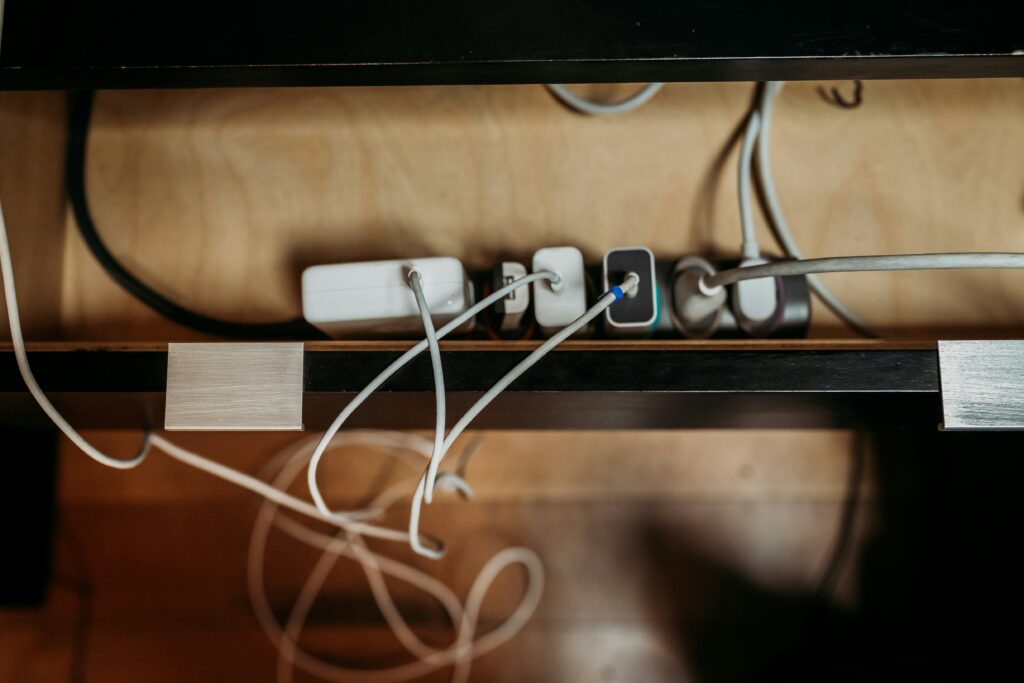
As storage space disappears, extension cords and power strips are often used to reach electrical outlets that remain accessible. Multiple high-powered appliances connected to a single outlet can overload electrical circuits, increasing the possibility of overheating, sparks, or electrical fires.
In some homes, cords may become buried beneath piles of belongings where heat cannot dissipate properly. Damaged wiring may also remain unnoticed because it is hidden beneath accumulated clutter.
Blocked Appliances and Ventilation
Appliances such as refrigerators, dryers, furnaces, and water heaters require adequate airflow to function safely. Excessive clutter surrounding these appliances may restrict ventilation, causing equipment to overheat or malfunction.
Lint accumulation around clothes dryers presents another serious fire hazard. When routine maintenance becomes difficult due to clutter, combustible lint may continue building up inside vents and around heating elements.
Unattended Cooking Areas
Kitchens affected by hoarding often contain limited workspace, cluttered countertops, and obstructed cooking appliances. These conditions increase the likelihood of accidental fires caused by unattended food, grease buildup, or combustible items placed too close to burners.
Cooking remains one of the leading causes of residential fires, and cluttered kitchens significantly increase the associated risks.
Challenges During a House Fire
A fire in a hoarder home can quickly become more dangerous because clutter blocks movement and escape routes. Residents may have difficulty reaching exits as smoke spreads, and unstable piles of belongings can collapse and block pathways. Large amounts of stored items also allow fires to spread faster, creating more smoke and harmful gases.
Firefighters face added risks because clutter makes it harder to enter the home, locate people, and reach the fire. Hidden hazards and weak floors can also increase the danger. Keeping exits clear, reducing clutter, and using electrical appliances safely can help lower fire risks and improve household safety.
Trip, Fall, and Physical Injury Hazards
One of the biggest dangers in a hoarder home is the risk of slips, trips, and falls. Clutter on the floor makes it difficult to walk safely, while narrow pathways and unstable piles of belongings increase the chance of losing balance. Even small items like boxes, clothing, or household objects can become serious tripping hazards.
Clutter can also hide dangers such as electrical cords, loose rugs, broken items, uneven floors, and spilled liquids. Blocked windows and poor lighting make these hazards even harder to see. Keeping walkways clear and reducing clutter can help prevent injuries and create a safer home.
Common Causes of Injuries
Several factors commonly contribute to physical injuries in hoarder homes.
Tripping Over Household Items
Boxes, bags, books, clothing, newspapers, and other belongings left on the floor create obstacles throughout the home. Residents may trip over these objects while walking through hallways, entering rooms, or carrying groceries and other items.
Falling Due to Unstable Piles
Stacks of possessions may appear stable but can shift without warning. Tall piles of boxes, furniture, or miscellaneous belongings can collapse unexpectedly, causing injuries ranging from minor bruises to broken bones or head trauma.
Slipping on Hidden Hazards
Clutter can conceal water leaks, spilled food, pet accidents, broken glass, or loose materials that create slippery surfaces. Because these hazards are often hidden beneath accumulated belongings, they may remain unnoticed until someone falls.
Injuries from Falling Objects
Items stored on high shelves, countertops, or unstable stacks may fall when disturbed. Heavy objects such as books, storage containers, tools, or appliances can cause significant injuries if they strike someone unexpectedly.
Difficulty Carrying Everyday Items
Simple daily tasks become more hazardous when residents must carry laundry, groceries, or household supplies through narrow pathways. Limited space makes it difficult to maintain balance while transporting objects from one room to another.
Individuals at Greater Risk
Although anyone can be injured in a cluttered environment, certain groups face a higher risk of serious harm.
Older adults often experience reduced balance, slower reaction times, and decreased mobility, making falls more likely and increasing the chances of fractures or other serious injuries.
Young children are naturally curious and may climb unstable piles of belongings or play in unsafe areas. Because they have limited awareness of potential dangers, cluttered homes present numerous hazards that can lead to accidents.
Individuals with disabilities or mobility limitations may find it especially difficult to navigate obstructed pathways. Walkers, wheelchairs, crutches, or other mobility aids require adequate space to function safely, and excessive clutter can make independent movement nearly impossible.
Even healthy adults are not immune to injury. Constantly stepping around obstacles or navigating cramped spaces increases physical strain and raises the likelihood of accidents over time.
Long-Term Effects of Physical Hazards
Repeated exposure to unsafe conditions can affect both physical and emotional well-being. Residents may avoid certain rooms because they feel unsafe or become anxious about moving throughout the home. Some individuals limit their daily activities to avoid navigating cluttered areas, reducing their overall quality of life and independence.
Creating clear walkways, removing unnecessary obstacles, and organizing frequently used spaces can significantly reduce these risks while making everyday activities safer and more comfortable.
Health Risks Associated with Poor Sanitation
As clutter continues to accumulate, maintaining a clean and sanitary home becomes increasingly difficult. Areas that were once easy to vacuum, disinfect, or inspect become blocked by piles of belongings. Over time, dust, dirt, moisture, food residue, and waste can build up unnoticed, creating conditions that may negatively affect physical health.
Poor sanitation is not always the result of neglect. In many hoarder homes, clutter simply makes cleaning inaccessible. Floors cannot be reached, furniture cannot be moved, and hidden spaces remain untouched for months or even years. This gradual decline in cleanliness can contribute to a variety of health concerns.
Respiratory Problems
One of the most common health issues associated with cluttered homes is poor indoor air quality.
Dust accumulates on surfaces and within stacks of belongings, becoming airborne whenever items are moved. Residents who breathe this dust regularly may experience coughing, sneezing, nasal congestion, irritated eyes, or difficulty breathing.
Individuals with asthma, chronic obstructive pulmonary disease (COPD), or other respiratory conditions may notice worsening symptoms when exposed to excessive dust or poor ventilation.
Mold and Moisture
Hidden water leaks are more difficult to detect in cluttered homes. Moisture trapped behind furniture, boxes, or stored belongings creates ideal conditions for mold growth.
Mold releases microscopic spores into the air, which can trigger allergic reactions, respiratory irritation, headaches, and other health concerns. Prolonged exposure may be especially problematic for children, older adults, and individuals with weakened immune systems.
Regular inspections for leaks become much more difficult when walls, plumbing fixtures, and flooring are concealed beneath accumulated possessions.
Bacteria and Germs
Food residue, spoiled groceries, dirty dishes, and household waste can create environments where bacteria multiply rapidly. Surfaces that remain unclean for extended periods may harbor harmful microorganisms capable of causing illness.
Bathrooms and kitchens affected by clutter often become increasingly difficult to sanitize, further increasing the risk of contamination.
Poor Indoor Air Quality
In addition to dust and mold, clutter can restrict airflow throughout the home. Blocked vents, closed windows, and overcrowded rooms reduce ventilation, allowing odors, airborne particles, and humidity to accumulate.
Fresh air circulation plays an important role in maintaining a healthy indoor environment. When airflow is restricted, indoor air quality may decline significantly.
Impact on Overall Well-Being
Living in an unsanitary environment can also contribute to fatigue, discomfort, sleep disturbances, and ongoing stress. Residents may become overwhelmed by the amount of cleaning required, making it even more difficult to address the underlying problem.
Improving sanitation often begins with reducing clutter so that surfaces become accessible for routine cleaning and maintenance.
Pest Infestations and Contamination
Another significant concern in hoarder homes is the increased likelihood of pest infestations. Clutter provides ideal shelter, nesting materials, and hiding places for a wide variety of insects and rodents. Once pests establish themselves within the home, they can multiply quickly and become difficult to eliminate.
Because accumulated belongings often remain undisturbed for long periods, pests can thrive without being detected until infestations become severe.
Common Pests Found in Hoarder Homes

Rodents
Mice and rats are among the most common pests found in cluttered homes. Cardboard boxes, paper, fabric, and insulation provide excellent nesting materials, while food crumbs and improperly stored food offer a reliable source of nutrition.
Rodents may chew through electrical wiring, damage furniture, contaminate food supplies, and spread bacteria through their urine and droppings.
Cockroaches
Cockroaches prefer dark, warm, and undisturbed environments, making cluttered homes particularly attractive. They can hide behind stacks of paper, inside boxes, beneath appliances, and within cracks that are difficult to access.
Cockroach allergens are known to trigger asthma attacks and allergic reactions, particularly in children.
Ants
Even small amounts of spilled food or sugary substances can attract ants. Once they locate a food source, colonies may quickly establish trails throughout the home.
Fleas and Other Insects
Homes with pets may experience flea infestations if cleaning becomes difficult. Other insects, including spiders, silverfish, moths, and beetles, may also find shelter among stored belongings.
Health and Property Risks
Pests are more than a nuisance. Many carry bacteria, contaminate food, damage personal belongings, and create unpleasant living conditions. Rodents can spread disease-causing microorganisms, while insects may contaminate food preparation areas and household surfaces.
Some pests also cause significant structural damage. Rodents frequently chew wood, insulation, plastic pipes, and electrical wiring, increasing both repair costs and fire risks.
The presence of pests may also contribute to emotional distress. Many residents feel embarrassed or overwhelmed by infestations, making them reluctant to seek assistance.
Reducing clutter, properly storing food, disposing of waste promptly, and maintaining regular cleaning routines are among the most effective ways to discourage pests from entering and remaining in the home.
Structural Damage and Property Deterioration

Excessive accumulation of possessions can gradually affect the structural integrity of a home. While most household items seem harmless individually, thousands of pounds of stored belongings concentrated in one area can place significant stress on floors, walls, ceilings, and support structures.
Heavy stacks of books, furniture, storage bins, and appliances may exceed the weight that certain areas of the home were designed to support. Over time, this continuous pressure can weaken flooring and contribute to structural deterioration.
Clutter also hides maintenance problems that would otherwise be identified early. Water leaks, cracked walls, termite damage, mold growth, or damaged flooring may remain unnoticed because they are concealed behind accumulated possessions.
When maintenance is delayed, relatively minor issues often become major repairs that are more expensive and time-consuming to fix. For example, a slow plumbing leak hidden beneath boxes may eventually rot floorboards, damage walls, and promote mold growth before anyone realizes a problem exists.
Regular home inspections become much more difficult when essential components such as electrical panels, plumbing systems, windows, and heating equipment are inaccessible. This lack of visibility increases the likelihood that structural problems will continue to worsen over time.
Maintaining accessible living spaces not only improves safety but also allows homeowners to identify maintenance concerns early, helping preserve the home’s condition and reduce long-term repair costs.
Emergency Access and Evacuation Challenges
During an emergency, every second matters. Whether the situation involves a house fire, a medical emergency, a gas leak, or a natural disaster, the ability to move quickly and safely through the home can mean the difference between life and death. Unfortunately, one of the greatest dangers in hoarder homes is that excessive clutter often blocks or limits access to essential exits and pathways.
In many hoarder homes, hallways, staircases, doorways, and even windows may be partially or completely obstructed by accumulated belongings. While residents may become accustomed to navigating these narrow pathways in their daily lives, doing so during an emergency is much more difficult. Smoke, darkness, panic, or physical injuries can make familiar routes almost impossible to follow.
Emergency responders also face significant challenges when entering heavily cluttered homes. Firefighters, paramedics, and rescue personnel often carry bulky equipment that requires sufficient space to maneuver. Narrow pathways, unstable piles of belongings, and blocked entrances can delay rescue efforts and make it more difficult to reach individuals who need immediate assistance.
How Clutter Delays Emergency Response
Several common conditions found in hoarder homes can interfere with emergency operations.
Blocked Entry Points
Front doors, back doors, and other entrances may be difficult to open because belongings have accumulated behind them. Emergency responders may need additional time to gain access to the home, delaying lifesaving assistance.
Obstructed Hallways and Staircases
Hallways and stairs should remain clear to provide safe movement throughout the home. When these areas become filled with boxes, furniture, or stored possessions, both residents and emergency personnel may struggle to move quickly.
Limited Visibility
Large piles of belongings reduce visibility inside the home and make it more difficult to locate occupants, especially when smoke or power outages are present. Emergency responders may have trouble identifying safe walking surfaces or recognizing hidden hazards.
Increased Risk to Rescue Personnel
Firefighters and medical personnel are trained to operate in dangerous environments, but excessive clutter creates additional risks. Unstable piles can collapse unexpectedly, weakened floors may fail under weight, and concealed sharp objects can cause injuries. These hazards slow rescue operations and increase the danger for everyone involved.
Challenges During Medical Emergencies
Not all emergencies involve fires. Medical situations such as heart attacks, strokes, severe injuries, or falls require immediate access to the affected individual. Cluttered homes can delay treatment by making it difficult for paramedics to reach the patient or safely transport them out of the home.
Stretchers, wheelchairs, and other medical equipment require adequate space to move. If pathways are blocked, emergency personnel may need to remove belongings before providing care, wasting valuable time when every minute counts.
Improving Emergency Preparedness
Reducing clutter is one of the most effective ways to improve emergency safety. While a complete cleanout may take time, several practical steps can significantly reduce risks.
These include:
- Keeping all exits and doorways completely clear.
- Maintaining unobstructed hallways and staircases.
- Ensuring smoke alarms and carbon monoxide detectors remain accessible and functional.
- Keeping fire extinguishers easy to reach.
- Making electrical panels, water shutoff valves, and gas shutoff valves accessible.
- Creating an emergency evacuation plan that all household members understand.
Even small improvements can make a significant difference during an emergency.
The Emotional and Psychological Impact of Unsafe Living Conditions

While the physical dangers of hoarder homes are often easier to recognize, the emotional and psychological effects can be just as significant. Living in a cluttered environment may contribute to chronic stress, anxiety, frustration, embarrassment, and social isolation. These emotional challenges often affect not only the individual experiencing hoarding behaviors but also family members, caregivers, and close friends.
For many people, hoarding is closely connected to emotional attachment, trauma, anxiety, depression, perfectionism, or difficulty making decisions. Possessions may represent memories, comfort, security, or a sense of identity. As a result, removing items can feel emotionally overwhelming, even when those belongings have little practical value.
Because of these underlying factors, improving safety requires more than simply removing clutter. It involves understanding the emotional significance of possessions and approaching the situation with patience, empathy, and respect.
Social Isolation
Many individuals living in hoarder homes become reluctant to invite visitors into their homes. Feelings of embarrassment or fear of being judged may lead them to avoid friends, relatives, neighbors, or service providers.
Over time, this isolation can reduce social support and increase feelings of loneliness. Relationships with family members may also become strained as loved ones express concern about the home’s condition or attempt to encourage cleanup efforts.
Increased Stress and Anxiety
Clutter itself can become a source of ongoing stress. Constant visual stimulation, difficulty finding important belongings, and challenges completing routine household tasks may leave residents feeling overwhelmed.
Simple activities such as preparing meals, paying bills, cleaning, or getting dressed can become frustrating when living spaces are crowded or inaccessible.
The awareness of potential safety risks may also contribute to persistent anxiety, particularly if residents worry about fires, injuries, or the possibility of losing their home due to unsafe conditions.
Impact on Daily Living
As clutter increases, everyday routines often become more complicated.
Residents may experience difficulty:
- Preparing healthy meals in a cluttered kitchen.
- Sleeping comfortably if bedrooms become unusable.
- Cleaning bathrooms and other essential living spaces.
- Completing household maintenance.
- Accessing important documents or medications.
- Caring for pets safely and effectively.
These challenges can gradually reduce overall quality of life and make independent living more difficult.
Supporting Someone Living With Hoarding Behaviors
Helping a loved one improve safety requires compassion rather than criticism. Forced cleanouts or confrontational approaches often increase anxiety and may damage trust, making future progress more difficult.
Instead, successful interventions typically involve:
- Listening without judgment.
- Setting realistic goals.
- Focusing first on safety rather than perfection.
- Celebrating small accomplishments.
- Encouraging professional support when appropriate.
- Respecting the individual’s pace whenever possible.
When family members work collaboratively with the individual, long-term improvements are generally more sustainable.
Practical Steps to Improve Safety in Hoarder Homes

Although severe hoarding situations may require professional assistance, many safety improvements can begin with small, manageable changes. Rather than attempting to transform the entire home at once, focusing on the highest-priority hazards often produces the greatest immediate benefit.
Some practical steps include:
Clear Essential Walkways
Ensure that hallways, staircases, and frequently used pathways remain wide enough for safe movement. Removing obstacles from these areas reduces the risk of falls and improves emergency access.
Keep Exits Accessible
All doors and emergency exits should open fully without obstruction. Windows designated as emergency escape routes should also remain accessible.
Reduce Fire Hazards
Store combustible materials away from heat sources, avoid overloading electrical outlets, replace damaged extension cords, and keep appliances free from surrounding clutter.
Improve Sanitation
Gradually remove trash, spoiled food, and unnecessary debris while cleaning accessible surfaces regularly. Improved sanitation helps reduce bacteria, odors, mold, and pest activity.
Address Pest Problems Promptly
Early intervention can prevent minor pest issues from becoming widespread infestations. Proper food storage, regular waste disposal, and professional pest control may be necessary in some cases.
Inspect the Home Regularly
As clutter decreases, inspect the property for plumbing leaks, electrical problems, mold, structural damage, and other maintenance concerns that may have been hidden previously.
Seek Professional Assistance When Needed
In severe cases, professional hoarder cleanout services, mental health professionals, social workers, organizers, and restoration specialists can provide valuable support. Working with experienced professionals often improves both safety and long-term outcomes.
Conclusion
Hoarder homes can create many safety risks, including fires, falls, pest infestations, health problems, structural damage, and blocked emergency exits. As clutter builds over time, it becomes harder to move safely, clean the home, and maintain important systems. These hazards can put residents, visitors, and emergency responders in danger.
Recognizing these risks early helps prevent conditions from becoming worse. With patience, practical support, and early action, families can reduce hazards, restore safe living spaces, and improve overall well-being. A compassionate approach also helps protect the dignity of the person affected while creating a healthier and safer home.
FAQs About Safety Risks In Hoarder Homes
1. What Is The Biggest Safety Risk In A Hoarder Home?
Fire hazards are often considered one of the most serious risks in hoarder homes. Excessive clutter made up of combustible materials such as paper, fabric, and cardboard can allow fires to spread rapidly, while blocked exits and narrow pathways can make evacuation difficult and dangerous.
2. Can Hoarding Cause Health Problems?
Yes. Hoarding can contribute to a range of health concerns, including poor indoor air quality, mold growth, dust buildup, and pest infestations. These conditions may increase the risk of respiratory issues, allergic reactions, and exposure to harmful bacteria.
3. Why Are Falls Common In Hoarder Homes?
Falls are common because clutter often creates unstable walking surfaces and hidden obstacles. Items on the floor, uneven piles, and narrow pathways can all increase the likelihood of trips, slips, and falls, especially in low-visibility areas.
4. Can Hoarding Damage A Home’s Structure?
In some cases, yes. The long-term accumulation of heavy items can place strain on floors, walls, and other structural components. Additionally, clutter can hide leaks or damage, allowing problems to worsen without detection.
5. How Does Hoarding Affect Emergency Responders?
Hoarding can significantly hinder emergency response efforts. Blocked entrances, narrow hallways, and obstructed stairways can delay firefighters, paramedics, and other responders, making it more difficult to reach individuals quickly during emergencies.
6. Can Children Be Affected By Living In A Hoarder Home?
Yes. Children may face increased physical risks such as falls or exposure to unsanitary conditions, as well as emotional stress from living in a cluttered or unsafe environment. These conditions can also affect their daily routines and overall well-being.
7. What Should Families Do If They Notice Hoarding-Related Safety Concerns?
Families should approach the situation with care, patience, and understanding. Prioritizing safety is essential, and seeking professional guidance or supportive services can help address both the environmental risks and the underlying challenges contributing to the situation.
s.