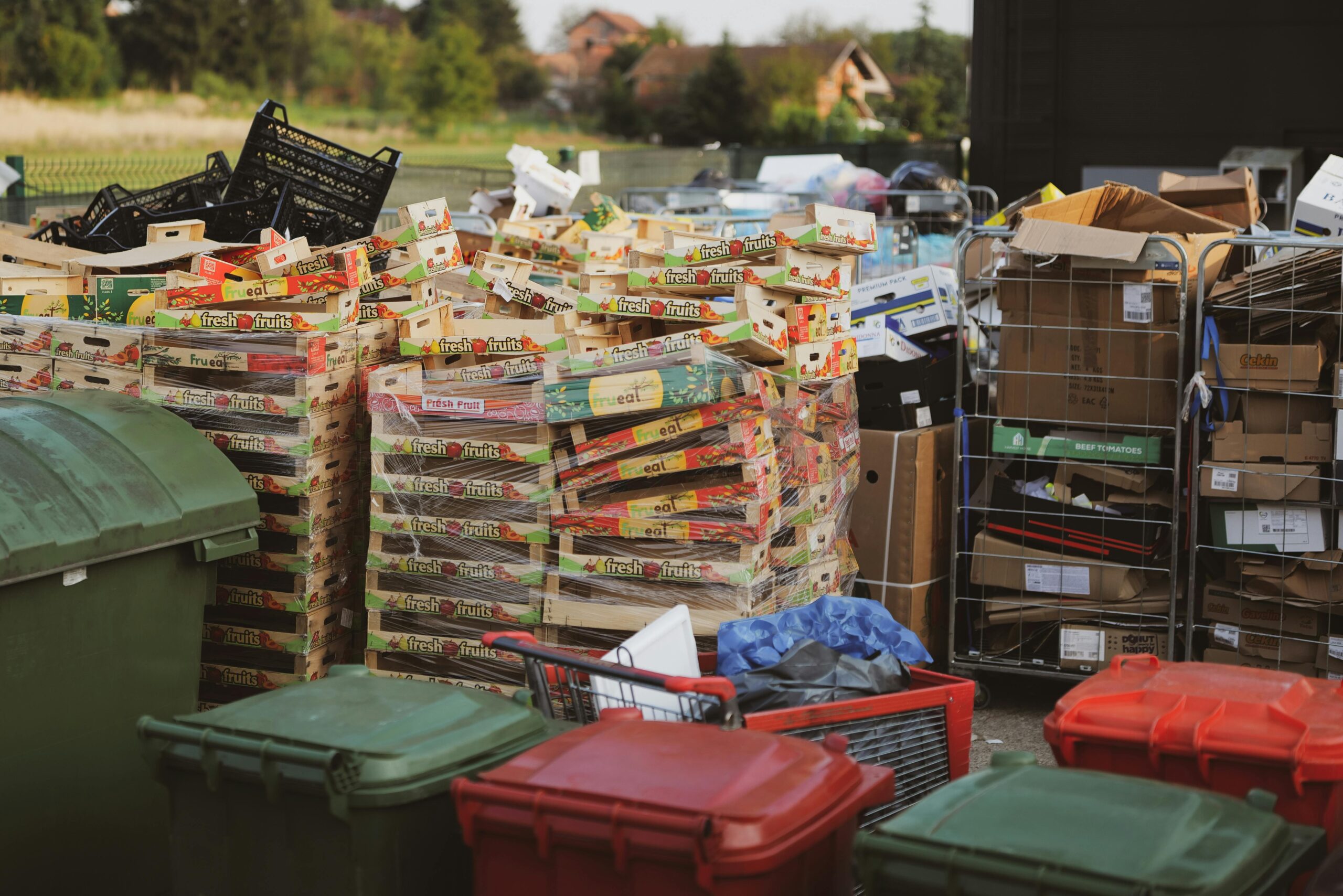
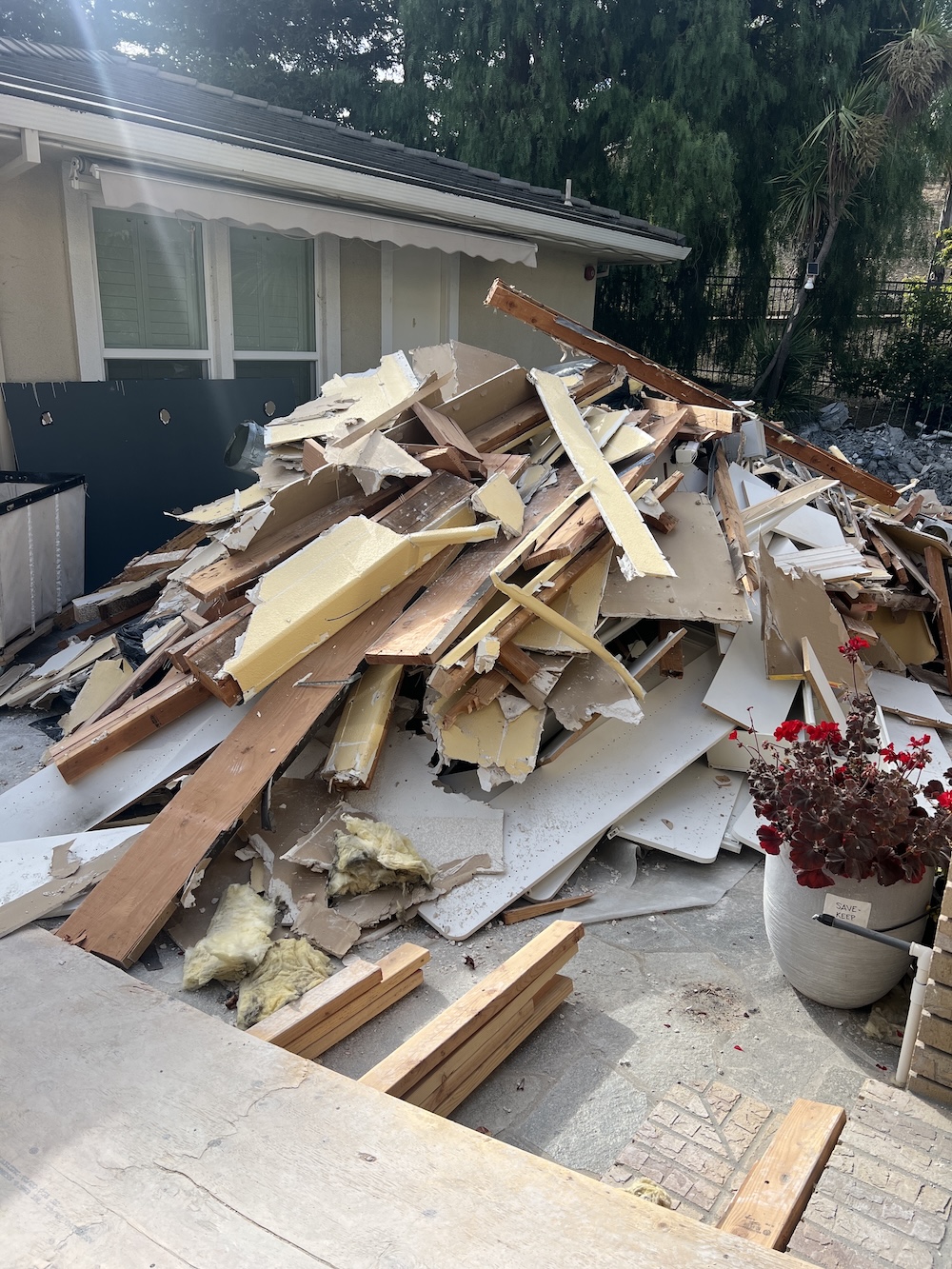
With one seasoned mover and a truck, a small unit can be cleared out in less than two hours, while larger units typically take two people and a medium-sized truck four to eight hours. Main considerations are unit size, item density, ease of access to loading areas, and whether items require disassembly or special handling. Local haul-away services, donation drop-offs, and landfill access determine the overall time. Weather and building rules impact scheduling and pace, too. The sections below deconstruct common timelines by unit size, number of employees, trucks used, and cost estimates to make planning an effective clear-out in Pittsburg, CA.
Key Takeaways
- The size of the unit and density of the contents are the key factors in how fast a storage unit in Pittsburgh can be cleared. Small, loosely packed units can often be cleared out in a matter of hours, whereas large or tightly packed units may take a full day or more.
- Stuff type changes how we work and how long it takes because large furniture, breakables, and hazardous materials require special movements and can bog us down.
- Facility access and local factors like gate hours, elevator availability, weather, and Pittsburgh traffic directly impact turnaround and should be verified before scheduling a cleanout.
- It really helps to have a clear team plan in advance, which speeds the job significantly. Divide up responsibilities for sorting, packing, hauling, and cleaning, and bring proper tools and transport to minimize downtime.
- Hiring a professional cleanout company can compress the timeline. Weigh included labor, disposal fees, and service speed against DIY costs to determine what’s best for your budget and/or time limitations.
- Get strategic next steps by taking stock and sorting. Then pack and label items to move, pre-arrange dumpsters and donations, and schedule a final sweep to leave the unit turnover ready.
The Pittsburg, CA Cleanout Timeline
The time to clear a storage unit in Pittsburg, CA, depends on several concrete factors that interact: unit size, how tightly items are packed, the types of items, how easy the facility is to access, and who does the work. Average projects vary from a couple of hours for a tiny, loosely packed unit to multiple days for very large, tightly packed units with awkward items.
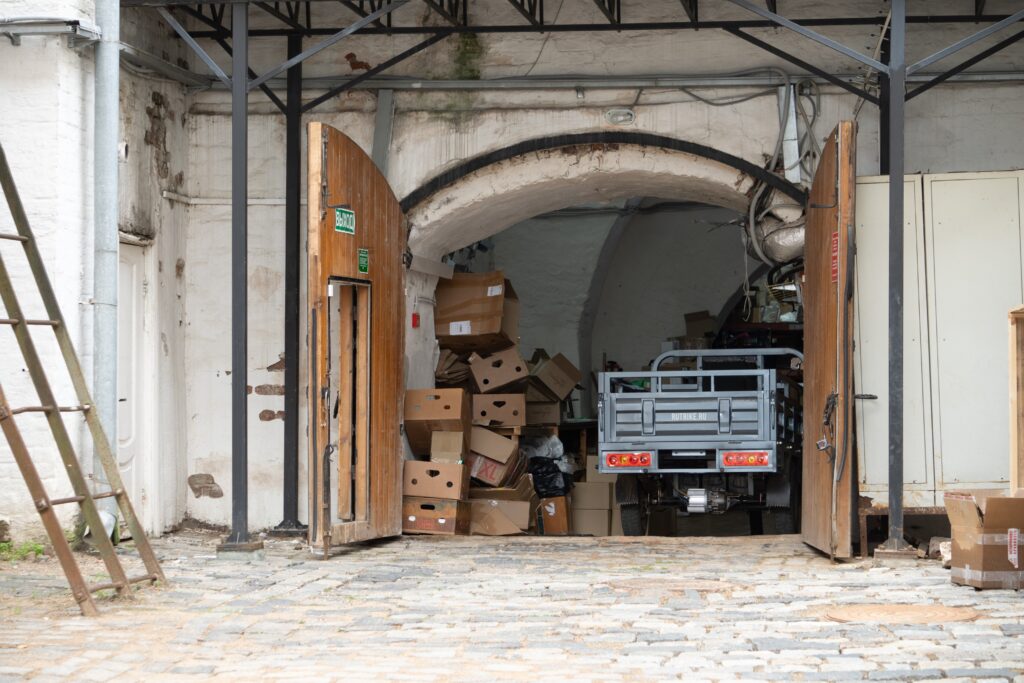
1. Unit Size
Unit size proportionally scales labor and time. For example, a standard 3 m² (10 ft²) unit filled with household boxes and a few small pieces of furniture can usually be cleaned out by two men in 2 to 4 hours. A 9 to 12 m² (30 to 40 ft²) unit with appliances and several pieces of furniture could require a full day with the same crew. Garage-size or commercial spaces, typically bigger, can necessitate a crew of 4 or more and extend over multiple days. A 12 m² unit with crated equipment and stacked pallets may need disassembly and staged removals, adding hours per item.
2. Content Density
The way you pack things impacts speed. Lightly packed units mean fast walk-throughs and batch loading. Tightly packed units need sorting, careful maneuvering, and occasionally dismantling. Dense packing increases the probability of delicate items requiring additional attention. In reality, a compact unit takes twice the processing time of a loosely loaded one. Anticipate packing productivity to fall from approximately 12 to 16 boxes per hour per person to 6 to 8 in cramped situations.
3. Item Type
Bulky, heavy, or hazardous items complicate the process. Appliances, pianos, and gym equipment need dollies, straps, and a minimum of two movers. Electronics and perishables require additional precaution in Pittsburgh’s hot summers. Since perishable goods can spoil, they need to come out first. Hazardous materials often have to be handled by licensed contractors, which adds increased timing and cost. For example, disassembling a large metal shelving system can add one to three hours.
4. Facility Access
Facility layout, elevator access, gate hours, parking, and local traffic all contribute to the schedule. Constrained loading zones or narrow driveways necessitate shuttle runs and additional cycles. Non-peak weekdays tend to minimize traffic and parking hassles. Add buffer time for check-in, gate codes, and potential weather delays. Rainy days can be lazy, slow, and may need tarps.
5. Your Team
The person who does the work forecasts aggregate time. DIY cleanouts are a cost saver, but they tend to take longer. A single individual can easily require several days. Hiring a professional crew completes the job and manages logistics, but increases cost. A balanced approach is to hire movers for heavy lifts and handle sorting yourself to cut time and cost.
A Step-by-Step Plan
A defined order minimizes lost work and keeps you from shifting the same box several times. The plan below breaks the clean-out into specific tasks, includes simple time checks, and highlights risks and cost decisions so the work remains effective and safe.

Assess and Sort
Begin outside with a rapid glance at the unit to observe its fullness and if boxes or bins hit the ceiling. If the unit seems like it has been undisturbed for years, anticipate mold, heavy items, and delicate stacks. Pack a mask, gloves, and enlist assistance for those heavy lifts. Divide the floor into zones: keep, donate, remove. Plug in the replacement calculation as you sort—add rent paid over the past year and compare to the cost of buying replacements. If replacement is cheaper, mark the item for removal. Set an hour timer and one zone per timer block. This keeps momentum and sidesteps second-guessing.
Pack and Label
Stuff in reasonably sized bunches instead of by random size. Store things you access a lot near the front and seasonal pieces in the back. Use clear, consistent labels: zone, brief content, and destination (home, charity, trash). Establish a stock list on phone or paper for expensive items. For fragile items, pad the goods and label ‘fragile.’ For electronics, tape cords together and label with model numbers. Chunk loading into one extended session for bigger units or multiple shorter ones for smaller. Plan two-hour chunks if the unit is floor to ceiling.
Transport and Unload
Book transport before bulky lifting. Reserve a van or truck and book experienced lifters if necessary. Load by weight: heavy items first and lighter items on top. Unload straight into final zones to avoid rehandling. Items to keep go to a staging area at home, donations go to a labeled box for drop-off, and trash goes to a dumpster or haul service. For big or dangerous stuff, think about a professional mover or waste hauler. Schedule your move-out date to be close to the end of your cycle to prevent paying for extra rent days.
Final Sweep
Do a thorough walk-through to sweep corners, ceiling cobwebs, and the floor for debris or spills. Take pictures of the vacant unit for documentation to avoid arguments and leave the unit broom-clean as per most facility rules. If either mold, stains, or structural problems are discovered, report to the facility as soon as possible and keep pictures for evidence.
Pittsburg’s Local Influence
Pittsburgh’s local flavors determine just how fast a storage unit can be emptied. The city’s local emphasis on clean, secure units and friendly service means less prep time and fewer headaches at move-out. At many sites, climate control, individual alarms, and 24/7 HD video mean users can inventory sensitive items more quickly and with less concern about environmental damage or theft. Nearby facilities and late gate hours reduce the window for load out.

City Regulations
Local ordinances on waste removal and bulky-item collection impact the clearance rate. Permits for big trucks aren’t often necessary in many business districts, but dumping rules dictate that leasees take to approved locations. This can add a couple of hours if you need to divide recyclables, donation goods, and landfill junk. Gyms typically display explicit instructions on approved supplies and local hauling affiliates. Employees will suggest local drop locations or donation organizations to facilitate disposal. For example, using a facility-recommended hauler can cut wait time by half a day versus searching for services independently.
Weather Impact
Pittsburg’s gentle weather typically aids rapid clean-outs, though rain and winds can still impede loading and necessitate tarps or interior staging. Climate-controlled units shield delicate equipment from dampness, enabling crews to operate without additional bunding. On warm days, regular water breaks keep us from staling and making errors. For example, moving electronics from a non-climate unit on a humid afternoon often needs extra dry-packing and can add one to two hours for a typical 10 square meter unit.
Traffic Patterns
Traffic is at its highest during the morning and late afternoon commute. By scheduling move-outs mid-day or on weekends, you eliminate rush-hour congestion and cut drive times between units, disposal, and donation stops. Convenient access and wide drive aisles allow trucks to park right up to doors, minimizing the carry distance and cycle time per load. Local staff who know back roads and off-peak windows can recommend the best routing, with their tips frequently avoiding 20 to 40 percent of total transit time.
Hiring a Cleanout Company
Hiring a cleanout company makes big removals easy and quickly returns a unit to usability. Here are the fundamentals to consider when you want quick, efficient manpower and transparent rates for a storage unit cleanout in Pittsburg, CA.

Service Speed
Cleanout companies usually have same-day or next-day appointments available, which can be handy when timing is tight due to deadlines or auctions. Scheduling varies by crew availability, truck size, and permits required. A local crew with multiple trucks can eliminate units of small to medium size in one to four hours once on site. Bigger units or units with lots of bulky items can require a full day or more. For example, a two-person crew with a cargo truck can usually remove a one-car garage’s worth of items in under three hours, while a four-person crew handling the disassembly of furniture and stair carries may need six hours. For time-critical work, demand a guaranteed arrival window, written estimates for times, and, if overtime or extra crews are available.
Included Labor
Labor usually includes loading, simple demolition, stair carries, and removal site cleanup, but details differ. Typical packages are 2-3 workers, hand tools for minor disassembly, and curb or truck placement. Heavy items, piano moves, or deep demolition might involve additional fees or specialist teams. For example, removal of an upright freezer from a second-floor storage unit often needs additional personnel and protective gear. Confirm whether the company protects walls and doors. For commercial or staged cleanouts, have them separately pile donation, recycling, and disposal, and request crew expertise with time-sensitive turnovers.
Disposal Fees
Disposal fees may be broken out or incorporated into a volume rate. They account for landfill tipping fees, recycling center fees, and donation processing. Inquire if the company emphasizes recycling and donation, and what facilities they employ to comply with local ordinances. Some firms bill by the cubic meter or truckload. Others have flat fees for e-waste, mattresses, or hazardous waste. For example, mattresses and large appliances often carry higher disposal surcharges due to special handling. You need an upfront estimate that breaks out labor, disposal, and any stair or hard-to-reach unit surcharges.
Calculating Your Costs
Calculating the actual cost of a storage unit cleanout involves breaking down direct charges, ancillary fees, and timing impacts so you can choose the most effective and least expensive approach.
DIY Expenses
DIY clearing primarily accumulates rental, transportation, and labor expenses. Rent: the national average monthly rent is USD 108.18. In 2024, climate-controlled units run roughly USD 50–350 per month and typically cost 30–50% more than non-climate units because they protect delicate goods. If your unit is climate-controlled, account for that. Transport: factor in vehicle rental or truck hire, fuel, and parking. A small van for a couple of hours might be USD 50–120, and a one-way truck can be a few hundred. Labor: use friends or hire day labor. Hiring movers by the hour locally often runs USD 25–50 per person per hour. Example: clearing a 10 m² (approx. 100 ft²) unit in one day might need two movers for 6 hours, resulting in labor costs around USD 300. Disposal and recycling: dumping large amounts can add landfill fees or recycling charges of tens to hundreds of dollars. Tools and supplies: boxes, shrink wrap, dollies, and straps add modest costs but help speed up the job. Time cost: paying for extra rental days or another month’s storage if you miss the window increases the total cost.
Professional Service Rates
Full-service cleanouts bundle labor, hauling, and frequently, disposal into one cost. Local pro teams charge by unit size, weight removed, and time. Normal ranges are all over the map. A few firms have a flat rate for standard units, while some have a per-hour or per-item rate. Peak-season surges can hike rates, and prices tend to dip in fall and winter when demand wanes. Expect add-on fees such as facility access fees, inventory processing, or hazardous-item handling. Most providers maintain a small upfront charge and a monthly billing cycle. Compare quotes: one crew may give a line-itemed invoice showing truck time, labor hours, and disposal, while another offers a single lump sum that may include markups. For example, a 10 m² unit with mixed household goods might cost USD 400 to 1,200 for a professional cleanout, depending on disposal needs and local labor rates. To save, schedule outside peak months, choose non-climate units if appropriate, and remove high-volume items yourself before pros arrive.
Beyond the Cleanout
Unit cleanouts in Pittsburg, CA, typically end at hauling, but smart follow-ups really drive time, expense, and footprint. The subsections that follow dissect alternatives for directing unneeded stuff and demonstrate how to schedule work in units of measure and steady income.

Local Donations
Donate any usable items to local charities, shelters, or community centers. Some organizations take furniture, clothing, and household goods. Call them first to confirm hours for pickups or drop-offs, as well as restrictions on items. For instance, a medium sofa or dining table might need a truck with a 1.5 to 3 cubic metre cargo area for pickup. Beyond the cleanout, donating not only diverts landfill waste but can also accelerate cleanout by transporting bulk items in a single trip.
Sort donations into clear piles: furniture, clothing, kitchenware, and electronics. Mark boxes in 10 to 20 litre increments so drop-off volunteers can ascertain contents rapidly. If you have some helpers, a reasonable pace is two donation loads per day. For a single person, one load every two to three days is ideal. Save receipts for tax deduction and note the approximate weight or volume in metric units.
Selling Items
Selling recoups some cost and often shifts valuable items more quickly than donation. Use online marketplaces, auction sites, or local consignment stores. Photograph items, include dimensions in centimeters, and price realistically based on condition and local demand. Big things move quicker with obvious pickup details and bundle discounts, such as a coordinated furniture set offered as a single deal.
Price items to move: lower price leads to faster sales. Let people know it’s local pickup only and make available collection windows to minimize coordination time. For my tech geek readers, auto-listings cross-platform maximize exposure. Prepare for a wildly inconsistent selling period — a few things will sell in hours, while other pieces spend weeks. Consider the time to reply to messages, organize shipments, and handle payment in one flow so there isn’t a lag.
Responsible Disposal
Discard unsafe or unusable items according to local guidelines. Hazardous waste, old paint, and electronics all must be dropped off at designated locations. Consult your local municipality for schedules and metric limits per visit. Break large items down to fit in rental bins of cubic meters. Separate waste into recycling, compost, and landfill streams to adhere to waste regulations.
After removing items, clean the unit interior: sweep, vacuum, and wipe surfaces to remove dust and pests. A cleanout assists with last-minute inspection and last-minute move.
Conclusion
Full storage unit cleanout in Pittsburg, CA, typically can be done in one to three hours for one person with light items. It takes two to ninety minutes to clear out most average units. Large units, heavy items, or jammed units require half a day or more. Local traffic, permit regulations, and disposal stops add additional time. Renting a truck or hiring a local cleanout crew reduces work and stress. Costs vary by size and service: plan for the truck, disposal, and tip. Choose a random weekday morning to steer clear of congestion and full transfer stations. For hands-on assistance, call two local teams, receive estimates, and reserve the opening that fits your schedule and price range.
Frequently Asked Questions
How long does a typical storage unit cleanout take in Pittsburg, CA?
A small unit can be done in one to three hours. Medium units usually require three to six hours. Big or jammed units might take a day or longer. Times depend on access, staffing, and sorting requirements.
Can a professional cleanout company finish the job in one day?
Yes. Our professional crews have found that small to medium cleanouts can be accomplished in a day. Complicated or dangerous tasks might need additional time and permits.
What factors speed up a cleanout in Pittsburg?
Good access, clear labeling, less stuff, an experienced crew, and disposal plans in place beforehand all make it go faster. Giving gate codes and working with the crew assists as well.
How much does a same-day cleanout cost locally?
For small to medium units, anticipate US$150 to US$800. Large or same-day priority jobs can cost more. Exact pricing varies based on volume, labor, and disposal fees.
Do I need a permit or special disposal for certain items?
Yes. Electronics, batteries, chemicals, and appliances in particular may require special disposal. A good cleanout company will take care of or consult on necessary permits and recycling.
Will a cleanout company provide receipts or proof of disposal?
Yes. Trusted companies offer invoices and disposal receipts or landfill, and recycling manifests upon request for tax, insurance, or legal purposes.
How can I find a trustworthy cleanout service in Pittsburg?
Read online reviews, licensing, insurance, clear estimates, and before/afters. Inquire about experience, disposal techniques, and guarantees.