Typically, you can recycle or donate furniture, books, clothes, electronics, appliances, and small metal items with local recycling regulations. Nice condition furniture tends to go to charities or community centers. Books and media can be donated to libraries or shelters, or resold. Seasonal and condition-sorted clothing finds its way into donation bins or shelters. Functional electronics and appliances can be picked up by e-waste programs or repair shops, and batteries and fluorescent tubes need dedicated drop-off locations. Metal items such as tools and fixtures typically feed into municipal recycling streams. Understanding local regulations, collection opportunities, and recipient criteria streamlines clearance and minimizes unnecessary disposal. The bulk includes an action list, storage prep tips, and links to local resources.
Key Takeaways
- Sort everything in your storage unit into keep, donate, and recycle piles to reduce clutter, lower storage costs, and make decisions based on item condition and future value.
- Donate clean, working furniture, clothing, books, appliances, and electronics to charities, shelters, schools, or reuse programs as a way of extending item life and meeting community needs.
- Instead, recycle broken, dangerous, or nonworking items through municipal services, dedicated e-waste facilities, scrap yards, or textile recyclers to avoid landfill damage.
- Ready items before pickup or drop-off by cleaning, testing electronics, bundling accessories, labeling boxes, and holding on to manuals or receipts to maximize acceptability and resale value.
- Resale, upcycle, or scrap for surprise value. Check out vintage markets, sell online, team up with artists, or sell metals to scrap yards to offset costs.
- Locate nearby donation and recycling opportunities with municipal sites or zip code lookups, verify rules and hours, and arrange pickups for voluminous loads or hazardous items.
What Items Can Be Recycled or Donated?
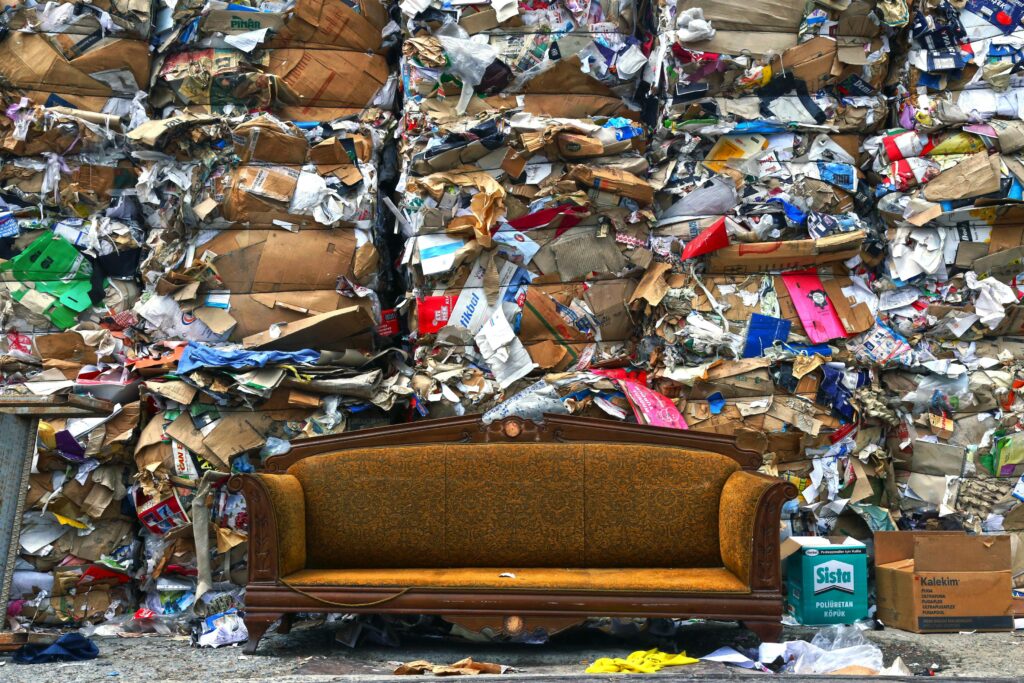
To start, organize your items into three main categories: donate if they’re still useful, recycle if they can be made into something new, and throw away if they’re dangerous. This sorting helps save space, cuts down on trash, and makes it easier to decide what to do with your stuff. Here are some common items you can recycle or donate:
- Furniture: sofas, chairs, tables, dressers
- Electronics: laptops, DVD players, chargers, hard drives
- Clothing: shirts, shoes, coats, accessories
- Books: children’s books, novels, textbooks
- Appliances: microwaves, washers, refrigerators
- Metals: scrap metal, aluminum cans, copper wiring
- Glass jars and containers
- Cardboard and yard waste
- Used motor oil and batteries (special disposal)
- Rags and textiles
1. Furniture
Donate whole sofas, beds, and tables to shelters or reuse groups. Lots of charities take things that are clean and safe. Broken furniture fits recycling streams. Wood, metal frames, and foam have separate processing paths. Nonferrous metals like aluminum and copper are especially valuable, with about a 68 percent recycling rate for such metals. Vintage ones can be sold online or at a market. Small sales frequently pay for transport. Upcycling is practical. Convert a tabletop into shelving or strip wood for craft projects.
2. Electronics
Working electronics have a purpose in schools, libraries, and community programs. Verify device condition and data wipe before donating. Non-working units should head to e-waste recyclers. Just 38.5 percent of electronics are recycled, so rerouting them significantly impacts recycling efforts. Gather cords and accessories and recycle them all at once. Remove batteries and bring them to specialty drop-off locations. Dry-cell batteries require separate handling.
3. Clothing
Lightly worn clothing should be given to donation partners or clothing drives. Seasonal restrictions often exist, so check what charities accept at any given time. Worn or torn textiles should go to textile recycling or be turned into rags for reuse. If you have items in bulk, consider scheduling pickup or community donation events to minimize effort and maximize impact.
4. Books
Books in good condition go to literacy programs, schools, and libraries. Destroyed books can be fed into paper recycling streams. Hard-to-find or valuable volumes can be sold to collectors or resold online. Old books work for craft reuse, too.
5. Appliances
Working appliances are valuable to shelters and families. Non-working white goods go to scrap metal or municipal bulky pick-up programs. Make sure refrigerants and batteries are removed and disposed of through certified means. Used motor oil is recyclable, too. One gallon can be refined into 2.5 quarts of new oil. Yard trimmings and glass have reuse paths, and many items that can catch on fire or react are household hazardous waste.
Assess Item Condition
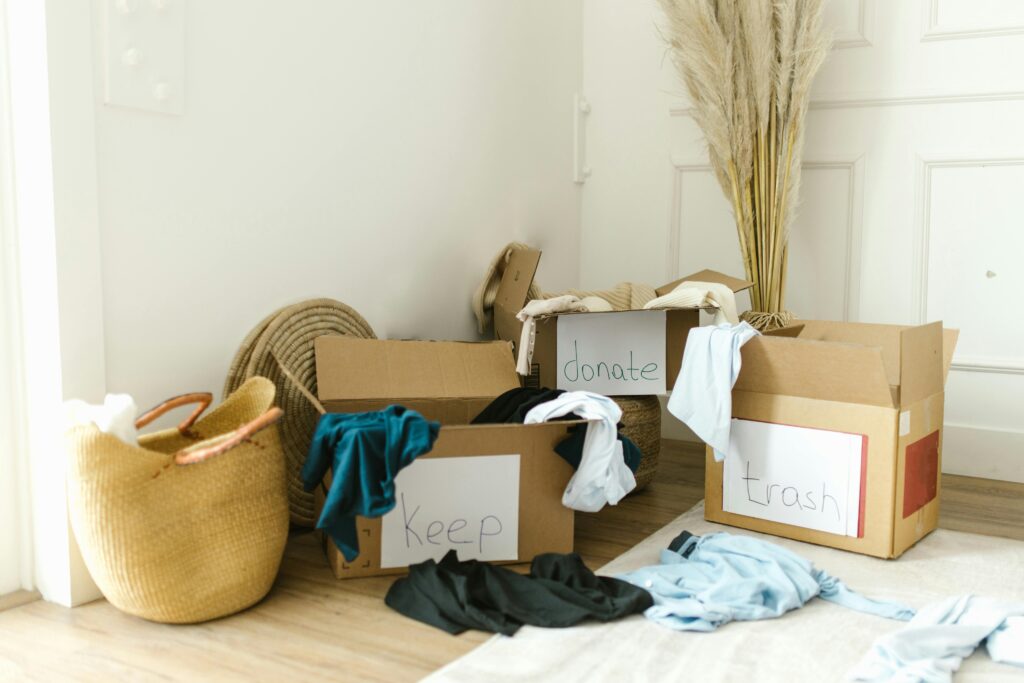
Begin by surveying the unit to form three clear piles: keep, donate, and recycle. Work systematically, dealing with each item just once and immediately deciding on its destination according to obvious condition, completeness, and potential re-use value. Employ this ticket to dispose of evident refuse and to triage oversized reject items that inflate storage fees.
The Keep Pile
Keep only what is useful or believed to be beautiful or necessary. Look for cracks, chips, broken hardware, or water stains. Even tiny blemishes alter the value of an item being charged on a continual rental basis. Think about age, previous usage, and maintenance records to determine if replacing later is less expensive than holding onto. Put everything into strong boxes, clearly labeled, on shelves to safely stack up to the ceiling and make the most of every cubic meter. Reassess your keep pile every six to twelve months to prevent sloth-ache or under-attention caused by the slow creep of clutter into items that no longer justify the expense.
The Donate Pile
Place goods in good working order into donation boxes: clean clothing, intact toys, small appliances that power on, and household goods without major wear. Check for missing parts. Charities or resale shops frequently turn stuff away if it is missing components. Mark boxes with contents and condition to expedite drop-off or pickup processing and to guarantee acceptance per charity guidelines. Get donation receipts to support any tax write-off that could be applicable. Remember that each organization and area has different acceptance thresholds, so verify the accepted tolerance for stains, small rips, or refurbishable damages.
The Recycle Pile
Combine plastics, metals, glass, and electronics into the recycle pile, but separate by material type before conveyance. Take out batteries and other dangerous materials for specific drop-off at HHW sites. Batteries and antiquated electronics require particular attention and are usually rejected by curbside services. Bundle like materials and break down mixed-material items where secure. Steer clear of composite products that local plants won’t take. Note safety constraints: cracked mirrors or glass, large panes over roughly 0.9 m by 1.2 m, or pieces with glue and heavy framing may be refused. Wood must be free of rot, significant water damage, and missing structural components to be reusable or recyclable.
Find Local Donation Centers
Discover local alternatives before loading up a storage unit. A brief, targeted search preserves your time and directs items to locations where they’re most needed. Don’t know where to donate? Use online tools, zip code searches, and platform-native booking to locate pickup or drop-off points. Most have accepted items and hours posted on their sites. Call ahead to confirm limits, donation windows, and if large furniture or appliances need advance notice.

Charities
You can donate items from your storage unit to places like Goodwill, Salvation Army, and local thrift shops. They usually take clothes, furniture, small appliances, books, and toys. Before you go, make sure to check what styles and conditions they want. Many charities also offer pickup services, so you can schedule a time online or by phone to make it easier. Ask about items that are in high demand, like backpacks for kids, kitchen carts for shared homes, or towels for animal shelters, and try to match your donations to those needs. Don’t forget to keep your donation receipts. They can help you with tax deductions and prove what you gave if you need it later.
Shelters
Call shelters directly to find out priority needs. Homeless shelters and women’s shelters often take clothing, bedding, and small functioning appliances. Make sure stuff is clean and safe. Washing bedding and checking electronics maintains dignity and reduces your liability. Work out delivery or pickup times with shelter staff and organize donations in labeled, easy-to-handle boxes or bags to facilitate quick unpacking and distribution. Seasonal drives often generate spikes in need near holidays. Knowing what’s coming allows shelters to accept more and reduces storage bottlenecks.
Schools
Public schools, after-school programs, and university operations welcome books, craft supplies, classroom tech, and gently used toys for enrichment programs. Reach out to administrators to verify policies and to plan door delivery or a scheduled drop-off. Some districts limit types of electronics or need stored data wiped. Provide reusable goods, such as backpacks, long-lasting storage bins, or educational tools, to promote sustainability and reduce waste. Semester starts and holiday breaks are good times to donate because they coincide with classroom needs. Request receipts if your school issues them!
Searching for “donation centers near me” with your city or zip code can help you find local options for pickups and learn about the rules for donating items. This makes it easier to know what to do with things you no longer need.
Locate Recycling Facilities
Locating the appropriate facility minimizes landfill waste, ensures you don’t waste your time and storage space, and maximizes the likelihood that what you’re storing will be reused or recycled properly. Begin by inventorying what you’ve got, then map item types to specialist centers, municipal services, or hazardous waste programs before relocating materials from the unit.
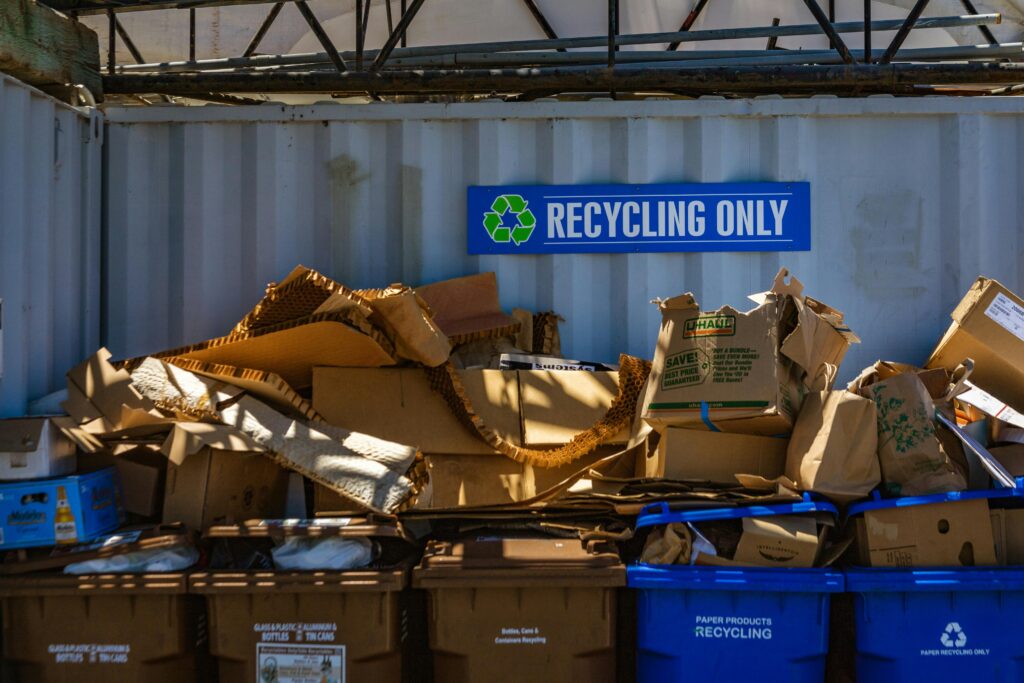
Material-Specific Centers
Find electronics, ferrous and nonferrous metals, common plastics, and bulky rigid plastics. Electronics e-waste centers take computers, printers, and small appliances. Metal recyclers take aluminum siding, scrap metal pots, and mixed steel items. Plastic recyclers take rigid plastics such as patio chairs, storage bins, and large buckets. Inquire about niche items like floppy disks, VHS tapes, or large plastic drums. Some centers will take them, and others won’t. Group like materials, such as all aluminum and all mixed plastics, to hasten drop-off and facilitate processing. Find drop-off points and verify if a facility accepts your polymer or alloy with resources such as the Beyond the Bin Recycling Directory and manufacturer take-backs.
Municipal Services
Most urban areas have curbside blue-bin programs, bulky-item pickups, and seasonal mattress or textile drop-offs. Schedule, consult your city or county’s solid waste or recycling department web page, or call the local recycling coordinator for hours and special rules of service. Arrange pickups for bulky items or appliances to prevent penalties or additional processing fees. Observe local sorting regulations; some have glass and paper separate, others offer commingled curbside. They provide seasonal cleanups for things that are hard to move, such as sofas or wardrobes, and you can check to see if there is a fee.
Hazardous Waste
Keep hazardous items separate: rechargeable batteries, propane tanks, paints, solvents, and some electronics need special handling. Go to household hazardous waste collection days or certified drop-off locations. Clearly label containers and, when feasible, transport in original packaging to minimize danger. Never put hazardous materials in normal bins. Redemption centers and hazardous waste sites require a call ahead to confirm hours and policies, which vary widely. Find recycling locations using local online recycling directories and municipal waste resources to verify whether less common items such as mattresses, textiles, or deposit-return bottles are accepted.
The Hidden Value of “Junk”
Most containers contain a blend of consumables and actual trash. Sorting into keep, donate, recycle, and trash uncovers this hidden value and staves off mindless landfill. Electronics tend to be unused for years, but they can be recycled. Furniture can be refurbished or resurrected. Seasonal and dress clothes might assist others. Few pieces of metal, fabric, or wood have resale or scrap value. Here’s a handy resale, upcycling, or scrap value list below to help navigate.
- Furniture: restore and sell, donate usable bits to charities, broken frames go to lumber or art supply.
- Electronics: Sell working units online. Dispose of e-waste at certified collection centers. Components, such as hard drives and RAM, are worth something.
- Metal items: pots, shelving, and aluminum trim — sort and bring to scrap yards by metal type.
- Textiles: Seasonal wardrobes, linens, formal wear — donate to shelters or sell via consignment.
- Tools and hardware are often resalable. Sort into tool sets, power tools, and spare parts.
- Decor and art: vintage lamps, frames, and rugs — list online or offer to local shops.
- Plastic bins and buckets: reuse for storage or upcycle into planters or storage solutions.
- Books and media: sell or donate. Old CDs and DVDs can turn into craft material.
- Mystery boxes: sort carefully. Small electronics, jewelry, and collectible papers could be contained inside.
- Scrap wood and composites: reuse for small carpentry or artist supplies.
Upcycling Potential
Old dressers, nightstands, and wooden crates can be stripped and repainted to make “modern” storage, and broken drawers transform into open shelves or wall planters. Buckets and plastic containers can be drilled and equipped with drainage to turn them into balcony pots for herbs. Take broken decor like ceramic vases and transform them into mosaic pieces or lamp bases. Teaming up with local artisans or craft schools provides consistent outlets for bulk, and small studios can afford to pay a little to keep a steady supply.
Artistic Repurposing
Artists and community studios often seek low-cost materials such as costume jewelry, outdated electronics, and mixed media scraps. Schools conduct sculpture and mixed media classes that take in CDs, fabric offcuts, and hardware. By donating these materials, you’re supporting arts education and saving on disposal fees. Selling or donating to creators establishes nearby circular cycles in which your trash is another person’s art display.
Scrap Metal
Sort ferrous from non-ferrous and scrap wood, plastic, or electronics before you take them to a yard. Weigh and separate by type: steel, copper, brass, and aluminum for the highest returns. Selling incurs storage fees and funds cleanup. Small-scale sorting at the unit repays in both cash and reduced waste.
Prepare Your Items
Begin by taking stock. Handle high-value belongings first to clarify what remains and make early decisions easier. Sorting is step one to getting back your closet! Concentrate on one box or one category — clothes, furniture, electronics — and separate valuables into one pile, donations in another, and broken stuff in the garbage. Write it out so you don’t have to second-guess yourself later.
Clean Everything
Clean furniture, appliances, and decor to remove dust, dirt, or stains prior to donating or recycling them. Use a damp microfiber cloth for sealed wood and a wood cleaner for finished surfaces. Metal appreciates a mild degreaser, and glass deserves the streak-free spray. For upholstered pieces, vacuum first, treat stains with a fabric-safe solution, and spot-test any product.
Wash clothing, towels, and linens to the standards of the donation centers. Wash on suitable cycles and fix small rips, sew on buttons, and cut threads so they look good. If things smell like mildew following extended storage, have them professionally cleaned or recycle textiles that cannot be revived.
If you are sending items that will be reused by others, please sanitize them. Electronics’ plastic casings and remotes can handle alcohol wipes, while for toys or kitchen tools, choose food-safe sanitizers. Use the right cleaners for different materials to prevent them from being damaged.
Test Electronics
Boot up and test out old electronics, like DVD players, disk drives, and appliances. Service for simple things, such as boot sequence, inputs, sound, and network, where relevant, and make note of any issues. Swap out batteries or cords in order to make them usable again prior to donating. Cheap power leads go a long way towards boosting resale value.
Bundle accessories, manuals, and remotes with each device for convenience and tie that bundle to the item. Clearly identify non-working electronics for recycling or safe disposal and isolate batteries for hazardous waste management. If you’ve never touched a device in years, it probably has no business there. Make that swift recycle or sell decision.
Organize Paperwork
Organize the old paperwork, receipts, and manuals for items in your unit. Shred old tax returns or sensitive information prior to paper recycling to protect yourself. Affix applicable paperwork to donation and sale items. Manuals and warranty cards increase worth and decrease buyer friction.
File your documents in clearly marked folders or boxes for easy retrieval down the road. Decluttering feels lighter when you take out the broken things first. Make a list and tick them off as you proceed.
Conclusion
What can we recycle or donate from those storage units? Separate by use and wear. Good-condition furniture, clothes, books, toys, and small appliances go to donation centers. Scrap metal, old electronics, lumber, and certain plastics go to recycling yards. See local regulations for batteries, paint, and electronics. Clean and box up. Mark what functions and what requires fixing. Provide transparent images and inventories to the non-profits so they can move quickly. Utilize curbside pick-up or drop-off to conserve time. Little things count. You clear the room, you assist folks, you reduce landfill waste. Locate one local donation or recycling point today and get started.
Frequently Asked Questions
What common items from storage units can be donated?
Many household goods include clothing, shoes, bedding, furniture in good condition, books, toys, and kitchenware. Review donation center policies before dropping off.
What items should be recycled instead of donated?
Metal, electronics, batteries, light bulbs, cardboard, paper, and some plastics. Utilize certified e-waste or municipal recycling programs for hazardous materials.
How do I assess whether an item is donation-ready?
Be on the lookout for items that are clean, not significantly damaged, and fully functional. If an item is stained, broken, or missing essential components, recycle or donate it instead.
Where can I find local places to donate items?
Look on charity sites, national chains, thrift stores, and faith-based groups. Call in advance to verify what they will accept and whether they offer pickups.
How do I locate the right recycling facility for special items?
Consult municipal waste websites, local recycling directories, or apps for e-waste, metal, and hazardous material drop-off sites. Check hours and guidelines.
Can junk from storage units still have value?
Yes. Loads of stuff can be fixed, recycled for parts, or sold. Furniture, metal, and electronics are things that estate buyers and salvage recyclers will sometimes pay for.
How should I prepare items for donation or recycling?
Make sure items are clean and dry. Wipe personal data from electronics. Break down large pieces if necessary. Box or bag small parts. Put labeled boxes to sort things easily.