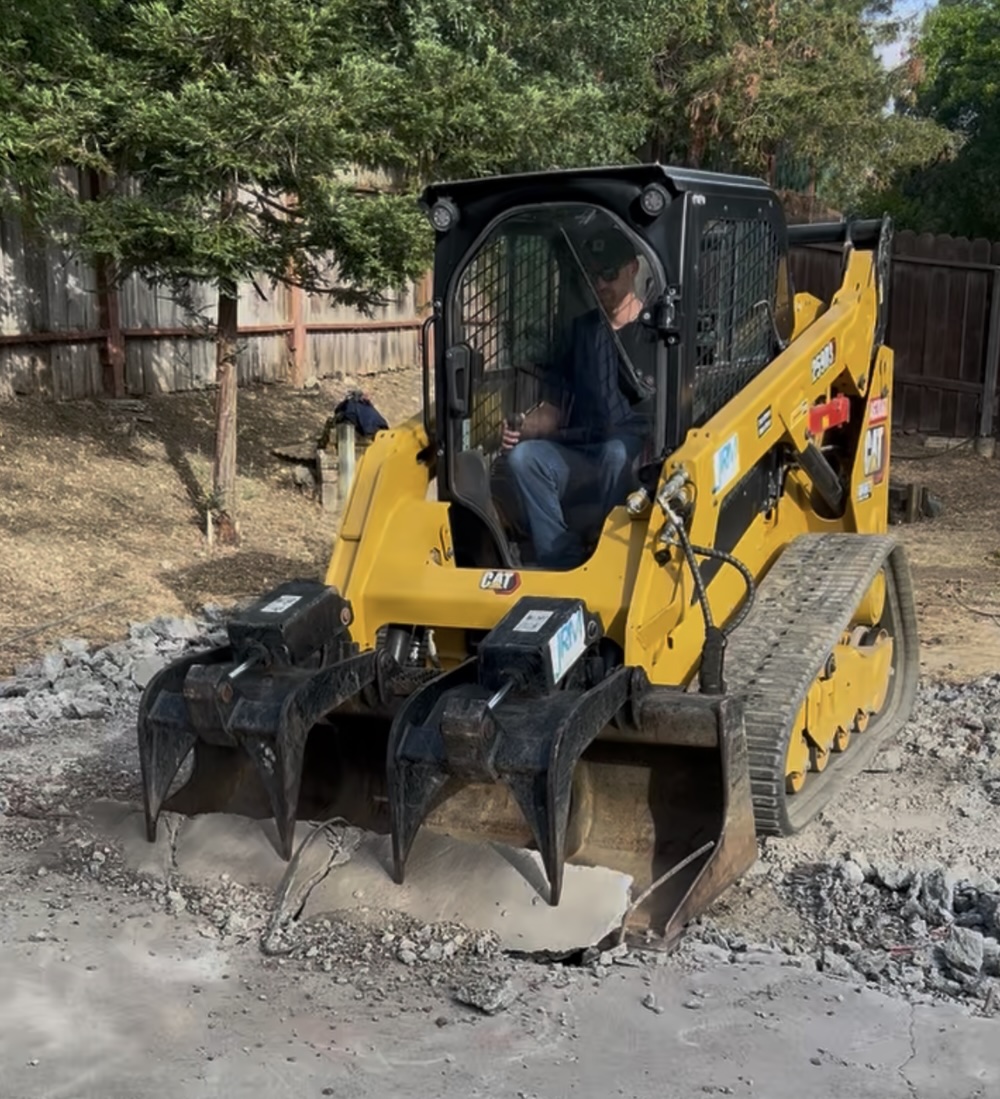
During a residential demolition project, you’re basically watching three acts play out: the pre-work (surveys, permits, utility disconnects, hazard testing), the actual teardown (machines or hand work in a planned sequence), and the cleanup (hauling, documentation, grading so the site can move on). For a small, straightforward house, the on-site demolition work often takes about 3 to 7 days. However, the overall project timeline can extend significantly if hazardous materials require abatement, access to the site is limited, or permit approvals take longer than expected.
If you’ve never experienced a residential demolition project, it’s easy to imagine the entire process as a single day of heavy equipment tearing down a house. While the demolition itself can happen quickly, most projects involve extensive planning, inspections, and safety preparations before equipment ever arrives on-site.
Most of the time, the “big smash” is the shortest part of the demolition project, and everything that protects your budget, your timeline, and your liability happens before any wall comes down. That’s why reputable crews talk more about engineering surveys, containment, and disposal regulations than they do about horsepower.
Table of Contents
ToggleKey Takeaways
Keep these key points in mind when planning a residential demolition project:
- A safe demolition starts with an engineering survey and a clearly defined scope that identifies structural conditions, site access, and underground utilities. OSHA consistently emphasizes compliance with demolition safety standards to help reduce preventable hazards.
- Permits and utility disconnects are not “paperwork”; they’re the gatekeeper steps that keep you out of stop-work purgatory.
- If your home was built before the late 1970s or early 1980s, you treat lead paint and asbestos like they’re present until testing proves otherwise, and federal asbestos rules under EPA NESHAP requirements are the reason nobody serious shrugs at this.
- Mechanical demolition is fast and cost-effective when the site allows it; deconstruction is slower but can salvage value and reduce demolition waste.
- Your debris doesn’t just “go away.” It gets sorted, weighed, ticketed, and routed to recycling facilities or landfill loads, and the paper trail matters when questions come later.
What Happens Before Work Begins?
Site Walk And Scope
Your first conversation with a demolition contractor will usually focus on evaluating the property and identifying potential project challenges. A site walk. A tape measure. Photos. Notes about the driveway width, overhead lines, and whether the excavator can even get near the building without chewing up your neighbor’s retaining wall.
This is where a good demolition contractor starts acting like a risk manager. You’ll talk demolition scope in plain terms (what’s coming down, what stays), but also in contractor terms: access and egress, fall zones, protection of adjacent houses, and whether you’re aiming for complete building demolition or a partial demolition tied to remodeling.
Expect detailed questions about the property, access, utilities, and surrounding conditions. These help the contractor identify potential risks before work begins.
If you’ve got a small garage out back, if there’s a pool, if there’s old concrete that might be thick enough to require a breaker, if you’re keeping a slab for rebuilding, all of that changes equipment choice and sequencing. Even landscaping gets dragged into it because tree protection and root zones can collide with staging and hauling.
Permits And Approvals
Permitting is one of the most important early steps in any residential demolition project.
Your jurisdiction decides what “legal” looks like: demolition permit requirements, building permit triggers for a new construction project, erosion control rules, tree ordinances, zoning setbacks, and sometimes a requirement to post a notice before demolitions begin. In denser cities, you’ll also see traffic control plans, sidewalk protection, and working-hour limits.
If you want a peek at how picky a city can be about site development review, tree protection, and erosion measures, Portland’s guidance on residential demolition permits gives you the flavor. You don’t have to live in Portland to learn from Portland.
You’re not “asking permission” so much as proving you won’t create a hazard, a nuisance, or a cleanup mess that the city has to deal with later. Skipping required permits can result in stop-work orders, project delays, fines, and additional costs before demolition can continue.
Utility Disconnects
No serious professional demolition team starts cutting without utility sign-offs. Power, gas, water, sewer, telecom, sometimes solar, sometimes fire sprinklers, sometimes private propane tanks.
Although utility disconnects receive less attention than the demolition itself, they are one of the most critical steps for protecting workers, equipment, and nearby properties.
You want documented disconnects and proper capping, plus a plan for unknowns. Older homes may contain unexpected conditions such as abandoned utility lines, undocumented conduits, DIY electrical work, or buried infrastructure that is not shown on current plans. Unknown or improperly disconnected utility lines can create serious safety hazards, equipment damage, and costly project delays.
OSHA’s own demolition and cleanup guidance gets blunt about shutting off service lines and protecting workers from exactly these gotchas.
How Do Hazards Get Handled Safely?
Asbestos And Lead Tests
If your home was built before the late 1970s or early 1980s, it’s important to assume hazardous building materials may be present until proper testing confirms otherwise. Although testing may add time and cost to the project, it is an essential step for protecting workers, neighboring properties, and regulatory compliance.
Asbestos shows up in insulation, flooring, mastic, popcorn ceilings, cement products, old duct wrap, and more. Lead paint is its own beast, because it’s not just “paint,” it’s dust, it’s soil contamination risk, it’s waste segregation, it’s worker exposure, it’s neighbor exposure. If you’re tempted to swing a sledgehammer next to occupied homes because TikTok made it look cathartic, you’re volunteering for liability.
If you want a practical lens on what to inspect, Wisconsin’s asbestos checklist is a clean rundown of common residential materials people forget about.
Containment And Air Controls
This is the part most homeowners don’t picture, and it’s also where the “pros” separate from the weekend warriors.
Depending on the scope of work, containment may include physical barriers, temporary enclosures, and negative air systems with HEPA filtration to help control dust and airborne contaminants during demolition or abatement activities. It can mean sealing openings, building temporary enclosures for selective demolition, running negative air pressure machines with HEPA filtration, and planning debris routes so you’re not dragging dust through clean zones. Air monitoring can be part of the plan, especially when neighbors are close enough to hear your nail gun.
These measures help protect workers, neighboring properties, and anyone occupying nearby buildings from unnecessary dust exposure. You do it because dust travels, and dust is how problems leave your property line.
If you want the more official big-picture playbook for environmental considerations and materials management, the EPA’s large-scale residential demolition guidance is worth reading even if your job is “just one house,” because the same physics apply.
Licensed Abatement And Disposal
When tests come back positive, you’re in abatement territory. That’s licensed work in many jurisdictions, with specific remediation procedures, clearance expectations, and disposal regulations that aren’t optional just because your project is “residential.”
If testing identifies hazardous materials, stop demolition activities until licensed abatement professionals have completed the required work. Attempting to remove or dispose of contaminated materials without following applicable regulations can create serious health risks, legal liability, and unexpected project costs.
Texas has a surprisingly readable public-facing page on demolition safety basics that calls out asbestos abatement and PPE as part of the baseline, which should tell you how “normal” this is in the trade.
Which Teardown Method Fits The Site?
Mechanical Demolition
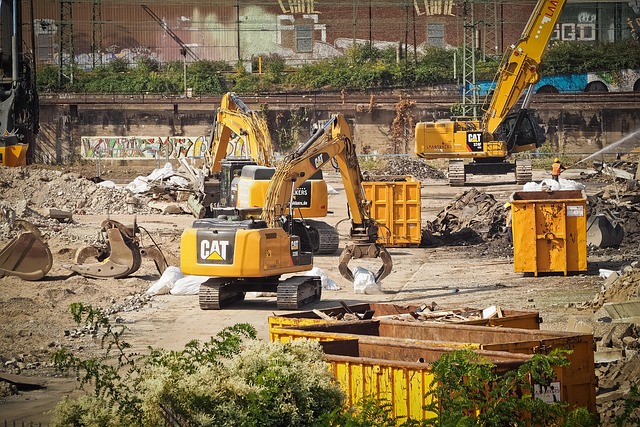
Mechanical demolition is the classic excavator work: bite, pull, sort, load. It is generally the fastest and most cost-effective method when site conditions allow heavy equipment access. It’s the backbone method for complete building demolition when access is decent, and you have room for machines, trucks, and temporary fencing.
You still don’t just “go for it.” You want a sequence that respects load paths and collapse behavior, particularly around chimneys, garages, and any remaining utilities. Crews establish fall zones, exclusion areas, spotters, and equipment staging plans because improper positioning or sequencing can damage nearby structures, create safety hazards, and place heavy equipment in an unsafe operating position.
If you want a clean overview of several demolition methods (high-reach, selective approaches, and general technique), SafetyCulture’s breakdown of building demolition methods is a good technical skim.
Deconstruction And Salvage
Deconstruction is slower and more deliberate, and it’s not some crunchy buzzword. It’s a real approach when you care about salvageable materials, you’re in an area with strong reuse markets, or you’re trying to cut landfill tonnage.
You’re basically paying for labor and care: fixtures pulled, cabinets removed, wood stacked, metal separated, sometimes brick cleaned, sometimes old-growth framing kept intact. If you’re doing a property upgrade with sustainability goals, this can make sense, especially where local recycling options are strong.
If you’re curious about the broader industry push toward circular economy thinking, the European Demolition Association’s notes on construction and circular economy align with what a lot of demolition experts have been saying for years: the “waste” is often a sorting problem, not a material problem.
Partial And Interior Options
Not every job is a total teardown. Interior demolition happens in renovations where you’re gutting kitchens, removing plaster, opening walls for open floor plans, or stripping a space before a remodel. Selective demolition shows up when you’re keeping structure but removing targeted components.
Interior demolition is sometimes underestimated because the structure remains standing, but it still requires careful planning and safety controls.
It’s still demolition work. You still need dust control, structural awareness, sometimes temporary shoring, sometimes engineering input, and a plan for what debris routes through the house. If you’re renovating while living there, you’re basically sharing air with the job site unless you handle containment like you mean it.
Here’s a simple comparison that helps you talk to a contractor without sounding like you’re guessing.
Demolition Method | Typical Fit | Upside | Tradeoff |
Mechanical demolition | Full teardowns with decent access | Speed and lower labor hours | More noise, vibration, and mixed debris unless sorted well |
Deconstruction | Reuse goals, salvage markets, careful sites | Material recovery and less landfill | Slower and labor-heavy |
Interior or selective demolition | Remodels, partial demolition, phased rebuilding | Keeps what you need, targets only what changes | Dust control and structural risk if sequencing is sloppy |
What Happens On Demolition Day?
Crew Briefing And Controls
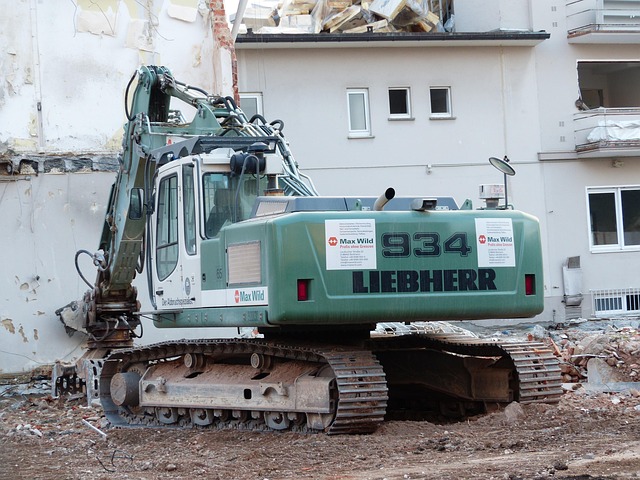
Demolition day typically begins with a safety briefing, equipment inspections, and verification that all required site controls are in place. The demolition team sets boundaries, checks temporary fencing, confirms shutoffs, reviews the plan, assigns a spotter, and talks through hazards.
A reputable demolition contractor will also care about neighbors, because neighbor risk is real. Vibrations can crack plaster next door. Dust can settle on a fresh-painted car. Noise can trigger complaints that bring officials to your site faster than you’d like.
So you communicate. You post working hours. You keep the site tight.
Equipment And Sequence
Equipment selection is less about flexing and more about matching the site: excavator size, attachments (thumb, bucket, shear, breaker), skid steer for sorting, water truck or hoses for dust, roll-off boxes for debris, and trucks staged so you’re not blocking the street all day.
The demolition sequence is carefully planned to maintain structural stability while reducing unnecessary risks during the teardown. Roof lines, load-bearing walls, chimneys, and heavy points come down in an order that keeps the machine safe and the collapse controlled. This is where complete building demolition project planning earns its keep.
If you’re the homeowner, your role is mostly to stay out of the way and ask smart questions before the machine arrives. On the day, homeowners should remain outside designated work areas and allow the demolition crew to carry out the work safely.
Dust, Noise, And Vibration
Dust control is usually water application plus operational discipline. Not “spray everything constantly and flood the site,” but enough to knock down airborne particulates, especially during brittle material breakage.
Noise is managed with working-hour compliance and sometimes temporary sound barriers. Vibration is managed through proper equipment selection, controlled demolition techniques, and careful adherence to the planned demolition sequence. Operators use measured movements and appropriate equipment to minimize unnecessary vibration and reduce the risk of damage to nearby structures.
If the job is close to other houses, that judgment is the difference between a clean project and an insurance claim.
Where Do Debris And Materials Go?
On-Site Sorting
Sorting can happen as you go or after the structure is down. Clean wood, metal, concrete, green waste, and mixed demolition debris can be separated to improve recycling rates and reduce landfill costs.
You’ll also see protected handling for regulated materials when applicable. That’s where documentation matters, because nobody wants to discover later that “trash” included something it shouldn’t have.
Recycling And Landfill Loads
Your debris typically moves via roll-off containers or dump trucks. Concrete might go to crushing. Metal goes to scrap. Clean wood sometimes gets mulched. Mixed waste goes to landfill. The mix depends on your local market.
If you’re chasing higher diversion, talk about it upfront. Don’t assume. The crew can only route what they’re set up to route.
Weight Tickets And Documentation
Weight tickets are the quiet backbone of credibility. They prove volumes, support invoices, and help if there’s ever a dispute about disposal. If you’re doing a compliant demolition with permits, inspectors may care where material went and whether regulated waste followed the right chain.
This is also where you, as the property owner, protect yourself. Keep copies. Organize them. Boring paperwork is cheaper than legal drama.
How Long Does It Take And What Affects It?
Typical 3–7 Day Range
For a modest home demolition with clear access, no significant hazardous material abatement, and permits lined up, on-site activity commonly fits inside a business week. That includes teardown and a baseline cleanup, not necessarily the full grading and landscaping improvements you might want before the next phase.
The hidden time is often before equipment mobilization: testing, approvals, scheduling utility disconnects, and lining up hauling.
Key Schedule Variables
A simple way to think about timing is to separate “site readiness” from “teardown speed.” Heavy equipment can complete demolition quickly, but the overall project schedule depends on permitting, inspections, testing, and debris disposal requirements.
Here are the variables that actually shove your calendar around:
- Permit approval times under local zoning laws and building codes.
- Hazard testing results and any hazardous material abatement scope.
- Access constraints for equipment, staging, and truck turnaround.
- Weather, especially heavy rain that turns a site into a mud management problem.
- Documentation needs for your lender, insurer, or future new construction project.
Common Delays And Surprises
Common causes of project delays include: an unmarked line, a permit correction request, asbestos where nobody expected it, an underground tank, a neighbor complaint that triggers a site visit, a shortage of available haul trucks, or a landfill that’s suddenly booked.
One of the most preventable delays is failing to plan for unexpected site conditions. Homeowners should include contingency time and budget for unforeseen issues such as hidden utilities, hazardous materials, or permit revisions to help keep the project on schedule.
Careful planning, realistic expectations, and proper contingency planning help residential demolition projects stay safer, more efficient, and more predictable.
Here’s a rough table you can use to sanity-check what you’re being told.
Phase | Typical Pace (Small Houses, Uncomplicated Sites) | What Can Extend It |
Pre-work | Days to weeks | Permits, disconnect scheduling, testing, abatement plans |
Teardown | 1 to 3 days | Tight access, selective requirements, weather, neighbor proximity |
Hauling and cleanup | 1 to 3 days | Sorting goals, haul availability, disposal site delays |
Rough grading | 0 to 2 days | Soil conditions, rain, future excavation needs |
Conclusion
A well-planned residential demolition project focuses on safety, regulatory compliance, environmental responsibility, and preparing the property for its next stage of development. Homeowners hire demolition services to prepare a property for its next stage, whether that’s rebuilding, redevelopment, or another planned use.
If you’re picking a contractor partner, push for specifics: how they handle surveys, how they control dust, what their plan is for hazards, where the demolition waste goes, and how they document it. A qualified demolition contractor should be able to clearly explain the project scope, safety procedures, disposal process, and expected timeline before work begins. Your next demolition project should feel controlled, not improvised.
Frequently Asked Questions
1. Can You Live In The House During Demolition?
Not during complete building demolition, no. For interior demolition in a remodel, people sometimes try, but you’re signing up for dust management, noise, and schedule friction unless the site is truly compartmentalized with containment and air controls.
2. Do You Always Need A Demolition Permit?
In most jurisdictions, yes for a full teardown, and often for partial demolition that changes structure. Requirements vary city to city, which is why you check with your local building department instead of guessing and hoping.
3. What If My Home Was Built Before 1980?
Assume higher risk for lead paint and asbestos-containing materials until testing says otherwise. Plan time and budget for professional assessment and, if needed, licensed abatement with proper disposal.
4. What’s The Difference Between Mechanical Demolition And Deconstruction?
Mechanical demolition uses heavy equipment to bring the structure down quickly and then sort debris. Deconstruction is more like careful disassembly to recover materials, which can improve reuse and recycling outcomes but usually takes longer.
5. How Do You Keep Neighbors Safe And Sane?
You control dust, manage debris routes, limit vibration through method and sequence, maintain fencing and exclusion zones, and communicate the schedule. On tight lots, negative air and HEPA filtration may be part of the plan for selective or interior work, especially when occupied homes are close.
6. Can Bad Weather Delay A Residential Demolition Project?
Yes. Heavy rain, high winds, or other severe weather can delay demolition because they affect equipment operation, dust control, site safety, and debris hauling. Contractors typically adjust the schedule until conditions are safe to continue.
Residential Demolition Services Done Right
Whether you’re preparing for a home renovation, removing an old structure, or clearing space for a new project, Junked: Powered by Veterans™ provides safe, reliable residential demolition services throughout the Bay Area. Our experienced, veteran-led team handles every project with precision, ensuring your property is ready for the next phase of construction.
Why Choose Junked: Powered by Veterans™?
- Safe, Professional Demolition: We complete every project with safety, efficiency, and attention to detail.
- Complete Residential Demolition: Garages, sheds, decks, fences, interior demolition, patios, and more.
- Fast Cleanup: We remove demolition debris and leave your property clean and ready for rebuilding.
- Veteran-Led Service: Dependable communication, professional crews, and workmanship you can trust.
When you need residential demolition services in the Bay Area, trust Junked: Powered by Veterans™ to get the job done safely, efficiently, and on schedule. Contact us today for a free, no-obligation estimate.
Disclaimer
The materials available on this website are for informational and entertainment purposes only and not to provide legal or professional advice. You should contact your attorney or home improvement specialist for advice concerning any particular issue or problem. You should not act or refrain from acting based on any content included in this site without seeking legal or other professional advice. The information presented on this website may not reflect the most current home improvement developments. No action should be taken based on the information on this website. We disclaim all liability concerning actions taken or not taken based on any or all of the contents of this site to the fullest extent permitted by law.