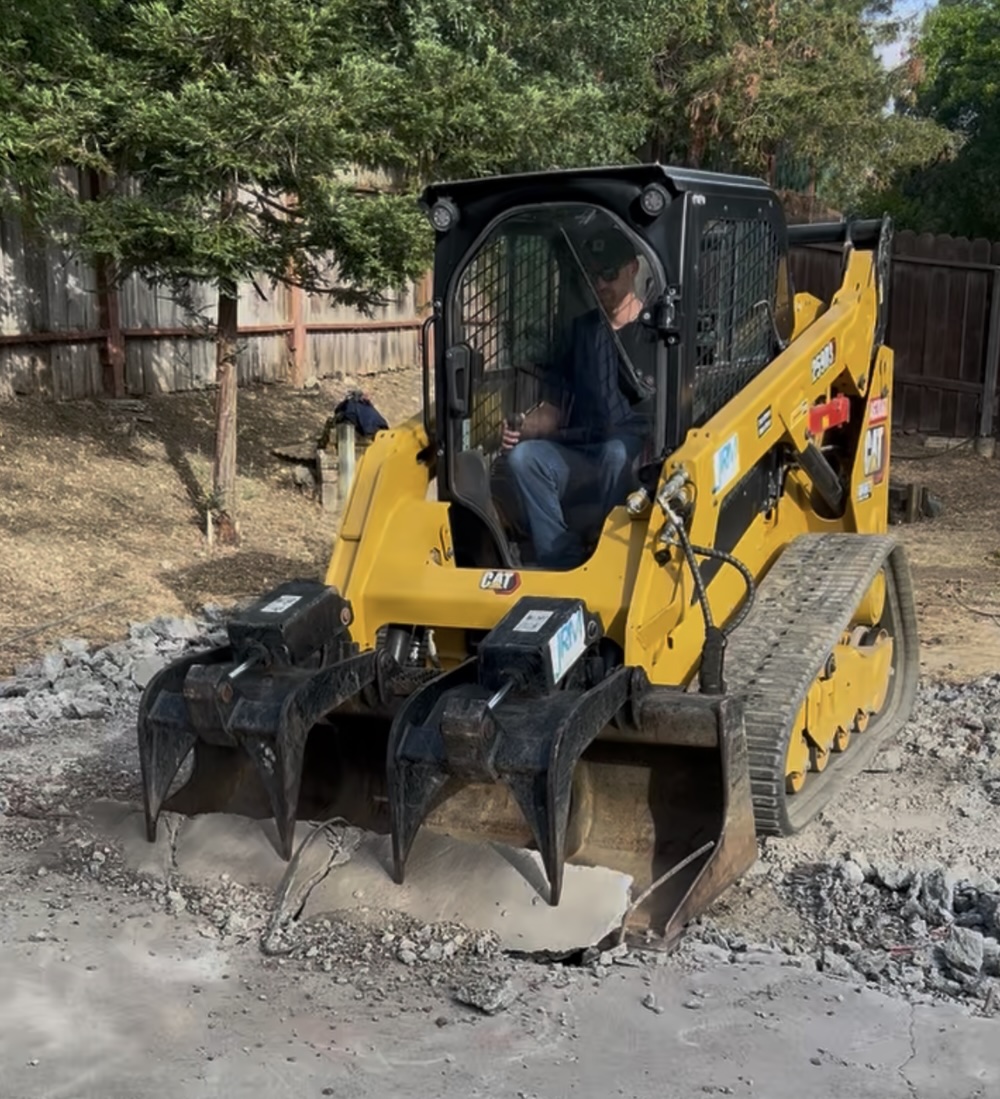
Yes, you usually need a permit to demolish a home in California, and if you assume you don’t because “it’s my property” or “it’s just a small teardown,” you’re setting yourself up for the most expensive kind of surprise: the kind where the building department can freeze your job mid-swing, ask for retroactive paperwork, and make you prove you handled utilities and hazards correctly.
Homeowners get tripped up here because demolition feels like the opposite of construction. You’re removing, not building. The regulatory regime disagrees. Cities and counties view demolition as high-risk work that affects public safety, environmental health, neighboring properties, and basic life-safety systems such as gas and power. So they want approvals, documentation, and inspections, and they want them in the right order.
If you’re planning a residential demolition project in California, treat permitting as an essential part of your budget, timeline, and overall project planning. Understanding the approval process before work begins can help you avoid delays, unexpected costs, and compliance issues later.
Table of Contents
ToggleKey Takeaways
Before beginning demolition, keep these important points in mind:
- A full house teardown almost always requires a demolition permit from the local city or county. Depending on your site, you may also need separate permits for grading, haul-off, encroachment, or tree removal.
- Partial structural removal can trigger permits even faster than a full teardown because you’re messing with load paths, fire separation, and the remaining residence.
- Accessory structure demolitions are not “automatically permit-free.” Size, attachment, utilities, and zoning setbacks decide the case, not your gut.
- Utilities and hazards drive the process: disconnect proofs, asbestos surveys, and sometimes lead paint practices shape the schedule more than swinging the excavator.
What Happens If You Demolish Without A Permit?
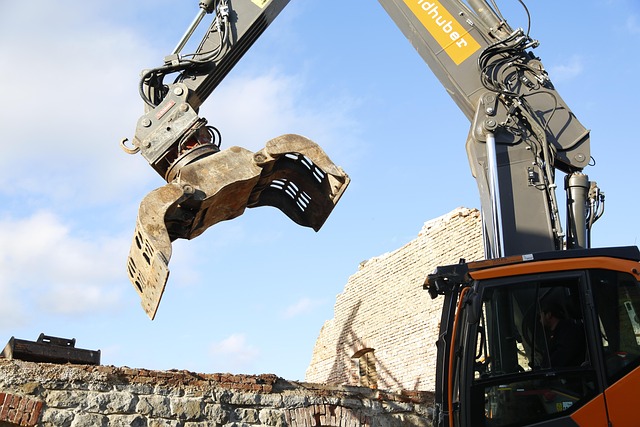
While some homeowners assume they can save time by skipping the permit process, doing so can create far more expensive problems later. If a city or county discovers unpermitted demolition, officials may issue a stop-work order, require you to submit permit applications after work has already begun, or assess additional fees and penalties. Depending on the circumstances, you may also need to document work that has already been completed, which can delay future construction or rebuilding plans.
Unpermitted demolition can also complicate property transactions. If records no longer match the condition of the property, buyers, lenders, or insurance companies may request additional documentation before a sale or refinance can move forward. In some cases, local agencies may require inspections or other corrective actions before approving permits for a replacement home or major renovation.
The easiest way to avoid these issues is to confirm permit requirements before any demolition work begins. Even when a project seems straightforward, a quick conversation with your local building department or a licensed demolition contractor can help you understand the approvals, documentation, and inspections required for your specific property. Taking that step early often saves considerably more time and money than trying to resolve permit issues after demolition has already started.
When Is City Approval Required?
Your city (or county, if you’re in an unincorporated pocket) is the AHJ, the Authority Having Jurisdiction. That’s the office that decides what you submit, how plan check works, which inspections happen, and what counts as “demolition” versus “remodel.” This local authority allows jurisdictions to address regional safety, environmental, and zoning considerations.
Full House Teardown
If you’re taking down a primary structure, you’re in “demolition permit” territory almost everywhere in California. You’re removing a building that has an address, utilities, possibly a recorded occupancy history, and some real public safety consequences if the job goes sideways.
The approval is rarely only about the structure itself. It’s also about what your site becomes during and after: open excavation, unstable slopes, exposed neighboring foundations, dust and debris control, truck traffic, street use, and whether you’re in a fire zone where defensible space rules and construction methods start to matter.
Here’s a quick comparison that matches what you typically see across jurisdictions.
Project Type | Typical City/County Stance | Usual “Gotcha” That Slows It Down |
Full residence teardown | Demolition permits required | Utility disconnect timing, asbestos documentation, haul route rules |
Tear down + rebuild | Demolition + building permit workflow | Plan check sequencing, zoning and property use constraints |
Fire-damaged home removal | Still permitted, often expedited | Hazard materials, unstable structure, environmental sign-offs |
Partial Structural Removal
Partial structural demolition is often where permit requirements become more complicated. You think you’re doing “just a big remodel,” the city sees structural demo that affects life safety. Remove shear walls, a garage portal frame, a second-story deck that was doing more than you realized, and you can trigger engineering, construction documents, and inspections that look a lot like new construction.
This is where homeowners get burned by that casual contractor line: “We’ll just open it up and see.” Opening it up is fine. Doing it without the right permit is how you end up with an inspector asking for calculations after the fact, and that’s when projects can become significantly more expensive and time-consuming.
“Small” Accessory Structures
Sheds, detached garages, patio covers, workshops, those “temporary structures” that have somehow survived three owners, all of it. People love to assume these are exempt. Local jurisdictions often have additional requirements.
If it’s over a certain size, if it’s on a slab, if it’s attached to the primary structure, if it has electrical, plumbing, or even a questionable buried line you forgot existed, your city may want a permit. If it sits near a property line, the jurisdiction may care because setbacks, fire separation, and neighbor impacts are the whole game in dense California neighborhoods from Los Angeles to Oakland to San Diego.
A practical recommendation is to avoid assuming that smaller structures are exempt.
What Rules Control The Job Statewide?
California’s demolition regulations come from several overlapping state and local requirements. It’s more like a stack: statewide codes, state health requirements, Cal/OSHA worker rules, then local amendments and zoning on top.
Local AHJ Overrides
California uses statewide model codes through the California Building Standards Code (Title 24), but your local AHJ can amend portions, especially for seismic, wildfire, and local conditions. Your county development code section, your zoning rules, historic overlays, and coastal constraints can matter even when the building code doesn’t seem dramatic.
In practice, two homes built the same year only a few miles apart may face different permitting requirements because they fall under different jurisdictions.
Building Code Triggers
Demolition and building are tied at the hip. The minute you’re demolishing as part of a rebuild, your project type starts pulling in requirements for the new structure: energy, accessibility in certain cases, stormwater, fire sprinklers in some scenarios, and whatever local planning cares about.
Partial demo is where building code triggers become personal. Remove part of the structure and keep living there, and you’re now managing safety, temporary bracing, egress, and fire separation during construction. Inspectors pay particularly close attention for a reason. Collapses and fires are not theoretical.
Environmental Requirements
Residential demo has a dirty little secret: paperwork is often driven more by environmental health than “building” in the everyday sense.
Asbestos is one of the most important environmental considerations during residential demolition. Depending on the age of the home, project scope, and local air quality district requirements, property owners may need asbestos inspections, notifications, or documentation before demolition begins. Lead-based paint is another consideration for older homes, particularly when demolition activities generate dust. Local and state regulations may also address dust control, stormwater management, and debris disposal to help protect neighboring properties and the environment.
If you’re pulling a permit online and you get a weird security page that looks like it was written by a robot, you’re not crazy. Some city portals sit behind Cloudflare, and if you hit the wrong page too fast, you’ll see a block screen with a Cloudflare Ray ID like you were trying to run a SQL command instead of submitting a form. It’s not personal. It’s just government tech.
What Paperwork Do You Submit?
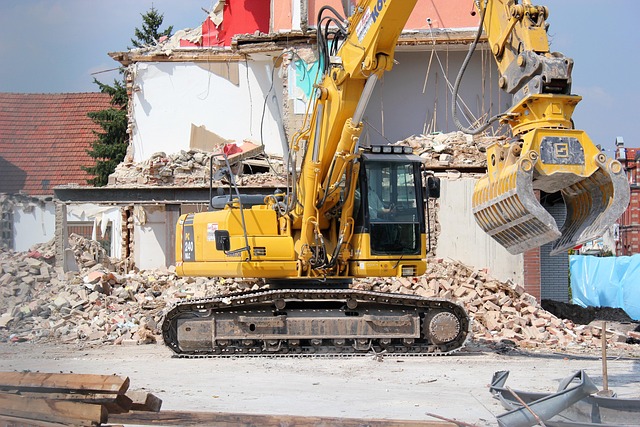
Most homeowners picture one application. In reality, it’s a small packet of assurances that you’re not about to create a hazard.
Site Plans And Supporting Documents
You’ll typically submit a site plan showing the property, the structure to be removed, distances to property lines, adjacent structures, and any relevant site features. Some departments want a demolition plan that explains means and methods, how you’ll maintain safety, and how you’ll protect neighboring properties.
If grading is involved, you may be pushed into separate permit territory. If street use is involved, you may need an encroachment approval. If trees are involved, your local planning department may also need to review the project. This is why “simple demo” is such a trap phrase.
Utility Disconnect Documentation
Most jurisdictions want proof that utilities are disconnected before demo starts. Gas, electric, water, sewer. Sometimes telecom. Sometimes they want the letters in a specific format, because each utility provider has its own documentation requirements.
This step is a real schedule driver. Utilities don’t run on your timeline, and they definitely don’t care that your contractor has a crew staged Monday morning.
Hazard Assessment Reports
For many older buildings, you’re dealing with surveys and reports tied to environmental and health requirements. The building department is often acting as the gatekeeper, even if another agency is the one with the direct authority.
Most jurisdictions require documentation similar to the following:
- A demolition permit application and related form(s) your jurisdiction requires
- A basic site plan and scope description that matches your project
- Utility disconnect confirmations from the relevant utilities
- Any required asbestos documentation and other hazard-related reports
That’s the core. Each city adds its own spice.
Who Can Pull The Permit?
This is where homeowners accidentally wander into liability they didn’t price.
Owner-Builder Limits
California allows owner-builder permits in some cases, but “allowed” doesn’t mean “smart.” If you pull as an owner, you’re often taking on responsibilities that a licensed contractor usually carries: coordinating trades, meeting code, scheduling inspections, and owning the compliance trail if something goes wrong.
If workers get hurt, if neighbors claim damage, if debris hauling goes off-script, your name is sitting there on the permit. That’s not abstract. That’s a real risk profile change.
Licensed Contractor Role
Licensed contractors pull permits as part of their normal work, and for demolition that’s usually the cleaner path. A legitimate contractor is used to interacting with the building department, managing inspections, and keeping the job aligned with the approved scope. They also understand that “demo” is not just smashing things; it’s sequencing, shoring, dust control, and making sure utilities are truly dead.
If you want to sanity-check a license, the Contractors State License Board (CSLB) is the place to do it. People skip this step and then act surprised when the project turns into a dispute.
Subcontractor Coordination
Demolition touches multiple issues fast: abatement, utilities, hauling, sometimes fencing and traffic control, sometimes grading, sometimes a surveyor. A good prime contractor coordinates subs so you don’t end up with the abatement crew done but the utility disconnect still pending, or the haul trucks arriving before the street-use approval exists.
That coordination is not “nice to have.” Effective coordination is an essential part of a successful demolition project.
What Inspections And Clearances Happen?
Inspections aren’t there to ruin your week. They’re there because demolition has a long history of accidents, fires, and environmental messes. Cities learned. The rules stayed.
Pre-Demo Safety Checks
Some jurisdictions require pre-demo inspections or verification steps, especially around utility disconnects, fencing, and site safety. If the structure is compromised, they may want extra assurances about collapse risk and how the work will proceed.
If you’re in a tight neighborhood, inspectors also care about what happens to adjacent properties. Vibration, undermining, shared fences, and exposed foundations become very real.
Environmental Sign-Offs
Environmental clearance can be as simple as the right paperwork in the file, or it can involve sign-offs depending on materials and scope. Asbestos is the headline, but it’s not the only actor. Lead, contaminated soil, and illegal dumping concerns can all show up depending on the site history.
Final Site Verification
Many cities want a final inspection or verification that the structure is removed, the site is safe, and any required grading or backfill is handled. Sometimes they care about capping utilities properly. Sometimes they care that you didn’t leave a hazard at the bottom of an open pit. That “bottom of the excavation” detail can become a sticking point if the site is left unstable.
What Do Permits Cost And How Long?
If you want a single number, you won’t get an honest one. Costs and timelines vary wildly across California jurisdictions, and the drivers are usually predictable once you know what to look for.
Common Fee Categories
Permit costs are often a bundle: base fees, plan review, inspections, records, and sometimes deposits. A teardown plus rebuild can add more categories, and some cities stack on separate permits depending on scope.
Here’s a simplified way to see it.
Fee Category | What It Usually Covers | Why It Surprises Homeowners |
Permit and plan check | Review and approval time | It’s not just “a stamp,” it’s staff workload |
Inspections | Site visits and verification | Miss one step, and you can trigger re-inspection fees |
Additional permits | Grading, encroachment, temporary use permit | Different departments, different timelines |
Environmental items | Surveys, abatement, disposal | Vendor schedules and documentation requirements |
Approval Timeline Ranges
Some demolition permits move quickly when the application is complete, utilities are coordinated, and the scope is straightforward. Others take longer because utility disconnects, planning reviews, incomplete submittals, or plan check revisions delay the approval process.
If you’re trying to time this around a rebuild, schedule backwards from the longest-lead item, which is often not the permit itself but the dependencies: utility letters, hazard surveys, and any zoning review.
Common Reasons Demolition Permits Are Delayed
Even well-prepared demolition projects can experience delays. One of the most common reasons is waiting for utility providers to disconnect gas, electricity, water, or sewer service before demolition begins. Local planning departments may also need additional reviews if the property is located within a historic district, a coastal zone, or an area with environmental protections.
Incomplete applications are another frequent cause of delays. Missing site plans, unsigned forms, outdated surveys, or incomplete hazard documentation often require applicants to revise and resubmit their paperwork before the permit can move forward. Working closely with an experienced demolition contractor and submitting a complete application package can help reduce these avoidable setbacks.
Common Permit Mistakes California Homeowners Should Avoid
Many demolition permit delays happen because homeowners make simple mistakes during the planning process. Avoiding these issues can save both time and money.
- Beginning demolition before the permit is officially issued.
- Assuming detached structures never require permits.
- Scheduling demolition before utilities are disconnected.
- Forgetting to complete required asbestos or environmental documentation.
- Hiring an unlicensed contractor to perform regulated demolition work.
- Failing to verify local zoning, grading, or tree removal requirements before applying.
Taking time to confirm these requirements before work begins can help prevent stop-work orders, unexpected fees, and project delays.
Conclusion
If you’re planning to demolish a home in California, it’s safest to assume a permit will be required unless your local building department specifically confirms otherwise. Demolition projects involve much more than removing a structure—they also require coordination between utility providers, environmental regulations, inspections, and local building officials.
Starting the permitting process early, preparing complete documentation, and working with a qualified demolition contractor can help keep your project on schedule while avoiding unnecessary delays, penalties, or costly corrections. Because permit requirements vary by jurisdiction, always confirm the latest requirements with your city or county before demolition begins.
Frequently Asked Questions
1. Do You Need A Permit To Demolish A House In California?
In most cases, yes. A full residence teardown typically requires a demolition permit issued by your city or county AHJ, along with required inspections and utility disconnect verification.
2. Do You Need A Permit To Demolish A Shed Or Detached Garage In California?
Often, yes, depending on size, foundation type, attachment to the primary structure, utilities, and zoning conditions like setbacks. Don’t assume “accessory structure” means exempt.
3. Can You Do Demolition Work Without A Permit If You’re Not Rebuilding?
Even if you’re not rebuilding, many jurisdictions still require permits because demolition affects safety, utilities, debris hauling, and environmental health requirements.
4. Can A Homeowner Pull A Demolition Permit In California?
Sometimes, under owner-builder rules, but it can increase your liability and coordination burden. Many homeowners choose licensed contractors who regularly manage permitting, inspections, and documentation.
5. What Paperwork Do You Usually Need For A Demolition Permit?
You typically need an application form, a basic site plan, utility disconnect proofs, and hazard-related documentation such as asbestos-related reports when applicable, plus any locally required planning or zoning clearances.
6. How Long Is A Demolition Permit Valid In California?
Permit validity varies by city or county, but demolition permits generally have expiration dates if work does not begin or progresses too slowly. Check with your local building department for the specific time limits and any requirements to extend the permit before it expires.
Residential Demolition Services Done Right
Whether you’re preparing for a home renovation, removing an old structure, or clearing space for a new project, Junked: Powered by Veterans™ provides safe, reliable residential demolition services throughout the Bay Area. Our experienced, veteran-led team handles every project with precision, ensuring your property is ready for the next phase of construction.
Why Choose Junked: Powered by Veterans™?
- Safe, Professional Demolition: We complete every project with safety, efficiency, and attention to detail.
- Complete Residential Demolition: Garages, sheds, decks, fences, interior demolition, patios, and more.
- Fast Cleanup: We remove demolition debris and leave your property clean and ready for rebuilding.
- Veteran-Led Service: Dependable communication, professional crews, and workmanship you can trust.
When you need residential demolition services in the Bay Area, trust Junked: Powered by Veterans™ to get the job done safely, efficiently, and on schedule. Contact us today for a free, no-obligation estimate.
Disclaimer
The materials available on this website are for informational and entertainment purposes only and not to provide legal or professional advice. You should contact your attorney or home improvement specialist for advice concerning any particular issue or problem. You should not act or refrain from acting based on any content included in this site without seeking legal or other professional advice. The information presented on this website may not reflect the most current home improvement developments. No action should be taken based on the information on this website. We disclaim all liability concerning actions taken or not taken based on any or all of the contents of this site to the fullest extent permitted by law.