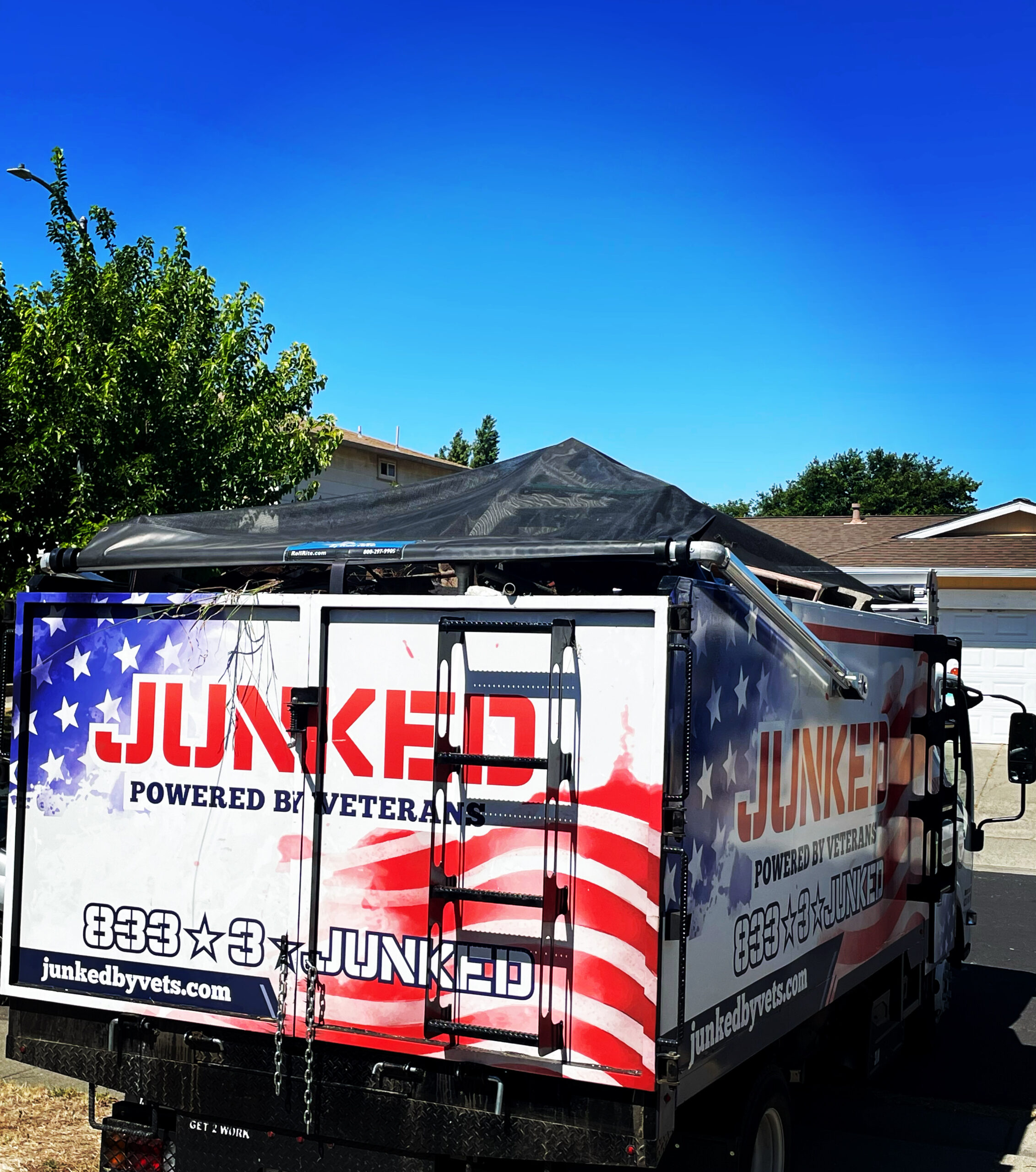
An apartment cleanout in Walnut Creek can involve much more than carrying a few trash bags downstairs. A bedroom may still contain a mattress and dresser, the living room may hold a bulky sectional, and closets may be packed with clothing, boxes, and household supplies. Even a small apartment can contain enough unwanted belongings to make moving, preparing a rental, or clearing an estate feel overwhelming.
Many common household items can be removed during an apartment cleanout, including furniture, mattresses, approved appliances, electronics, clothing, kitchenware, cardboard, and general clutter. However, the removal plan depends on the provider’s accepted materials, the condition of each item, access to the apartment, and who has authority to decide what leaves.
Some belongings are suitable for donation or recycling. Others need disposal, while hazardous materials require a separate handling plan. Built-in appliances and attached fixtures also need additional attention because removing them can involve connections or alterations beyond ordinary junk hauling.
Understanding these differences helps residents and property managers organize the work before pickup day. This guide explains what can typically be removed during an apartment cleanout in Walnut Creek, which items need special arrangements, and how to prepare for an efficient service.
Table of Contents
ToggleKey Takeaways
- Common removable items include sofas, tables, chairs, mattresses, freestanding storage furniture, clothing, kitchenware, boxes, and ordinary household clutter.
- Appliances and electronics may be accepted, but recycling requirements, connections, size, and provider policies affect removal.
- Paint, solvents, batteries, pesticides, medications, and other special materials should be identified separately before scheduling.
- Attached fixtures and installed appliances should be reviewed with the property owner or manager before removal.
- Stairways, elevators, parking, and building access can affect the labor and equipment needed.
- Donation depends on an item’s condition and the receiving organization’s acceptance criteria.
- A cleanout removes approved belongings; deep cleaning, repairs, and remediation may require separate services.
- Confirm ownership, scope, exclusions, and the final price before the crew starts loading.
Furniture That Can Be Removed From An Apartment
Furniture often takes up most of the space in an apartment cleanout. Large pieces can be difficult to move through doorways, around tight corners, and down stairs, particularly when the resident has limited help.
Sofas And Living Room Furniture
Many providers accept couches, loveseats, sectionals, recliners, ottomans, coffee tables, end tables, and freestanding entertainment centers. A cleanout may include one damaged chair or an entire living room set.
Describe oversized pieces before requesting a quote. A sectional with several connected sections, a sleeper sofa, and a lightweight accent chair require different handling. Let the crew know whether furniture separates into smaller parts and whether it contains powered components.
Also disclose stains, pests, or other contamination. These conditions can affect acceptance, protective measures, and disposal options. Furniture that looks usable in photographs may still be unsuitable for donation if it has odors or structural damage.
Tables, Chairs, And Office Furniture
Dining tables, folding tables, bar stools, desks, bookshelves, filing cabinets, and office chairs are common cleanout items. Home office equipment can accumulate quickly, especially when a resident changes jobs or moves into a furnished apartment.
Empty drawers and cabinets before removal whenever practical. Check for keys, documents, cash, and personal items that may have slipped behind folders. A desk marked for disposal should still be inspected carefully before the crew carries it away.
If a table must be disassembled to fit through the exit, discuss that work in advance. Confirm whether the provider includes basic furniture disassembly and whether any additional labor charges apply.
Dressers And Freestanding Storage Units
Dressers, wardrobes, shelving units, shoe racks, and freestanding cabinets can usually be considered for removal. Their weight and construction matter as much as their size.
Tall units may be secured to a wall for stability. Identify these attachments so the team can determine whether detachment is included and authorized. Removing a freestanding cabinet with a safety bracket differs from removing cabinetry built into the apartment.
Point out the furniture that should stay, even if it is empty. During a full cleanout, clear labels help prevent confusion between unwanted storage units and furnishings retained for the next resident.
Mattresses, Beds, And Bedroom Items
Bedroom contents are another major part of apartment cleanouts. Replacing a mattress, combining households, or preparing a rental can leave several bulky pieces that cannot conveniently fit into ordinary trash containers.
Mattresses And Box Springs
Providers may accept traditional mattresses, foam mattresses, box springs, and mattress foundations. Acceptance and charges depend on condition, local processing options, and the company’s policies.
Tell the provider about the size and number of mattresses. Also mention moisture damage, heavy staining, or suspected pest activity before the visit. Do not assume that every mattress can be recycled or that a recycling outlet will accept contaminated material.
Ask whether wrapping or other preparation is required. If the provider gives instructions, follow them before moving the mattress through shared hallways or elevators.
Bed Frames And Bedroom Furniture
Metal frames, platform beds, headboards, footboards, nightstands, and bedroom benches may be included. Larger beds sometimes need disassembly before removal.
Remove bedding and check beneath the bed first. Jewelry, identification cards, charging cables, and keepsakes can easily disappear under furniture. A short inspection is especially useful when someone else is coordinating the cleanout.
For adjustable beds, tell the crew about motors and electrical components. Heavy mechanical bases may require additional people or equipment, which should be reflected in the planned scope.
Appliances That May Be Included
Appliances can often be removed, but their connections and disposal needs should be discussed before pickup. A provider’s willingness to haul an appliance does not automatically include disconnecting it.
Small Kitchen And Household Appliances
Microwaves, coffee makers, toasters, blenders, fans, vacuums, and other small appliances are common cleanout items. Some may qualify for donation if they are clean, complete, and working.
Separate appliances from loose household trash so their destination can be assessed. Remove food, liquids, and removable debris. Keep cords and accessories with the item when they are needed for safe reuse.
Tell the provider about appliances with rechargeable batteries or unusual components. The team may need to route these separately rather than treating them as ordinary mixed waste.
Refrigerators, Washers, Dryers, And Other Large Appliances
Large appliances may be accepted when the provider has suitable equipment and an appropriate disposal route. Refrigerators and freezers need special processing because of their cooling systems.
Before removal, establish who owns the appliance. In a rental apartment, the refrigerator or laundry equipment may belong to the property owner even when the resident has used it for years.
Confirm disconnection responsibilities. Water lines, electrical connections, gas supplies, and ventilation components can require qualified help. Arrange that work before the hauling appointment unless the provider explicitly includes it within its capabilities.
Installed Appliances And Built-In Equipment
Dishwashers, built-in ovens, mounted microwaves, and similar equipment may require removal from cabinetry or fixed connections. That work should be scoped separately.
A cleanout crew should have clear instructions about what may be detached and who authorizes it. If the appliance remains part of the rental, label it to stay.
Ask about preparation rather than attempting unfamiliar disconnections. A properly planned pickup avoids leaving leaking lines, damaged cabinets, or an appliance that the crew cannot safely load.
Electronics And Home Entertainment Equipment
Electronics can occupy surprising amounts of storage space. Old televisions, unused printers, tangled cables, and outdated computers often remain in closets long after residents stop using them.
Televisions, Computers, And Related Devices
Providers may accept televisions, monitors, laptops, desktop computers, printers, stereos, and gaming equipment through an appropriate electronics recycling route.
The City of Walnut Creek provides guidance on electronics collection and recycling options. Check the current instructions for your property and item type before arranging disposal, particularly when using a shared apartment waste service. City of Walnut Creek
Ask whether electronics processing is included in the quote. A general cleanout service may accept some devices while excluding others or charging separately for particular equipment.
Personal Data And Account Access
Review devices before they leave the apartment. Computers, phones, external drives, and some connected appliances can contain personal information.
Back up needed files, sign out of accounts, and use the manufacturer’s instructions for removing personal data. If a device cannot be powered on, consider a service that can address the storage media securely.
Do not assume a hauling crew provides data destruction. Confirm that service separately if you need it, and keep equipment with unresolved privacy concerns outside the removal area.
Cables, Accessories, And Battery-Powered Equipment
Chargers, keyboards, speakers, routers, and other accessories can often be collected with electronics. Keep them together so they do not become scattered across mixed trash bags.
Set batteries aside according to the disposal instructions provided by the receiving program. Tell the provider about damaged or swollen batteries before handling or transport.
A drawer filled with miscellaneous electronics is easier to evaluate when its contents are visible. Photograph questionable items and send the images before the cleanout date.
Clothing, Linens, And Everyday Household Belongings
Loose household items can make an apartment look more crowded than large furniture alone. Removing these contents requires careful sorting because useful belongings, personal records, and waste may be mixed.
Clothing, Shoes, And Accessories
Clothing, shoes, bags, belts, and similar items may be included in a cleanout. Usable pieces can be set aside for donation if a receiving organization accepts them.
Keep donation candidates clean and dry. Bag or box them separately from trash, and avoid promising that every garment will be reused.
Check pockets and bags before removal. Keys, wallets, identification, and sentimental objects often remain inside clothing that has been stored for months.
Bedding, Towels, And Other Textiles
Blankets, sheets, pillows, towels, curtains, and loose rugs may be removable. Their condition affects donation and recycling possibilities.
Textiles with extensive staining, odors, moisture, or pest contamination may need disposal rather than reuse. Tell the provider about these conditions instead of mixing affected items with clean donation bags.
Distinguish loose rugs from installed carpeting. Removing flooring is a different scope of work and should not be assumed to be part of a standard apartment cleanout.
Books, Toys, And Decorations
Books, games, toys, picture frames, decorative objects, seasonal decorations, and hobby supplies commonly appear in cleanouts.
Review collections before boxing them together. Family photographs, handwritten notes, and valuable pieces can be mixed with ordinary decor.
If sorting assistance is needed, ask whether the provider offers it. Some crews remove only items already designated, while others can help organize contents under the customer’s direction.
Kitchen, Bathroom, And Closet Contents
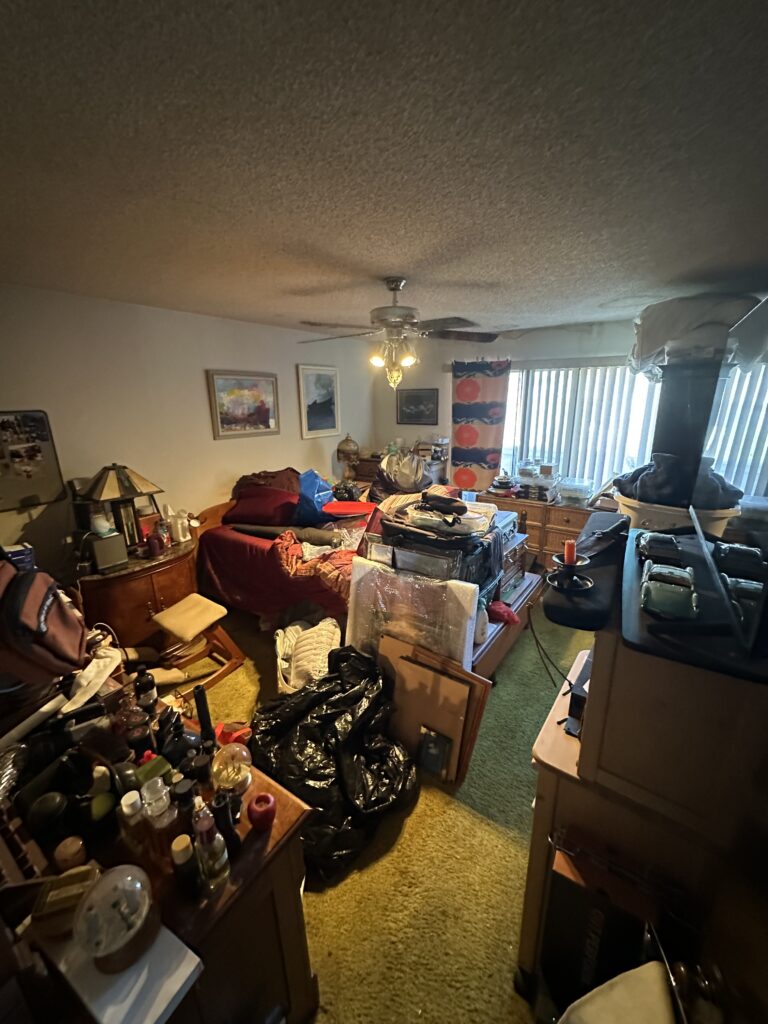
Small objects from cabinets and closets can add substantial volume to a cleanout. A room that appears nearly empty may still contain several loads of belongings behind closed doors.
Dishes, Cookware, And Pantry Items
Pots, pans, utensils, dishes, glasses, storage containers, and small kitchen organizers may be included. Pack fragile items so the crew knows where breakable material is located.
Identify broken glass separately and follow the provider’s packaging instructions. Do not leave loose shards in an unmarked bag.
Discuss food waste separately. Spoiled food, liquids, and heavily contaminated containers may fall outside an ordinary junk removal scope or require different preparation.
Bathroom Accessories And Personal Items
Freestanding bathroom shelves, laundry baskets, shower curtains, bath mats, and empty storage containers can often be removed.
Look carefully for medications, sharps, and chemical products before gathering bathroom contents. These should be handled through the appropriate collection route rather than hidden in bags of ordinary clutter.
Remove personal documents and devices from medicine cabinets and drawers as well. Bathrooms can contain prescription records, receipts, and other information that should be reviewed before disposal.
Boxes, Suitcases, And Storage Containers
Closets may hold moving boxes, empty luggage, plastic bins, holiday supplies, and items left from earlier moves. These can usually be evaluated as part of the general cleanout.
Open containers before marking them for removal. A box labeled “miscellaneous” may contain belongings the resident expects to keep.
Numbering boxes can help when several people are coordinating the project. A written list of approved container numbers gives the crew a clearer instruction than a broad request to empty every closet.
Balcony, Patio, And Assigned Storage Items
An apartment cleanout may extend beyond the interior rooms. Balconies, patios, garages, and assigned storage spaces often hold belongings that are easy to overlook during the first estimate.
Outdoor Furniture And Loose Accessories
Patio chairs, small tables, umbrellas, empty planters, outdoor rugs, and portable shelving may be included when access and handling are agreed upon.
Planters filled with soil can be much heavier than they appear. Describe their contents and ask whether soil or yard material is accepted before pickup.
Identify grill fuel separately. A grill and its fuel container may require different handling, and a crew that accepts the grill may exclude the cylinder.
Assigned Storage Lockers And Garage Areas
Storage spaces may contain bicycles, sporting equipment, tools, spare furniture, and boxes. Confirm that the cleanout includes these areas and that keys or access codes will be available.
Only designate belongings you are authorized to remove. Shared garages and storage corridors can contain items belonging to other residents.
Photograph the assigned area before work begins. Mark its boundaries clearly so the crew can distinguish your contents from neighboring property.
General Trash, Cardboard, And Approved Debris
Ordinary household waste is frequently part of a cleanout, but material type and weight still matter. A truck filled with light cardboard differs substantially from one loaded with dense renovation debris.
Bagged Household Trash And Packaging
Accepted items may include ordinary bagged trash, empty packaging, cardboard boxes, and loose paper. Ask whether the company wants recyclables separated in advance.
Keep bags manageable and avoid concealing sharp objects, chemicals, batteries, or liquids. Tell the crew about unusual contents.
A hallway stacked with bags can make removal harder by limiting movement. Keep approved waste inside the apartment or another designated area until the crew is ready to load it.
Debris From Minor Repairs
A provider may accept limited amounts of material from repairs, such as detached shelving or small pieces of approved scrap. Acceptance varies considerably.
Dense material, construction waste, and anything with an uncertain composition need advance review. Describe the material, approximate quantity, and how it was generated.
Confirm whether the quote covers hauling only or also includes removal work. Pulling up flooring, dismantling cabinets, and stripping wall materials should be discussed as separate tasks.
Items That Need Special Handling
Some apartment contents require a different plan from everyday furniture and clutter. Identifying them early helps prevent a partially completed cleanout.
Paint, Chemicals, And Household Hazardous Waste
Leftover paint, solvents, pesticides, automotive fluids, and strong cleaning products should be separated from ordinary junk.
Central San lists Walnut Creek among the communities eligible for its household hazardous waste program. Its guidance distinguishes resident drop-offs from business waste, which requires separate arrangements. Property managers and landlords should confirm the applicable process rather than assuming resident drop-off terms cover their cleanout. Central Contra Costa Sanitary District
Ask the hauling provider what it excludes. Keep products identified in their original containers when possible, and follow the receiving facility’s current preparation and acceptance instructions.
Medications, Sharps, And Unidentified Materials
Medications and sharps should be addressed through suitable collection programs. Central San’s disposal guidance directs users to separate pharmaceuticals and sharps resources. Central Contra Costa Sanitary District
Let the crew know if these items are present. Do not bury them in mixed bags or ask workers to sort them from ordinary household trash.
Unknown powders, leaking containers, and unusual chemical odors also need assessment before removal. Pause work around uncertain materials and seek guidance from an appropriate waste or remediation professional.
Pests, Mold, And Other Contamination
A cleanout involving pests, extensive mold, sewage, or biological contamination may require specialized services. Ordinary hauling may be insufficient for the conditions present.
Describe the situation accurately when requesting service. Photos can help, but concealed damage or contamination may still require an on-site assessment.
Ask which work must happen first. Depending on the condition, treatment or remediation may be needed before contents can be moved through shared spaces.
Belongings That Should Be Reviewed Before Removal
A cleanout should have clear boundaries. Identifying what stays is as important as listing what goes.
Property Owner Fixtures And Equipment
Built-in cabinetry, doors, installed lighting, bathroom fixtures, thermostats, and other attached features are not ordinary loose household junk.
Before removing any attached item, confirm ownership and authorization with the property owner or manager. Include the specific item in the written scope if detachment is part of the project.
Even seemingly minor accessories deserve attention. Window coverings, supplied shelving, and wall-mounted equipment may belong to the apartment rather than the resident.
Documents, Valuables, And Sentimental Items
Set aside identification, financial records, keys, jewelry, photographs, and keepsakes before the crew arrives.
Use a clearly marked keep area, ideally in a separate room or outside the work zone. Tell everyone involved that its contents are excluded.
If several family members are reviewing an estate or shared household, resolve disagreements before pickup. A removal crew should not have to decide who is entitled to a particular possession.
Belongings Left By A Former Resident
When a former resident leaves property behind, establish the authority to remove it before scheduling disposal. The physical ability to haul an item does not settle ownership questions.
Document the contents and obtain appropriate guidance about the required process. Confirm which belongings have been cleared for removal before directing the crew.
This preparation is especially useful for property managers coordinating multiple vendors. Everyone should work from the same approved inventory.
Preparing For An Apartment Cleanout In Walnut Creek
Apartment access can determine how efficiently approved items leave the property. Give the provider a realistic picture of the route from each room to the loading vehicle.
Share Access And Parking Details
Provide the floor number, stair count, elevator availability, entry instructions, and approximate distance from the apartment to parking.
Mention narrow hallways, tight turns, and large furniture that may not fit through the usual route. Confirm any building scheduling requirements with management.
Arrange approved loading access before the appointment. The crew should be able to move items without blocking residents, emergency access, or shared entrances.
Define The Scope And Review The Quote
Create a room-by-room inventory and send photos of large or unusual items. Include balcony and storage contents if they are part of the project.
Ask how the quote accounts for volume, weight, labor, stairs, disassembly, and special processing. Confirm exclusions and the process for approving additional charges.
A selective pickup needs particularly clear labels. Walk through the apartment with the crew before loading begins and identify both removal items and belongings that stay.
Plan The Work After Removal
An emptied apartment may still need vacuuming, surface cleaning, repairs, painting, or other preparation.
Ask whether basic sweeping is included and what it covers. Deep cleaning, odor treatment, and repairs should be scheduled separately unless they are expressly part of the service.
After loading, inspect closets, cabinets, the balcony, and assigned storage areas. Compare the result with the approved inventory before considering the cleanout complete.
Conclusion
An apartment cleanout in Walnut Creek can remove a wide range of approved household items, from sofas, mattresses, and desks to clothing, kitchenware, electronics, and boxed clutter. Balconies and assigned storage spaces can also be included when they are identified in the scope.
A successful cleanout starts with an accurate inventory, clear ownership decisions, and a realistic access plan. Appliances, hazardous materials, contamination, and attached fixtures need advance discussion because they can change the work required.
Before scheduling, tell the provider what needs to leave, what must stay, and which items may require separate handling. Confirm acceptance and pricing, then arrange any follow-up cleaning or repairs. These steps help turn a crowded apartment into a cleared space ready for its next use.
FAQ
1. Can A Cleanout Service Remove Everything In An Apartment?
A provider may offer a full contents cleanout, but it still has material exclusions and handling limits. Confirm furniture, appliances, electronics, waste, and storage areas individually. Attached fixtures, hazardous materials, and contaminated contents may require separate services.
2. Can Only One Couch Or Mattress Be Removed?
Many providers offer individual item pickups as well as complete cleanouts. Describe the item, its condition, floor location, and access route when requesting a quote. Ask about minimum charges so you understand the total before booking.
3. Do I Need To Move Furniture Outside First?
That depends on the service you select. Some providers remove items from inside the apartment, while others price curbside or staged pickup differently. Confirm the collection location before moving anything, especially in buildings with shared corridors.
4. Can Working Furniture Be Donated?
Potentially, if it meets the receiving organization’s standards and donation is part of the arranged service. Condition, cleanliness, demand, and available space affect acceptance. Ask what happens if the intended recipient declines the furniture.
5. Are Refrigerators And Washing Machines Accepted?
They may be, but size, connections, ownership, and disposal arrangements affect removal. Confirm who disconnects the appliance and whether that work is included. Do not assume a hauling appointment includes plumbing, gas, or electrical work.
6. Can Electronics Go With Ordinary Household Junk?
Electronics should be identified separately so the provider can use an appropriate processing route. Ask about accepted devices and charges. Remove personal data before pickup, and confirm any data destruction service separately.
7. What Happens To Paint And Cleaning Chemicals?
These materials may be excluded from standard hauling and need a hazardous waste route. Identify them before booking. Check current acceptance rules and confirm whether your waste is handled as household or business material.
8. Can A Cleanout Include A Balcony Or Storage Locker?
Yes, when the provider accepts the contents and those areas are included in the quote. Arrange access and clearly identify the assigned space. Tell the crew about heavy planters, fuel containers, and belongings that belong to other residents.
9. Does Apartment Cleanout Include Deep Cleaning?
Usually, hauling and deep cleaning are distinct services unless the contract includes both. Ask about sweeping and debris pickup, then arrange detailed cleaning or repairs as needed. Removing furniture does not itself remove stains, odors, or damage.
10. What Information Should I Provide When Booking?
Share an inventory, photos, apartment floor, stairs or elevator details, parking conditions, and your desired timing. Identify special materials and items that must stay. This information helps the provider assess the work and give a more accurate quote.
Need A Rental Property Cleared Fast? Here’s Why Bay Area Property Pros Choose Junked: Powered By Veterans™
Rental property and tenant turnover cleanouts can quickly become a challenge, especially when former tenants leave behind furniture, appliances, trash, or other unwanted items. At Junked: Powered by Veterans™, we help Bay Area landlords, property managers, real estate professionals, and property owners clear out rentals quickly and get them ready for the next tenant.
Whether you’re dealing with an apartment move-out, preparing a rental home for new occupants, clearing an abandoned unit, or getting a property ready for repairs and renovations, our veteran-led team handles the heavy lifting from start to finish. We remove unwanted items efficiently, prioritize responsible disposal whenever possible, and help you move forward with less downtime between tenants.
If you need a rental property or tenant turnover cleanout in the Bay Area, schedule your free, no-obligation estimate and see why so many property professionals trust Junked: Powered by Veterans™ for reliable, efficient, and stress-free service.
Disclaimer
The materials available on this website are for informational and entertainment purposes only and not to provide legal or professional advice. You should contact your attorney or home improvement specialist for advice concerning any particular issue or problem. You should not act or refrain from acting based on any content included in this site without seeking legal or other professional advice. The information presented on this website may not reflect the most current home improvement developments. No action should be taken based on the information on this website. We disclaim all liability concerning actions taken or not taken based on any or all of the contents of this site to the fullest extent permitted by law.