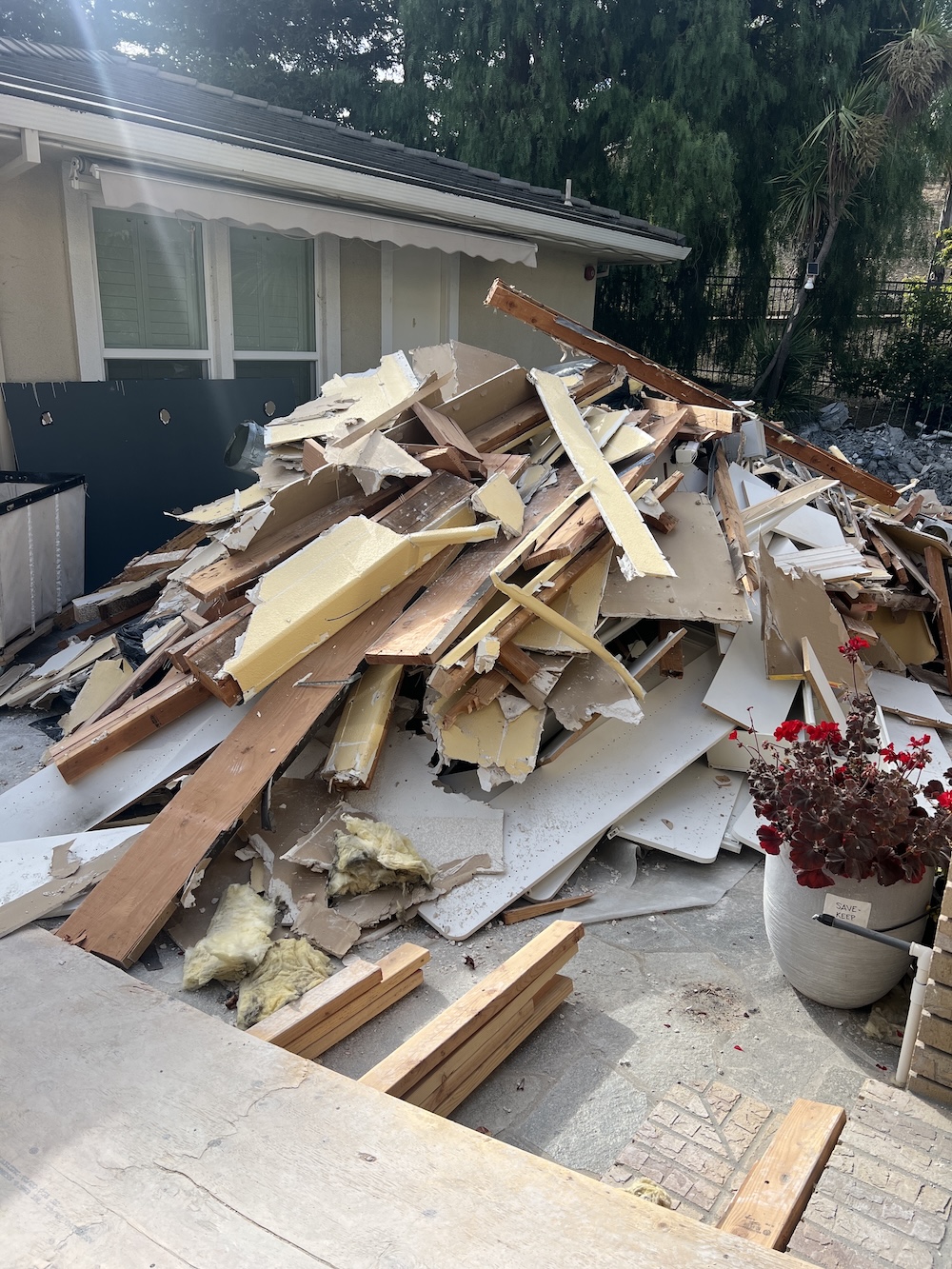
If you’re picturing residential demolition in Walnut Creek as a one-weekend spectacle with an excavator, a cloud of dust, and a clean, flat lot by Monday, you’re not alone. It’s also not how it usually goes.
Most Walnut Creek homeowners should expect the full residential demolition timeline to land around 4 to 12 weeks, start to finish, with the actual teardown often taking 1 to 3 days once permits, utility disconnections, and any hazardous-material abatement are cleared. The schedule lives or dies in the paperwork lanes, not the “big machine” moment.
Table of Contents
ToggleKey Takeaways
You can plan your calendar around a few reality checks:
- Your long demolition timeline is usually dominated by permitting, plan check, and sign-offs, not the mechanical demolition itself.
- Utility disconnections are a quiet bottleneck, especially if you miss a step and have to re-book inspections or caps.
- If your house tests positive for asbestos-containing material or lead issues, abatement can stretch the project by weeks, and nobody “talks their way around” clearance paperwork.
- Walnut Creek’s waste rules (CalGreen, diversion, documentation) can slow closeout if your debris tracking is sloppy, and final approvals do not care that your driveway is already swept.
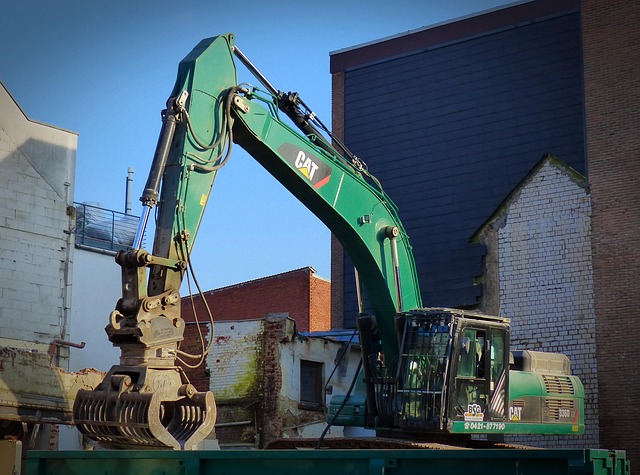
Here’s the cleanest way to see it without pretending every property is identical.
Phase | Typical Duration In Walnut Creek | What Usually Controls It |
Permit and review | 2 to 8 weeks | Plan check load, corrections, tree protections, potential hearings |
Utility disconnections and caps | 1 to 2 weeks | Scheduling, verification, access, coordination |
Testing and abatement (if needed) | 1 to 4+ weeks | Lab results, contractor availability, clearance reports |
Actual tear / knockdown | 1 to 3 days | Access, method, scope, neighbors, truck staging |
Debris removal and cleanup | 2 to 7 days | Haul logistics, facility availability, documentation |
Grading/foundation removal (scope-based) | 2 days to 2+ weeks | Concrete thickness, compaction, export, next-build requirements |
What Timeline Should Walnut Creek Homeowners Expect?
Typical Range
On a normal single-family house demolition, you’re commonly living in that 4 to 12 week band. It sounds wide because it is. The “demo” part is fast. The demolition process around it is slow. A lot of property owners feel whiplash the first time they watch a crew reduce a structure to debris in several days, after waiting a month for a plan check email.
If you want a simple mental model, think of your demolition project as two separate timelines stapled together: a city-and-utilities timeline, then an equipment-and-hauling timeline. You can control the second one with a good contractor. You can only influence the first one by being organized and not triggering re-submittals.
Fastest Scenarios
The fastest schedule shows up when your scope is boring (boring is good), your site is accessible, and your paperwork is clean the first time.
That usually looks like: a smaller frame house, no basement complications, no sketchy additions from 1978, no mature protected trees crowding the work area, and no environmental surprises. Your experienced demolition company coordinates shutoffs early, you submit complete drawings, and the city doesn’t kick it back for corrections.
Another factor that helps keep a demolition project on schedule is making major design decisions before demolition begins. Homeowners who significantly revise rebuilding plans after permits have been submitted often need updated drawings, additional reviews, or revised contractor schedules. Finalizing your construction plans early helps reduce unnecessary delays and allows demolition and rebuilding to move forward more efficiently.
Common Delays
The delays are predictable, which is annoying because you’ll still feel personally attacked by them.
One is permitting corrections. Another is utility scheduling. Another is hazardous material abatement. Then you get the city’s construction-hour limits, holiday inspection gaps, and the reality that hauling depends on scheduling, transportation logistics, and disposal facility availability.
Another common source of delays comes from project changes after work has been scheduled. Expanding the demolition scope, requesting additional salvage work, or modifying plans for the future home can require revised permits, updated estimates, or new inspections. Establishing a detailed project scope before demolition begins helps contractors coordinate equipment, trucking, labor, and disposal more efficiently while reducing the likelihood of schedule disruptions.
Which Permits And Reviews Add The Most Time?
Plan Check
Walnut Creek’s Community Development Department isn’t guessing; they publish expectations. If you want to anchor your planning in something real, you can track the city’s posted review windows on their permit turnaround times page. Your actual plan check timeline depends on workload and complexity, and yes, “it’s a simple house” still becomes “missing detail” if your submittal is thin.
Your most practical move is to submit a complete package the first time and avoid corrections purgatory. If you’re coordinating with a builder for the next build, align demolition and future foundation plans early, because mismatched drawings trigger delays that feel stupid because they are.
If you like to monitor things instead of refreshing your inbox like a maniac, you can follow your permit status through Walnut Creek’s online permit portal.
Tree Protection
Walnut Creek takes tree protection seriously, and it’s a schedule factor whether you care or not. Tree fencing, arborist sign-offs, and site logistics can become their own sub-project, especially if equipment access forces you near a protected canopy.
This is where the local permit package matters. The city spells out submittal expectations in their demolition permit requirements guidance, and the details you skip are the same details that come back as comments.
Historic Triggers
If your building is older, expanded weirdly, or sits in an area where design review gets sensitive, you can trip “extra eyes on this” mechanisms. Some cities have explicit 50-year review triggers; Walnut Creek’s version often shows up as discretionary review, neighborhood heat, or planning entitlements. If you fall into a bucket that needs hearings or broader review, the calendar shifts from weeks to months.
Walnut Creek is blunt about how long planning entitlements can take on projects that require deeper review. Their overview of use permits and the planning process lays out timeframes that can stretch far beyond a standard demolition permit.
If you think “that won’t be me,” go skim one real meeting packet like the local case showing a design review extension and tell yourself you’re immune to process drag. Maybe you are. Maybe you aren’t.
How Long Do Utility Shutoffs And Caps Take?
PG&E Scheduling
Utility disconnections are the part of the process nobody brags about, which is hilarious because they can delay your actual tear more than weather ever will.
PG&E scheduling depends on access, scope, and how early you start. You’re typically looking at several business days to more than a week once you include coordination, on-site work, and verification. If you miss a window, you get bumped, and your whole demolition timeline slumps.
This is one of those moments where homeowners try to “save time” by waiting, then lose time.
Water And Sewer
Water and sewer caps are not optional details. They’re safety steps, inspection steps, and often permit sign-off steps. If you’ve got an older connection, or a property with confusing as-builts, this can add time because somebody has to confirm what’s actually in the ground.
If you’re expecting a clean grading phase or future foundation work right after, you want this handled cleanly. Messy caps become surprise rework when you are trying to build.
Verification Steps
This part is boring, so people try to rush it. Don’t.
The schedule impact usually comes from missing documentation or failing an inspection because something wasn’t capped the way the inspector expected. Walnut Creek also restricts when work can happen, which matters if you’re trying to stack trades tightly. Check the city’s posted construction inspection hours and holiday schedule so you don’t plan a critical step on a day the city is effectively unavailable.
When Does Hazardous Material Work Extend The Schedule?
Testing Window
Older homes often mean older materials. That’s not a moral failing; it’s just math.
If your home was built before modern restrictions on asbestos and lead, testing is a normal part of professional demolition. Environmental testing helps identify regulated materials before demolition begins, allowing contractors to comply with federal, state, and local safety requirements while protecting workers, neighboring properties, and the surrounding environment. Lab turnaround can be quick, or it can take a week depending on sampling scope and backlog.
Abatement Duration
If testing flags asbestos-containing material, abatement becomes its own mobilization, with containment, negative air, careful removal, and disposal rules that don’t care about your preferred schedule.
A small, contained abatement might be handled in a week. A larger scope can push longer, especially if the crew calendar is full. This is one of the reasons the “physical demo is 2 to 5 days” line you see in generic writeups can mislead you, even if it’s technically true in the narrow sense. The Bay Area is notorious for schedule pressure, and once you stack abatement plus utilities plus plan check, your overall time stretches even when the excavator work is fast.
Clearance Reports
Final clearance documentation is often the last step before demolition work can officially proceed or be closed out. You do not want to be the property owner whose site is ready, trucks staged, and then you’re stuck waiting on a report or a sign-off.
The best demo pros treat documentation like part of the demolition services, not an afterthought.
What Happens On The 1–3 Day Knockdown?
Machine Vs Manual
For a typical Walnut Creek house demolition, mechanical demolition with an excavator is the standard when access allows. Deconstruction is slower but can make sense if you’re prioritizing salvage, recycling, or keeping certain materials out of the landfill.
If you’re tempted to request “can we keep the rubble,” you’re not weird. You’re just early. Some contractors offer salvage services as part of the demolition scope, while others may limit salvage because of scheduling, safety requirements, or liability concerns. If preserving materials is important, discuss those expectations before work begins. If you want bricks, beams, fixtures, or even chunks of concrete, negotiate it upfront with a documented salvage plan and ask whether you can earn a credit for recoverable materials. If you bring it up after the excavator is already chewing through walls, you’re basically asking for a favor that disrupts the debris haul plan.
Site Access
Access controls speed more than people expect. Tight streets, a narrow driveway, overhead lines, limited staging, cranky neighbors, and parking enforcement all matter.
In denser neighborhood pockets, the contractor’s choreography is the job: where trucks queue, how debris loads get staged, how dust control is handled, how to avoid blocking the street. If you’ve ever watched commercial demolition on a retail building downtown, you’ve seen this dance on hard mode. Residential is smaller, not simpler.
Noise And Hours
Walnut Creek’s allowed hours shape your day count. If you only get a limited daily work window, you cannot “just finish tonight.” Noise complaints and enforcement are their own flavor of delay.
If you’re planning around work-from-home life or nearby schools, build that into your schedule expectations. It’s still fast. It just isn’t a 24-hour free-for-all.
How Long Do Hauling, Grading, And Foundation Work Take?
Debris Loads
After the actual teardown, debris removal can move fast if trucks can cycle cleanly and your disposal plan is dialed.
Walnut Creek leans hard into diversion requirements, and your project closeout can get sticky if your documentation is sloppy. If you want to understand the compliance side without falling asleep, read how Contra Costa County frames CalGreen construction and demolition recycling requirements, then look at local options like RecycleSmart’s approved C&D facilities so you’re not scrambling at the end.
For some projects, you’ll also be tracking diversion through tools the city recognizes. Walnut Creek uses systems like Green Halo’s waste tracking, and yes, that can affect how quickly you get to “done.”
Debris hauling schedules can also be affected by truck availability, traffic conditions, and disposal facility operating hours. Coordinating transportation in advance helps prevent material from remaining on-site longer than necessary and allows grading or foundation work to begin sooner. Contractors who plan hauling logistics before demolition starts are generally better positioned to maintain an efficient project schedule.
Concrete Removal
Foundation removal is where a “simple demo” can suddenly feel like a heavy civil job. Thick concrete, rebar density, and how much you’re removing all matter. If you’re clearing everything for a new build, that’s different than leaving a slab.
Concrete export also influences truck counts, street impact, and disposal fees. It is also loud. You will notice.
Final Compaction
Grading and compaction are where you either set up your next project for success or seed future settlement problems. If you’re building again, this is not the phase to rush, because your future foundation cares about the work you do now.
Waste logistics matter here too. Even basic container planning can add or remove days. If you’re trying to estimate how many boxes you’ll need, the local container sizing realities are laid out in GreenWaste’s C&D debris box guidance for Walnut Creek, and if you’re dealing with required documentation, their overview of a construction waste management plan helps you understand why the city keeps asking for paperwork you wish didn’t exist. Walnut Creek also audits waste streams under rules tied to organics and contamination, so it’s worth knowing what the city means by SB 1383 contamination monitoring before your “final cleanup” turns into a redo.
What Can Homeowners Do To Help Keep A Demolition Project On Schedule?
Although many parts of the demolition process depend on city review timelines and utility providers, homeowners can still take several practical steps to reduce avoidable delays.
One of the most effective strategies is hiring a qualified demolition contractor early in the planning process. Experienced contractors understand Walnut Creek’s permitting requirements, coordinate inspections, schedule utility disconnects, and identify potential issues before they become expensive setbacks. Early planning also gives enough time to arrange environmental testing if the home was built during periods when asbestos-containing materials or lead-based paint were commonly used.
Keeping permit documents organized is equally important. Missing site plans, incomplete applications, or inaccurate property information frequently result in correction notices that extend review times. Carefully reviewing permit documents before submission helps minimize unnecessary back-and-forth with the city.
Homeowners should also make final decisions about foundation removal, grading requirements, and rebuilding plans before demolition begins whenever possible. Significant changes after permits have been approved may require revised drawings or additional reviews, which can delay both demolition and new construction.
Maintaining clear communication between the demolition contractor, utility providers, engineers, and future builders also helps avoid scheduling conflicts. Coordinating these parties early allows inspections, utility disconnects, debris hauling, and grading work to proceed in the proper sequence rather than waiting for one task to finish before another can begin.
While no demolition project is completely free from unexpected issues, careful preparation, realistic scheduling, and experienced project management can significantly improve the chances of completing residential demolition on time.
Conclusion
So how long does residential demolition take in Walnut Creek? Usually 4 to 12 weeks all-in, with the satisfying, cinematic knockdown compressed into 1 to 3 days, assuming utilities are disconnected, permits are in hand, and abatement is handled if needed.
If you want the timeline to stay sharp, treat it like a scheduling problem, not a brute-force problem. Complete paperwork early, schedule utility disconnects promptly, finalize the project scope before demolition begins, and make salvage decisions in advance. These steps, combined with working with an experienced demolition contractor, help keep projects moving efficiently and reduce unnecessary delays.
Frequently Asked Questions
1. Can A House Demolition Really Be Done In A Couple Of Days?
Yes. The mechanical portion often is. The overall demolition timeline isn’t, because permitting, utility disconnections, documentation, and debris disposal rules take time.
2. What Usually Slows Down A Walnut Creek Demolition Project The Most?
Plan check corrections, scheduling utility caps, hazardous-material abatement, and closeout documentation tied to waste diversion are the common delays.
3. Do You Need A Waste Management Plan In Walnut Creek?
Often, yes, especially when your demolition scope crosses the city’s thresholds. If your contractor shrugs this off, push back, because missing diversion paperwork can stall final approvals.
4. Can You Keep Bricks, Beams, Or “Rubble” From The Teardown?
Sometimes. You need to ask before the first step of demolition begins and get a salvage plan in writing, including who handles separation, storage, and liability. Expect it to affect both cost and schedule.
5. How Do You Get A Tighter Time Estimate For Your Specific Property?
Square footage, age of the house, access constraints (street and driveway), whether you’re doing foundation removal, and whether testing suggests abatement. If you bring those details to a contractor, you’ll get something far more honest than a generic “couple weeks.”
6. Does Weather Affect Residential Demolition Timelines In Walnut Creek?
Yes. While most residential demolition projects can continue in a variety of weather conditions, heavy rain or severe storms may temporarily delay demolition, debris hauling, grading, or site inspections. Building a small buffer into your project schedule can help account for weather-related interruptions, especially during the rainy season.
Residential Demolition Services Done Right
Whether you’re preparing for a home renovation, removing an old structure, or clearing space for a new project, Junked: Powered by Veterans™ provides safe, reliable residential demolition services throughout the Bay Area. Our experienced, veteran-led team handles every project with precision, ensuring your property is ready for the next phase of construction.
Why Choose Junked: Powered by Veterans™?
- Safe, Professional Demolition: We complete every project with safety, efficiency, and attention to detail.
- Complete Residential Demolition: Garages, sheds, decks, fences, interior demolition, patios, and more.
- Fast Cleanup: We remove demolition debris and leave your property clean and ready for rebuilding.
- Veteran-Led Service: Dependable communication, professional crews, and workmanship you can trust.
When you need residential demolition services in the Bay Area, trust Junked: Powered by Veterans™ to get the job done safely, efficiently, and on schedule. Contact us today for a free, no-obligation estimate.
Disclaimer
The materials available on this website are for informational and entertainment purposes only and not to provide legal or professional advice. You should contact your attorney or home improvement specialist for advice concerning any particular issue or problem. You should not act or refrain from acting based on any content included in this site without seeking legal or other professional advice. The information presented on this website may not reflect the most current home improvement developments. No action should be taken based on the information on this website. We disclaim all liability concerning actions taken or not taken based on any or all of the contents of this site to the fullest extent permitted by law.