A tenant has moved out, the keys have been returned, and you are ready to prepare the rental property for its next occupant. Then you open the door and discover a couch in the living room, a mattress in the bedroom, a dining table in the kitchen, and several chairs on the patio. What should a landlord do with furniture left behind by a tenant?
The practical answer is to document the furniture, confirm your right to possession of the rental, check the applicable abandoned-property rules, arrange any required notice and storage, and remove the items only when you have authority to do so. The right process depends on the property’s location and the circumstances of the tenant’s departure.
Furniture creates a particular challenge because it occupies valuable space and can be difficult to move. A single sectional sofa may interfere with cleaning, painting, flooring repairs, and property showings. However, the need to get a rental ready does not establish who owns the items or whether they may be discarded.
Some tenants leave furniture intentionally. Others underestimate moving costs, lose access to transportation, misunderstand a pickup agreement, or experience an emergency. The furniture may also belong to a roommate, a family member, or a rental company.
This guide explains how to approach the situation in an organized way, from the first inspection through final cleanup. It offers general management practices rather than a jurisdiction-specific legal procedure. Before taking an irreversible action, verify the current requirements that apply to your rental.
Table of Contents
ToggleKey Takeaways
- Furniture remaining after a move-out should not automatically be treated as the landlord’s property.
- Confirm the status of the tenancy and your right to possession before beginning a cleanout.
- Photograph the furniture and create an inventory before moving anything.
- Check the applicable rules for notice, storage, retrieval, valuation, and disposal.
- A phone call or text message may help arrange pickup, but it may not satisfy formal notice requirements.
- Keep unpaid rent, property retrieval, and security-deposit accounting separate unless applicable law authorizes a connection.
- Donate, recycle, sell, retain, or discard furniture only after establishing authority for that action.
- Give removal crews clear instructions so that protected belongings are not accidentally hauled away.
- Preserve records showing what remained, how it was handled, and where it ultimately went.

First, Confirm That The Tenancy Has Ended
Before focusing on furniture removal, establish what happened to the tenancy. A completed move-out, an eviction, an apparent abandonment, and a temporary absence are different situations.
The fact that a tenant is not answering messages does not, by itself, explain which situation applies. Neither does a mostly empty apartment. Treating an uncertain absence as a completed move-out can create a much larger problem than delayed furniture removal.
Review The Move-Out Evidence
Gather the lease, termination notices, written communications, key-return records, and any signed surrender agreement. Check whether the tenant gave a definite move-out date and whether the landlord accepted possession.
Record when you inspected the property and what you observed. If the tenant said a moving truck would return for the couch, preserve that message. If there was an agreement allowing later pickup, review its exact terms before scheduling removal.
These records help distinguish an unfinished move from furniture that has genuinely been left behind. They also allow a property manager, attorney, or removal coordinator to understand the facts without relying on memory.
Treat Eviction And Apparent Abandonment Carefully
If possession followed an eviction, check the rules governing belongings after that process. Do not assume that the procedure for a voluntary move-out also governs a court-supervised recovery of possession.
If the tenant appears to have abandoned the rental, verify the steps required to recover possession lawfully. The status of the premises and the status of the belongings are connected, but they are separate questions.
When the situation is unclear, obtain local legal guidance before changing access arrangements or disposing of furniture. Resolving possession first gives the rest of the cleanout a sound starting point.
Document Everything Before Moving Furniture
A thorough record makes later decisions easier. It helps identify what the tenant left, supports communication about pickup, and provides evidence if someone disputes an item’s condition or disappearance.
Documentation is most useful when completed before cleaners, contractors, or haulers enter the property. Once furniture has been moved into a truck or mixed with debris, it becomes harder to reconstruct the original situation.
Take Clear Photographs
Start with wide photographs of each room. Then photograph individual pieces from several angles, including identifying features and visible damage.
Capture torn upholstery, broken legs, scratches, stains, missing cushions, and other condition details. Where visible, photograph manufacturer labels or model information that may help identify an item.
Avoid including private paperwork unnecessarily. Keep photographs in a secure property file rather than sharing them publicly. The purpose is to document belongings and condition, not expose the former tenant’s personal life.
Create An Itemized Inventory
Use specific descriptions rather than writing “miscellaneous furniture.” A useful inventory might identify a gray three-seat sofa, a round wooden dining table, four upholstered chairs, a queen-size mattress, and a six-drawer dresser.
Record the location and condition of each piece. Assign a simple reference number if several items look similar. Note whether drawers or storage compartments contain additional belongings.
If a desk contains documents or a cabinet holds boxes, do not assume those contents can follow the same disposal route as the furniture. Flag them for separate review without unnecessarily searching through private material.
Separate Tenant Belongings From Landlord-Owned Items
Compare the remaining furniture with the original move-in inventory, especially in a furnished rental. A bed frame or table may already belong to the landlord.
Mark ownership as confirmed or uncertain in your records. Do not allow a removal crew to decide ownership based on appearance.
This step also protects against accidentally releasing landlord-owned furnishings during a tenant’s pickup. A clear inventory should show which items the tenant may collect and which belong with the rental.
Check The Applicable Abandoned-Property Requirements
There is no single deadline or disposal procedure that applies to every rental property. The relevant rules may depend on location, tenancy type, method of departure, property value, and whether another owner is known.
Consult current official statutes, court resources, or qualified local counsel. An online checklist from another state can be a useful background, but it should not control your decision.
Identify Notice And Retrieval Requirements
Determine whether written notice is required, who must receive it, how it must be delivered, and when the retrieval period begins.
For example, California’s residential abandoned-property procedure specifies notice contents and different minimum periods for personal delivery and mailing. Those requirements should not be transferred to a property elsewhere. leginfo.legislature.ca.gov
Use the correct local form when one is provided. Calendar the deadline using the applicable counting rules rather than estimating from the day you discovered the furniture.
Verify Storage And Disposal Rules
Check whether furniture may remain in the rental or be moved into secure storage. Determine the standard of care, any recoverable storage charges, and the procedure if nobody claims the property.
Florida’s statutory procedure includes safekeeping and release requirements and distinguishes between property eligible for certain disposal options and property requiring a public sale. This illustrates why a general cleanout plan must be adjusted to local law. leg.state.fl.us
Do not assume that waiting a reasonable amount of time creates disposal authority. The applicable process may require particular notices or additional steps.
Understand The Role Of Value
Some procedures use the resale value of the remaining property to determine what happens next. Where that applies, verify whether the threshold concerns individual items or the combined property.
California’s procedure, for example, distinguishes property with a total resale value below a statutory threshold from property generally subject to public sale, and it regulates sale proceeds. leginfo.legislature.ca.gov
An inexpensive-looking collection can still contain a valuable piece. Document your valuation basis and seek qualified help when the value could change the required procedure.
Contact The Former Tenant Professionally
Clear communication can resolve the practical problem before it becomes a dispute. A tenant may have intended to return for a mattress or may be willing to arrange an authorized removal.
Keep the conversation factual. Describe what remains, explain how to discuss retrieval, and preserve the responses. Avoid accusations about why the furniture was left.
Ask About Pickup Plans
Identify the furniture clearly and ask whether the tenant intends to collect it. Request a proposed date and information about who will handle the move.
Make sure any arrangement fits the legal process and your access rights. If the tenant asks for extra time, review the consequences before agreeing and record any approved change in writing.
A helpful conversation can support the process, but informal communication should not replace a required notice. Continue to follow the applicable delivery and timing rules even if you have also called or texted.
Clarify Any Claimed Permission To Dispose
A tenant may say, “You can get rid of everything.” Before relying on that statement, identify what “everything” includes and whether the tenant owns the items.
Ask for clear written confirmation specifying the furniture and intended action. An agreement about a couch should not be treated as permission to destroy documents inside a nearby cabinet.
Written permission can clarify intent, but whether it is legally sufficient depends on the circumstances and applicable law. Obtain guidance when ownership is disputed, valuable property is involved, or the agreement conflicts with the required procedure.
Keep Communication Neutral
Avoid threatening to destroy furniture if the tenant does not pay unrelated debts. Keep pickup arrangements focused on the items, the location, and the steps legally required for release.
Professional language makes cooperation more likely and produces a clearer written record. It also helps staff members communicate consistently if more than one person manages the rental.
If a conversation becomes hostile, return to written communication and seek appropriate assistance. The goal remains an orderly resolution, not an argument about the entire tenancy.
Store The Furniture With Care
Furniture awaiting retrieval should be managed deliberately. Moving a couch out of the way may be practical, but leaving it exposed to rain or placing it where other people can take it creates avoidable problems.
Choose a storage arrangement suited to the items, the available space, and the applicable requirements. Record where each piece goes.
Choose A Secure Location
Possible locations may include the vacated rental, an appropriate locked storage room, or a commercial storage facility. Consider weather protection, security, access, and the risk of damage.
Label items from different rentals separately. Keep the inventory linked to the storage location so that a staff member can find the correct chair or table without guessing.
If another business will store the furniture, confirm its handling arrangements and keep the agreement and receipts. Make sure you can arrange retrieval when necessary.
Protect Items During Movement
Use suitable equipment and enough people for heavy pieces. Empty or secure drawers when appropriate, protect vulnerable surfaces, and keep detached hardware with the corresponding item.
Photograph furniture before and after relocation. Record existing damage and any incident during the move.
Do not disassemble furniture more than necessary. A complicated bed frame or cabinet can become unusable if its parts are lost or mixed with another item. Simple labeling prevents many of these problems.
Address Suspected Contamination Separately
If furniture appears to have pests, extensive mold, bodily-fluid contamination, or another serious condition, restrict unnecessary handling and obtain qualified assessment.
Tell anyone involved in movement or storage about the concern before they arrive. Do not transfer suspected pest-infested upholstery into shared storage without a suitable plan.
A health concern does not automatically answer the ownership question. Document the condition and establish the authorized response while taking appropriate steps to protect workers and the premises.
Arrange A Controlled Furniture Pickup
When the tenant or an authorized owner collects the furniture, organize the handoff in advance. A clear appointment reduces delays and protects everyone from misunderstandings about access and ownership.
Give the person collecting the items enough information to arrive prepared. Large furniture often requires a suitable vehicle, equipment, and more than one mover.
Confirm Who Will Collect The Items
Ask whether the tenant will attend personally or send someone else. Where appropriate, obtain written authorization identifying the representative and the items to be collected.
If another person claims ownership, assess that claim before releasing the furniture. Follow the applicable release rules and seek guidance if competing claims arise.
Do not give a relative, neighbor, or informal helper unrestricted access simply because they know the tenant. Confirm what they are authorized to retrieve.
Set Practical Access Arrangements
Agree on a pickup window and clarify the location of the furniture. Tell the collector about stairs, narrow doors, parking limitations, or building access arrangements.
Explain that the person collecting furniture must bring suitable help and equipment. Avoid assuming that property staff will lift heavy pieces or provide transportation.
Supervise access as appropriate, especially when contractors are working or other residents occupy the building. Keep routes clear and protect nearby finishes during removal.
Record The Completed Handoff
List the items collected and note the date, collector, and any items remaining. A signed acknowledgment can help confirm what changed hands.
If the tenant collects only part of the furniture, update the inventory immediately. Check what procedure continues to apply to the uncollected items.
Photograph the remaining space after pickup. This creates a useful record for both the abandoned-property file and the subsequent turnover inspection.

Choose A Removal Option Only When Authorized
After the applicable process has been completed, determine the appropriate destination for each item. The furniture’s condition matters, but so does the legal authority for the proposed action.
Donation, recycling, resale, retention, and disposal are different outcomes. None should begin simply because a removal appointment is convenient.
Donate Furniture That Meets Acceptance Standards
Usable furniture may be suitable for donation once donation is authorized. Contact the receiving organization before arranging transport.
Ask about accepted furniture types, condition standards, dimensions, pickup availability, and restrictions on mattresses or upholstered pieces. Send photographs when requested.
Keep the acceptance confirmation and receipt. If the organization rejects an item at pickup, have an authorized backup plan. Rejection should not lead to leaving the furniture on a sidewalk or outside the organization’s premises.
Recycle Suitable Materials
Some furniture contains materials that can be recovered through an appropriate facility. Acceptance varies by material, construction, condition, and local program.
Ask whether the facility accepts whole items or requires preparation. Confirm fees and handling arrangements before transporting a large load.
Do not dismantle furniture awaiting retrieval merely to simplify recycling. Plan this route after you have established disposal authority, and retain receipts where available.
Use An Authorized Sale Procedure
If a sale is required or allowed, verify the required method before listing the furniture. A private online sale may not satisfy a procedure requiring a public sale.
Check notice, advertising, bidding, recordkeeping, and proceeds requirements. Do not assume all sale revenue belongs to the landlord or may automatically offset unpaid rent.
Keep the valuation evidence, sale records, expenses, and any required accounting together. For valuable or disputed furniture, professional legal assistance may be the most efficient way to avoid an incorrect sale.
Arrange Disposal Of Unusable Furniture
Broken, severely damaged, or otherwise unsuitable furniture may need disposal once that action is authorized. Confirm an approved collection or disposal route.
Check whether bulk pickup requires an appointment and whether the provider accepts mattresses, oversized pieces, or mixed loads. Coordinate placement with the scheduled collection.
Until then, keep items in an appropriate location. Premature curb placement can lead to theft, obstruction, weather damage, or missed collection, complicating an otherwise straightforward removal.
Hire A Furniture Removal Service With Clear Instructions
Professional removal can be useful when furniture is heavy, access is difficult, or several pieces must be cleared. The service should receive a precise scope and an explanation of any items that must remain.
A removal company handles logistics. The landlord still needs to establish authority for releasing or disposing of the furniture.
Describe The Entire Job
Provide photographs, an item list, approximate dimensions, and access details. Mention staircases, elevators, long carrying distances, and pieces requiring disassembly.
Ask what the quote includes and what could change the price. Confirm whether labor, transportation, disposal charges, and cleanup are included.
Tell the provider about suspected contamination before booking. Unexpected conditions can affect whether the crew can proceed and what equipment or specialist handling is needed.
Mark Items That Must Stay
Separate furniture approved for removal from belongings still awaiting retrieval or review. Use clear labels and walk through the property with the crew before loading begins.
Give written instructions when several people are involved. Avoid a broad direction such as “take everything” unless every item has been reviewed and authorized.
This distinction is especially useful when contractors have placed their own tools or materials in the rental. A careful walkthrough protects tenant belongings, landlord property, and work supplies.
Keep Completion Records
Retain the invoice, the list of removed items, and available donation or disposal documentation. Photograph the cleared rooms.
Check the property after the crew leaves. Look for missed pieces, loose hardware, damaged flooring, and debris along the removal route.
Resolve any discrepancy promptly while the details are fresh. A documented completion closes the furniture-removal task and allows the next phase of turnover to begin.
Handle Charges And Security-Deposit Accounting Separately
Furniture left behind can generate moving, storage, cleaning, and disposal expenses. Whether those costs can be recovered, and through which process, requires separate review.
Do not assume that every expense is deductible from a security deposit or that the deposit can remain unaccounted for while furniture issues continue.
Keep An Itemized Expense Record
Track each expense by purpose. Separate furniture transport, storage, removal, property repairs, and general turnover cleaning.
Save vendor invoices and describe any work performed by staff. Avoid assigning an arbitrary flat charge without checking whether it is authorized and supportable.
Detailed records help explain a charge and prevent the same expense from being counted twice. They also make it easier to exclude routine landlord operating costs from a tenant-related claim.
Check The Applicable Accounting Deadlines
Identify the deadlines and documentation requirements governing the security deposit. Review which expenses may be deducted and whether additional notices or photographs are required.
Calendar those obligations separately from the abandoned-property process. One unresolved task should not cause you to overlook another deadline.
If you cannot determine whether a charge belongs in the deposit accounting, obtain local advice before issuing the statement. Accurate accounting is easier than correcting an unsupported deduction after a dispute.
Avoid Using Furniture As Leverage
Unpaid rent and abandoned belongings can arise from the same tenancy, but they should not be casually combined.
Before imposing a payment condition on retrieval, verify the specific legal authority for that condition. A storage charge allowed under an applicable procedure does not necessarily authorize withholding furniture over every amount claimed.
Keep communications and financial records organized by issue. This makes both the handoff and any later collection effort clearer.
Manage Special Situations Before Scheduling A Cleanout
Some furniture situations require more investigation than an ordinary missed pickup. Recognizing them early prevents a removal crew from arriving before the essential questions are resolved.
Furniture Belonging To Someone Else
A tenant may have borrowed a table, rented a sofa, or stored a roommate’s belongings. Information indicating another owner should be reviewed rather than ignored.
Preserve relevant messages and ownership documents provided to you. Determine whether that person must receive notice or has a right to retrieval under the applicable procedure.
If two people claim the same furniture, pause its release and obtain guidance. A landlord should not attempt to settle a complicated ownership dispute based only on whichever person calls first.
A Tenant Who Has Died
Furniture remaining after a tenant’s death may involve an estate, an authorized representative, and special tenancy rules.
Verify who has authority to act before accepting disposal instructions or releasing belongings. A family relationship alone may not establish that authority.
Handle the situation respectfully and preserve records. Where the representative or process is uncertain, legal guidance can clarify the next step while you secure the property appropriately.
Personal Documents Or Valuable Contents
A dresser, filing cabinet, or desk may contain identification, photographs, financial records, electronics, or valuables.
Flag discovered contents separately and protect them from unnecessary access. Do not publish photographs of sensitive material or include it casually in a furniture donation.
Check the applicable treatment of those belongings. The appropriate route for a broken cabinet may differ from the route for documents or valuables found inside it.
Common Mistakes Landlords Should Avoid
Most preventable problems begin with an assumption. The tenant has left, the furniture looks worthless, or the next renter needs the space, so removal seems obvious.
A short review before action can prevent those assumptions from becoming expensive mistakes.
Discarding Furniture Immediately
Immediate disposal eliminates the opportunity to resolve ownership or arrange retrieval. It also makes correction impossible if you later discover that notice was required.
Document first, verify the applicable process, and schedule removal afterward. The inconvenience of a holding period is usually easier to manage than a dispute over destroyed belongings.
Treating Informal Silence As Consent
A tenant’s failure to answer one message does not necessarily establish permission to donate or discard furniture.
Use the required notice procedure and retain delivery records. Informal outreach can continue alongside it, but silence should not replace the legal steps that authorize the final action.
Assuming Low Value Means No Procedure
A worn couch may have little resale value, yet the applicable rules may still require notice or an opportunity to collect it.
Likewise, a valuable-looking item may not justify an unsupported high valuation. Assess condition and relevant market evidence, then follow the procedure tied to that assessment.
Losing Track Of Items After Relocation
Furniture can disappear when it is placed in shared storage without labels or moved between properties without records.
Update the inventory whenever an item changes location. Keep all parts together and record who handled the move. Simple tracking makes later pickup and final disposal substantially easier.
Prevent Furniture Problems During Future Move-Outs
Clear move-out communication can reduce the frequency of furniture being left behind. Prevention begins before the final inspection.
Provide Specific Move-Out Instructions
Explain that tenants should remove their furniture and personal belongings unless a specific written arrangement has been approved.
Address common trouble spots such as garages, balconies, closets, storage areas, and outdoor spaces. Remind tenants to plan for large items before their moving date.
Describe the need to coordinate any requested later pickup. Have lease language and move-out forms reviewed for local compliance rather than relying on broad clauses that claim immediate ownership of remaining property.
Ask About Large Items In Advance
During an appropriate pre-move-out conversation or inspection, ask whether the tenant expects difficulty moving a couch, mattress, or dining set.
Encourage early planning and provide accurate information about available building access or approved collection arrangements. Do not promise that a provider will accept an item without confirmation.
A brief discussion can reveal a practical obstacle while there is still time for the tenant to solve it.
Use A Consistent Internal Checklist
Create a repeatable workflow covering possession, photographs, inventory, ownership questions, notices, storage, retrieval, and final disposition.
Assign responsibility for deadlines and keep the records in one place. Make sure cleaners and maintenance staff know when belongings must remain untouched.
Review the checklist when the law or your operating procedures change. Consistency should support current requirements rather than preserve an outdated habit.
Conclusion
A landlord dealing with furniture left behind by a tenant should begin with documentation and a review of the applicable process. Confirm the tenancy’s status, identify what remains, clarify ownership, and follow the requirements governing notice, safekeeping, retrieval, and disposal.
Once you have authority to act, choose the appropriate outcome for each item. Usable furniture may qualify for donation, suitable materials may be recycled, and damaged pieces may require disposal. Valuable property may involve a specific sale procedure.
Keep pickup records, removal invoices, photographs, and financial accounting organized. Clear instructions to staff and haulers help protect belongings and prevent accidental removal.
An orderly approach makes the property easier to prepare for its next tenant while reducing disputes about what happened to the furniture.
Frequently Asked Questions
1. Can A Landlord Immediately Throw Away Furniture Left Behind By A Tenant?
Do not assume immediate disposal is allowed. First confirm your right to possession and check the applicable abandoned-property requirements. Notice, storage, or a retrieval opportunity may be required. An item appearing old or damaged does not automatically establish authority to discard it.
2. How Long Must A Landlord Keep A Former Tenant’s Furniture?
The holding period depends on the applicable rules and circumstances. There is no universal deadline. Check when the period starts, how notice must be delivered, and whether additional steps are required before final disposal. Use current official guidance for the property’s location.
3. Does A Text Message Count As Notice?
It may help communication, but it should not be assumed to satisfy a formal notice requirement. Verify the required contents and delivery method. Preserve text messages as supporting records while using the legally required process.
4. Can A Landlord Donate The Furniture?
Donation may be an option after the landlord has established authority to dispose of the items. Confirm that the receiving organization accepts their type and condition. Donation is an irreversible transfer, so it should follow the same preliminary ownership and procedural review as other removal options.
5. Can Furniture Removal Be Charged To The Tenant?
Potential recovery depends on the applicable law, lease, circumstances, and documentation. Keep an itemized record of actual expenses and review whether each charge is authorized. Do not assume that every removal-related cost can be deducted from the security deposit.
6. What If The Tenant Says The Furniture Can Be Discarded?
Obtain clear written confirmation identifying the items and review whether the tenant owns them and can authorize that action. Check whether additional legal requirements still apply. A vague statement should not be treated as permission to discard belongings owned by someone else.
7. Can A Landlord Keep The Furniture For The Next Tenant?
Only after establishing lawful authority to retain it. Then assess condition, cleanliness, stability, and suitability for the rental. Update the landlord’s furnishings inventory and clarify the arrangement with the next tenant before placing the item into service.
8. What If The Furniture Has Bedbugs Or Other Contamination?
Limit unnecessary handling, document the concern, and obtain qualified assessment. Inform anyone involved in movement or storage. Verify the authorized response rather than assuming suspected contamination permits immediate disposal or transfer into shared storage.
9. Should A Landlord Hire A Furniture Removal Company?
Professional help can be useful for heavy items, difficult access, or larger cleanouts. Establish disposal authority before collection, provide an exact item list, and identify anything that must stay. Keep the quote, invoice, and completion records.
10. What Records Should A Landlord Keep?
Preserve move-out communications, possession records, photographs, inventories, notices, delivery evidence, valuation notes, storage records, pickup acknowledgments, and final removal documentation. Keep related financial records as well. Together, these materials explain what remained and how the landlord handled it.
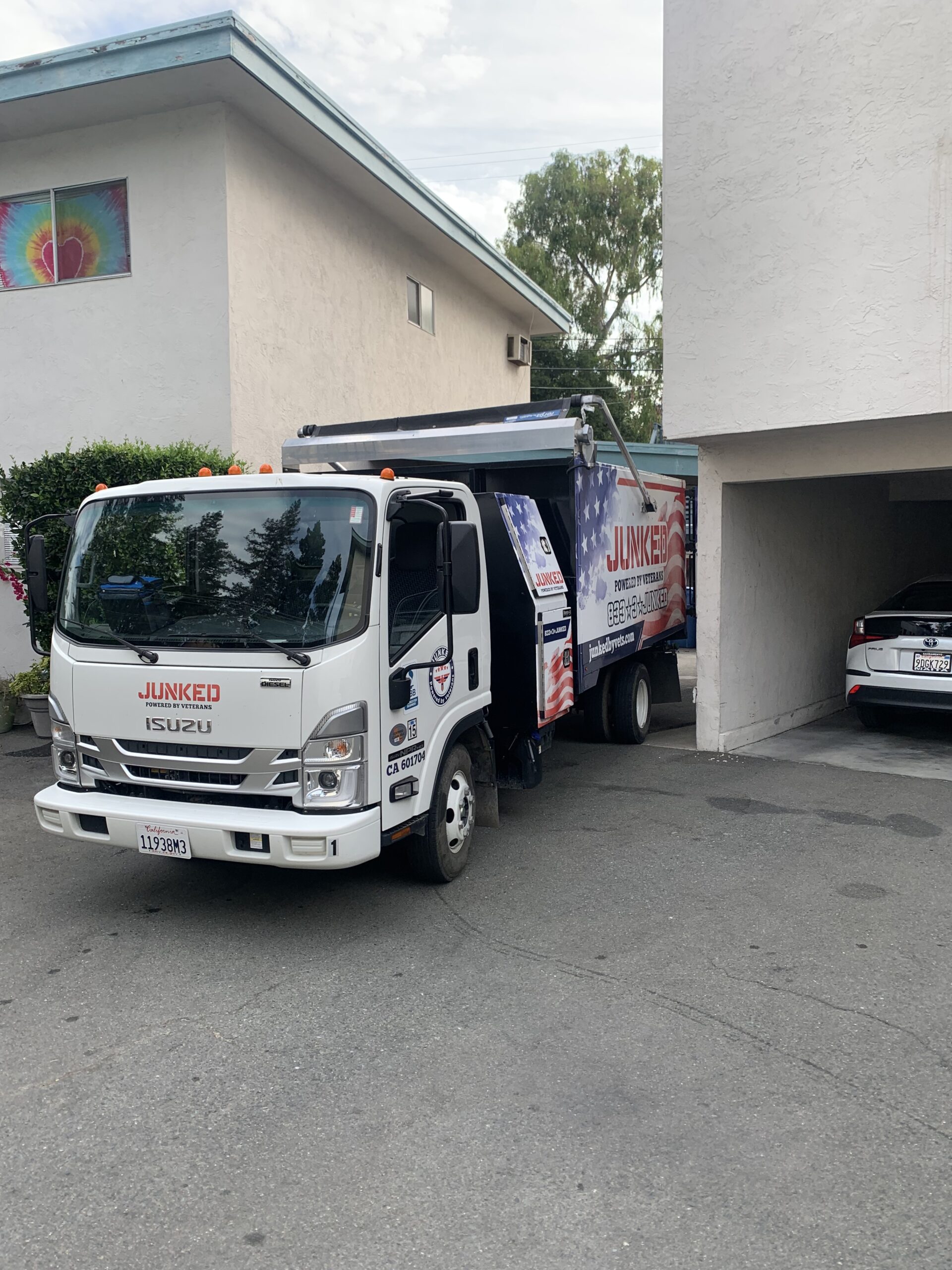
Need A Rental Property Cleared Fast? Here’s Why Bay Area Property Pros Choose Junked: Powered By Veterans™
Rental property and tenant turnover cleanouts can quickly become a challenge, especially when former tenants leave behind furniture, appliances, trash, or other unwanted items. At Junked: Powered by Veterans™, we help Bay Area landlords, property managers, real estate professionals, and property owners clear out rentals quickly and get them ready for the next tenant.
Whether you’re dealing with an apartment move-out, preparing a rental home for new occupants, clearing an abandoned unit, or getting a property ready for repairs and renovations, our veteran-led team handles the heavy lifting from start to finish. We remove unwanted items efficiently, prioritize responsible disposal whenever possible, and help you move forward with less downtime between tenants.
If you need a rental property or tenant turnover cleanout in the Bay Area, schedule your free, no-obligation estimate and see why so many property professionals trust Junked: Powered by Veterans™ for reliable, efficient, and stress-free service.
Disclaimer
The materials available on this website are for informational and entertainment purposes only and not to provide legal or professional advice. You should contact your attorney or home improvement specialist for advice concerning any particular issue or problem. You should not act or refrain from acting based on any content included in this site without seeking legal or other professional advice. The information presented on this website may not reflect the most current home improvement developments. No action should be taken based on the information on this website. We disclaim all liability concerning actions taken or not taken based on any or all of the contents of this site to the fullest extent permitted by law.