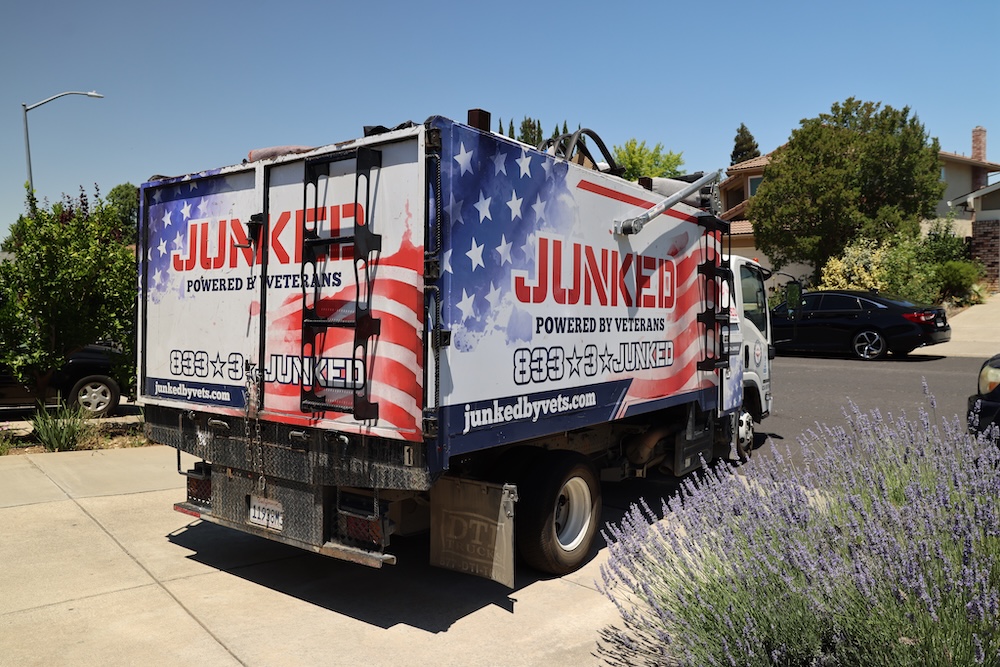
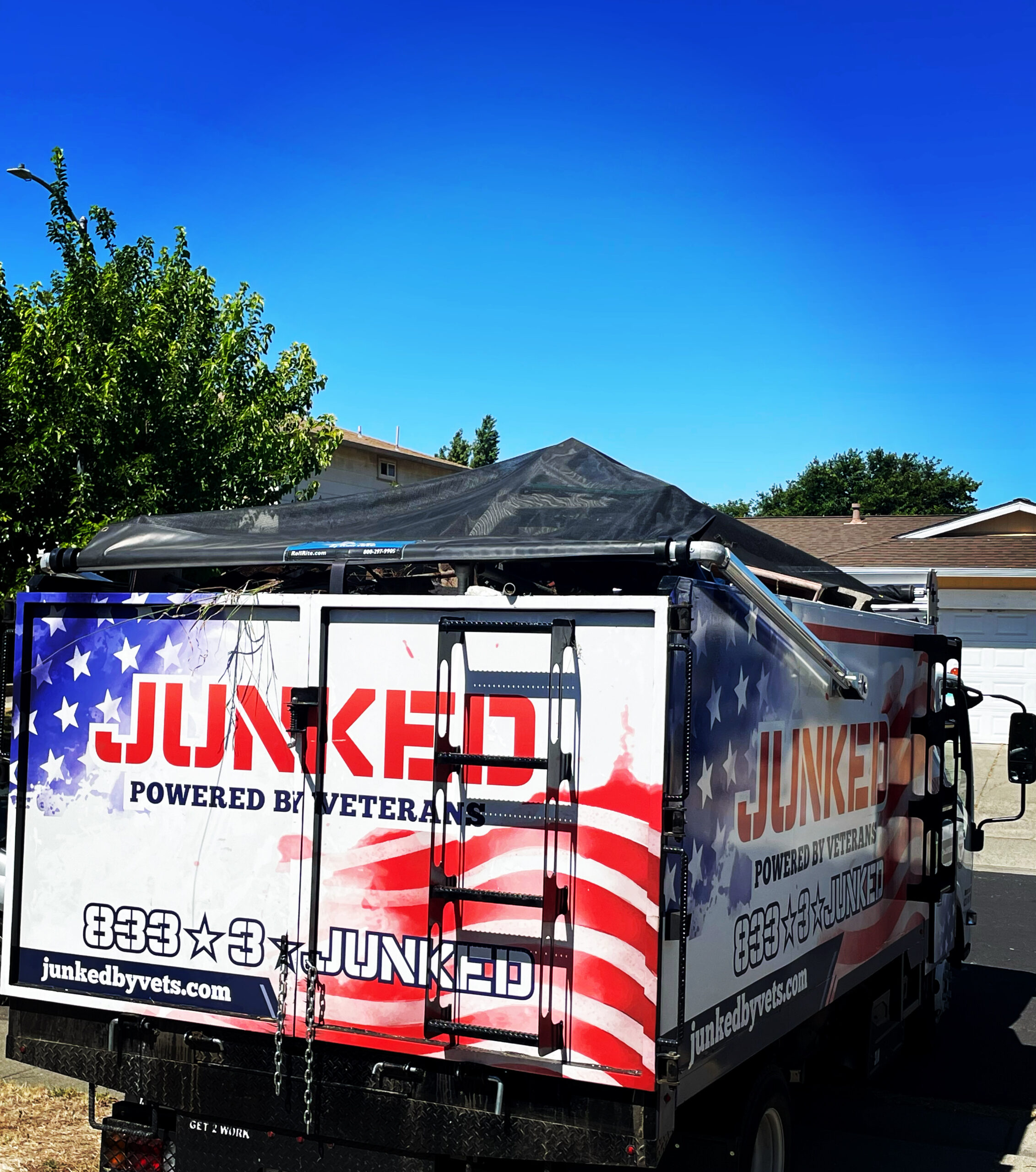
A large tenant cleanout can disrupt an entire rental turnover. One apartment may contain oversized furniture, bags of discarded belongings, full closets, damaged household goods, and a storage area that has not been emptied in years. Before painters, cleaners, or maintenance technicians can do their work, the property manager needs a clear plan for what will leave, what must stay, and how the removal will happen.
For property managers in San Ramon, the challenge extends beyond hauling items out of a unit. Apartment communities, condominium rentals, and rental homes each have different access conditions. A second-floor apartment with narrow stairs requires a different approach from a ground-level home with an accessible driveway. Shared walkways, limited loading space, neighboring residents, and building schedules all influence the work.
Property managers handle large tenant cleanouts most effectively by treating them as coordinated projects. They confirm their authority to proceed, document the condition of the property, define the removal scope, choose suitable help, and arrange disposal before work begins. After removal, they inspect the cleared space and hand it over to the next turnover team.
This guide explains how to organize a large tenant cleanout in San Ramon, avoid preventable delays, protect the property, and move toward a rental that is ready for its next occupants.
Table of Contents
ToggleKey Takeaways
- Confirm lawful access and the status of remaining belongings before authorizing removal.
- Photograph the unit and create a clear inventory of items to remove, retain, or hold for review.
- Estimate the cleanout by volume, item type, access difficulty, and handling requirements.
- Arrange loading access, building coordination, and resident communication before the crew arrives.
- Separate ordinary unwanted items from electronics, chemicals, sensitive records, and other materials needing special handling.
- Request a written scope and understand how changes affect the price and schedule.
- Coordinate removal with cleaning, maintenance, pest treatment, and the final inspection.
- Keep records of completed work, invoices, and remaining tasks.

Confirm Access And Resolve The Status Of Remaining Property
The first step is determining whether the cleanout is authorized. A unit that appears empty is not enough, by itself, to establish that every item inside can be discarded.
Managers should distinguish between possession of the rental, ownership of remaining belongings, and authority to dispose of those belongings. These issues can require separate decisions.
Verify That The Rental Can Be Entered And Cleared
Review the move-out circumstances and relevant records. Confirm whether the tenant surrendered possession, whether any dispute remains, and whether the manager has the authority needed for the proposed work.
When the status is uncertain, obtain case-specific legal guidance before authorizing a cleanout. A hauling crew should receive clear instructions from management; it should not be expected to decide whether a tenancy has ended or whether property can be discarded.
Follow The Applicable Process For Belongings Left Behind
California Civil Code Section 1983 addresses personal property remaining after a tenancy has terminated and the tenant has vacated. It generally requires written notice to the former tenant and other people the landlord reasonably believes own the property. The applicable process should be followed before final disposal. leginfo.legislature.ca.gov
The eventual disposition of unclaimed belongings can also depend on the requirements of Section 1988. Managers should not assume that waiting alone makes every item eligible for disposal. Confirm the appropriate procedure with qualified legal counsel when needed. leginfo.legislature.ca.gov
Give The Crew An Approved Removal List
Once the status of the items is resolved, translate that decision into practical instructions. Identify belongings approved for removal, items that must remain, and anything that requires a management decision.
Keep unresolved property separate from the approved removal area. A label, inventory entry, and photograph can help prevent confusion. If an unexpected item appears during the job, the crew should pause on that item and contact the designated manager.
Document The Property Before Work Begins
Documentation gives everyone a common understanding of the starting condition. It helps the manager describe the work, compare proposals, and determine whether the finished project matches the agreed scope.
Photograph Every Area Included In The Cleanout
Take wide photographs of each room, followed by closer images of bulky items, existing damage, and unusual conditions. Include closets, cabinets, storage rooms, patios, and garages when they are within the authorized scope.
Photograph the removal route as well. Doorframes, stair rails, elevator interiors, flooring, and shared hallways may already have damage. A record of their condition makes it easier to discuss any concerns after the crew leaves.
Build A Useful Inventory
An inventory does not need to list every disposable paper scrap. It should provide enough detail to guide the job and preserve important distinctions.
For example, “living room furniture” is less useful than “one sectional sofa, one coffee table, two side tables, and one damaged bookcase.” Identify appliances separately and mark owner-provided equipment that must stay. Describe sealed containers according to the applicable property-handling process rather than opening everything indiscriminately.
Protect Personal Information
Remaining belongings may include mail, identification documents, financial records, medication labels, or electronic devices containing personal information. Restrict access to these materials and establish how they will be handled.
Avoid putting identifying details into broadly shared crew messages or public photographs. When secure destruction is appropriate and authorized, use a suitable service. Ordinary bagging and hauling should not be treated as a privacy protection method.
Define Exactly What The Cleanout Includes
The phrase “clear the apartment” leaves too much room for interpretation. A written scope should identify the locations, item categories, exclusions, and expected conditions at completion.
List The Spaces And Items To Be Cleared
Specify whether the work includes all rooms, closets, cabinets, balconies, assigned storage, and exterior areas. Confirm whether the crew will bag loose items, carry furniture, dismantle approved freestanding pieces, and remove debris generated by that dismantling.
If the rental contains a garage or storage cage, include its exact location and access instructions. The crew should not need to search the property or guess which area belongs to the job.
Separate Removal From Repairs And Deep Cleaning
Hauling does not automatically include sanitizing surfaces, cleaning appliances, removing odors, treating pests, or repairing damaged flooring. Even a sweep-up service may leave dust, stains, or residue that requires a cleaning team.
Define the handoff condition. “Approved items removed and floors swept” is more useful than “ready for a new tenant” when other trades still need to work. This helps management schedule the next stage without expecting the removal crew to complete unrelated tasks.
Identify Fixtures And Equipment That Must Stay
Built-in cabinets, attached shelving, plumbing fixtures, and owner-provided appliances should be addressed explicitly. A cleanout crew should not disconnect utilities or remove attached components simply because they look worn.
If an appliance or fixture is scheduled for replacement, arrange any necessary disconnection with a qualified person. Confirm when the item will be ready for hauling and how the space will be protected afterward.
Choose The Right Removal Method
Property managers can use different approaches depending on volume, access, staffing, and timing. The useful question is which method matches the actual conditions of the property.
Full-Service Removal
A full-service crew can handle lifting, carrying, loading, and transport within the agreed scope. This can be practical when management staff cannot perform the physical work or when the unit contains numerous bulky items.
Ask about crew size, equipment, insurance coverage, excluded materials, and experience with occupied rental communities. Confirm who supervises the work and whether the provider can accommodate the building’s access requirements.
A Container For An Extended Project
A container may suit a project in which authorized staff or contractors will load material over several days. Its usefulness depends on available space, accepted materials, access, and the ability to keep unauthorized waste out.
Before choosing this option, confirm that it fits the property’s collection arrangements and placement requirements. Consider whether management has enough labor for loading. A container alone does not solve the problem of moving heavy furniture down stairs.
Existing Collection Arrangements
Some properties have an established process for bulky items. Review the building’s current service arrangements and confirm eligible materials, quantity limits, scheduling, and collection location directly.
Do not assume a large tenant cleanout will fit within ordinary service. A full unit may exceed the available collection allowance or require interior carrying that the collection arrangement does not provide.
Plan Access And Loading In San Ramon
A well-planned removal route can save substantial handling time. The crew needs a reliable path from the unit to the loading area without disrupting essential access for other residents.
Confirm The Arrival Point
Provide the property address, unit number, gate instructions, loading location, and contact information. Explain vehicle clearance restrictions and any limits on where a truck can stop.
Arrange lawful parking and loading access in advance. Avoid a plan that depends on blocking a driveway, using another resident’s assigned space without authorization, or obstructing emergency access.
Coordinate Elevators And Shared Walkways
Where an elevator is available, confirm whether a reservation is needed and what protection the building requires. Check that the intended items fit through the doors and within the elevator’s capacity.
For stair access, identify tight turns and damaged or slippery surfaces. Shared walkways should remain usable throughout the job. The crew should stage only what it can control and move promptly, rather than filling corridors with piles of furniture.
Notify Affected Residents
When the work may affect an elevator, hallway, or loading area, provide an appropriate advance notice. State the expected work window and a management contact for concerns.
Keep the message focused on the building activity. Neighbors do not need details about the former tenant’s circumstances. Clear communication can reduce complaints without compromising privacy.
Sort Materials Before Loading
Sorting is most effective when the manager decides the categories before the crew starts. The goal is to keep approved ordinary removal moving while preventing unsuitable materials from entering the wrong load.
Separate Reusable Items
Furniture and household goods may be suitable for reuse if they are clean, functional, authorized for release, and accepted by the receiving organization. Confirm acceptance before arranging transport.
Do not promise that every usable-looking item will be donated. Upholstery with pests, strong odors, staining, or damage may be rejected. Donation scheduling should support the turnover plan rather than create an open-ended storage obligation.
Identify Recyclable Materials
Metal, cardboard, and some other materials may have recycling options, depending on their condition and the receiving facility. Ask the provider what it actually separates and where those materials go.
Avoid describing the entire cleanout as recyclable. Mixed household contents usually require more than one destination. If the owner needs diversion documentation, request the available records before the job.
Keep Hazardous Materials And Electronics Separate
San Ramon’s official disposal guidance identifies special handling options for materials such as household batteries, chemicals, paints, electronics, and fluorescent lamps. The city also describes an appointment-based household hazardous waste collection option that property managers can arrange on behalf of tenants. City of San Ramon
Confirm current eligibility, packaging instructions, and accepted quantities before using a program. Do not assume that a contractor transporting a consolidated load has the same eligibility as an individual resident. Keep unknown liquids and chemicals out of the ordinary hauling load until a suitable handling plan is established.
Request A Clear Estimate And Control Changes
A useful proposal explains what the manager is buying. The lowest quoted amount may not represent the lowest finished cost if major handling tasks or disposal charges are missing.
Explain The Factors That Affect Pricing
Provide the estimated volume, bulky item list, access details, and unusual conditions. Explain whether the unit is upstairs, whether an elevator is available, and how far items must be carried.
Ask how the provider charges for labor, load volume, weight, special items, and additional trips. Confirm whether bagging, dismantling, loading, transport, disposal, and sweep-up are included. Accurate information improves the usefulness of the estimate.
Compare Equivalent Scopes
Compare proposals against the same inventory and finish requirements. One provider may quote hauling from a curbside pile, while another includes carrying items from inside the unit.
Also compare availability, expected crew size, insurance, and handling exclusions. A proposal that meets the property’s deadline and includes the required labor may offer more value than a lower figure that leaves management to complete significant work.
Establish A Change Approval Process
Hidden items and underestimated volume can appear during a large cleanout. Set a clear rule for when the crew must stop and obtain approval.
Require an explanation of the additional work and its price before it proceeds. Identify one manager who can make decisions during the job. This keeps the crew moving while preventing disputed charges or unauthorized removal.
Schedule The Cleanout Within The Rental Turnover
The cleanout belongs in a larger sequence of work. Scheduling it without considering cleaning, repairs, and inspections can leave the rental sitting empty after the truck departs.
Work Backward From The Target Ready Date
Identify the intended date for completed turnover, then account for inspection, repairs, cleaning, and any required follow-up work. Place the cleanout early enough to expose conditions that were hidden by belongings.
Treat the target date as a planning goal rather than a guarantee. A cleared room may reveal damaged flooring, moisture concerns, or repairs that need more time. Build a reasonable buffer based on the actual condition of the unit.
Avoid Crowding The Unit With Multiple Crews
Removal workers carrying heavy furniture should not have to navigate around painters, cleaners, or maintenance tools. Overlapping work can reduce productivity and increase the chance of damage.
Schedule separate work windows unless the teams agree that their tasks can coexist safely. For a complex project, management may need to clear one area, inspect it, and then release it to the next trade while removal continues elsewhere.
Confirm Readiness Before Arrival
Check keys, access codes, loading arrangements, approved scope, and the availability of the decision-maker. Make sure anything scheduled for hauling after disconnection is actually ready.
A short confirmation with the crew can prevent a lost work window. If legal clearance, specialist treatment, or access remains unresolved, communicate that before dispatching workers.
Supervise The Work And Protect The Property
Management does not need to direct every lift, but it should provide a clear start, accessible decisions, and a documented finish.
Conduct An Arrival Walkthrough
Review the removal list with the crew leader. Point out retained appliances, unresolved belongings, existing damage, and any special materials.
Confirm the loading route and the agreed finish condition. If the crew observes a condition outside its capabilities, resolve that concern before work advances into the affected area.
Use Appropriate Handling And Surface Protection
Ask the provider how it will protect flooring, corners, doorframes, and shared surfaces. Heavy or awkward items may require dollies, team lifting, or controlled dismantling.
Dismantling should be authorized and limited to suitable items. The crew should not force furniture through a tight opening when a safer method is available. Protecting the route is part of keeping the overall turnover cost under control.
Escalate Unexpected Conditions
If workers discover sharps, unknown substances, significant pest activity, or unstable material, pause the affected task and contact management. Bring in suitable help when the condition exceeds the agreed service.
Keep a simple record of the issue, the decision, and any schedule change. The manager should know which areas remain unfinished and why, rather than learning about them after the crew leaves.
Inspect The Cleared Unit And Complete The Handoff
A final walkthrough confirms that removal is complete and establishes what happens next. Without it, small omissions can become another service visit or delay the cleaning crew.
Check Against The Approved Scope
Inspect every included room and storage area. Check behind doors, inside approved cabinets, under counters, and in assigned exterior spaces.
Confirm that retained equipment remains in place and that no debris has been left in hallways, landscaped areas, or the loading zone. Photograph the finished condition and record any unresolved items.
Separate Findings From Assumptions
Clearing belongings can expose damage that was previously hidden. Document what is visible, but avoid treating discovery during the cleanout as proof of when the damage occurred or who caused it.
Coordinate an appropriate maintenance assessment. Decisions about repairs and any tenant charges should follow their own applicable requirements and evidence, rather than being inferred from the hauling invoice.
Give The Next Team A Specific Work List
Tell the cleaning and maintenance teams what remains to be done. Identify surfaces requiring deep cleaning, equipment needing attention, pest-related follow-up, and any areas that remain inaccessible.
Keep the cleanout invoice, approved changes, photographs, and completion notes together. A clear record helps the owner understand the work and supports consistent management across future turnovers.
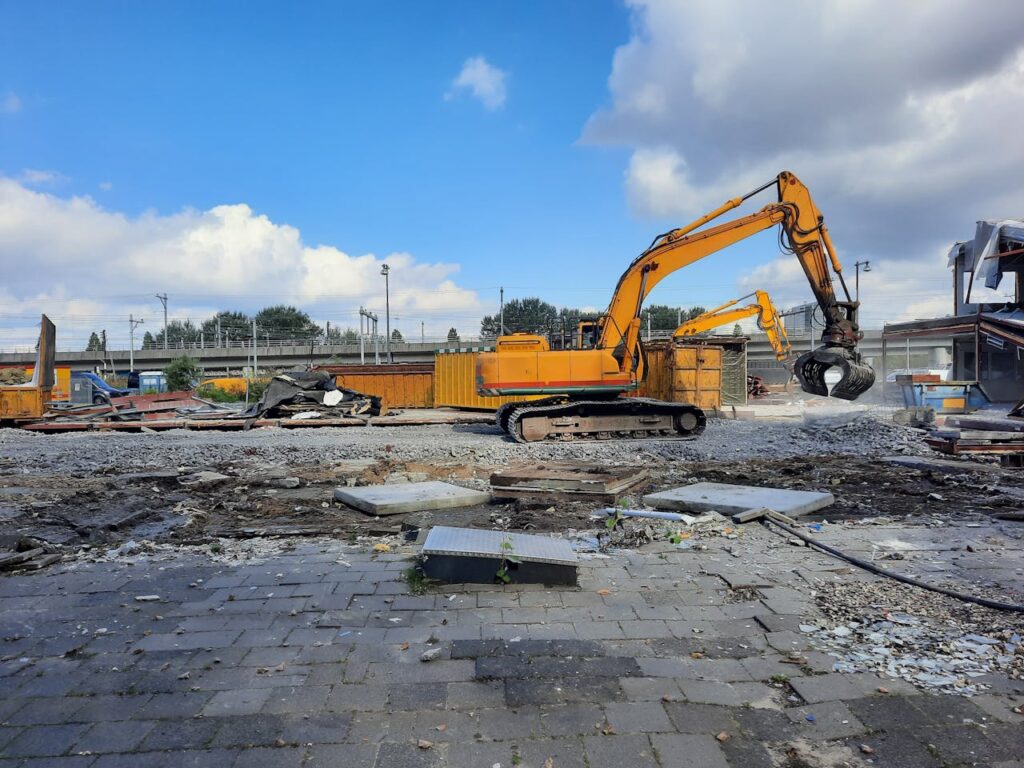
Improve The Process For Future Cleanouts
Every completed project provides information that can make the next one easier. Property managers should turn recurring lessons into a repeatable workflow.
Provide Clear Move-Out Instructions
Give residents practical information about returning keys, emptying assigned storage, removing unwanted items, and using the property’s established disposal arrangements. Encourage questions before the move-out deadline.
Instructions should explain that leaving furniture in a shared area does not automatically arrange collection. Clear expectations can reduce surprise piles near dumpsters and make the condition of the rental easier to assess.
Maintain A Cleanout Checklist
Use a standard checklist covering authority to proceed, inventory, photographs, access, retained items, special materials, pricing, and final inspection. Adapt it to each property.
Keep useful access notes, such as elevator dimensions or loading restrictions, with the property record. Review them periodically so crews receive current instructions instead of relying on outdated information.
Evaluate The Finished Result
After the project, compare the planned scope and schedule with the actual work. Identify whether delays came from incomplete information, unexpected conditions, access problems, or disposal arrangements.
Use those findings to improve future estimates and coordination. Reliable preparation usually creates more predictable results than trying to solve every issue on removal day.
Conclusion
Property managers handle large tenant cleanouts in San Ramon by coordinating decisions before coordinating trucks. They establish authority to proceed, resolve the status of remaining belongings, document the property, and create a removal scope that workers can follow.
The most effective plan also accounts for access, resident needs, special materials, pricing, and the trades that follow. A cleanout is successful when approved items are removed, the property is protected, and management has a clear understanding of the remaining turnover work.
If you are preparing for a substantial tenant cleanout, start with a walkthrough and an accurate inventory. Share the item list, access conditions, and desired completion date with your removal provider. Clear information helps everyone plan the work and move the rental toward its next occupancy.
FAQ
1. What Qualifies As A Large Tenant Cleanout?
A large cleanout involves substantial removal volume, labor, or handling complexity. It may include multiple rooms of furniture, full storage areas, heavy items, or difficult stair access. The amount of work depends on the contents and removal route, so a small unit can still require a large project.
2. Can Property Managers Discard Everything After A Tenant Moves Out?
They should not assume that all remaining belongings can be discarded immediately. Possession of the rental and disposition of personal property are separate issues. Managers should follow the applicable process for remaining belongings and obtain legal guidance when ownership or authority is unclear.
3. How Long Does A Large Tenant Cleanout Take?
The removal schedule depends on volume, crew size, access, material types, and unexpected conditions. Some projects fit within one workday, while others need multiple visits or specialist coordination. Any required process for belongings left behind must be considered separately from the physical hauling time.
4. What Information Does A Cleanout Provider Need?
Provide the address, unit number, photographs, item inventory, floor level, stair or elevator details, loading distance, and building restrictions. Identify special materials and items that must remain. Explain the required finish condition and who can approve changes during the job.
5. Does A Cleanout Include Deep Cleaning?
Only if that service is expressly included. Hauling commonly focuses on removing approved items, and sweep-up may be a separate part of the scope. Sanitizing, appliance cleaning, stain removal, odor treatment, and repairs should be arranged and priced clearly.
6. Can Furniture From The Cleanout Be Donated?
Some items may be suitable for donation when removal is authorized and a receiving organization accepts them. Condition, cleanliness, demand, and scheduling affect acceptance. Managers should confirm arrangements in advance and have an alternative plan for rejected items.
7. How Should Chemicals And Electronics Be Handled?
Keep them separate from ordinary unwanted household goods and confirm an appropriate disposal route. San Ramon publishes guidance for these materials. Verify current program eligibility and handling instructions, particularly when a contractor will transport the items.
8. Is A Container Better Than A Removal Crew?
It depends on the project. A container can suit ongoing work when management has suitable loading labor and placement space. A removal crew can handle interior carrying and heavy items. Compare the total work required, accepted materials, property access, and collection arrangements.
9. How Can Managers Avoid Unexpected Charges?
Provide accurate information and request a written scope. Ask which labor and disposal tasks are included, identify exclusions, and establish a change approval process. An on-site assessment can help when photographs do not show the true volume or access difficulty.
10. What Should Happen Immediately After Removal?
Walk the property with the approved scope, document the cleared condition, and record anything unfinished. Check shared areas and retained equipment. Then give cleaning and maintenance teams a specific task list so the turnover can continue without unnecessary uncertainty.
Need A Rental Property Cleared Fast? Here’s Why Bay Area Property Pros Choose Junked: Powered By Veterans™
Rental property and tenant turnover cleanouts can quickly become a challenge, especially when former tenants leave behind furniture, appliances, trash, or other unwanted items. At Junked: Powered by Veterans™, we help Bay Area landlords, property managers, real estate professionals, and property owners clear out rentals quickly and get them ready for the next tenant.
Whether you’re dealing with an apartment move-out, preparing a rental home for new occupants, clearing an abandoned unit, or getting a property ready for repairs and renovations, our veteran-led team handles the heavy lifting from start to finish. We remove unwanted items efficiently, prioritize responsible disposal whenever possible, and help you move forward with less downtime between tenants.
If you need a rental property or tenant turnover cleanout in the Bay Area, schedule your free, no-obligation estimate and see why so many property professionals trust Junked: Powered by Veterans™ for reliable, efficient, and stress-free service.
Disclaimer
The materials available on this website are for informational and entertainment purposes only and not to provide legal or professional advice. You should contact your attorney or home improvement specialist for advice concerning any particular issue or problem. You should not act or refrain from acting based on any content included in this site without seeking legal or other professional advice. The information presented on this website may not reflect the most current home improvement developments. No action should be taken based on the information on this website. We disclaim all liability concerning actions taken or not taken based on any or all of the contents of this site to the fullest extent permitted by law.