Your neighbor is getting his house torn down next week, and you’re wondering if your windows are going to survive the week. Fair question. Residential demolition looks like controlled chaos from the sidewalk, all dust and groaning steel, but the good operations run on something closer to a checklist than a wrecking ball swung on instinct.
The short answer to what safety measures are used in residential demolition: hazardous material abatement (asbestos and lead, mostly), full utility disconnection, a structural engineering assessment before anything gets touched, strict personal protective equipment requirements for the crew, and physical site controls that keep debris and dust off your neighbor’s lawn. That’s the skeleton. The muscle and tendons connecting those pieces are where things get interesting, and where a homeowner should actually pay attention before signing a contract.
Experienced demolition contractors often distinguish themselves through careful planning long before equipment arrives on site. The difference usually comes down to attention to detail, verifying that gas lines have been properly capped, confirming utilities are fully disconnected, identifying outdated electrical systems, and inspecting hidden areas that could present hazards during demolition. These steps may seem routine, but they play an important role in preventing accidents and keeping the project on schedule.
Table of Contents
ToggleKey Takeaways
- A written engineering survey has to happen before demolition day, not after, and it determines how the structure gets taken apart without collapsing unpredictably.
- Hazardous materials like asbestos, lead paint, and mold need abatement by licensed specialists, often before the general demolition crew even arrives.
- Gas, electric, water, and sewer lines all get disconnected and verified independently, since assuming a line is dead has killed people.
- PPE isn’t optional flair. Respirators, hard hats, and eye protection are baseline requirements on any legitimate demolition site.
- Dust suppression and perimeter fencing protect the public, not just the crew, which matters a lot in tight residential lots with neighbors ten feet away.

What Happens Before Demolition Day?
Nothing good in demolition starts with the machine showing up. The planning phase is where safe demolition practices actually get decided, and skipping it is how you end up with a structural collapse story on the local news.
Engineered Demolition Plan
Every legitimate demolition project starts with a written plan, and this isn’t bureaucratic box-checking. OSHA’s demolition standards require what’s called an engineering survey, conducted by a competent person, before any demolition work begins. This document maps out the sequence of the demolition, identifies which walls are load-bearing, and flags any part of the structure that’s already unstable from fire damage, water rot, or just old age. Skip this step, and you’re improvising with a structure that might not behave the way anyone expects when the first wall comes down.
Pre-Demolition Site Inspection
Separate from the engineering survey, there’s a physical walkthrough that looks at the property itself rather than just the structure. Inspectors check for underground utility lines, septic tanks, wells, overhead power lines that might interfere with equipment reach, and neighboring structures close enough to be affected by vibration or debris. In dense residential neighborhoods, this inspection often determines whether mechanical demolition is even possible, or whether the crew needs to switch to selective demolition, taking the structure apart piece by piece instead of pushing it over.
Job Safety Analysis
This is the document that breaks the entire demolition project into individual tasks and assigns risk levels to each one. It’s less glamorous than the engineering survey, but it’s the piece that actually protects demolition workers day to day, since it dictates things like fall protection requirements, equipment operator qualifications, and communication protocols between the machine operator and ground crew. A demolition contractor who can’t produce a job safety analysis when asked probably doesn’t have one, which tells you something.
How Are Hazardous Materials Handled?
Here’s where homeowners get surprised most often. That charming 1960s ranch house wasn’t built with modern materials in mind, and a huge share of residential demolition delays trace back to what’s hiding in the walls.
Asbestos And Lead Abatement
Homes built before the 1980s are more likely to contain asbestos-containing materials in products such as insulation, flooring, ceiling textures, roofing materials, and pipe insulation. Homes built before 1978 also have a higher likelihood of containing lead-based paint, which is regulated under EPA requirements. Abatement has to happen before general demolition work starts, not during. Crews doing this work operate under negative air pressure containment, wear full respiratory protection, and follow disposal protocols that treat the material as hazardous waste, because it is. According to EPA guidance on large-scale residential demolition, whole-house demolition without proper asbestos survey work can trigger violations that halt a project entirely, sometimes for weeks.
Mold And Chemical Removal
Less regulated than asbestos, but not less dangerous. Water-damaged homes, especially ones that sat vacant, often carry mold colonies that release spores the moment a wall gets breached. Chemical hazards show up too, including old paint thinners, pesticides, and sometimes fuel oil tanks from homes that predate natural gas conversion. None of this gets caught by a casual walkthrough. It takes someone who knows what they’re looking at.
Licensed Abatement Contractors
Here’s a detail a lot of homeowners miss: the company tearing down your house and the company removing the asbestos are often not the same outfit, and that’s by design. Abatement requires separate certification in most states, and mixing the two roles without proper licensing is one of the more common violations regulators catch. If a demolition contractor tells you they’ll “just handle” the asbestos without naming a certified subcontractor, that’s a red flag worth chasing down.
How Are Utilities Disconnected Safely?
Nobody talks about utility disconnection at dinner parties, but it’s arguably the single most dangerous phase of the entire demolition process, since it’s where accidental contact with a live line turns a routine job into an emergency room visit.
Gas Line Shutoff
Gas lines get physically capped, not just switched off at the meter. That distinction matters because a valve can fail or get bumped during demolition, and a capped line removes that risk entirely. Crews confirm the cap themselves rather than trusting that the utility company’s shutoff was the final word, because it usually isn’t.
Electrical And Water Disconnection
Electrical service gets disconnected at the pole or meter, not just inside the breaker panel, since demolition equipment can easily expose wiring that’s still technically live if the disconnection happened at the wrong point. Water and sewer lines get capped at the property line, preventing both flooding on site and contamination issues once the structure comes down.
Utility Company Verification
The last step, and the one that separates careful demolition planning from wishful thinking, is getting the utility provider to confirm the disconnection through written verification or another approved confirmation method. Contractors who skip this step are trusting secondhand information about lines that can kill someone if they’re wrong.
Utility | Disconnection Method | Verification Step |
Gas | Physical line capping | Utility company confirmation or written verification |
Electrical | Meter or pole disconnect | Visual confirmation, lockout tag |
Water/Sewer | Capped at property line | Confirmation from the local utility or municipality |
What Prevents Structural Collapse During Demolition?
This is the part that makes residential demolition genuinely different from commercial demolition, oddly enough. Smaller structures collapse faster and less predictably than steel-framed commercial buildings, which sounds counterintuitive until you realize how much residential construction relies on interconnected framing rather than independent structural columns.
Load-Bearing Wall Assessment
Before a single wall comes down, the demolition plan identifies which walls are carrying structural load and which are just partitions. Take out a load-bearing wall in the wrong sequence and the floor above, or the roof, can come down without warning. This assessment usually happens during the engineering survey, but experienced demolition contractors also verify it visually on site, since old renovations sometimes moved walls without updating the original blueprints.
Controlled Demolition Sequencing
Demolition doesn’t happen randomly, wall by convenient wall. It follows a sequence designed to keep the structure stable for as long as possible, usually working from the top down or from the interior out, depending on the building’s construction. Getting this sequence wrong is how a two-story teardown turns into an unplanned collapse that damages equipment or, worse, injures a demolition worker standing where the plan said they’d be safe.
Shoring And Bracing Techniques
For partial demolition, where only part of a structure comes down, and the rest stays standing (an additional removal, say, or a garage teardown attached to a house that’s staying), temporary shoring and bracing hold up the remaining structure while the connected section is removed. This is precision work, closer to surgery than wrecking, and it’s a major reason partial demolition often costs more per square foot than a full teardown.

What Protective Equipment Do Demolition Crews Wear?
Head, Eye, And Hand Protection
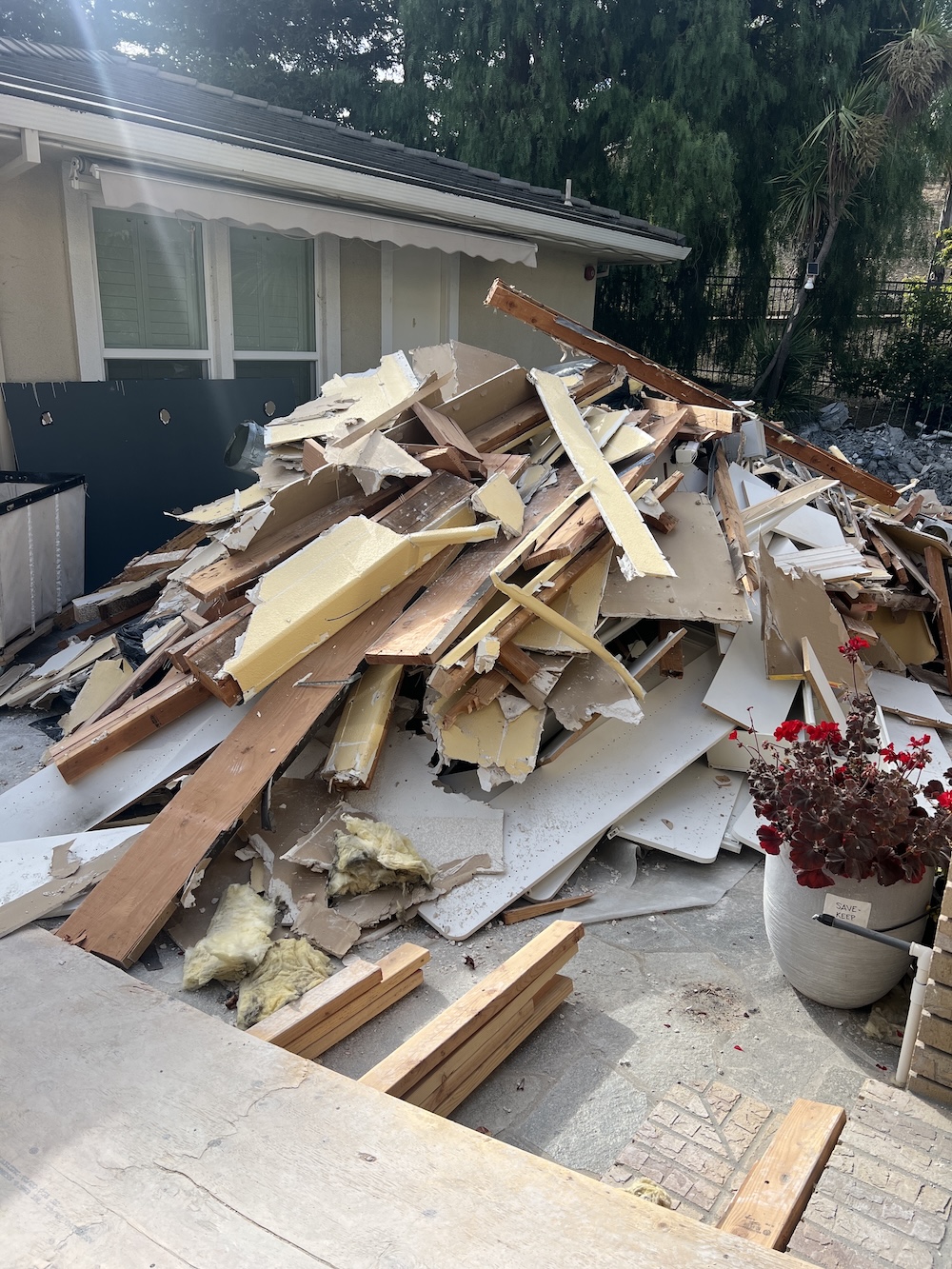
Hard hats, safety glasses or goggles, and cut-resistant gloves are baseline gear on every demolition site, no exceptions. The debris field on a residential lot—exposed nails, splintered framing, and broken glass—makes hand protection especially non-negotiable.
Respiratory Protection
Fitted respirators come into play whenever dust levels rise, which on a demolition site is most of the time. Crews working near known asbestos or lead areas wear a higher grade of respiratory protection than general demolition workers, since particulate size and toxicity determine the filtration requirement.
High-Visibility And Foot Protection
Steel-toed boots and high-visibility clothing round out the standard kit, mostly because demolition sites have heavy equipment moving in tight residential lots where sightlines aren’t great. A ground crew member in dark clothing near an excavator with a rotating cab is an accident waiting to happen.
How Is Dust, Debris, And Public Access Controlled?
Your neighbors didn’t sign up for a demolition project, and that’s exactly why site control policies exist independent of what happens to protect the crew itself.
Water Suppression Systems
Continuous water spraying during active demolition keeps airborne particulate matter down, which matters both for crew health and for whoever lives next door with their windows open. This is especially critical when lead-based paint is present, since dry demolition can send contaminated dust across property lines.
Perimeter Fencing And Signage
Physical barriers, fencing, and clear signage keep foot traffic and curious kids out of the demolition zone. In residential neighborhoods, this often means coordinating with the street itself, temporary parking restrictions, sidewalk closures, the whole administrative dance that a lot of homeowners don’t realize is part of the job.
Debris Removal And Disposal
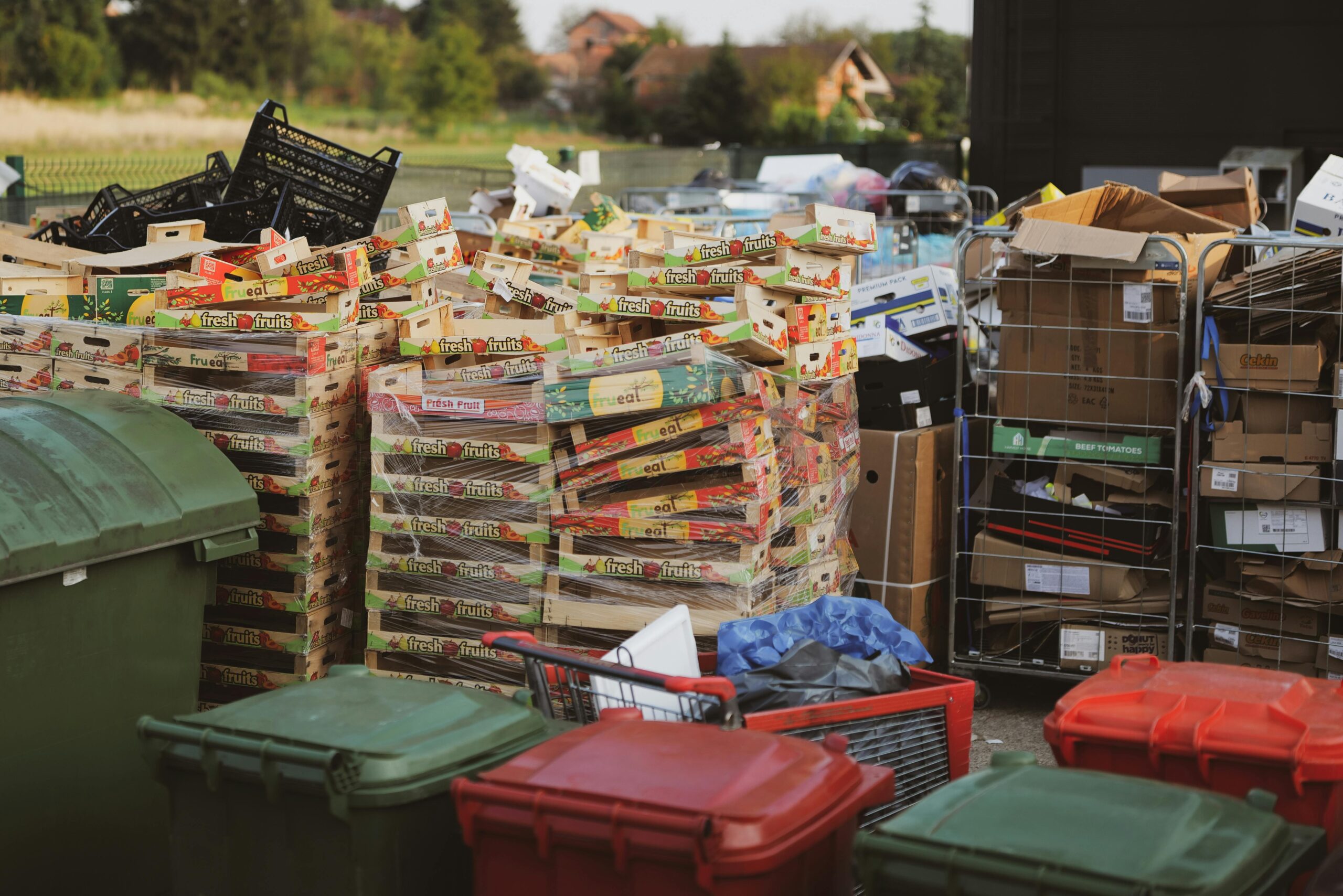
Debris doesn’t just get hauled to a landfill and forgotten. Concrete, wood, and metal often get separated for recycling, while anything contaminated during abatement gets handled as hazardous waste with its own disposal chain of custody. A demolition contractor’s disposal practices are worth asking about directly, since improper disposal is one of the more common violations regulators catch after the fact.
What Emergency Safety Procedures Are In Place During Demolition?
Even with careful planning, demolition crews prepare for unexpected situations before work begins. Most professional contractors establish emergency response procedures that outline how workers should respond to equipment failures, structural instability, medical emergencies, utility incidents, or severe weather. Everyone on the job site should understand reporting procedures, emergency contact information, and evacuation routes before demolition starts.
Daily safety meetings, sometimes called toolbox talks, are another common practice. These brief discussions allow supervisors to review the day’s work, identify changing site conditions, and remind crews about potential hazards. If new risks are identified, such as unstable framing or changing weather conditions, work plans can be adjusted before demolition continues.
Equipment inspections also play an important role in maintaining a safe job site. Excavators, loaders, hydraulic attachments, and other machinery are typically inspected before use to check hydraulic systems, brakes, safety alarms, guards, and other critical components. Addressing mechanical problems before equipment is operated helps reduce the risk of accidents and costly delays.
Weather is another factor that can affect demolition safety. High winds may increase the risk of falling debris or reduce visibility because of blowing dust, while heavy rain can soften the ground and create unstable operating conditions for heavy equipment. Responsible contractors monitor weather forecasts and may postpone demolition activities when conditions could compromise worker or public safety.
Who Regulates Residential Demolition Safety?
OSHA sets the federal floor through its construction standards, covering everything from the required engineering survey to fall protection and hazard communication. The EPA adds additional requirements for projects involving regulated asbestos-containing materials, while state and local agencies may require advance notification before demolition begins. Notification timelines and procedures vary by jurisdiction, making local compliance an important part of project planning. Local building departments issue the demolition permit itself and often have their own inspection requirements that go beyond federal minimums. It’s a stacked system, federal, state, and municipal, and a contractor who understands how these layers interact is worth more than one who just knows the bare minimum to pass inspection.
How Do You Choose A Safety-Focused Demolition Contractor?
Licensing is the obvious starting point, but it’s the floor, not the ceiling. Ask for their most recent OSHA compliance safety record. Ask who their abatement subcontractor is, by name, not just “a licensed company.” Ask to see an actual job safety analysis from a past project, not a marketing brochure. A less experienced demolition contractor may quote a lower price, but the gap between a professional demolition company and a cut-rate crew usually shows up exactly when something goes wrong, and by then it’s too late to renegotiate.
Experienced demolition contractors also tend to be transparent about timeline delays caused by hazardous material discoveries, since finding unexpected asbestos mid-project is common enough that it shouldn’t derail the relationship, just the schedule.
Conclusion
Demolition isn’t just knocking a house down, whatever it looks like from the street. It’s a sequenced, regulated, occasionally slow process built around keeping everyone within a hundred yards of the site unharmed, including people who never asked to be involved. The contractors who take this seriously aren’t the ones moving fastest. They’re the ones who can explain, in plain language, exactly what happens before the machine ever shows up.
Frequently Asked Questions
1. Do I Need A Permit For Residential Demolition?
Yes, nearly every municipality requires a demolition permit before work begins, and the process usually includes verification that utility disconnection and any required asbestos survey have already happened.
2. How Long Does A Typical Home Demolition Project Take?
A straightforward teardown on a standard residential lot usually takes one to three days for the physical demolition itself, though the planning and abatement phases beforehand can add several weeks.
3. Is It More Dangerous To Demolish An Older Home?
Generally yes, mainly because of the higher likelihood of asbestos, lead paint, and outdated construction methods that don’t match modern structural assumptions, all of which require extra precautions.
4. Can I Stay In My House During A Partial Demolition Next Door?
It depends on proximity and the specific hazards involved, but reputable contractors will walk you through evacuation plans if there’s any risk of dust migration, vibration damage, or debris reaching your property.
5. Can Weather Affect The Safety Of A Residential Demolition Project?
Yes. High winds, heavy rain, lightning, and other severe weather conditions can create additional hazards during demolition. Contractors may delay work if weather affects visibility, equipment stability, dust control, or the safe removal of structural components.
6. What Should Neighbors Do During A Nearby Residential Demolition?
Neighbors should follow any posted safety signs, avoid entering restricted areas, keep children and pets away from the work zone, and close windows if dust is expected. If concerns arise about noise, vibration, or debris, contacting the demolition contractor or local building department can help address the issue promptly.
Residential Demolition Services Done Right
Whether you’re preparing for a home renovation, removing an old structure, or clearing space for a new project, Junked: Powered by Veterans™ provides safe, reliable residential demolition services throughout the Bay Area. Our experienced, veteran-led team handles every project with precision, ensuring your property is ready for the next phase of construction.
Why Choose Junked: Powered by Veterans™?
- Safe, Professional Demolition: We complete every project with safety, efficiency, and attention to detail.
- Complete Residential Demolition: Garages, sheds, decks, fences, interior demolition, patios, and more.
- Fast Cleanup: We remove demolition debris and leave your property clean and ready for rebuilding.
- Veteran-Led Service: Dependable communication, professional crews, and workmanship you can trust.
When you need residential demolition services in the Bay Area, trust Junked: Powered by Veterans™ to get the job done safely, efficiently, and on schedule. Contact us today for a free, no-obligation estimate.
Disclaimer
The materials available on this website are for informational and entertainment purposes only and not to provide legal or professional advice. You should contact your attorney or home improvement specialist for advice concerning any particular issue or problem. You should not act or refrain from acting based on any content included in this site without seeking legal or other professional advice. The information presented on this website may not reflect the most current home improvement developments. No action should be taken based on the information on this website. We disclaim all liability concerning actions taken or not taken based on any or all of the contents of this site to the fullest extent permitted by law.