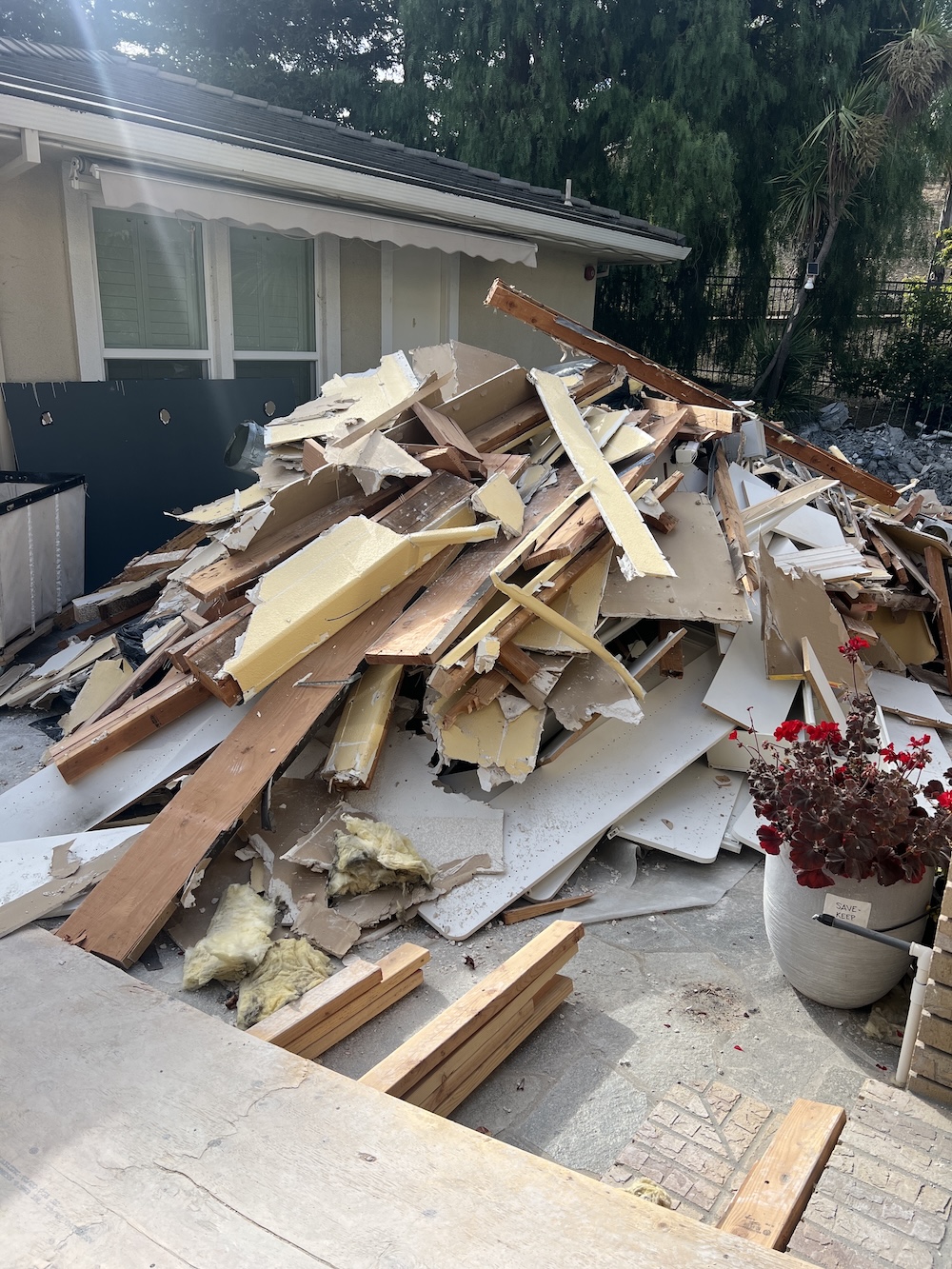
Demolition may seem straightforward, but residential projects often uncover hidden conditions that require careful planning. Older homes in Alamo may contain outdated electrical wiring, aging plumbing, asbestos-containing materials, lead-based paint, or structural issues that may not be visible until demolition begins. Choosing the right demolition contractor helps ensure these challenges are identified and handled safely while keeping the project compliant with California regulations and Contra Costa County permitting requirements.
Hiring a qualified demolition contractor involves much more than comparing prices. Proper licensing, insurance, local permitting experience, environmental compliance, and safe work practices all play important roles in protecting your property, your investment, and everyone involved in the project. Taking time to evaluate contractors before work begins helps reduce delays, unexpected costs, and avoidable safety risks throughout the renovation or rebuilding process.
Table of Contents
ToggleKey Takeaways
- A demolition contractor working in Alamo needs an active CSLB license (typically C-21) plus general liability and workers’ compensation insurance, verifiable before any contract gets signed.
- Contra Costa County has its own permit submittal process, and local demolition experience matters more than a slick sales pitch or a low bid.
- Homes built before 1980 should be evaluated for asbestos and other hazardous materials before demolition, and BAAQMD notification requirements may apply depending on the project.
- Comparing at least three bids reveals pricing patterns and hidden fees that a single quote never will.
- Waste diversion, debris hauling, and cleanup practices tell you a lot about whether a contractor treats sustainability as a checkbox or an actual practice.

Verify Licensing And Insurance First
Licensing is one of the most important factors to verify before hiring a demolition contractor.
Contra Costa County License Check
Every legitimate demolition contractor operating in California carries a license through the Contractors State License Board, and you can confirm it in about ninety seconds using the CSLB license search tool. Punch in the business name or license number, and you’ll see whether it’s active, what classification it falls under, and whether there’s a history of disciplinary action. Many contractors specializing in structural demolition hold a C-21 Building Moving/Demolition license, although other appropriate CSLB license classifications may also be valid depending on the scope of work. Homeowners should confirm that the contractor’s license covers the services being performed.
General Liability And Workers Comp
Many homeowners assume that all insurance coverage provides the same level of protection, but policies can vary significantly between contractors. Always request proof of general liability insurance and workers’ compensation coverage before work begins to verify that appropriate protection is in place. You want to see proof of general liability insurance that covers property damage (your neighbor’s fence, your own foundation, the gas line running under your driveway) and workers’ compensation covering every person on-site, not just the crew lead. If a worker gets hurt on your property and the contractor has no workers’ comp, guess whose homeowner’s policy gets pulled into that mess. Ask for a certificate of insurance directly, not a verbal promise.
OSHA Safety Compliance Records
Demolition sits high on the list of hazardous trades, and federal OSHA demolition standards exist specifically because collapse risk, falling debris, and hazardous material exposure make this work genuinely dangerous. Reputable demolition contractors should be able to discuss their safety record, employee training, and OSHA compliance when asked. Homeowners can also ask about recent OSHA citations, safety procedures, and workforce training programs to better understand the contractor’s commitment to maintaining a safe jobsite.
Confirm Local Alamo Permit Experience
Contractors with prior experience obtaining demolition permits in Contra Costa County are generally better prepared to navigate local requirements efficiently.
County Demolition Permit Process
Alamo falls under Contra Costa County’s unincorporated area jurisdiction, and the county publishes a demolition permit submittal checklist that spells out site plan requirements, utility release documentation, and inspection scheduling. Contractors need to register through the county’s ePermit Center before they can even apply. If your contractor doesn’t know this process cold, or hands you a generic “we’ll figure it out” answer, that’s your cue to keep shopping. Proper planning at this stage prevents stop-work orders later, and stop-work orders are exactly the kind of delay that turns a two-week job into a two-month one.
Underground Utility Locating Rules
Before excavation or foundation removal begins, underground utilities should be properly identified and disconnected as required by the project. As part of Contra Costa County’s demolition permit process, utility providers such as PG&E may need to verify that gas and electric services have been disconnected or otherwise addressed before demolition proceeds. Proper coordination between the contractor, utility providers, and county officials helps reduce safety risks and support regulatory compliance. Utility strikes can occur if underground utilities are not properly located before demolition begins. Coordinating with utility providers and county officials helps improve safety and supports compliance with permit requirements.
Environmental And Asbestos Regulations
Older Alamo homes, particularly anything built before the mid-1980s, carry a real risk of asbestos-containing materials in flooring, insulation, and roofing. The Bay Area Air Quality Management District requires notification before demolition begins on structures where asbestos might be present, and skipping this notification isn’t just a compliance issue; it’s a public health one. On top of that, California’s Green Building Standards Code pushes for substantial waste diversion from landfills on most demolition projects, so environmental regulations here aren’t just about hazardous materials; they extend into how debris gets sorted and disposed of afterward.
Evaluate Experience And Equipment
Not every demolition contractor is built the same, and the differences show up the moment the job gets complicated.
Years In Business And Project Types
A contractor who’s handled interior demolition, selective demolition, and full commercial building demolition brings a different level of judgment to your project than someone who mostly does small residential tear-outs. Ask directly how many years they’ve operated under their current license, and ask what percentage of their work happens in Alamo or nearby Danville and Walnut Creek. Local familiarity with unique building codes and typical soil conditions in the area genuinely speeds up problem-solving when something unexpected turns up mid-project.
Specialized Equipment For Your Job
Equipment capabilities matter more than people expect. Hydraulic breakers, high-reach excavators, and specialized shears each serve a different purpose, and a contractor using the wrong tool for your specific structure risks unnecessary damage or a slower timeline. Interior demolition on a kitchen remodel doesn’t call for the same equipment as tearing down an entire two-story structure, and a contractor with a full equipment roster can match the right method to the actual scope instead of forcing your job to fit whatever machine happens to be sitting in their yard.
Portfolio Of Past Alamo Demolitions
Ask to see photos, addresses (with permission), or references from previous demolition projects completed specifically in Alamo or the surrounding Contra Costa County area. This isn’t about vanity; it’s about confirming the contractor has actually navigated this county’s permitting quirks before, not just generic California demolition work.

Understand The Demolition Contract Before Signing
A demolition contract should clearly explain the scope of work, project timeline, payment schedule, responsibilities of both parties, and procedures for handling unexpected conditions. Reviewing these details carefully helps prevent misunderstandings once work begins.
Pay close attention to what is included in the contract. Some contractors include permit coordination, utility disconnects, debris hauling, site cleanup, and disposal fees in their base price, while others list these as optional or additional services. Understanding these differences makes it easier to compare proposals fairly.
The contract should also explain how change orders will be handled if hidden conditions are discovered during demolition. Older homes may contain concealed structural damage, underground utilities, or hazardous materials that were not visible during the initial site inspection. A written process for approving additional work helps avoid disputes and unexpected costs.
Before signing, verify that the contractor’s license number, insurance information, project address, and agreed-upon scope of work are accurately documented. Taking time to review the agreement carefully provides greater confidence that everyone has the same expectations before demolition begins.
Compare At Least Three Local Bids
Comparing multiple written estimates helps homeowners understand local pricing, identify differences in project scope, and recognize whether important services are included or excluded before signing a contract.
What To Compare | Why It Matters |
Total project cost | Reveals pricing outliers on both ends |
Scope of work included | Confirms cleanup, permits, and hauling aren’t hidden extras |
Timeline estimate | Flags unrealistic promises versus honest scheduling |
Equipment listed | Shows whether the bid matches your project’s actual needs |
Disposal and recycling plan | Indicates environmental responsibility and potential fee surprises |
What A Detailed Quote Includes
A detailed demolition estimate should clearly outline labor costs, equipment, permits, debris hauling, disposal fees, site protection measures, utility coordination, and the projected timeline. It should also explain how change orders will be handled if hidden conditions such as asbestos, underground utilities, or structural damage are discovered after work begins. Reviewing an itemized proposal makes it easier to compare contractors fairly and reduces the likelihood of unexpected costs during the project.
Red Flags In Lowball Estimates
If one bid comes in dramatically lower than the other two, something’s usually missing, whether that’s proper disposal fees, permit costs, or adequate insurance coverage baked into their overhead. Cheap bids sometimes mean the contractor plans to cut corners on hazardous material handling, and that’s not a corner anyone should be comfortable cutting.
Common Hidden Fees To Ask About
Watch for separate charges tacked on after the fact for dump fees, utility disconnection coordination, permit re-submission if plans get rejected, or asbestos testing that wasn’t included in the original quote. Getting these itemized upfront avoids surprise invoices later.
Ask About Waste Disposal Practices
Recycling And Landfill Diversion Rates
California’s CalGreen standards generally require a meaningful percentage of construction and demolition debris to be diverted from landfills through recycling or reuse. Ask your contractor directly what their typical diversion rate looks like and how they document it, since this documentation sometimes matters for your own permit closeout.
Debris Removal Timeline
Debris sitting on your property for weeks isn’t just an eyesore; it’s a liability and a neighbor relations problem. Confirm how quickly hauling happens after demolition wraps.
Disposal Fee Transparency
Dump fees vary by material type and volume, and a contractor who explains this upfront rather than burying it in a lump sum respects your budget.
Communication Throughout The Project Matters
Clear communication is one of the most overlooked factors when selecting a demolition contractor. Homeowners should understand who their primary point of contact will be, how project updates will be shared, and how quickly questions or unexpected issues will be addressed.
Unexpected discoveries occasionally occur during demolition, especially in older homes. Damaged framing, outdated plumbing, hidden utilities, or hazardous building materials may require changes to the original plan. Contractors who communicate these findings promptly and explain available solutions help homeowners make informed decisions before additional work proceeds.
It is also helpful to ask how schedule changes will be communicated if weather, permit reviews, or utility coordination affect the project timeline. Regular updates help reduce uncertainty and keep homeowners informed throughout every phase of the demolition process.
Strong communication often reflects a contractor’s overall professionalism and project management practices. Companies that respond promptly, provide written documentation, and explain each step of the process typically create a smoother experience from start to finish.
Review Safety Protocols And References
Hazardous Material Handling Plans
Ask specifically how the contractor handles suspected asbestos, lead paint, or mold discovered mid-project. A pause-and-test protocol should already be part of their standard practice, not something improvised on the spot.
Site Safety For Neighbors And Property
Fencing, dust control, and noise management protect both your property and your neighbors’ patience. This matters enormously in a community-oriented area like Alamo, where properties often sit close together.
Speaking With Past Clients
A quick phone call to two or three references, combined with checking the Better Business Bureau for complaint history, tells you more in ten minutes than any glossy brochure ever could.
In addition to checking references, ask whether the contractor develops a site-specific safety plan before work begins. Professional demolition contractors typically establish procedures for dust control, debris containment, equipment inspections, emergency response, pedestrian safety, and protecting neighboring properties throughout the project. Clear communication about these safety measures demonstrates professionalism and helps reduce risks for everyone involved.
What Questions Should You Ask Before Hiring
Ask your potential demolition contractor how they handle unexpected discoveries like asbestos, how they coordinate utility disconnection, what their typical timeline looks like for a project your size, and whether they subcontract any portion of the work. Ask for their license number and verify it yourself rather than trusting a business card. Ask how disputes over change orders get handled, in writing, before you sign anything.
How Much Does Demolition Cost In Alamo
Demolition costs in Alamo vary based on several factors, including the size and type of structure, accessibility, foundation removal requirements, debris volume, permit fees, utility disconnections, and the presence of hazardous materials such as asbestos or lead-based paint. Interior demolition projects generally cost significantly less than complete structural demolition because they require less equipment and disposal.
Homes requiring environmental testing or hazardous material abatement typically involve additional costs beyond the demolition itself. Since every property presents unique conditions, obtaining at least three detailed written estimates remains the most reliable way to understand expected project costs and compare the value offered by different contractors.
Why Local Experience Makes A Difference
Hiring a contractor with experience completing demolition projects in Alamo and throughout Contra Costa County offers several advantages. Local contractors are generally familiar with county permitting procedures, inspection requirements, utility coordination, and regional environmental regulations that can influence project schedules.
They may also have established working relationships with local inspectors, disposal facilities, utility providers, and material recycling centers. While these relationships do not change regulatory requirements, they can help projects move more efficiently because the contractor understands local processes and documentation requirements.
Local experience is particularly valuable when unexpected issues arise. Contractors familiar with older homes in the area may better recognize common construction methods, building materials, and potential hazards before demolition begins. This experience allows them to anticipate challenges, recommend practical solutions, and minimize unnecessary project delays.
Although experience should never replace proper licensing or insurance, choosing a contractor with a strong record of completing projects in the local area can provide additional confidence that the work will be performed safely and in accordance with applicable regulations.
Conclusion
Choosing the right demolition contractor in Alamo requires more than selecting the lowest bid. Verifying licensing, insurance, local permitting experience, environmental compliance, safety practices, and previous project experience helps ensure the work is completed responsibly and in accordance with California regulations. Taking time to compare qualified contractors, review detailed proposals, and ask informed questions before signing a contract can help reduce project risks and create a smoother path for the renovation or new construction that follows.
Frequently Asked Questions
1. Do I Need A Permit For Interior Demolition Only In Alamo?
Generally yes, especially if the work involves structural elements, plumbing, or electrical systems. In many cases, Contra Costa County requires a permit review even for interior-only projects.
2. How Long Does The Demolition Permit Process Take In Contra Costa County?
Timelines vary, but straightforward residential projects often clear review within a few weeks, provided the application is complete and utility releases are secured in advance.
3. What Happens If Asbestos Is Found During Demolition?
Work typically pauses immediately; a licensed abatement specialist tests and removes the material following BAAQMD protocols, and demolition resumes only after clearance.
4. Can I Do Partial Demolition Myself And Hire A Contractor For The Rest?
It’s possible for very minor, non-structural work, but anything involving load-bearing elements, utilities, or hazardous materials should go through a licensed professional.
5. How Can I Verify A Demolition Contractor’s California License?
You can verify a contractor’s license by searching the California Contractors State License Board (CSLB) online database. The search allows homeowners to confirm the license status, classification, bond information, and any publicly available disciplinary history before hiring a contractor.
6. Should Demolition Contractors Provide A Written Estimate?
Yes. A professional demolition contractor should provide a detailed written estimate outlining the scope of work, projected timeline, permit responsibilities, equipment, debris removal, disposal costs, and any assumptions or exclusions. Written estimates make it easier to compare contractors and help reduce misunderstandings after work begins.
Residential Demolition Services Done Right
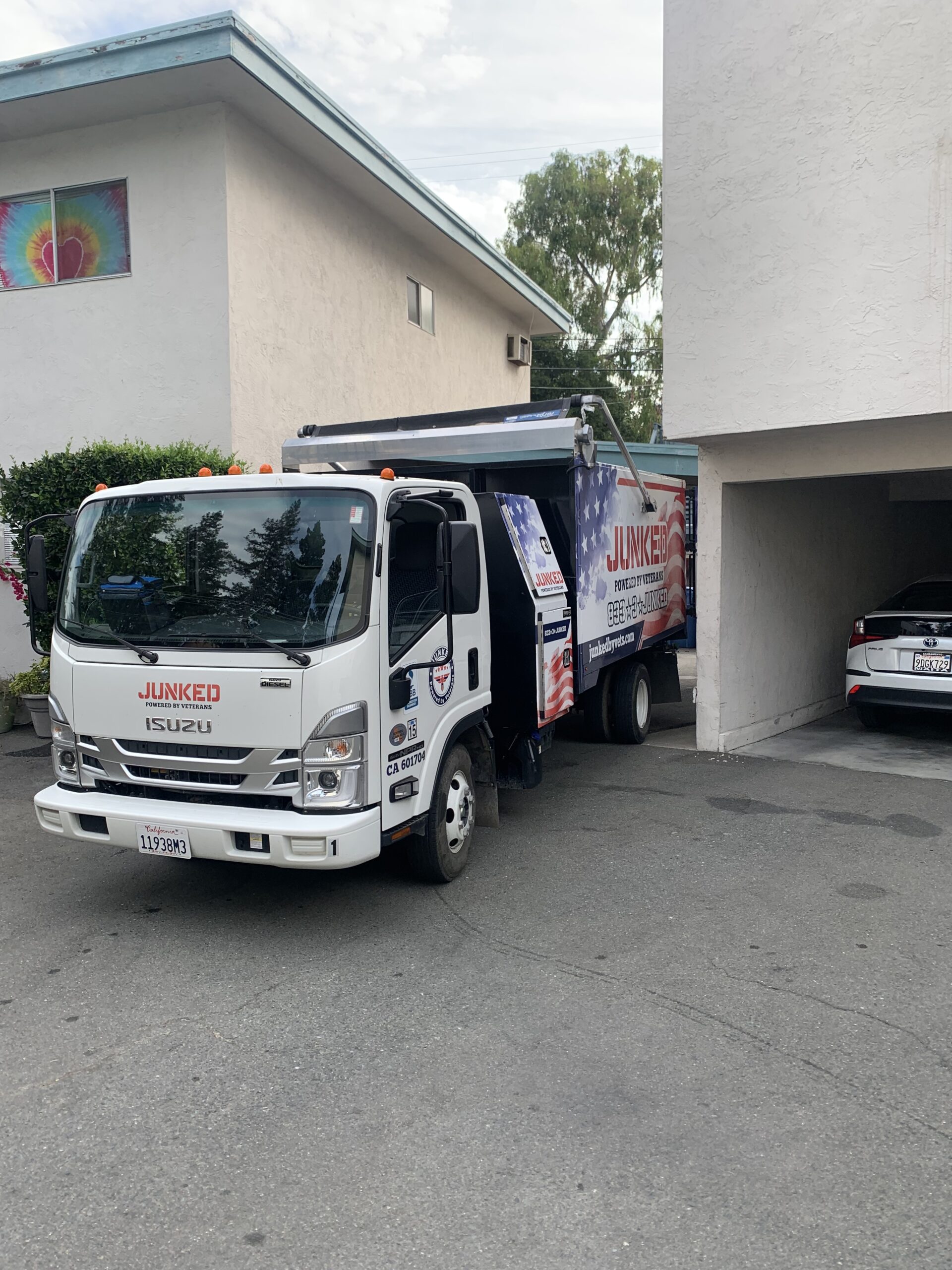
Whether you’re preparing for a home renovation, removing an old structure, or clearing space for a new project, Junked: Powered by Veterans™ provides safe, reliable residential demolition services throughout the Bay Area. Our experienced, veteran-led team handles every project with precision, ensuring your property is ready for the next phase of construction.
Why Choose Junked: Powered by Veterans™?
- Safe, Professional Demolition: We complete every project with safety, efficiency, and attention to detail.
- Complete Residential Demolition: Garages, sheds, decks, fences, interior demolition, patios, and more.
- Fast Cleanup: We remove demolition debris and leave your property clean and ready for rebuilding.
- Veteran-Led Service: Dependable communication, professional crews, and workmanship you can trust.
When you need residential demolition services in the Bay Area, trust Junked: Powered by Veterans™ to get the job done safely, efficiently, and on schedule. Contact us today for a free, no-obligation estimate.
Disclaimer
The materials available on this website are for informational and entertainment purposes only and not to provide legal or professional advice. You should contact your attorney or home improvement specialist for advice concerning any particular issue or problem. You should not act or refrain from acting based on any content included in this site without seeking legal or other professional advice. The information presented on this website may not reflect the most current home improvement developments. No action should be taken based on the information on this website. We disclaim all liability concerning actions taken or not taken based on any or all of the contents of this site to the fullest extent permitted by law.