What happens to abandoned storage units in Antioch is that they enter a legal process where the facility can sell the contents to recover unpaid fees. Owners usually get mailed a public notice before the auction. Auctions are typically conducted on-site or online and adhere to California self-storage lien laws, which determine timelines, notice requirements, and sale processes. Purchasers receive items ‘as is’ and are required to comply with payment and removal policies established by the facility. City regulations and private agreements may include additional processes for dangerous waste or goods related to open cases. The remainder of this post outlines the legal timeline, notice formats, auction varieties, and practical advice for buyers and ex-renters.
Key Takeaways
- Unpaid rent initiates a statutory abandonment process that involves notices, lien placement, and a last opportunity to pay prior to a public auction. Renters should keep track of payments and respond quickly.
- They have to go through California legal steps for lien and auction, and maintain detailed documentation to minimize legal liability and facilitate appropriate notice.
- Auctions sell the entire unit contents as is. Buyers take on removal responsibility. Proceeds first go to cover debts, with any excess returned to the renter.
- Abandonment can hurt renters financially and credit-wise, resulting in collection actions and difficulties renting in the future, so settling balances promptly is key.
- Managers face financial, legal, and emotional challenges in clearing abandoned units and gain from clear contracts, compliance tools, and trained staff.
- Tenants can avoid abandonment by paying on time via auto-pay, communicating early if payment is a problem, downsizing or donating items, or hiring a cleanout company.
The Abandonment Process
Storage facilities in Antioch begin the abandonment process when a renter fails to pay monthly fees, triggering a structured sequence of notices, holds, and potential sale. Operators typically allow a short grace period, often 5 to 10 days, before applying a late fee. They then escalate contact attempts by phone, email, and mail during a broader 3090-day window. Documentation of each contact, fee assessed, and action taken is essential for legal compliance and for defending the facility’s position if a dispute arises.

1. Initial Default
Delinquent rent puts an account in default. Reminders and late notices are generated by facilities, many of which charge late fees and can even put an overlock, a second lock on the unit that doesn’t allow tenants to enter while the account is past due. Operators track missed payment dates, notices sent, and any late fees that accumulate. For example, a tenant misses a payment. After a 7-day grace period, a $25 late fee posts. Then an overlock is applied if no response follows within two weeks.
2. Storage Units and Legal Rights
If nonpayment persists, the facility can file a legal lien on the unit’s contents, sometimes as soon as 30 days after the missed rent. The lien entitles the operator to recover unpaid rent by selling contents under state law. California, like most jurisdictions, requires strict adherence to lien procedures and notification rules. Certified mail or verified e-mail is used to notify the tenant of the lien and potential auction. We keep the right forms and timestamped logs to demonstrate that we’re following the rules!
3. Final Notice
Before any sale, a last notice is mailed that includes the auction date, balance due, and unit information. This notice serves as the tenant’s final opportunity to pay and recover items, frequently providing a brief period in line with state waiting periods of 30 to 90 days. If the tenant pays, we stop the process. If not, then the unit is moved toward auction scheduling.
4. Public Auction
Auctions are publicly advertised online or in the local paper, and bidders can see the contents from the doorway only. The items are sold to the highest bidder, with revenue going back to rent, fees, and often a clearing fee. Most facilities charge over $250 to remove abandoned items. If sale proceeds are insufficient, the renter may still be on the hook for the difference.
5. Aftermath
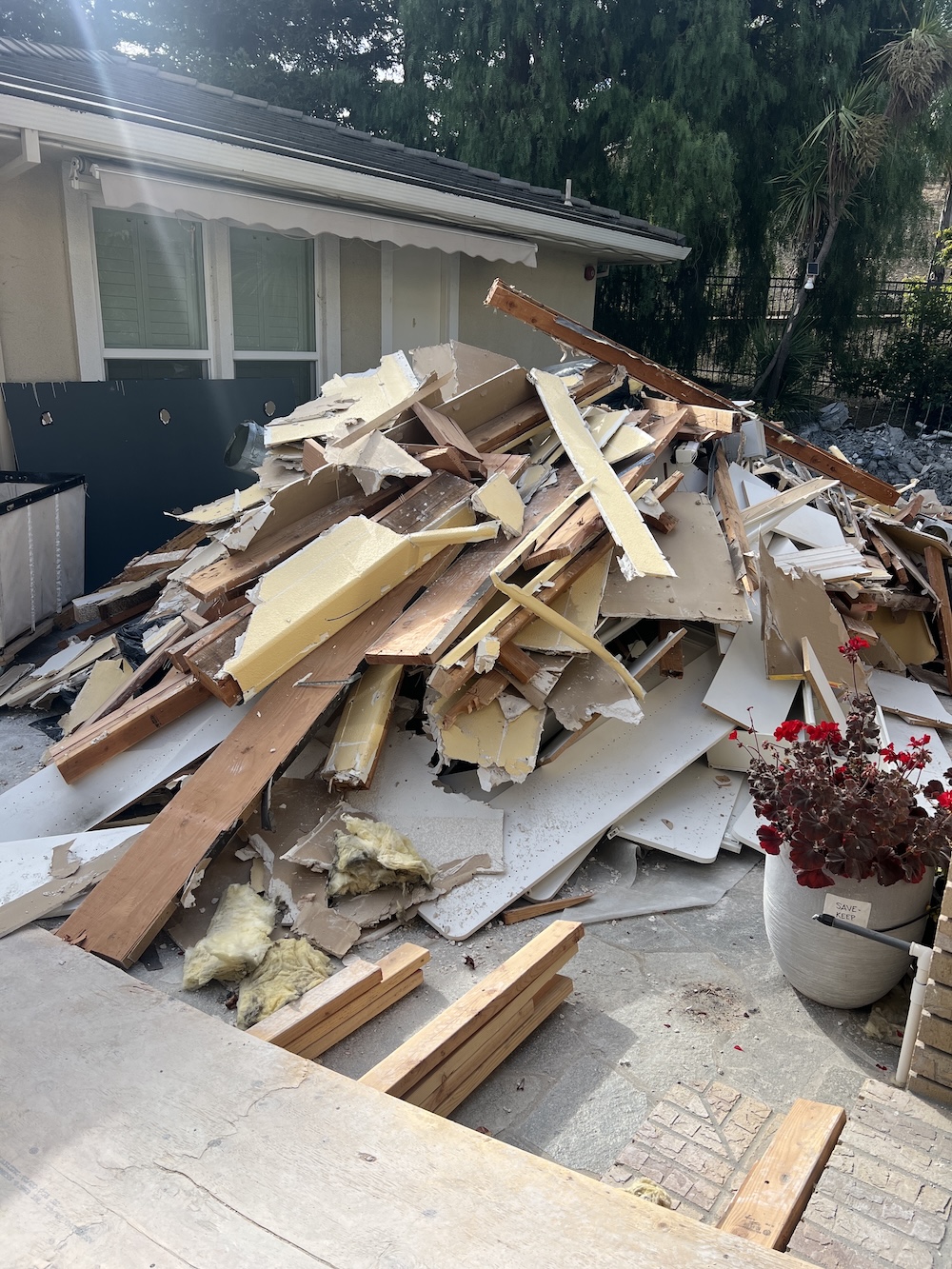
Leftover crap goes to garbage, recycling, or junk haulers, and we mop them out and get them ready for new tenants. Sensitive papers are shredded whenever possible. This type of responsible disposal means less landfill waste and less legal risk to the operator.
Renter Repercussions
Storage units left behind by renters have immediate and ripple consequences ranging from finances and credit profiles to future availability of storage. Here are the main renter repercussions and what you can do to mitigate damage.

Credit Damage
Storage operators frequently report balances to credit bureaus as unpaid fees once lien and collection steps remain unpaid. An abandoned unit’s negative mark can ding a credit score, making loans, mortgages, or new lines of credit more difficult or more expensive to obtain. Credit damage from a storage default can linger on a report for years and affect rates and approval decisions. Renters should check their credit reports after any dispute or non-payment episode and utilize free annual reports or paid monitoring services to monitor changes. If a debt is paid or settled, get written confirmation and check back with the credit bureaus to ensure that they update the record.
Debt Collection
Once an account is in default, most facilities employ outside debt collectors to obtain unpaid rent, late fees, lien sale fees, and attorney fees. Collection efforts, such as calls and letters, and even small-claims suits in some states, depending on state law and amount, typically follow. They often tack on extra collection fees, which can add to the original debt. Renters still have to pay, even if an auction of the unit falls short of covering the balance. Paying your debts soon slows down collection action and prevents more fees. Maintain payment and settlement term records, and when possible, negotiate written agreements outlining fee removal or reduced balance.
Future Rentals
A track record of walking away can make renting more difficult. Facilities routinely check delinquency lists, and some providers even share information locally, so one default may preclude access to other nearby storage alternatives. Rental agreements nearly always include a lien clause permitting facility sale of contents after long enough non-payment, typically beginning somewhere between 30 and 90 days. Local law dictates the exact window. To get re-approved sooner, stay current, offer references, or provide larger up-front deposits and prepayment. If reapplying after an abandonment, provide evidence of paid-off balances and a strategy for preventing recurrences.
A Manager’s Dilemma
There’s a pragmatic issue for managers when tenants walk out on units. The center has to attempt to reach the lessee to collect the items. If contact falls through, managers can lien the unit, sometimes as soon as 30 days after a missed payment, and then adhere to state-specific notice and auction requirements. Follow-on decisions blend cost recovery, legal action, logistics, and customer service.
Financial Loss
Unpaid rent and auction income seldom pay for everything. Sale profits are often lacking as auctions bring in scavengers and many lots go for less than outstanding rent, plus cleaning, plus disposal. Scrubbing and junk removal introduce hard costs, and admin time for notices, auction preparation, and record-keeping uses staff hours that could be serving a paying customer.
High turnovers eat into margins and can shift employee workload rhythms, decreasing free revenue per square metre and increasing vacancy-management overhead. Facilities can mitigate risk by utilizing clearer contracts, after-the-fact downside pricing for late fees and lien handling, and refundable deposits. For example, a facility that sets a small nonrefundable administrative fee recoups part of the paperwork cost and reduces repeat losses.
Legal Burden
Managers have to adhere to state law for tenant notices, lien timing, public auction notices, and disposition of unsold goods. Missteps lead to lawsuits claiming you sold or otherwise lost their property, with legal defense costing many times more than one unit’s unpaid balance. Careful documentation of notices sent with dates, of delivery receipts, and of auction records is the fundamental protection against lawsuits.
With dedicated self-storage management software, it eliminates manual errors, tracks timestamps of communications, and stores records in a centralized location, making compliance auditable and quicker. Automated notice batching cuts human error and shortens the time between missed payment and lawful auction.
Emotional Toll
Employees deal with personal gifts and occasionally delicate keepsakes. Going through boxes of sentimental items is emotionally taxing, and you’ll likely mess up or break something if you rush. Former renters faced with eviction or lease termination might come back at auction or, after deciding to throw a fit or cause trouble, increase the risk of conflict for managers.
Respectful removal teams, signage about rights, and staff trained in de-escalation assistance. Provide hard-call scripts, train crews to segregate properly labeled donations, and have a brief hold period for challenged items.
The Auction Experience
Storage unit auctions are fast-paced and have the air of a cross between an archeological dig and a garage sale. Bidders gather knowing the lot is sealed: you buy the whole unit sight unseen, guided only by a quick walk past the door and a brief peek inside if rules allow. Auctions usually take place after a tenant has missed payments for a longer duration, often 30 to 90 days, depending on the local regulations, and they serve as the facility’s ultimate legal option. They will usually have you pre-register and expect you to show ID and deposit money before you can bid.
Buyer’s Gamble
When you buy a unit, you get everything inside with one stroke of the pen. Certain units conceal antiques, gadgets, or labels that perform well on resale. Others house average household items, oversized chairs or garbage. This uncertainty is why bidding is a gamble, not a sure profit. Veteran bidders observe trends, scout auctions,s and figure out when to bid on what, while newbies are usually caught off guard by how exhausting removal is. You pay right after winning and must vacate the unit within the posted window, typically 24 to 72 hours, with a lot of facilities giving 24 to 48 hours to empty or to convert the rental into the new owner’s name. You are buying everything, including sensitive paperwork and trash, so you must line up transportation, a lab, and a disposal strategy.
Ethical Questions
Auctions bring up ethical concerns because personal belongings and papers may occur among the lot contents. Both buyers and facility operators have an obligation to treat sensitive material responsibly. Shredding or returning identifiable records, when possible, is a good idea. If sale proceeds are above debt plus fees, some states mandate surplus funds go back to the original renter, which adds a legal component to the process. Action tips make it actionable, from setting aside reusables to photographing items before disposal. Operators ought to post obvious signage and operate within the law. Buyers need a checklist that includes legal compliance, removal logistics, potential resale routes, and donation opportunities, which might reduce waste and respect the privacy of former renters.
Avoiding Unit Abandonment
Understanding basics is crucial. Know when payments are due, the grace period length, late fees, and what a lien clause permits. Most facilities provide brief grace periods, typically 5 to 10 days prior to late fees, and many have extended outreach windows of 30 to 90 days where they will attempt phone, email, or mail contact. After 30 to 90 days of unaddressed non-payment, the lien process can commence, and facilities can sell contents, though laws generally mandate a waiting period prior to sale. If sale proceeds do not cover the debt, the renter can still owe money and may encounter clearing fees often in the 250 range, with currency consistent across this guide.
Here’s what renters can do to sidestep unit abandonment.
- Know due dates and grace periods: review the contract now and mark calendar reminders. Contracts commonly specify a 5 to 10 day initial grace for late fees and a 30 to 90 day window for lien processing.
- Set up automatic payments: enroll in auto-pay through the facility or your bank to prevent missed charges and reduce human error.
- Monitor account notices: respond quickly to calls, emails, or mailed notices during the 30 to 90-day contact window.
- Request payment plans early: if short on funds, ask the manager for a plan or a short extension before the lien clock advances.
- Plan for contingencies: create a small emergency fund or identify lower-cost units in advance to move items if needed.
- Document communications: keep copies of emails and written agreements for any negotiated terms.
Communicate Early
If you know that your payment will be late, tell the storage manager as soon as possible. Letting them know early can help you find solutions. You can ask for more time or set up a payment plan, which storage facilities usually prefer over auctioning off your items. Contacting them quickly can help you keep your storage unit and avoid serious consequences. Most property managers are willing to work with you because they want to avoid going through legal processes that take a lot of time and don’t help them recover their money.
Explore Options
If you have a storage unit you no longer use, consider giving away or selling some of your items. This can help lower your monthly bill and make your storage space smaller. You can also get quotes for cleanout and junk removal services from local companies to find the best prices. Don’t forget to ask the storage facility about any seasonal discounts or special rates for long-term customers. You might want to think about switching to a smaller unit for a few months, too.
Downsize Proactively
When it comes to abandoned storage units, it’s important to keep track of what’s inside. Start by making a list of the items. Decide what to keep, sell, donate, or throw away. Measure what you have left to choose the right size storage unit, and plan to clean out your unit every few months. Regularly clearing out your storage helps keep costs down and lets you find items you might not need anymore. If you have heavy items, consider hiring professionals to help with the heavy lifting. This not only saves you time but also helps prevent injuries. Keeping your unit organized means you save money and avoid leaving things behind.
Professional Cleanout Services

Professional cleanout services streamline the removal of junk from abandoned storage units, making the process faster, more compliant, and far more cost-efficient. Once a facility has completed its standard 30- to 90-day grace period and lien process to take possession of a unit, these trained crews step in with a structured approach that reduces liability, improves documentation, and speeds up unit turnover. For property managers, this often translates into quicker re-rental opportunities and measurable savings—sometimes averaging around $2,500 per year in recovered rental value per unit.
These professional teams bring several operational advantages:
- Legal and procedural compliance: Crews understand lien laws and facility requirements, ensuring cleanouts are conducted properly after ownership transfer.
- On-site sorting and documentation: Items are categorized into salvageable goods, recyclables, hazardous materials, and waste, with records that protect managers from liability.
- Efficient clearing process: Mixed-content units can often be fully cleared in a single visit, including sorting furniture for recycling, boxing usable goods for donation, and disposing of true waste responsibly.
- Transparent pricing and scheduling: Reputable providers offer upfront pricing to avoid hidden fees and coordinate cleanouts around auctions, tenant timelines, or facility operations.
Many services focus on eco-friendly ways to get rid of items, choosing to recycle or donate instead of sending things to the landfill. This is important because the self-storage industry has millions of renters and many facilities, which creates a lot of waste. To help reduce this waste, both facility managers and renters can take simple actions: plan a cleanout after the lien process is done, ask for proof of how items are disposed of, and select services that keep track of where items go for recycling or donation.
Cleanout teams take care of all the hard work when it comes to abandoned storage units. They handle everything from moving items to getting rid of them. This helps storage facilities make units ready to rent again more quickly. It also helps owners and managers save time and improve their cash flow.
Conclusion
What happens to abandoned storage units in Antioch? Managers follow clear steps: notify, lien, and sell. Buyers receive a combination of junk and treasure. Renters pay with fees and credit hits. Cleanout crews trash, triage, and transport merchandise for donation or dumping. Local regulations govern timing and fees. For a tenant, pay or visit the unit frequently. For a manager, document every step and document with photos and logs. For a buyer, look quick and bring cash. Little behaviors reduce hazard and expenditure. Need a checklist for managers, renters, or buyers? I can post one with local rule notes.
Frequently Asked Questions
What laws govern abandoned storage units in Antioch?
California state law and local Alameda and Contra Costa County ordinances govern. Facility operators are required to adhere to the Self-Service Storage Facility Act, including notice and sale procedures for abandoned units.
How long before a unit is considered abandoned?
Usually, 30 to 120 days without rent payment or contact initiates abandonment. The specific timelines vary based on facility policies and state notice requirements.
What notices does the storage facility have to provide?
Facilities have to send notices by mail and print a notice in a local paper. Notices describe unpaid rent, intent to sell, and deadlines. This safeguards tenants’ due process.
Can I keep items I find in an auctioned unit?
No. After a unit is properly auctioned under the Self-Service Storage Facility Act, buyers receive title. Document and question facility managers about such disputes or wrongful sales right away!
What happens to hazardous or illegal items in abandoned units?
Managers have to clear and dispose of any hazardous or illegal substances in accordance with environmental and law enforcement regulations. These do not sell at auctions.
How can renters avoid losing their storage units?
Pay timely, talk to your facility, and update contact information. Set up payment plans or clear out the unit if you can’t afford to keep paying to avoid a lien sale.
When should I hire professional cleanout services?
Hire professionals when units have big volumes, hazardous material, or when you want a fast, compliant removal. They save time and ensure the disposal is legal.