Local storage cleanout services near me provide on-site evaluation, categorization, donation organization, removal, and responsible disposal, frequently with clear rates per cubic meter or per hour. A storage locker cleanout company bundles labor, shipping, and recycling solutions to minimize the time and liability associated with abandoned property. Several companies offer same-week bookings and digital inventories so owners can determine what to keep or trash. Below, we compare service types, average prices, permitting requirements, and how to select a trusted pro for cleanouts that are safe, quick, and eco-friendly in cities and suburbs.
Key Takeaways
- Proceed with a methodical approach of evaluation, organization, clearance, disposition, and cleaning to maintain effectiveness, safety, and compliance.
- We aim to recycle and donate as much as possible, isolating any hazardous materials and documenting disposal methods to minimize landfill waste and meet Bay Area standards.
- Select providers with trusted credentials, transparent pricing, great reviews, and green practices to safeguard your stuff and skip the sneaky fees.
- Take special items with extreme care, such as strict inventory and secure transport or shredding for documents and protective packing for valuables and sentimental objects.
- Arrange cleanouts with local crews who know Bay Area traffic, facility access limitations, and permit requirements to limit holdups and legal liability.
What is a Storage Unit Cleanout?
It’s that time to make room for the new, to liquidate or donate what isn’t so new, and to purge the unused and unloved. It’s a hard-nose business activity to pare down, liberate room, and usually terminate a storage lease to end the recurring charges. It’s time-intensive and can take approximately 2 to 4 hours for one unit, although the size and contents vary from that estimate. Pricing differs according to quantity and tier of service and typically begins around $150, with higher fees for bulk or toxic removals.
1. The Initial Assessment
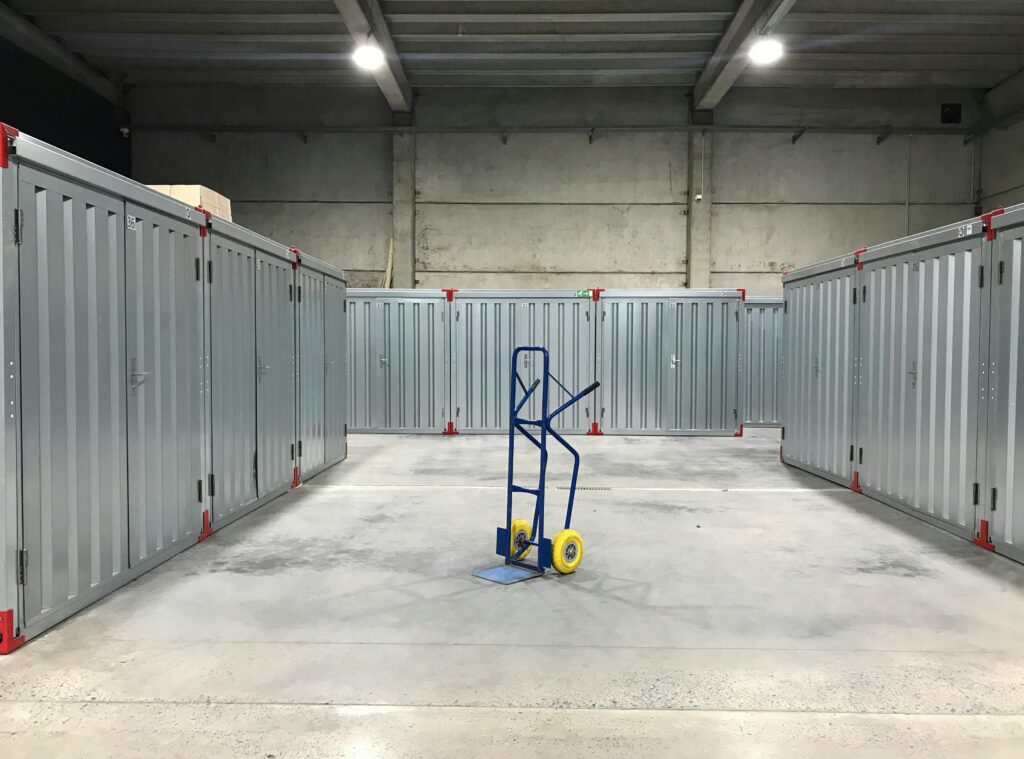
Start by surveying the unit to estimate volume, types of items, and hazardous materials. Keep an eye out for any bulky furniture, electronics, chemicals, or sensitive documents that require special handling. Create a simple inventory to track belongings and to plan routes: what to recycle, donate, store, or discard. Now that you have that inventory, figure out the supplies, manpower, and equipment you’ll need—moving blankets, dollies, disposal bags, gloves, and maybe a small crew or a truck.
2. The Sorting Process
Separate into keep, donate, recycle, and throw to keep work moving forward in an organized fashion. Take care of junk and expired gear first so the prime floor space opens up fast. Determine what has resale or donation value. Many charities will take usable furniture, clothing, and appliances that work. Tag boxes and utilize clear trash bags to hasten recognition and hauling. Create a separate pile for anything that you haven’t used in more than a year. Those tend to be pretty good fair game for ditching.
3. The Removal Phase
Book professional haulers or loaders when you want fast or heavy-lift expertise. They can frequently slash an all-day job to a couple of hours and prevent injury. Bring adequate equipment to handle large furniture and appliances to prevent damage to belongings and the facility. Arrange times to meet with facility managers where aisles might be tight or units stacked. We load our trucks in a pattern that optimizes space and reduces return trips, decreasing overall cost.
4. The Disposal Method
Select disposal paths that prioritize recycling and donation over landfill. Divvy up recyclables and hazardous waste so each ends up at the appropriate center. First, embrace the reuse programs that many cities have as a way to keep stuff out of the landfill and help local charitable organizations. Document disposal routes and receipts for transparency and regulation compliance.
5. The Final Sweep
Do one last sweep to get rid of debris and dust and to spot any missed valuables. Clean out and inspect the unit to ensure that it is in line with facility standards and ready for the next renter. The unit should be clean and contamination-free to delight and avoid surcharges.
Why Clean Out Your Unit?
Here are concentrated reasons and how-tos that demystify what to expect, why it’s important, where it breaks down, and how a cleanout creates quantifiable advantages for people and micro businesses.

Financial Savings
Reduce your monthly bills by eliminating the need for underutilized storage units after a cleanout. When units contain abandoned boxes, renters are paying for abandoned space. Getting rid of those things enables you to choose a smaller unit or terminate your lease.
Spare yourself the extra fees and hidden expenses of spilling storage units. When your unit becomes a liability, facilities are going to charge late payment fees, lien sale costs, or cleanup fees.
- Save on monthly rent by downsizing or terminating leases.
- Avoid overage or cleanup fees from the storage operator.
- Capitalize on valuables discovered during the cleanout by selling or donating.
- Choose affordable cleanout services with transparent, flat-rate pricing.
Save in the long run with local, low-cost cleanout solutions. A one-time professional removal fee can be less than the unused rent for months. Clean out your unit. Anything you can sell or donate will help defray expenses, so list your highest value finds online or locally on consignment.
Mental Clarity
Clean out your unit. A clean apartment reduces the time you spend looking for things and reduces stress about things getting lost or broken.
Enjoy the comforts of relief knowing the clutter and debris have been properly cared for. Proper disposal avoids danger, such as the accumulation of old batteries or chemicals that can be health hazards.
To make your decisions easier, group your belongings into categories and junk anything unnecessary. Organizing into keep, sell, donate, and dispose piles streamlines the work and reveals buried treasures that might be sentimental or valuable.
Experience a cleaner, more manageable space that supports your mental well-being. There is a certain therapy in cleaning, the opportunity to look back at your decisions and to turn the page.
Space Reclamation
Clear out valuable storage space for new belongings, business supplies, or hobby equipment. Replace oversized furniture and outdated items with practical, usable space that better fits your current needs.
Organize your storage unit efficiently by using shelving, labeled bins, and clear walkways to reduce clutter and improve accessibility. Removing bulky junk, broken furniture, and unused items can also help reduce odors, pest activity, and the risk of damage or theft.
Transform your storage space into a cleaner, more functional area that supports your goals while helping reduce unnecessary long-term storage costs.
Bay Area Cleanout Challenges
The Bay Area presents a unique combination of logistical, regulatory, and financial challenges that shape how storage unit cleanouts are handled. High housing costs often push residents and businesses to store excess belongings, leading to overcrowded and sometimes abandoned units filled with bulky furniture, outdated electronics, and items requiring specialized disposal. Cleanout providers must work efficiently while staying compliant with local regulations, managing customer budgets, and navigating both compact urban properties and sprawling storage facility complexes.

Navigating Traffic
Navigate around SF, Oakland, and the nearby corridors’ worst congestion. Reroute alternatives are key when a 30-minute trip can easily take twice as long in commute hours. Bay Area cleanout challenges include three things you’ll want to schedule extra travel time for so arrival windows are achievable, and teams can wrap up without unexpected overtime. Employ local cleanout loaders who are familiar with the one-way streets, delivery restrictions, and parking quirks around the Bay Area to minimize door-to-door time. Communicate arrival windows in advance to customers and establish definitive contingencies for delays due to traffic so tenants and property managers can adjust access and staffing.
Strict Regulations
Meet California and Bay Area disposal laws for hazardous waste, electronics, batteries, and chemicals. Unsafe handling creates liability and fines. When required by jurisdictions, secure permits or approval for large-scale removals or curbside pickups. Adhere to facility-specific guidelines on where debris can be staged, how often the trucks come by, and sort waste for recycling and landfill. Keep a system for tracking regulation updates and training crews, as regional recycling mandates and hazardous materials codes change frequently.
Limited Access
Coordinate with storage facilities to secure elevator reservations, gate access, and loading-dock schedules before the cleanout begins. In dense urban properties, timing matters, and facility-approved access windows help prevent disruptions for other tenants while ensuring trucks and crews can move efficiently.
Bay Area cleanouts often involve narrow aisles, compact lockers, and tightly packed storage units that limit maneuverability. Arriving prepared with dollies, folding ramps, and modular rigging equipment helps crews navigate restricted spaces safely and efficiently. Clear communication with customers and facility managers about access codes, keys, parking rules, and loading locations prevents unnecessary delays and keeps the project on schedule.
High Costs
We offer affordable solutions and upfront pricing to tackle Bay Area service costs and high per-unit monthly fees that can cost 100 to 500 dollars or more a month. We provide upfront, no-hidden-fee quotes and options such as partial loads or a single-item pick-up for those who are on a budget. Emphasize donation, resale, and recycling avenues to keep costs down and landfill space free. For big units with bulky or heavy items, schedule additional labor and equipment that will impact costs but enhance safety and productivity.
Choosing the Right Cleanout Service

Finding the right storage unit cleanout service involves more than comparing prices. Service quality, disposal practices, response time, and professionalism all play a major role in ensuring a smooth experience. Use the comparison table below to evaluate common service features and pricing structures before making a hiring decision.
|
Service Type |
Common Offerings |
Average Customer Feedback |
Typical Pricing (USD) |
|
Full-Service Cleanouts |
Complete junk removal, recycling, donation drop-offs, and heavy lifting |
Frequently praised for fast response times and professional crews |
Starts around $150 for full-load cleanouts |
|
Partial Load Removal |
Small cleanouts, single-item pickups, and flexible scheduling |
Popular for affordability and convenience, though timing can vary |
Single-item pickups start around $25; partial loads around $90 |
|
Eco-Focused Services |
Recycling programs, donation partnerships, and responsible disposal practices |
Highly rated for environmentally conscious operations |
Starts around $200 for larger full-load removals |
|
Budget Junk Removal |
Quick pickups and basic hauling services |
Affordable pricing, but service quality may be less consistent |
Lower entry pricing with possible additional service fees |
Beyond pricing, always verify licensing, insurance coverage, disposal policies, and customer reviews before hiring a cleanout provider. Asking about recycling practices, hidden fees, and scheduling flexibility can help avoid unexpected costs and delays.
Verify Credentials
Make sure they have a company license and are actively insured for both bodily injury and property damage before work begins. Check for certifications, waste management group, or local business association memberships that demonstrate standards compliance. Request documentation that crews have background checks and training in safe lifting and handling of restricted materials. Demand proof of environmental rules compliance and see how they’re dealing with hazardous items, such as batteries, paints, and electronics that many companies won’t take.
Review Testimonials
Scan multiple platforms for patterns: speed, professionalism, and handling of customer items. Check reviews to see what customers say about cleanout times. Jobs can span anywhere from a couple of hours to an entire day based on unit size and how much stuff there is. Find firms that offer same-day or next-day pickup if you need it fast by using reviews. Pull client comments regarding sorting assistance, donation drop-offs, and if crews left the unit broom-clean. These are the signs of real service quality.
Compare Pricing
Compare explicit pricing models: full-load flat rates, partial-load pricing, and single-item pickup fees. Usual hop-off points are at $150 for small full-loads, with differences by volume and disposal difficulty. Check if donation drop-off or recycling is at no extra cost and if the quotes are binding. Don’t settle for nebulous quotes; pick providers that offer on-site or photo-based no-obligation estimates so you know exactly what you’re getting.
Assess Eco-Practices
Inquire about landfill diversion rates and proof of recycling efforts. Verify partnerships with local charities for reusable items and ask for destination receipts when you can. Favor businesses that track green disposal and divert landfill waste, because that impacts your community footprint and potentially your bottom line, too. A service dedicated to sustainability likely means more effective sorting and less damage to the planet while providing you peace of mind and space efficiency.
Handling Sensitive Items
Working with sensitive items needs well-defined policies upfront so teams safeguard privacy, avoid harm, and minimize customer anxiety. The checklist below details step-by-step what crews must do on a storage unit cleanout.
Checklist for Protocols
- Verify customer identity and written removal permissions.
- Check the unit for papers, jewelry, glassware, stereos, and chemicals.
- Separate personal papers into a locked bag or box marked “CONFIDENTIAL.”
- Reserve all valuables and keepsakes in a labeled tamper-evident bag.
- Mark items that need to be taken apart or specifically packed. Designate authorized personnel.
- Provide safe shredding or locked transport for sensitive papers.
- Provide transparent inventory lists and take timestamped photographs.
- Arrange eco‑responsible disposal: recycling, donation, or hazardous waste follow‑up.
- Stop working for breaks, so you’re not rushing with greasy fingers and an aching heart.
Personal Documents
Protect sensitive documents and records in the cleanout by first segregating them from garbage and then sealing them in locked shipping containers. Provide secure shredding in-house or out-of-house and locked conveyance if documents must go elsewhere. Keep personal documents out of the waste stream to avoid identity theft. Deliver crucial paperwork back to the client or drop it off to a specific recipient, and document the handover in the manifest with the recipient’s name, date, and signature.
Valuable Belongings
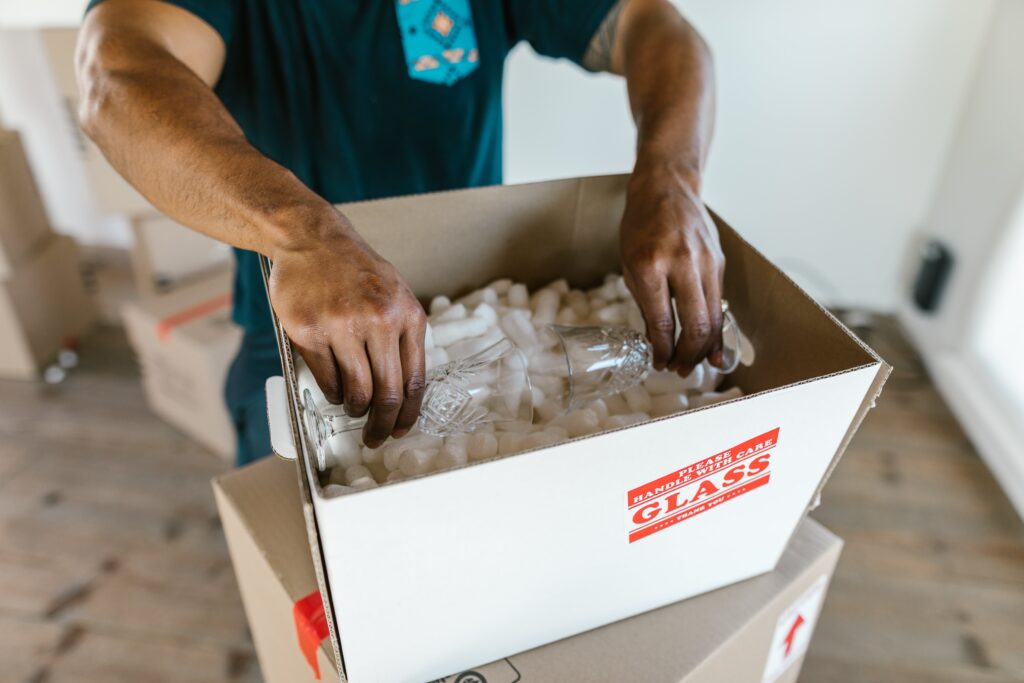
Pinpoint jewelry, collectibles, and other high-value items up front and separate for customer inspection. Don’t just toss or donate without specific OK. Use an inventory list with photos to keep track of what you’re removing and record the condition and serial numbers if applicable. Use padded boxes, specialist crates, and climate-controlled transport for fragile or expensive items to prevent breakage. Inform customers about selling, donating, or storing valuables, agreeing, and recording a course of action.
Sentimental Objects
Deal with family heirlooms, photos, and keepsakes with a little extra gentleness and honor. There’s usually a lot of feeling involved, and these require time and patience. Let customers designate items to be saved and provide packing materials such as bubble wrap, acid-free paper, and little boxes for delicate keepsakes. Be explicit about where sentimental items are kept throughout and send status updates with photos when possible.
The Hidden Costs of Neglected Garages
These neglected garages become a cascading series of health, safety, legal, and financial issues. What starts as a gradual accumulation of boxes and keepsakes can quickly become bug infestations, mold blooms, structural stress, and code enforcement exposure. Routine cleanouts and expert assistance mitigate these hazards and maintain units’ functionality and compliance.

Health Hazards
Mold, mildew, and pests are a given to units abandoned for months or years. Wet cardboard and cloth cultivate fungus, and organic rubble attracts vermin and bugs. They infest belongings and present breathing and allergy hazards for subsequent visitors, such as children and seniors. There could be hazardous waste as well—old batteries, chemicals, and aerosol cans—that can leak or react, producing toxic fumes. Sweeping up and throwing out as necessary is important. Professional junk removal crews have PPE, containment, and disposal paths in compliance with local hazardous-waste regulations. With regular inspections, whether seasonal or biannual, you’ll spot moisture, pest signs, and expired items early, averting the deep contamination that heavy remediation demands.
Structural Risks
Overstuffed units transfer weight and block ventilation, increasing moisture and hastening decomposition. Piled unbraced bulk items topple, damaging floors, doors, and neighboring units and injuring workers during access. Water leaks that aren’t addressed result in rot in shelving and framing, and recurring pest infestations can eat away insulation and wall panels. Quick removal of trash and bulky furniture decreases load and enables facilities to identify maintenance requirements. Regular cleanouts reduce extended strain on racking systems and aisles, saving expensive repairs and downtime to other tenants if portions of a facility have to shut down for repairs.
Legal Liabilities
There’s the aftermath of neglect, like unsafe storage or disposal of hazardous materials, that just causes regulatory exposure and fines. Renters and facility managers both have responsibilities under local waste, fire, and building codes. Violations can prompt inspections, fines, or civil lawsuits if an accident results in injury. Thorough documentation in cleanouts, including images, inventories, and junk receipts, demonstrates your due diligence and can help you settle disputes. When you work with a licensed storage cleanout company, you’re passing such technical tasks to experts who maintain a chain of custody and compliance best practices, reducing legal risk and protecting reputations.
Conclusion
You now know the critical steps to declutter a storage unit in the Bay Area. Divide the task into chunks. Separate keep, donate, recycle, and toss. Bring in a local cleanout crew for hard lifting and quick haul-away. Mark boxes and takes pictures of valuables. For papers and drives, shred or wipe on site. For hazardous waste, take it to a certified drop-off site in your city. Prepare for traffic and tight stairwells in older structures. Schedule additional time and a modest allowance for disposal fees.
A clean unit saves you money and stress. Real examples include one renter who cut fees by 40% after a single tidy session and a small startup that reclaimed 8 square meters for inventory. Book a local cleanout or begin organizing now.
Frequently Asked Questions
What does a storage unit cleanout service include?
A cleanout service takes it away, sorts it, and disposes of it. Several even donate usable items, recycle, and haul away junk. Verify specific services before scheduling.
How much does a Bay Area storage cleanout typically cost?
Rates differ by unit size, cubic feet of items, and region. Anticipate costs ranging from the low hundreds to the thousands. Get accurate pricing with on-site estimates.
How long does a cleanout take?
The vast majority of small-to-medium units require one to three hours. Bigger or more challenging units can require a full day. Crews and pre-sorting accelerate the task.
Can the company handle hazardous or sensitive items?
Legitimate companies aren’t going to dump biohazard waste or prohibited materials. They can assist with disposal guidance and refer licensed handlers for chemical, battery, or medical waste.
Will my items be donated or recycled?
Yes. Trustworthy companies do donation and recycling sorting first. Request donation receipts or documentation if you require proof for your records or insurance.
Do I need to be present during the cleanout?
You don’t have to be there, but it does assist. Presence allows you to decide what to keep, donate, or dispose of. If not, give them written directions.
How do I choose a reliable storage cleanout company?
Search for local reviews, insurance, transparent rates, and references. Inquire about licensing, waste management, and donation collaborators. An upfront estimate builds trust.