Storage unit cleanout in the Bay Area means cleaning out, organizing, and clearing self-storage units throughout the San Francisco Bay Area. This work frequently requires you to take inventory of contents, sort through recyclables, donate usable items, and coordinate licensed waste removal for hazardous materials.
Access hours, disposal fees, and paperwork for abandoned units are impacted by local rules and facility policies. Pro cleanouts deliver muscle, vans, and load logistics to save time and mitigate risk.
DIY cleanouts need wrenches, bags, and a neighborhood drop-off strategy for oversized trash. That post covers price ranges, permit considerations, detailed workflows, and vendor selection tips for planning an efficient cleanout.
Key Takeaways
- Evaluate the unit before getting started to gauge volume, hazardous items, and access limitations to develop an appropriate cleanout strategy and timeline.
- Employ a clean sorting plan with marked keep, donate, recycle, and landfill piles to accelerate removal, minimize landfill, and streamline disposal logistics.
- Protect valuables and sensitive items through photographs and careful packing, so they can be accounted for and handled safely during the transition to owners or estate managers.
- DIY vs. professional by including time, labor, disposal fees, and risk. The Bay Area crews we hire are insured and reviewed when speed, safety, and proper disposal really matter.
- Ask for upfront quotes that include volume, labor, access charges, and disposal fees. Check licensing, insurance, and local recycling or e-waste compliance to avoid surprises.
- Opt for companies that recycle and donate as much as possible because it is good for the environment, local charities, and required by Bay Area laws.
Understanding the Purpose of a Storage Unit
Before deciding when to clean out your storage unit, it helps to understand why you rented it in the first place. Storage units are typically used for:
- Temporary life transitions (moving, divorce, relocation)
- Seasonal storage (holiday décor, winter clothing, summer gear)
- Business overflow (documents, equipment, inventory)
- Long-term preservation of sentimental items
- Downsizing from a larger home
However, storage units can quickly shift from “temporary solution” to “permanent holding space.” When that happens, it’s usually a sign that a cleanup is overdue.
Why Storage Units Become Cluttered Over Time
Most people rent storage units with good intentions. At first, every item placed inside feels important, useful, or sentimental. But as months turn into years, the unit can become less of a temporary solution and more of a hidden extension of household clutter.
This happens for several reasons:
- Life gets busy, making regular visits easy to postpone.
- Stored items lose relevance over time.
- People forget what’s inside.
- Emotional attachment makes it hard to let go.
- Seasonal decorations, old furniture, paperwork, and unused equipment accumulate faster than expected.
Without periodic cleanouts, storage units can become expensive holding spaces for belongings you no longer need.
The Storage Unit Cleanout Process

Start with a reality check to establish scope, safety requirements, and timing before you relocate! The steps below describe a down-to-earth, easy-to-repeat workflow for renters, estate managers, and facility staff to complete cleanouts quickly and responsibly.
1. Initial Assessment
Inspect the unit to measure volume and categorize item types, noting bulky furniture, electronics, textiles, and any hazardous materials. Walk the space, sketch a quick layout, and record items that need special care, like confidential files or antiques.
Take photographs and a simple inventory to guide labor and vehicle needs. Large units often require multiple trips and several handlers. Check facility rules for elevator access, loading dock use, or limited hours so scheduling avoids delays.
Assessments typically show whether a job is a few hours or a full-day effort, and they help estimate cost based on size, content, and location.
2. Sorting Strategy
Create distinct piles: keep, donate, sell, recycle, and dispose, and stage them near the unit entrance to speed removal. Organize and label. Use labeled boxes or bags to avoid mix-ups and color-code when useful. This is important when more than one person is working.
Next, hazardous waste, electronics, and large items need to be identified for safe removal and disposal in accordance with regulations. Keep a checklist or simple table to plot progress by category and zone, breaking the job into sectors and clearing one at a time to stay energized.
For big cleanouts, schedule interim drives to a donation center or recycling depot to reclaim room and maintain forward motion.
3. Handling Valuables
Put aside valuables, such as jewelry, documents, and antiques, in a locked box or car right away. Wrap breaks in bubble wrap or blankets and pack them in upright boxes so they do not get crushed.
Take photos of the high-value items and record serial numbers. Arrange a handoff with facility staff or family members and obtain signatures if necessary to confirm the transfer.
4. Disposal Plan
Sort into landfill, recycling center, or charity depending on material and condition. Arrange pickups with local junk removal services or bulk drop-offs.
Adhere to local regulations for electronics, batteries, and chemicals in order to steer clear of fines. Factor in disposal fees to your final cost estimate to avoid surprises.
5. Final Sweep
Broom sweep and visual inspection, including corners and behind shelving for overlooked items. Pick up all trash and tools. Photograph and staff verify empty unit.
DIY Versus Professional Cleanout
Simple DIY versus professional cleanout comparison, looking at time, cost, labor, risk, and waste flow to determine what works for you.
The DIY Route
Gather supplies: heavy gloves, strong trash bags, sturdy boxes, basic cleaning tools, and appropriate PPE. Pace yourself; a full unit cleanout will take days or even weeks if you only work evenings or weekends.
If you’re calling in friends or family to help, designate roles: one sorts donations, one boxes up recyclables, and one loads vehicles. Rent a truck or dumpster if the volume is more than the passenger-vehicle capacity. Rental and landfill fees, using fixed rates in many areas, can add surprisingly to costs.
Prepare for multiple visits to transfer stations or donation sites, as many centers have limited hours and item limitations. Factor in facility access guidelines, like gate hours or elevator reservations in multi-level storage locations that contribute time and logistic friction.
Heavy items increase risk. Moving mattresses, appliances, or metal furniture without equipment can cause back injuries or dropped loads. Emotional strain is very much a thing when sorting keepsakes, and decision fatigue drags down momentum and can turn a one-day job into weeks of effort.
DIY is best if your budget is tight, the items are light, and you have both the time and some help.
The Professional Route
Schedule a reputable cleanout service that displays transparent pricing and features verified reviews, and get an itemized quote to avoid unexpected charges. Professional crews handle all labor: sorting, hauling, and removal to disposal, recycling, or donation streams as part of the package.
Insured teams arrive with dollies, lifts, and tie-downs to safely move hard-to-carry items to prevent injury and expedite work. They typically adhere to green disposal standards and can handle electronics, batteries, paints, and small quantities of chemicals with chain-of-custody procedures.
Turnaround is faster: same-day or next-day options are common for urgent needs, and fixed costs make budgeting straightforward compared with piecemeal DIY expenses. The primary trade-off is direct cost, but the time saved and stress alleviated is a quantifiable value when you factor in time, safety, and logistics.
Choosing Bay Area Services
Selecting a local cleanout partner needs sharp standards so the work gets done in time, on budget, and with a minimum of waste. Below are action steps and sanity checks that address specific San Francisco Bay Area weather, venue policies, and audience standards.
Verify Credentials
Verify licensing, insurance, and if teams are background-checked. This helps restrict liability in the event of an accident and is frequently mandated by storage facilities.
Verify they have experience with storage unit cleanouts and commercial junk removal, not just household pickups, as facility access restrictions and gate hours differ throughout the Bay Area.
Check out trusted reviews and ask for references from previous Bay Area clients to determine if the crew showed up on time and did a great job. Reputation counts and can demonstrate that same-day or scheduled work is managed well.
Make certain the provider disposes of and transports it according to local, state, and facility-specific laws. A pro crew that puts appliance removal, furniture removal, and general trash removal in writing limits scope confusion and allows you to compare apples to apples on verifiable quotes and transparent pricing.
Review Policies
Make sure to ask how they handle hazardous waste, electronics, and other restricted items. Many companies accept e-waste but may charge extra or send it to approved recyclers. It’s important to understand their recycling and donation practices. In the Bay Area, many companies partner with organizations or recycling facilities to minimize landfill waste. Check their cancellation and rescheduling policies, as well as payment methods. For instance, do their prices start at a base fee, like some that list partial loads from $199? Ensure that the final cleanup of the storage unit is included and that they offer a 100% satisfaction guarantee for any incomplete work. We provide clear written estimates to avoid hidden fees and help you compare value easily.
Inquire Locally
Talk to storage facility managers for recommendations. They know which crews follow the gate rules and complete jobs on time. Ask neighbors or nearby businesses about their experiences. Did the crews arrive the same day, or did you need to schedule ahead? Choose Bay Area professionals who clearly care about the community. They understand traffic patterns, load zones, and nearby donation centers. Get multiple quotes from local services and consider their reputation, eco-friendly practices, and what services are included, rather than just opting for the cheapest option.
Understanding Cleanout Costs
Storage unit cleanout costs reflect a mix of measurable inputs: the volume of items, labor needed, disposal fees, and how easy the unit is to access. Below, we’ve deconstructed each factor so readers get a sense of what drives price, how to estimate costs, and where additional fees typically show up.

Volume
To estimate costs, consider cubic yardage or the number of items, as a couch and mattress take up more space than boxes. Many companies charge based on truck space or cubic yards, and larger loads increase costs due to extra vehicle time and disposal runs. Items like upholstered furniture, major appliances, dense electronics, and stacked boxes raise prices, while hollow items like plastic bins are cheaper. Online calculators can provide a rough estimate, but on-site evaluations are more accurate. Sorting items into keep, donate, or toss categories can reduce both the load and costs, although it may take time.
Labor
Calculate how many crew members you will need and estimate the time. Of course, simple unit clearouts with ground-floor access and two loaders could take a few hours. Multi-level or packed units can take an entire day and multiple crews.
Additional labor fees are incurred for stairs, long carries, waiting for elevators, or furniture disassembly. Factor in sorting, packing, and heavy lifting when calculating labor cost. Residential rates are often different than commercial rates.
Commercial projects might require additional personnel, increased hourly rates, or location permits. Base pricing can start near $80 for a single-item pickup and increase per item or cubic yard.
Disposal Fees
Local landfill, recycling, and donation center fees depend on your area and the type of item. Mattresses, electronics, and hazardous materials typically cost more because of special handling regulations.
Find out if the cleanout company incorporates disposal fees in a flat rate or invoices them separately. Standard dump fees can drive totals higher, and certain items might have flat surcharges. Below is a comparison table of common disposal fees:
Item type | Typical fee (USD) |
Mattress | 30–80 |
Electronics | 20–100 |
Appliances | 25–100 |
Hazardous waste | Varies, often high |
Access
Facility regulations, limited hours, or elevator-only access locations complicate matters. Hard-to-reach locations might require specialized machinery or additional crew, and some firms charge for after-hours labor. Coordinate access in advance for better quotes. Below is a sample table of access issues and possible extra charges:
Access issue | Possible extra charge (USD) |
Stairs (per flight) | 10–30 |
Elevator wait/time | 20–50 |
After-hours | 50–150 |
Bay Area Eco-Friendly Disposal
Bay Area Green options for Storage Unit clean out. Choose companies that record recycling and donation results, comply with local regulations, and provide transparent landfill diversion reporting. Here are some actionable tips and local resources to help make a cleanout efficient and low-impact.
Local Recycling
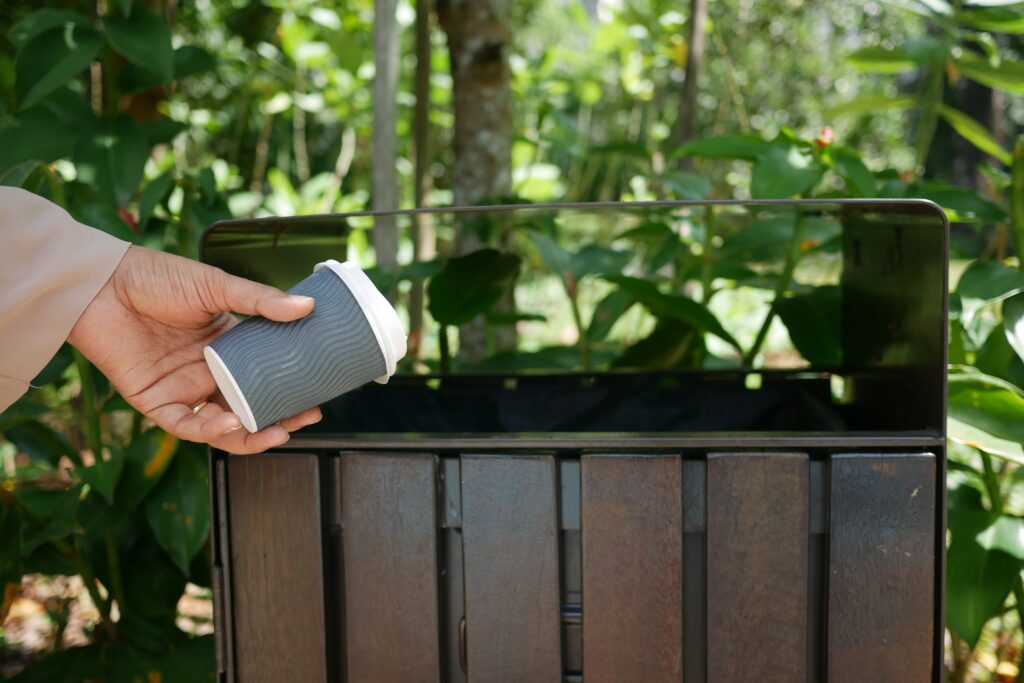
Sort materials before pick-up by separating cardboard, metals, glass, mixed paper, and hard plastics to speed up processing and meet requirements. Electronics and batteries need special handling; bag loose batteries and keep chargers with electronics. Work with cleanout crews that offer recycling and can take materials to certified facilities. Request weight receipts and manifests with facility names. In the Bay Area, recycling centers accept: community depots for cardboard and paper, metal scrap yards for appliances and wiring, household hazardous waste sites for paints and pesticides, certified e-waste centers for computers and printers, and textile recyclers for clothing and linens. For example, donate sofa cushions and send the frame to metal recyclers. Bundle cardboard for curbside pickup.
Donation Centers
Local charities and thrift stores accept usable items to reduce landfill waste. Make a list of local groups that take furniture, clothes, kitchenware, and books, and check their donation conditions. Schedule a pickup or drop-off during your cleanout. Many agencies offer residential pickups and provide donation receipts for taxes. We kept detailed receipts with estimated values for our records and the community. Some local options include nonprofit thrift stores for household goods, community shelters for bedding and clothing, educational nonprofits for books and supplies, and furniture banks for gently used sofas and tables. Work with cleanout professionals to sort items for donation and handle drop-off logistics efficiently.
E-Waste Rules
In California, electronics, batteries, and appliances require special disposal. Don’t throw them in regular trash—use certified e-waste recyclers instead. They safely dismantle hazardous parts and recycle valuable materials. Ensure your cleanout service works with certified e-waste facilities and follows state paperwork. While it’s tempting to toss junk in the trash, it can cause pollution and lead to fines. Proper disposal protects public health and lowers greenhouse gas emissions.
The Abandoned Unit Perspective
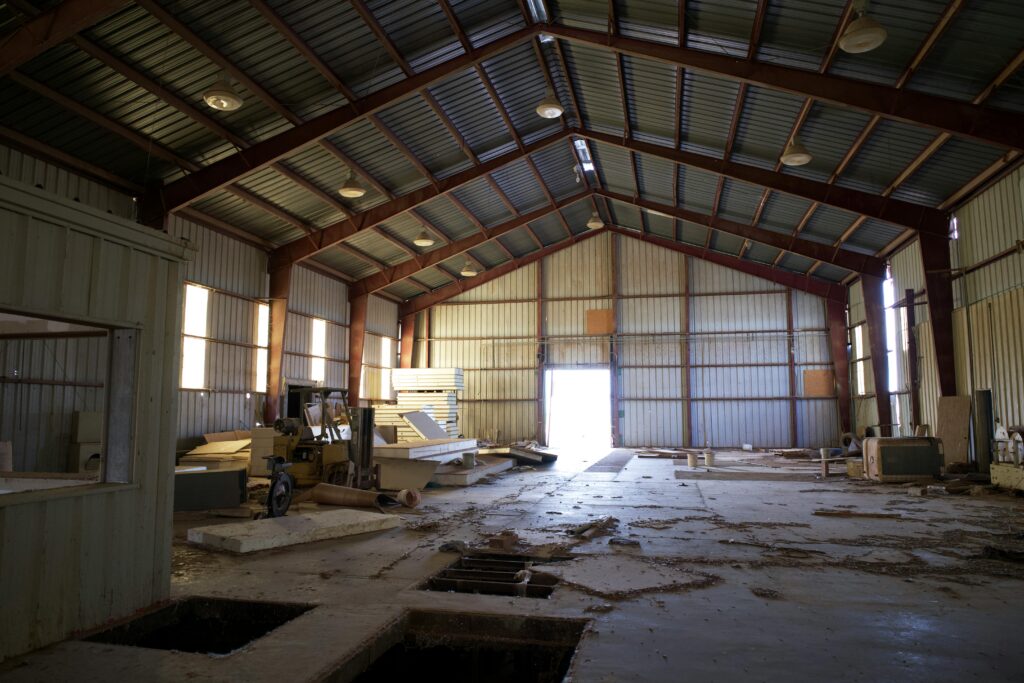
Abandoned storage units often represent more than unpaid rent or forgotten belongings. They create complicated situations that affect facility operations, safety, and legal compliance. Managers must navigate the delicate process of handling neglected items, protecting staff, following regulations, and preparing units for future tenants while treating abandoned possessions with professionalism and care.
The Reality of Abandoned Storage Units
Abandoned storage units create a unique mix of operational, legal, and emotional challenges for storage facilities. These units are often left untouched for years after tenants stop paying rent or disappear entirely. Inside, managers may find anything from old furniture and household goods to paperwork, forgotten valuables, and deeply personal belongings. The combination of clutter, neglect, and uncertainty creates significant obstacles that facilities must resolve quickly to return the unit to rentable condition.
Operational and Safety Challenges
Facility managers face difficult decisions when handling overdue or abandoned units. Beyond tracking unpaid balances and attempting to contact tenants, they must also assess the physical condition of the space. Many units contain hidden hazards such as exposed metal, spoiled food, mold, leaking chemicals, or improperly stored materials that can pose safety risks to staff and contractors. Managers must carefully balance compliance with lien laws and local regulations while handling personal belongings respectfully and maintaining detailed records of notices, inspections, and communications.
Efficient Cleanout Procedures
A structured cleanout process helps facilities restore abandoned units quickly and efficiently. Effective workflows often begin with an initial risk assessment followed by inventory and photographic documentation of the contents. Hazardous materials should be identified and separated before staged removal and final cleaning take place. Small, trained teams equipped with protective gear, carts, and compact lifting tools can complete cleanouts faster while minimizing damage to the property. Many facilities also outsource cleanouts to bonded local junk removal companies and waste disposal partners to reduce downtime and limit liability exposure.
Respectful Handling and Documentation
Proper documentation is essential throughout the cleanout process. Facilities should photograph unit contents before removing items and create detailed records for valuables or sensitive materials. Managers should also document every action taken, including tenant contact attempts, temporary storage arrangements, donation handling, auction preparation, or disposal procedures. Maintaining clear chain-of-custody records when transferring belongings to third parties helps protect facilities from disputes while ensuring compliance with auction and disposal regulations.
Reducing Downtime and Financial Loss
Fast junk removal and organized cleanout systems help facilities reduce financial losses tied to abandoned units. The quicker a unit is cleaned and returned to the market, the sooner it can begin generating revenue again. Rapid turnaround also limits unpaid fee accumulation and reduces long-term storage and maintenance costs. Through routine audits, standardized cleanup procedures, and partnerships with waste haulers and resale outlets, storage facilities can create predictable operational costs, recover lost value more efficiently, minimize legal risks, and maintain a stronger reputation with customers.
Conclusion
Managing a storage unit cleanout in the Bay Area can be a breeze with the right help! Local experts can save you time and make the process easier. If you have a small unit and a tight budget, doing it yourself might work. Costs vary based on how much you have, how easy it is to access, and what you need to throw away. Some companies that recycle, donate, or repurpose items might charge less and help the environment, too. For units that are left behind, make sure to document everything you do. A simple plan is important: sort quickly, bag up the trash, set aside donations, and call a hauler for the big items. If you want to keep things stress-free, hire local pros who can haul away your stuff, clean up, and provide receipts! Ready to move forward? Get three quotes, check reviews, and schedule your service this week.
Frequently Asked Questions
What does a typical storage unit cleanout include?
A cleanout often involves categorizing, tossing garbage, boxing up valuables, hauling donations or recyclables, and sweeping the unit. Experts typically offer labor, trucks, and disposal coordination to complete the process more quickly and neatly.
How much does a Bay Area storage unit cleanout cost?
Pricing depends on unit size, volume of items, and services. Expect US-style pricing adjusted for the local market, starting from the low hundreds for small DIY hauls to several hundred or more for full-service cleanouts with disposal and hauling.
Should I hire professionals or do a DIY cleanout?
Hire pros for large, bulky items, tight deadlines, or complicated disposal. DIY fits small units with limited items. Experts save you time and take care of disposal, minimizing your stress and liability.
How do I choose a reliable Bay Area cleanout service?
See what online reviews say, ask for an itemized quote, confirm licensing and insurance are valid, and inquire if they are responsible for disposal. Go with businesses that offer you written quotes and concrete deadlines.
Can items be donated or recycled during a cleanout?
Yes. Most services arrange donations and recycling. Request verification receipts and documentation of responsible disposal to demonstrate environmental accountability.
What happens with abandoned units in the Bay Area?
Storage facilities follow the contract and local law. They attempt contact, list contents for auction, or dispose of items after notice. Policies differ. Consult your rental agreement and state laws.
Are there eco-friendly disposal options in the Bay Area?
Yes. Seek out companies that divert items to donation centers, certified recyclers, and hazardous waste facilities. Request diversion rates and documentation so you know it is being handled appropriately.