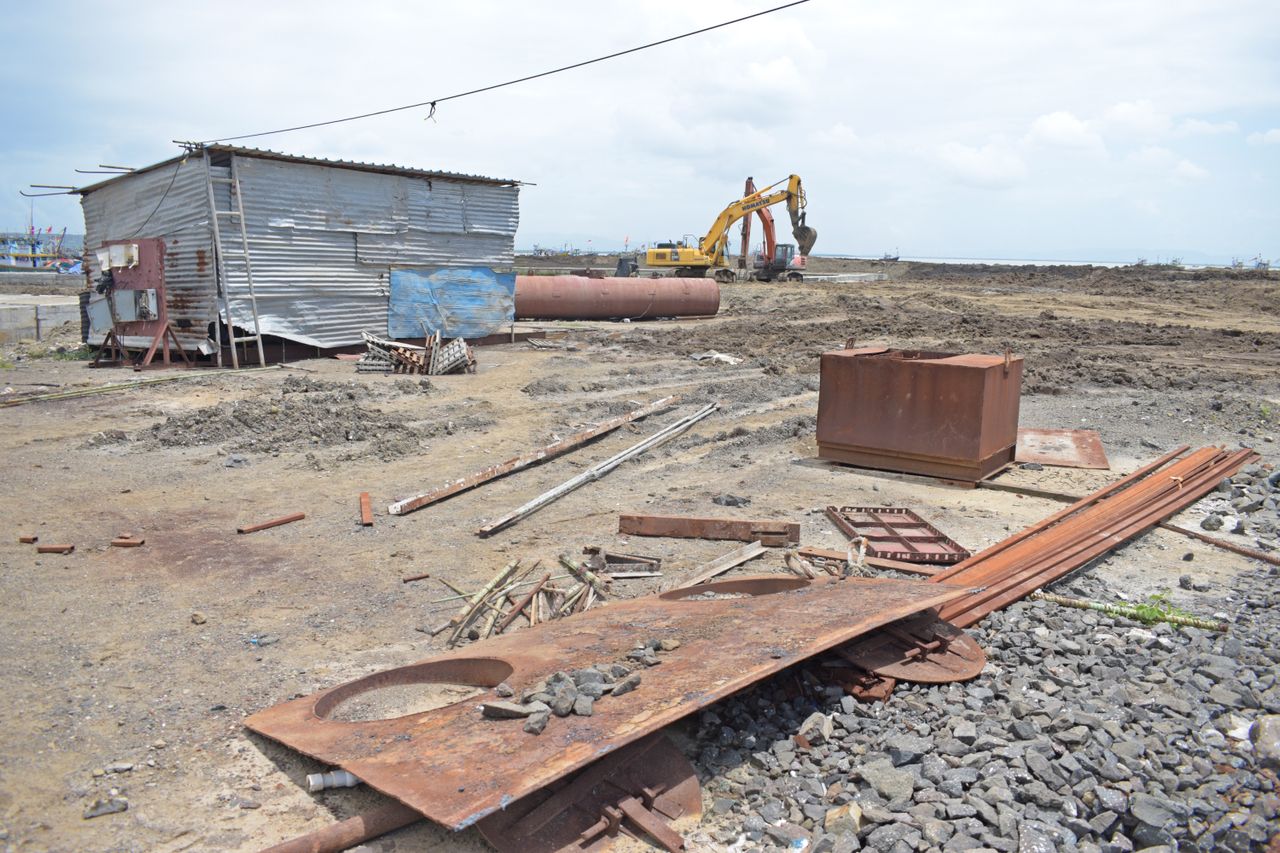
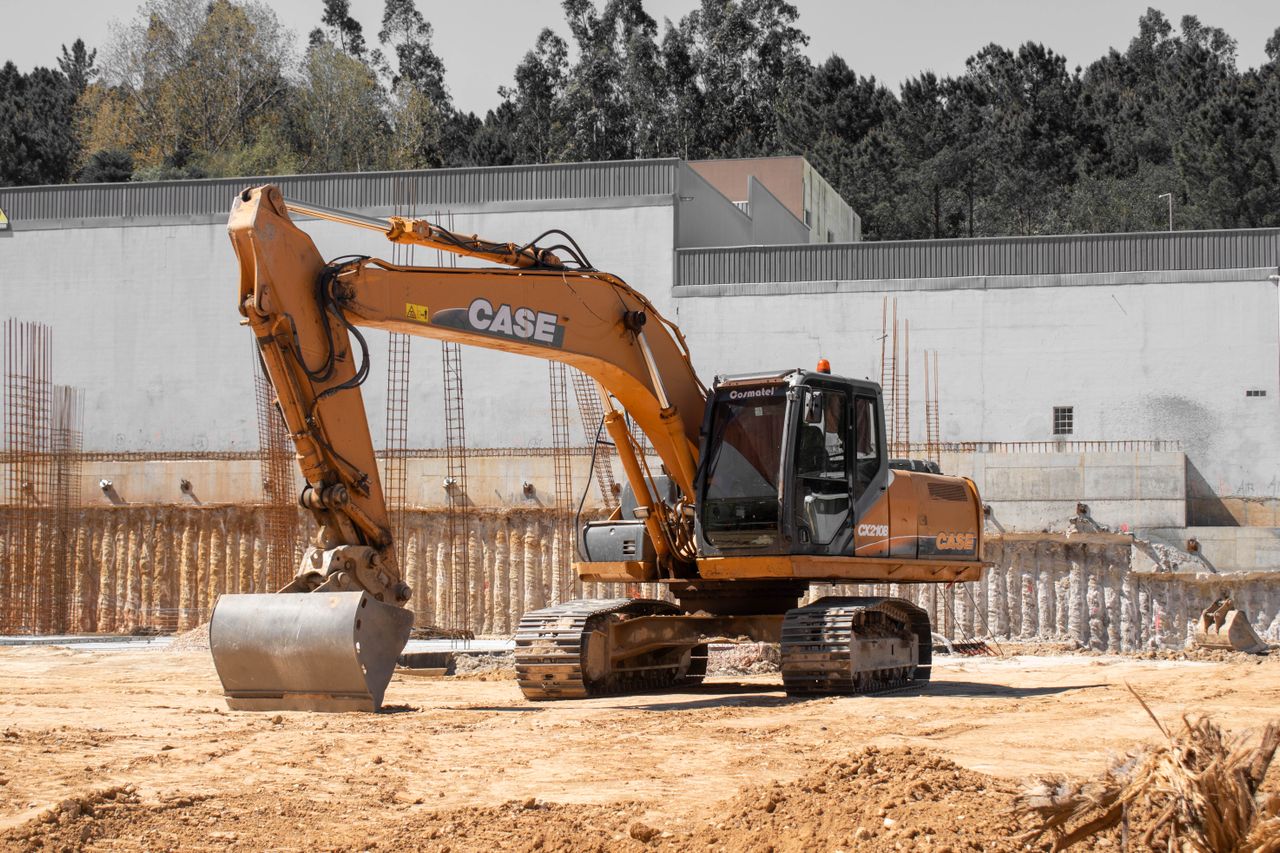
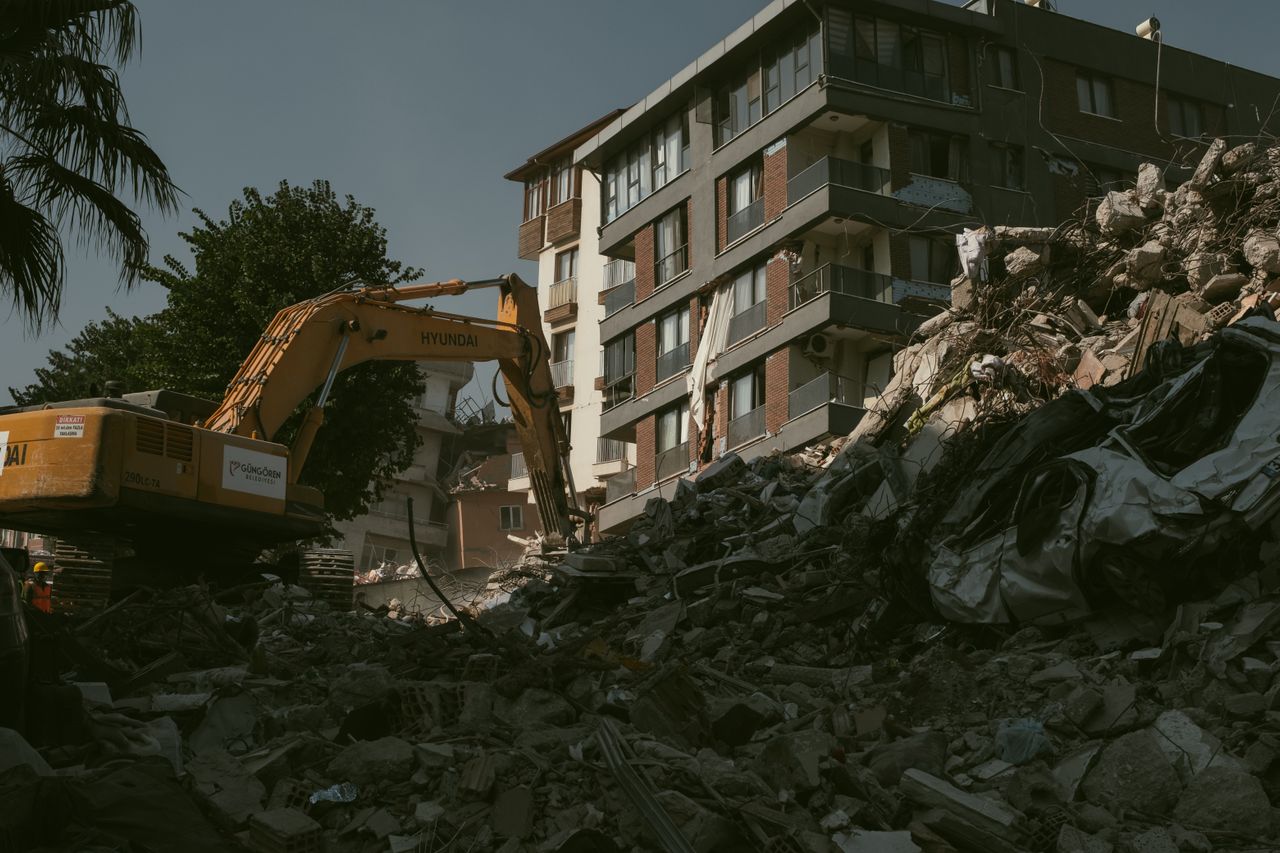
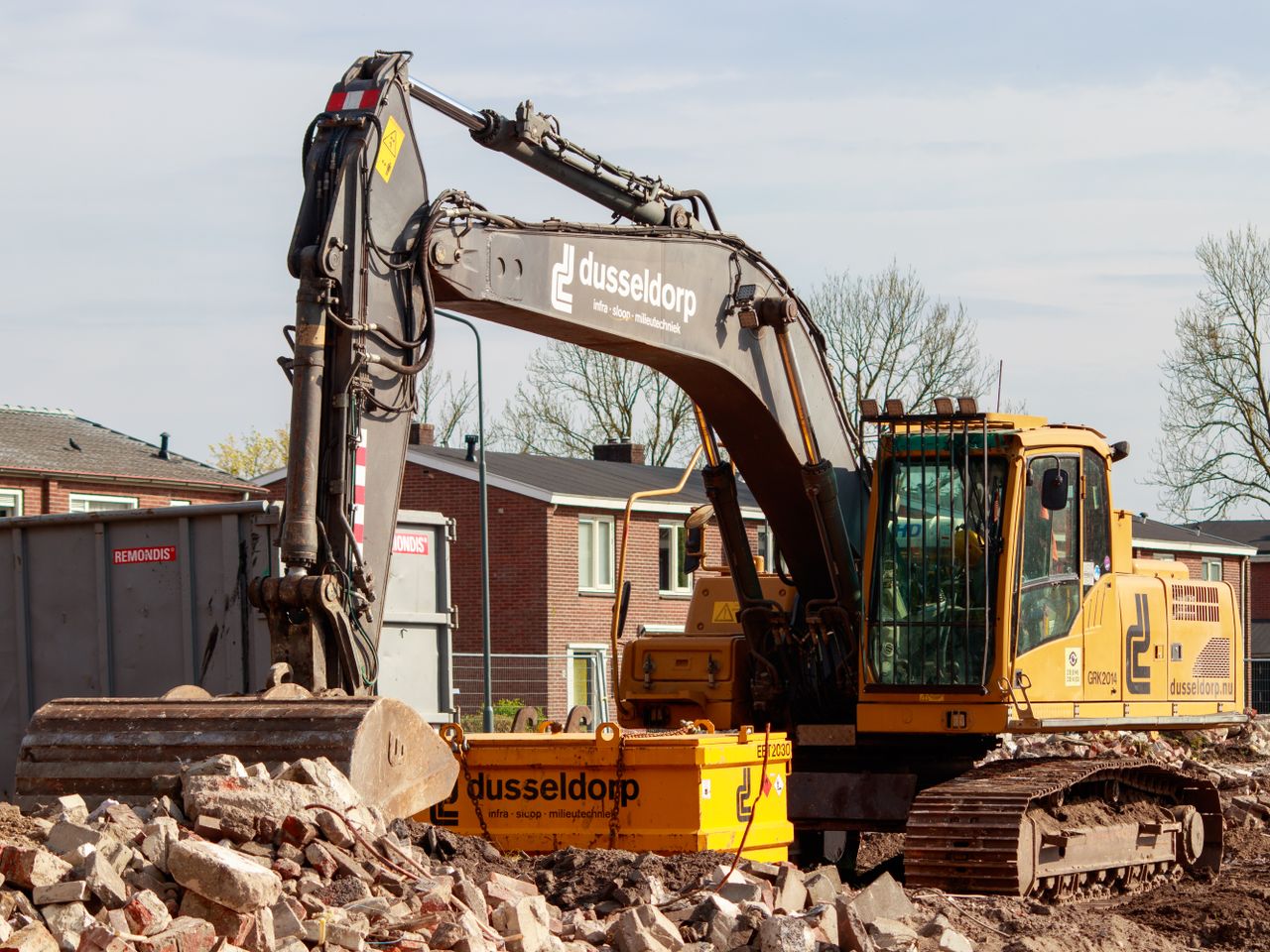
Commercial demolition creates a significant amount of material.
When a building is renovated, partially demolished, or completely removed, the resulting waste can include concrete, masonry, metal, wood, drywall, roofing materials, glass, insulation, flooring, fixtures, cabinetry, mechanical equipment, packaging, and other construction materials.
Without a plan, this material can quickly overwhelm a job site.
Piles of debris can restrict access, interfere with equipment, create safety concerns, slow production, and make it more difficult for workers to distinguish between materials that can be recovered and materials that need disposal.
Effective waste management solves these problems by establishing a system for handling materials from the moment they are removed until they reach their intended destination.
For commercial demolition projects in Richmond, waste management should be considered part of the demolition plan rather than something that happens after the building has already been taken apart.
A professional demolition team can assess the structure before work begins, identify materials with recovery potential, plan debris movement, coordinate hauling, and maintain organized work areas.
The objective is not necessarily to eliminate all waste. Instead, the goal is to manage materials responsibly and efficiently while supporting the project’s schedule, safety requirements, budget, and overall objectives.
Table of Contents
ToggleKey Takeaways
- Commercial demolition can generate large quantities of concrete, metal, wood, drywall, fixtures, roofing, glass, and other materials.
- Waste management should be planned before demolition begins.
- Materials should be separated whenever practical to improve recycling and recovery opportunities.
- Concrete and masonry may be processed for aggregate or other beneficial uses depending on material condition and available facilities.
- Metals are commonly separated because they have established recycling markets.
- Reusable fixtures and building components may be salvaged instead of discarded.
- Hazardous or potentially hazardous materials require specialized identification and handling.
- Dust, debris, hauling routes, and container placement should be considered during planning.
- Efficient waste removal helps prevent debris from interfering with active demolition.
- A well-organized site can improve both safety and productivity.
- Documentation and communication help project teams track waste handling and maintain accountability.
- The appropriate waste strategy depends on the building, materials, project scope, schedule, and available recycling or disposal options.
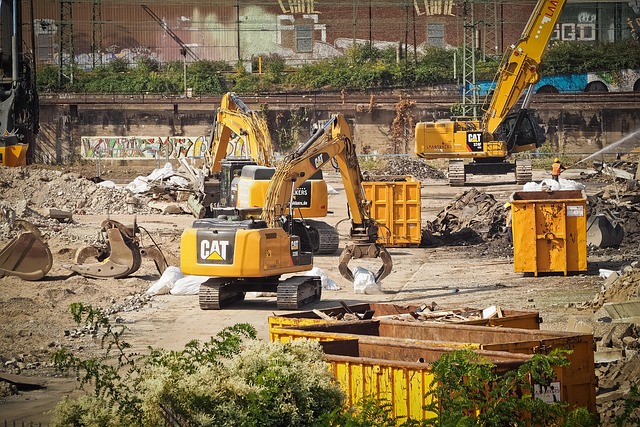
What Does Commercial Demolition Waste Management Involve?
Commercial demolition waste management is the organized process of identifying, handling, separating, transporting, recycling, recovering, and disposing of materials generated during demolition.
It begins before demolition and continues until the materials have reached their appropriate destinations.
Pre-Demolition Material Assessment
Before crews begin removing building components, the contractor can evaluate the property and identify the materials likely to be generated.
This assessment may consider:
- Concrete
- Brick
- Masonry
- Structural steel
- Metal framing
- Wood
- Drywall
- Glass
- Roofing materials
- Flooring
- Ceiling systems
- Doors
- Windows
- Cabinets
- Plumbing fixtures
- Mechanical equipment
- Electrical components
- Insulation
- Packaging and miscellaneous debris
Understanding the material mix helps the contractor determine how demolition should be sequenced and how waste should be handled.
Establishing Waste Streams
Not every material should be treated the same way.
A demolition site can be organized around separate waste streams so materials with recycling or reuse potential do not become mixed with materials that are more difficult to recover.
Depending on the project, separate streams may include:
- Scrap metal
- Concrete and masonry
- Clean wood
- Cardboard
- Reusable fixtures
- General construction debris
- Potentially hazardous materials
The specific categories depend on the project.
Why Waste Management Matters In Richmond Commercial Demolition
Waste management affects more than disposal.
It can influence safety, productivity, project costs, environmental performance, and the ability to complete demolition on schedule.
Keeping The Job Site Organized
Demolition creates constant movement.
Workers remove materials, equipment moves through the building, debris travels to staging areas, and trucks or containers may enter and leave the site.
If debris accumulates without organization, these activities become more difficult.
A planned waste management system keeps material out of important pathways and creates designated areas for collection.
Supporting Worker Safety
Debris can create trip hazards, obstruct access, interfere with equipment, and make emergency movement more difficult.
Removing waste regularly helps maintain a more controlled work environment.
Improving Productivity
Workers should spend their time performing productive demolition tasks rather than repeatedly moving debris out of their way.
An efficient hauling and sorting system can reduce unnecessary handling.
Reducing Unnecessary Disposal
When recoverable materials are separated early, they have a better chance of reaching recycling or reuse destinations.
This can reduce the volume of material requiring disposal.
Common Materials Generated During Commercial Demolition
The type and quantity of demolition waste vary by building.
A modern office, retail space, warehouse, restaurant, and older commercial structure can each produce a different material mix.
Concrete And Masonry
Concrete is one of the most common materials found in commercial construction and demolition.
It may come from:
- Foundations
- Slabs
- Walkways
- Curbs
- Structural elements
- Concrete walls
- Loading areas
Brick, block, and other masonry materials may also be generated.
When materials are clean and suitable, they may have opportunities for processing and beneficial reuse.
Metals
Metal can be found throughout commercial buildings.
Examples include:
- Structural steel
- Steel framing
- Copper
- Aluminum
- Ductwork
- Electrical components
- Piping
- Metal doors
- Hardware
Metal is often separated from other demolition debris because it has significant recycling potential.
Wood
Wood waste can include:
- Framing
- Doors
- Cabinets
- Pallets
- Trim
- Flooring
- Temporary materials
Depending on condition and contamination, some wood may be reusable or recyclable.
Drywall
Gypsum drywall is common in commercial interiors.
During demolition, drywall may be removed from partitions and ceilings.
Keeping drywall separate from certain other waste materials can improve recycling opportunities where appropriate facilities are available.
Glass
Windows, storefront systems, interior glass partitions, and other building components may generate glass waste.
Glass can require careful handling to reduce breakage and protect workers.
Roofing Materials
Commercial buildings can generate substantial quantities of roofing material during roof replacement or complete demolition.
The appropriate handling method depends on the type and condition of the roofing system.
Fixtures And Equipment
Commercial spaces may contain fixtures and equipment that can potentially be reused.
Examples include:
- Lighting
- Cabinets
- Sinks
- Doors
- Appliances
- Shelving
- Furniture
- Mechanical equipment
The contractor and property owner can determine whether these items should be salvaged, donated, reused, recycled, or disposed of.
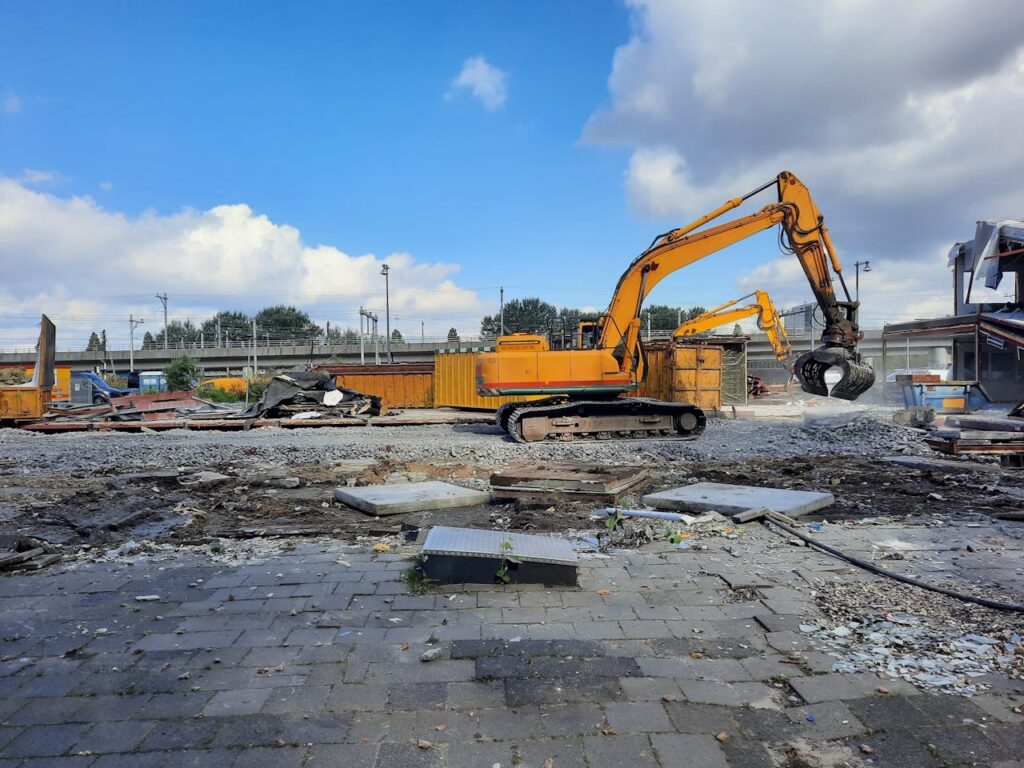
How Materials Are Sorted During Demolition
Sorting is an important part of waste management.
Source Separation
Source separation means materials are separated as they are removed instead of being mixed first.
For example, metal may be placed into a designated container while concrete is directed to another area.
This can improve material recovery and reduce contamination.
Secondary Sorting
On some projects, materials may initially be collected together and then sorted at a designated location.
The appropriate approach depends on site space, project size, available equipment, material types, and logistics.
Designated Staging Areas
A demolition project should have clearly identified locations for waste and recoverable materials.
These areas should not interfere with equipment access, emergency routes, or active work zones.
Recycling Concrete And Masonry
Concrete and masonry can represent a significant portion of demolition debris.
Processing Concrete
Clean concrete may be processed into aggregate or other useful material depending on its composition, condition, and the capabilities of the receiving facility.
This can reduce the need to dispose of large quantities of inert material.
Keeping Materials Clean
Contamination can affect recycling options.
Concrete mixed with excessive amounts of wood, trash, insulation, or other materials may require additional sorting or processing.
Proper separation at the demolition site can make material recovery easier.
Crushing And Processing
Depending on project circumstances, concrete may be transported to a processing facility where it can be crushed and screened.
The resulting material may have applications in construction or other uses.
Managing Scrap Metal
Metal recycling is a common part of commercial demolition waste management.
Separating Metal
Crews can separate metal from other demolition debris during removal.
Common recoverable metals include steel, aluminum, and copper.
Why Metal Recovery Matters
Recycling metal can keep valuable material in the manufacturing cycle instead of sending it to disposal.
It can also reduce the volume of mixed demolition debris.
Handling Metal Safely
Sharp edges and heavy components require appropriate handling procedures.
Large structural steel components may also require specialized equipment for removal and transportation.
Salvaging Reusable Materials
Not every useful item needs to become waste.
Before demolition begins, property owners and contractors may identify components that can be reused.
Common Salvage Opportunities
Potentially reusable items include:
- Doors
- Windows
- Cabinets
- Fixtures
- Hardware
- Flooring
- Architectural features
- Furniture
- Appliances
- Lighting
The condition, design, age, and market demand for these materials all influence whether salvage makes sense.
Planning Salvage Before Demolition
Salvage is more successful when planned.
If an item is expected to be reused, it should be removed carefully and stored appropriately.
Trying to identify salvage opportunities after demolition has already started can result in damage or unnecessary disposal.
Managing Wood Waste
Wood can be challenging because not all wood waste has the same recovery potential.
Reusable Wood
Structural lumber, doors, flooring, and other components in good condition may potentially be reused.
Recyclable Wood
Wood that is not suitable for direct reuse may have recycling or processing options depending on its condition.
Contaminated Wood
Wood that contains coatings, adhesives, contamination, or other undesirable materials may require different handling.
The contractor should evaluate the material before determining its destination.
Managing Drywall And Gypsum
Drywall can make up a significant portion of interior demolition waste.
Separate When Practical
Keeping gypsum materials separate from general debris may improve recycling opportunities where suitable processing services exist.
Avoid Excessive Contamination
Drywall mixed with large quantities of other waste can be more difficult to process.
Organized removal helps improve the quality of recyclable material.
Handling Hazardous And Potentially Hazardous Materials
Some demolition materials require special attention because they may pose health, safety, or environmental risks.
Examples can include certain asbestos-containing materials, lead-containing materials, fluorescent lamps, refrigerants, chemicals, and other regulated substances.
Identify Potential Hazards Before Demolition
Potentially hazardous materials should be evaluated before they are disturbed.
A pre-demolition assessment can help determine whether specialized testing or professional handling is necessary.
Separate Specialized Materials
Materials requiring special handling should not simply be mixed into general demolition debris.
They may need specialized containment, transportation, treatment, recycling, or disposal.
Follow Applicable Requirements
Commercial demolition projects in Richmond may be subject to applicable federal, California, and local requirements depending on the type of material and scope of work.
The demolition team should understand which requirements apply to the specific project.
Managing Dust During Demolition
Waste management also involves controlling dust generated during material removal and handling.
Why Dust Matters
Dust can affect workers, nearby occupants, neighboring properties, equipment, and the surrounding environment.
It can also make cleanup more difficult.
Planning Dust Control
The appropriate dust-control strategy depends on the demolition method, building type, weather, location, and materials involved.
Water, containment, ventilation, controlled removal, and other methods may be considered where appropriate.
Preventing Dust From Spreading
Keeping demolition areas controlled can reduce the amount of dust that moves into adjacent spaces.
This is especially important for commercial properties where neighboring businesses may remain operational.
Managing Debris Transportation
Once materials are removed, they must leave the site efficiently.
Choosing Appropriate Containers
Containers should be selected according to the type and volume of material.
Some projects may require separate containers for different waste streams.
Scheduling Hauling
If debris is generated faster than it can be removed, the job site can become congested.
Hauling should therefore be coordinated with expected demolition production.
Planning Truck Access
Commercial properties can have limited access.
The contractor may need to coordinate truck movement around:
- Building entrances
- Loading zones
- Parking areas
- Pedestrian routes
- Neighboring properties
- Active construction activities
Efficient access planning can reduce delays.
How Waste Management Supports The Demolition Schedule
Waste management and scheduling are closely connected.
Preventing Debris Piles From Blocking Work
When debris accumulates, workers may not be able to access certain areas.
Regular removal keeps the demolition sequence moving.
Reducing Double Handling
If materials are moved multiple times, labor and equipment are used inefficiently.
A well-planned collection system can reduce unnecessary movement.
Coordinating Containers With Production
Containers should be available when needed.
A full container that cannot be removed or replaced can interrupt demolition operations.
Waste Management During Interior Commercial Demolition
Interior demolition presents unique challenges.
Commercial interiors can include multiple floors, narrow corridors, elevators, occupied spaces, and limited staging areas.
Using Controlled Removal
Interior components may need to be removed in manageable sections.
This can make material handling safer and more efficient.
Protecting Existing Areas
If only part of a building is being renovated, retained areas may need protection from debris and dust.
Using Appropriate Equipment
Large machinery may not be suitable for interior spaces.
Smaller equipment and manual removal techniques may be more practical.
Waste Management During Full Building Demolition
Complete building removal can generate much larger quantities of material.
Plan The Sequence
The demolition sequence should account for structural stability, equipment access, debris movement, and material separation.
Coordinate Heavy Equipment
Excavators, loaders, and other equipment need adequate operating space.
Their movement should be coordinated with debris storage and hauling.
Manage High-Volume Waste
Large demolition projects may require multiple containers, trucks, or hauling cycles.
Estimating material volumes in advance helps prevent interruptions.
Richmond-Specific Considerations For Commercial Demolition Waste
Commercial demolition in Richmond requires attention to the characteristics of the local setting as well as the individual property.
Richmond includes established commercial areas, industrial properties, older buildings, redevelopment sites, and locations near active transportation corridors and neighboring businesses.
Older Commercial Buildings
Older structures can contain materials and building systems that require additional evaluation before demolition.
The age and construction history of a building can influence the waste profile.
Neighboring Properties
Commercial demolition may occur close to other businesses or occupied properties.
Waste management plans should consider how debris, dust, noise, trucks, and equipment movement could affect surrounding areas.
Limited Staging Space
Some Richmond properties may have limited space for containers and material storage.
A contractor may need to develop a carefully coordinated staging strategy.
Traffic And Access
Truck movement and equipment access should be considered during planning.
Efficient hauling routes can reduce interruptions to demolition and surrounding operations.
How Contractors Can Improve Waste Diversion
Waste diversion refers to keeping materials out of disposal streams through reuse, recycling, recovery, or other beneficial uses.
Perform A Waste Assessment
Before demolition, estimate the materials likely to be generated.
Identify Recycling Opportunities
Determine which materials have practical recycling destinations.
Prioritize Reuse
Items that can be directly reused may provide greater value than materials that are simply discarded.
Separate Materials
Keep recoverable materials separated whenever practical.
Track Results
Project teams can monitor the quantities and types of material diverted from disposal.
This can provide useful information for future projects.
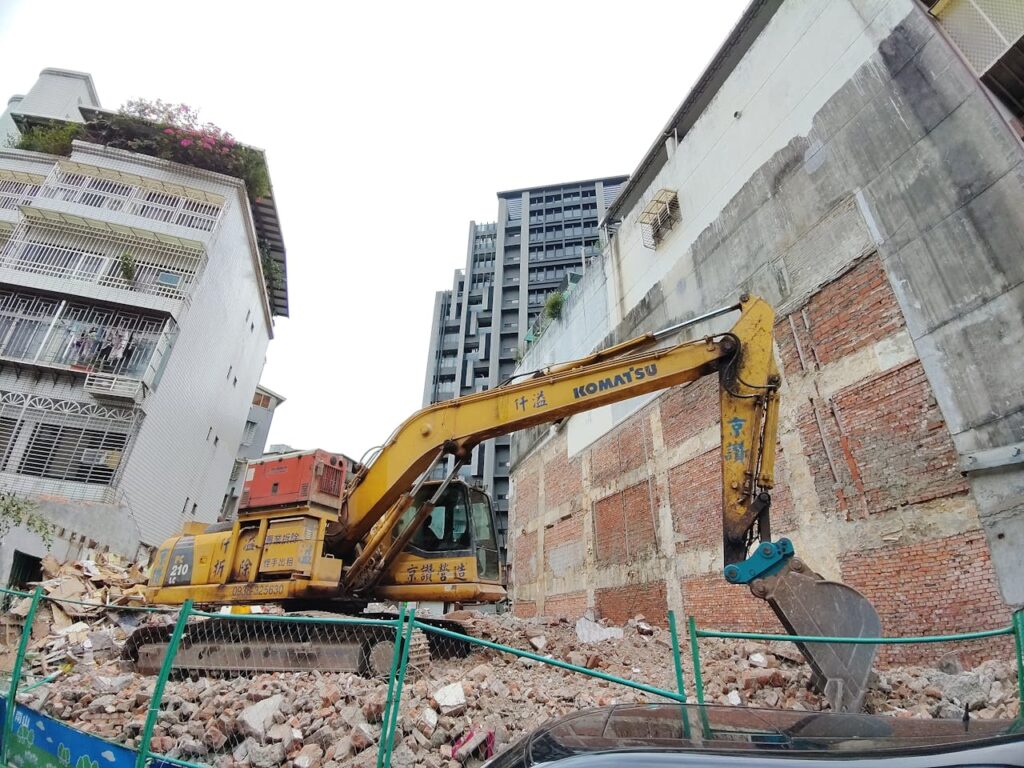
The Role Of A Professional Demolition Contractor
Professional demolition contractors play an important role in waste management.
Experience With Material Identification
Experienced crews can recognize common construction materials and understand how removal methods affect waste handling.
Efficient Removal
Good demolition sequencing can reduce unnecessary material handling.
Proper Equipment
The right equipment can improve productivity while supporting controlled removal.
Debris Coordination
A professional contractor can coordinate containers, hauling, staging, and removal schedules.
Communication
Clear communication with the property owner, general contractor, and other project participants helps ensure waste management activities align with the overall construction plan.
How Property Owners Can Prepare For Demolition Waste Management
Property owners can contribute to a successful demolition project by making important decisions before work starts.
Determine What Should Be Saved
Identify fixtures, equipment, furniture, architectural components, or other items that should remain.
Identify Reusable Items
Determine whether specific materials should be salvaged.
Communicate Project Priorities
If sustainability, recycling, reuse, or waste reduction is particularly important, communicate those goals to the demolition contractor.
Coordinate With The Project Team
Waste management should be incorporated into the overall construction schedule.
How Effective Waste Management Can Improve Project Efficiency
Waste management should not be viewed solely as an environmental responsibility.
It can also improve the day-to-day operation of the demolition site.
A clean work area gives equipment and workers more room to operate. Organized staging reduces unnecessary movement. Properly scheduled hauling prevents containers from becoming bottlenecks. Separating materials at the right time can reduce double handling.
These improvements can collectively support a smoother demolition process.
Balancing Cost, Schedule, And Waste Recovery
Every commercial demolition project has financial considerations.
The least expensive disposal option is not necessarily the best overall choice, and the highest possible recovery rate is not always practical.
The project team should consider:
- Labor
- Equipment
- Hauling
- Container costs
- Processing
- Storage
- Disposal
- Material recovery
- Schedule
- Site constraints
A practical waste management plan balances these factors.
Why Early Planning Makes A Difference
Waste management decisions made before demolition can have a much greater impact than decisions made after materials have already been mixed.
Early planning provides time to:
- Identify recoverable materials
- Coordinate specialized handling
- Estimate debris quantities
- Arrange containers
- Plan truck access
- Establish staging areas
- Coordinate neighboring activities
- Integrate waste management into the construction schedule
This preparation can help prevent avoidable disruptions.
Conclusion
Waste management is a major component of successful commercial demolition in Richmond. Removing a building is only one part of the process. Once materials are taken out, they must be handled in a way that supports safety, efficiency, recycling, recovery, and appropriate disposal.
A strong waste management strategy begins before demolition starts. Contractors can evaluate the building, identify material types, determine salvage opportunities, establish waste streams, coordinate containers and hauling, and plan how debris will move through the site.
Concrete, masonry, metal, wood, drywall, glass, roofing materials, fixtures, and other components may have different handling options. Some can potentially be reused or recycled, while others require appropriate disposal. Potentially hazardous materials require additional attention and should be evaluated and handled according to applicable requirements.
For Richmond commercial projects, site-specific conditions can make waste logistics particularly important. Access, neighboring businesses, occupied areas, traffic, limited staging space, building age, and project scheduling can all influence how waste is managed.
Professional demolition contractors can help integrate these considerations into the overall demolition plan. With careful preparation, organized sorting, efficient hauling, and clear communication, waste can be managed without unnecessarily slowing the project.
Ultimately, effective demolition waste management is about more than getting debris off the property. It is about creating a controlled process that protects workers, keeps the site organized, supports material recovery, reduces unnecessary disposal, and helps the demolition project move efficiently toward its next phase.
Frequently Asked Questions
1. What Types Of Waste Are Generated During Commercial Demolition In Richmond?
Commercial demolition can generate concrete, masonry, metal, wood, drywall, glass, roofing materials, flooring, insulation, fixtures, equipment, packaging, and general construction debris. The exact waste stream depends on the building and demolition scope.
2. How Is Demolition Waste Typically Managed?
Waste is generally identified, separated where practical, collected, transported, recycled, reused, processed, or disposed of at appropriate destinations. The process should be planned before demolition begins.
3. Can Concrete From A Commercial Demolition Project Be Recycled?
Clean concrete may have opportunities for processing and reuse as aggregate or other construction material, depending on its condition and the receiving facility.
4. Is Metal From Demolition Recyclable?
Yes. Many metals commonly found in commercial buildings can be recovered and recycled. Separating metal from mixed debris can make recovery more efficient.
5. Can Building Fixtures Be Reused?
Potentially. Doors, cabinets, lighting, plumbing fixtures, flooring, hardware, and other components may be reusable depending on their condition and the needs of the project.
6. Why Should Materials Be Separated During Demolition?
Separating materials can reduce contamination and make recycling, reuse, and recovery easier. It can also reduce the amount of mixed debris requiring disposal.
7. How Does Waste Management Affect The Demolition Schedule?
Poor waste management can cause debris to accumulate, restrict access, interfere with equipment, and create additional handling work. Efficient debris removal helps maintain productivity.
8. What Are Hazardous Demolition Materials?
Depending on the building, potentially hazardous materials can include certain asbestos-containing materials, lead-containing materials, chemicals, refrigerants, fluorescent lamps, and other regulated substances. These materials may require specialized evaluation and handling.
9. Should Hazardous Materials Be Mixed With Regular Demolition Debris?
No. Materials requiring specialized handling should be identified and managed separately according to applicable requirements.
10. How Can Demolition Contractors Reduce Waste?
Contractors can reduce waste through careful planning, material salvage, source separation, recycling, reuse, efficient material handling, and coordination with appropriate recovery facilities.
11. Does Every Commercial Demolition Project Need Separate Waste Containers?
Not necessarily. Container requirements depend on the project’s size, materials, site conditions, recycling strategy, and available disposal or recovery options.
12. How Does A Contractor Estimate Demolition Waste?
Estimates can consider the building’s size, construction type, materials, demolition scope, interior components, structural systems, and expected production rates. Site assessments can improve the accuracy of these estimates.
13. Why Is Staging Important For Demolition Waste?
Staging areas provide designated locations for debris and recoverable materials. Proper placement prevents waste from interfering with workers, equipment, access routes, and other construction activities.
14. Can waste management help reduce demolition costs?
It can. Efficient sorting, reduced double handling, material recovery, recycling, and well-planned hauling may reduce certain project expenses. Actual savings depend on project-specific conditions.
15. What Should Property Owners Discuss With A Demolition Contractor?
Property owners should discuss the demolition scope, materials to be preserved, salvage opportunities, waste management goals, hazardous-material concerns, site access, container placement, hauling, scheduling, and communication procedures.
16. How Important Is Waste Management For Interior Demolition?
It is especially important when working inside occupied or partially occupied commercial buildings. Limited space can cause debris to interfere with workers and equipment quickly, making organized removal essential.
17. Can Demolition Waste Be Reused Instead Of Recycled?
Yes. Some materials can potentially be reused directly. Reuse may include incorporating materials into another project, donating components, or using salvaged materials for another purpose.
18. Does Building Age Affect Demolition Waste Management?
Yes. Older buildings may contain different construction materials, building systems, and potentially hazardous substances than newer structures. The building’s history and condition should be considered during planning.
19. Why Should Waste Management Be Planned Before Demolition?
Early planning makes it easier to identify materials, arrange specialized handling, estimate debris volumes, coordinate hauling, establish staging areas, and integrate waste removal with the demolition schedule.
20. How Can A Professional Demolition Contractor Help With Waste Management?
A professional contractor can evaluate the site, identify material streams, plan removal sequences, coordinate equipment and hauling, organize debris, identify recovery opportunities, and incorporate waste management into the overall demolition process.
Commercial Demolition Services That Clear The Way For What’s Next
Every successful renovation, buildout, or redevelopment project starts with a clean slate. Junked: Powered by Veterans™ provides professional commercial demolition services throughout the Bay Area, helping property owners, contractors, businesses, and property managers remove what’s no longer needed and prepare the space for its next phase.
Whether you’re gutting an office, clearing out a retail space, preparing a restaurant for renovation, removing interior walls and fixtures, or getting a commercial property ready for construction, our veteran-led crew is equipped to handle the job safely and efficiently.
We don’t just tear things out. We help keep your project moving.
Commercial Demolition Without The Headaches
- Interior Demolition: Walls, ceilings, flooring, cabinetry, fixtures, built-ins, and other interior components.
- Office, Retail & Restaurant Demolition: Clearouts and demolition for remodels, tenant improvements, relocations, and new buildouts.
- Warehouse & Commercial Property Demolition: Removal of unwanted structures, improvements, equipment areas, and other materials.
- Complete Debris Removal: Once the demolition is finished, we haul away the debris and leave the site clean and ready for the next trade.
- Reliable Scheduling: We understand that delays can affect every stage of a commercial project, so we show up ready to work and keep the job moving.
- Veteran-Led Professionalism: Clear communication, dependable crews, organized work areas, and a strong commitment to doing the job right.
Clear It Out. Clean It Up. Move The Project Forward.
Commercial demolition is often the first major step in transforming a property. The faster and cleaner that step gets done, the sooner your contractors can get to work on what comes next.
Junked: Powered by Veterans™ makes the process simple by combining demolition, debris removal, and cleanup into one dependable service.
If you’re planning a commercial renovation, tenant improvement, property redevelopment, or buildout in the Bay Area, let us handle the demolition and heavy lifting.
Disclaimer
The materials available on this website are for informational and entertainment purposes only and not to provide legal or professional advice. You should contact your attorney or home improvement specialist for advice concerning any particular issue or problem. You should not act or refrain from acting based on any content included in this site without seeking legal or other professional advice. The information presented on this website may not reflect the most current home improvement developments. No action should be taken based on the information on this website. We disclaim all liability concerning actions taken or not taken based on any or all of the contents of this site to the fullest extent permitted by law.