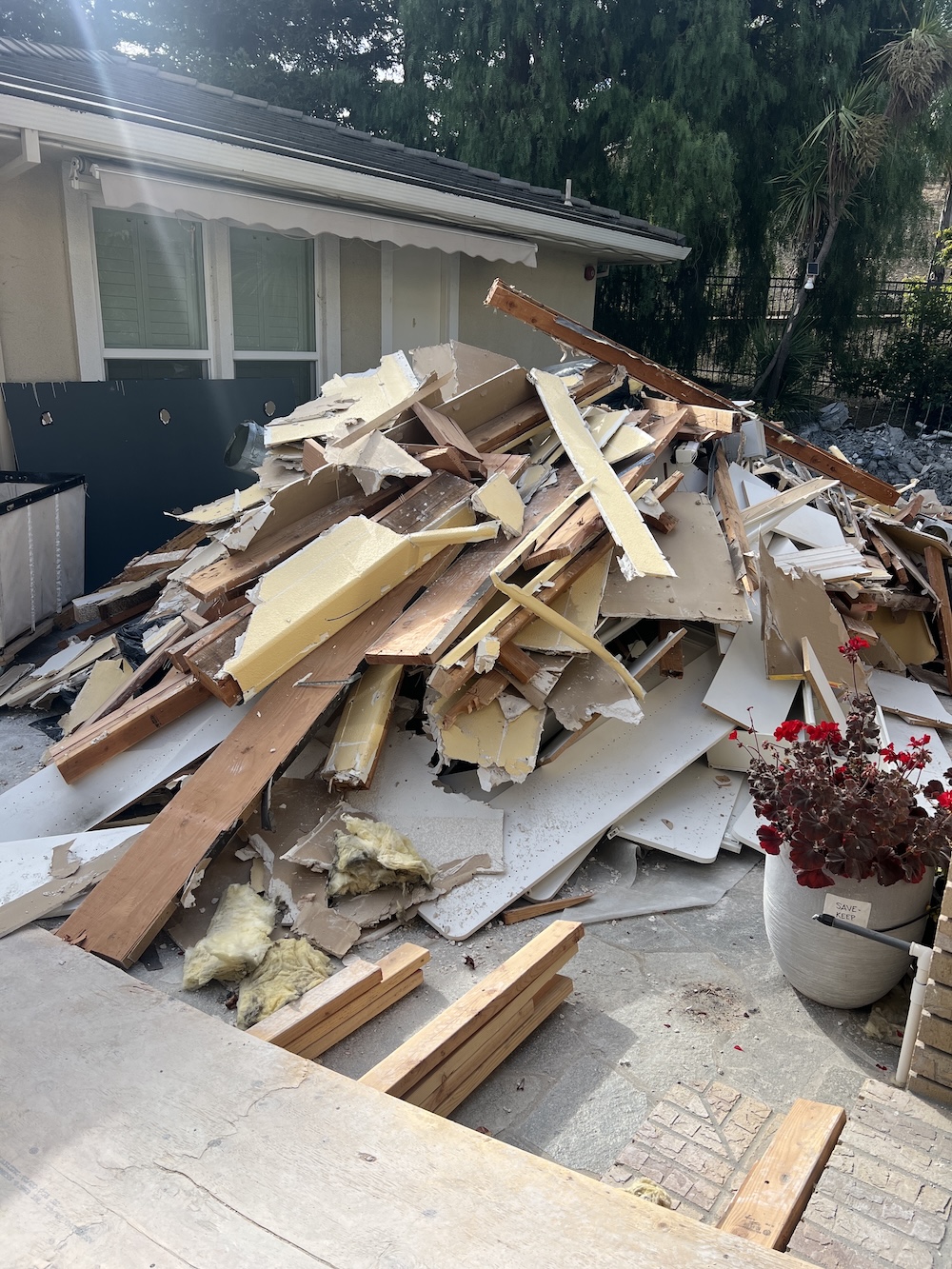
Commercial demolition can involve much more than swinging a hammer or operating heavy equipment. Before work begins, contractors need to understand the building, determine what must be removed, identify potential hazards, coordinate with other trades, establish work zones, plan debris removal, and develop a sequence that supports the overall construction schedule.
Even relatively straightforward demolition can encounter unexpected obstacles. Hidden utilities, unsuitable access, restricted working hours, structural concerns, limited staging space, unexpected materials, or delays in debris hauling can interrupt productivity.
For commercial property owners, developers, general contractors, and construction managers, minimizing downtime is therefore a major priority. The demolition phase should be organized around the project’s larger objectives rather than treated as an isolated activity.
A reliable demolition partner can help reduce interruptions by developing a detailed scope, identifying potential challenges before mobilization, maintaining effective communication, and adjusting operations when site conditions change.
The key is preparation. The more thoroughly the demolition phase is planned, the fewer surprises are likely to interfere with the schedule.
Table of Contents
ToggleKey Takeaways
- Detailed pre-demolition planning can prevent many avoidable delays.
- A clearly defined scope helps crews understand exactly what must be removed.
- Scheduling demolition around the larger construction timeline can reduce disruptions.
- Early identification of utilities, hazardous materials, structural conditions, and access limitations is essential.
- Experienced demolition crews can make better decisions when unexpected conditions appear.
- Proper equipment selection can improve productivity and reduce unnecessary labor.
- Efficient debris removal prevents waste from interfering with active work areas.
- Communication between the demolition contractor, general contractor, property owner, and other trades is critical.
- Work should be sequenced so that completed areas can be released to the next phase as quickly as possible.
- Safety should remain a priority because accidents and unsafe conditions can cause significant schedule interruptions.
- Contingency planning gives the project team options when unexpected problems occur.
- Daily progress monitoring helps identify schedule risks before they become major delays.
Start With Detailed Pre-Demolition Planning
One of the most effective ways to minimize downtime is to invest time in planning before demolition begins.
Planning allows the project team to identify constraints, establish priorities, and determine how work should proceed.
Conduct A Site Walk
A site walk can reveal conditions that are not obvious from drawings.
The demolition team can evaluate:
- Site access
- Building entrances
- Loading areas
- Stairways
- Elevators
- Ceiling heights
- Floor conditions
- Interior pathways
- Equipment access
- Debris removal routes
- Available staging areas
- Occupied areas
- Potential work restrictions
Understanding these factors before mobilization helps crews develop a more realistic plan.
Establish Demolition Limits
Clearly marked demolition limits help prevent confusion.
Crews should know which elements are being removed and which must remain. In renovation projects, this distinction is especially important because demolition may occur directly beside finished or occupied areas.
Clear limits can reduce accidental damage and minimize rework.
Coordinate Demolition With The Overall Construction Schedule
Demolition should not be scheduled independently of the larger project.
Instead, it should support the activities that follow.
Identify Critical Path Activities
The project team should determine which activities depend directly on demolition completion.
For example, framing cannot begin in an area until the necessary walls and debris have been removed. New flooring cannot be installed until the existing flooring is demolished and the substrate is ready.
Understanding these dependencies allows the demolition team to prioritize areas that affect the project’s critical path.
Consider Phased Demolition
Instead of demolishing an entire property at once, some commercial projects benefit from phased demolition.
A building may be divided into zones so that one section can be demolished and released to the next trade while demolition continues elsewhere.
This approach can reduce overall project downtime because construction activities can begin sooner in completed areas.
Coordinate With Other Trades
Communication with subcontractors is essential.
For example, a demolition crew should know when electricians need access to a particular area, when plumbing work is scheduled, or when a space must be turned over to farmers.
When trades understand each other’s schedules, conflicts can be reduced.
Perform A Thorough Site Assessment
A site assessment provides valuable information that can influence demolition methods, staffing, equipment, and scheduling.
Identify Access Restrictions
Commercial buildings may have narrow entrances, limited loading areas, parking restrictions, or difficult interior access.
If equipment or debris containers cannot be positioned conveniently, productivity may decrease.
Planning access routes helps avoid unnecessary movement.
Identify Utility Locations
Existing utilities should be evaluated before demolition begins.
Electrical systems, plumbing, gas lines, HVAC systems, fire protection components, and communications infrastructure can all affect demolition activities.
Proper coordination and verification reduce the risk of unexpected interruptions.
Evaluate Structural Conditions
Structural components require special attention.
Walls, floors, beams, columns, and other components may have structural functions that are not immediately obvious.
Understanding the building’s construction and identifying elements that must remain can help the demolition team determine the safest and most efficient sequence.
Use Efficient Equipment And Maintain It Properly
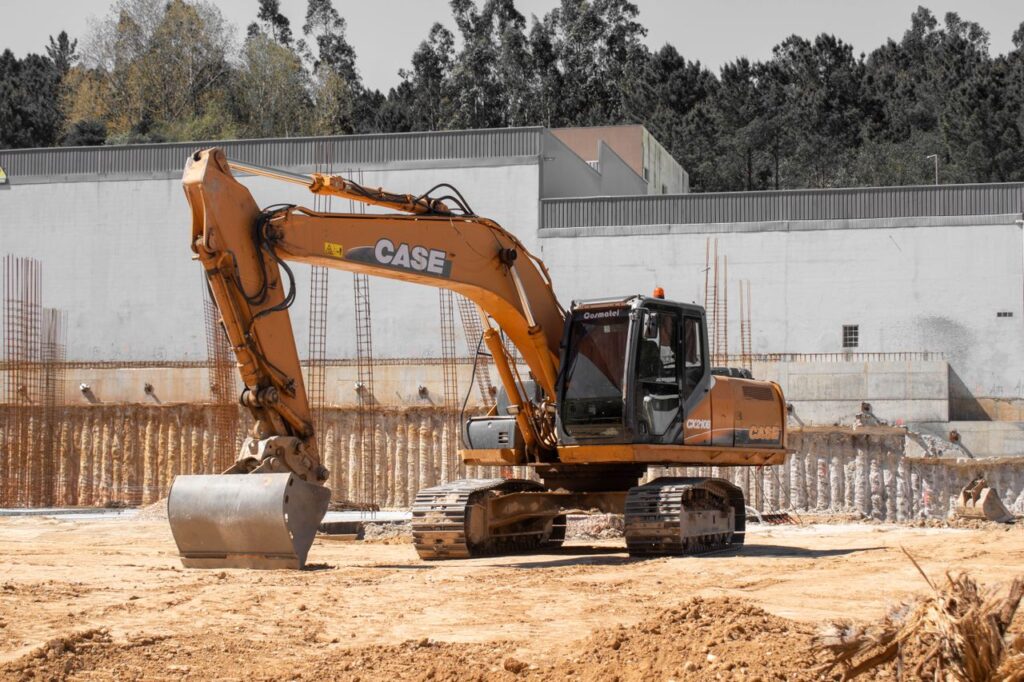
Equipment selection can have a direct effect on project productivity.
Match Equipment To The Site
Large machinery may be highly productive in open areas but impractical in confined commercial spaces.
Smaller equipment may provide better maneuverability in tight areas.
The goal is not simply to use the largest available machine. It is to select equipment that can perform the required work efficiently within the site’s limitations.
Reduce Equipment Changeovers
Frequent equipment changes can consume valuable time.
Whenever practical, demolition activities should be organized so that crews can complete multiple related tasks using the same equipment before switching to another machine.
This can reduce idle time and improve workflow.
Maintain Equipment
Mechanical failures can quickly interrupt demolition.
Routine inspection and maintenance can reduce the likelihood of unexpected breakdowns.
Equipment should be checked before work begins, and operators should report problems promptly.
Preventive maintenance is generally less disruptive than dealing with a major equipment failure in the middle of a critical demolition phase.
Develop An Efficient Debris Removal Strategy
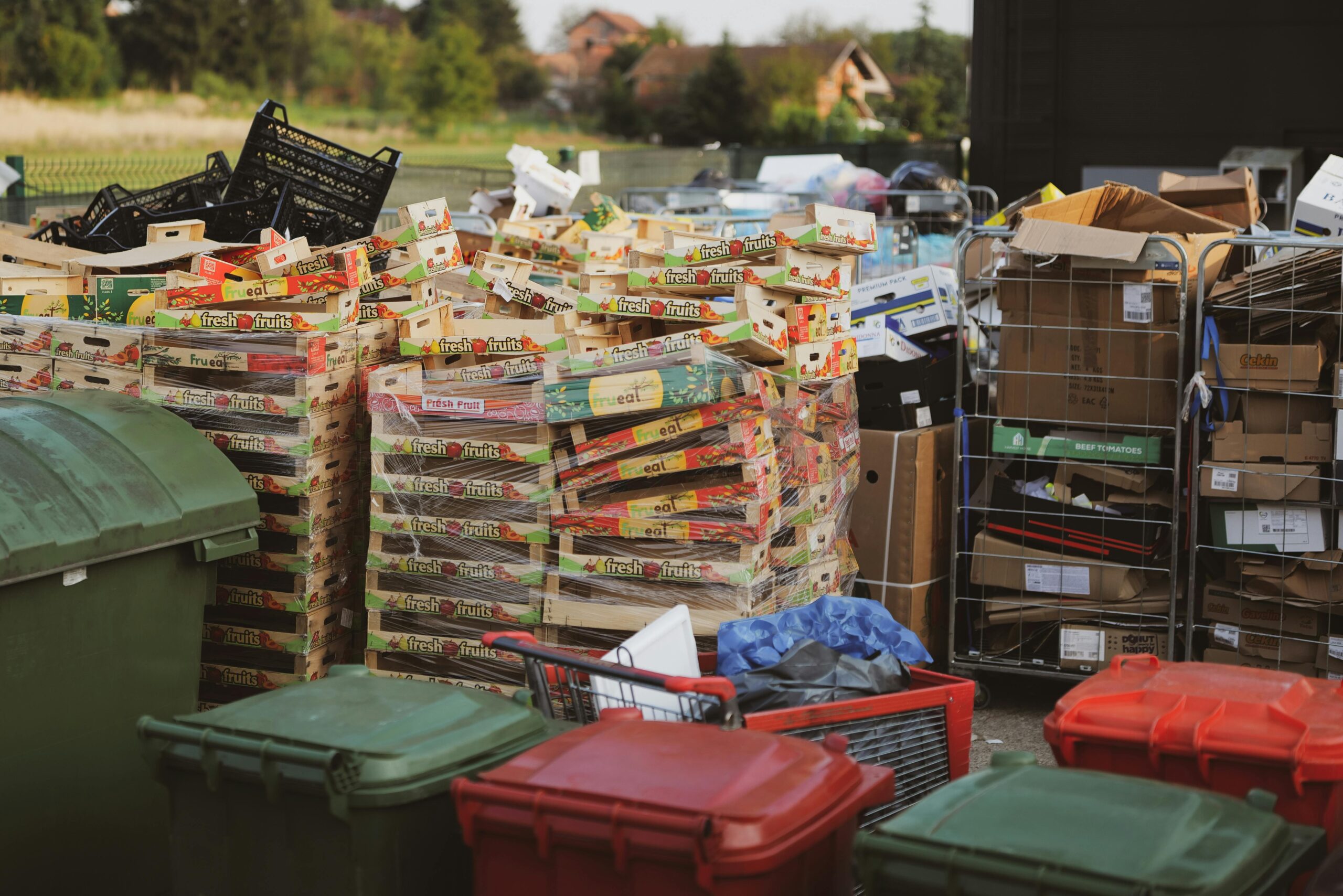
Removing debris is one of the most important parts of maintaining demolition productivity.
Avoid Excessive Debris Accumulation
A work area filled with debris becomes harder to navigate.
Workers may spend more time moving materials around rather than completing demolition tasks.
A planned debris removal schedule helps keep work areas organized.
Establish Clear Hauling Routes
The project team should determine how debris will travel from the demolition area to the designated disposal or staging location.
Routes should account for building access, equipment movement, workers, and other active construction operations.
Coordinate Containers And Hauling
If dumpsters, containers, trucks, or other hauling resources are needed, they should be coordinated with the expected volume of debris.
A full container that cannot be replaced promptly can bring demolition to a standstill.
Planning hauling capacity around production rates helps keep material moving.
Maintain A Clean And Organized Work Area
Good housekeeping is more than a safety consideration. It can also improve productivity.
Keep Pathways Clear
Workers and equipment need reliable pathways through the work area.
Removing debris from these pathways can reduce unnecessary movement and make it easier to transport tools and materials.
Establish Staging Areas
Tools, equipment, protective materials, and other resources should have designated locations.
A disorganized site can lead to wasted time searching for equipment or moving materials out of the way.
Separate Active And Completed Areas
When possible, completed areas should be clearly separated from active demolition zones.
This helps protect finished work and allows other trades to begin their activities without interfering with ongoing demolition.
Protect Areas That Will Remain
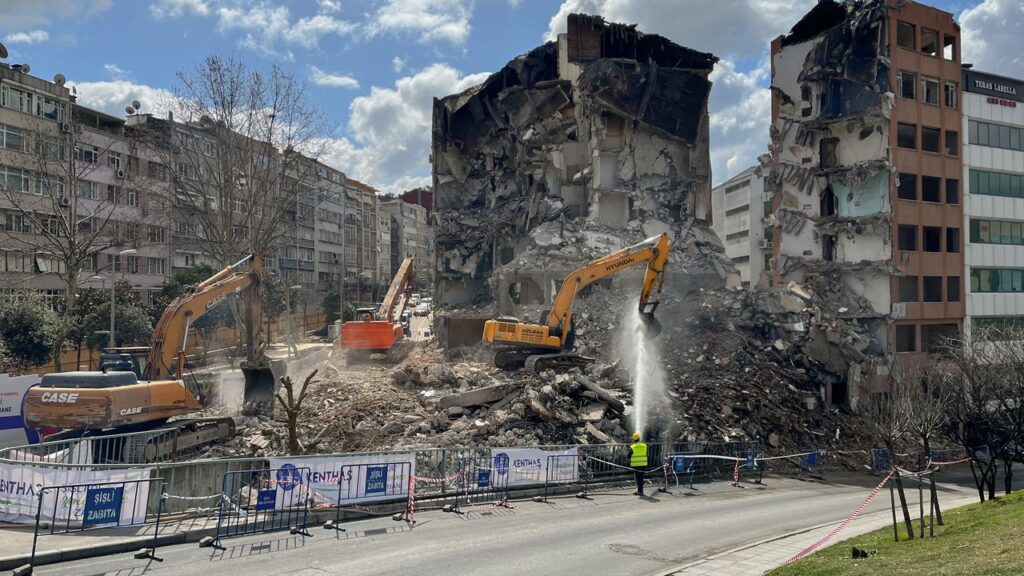
Damage to retained portions of a building can create significant delays.
Use Appropriate Protection
Depending on the project, protection may include barriers, temporary coverings, dust-control measures, floor protection, or other protective systems.
The specific approach should reflect the sensitivity of adjacent spaces.
Prevent Rework
If a retained wall, floor, fixture, or piece of equipment is accidentally damaged, repairs may become necessary.
Those repairs can introduce additional labor, materials, scheduling issues, and coordination requirements.
Careful demolition is therefore often faster overall than rushing through the initial removal phase.
Improve Communication Among Project Participants
Communication is one of the simplest and most effective ways to reduce downtime.
Establish A Primary Point Of Contact
The demolition team should know who is responsible for making decisions and answering questions.
A clear communication structure can prevent delays caused by uncertainty.
Hold Regular Coordination Meetings
Short meetings can address:
- Current progress
- Upcoming demolition activities
- Site access
- Safety concerns
- Debris removal
- Trade coordination
- Schedule changes
- Unexpected conditions
Regular communication allows the project team to address problems before they become major disruptions.
Report Unexpected Conditions Quickly
If crews discover an unexpected condition, it should be communicated promptly.
Waiting too long can cause other trades to make plans based on incorrect assumptions.
Fast communication gives project managers more options.
Use Experienced Demolition Professionals
Experience can make a substantial difference in demolition productivity.
Experienced crews understand how to evaluate a site, select appropriate methods, sequence work, operate equipment, and respond to unexpected conditions.
Experience Improves Problem-Solving
Commercial demolition rarely proceeds exactly as expected.
Experienced professionals are often better prepared to recognize potential issues and adjust their approach without unnecessarily disrupting the project.
Experience Supports Better Sequencing
The order in which demolition tasks are completed can affect both safety and productivity.
Experienced crews can develop sequences that reduce unnecessary movement and allow completed areas to be released efficiently.
Experience Reduces Avoidable Mistakes
Errors can create rework, additional cleanup, damaged materials, or scheduling problems.
Professional planning and experienced execution help reduce these risks.
Prioritize Safety Without Sacrificing Productivity
Safety and efficiency should not be treated as competing objectives.
Unsafe practices can actually create substantial downtime.
Identify Hazards Before Work Begins
Potential hazards should be identified during planning and site assessment.
These may include unstable materials, hazardous substances, energized systems, restricted access, falling-object risks, dust, noise, and other site-specific conditions.
Train Workers
Workers should understand the demolition plan, site rules, equipment procedures, emergency processes, and relevant hazards.
Well-trained crews can work more confidently and efficiently.
Maintain Appropriate Controls
Depending on the project, controls may address dust, debris, access, noise, falling materials, equipment movement, and other hazards.
A controlled work environment can help maintain steady productivity.
Plan For Unexpected Problems
Even a carefully planned demolition project can encounter unforeseen conditions.
The goal is not to eliminate every possible surprise but to prepare for reasonable contingencies.
Build Schedule Flexibility
A realistic schedule should account for potential disruptions.
This does not mean adding excessive time to every project. Instead, the team should understand which activities have flexibility and which are schedule-critical.
Maintain Backup Options
Where practical, project teams can consider alternate equipment, additional hauling capacity, backup labor resources, or alternate work areas.
Having options can prevent a single problem from stopping the entire project.
Prioritize Work When Conditions Change
If one area becomes temporarily unavailable, crews may be able to shift to another task.
A flexible demolition plan allows productive work to continue while an issue is resolved.
Monitor Progress Daily
Downtime becomes easier to control when the project team knows exactly how work is progressing.
Compare Actual Progress With The Schedule
Managers should regularly compare completed work with planned production.
If demolition is consistently falling behind, the cause should be investigated immediately.
Track Productivity
Useful measurements may include:
- Areas completed
- Material removed
- Equipment utilization
- Labor hours
- Debris volumes
- Daily production
- Schedule milestones
These measurements can reveal developing problems.
Address Small Delays Early
A minor delay on one day may become a major schedule problem if it continues unchecked.
Daily monitoring provides an opportunity to make adjustments before the project falls significantly behind.
Use Technology To Improve Coordination
Modern construction technology can support better communication and project visibility.
Digital Plans
Digital drawings and project documents can make it easier for team members to access current information.
Progress Documentation
Photographs and digital reports can help document completed work and identify areas that still require attention.
Scheduling Tools
Shared schedules can help contractors coordinate demolition with other trades and upcoming construction activities.
Technology does not replace field experience, but it can make information easier to communicate.
Consider Environmental And Occupancy Constraints
Commercial demolition may occur in occupied buildings or areas near active businesses.
Coordinate With Building Occupants
If portions of the property remain operational, demolition activities may need to be scheduled around business operations.
Advanced communication can help reduce disruptions.
Control Dust And Noise
Dust and noise can interfere with neighboring work areas and occupants.
Appropriate controls and scheduling can help minimize these impacts.
Plan Deliveries And Hauling Carefully
Truck arrivals, debris removal, equipment movement, and material deliveries should be coordinated so they do not compete for limited access.
Avoid Cutting Corners To Save Time
It may seem tempting to accelerate demolition by skipping planning steps or using aggressive removal methods.
However, shortcuts can create bigger problems later.
A rushed demolition may lead to damaged retained structures, excessive debris, equipment problems, safety incidents, or rework.
The fastest approach is usually the one that maintains a steady workflow from beginning to end.
Efficiency comes from coordination, not simply from working faster.
Conclusion
Minimizing downtime during commercial demolition requires much more than completing physical removal as quickly as possible. The most efficient demolition projects are carefully planned, properly staffed, well coordinated, and continuously monitored.
The process should begin before crews arrive at the property. A detailed scope, site assessment, demolition sequence, equipment plan, debris strategy, and communication process can help eliminate many common causes of delay.
During the project, experienced crews should maintain organized work areas, coordinate with other trades, protect retained portions of the building, manage debris efficiently, and respond quickly to changing conditions.
Safety should remain an essential part of the process. Preventing accidents, equipment failures, and avoidable damage can protect both workers and the schedule.
Ultimately, the best demolition partner understands that demolition is only one phase of a larger construction project. The objective is not simply to remove existing materials. It is to complete the work efficiently and safely so the next phase can begin with as little interruption as possible.
By treating demolition as an integrated part of the overall project schedule, contractors and property owners can reduce downtime, improve coordination, control unnecessary costs, and create a smoother transition into construction.
Frequently Asked Questions
1. What Is The Best Way To Minimize Downtime During Commercial Demolition?
The best approach is comprehensive planning before work begins. A clearly defined scope, detailed site assessment, efficient demolition sequence, proper equipment, debris management, and coordination with other trades can significantly reduce avoidable delays.
2. Why Is Demolition Planning Important?
Demolition planning helps identify potential problems before crews begin work. It allows the team to understand the building, determine what must be removed, establish work zones, select equipment, plan debris removal, and coordinate the schedule with subsequent construction activities.
3. Can Phased Demolition Reduce Project Delays?
Yes. Phased demolition can allow completed sections to be released to other trades while demolition continues in other areas. This can help prevent the entire construction process from waiting until all demolition is finished.
4. How Does Debris Removal Affect Demolition Productivity?
Poor debris management can slow demolition because workers may have limited workspace and may need to move debris multiple times. Properly scheduled hauling and strategically positioned containers can help keep the work area productive.
5. Why Is Communication Important During Demolition?
Communication ensures that the demolition contractor, general contractor, property owner, project manager, and other trades understand what is happening and when. It also allows unexpected conditions to be addressed quickly.
6. How Does Equipment Selection Affect Demolition Downtime?
Equipment that matches the site’s size, access conditions, demolition method, and material type can improve productivity. The wrong equipment may be difficult to maneuver, inefficient, or unsuitable for the work area.
7. Can Safety Procedures Actually Help Prevent Schedule Delays?
Yes. Accidents, equipment incidents, unsafe conditions, and uncontrolled hazards can interrupt work and potentially create significant delays. Proper safety planning helps create a more predictable and productive work environment.
8. What Should Contractors Look For In A Demolition Partner?
Contractors should consider experience, communication, scheduling reliability, equipment capabilities, safety practices, debris management, project coordination, and the contractor’s ability to respond to unexpected site conditions.
9. How Can Contractors Coordinate Demolition With Other Trades?
The project team should establish a shared schedule and identify which construction activities depend on demolition completion. Regular coordination meetings and clear communication can help prevent conflicts between demolition and other trades.
10. How Can Unexpected Site Conditions Affect Demolition Schedules?
Unexpected utilities, structural conditions, materials, access problems, or other discoveries can interrupt planned work. Thorough site assessments can reduce surprises, while contingency planning allows crews to adjust their approach when unexpected conditions arise.
11. Should Demolition Be Completed Before Construction Begins?
Not necessarily. On some commercial projects, phased demolition can allow construction activities to begin in completed areas while demolition continues elsewhere. Whether this is practical depends on the project’s layout, scope, safety requirements, and schedule.
12. How Can Daily Progress Monitoring Reduce Downtime?
Daily monitoring allows project managers to compare actual progress with planned milestones. If production begins falling behind, the team can identify the cause and make adjustments before the delay becomes more significant.
13. Why Should Retained Areas Be Protected During Demolition?
Damage to areas that are supposed to remain can create repair and replacement work. This can add labor, materials, and scheduling complications. Proper protection helps prevent rework and keeps the project moving.
14. What Role Does An Experienced Demolition Crew Play In Reducing Downtime?
Experienced crews can recognize site challenges, work efficiently, operate equipment properly, follow planned sequences, and respond to unexpected conditions. Their experience can help reduce avoidable interruptions.
15. Is The Fastest Demolition Method Always The Best Option?
No. The fastest-looking approach may create damage, excessive debris, safety risks, or rework. An efficient demolition method balances productivity, safety, site conditions, coordination, and the requirements of the next construction phase.
Commercial Demolition Services That Clear The Way For What’s Next
Every successful renovation, buildout, or redevelopment project starts with a clean slate. Junked: Powered by Veterans™ provides professional commercial demolition services throughout the Bay Area, helping property owners, contractors, businesses, and property managers remove what’s no longer needed and prepare the space for its next phase.
Whether you’re gutting an office, clearing out a retail space, preparing a restaurant for renovation, removing interior walls and fixtures, or getting a commercial property ready for construction, our veteran-led crew is equipped to handle the job safely and efficiently.
We don’t just tear things out. We help keep your project moving.
Commercial Demolition Without The Headaches
- Interior Demolition: Walls, ceilings, flooring, cabinetry, fixtures, built-ins, and other interior components.
- Office, Retail & Restaurant Demolition: Clearouts and demolition for remodels, tenant improvements, relocations, and new buildouts.
- Warehouse & Commercial Property Demolition: Removal of unwanted structures, improvements, equipment areas, and other materials.
- Complete Debris Removal: Once the demolition is finished, we haul away the debris and leave the site clean and ready for the next trade.
- Reliable Scheduling: We understand that delays can affect every stage of a commercial project, so we show up ready to work and keep the job moving.
- Veteran-Led Professionalism: Clear communication, dependable crews, organized work areas, and a strong commitment to doing the job right.
Clear It Out. Clean It Up. Move The Project Forward.
Commercial demolition is often the first major step in transforming a property. The faster and cleaner that step gets done, the sooner your contractors can get to work on what comes next.
Junked: Powered by Veterans™ makes the process simple by combining demolition, debris removal, and cleanup into one dependable service.
If you’re planning a commercial renovation, tenant improvement, property redevelopment, or buildout in the Bay Area, let us handle the demolition and heavy lifting.
Disclaimer
The materials available on this website are for informational and entertainment purposes only and not to provide legal or professional advice. You should contact your attorney or home improvement specialist for advice concerning any particular issue or problem. You should not act or refrain from acting based on any content included in this site without seeking legal or other professional advice. The information presented on this website may not reflect the most current home improvement developments. No action should be taken based on the information on this website. We disclaim all liability concerning actions taken or not taken based on any or all of the contents of this site to the fullest extent permitted by law.