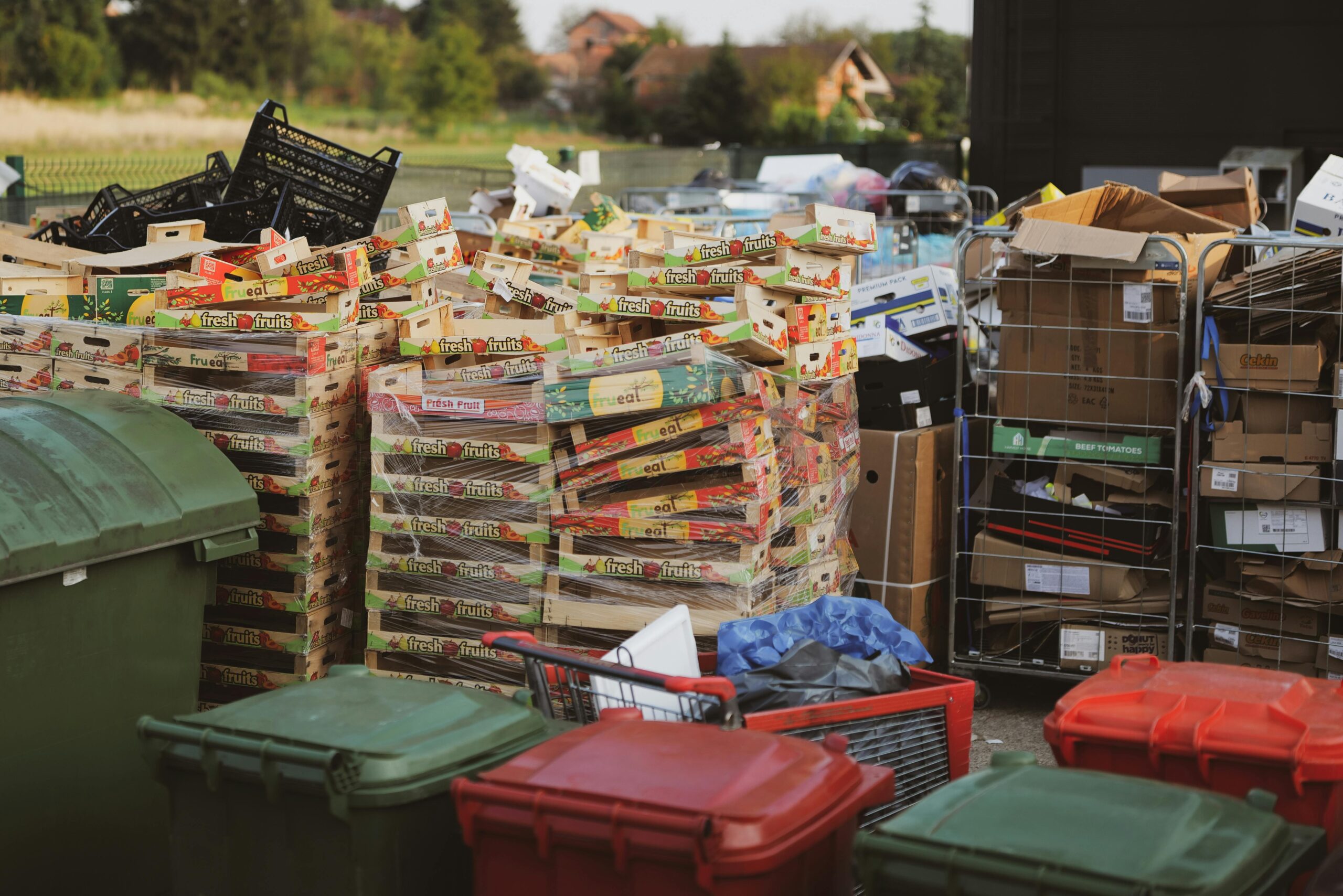
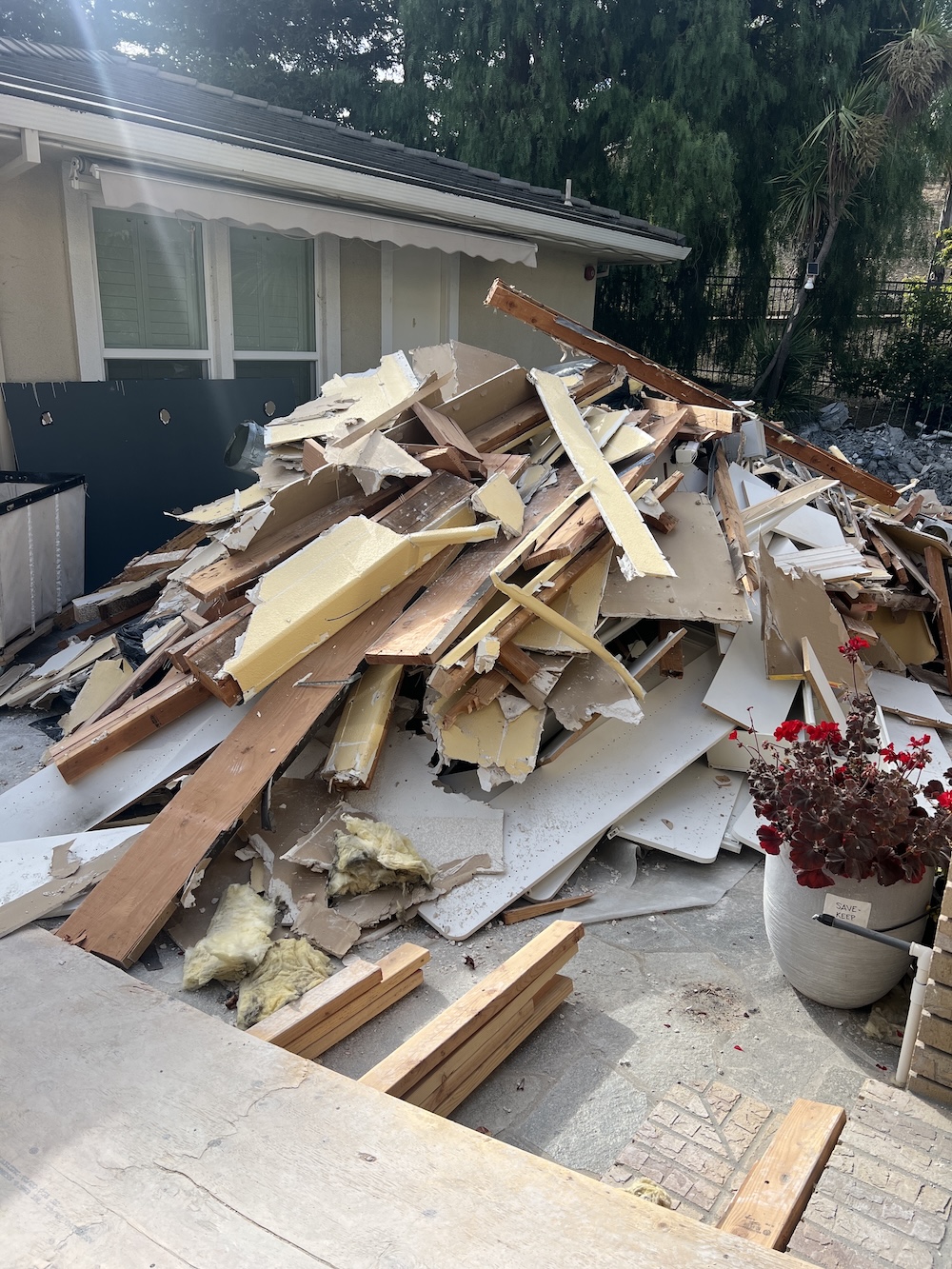
When an existing commercial or residential structure needs to be removed, the term “demolition” is often used to describe the entire process. However, not every building removal project is carried out in the same way.
Some projects are designed around speed and efficient removal. Crews may use specialized equipment to remove large quantities of material and prepare the site for new construction. Other projects place greater emphasis on preserving existing materials. Instead of removing everything as quickly as possible, workers carefully dismantle portions of the structure so usable components can be recovered.
This distinction is the basic difference between demolition and deconstruction.
Demolition generally involves dismantling or destroying a structure so it can be removed from the site. The primary objective is usually efficient removal and site preparation.
Deconstruction is a more deliberate process. It involves taking a structure apart systematically, often with the goal of recovering materials and components for reuse or recycling.
Neither approach is automatically better for every project. A large commercial redevelopment with a strict construction schedule may require an efficient demolition strategy. A project with valuable architectural materials, reusable fixtures, or sustainability objectives may benefit from deconstruction.
The decision should be based on the project’s specific requirements.
Table of Contents
ToggleKey Takeaways
- Demolition and deconstruction both remove existing structures, but their methods and priorities differ.
- Demolition generally emphasizes efficient removal and site clearance.
- Deconstruction emphasizes careful dismantling and material recovery.
- Deconstruction can require more labor and time because materials are removed more selectively.
- Demolition may be more appropriate when speed and efficient site preparation are the primary goals.
- Deconstruction may be valuable when a building contains reusable, recyclable, or historically significant materials.
- A hybrid approach can combine traditional demolition with selective material recovery.
- Careful planning is important regardless of which method is chosen.
- Site access, building type, schedule, labor, equipment, material condition, and project goals all influence the best approach.
- Safety remains essential during both demolition and deconstruction.
- Professional contractors can help evaluate the structure and develop an efficient removal strategy.
- The best approach is the one that supports the project’s overall goals while balancing schedule, cost, safety, and material recovery.
The Main Difference Between Demolition And Deconstruction
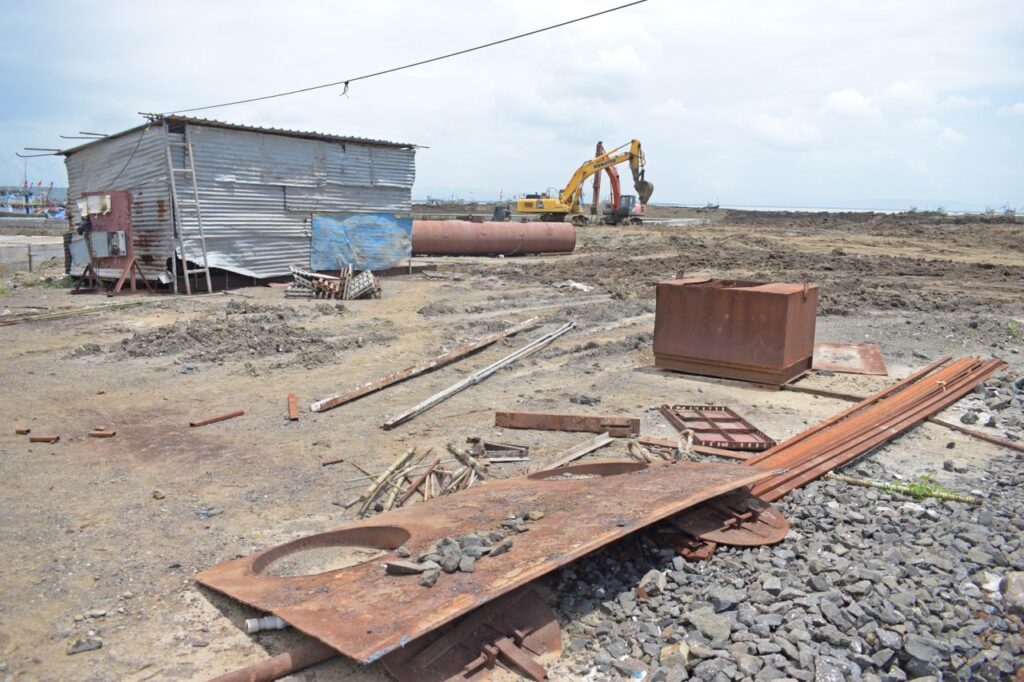
The most important difference is how the structure is removed and what happens to the materials afterward.
Demolition generally prioritizes efficient removal.
Deconstruction generally prioritizes careful dismantling and material recovery.
This does not mean demolition cannot involve recycling or material sorting. Modern demolition projects may incorporate extensive recycling and waste diversion.
Likewise, deconstruction does not mean every component will be saved.
The two approaches can overlap, and many projects use a combination of both.
Demolition Vs. Deconstruction: A Direct Comparison
Primary Objective
Demolition: Efficiently remove a structure or designated components.
Deconstruction: Carefully dismantle a structure to recover reusable or recyclable materials.
Typical Speed
Demolition is often faster because larger equipment and more direct removal methods can be used.
Deconstruction may take longer because workers must carefully remove materials individually.
Labor Requirements
Traditional demolition can rely heavily on specialized equipment, particularly on larger projects.
Deconstruction often requires more manual labor because workers may need to remove components without damaging them.
Material Recovery
Demolition can include sorting and recycling, but many materials may be mixed into the demolition waste stream.
Deconstruction is specifically designed around recovering materials before they become mixed debris.
Project Cost
Costs vary considerably.
Demolition may have lower labor requirements and faster production in certain circumstances.
Deconstruction can require more labor and planning, but recovered materials may have value that offsets some costs depending on the project.
Schedule
Demolition may be preferred when the site must be cleared quickly.
Deconstruction may be appropriate when the project schedule allows additional time for material recovery.
Environmental Considerations
Both approaches can incorporate waste reduction and recycling.
Deconstruction places greater emphasis on reuse and recovery before disposal.
When Is Demolition The Better Choice?
Traditional demolition may be appropriate for projects where speed, efficiency, and site clearance are major priorities.
Large-Scale Building Removal
Large structures may require heavy equipment and carefully planned demolition sequences.
When the objective is to clear a site for redevelopment, traditional demolition can provide an efficient solution.
Tight Construction Schedules
If the next phase of construction depends on rapid site clearance, deconstruction may not always fit the schedule.
A carefully planned demolition approach can allow the site to transition more quickly into construction.
Limited Material Recovery Potential
Some buildings contain materials that are heavily damaged, deteriorated, contaminated, difficult to access, or otherwise unsuitable for reuse.
In these cases, extensive deconstruction may not provide enough benefit to justify the additional time and labor.
Challenging Site Conditions
Restricted access, surrounding structures, limited staging areas, or other site conditions can influence whether extensive deconstruction is practical.
A professional evaluation can help determine the most appropriate method.
When Is Deconstruction The Better Choice?
Deconstruction may be worth considering when material recovery is a significant project objective.
Buildings With Valuable Materials
Older or well-maintained structures may contain materials with reuse or resale potential.
Examples include quality lumber, architectural elements, unique doors, fixtures, brick, and other components.
Sustainability-Focused Projects
Projects with strong sustainability goals may place greater emphasis on reducing the volume of material sent to disposal facilities.
Deconstruction can support these goals by recovering materials before the structure is completely dismantled.
Historic Or Architecturally Significant Elements
Some structures contain unique features that are difficult to replace.
Careful removal may provide an opportunity to preserve architectural elements that would otherwise be destroyed.
Projects With Flexible Schedules
If the project schedule allows additional time for careful dismantling, deconstruction may become more practical.
Is Deconstruction More Environmentally Friendly?
Deconstruction can provide environmental advantages because it emphasizes reuse and recovery.
However, the environmental performance of a project depends on many factors.
Transportation, labor, equipment use, recycling infrastructure, material demand, and the actual reuse of recovered components can all influence the overall outcome.
Simply removing materials carefully does not automatically guarantee that they will be reused.
The project should have a realistic plan for recovered materials.
Reuse Versus Recycling
Reuse generally keeps an item in service without requiring it to be transformed into another material.
For example, a salvaged door may be installed in another building.
Recycling involves processing a material so it can become part of another product or material stream.
Both approaches can help reduce waste, but they involve different processes.
Does Deconstruction Cost More Than Demolition?
There is no universal answer.
The cost depends on the size and type of structure, labor requirements, accessibility, material conditions, project schedule, equipment needs, and potential value of recovered materials.
Labor Costs
Because deconstruction often involves more manual work, labor costs may be higher.
Workers may need to remove components carefully, clean materials, sort them, and prepare them for reuse.
Material Recovery Value
Recovered materials may have financial value.
Depending on the project, materials can potentially be reused on-site, donated, sold, or incorporated into another project.
However, the value of recovered materials should be evaluated realistically.
Disposal Savings
Recovering materials can potentially reduce the volume of waste requiring disposal.
This may affect project costs, although the savings vary by location, material type, hauling arrangements, and disposal rates.
Project Schedule
Time also has financial value.
If deconstruction extends the schedule significantly, additional labor, supervision, equipment, site management, and other costs may offset material recovery benefits.
A complete cost analysis should consider the entire project rather than focusing only on disposal costs.
Can Demolition And Deconstruction Be Combined?
Yes.
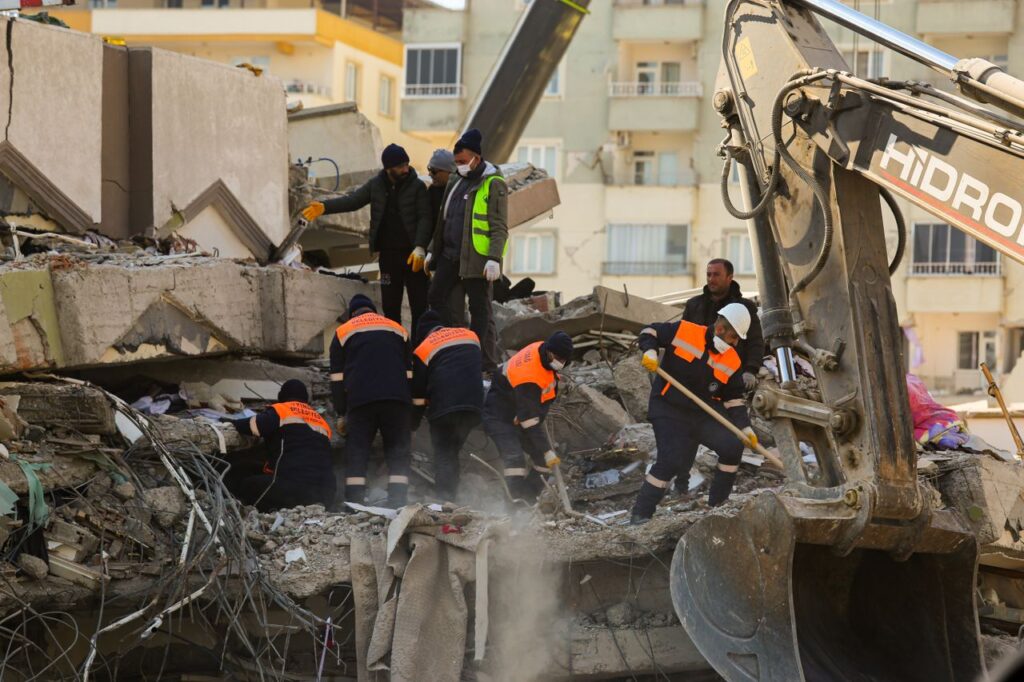
Many projects can benefit from a hybrid strategy.
Instead of choosing entirely between traditional demolition and complete deconstruction, the project team can identify specific materials worth recovering and use conventional demolition for the remaining structure.
Selective Material Recovery
For example, crews may carefully remove:
- Reusable doors
- Architectural fixtures
- High-quality flooring
- Cabinets
- Metal components
- Certain lumber
- Specialty finishes
After those components are recovered, conventional demolition can be used for the remaining materials.
Why Hybrid Approaches Can Be Practical
A hybrid approach can balance material recovery with schedule requirements.
The project team can focus labor on items that have meaningful value while avoiding the additional time required to deconstruct every component.
This approach may be particularly useful on commercial renovation and redevelopment projects.
How Project Planning Differs
Although both demolition and deconstruction require planning, deconstruction typically involves additional considerations.
Demolition Planning
A demolition plan may focus heavily on:
- Structural sequence
- Equipment
- Worker safety
- Site access
- Debris removal
- Work zones
- Schedule
- Utility coordination
Deconstruction Planning
Deconstruction planning may include all of the above plus:
- Material inventories
- Salvage priorities
- Removal sequence
- Storage requirements
- Material handling
- Cleaning and preparation
- Reuse destinations
- Donation or resale opportunities
- Transportation
- Inventory documentation
The more materials a project intends to recover, the more important this planning becomes.
Why Material Inventory Matters In Deconstruction
Before deconstruction begins, the project team should identify materials that may be worth recovering.
Assess Material Condition
A component may look reusable but be too damaged for practical recovery.
Materials should be evaluated based on their condition and potential application.
Determine Accessibility
Some materials may be valuable but difficult to remove without causing damage.
The labor and time required to recover them should be considered.
Identify Potential Destinations
Knowing where recovered materials will go can help determine whether recovery makes sense.
Possible destinations include:
- Reuse within the same project
- Another construction project
- Donation organizations
- Salvage operations
- Recycling facilities
- Buyers of reclaimed materials
A recovery plan is much more effective when there is a realistic destination for the materials.
The Role Of An Experienced Contractor
Choosing an experienced contractor is important regardless of the removal method.
A professional contractor can evaluate the building, understand project objectives, recommend appropriate techniques, and develop a work sequence.
Evaluating The Building
The contractor can assess construction type, materials, access, condition, structural considerations, and other factors.
Recommending The Right Method
The project does not necessarily need to be entirely demolition or entirely deconstruction.
A contractor may recommend conventional demolition, deconstruction, selective demolition, or a combination.
Coordinating The Work
Commercial projects often involve multiple parties.
A capable contractor can coordinate activities with general contractors, property owners, project managers, and other trades.
Managing Debris And Recovered Materials
Efficient handling is important for both demolition waste and salvaged materials.
Materials need to be moved safely and efficiently to avoid interfering with ongoing work.
Common Misconceptions About Demolition And Deconstruction
Several misconceptions can make it harder to choose the right approach.
“Demolition Means Everything Goes to the Landfill”
Not necessarily.
Demolition contractors can sort materials and divert appropriate items for recycling or other recovery processes.
“Deconstruction Means Nothing Gets Disposed”
Not necessarily.
Some materials may be damaged, contaminated, deteriorated, or otherwise unsuitable for reuse.
“Deconstruction Is Always Cheaper”
Deconstruction can involve substantial labor and planning.
Recovered materials may provide value, but the economics depend on the project.
“Demolition Is Always Faster”
Traditional demolition is often faster for complete site clearance, but the actual schedule depends on the structure, access, equipment, scope, and site conditions.
“Every Building Should Be Deconstructed”
Not every building contains enough recoverable material to justify complete deconstruction.
A project-specific evaluation is more useful than a one-size-fits-all approach.
Questions To Ask A Demolition Or Deconstruction Contractor
Before hiring a contractor, property owners and project managers can ask several important questions.
What Removal Method Do You Recommend?
Ask the contractor to explain why demolition, deconstruction, or a hybrid approach is appropriate.
What Materials Could Potentially Be Recovered?
A knowledgeable contractor should be able to identify components that may have salvage potential.
How Will The Work Be Sequenced?
Understanding the sequence helps project stakeholders anticipate schedule impacts.
How Will Debris And Recovered Materials Be Handled?
The contractor should explain how materials will be sorted, stored, transported, recycled, or disposed of.
What Site Conditions Could Affect The Schedule?
A contractor should identify access, structural, utility, and other potential constraints.
How Will Retained Areas Be Protected?
This is particularly important during selective demolition and renovation projects.
How Will Communication Be Managed?
Clear communication helps prevent delays and misunderstandings.
Demolition And Deconstruction In Commercial Renovation
Commercial renovation projects frequently use selective demolition rather than removing an entire building.
In these situations, the distinction between demolition and deconstruction can become particularly useful.
For example, a commercial space may need to have old flooring, partitions, fixtures, cabinets, and ceilings removed while the primary structure remains.
The contractor can identify which components should simply be removed and which may be worth salvaging.
This can create a balanced approach that supports both the construction schedule and material recovery objectives.
Demolition And Deconstruction For Redevelopment Projects
Redevelopment projects may involve removing an entire structure to make room for a new building.
In these situations, traditional demolition can often provide an efficient path to site clearance.
However, deconstruction or selective salvage may still be considered before the main demolition work begins.
Valuable fixtures, architectural features, metals, lumber, or other materials may be removed first.
The remaining structure can then be demolished using methods appropriate for the site.
How To Make The Right Decision
There is no universal answer to whether demolition or deconstruction is better.
Instead, project teams should evaluate the following questions:
- What is the primary project objective?
- How quickly must the site be cleared?
- What materials are present?
- Are those materials in reusable condition?
- Is there demand for recovered materials?
- How much labor is available?
- What is site access like?
- What equipment is appropriate?
- What are the project’s sustainability objectives?
- What are the costs and potential savings?
- Can recovered materials be stored safely?
- Will deconstruction affect the overall construction schedule?
Answering these questions can help determine the most practical approach.
Conclusion
Demolition and deconstruction both involve removing existing structures, but they approach the process from different perspectives.
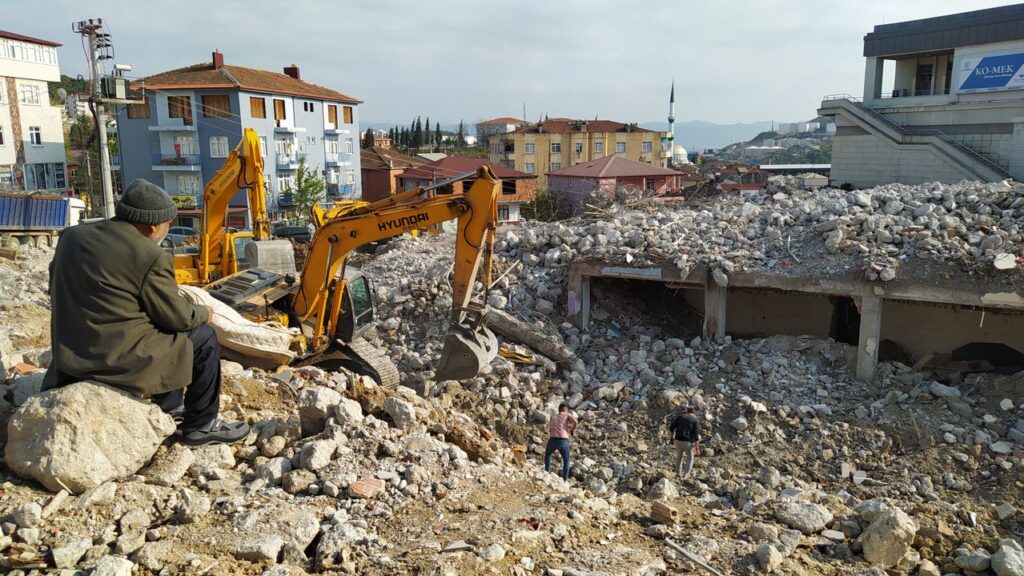
Demolition generally focuses on efficient removal and site clearance. It can be an effective choice when speed, equipment efficiency, and rapid preparation for new construction are the primary concerns.
Deconstruction focuses on carefully dismantling a structure and recovering materials for reuse, recycling, donation, resale, or repurposing. It can be valuable when a building contains recoverable materials or when material recovery is an important project objective.
The distinction does not have to be absolute. A hybrid strategy can combine selective deconstruction with conventional demolition, allowing valuable materials to be recovered while maintaining an efficient project schedule.
Ultimately, the best approach depends on the building, project goals, schedule, budget, materials, access conditions, and available resources.
Working with an experienced demolition professional can help property owners, developers, and contractors evaluate these factors before work begins. A carefully planned approach can improve safety, reduce unnecessary delays, manage materials effectively, and help prepare the property for whatever comes next.
Frequently Asked Questions
1. What Is The Main Difference Between Demolition And Deconstruction?
Demolition generally focuses on efficiently removing a building or its components, while deconstruction focuses on carefully dismantling the structure to recover materials and components for potential reuse or recycling.
2. Is Deconstruction The Same As Demolition?
No. Although both involve removing parts or all of a structure, their primary objectives differ. Deconstruction emphasizes material recovery, while demolition typically emphasizes efficient removal and site clearance.
3. Is Deconstruction More Expensive Than Demolition?
It can be, particularly because deconstruction often requires more manual labor and time. However, recovered materials may have financial or practical value. Costs should be evaluated based on the entire project.
4. Is Deconstruction Slower Than Demolition?
Deconstruction can take longer because materials are removed more carefully. Traditional demolition may be faster when the primary objective is rapid site clearance.
5. Can Demolition Include Recycling?
Yes. Demolition projects can include material sorting and recycling. Recycling and demolition are not mutually exclusive.
6. What Materials Can Be Recovered Through Deconstruction?
Potentially recoverable materials may include doors, windows, cabinets, flooring, lumber, brick, metal, fixtures, architectural elements, and other components. Actual recovery depends on condition, accessibility, and potential reuse.
7. Is Deconstruction Better For The Environment?
Deconstruction can support waste reduction by prioritizing material reuse and recovery. However, its overall environmental benefit depends on factors such as transportation, processing, reuse opportunities, and the actual destination of recovered materials.
8. When Should A Property Owner Choose Demolition?
Demolition may be appropriate when rapid site clearance is important, the structure has limited salvage potential, or the project requires efficient removal of large quantities of material.
9. When Should A Property Owner Consider Deconstruction?
Deconstruction may be worth considering when the building contains valuable or reusable materials, the project has sustainability objectives, or the schedule allows additional time for careful dismantling.
10. Can Demolition And Deconstruction Be Used Together?
Yes. A hybrid approach can involve salvaging valuable components through selective deconstruction before using conventional demolition methods for the remaining structure.
11. Does Deconstruction Require More Workers?
It can. Because materials often need to be removed individually and handled carefully, deconstruction may require more manual labor than equipment-focused demolition.
12. Does Building Size Affect The Choice Between Demolition And Deconstruction?
Yes. Building size, construction type, material composition, access, structural complexity, and project schedule can all influence which approach is practical.
13. Can Old Building Materials Always Be Reused?
No. Materials may be damaged, deteriorated, contaminated, difficult to remove, or unsuitable for modern applications. Each material should be evaluated individually.
14. Why Is Planning Important For Deconstruction?
Planning helps identify recoverable materials, determine the removal sequence, arrange storage and transportation, coordinate labor, and identify destinations for recovered components.
15. Should I Choose Demolition Or Deconstruction For A Commercial Project?
The right choice depends on the project’s schedule, budget, building condition, material recovery potential, site conditions, and overall objectives. A professional assessment can help determine whether demolition, deconstruction, or a combination of both is most appropriate.
Commercial Demolition Services That Clear The Way For What’s Next
Every successful renovation, buildout, or redevelopment project starts with a clean slate. Junked: Powered by Veterans™ provides professional commercial demolition services throughout the Bay Area, helping property owners, contractors, businesses, and property managers remove what’s no longer needed and prepare the space for its next phase.
Whether you’re gutting an office, clearing out a retail space, preparing a restaurant for renovation, removing interior walls and fixtures, or getting a commercial property ready for construction, our veteran-led crew is equipped to handle the job safely and efficiently.
We don’t just tear things out. We help keep your project moving.
Commercial Demolition Without The Headaches
- Interior Demolition: Walls, ceilings, flooring, cabinetry, fixtures, built-ins, and other interior components.
- Office, Retail & Restaurant Demolition: Clearouts and demolition for remodels, tenant improvements, relocations, and new buildouts.
- Warehouse & Commercial Property Demolition: Removal of unwanted structures, improvements, equipment areas, and other materials.
- Complete Debris Removal: Once the demolition is finished, we haul away the debris and leave the site clean and ready for the next trade.
- Reliable Scheduling: We understand that delays can affect every stage of a commercial project, so we show up ready to work and keep the job moving.
- Veteran-Led Professionalism: Clear communication, dependable crews, organized work areas, and a strong commitment to doing the job right.
Clear It Out. Clean It Up. Move The Project Forward.
Commercial demolition is often the first major step in transforming a property. The faster and cleaner that step gets done, the sooner your contractors can get to work on what comes next.
Junked: Powered by Veterans™ makes the process simple by combining demolition, debris removal, and cleanup into one dependable service.
If you’re planning a commercial renovation, tenant improvement, property redevelopment, or buildout in the Bay Area, let us handle the demolition and heavy lifting.
Disclaimer
The materials available on this website are for informational and entertainment purposes only and not to provide legal or professional advice. You should contact your attorney or home improvement specialist for advice concerning any particular issue or problem. You should not act or refrain from acting based on any content included in this site without seeking legal or other professional advice. The information presented on this website may not reflect the most current home improvement developments. No action should be taken based on the information on this website. We disclaim all liability concerning actions taken or not taken based on any or all of the contents of this site to the fullest extent permitted by law.