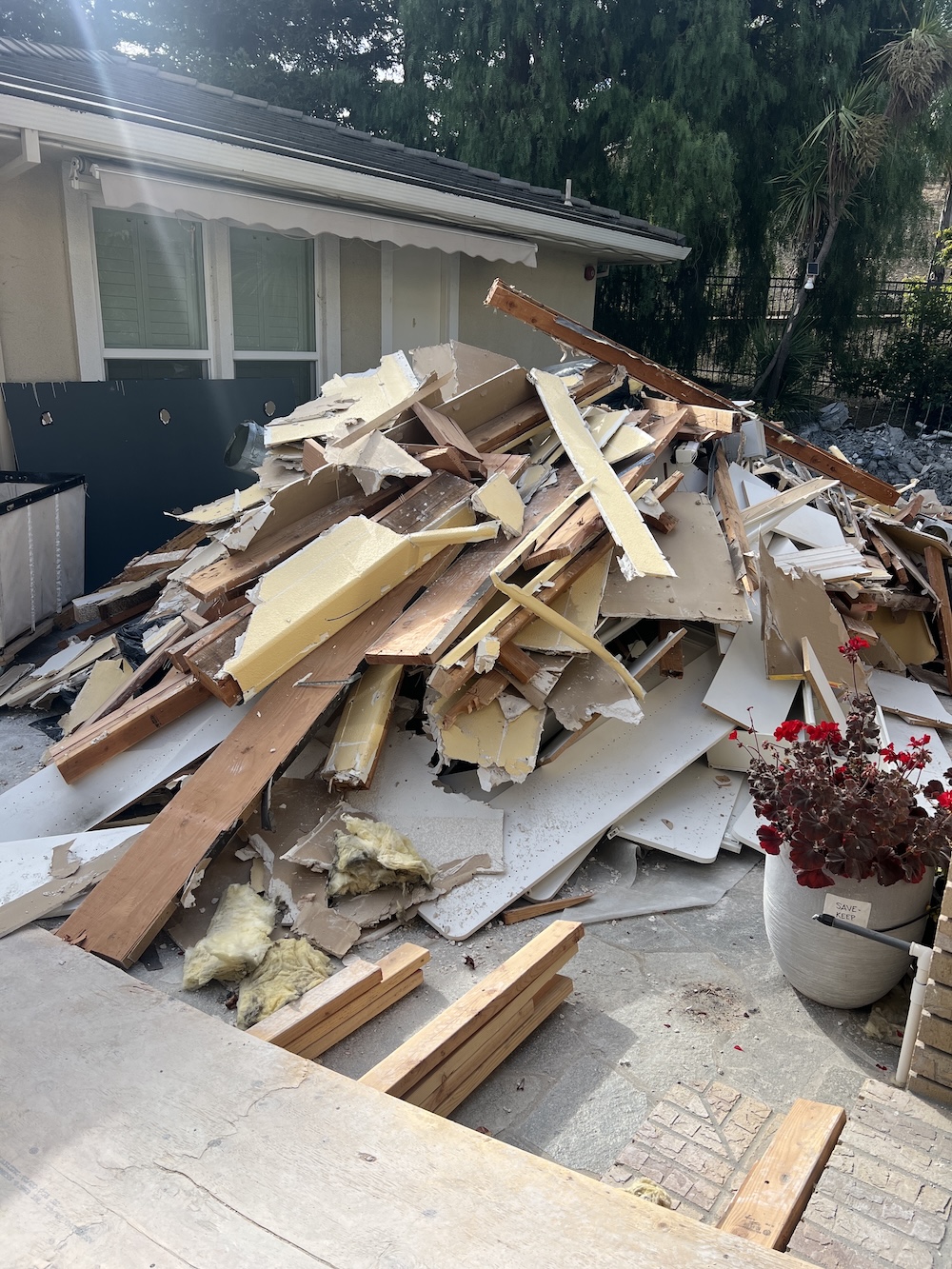
Tenant improvements, often called TIs, are one of the most important ways commercial property owners and tenants transform existing spaces into functional environments that meet specific business needs. Whether a company is moving into an older office, converting a retail storefront, updating a restaurant, or reconfiguring a professional workspace, the existing interior may not match the new tenant’s vision. Walls may be positioned incorrectly, outdated finishes may limit design possibilities, old fixtures may take up valuable space, and building systems may have been installed for a previous occupant.
This is where demolition becomes an important part of the tenant improvement process.
Commercial demolition for tenant improvements is not simply about tearing things out. It is a carefully planned process designed to remove selected portions of an existing space while preserving the structural elements, utilities, and building components that need to remain. When properly coordinated, demolition creates a clean and workable environment for architects, designers, contractors, electricians, plumbers, flooring installers, drywall crews, and other trades.
In Walnut Creek, tenant improvement projects can involve a wide range of commercial properties, including office buildings, retail spaces, medical offices, restaurants, professional suites, and mixed-use developments. Each project has different requirements, so demolition needs to be approached according to the building’s existing conditions, the proposed layout, and the intended use of the space.
A well-executed demolition phase can help a tenant improvement project move more efficiently by removing unnecessary materials, exposing existing conditions, improving access for construction crews, and preparing the site for new installations. It can also help identify hidden problems before they become more expensive complications later in the project.
Understanding how demolition supports tenant improvements can help property owners, tenants, project managers, and contractors make better decisions before construction begins.
Table of Contents
ToggleKey Takeaways
- Demolition creates a clean, workable space for tenant improvement construction.
- Selective demolition can remove unwanted walls, ceilings, flooring, fixtures, and finishes while preserving important building components.
- Proper planning helps protect structural elements, utilities, neighboring tenant spaces, and reusable materials.
- Demolition can reveal hidden conditions that may affect the design or construction schedule.
- Coordinating demolition with the overall TI schedule can help reduce delays between construction phases.
- Commercial demolition can support office, retail, restaurant, medical, and other tenant improvement projects.
- Dust, debris, noise, access, and site protection should be considered throughout the demolition process.
- Salvage and recycling can reduce unnecessary waste when materials can be recovered.
- Communication between the demolition contractor, tenant, general contractor, and design team is essential.
- A carefully planned demolition phase establishes the foundation for efficient tenant improvement work.
What Is A Tenant Improvement Project?
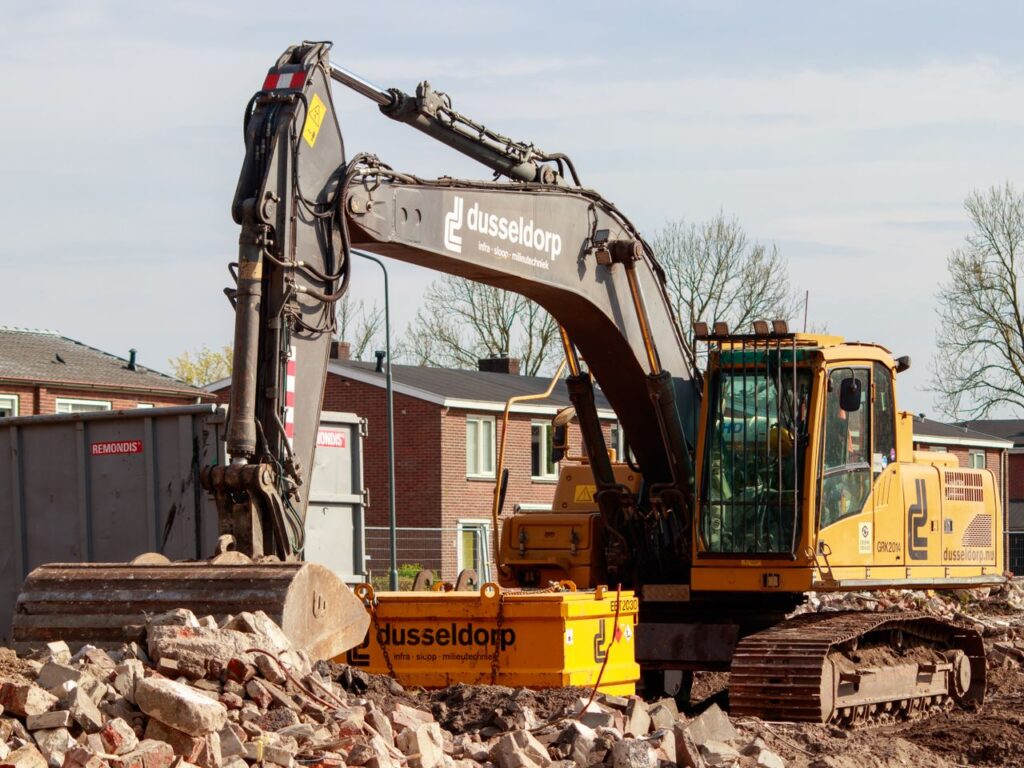
A tenant improvement project modifies an existing commercial space to accommodate the needs of a particular tenant. The work may range from relatively simple cosmetic updates to extensive interior renovations involving walls, ceilings, flooring, lighting, plumbing, electrical systems, and other components.
For example, an office tenant may need several private offices, conference rooms, reception areas, and collaborative workspaces. A retail tenant may need open display areas, product shelving, fitting rooms, counters, and specialized lighting. A restaurant may require kitchen preparation areas, dining spaces, service counters, storage areas, and plumbing modifications.
The existing commercial space rarely matches the new tenant’s requirements perfectly.
Demolition helps bridge that gap.
Tenant Improvements Often Begin With Existing Conditions
Before new construction can begin, the project team must understand what is already inside the building. Existing walls, ceilings, flooring, cabinetry, mechanical components, electrical fixtures, plumbing fixtures, and other features may need to be removed or modified.
Demolition provides the opportunity to clear away components that no longer serve the new layout.
In some projects, only a small amount of demolition may be necessary. In others, nearly the entire interior may need to be stripped while the primary structure and selected building systems remain intact.
Demolition Is Different From Complete Building Removal
Tenant improvement demolition is generally selective rather than total.
The objective is usually to remove specific components without unnecessarily disturbing the building’s structural framework or areas outside the tenant’s construction zone.
This distinction is particularly important in occupied commercial buildings. A demolition contractor may need to work around adjacent businesses, shared corridors, common areas, building entrances, elevators, utilities, and other occupied spaces.
The goal is controlled removal rather than indiscriminate destruction.
How Does Demolition Support Tenant Improvements?
It Creates A Blank Canvas For The New Design
One of the most obvious ways demolition supports tenant improvements is by removing existing elements that conflict with the proposed design.
An existing office might contain several small rooms when the new tenant wants a more open layout. A retail space may have outdated counters, shelving, or partitions that no longer fit the business model. A professional office might have old flooring, ceilings, and built-in cabinetry that need to be removed before modernization.
Selective demolition clears these obstacles.
Once unnecessary components are removed, the construction team has greater freedom to install the new layout.
Removing Unnecessary Interior Elements
Depending on the project, demolition may include:
- Non-structural partitions
- Interior doors and frames
- Drop ceilings
- Flooring
- Carpet
- Cabinets
- Built-in counters
- Shelving
- Wall finishes
- Light fixtures
- Plumbing fixtures
- Millwork
- Interior signage
- Unwanted equipment
- Certain mechanical components
The exact scope depends on the tenant improvement plans and existing building conditions.
It Makes Space For New Floor Plans
Tenant improvement projects often involve changing the way a space is divided.
A previous tenant may have designed the space around completely different operational requirements. A new tenant may need larger rooms, smaller offices, additional storage, customer areas, or open workspace.
Demolition allows contractors to remove selected partitions and prepare the space for the new configuration.
Supporting Flexible Commercial Layouts
Modern businesses frequently prioritize adaptable layouts. Businesses may want collaborative areas, private workspaces, conference rooms, reception areas, or flexible meeting spaces.
Removing outdated partitions can make it easier to implement these concepts.
For example, an older office with multiple enclosed rooms could be converted into a combination of private offices, meeting rooms, and open work areas. The demolition phase removes the walls and finishes that prevent the new configuration from being built.
It Exposes Existing Building Conditions
Another important benefit of demolition is that it can reveal conditions that were not visible during the initial inspection.
Walls and ceilings can conceal electrical wiring, plumbing, mechanical components, structural elements, insulation, and other building features.
Once selected materials are removed, contractors can inspect the exposed areas more effectively.
Identifying Unexpected Conditions
Existing commercial properties can contain surprises.
A wall that appears simple from the outside may contain utilities. Flooring may conceal damaged subflooring. Ceilings may hide ductwork or wiring that affects the proposed design.
Discovering these conditions early can allow the project team to adjust plans before significant new construction is completed.
Better Coordination Between Trades
When existing conditions become visible, contractors can coordinate more accurately.
Electricians can better understand where existing wiring is located. Plumbers can identify existing lines. Mechanical contractors can evaluate ductwork and equipment. Framers can determine where new walls can be installed.
This information can improve the transition between demolition and construction.
Demolition Helps Prepare The Space For New Systems
Tenant improvements frequently involve upgrades to building systems.
Depending on the project, a commercial space may receive new lighting, electrical outlets, plumbing fixtures, mechanical systems, communications infrastructure, or other improvements.
Old components may need to be removed before new systems can be installed.
Electrical Improvements
An outdated office may not have enough electrical outlets for modern equipment. A retail space may need new lighting circuits and display lighting. A restaurant may require specialized electrical capacity for kitchen equipment.
Selective demolition can remove obsolete fixtures, wiring components, or ceiling systems that interfere with the new design.
Plumbing Improvements
Restaurants, medical offices, salons, and other commercial businesses may require plumbing modifications.
Removing existing fixtures and opening selected areas can provide contractors with access needed for new plumbing work.
Mechanical Improvements
HVAC systems can also affect tenant improvement designs.
Ceilings may need to be opened or removed so mechanical contractors can access ducts and other components. Existing mechanical equipment may need to be relocated or removed when the new layout changes the requirements of the space.
It Helps Improve Construction Efficiency
A successful tenant improvement project depends heavily on sequencing.
Demolition generally needs to occur before many of the new construction activities can proceed. If unnecessary materials remain in place, workers may have limited access to walls, ceilings, floors, and utility areas.
Efficient demolition helps prepare the site for the next phase.
Coordinating Demolition With The Construction Schedule
A typical sequence may include:
- Site preparation
- Protection of areas that will remain
- Selective demolition
- Debris removal
- Inspection of exposed conditions
- Rough construction
- Framing
- Electrical and plumbing work
- Mechanical work
- Drywall and finishes
- Flooring and final installations
- Final cleanup
Actual sequencing varies according to project scope.
The demolition contractor should coordinate closely with the general contractor and other project participants so that the site is ready when the next trade needs access.
Demolition Can Help Reduce Construction Obstacles
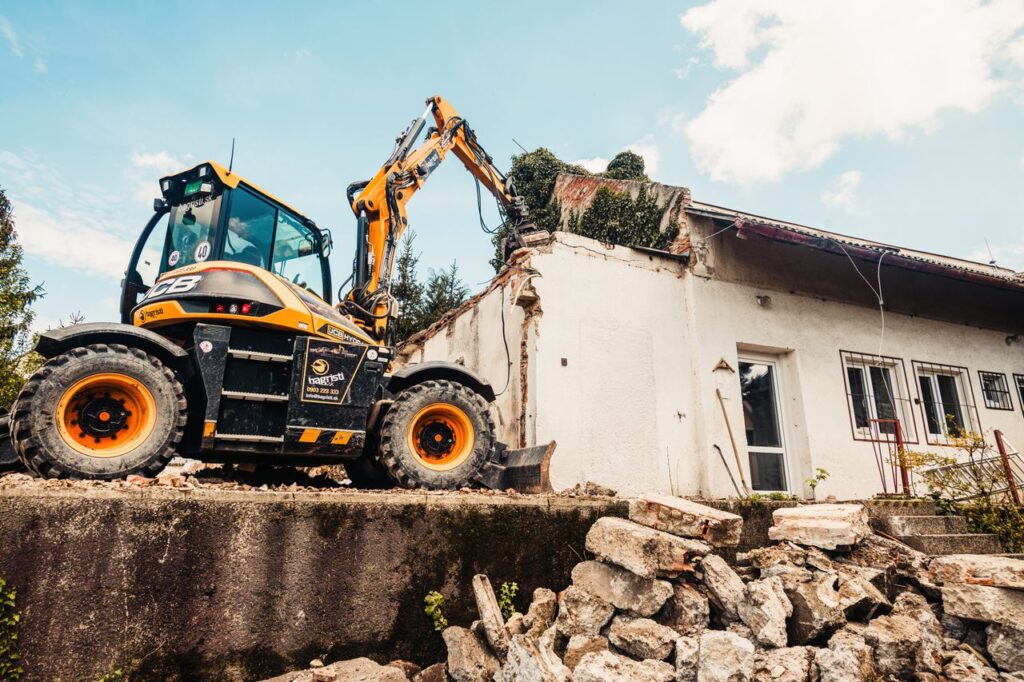
Old materials can interfere with new construction.
For example, existing flooring may prevent installation of a new floor system. Old ceiling grids may interfere with new lighting or HVAC layouts. Existing partitions may prevent the installation of new rooms.
Removing these obstacles allows contractors to work more efficiently.
Creating Better Access
Demolition can provide access to areas that would otherwise be difficult to reach.
This can be particularly important when contractors need to work above ceilings, inside walls, below flooring, or around existing fixtures.
Controlled removal can create the access required for construction without unnecessarily damaging components that are supposed to remain.
It Supports Renovation Of Older Commercial Spaces
Walnut Creek contains a variety of commercial properties with different ages, layouts, construction styles, and previous uses.
A tenant improvement project in an older building may require more extensive preparation than a project in a recently constructed commercial space.
Older interiors may contain outdated finishes, multiple layers of flooring, obsolete fixtures, or previous tenant improvements that have accumulated over time.
Removing Layers Of Previous Improvements
Commercial properties can sometimes contain several generations of renovations.
One tenant may have installed partitions, another may have added cabinetry, and another may have modified lighting or flooring.
The new tenant may want to start with a cleaner configuration.
Demolition allows the project team to remove selected layers of previous improvements and prepare the space for a new design.
It Can Improve The Appearance Of The Existing Space
Demolition is not limited to functional changes.
A tenant may want to remove outdated finishes simply because they no longer reflect the company’s brand.
Old flooring, decorative walls, dated counters, ceiling materials, and fixtures can make a commercial space look worn.
Removing these features creates the foundation for modern finishes.
Supporting Brand-Specific Design
Businesses often want their physical environment to reflect their brand.
A technology company may prefer an open, modern office. A professional firm may want a sophisticated reception area. A retailer may require a clean environment that emphasizes product displays.
Demolition removes visual elements associated with the previous tenant and helps create a more neutral starting point.
Demolition Can Support Reuse And Recycling
Commercial demolition produces waste, but not every removed material necessarily needs to become landfill waste.
When practical, certain materials may be salvaged, reused, or recycled.
Potentially recoverable materials can include:
- Metal
- Certain lighting components
- Doors
- Hardware
- Cabinets
- Flooring materials
- Ceiling materials
- Fixtures
- Reusable building components
The feasibility of salvage depends on the material’s condition, project requirements, safety considerations, and local disposal options.
Responsible Debris Management
Organized debris handling keeps the job site cleaner and safer.
Materials should be separated and removed according to the project’s waste management plan. Proper debris removal also helps maintain access for workers and prevents unnecessary accumulation inside the tenant space.
It Helps Protect Components That Are Staying
One of the most important aspects of tenant improvement demolition is knowing what not to remove.
A demolition contractor must understand which walls, systems, fixtures, finishes, and structural components are staying.
Selective Demolition Requires Precision
Demolishing around valuable or necessary components requires careful planning.
For example, a contractor may need to remove one partition while leaving an adjacent wall intact. A ceiling may need to be removed in one area while remaining in another. Flooring may need to be removed only within a specific construction zone.
Controlled demolition reduces the chance of unnecessary damage.
Protecting Common And Adjacent Areas
Commercial buildings often contain shared spaces.
During tenant improvements, demolition activities may occur near:
- Common corridors
- Building entrances
- Elevators
- Lobbies
- Restrooms
- Neighboring tenant suites
- Shared mechanical areas
- Parking areas
Temporary protection, controlled access, dust management, and careful debris movement can help minimize disruption.
It Can Help Keep The Tenant Improvement Project On Schedule
Time is particularly important for commercial tenants.
A delayed opening can affect revenue, staffing, inventory, marketing, and customer operations.
Because demolition is often one of the first physical construction phases, delays can have a ripple effect throughout the project.
Why Early Demolition Planning Matters
A well-organized demolition plan considers:
- Scope
- Crew requirements
- Equipment
- Access
- Debris removal
- Site protection
- Work sequencing
- Communication
- Potential hidden conditions
Planning these factors before work starts can help prevent avoidable interruptions.
Coordinating With The General Contractor
The demolition contractor should understand when the construction team needs the space cleared.
For example, if framing is scheduled to begin immediately after demolition, the demolition crew must complete removal and cleanup in time for the framing contractor to begin.
Good coordination reduces gaps between trades.
Demolition Helps Transform Existing Spaces Into Business-Ready Environments
Ultimately, the purpose of tenant improvements is to create a commercial environment that supports the tenant’s operations.
Demolition is the preparation stage that makes many of those transformations possible.
A dated office can become a modern workspace.
An outdated storefront can become a contemporary retail environment.
An old professional suite can become a specialized office.
A previously occupied restaurant space can be reconfigured for a new concept.
The demolition phase creates the physical conditions needed for these changes.
What Types Of Tenant Improvements May Require Demolition?
Office Tenant Improvements
Office renovations may require removal of:
- Interior partitions
- Carpet
- Ceiling systems
- Cabinets
- Doors
- Lighting
- Built-in furniture
- Wall finishes
The objective may be to create open offices, private offices, conference rooms, break areas, reception spaces, or other work environments.
Retail Tenant Improvements
Retail spaces often require demolition to remove:
- Old display fixtures
- Counters
- Shelving
- Partitions
- Flooring
- Signage
- Lighting
- Existing finishes
The space can then be rebuilt around the new tenant’s merchandising strategy.
Restaurant Tenant Improvements
Restaurants can involve more complex demolition because existing kitchens, dining areas, plumbing, ventilation systems, counters, and equipment may not match the incoming tenant’s requirements.
Careful planning is particularly important because existing systems may be interconnected.
Medical And Professional Offices
Medical offices and professional suites may require customized room layouts.
Demolition can remove previous partitions, cabinetry, flooring, and fixtures so the space can be redesigned for the new occupant.
Choosing The Right Demolition Approach For A Tenant Improvement
Not every TI project requires the same demolition strategy.
A small office refresh may only require flooring and fixture removal. A major commercial renovation may require extensive selective demolition throughout the interior.
The appropriate approach depends on the project.
Selective Interior Demolition
Selective demolition focuses on specific components.
It is often appropriate when the building’s primary structure and many existing systems will remain.
Interior Strip-Out
A more extensive interior strip-out removes a larger portion of the interior while preserving the building shell and other designated elements.
This approach may be appropriate for significant tenant renovations.
Specialized Demolition
Some projects may involve materials or conditions requiring specialized handling.
When potentially hazardous or regulated materials are encountered, appropriate evaluation and professional procedures are important before removal.
Why Professional Commercial Demolition Matters
Commercial demolition is more complicated than simply removing unwanted materials.
A professional contractor brings planning, experience, equipment, labor, site protection, debris management, and coordination to the project.
The contractor must understand how demolition interacts with the rest of the tenant improvement process.
Experience Helps Reduce Unnecessary Damage
An experienced crew can distinguish between components that should be removed and those that need to remain.
This is especially valuable in older buildings where existing systems may not be obvious.
Professional Planning Supports Efficiency
Good demolition planning considers the entire project rather than treating demolition as an isolated activity.
The objective is to deliver a clean, accessible, properly prepared space to the next phase of construction.
Conclusion
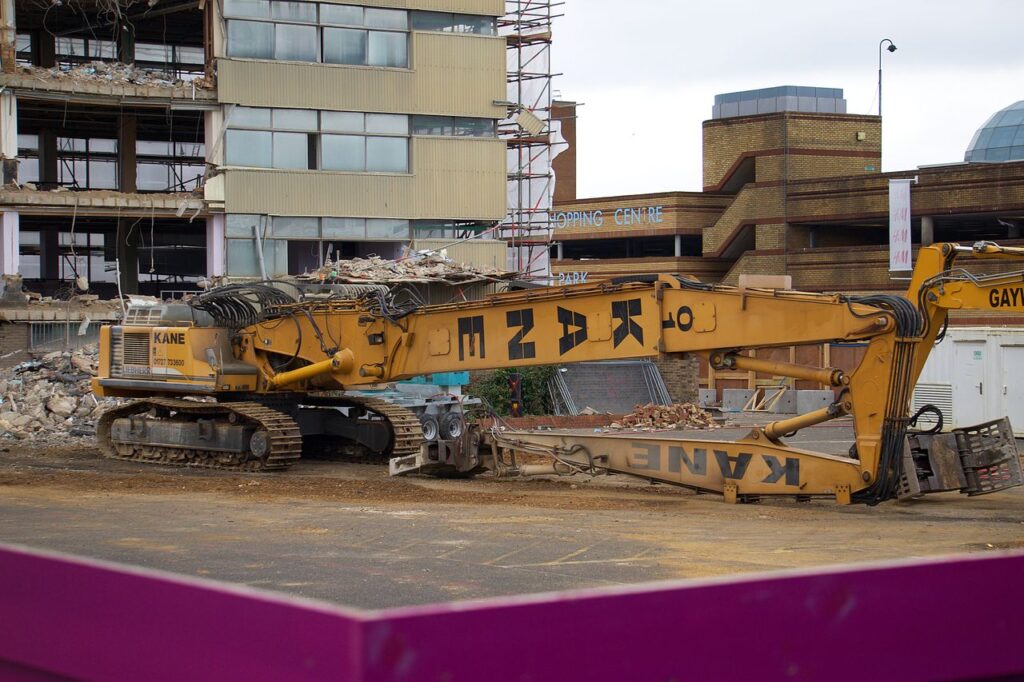
Demolition plays a critical role in successful tenant improvement projects throughout Walnut Creek. While demolition may appear to be a simple removal process, commercial TI demolition requires careful planning, precision, coordination, and attention to the existing building.
By removing outdated partitions, flooring, ceilings, fixtures, cabinetry, and other unnecessary components, demolition creates a clean foundation for new construction. It can also expose hidden conditions, improve access for contractors, support new floor plans, prepare areas for updated building systems, and help the project move efficiently from one construction phase to the next.
The most effective demolition approach is not necessarily the most aggressive one. For tenant improvements, controlled and selective removal is often more valuable because the goal is to preserve everything that the new design can continue to use while removing what no longer serves the tenant.
For Walnut Creek businesses planning an office, retail, restaurant, professional, or other commercial renovation, demolition should be considered an integral part of the overall tenant improvement strategy. When the demolition contractor, tenant, property owner, architect, and general contractor communicate effectively, the process can help establish the conditions necessary for a smooth and successful transformation.
A well-planned demolition phase ultimately does more than clear a commercial space. It prepares the space for what comes next—and helps turn an existing property into an environment designed around the needs of its next business.
Frequently Asked Questions
1. What Is Commercial Demolition For Tenant Improvements?
Commercial demolition for tenant improvements involves selectively removing existing interior components so a commercial space can be redesigned for a new tenant. Work may include removing partitions, flooring, ceilings, fixtures, cabinetry, finishes, and other designated components.
2. Why Is Demolition Important For Tenant Improvements?
Demolition creates the space and access needed for new construction. It removes outdated or incompatible components and allows contractors to install new walls, finishes, fixtures, electrical systems, plumbing, mechanical components, and other improvements.
3. Does Tenant Improvement Demolition Remove The Entire Building?
Usually, no. Tenant improvement demolition is generally selective. The work typically focuses on designated interior components while preserving the building structure and other elements identified to remain.
4. Can Demolition Uncover Hidden Problems?
Yes. Removing walls, ceilings, flooring, or other materials can expose previously concealed wiring, plumbing, mechanical systems, structural conditions, water damage, or other issues. Identifying these conditions early can help the project team address them before new construction progresses.
5. How Does Demolition Affect The Tenant Improvement Schedule?
Demolition is often an early construction activity, so delays can affect subsequent trades. Completing demolition efficiently and coordinating closely with the general contractor can help the next phase begin on schedule.
6. Can Demolition Be Performed While Neighboring Businesses Remain Open?
In many commercial buildings, yes, although additional planning may be necessary. Dust containment, noise management, access controls, debris removal, and scheduling can help reduce disruption to neighboring tenants.
7. What Materials Can Be Removed During A Tenant Improvement Demolition?
Depending on the project’s scope, demolition may remove partitions, flooring, ceilings, cabinetry, fixtures, doors, built-in components, finishes, signage, and certain building systems.
8. Is Demolition Useful For Office Renovations In Walnut Creek?
Yes. Office tenant improvements frequently involve reconfiguring existing layouts. Demolition can remove outdated partitions, ceilings, flooring, cabinetry, and other features so the office can be rebuilt around the new tenant’s requirements.
9. Can Demolition Help With Retail Renovations?
Yes. Retail tenants often need to remove previous displays, counters, shelving, partitions, flooring, and finishes before installing their own branded environment.
10. Why Should Demolition Be Coordinated With The General Contractor?
The demolition phase affects every construction activity that follows. Coordinating with the general contractor helps ensure the site is cleared, cleaned, and accessible when framing, electrical, plumbing, mechanical, and finishing crews are ready to begin.
11. How Can Businesses Reduce Disruption During Commercial Demolition?
Businesses can work with the project team to establish appropriate work schedules, access routes, dust-control procedures, debris removal plans, and communication protocols. Coordination with property management is also important when multiple tenants occupy the building.
12. What Should A Business Consider When Selecting A Commercial Demolition Contractor?
Consider experience with commercial projects, ability to perform selective demolition, project coordination, safety practices, equipment, debris management, communication, and familiarity with working in occupied or multi-tenant buildings.
Commercial Demolition Services That Clear The Way For What’s Next
Every successful renovation, buildout, or redevelopment project starts with a clean slate. Junked: Powered by Veterans™ provides professional commercial demolition services throughout the Bay Area, helping property owners, contractors, businesses, and property managers remove what’s no longer needed and prepare the space for its next phase.
Whether you’re gutting an office, clearing out a retail space, preparing a restaurant for renovation, removing interior walls and fixtures, or getting a commercial property ready for construction, our veteran-led crew is equipped to handle the job safely and efficiently.
We don’t just tear things out. We help keep your project moving.
Commercial Demolition Without The Headaches
- Interior Demolition: Walls, ceilings, flooring, cabinetry, fixtures, built-ins, and other interior components.
- Office, Retail & Restaurant Demolition: Clearouts and demolition for remodels, tenant improvements, relocations, and new buildouts.
- Warehouse & Commercial Property Demolition: Removal of unwanted structures, improvements, equipment areas, and other materials.
- Complete Debris Removal: Once the demolition is finished, we haul away the debris and leave the site clean and ready for the next trade.
- Reliable Scheduling: We understand that delays can affect every stage of a commercial project, so we show up ready to work and keep the job moving.
- Veteran-Led Professionalism: Clear communication, dependable crews, organized work areas, and a strong commitment to doing the job right.
Clear It Out. Clean It Up. Move The Project Forward.
Commercial demolition is often the first major step in transforming a property. The faster and cleaner that step gets done, the sooner your contractors can get to work on what comes next.
Junked: Powered by Veterans™ makes the process simple by combining demolition, debris removal, and cleanup into one dependable service.
If you’re planning a commercial renovation, tenant improvement, property redevelopment, or buildout in the Bay Area, let us handle the demolition and heavy lifting.
Disclaimer
The materials available on this website are for informational and entertainment purposes only and not to provide legal or professional advice. You should contact your attorney or home improvement specialist for advice concerning any particular issue or problem. You should not act or refrain from acting based on any content included in this site without seeking legal or other professional advice. The information presented on this website may not reflect the most current home improvement developments. No action should be taken based on the information on this website. We disclaim all liability concerning actions taken or not taken based on any or all of the contents of this site to the fullest extent permitted by law.