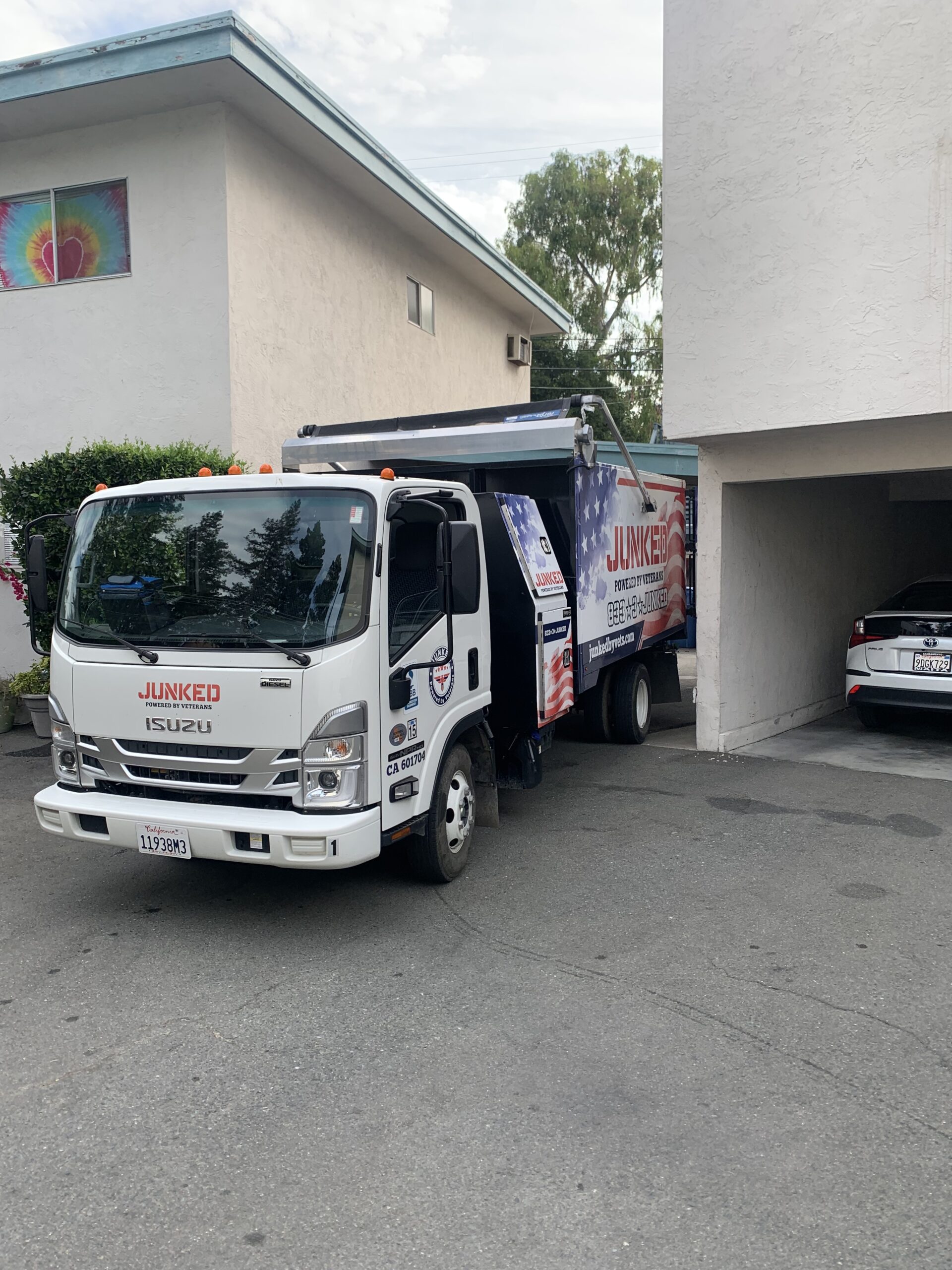
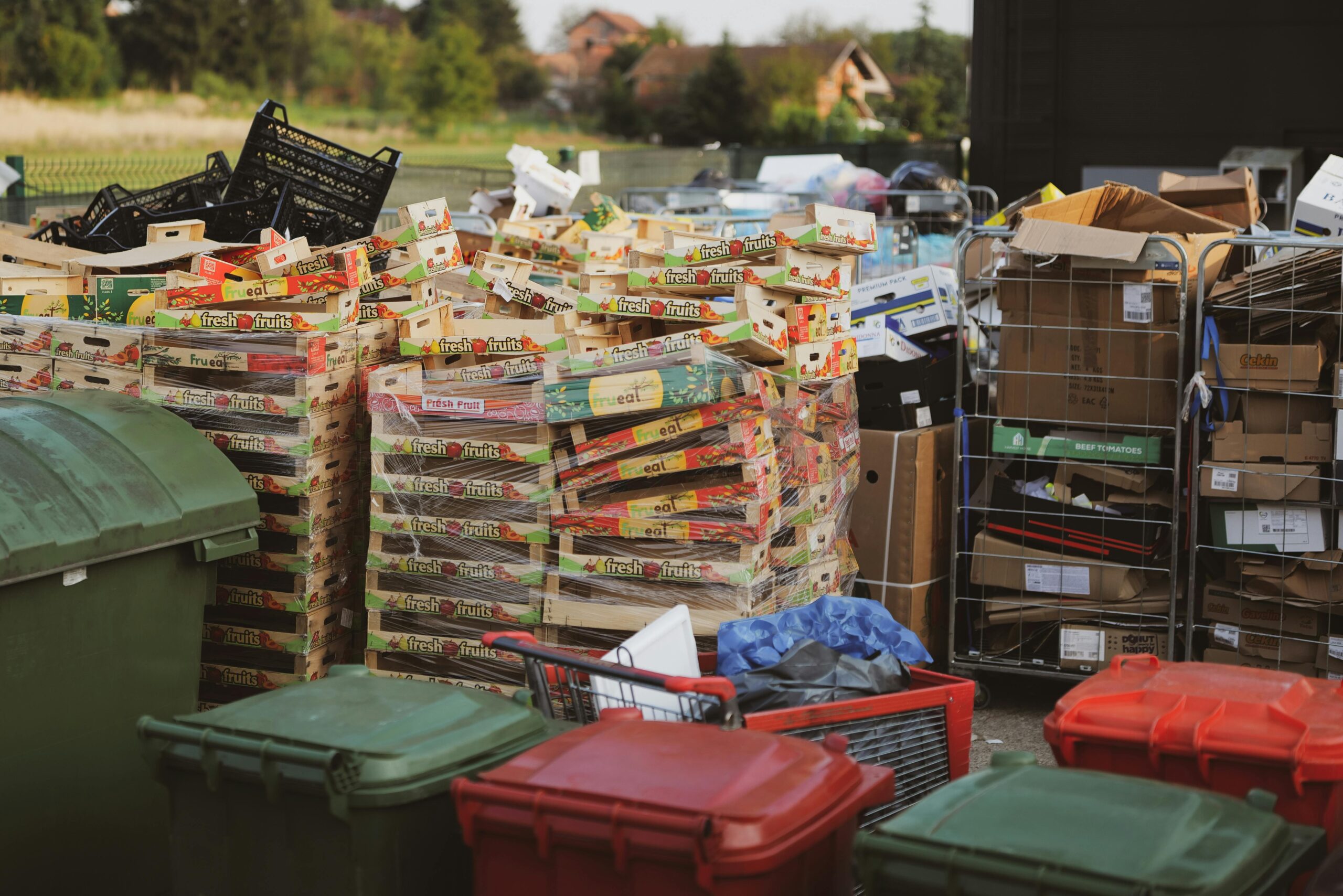
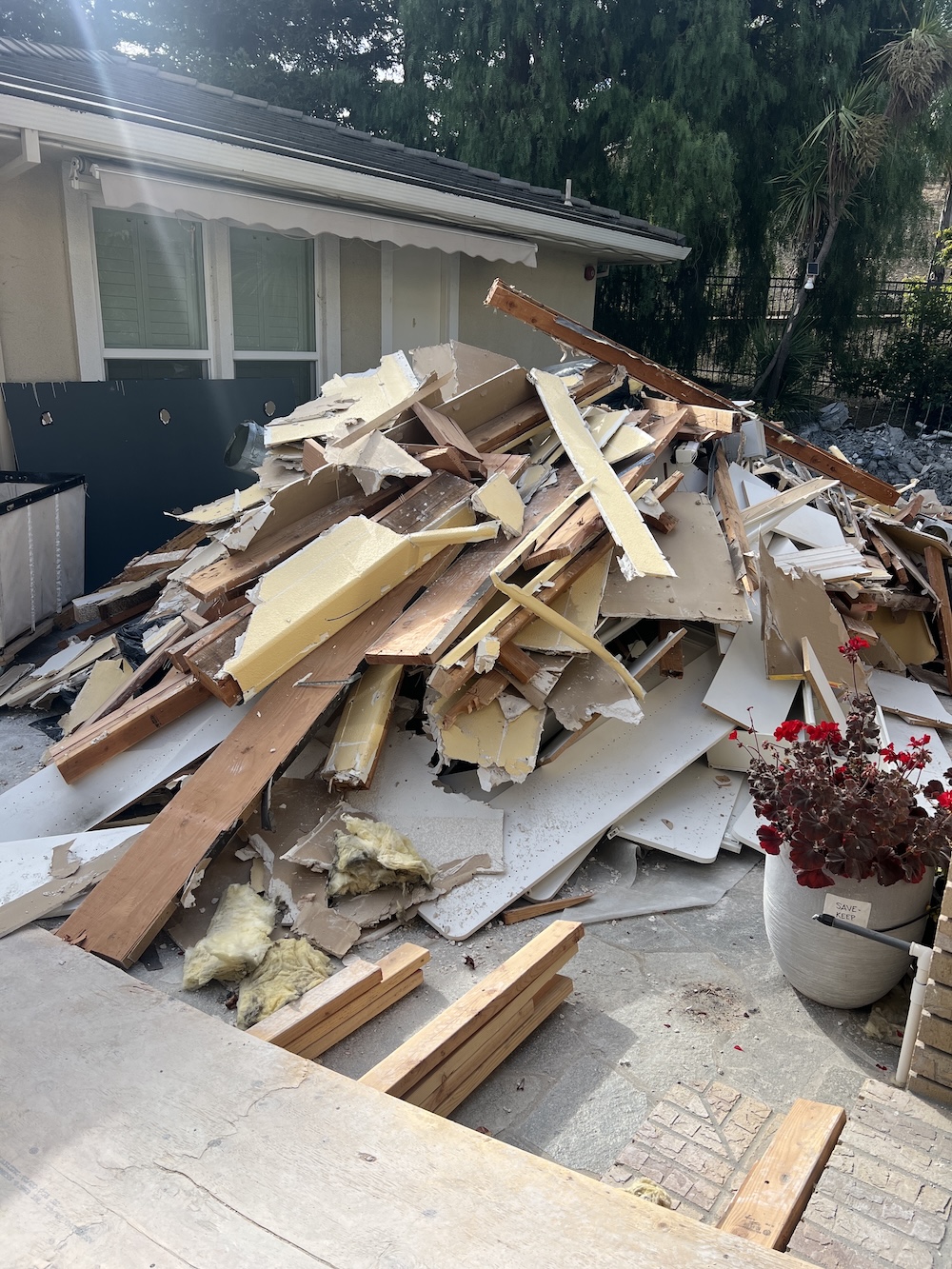
Property managers facilitate cleanouts in compliance with local ordinances, tenant notices on record, and a transparent chain of custody for items. They evaluate unit state, categorize belongings into retain, donate, recycle, and discard, and record valuables for inventory and possible sale. Managers engage licensed haulers for bulk waste and certified recyclers for e-waste and hazardous materials, ensuring metric-weighted disposal where necessary. They provide tenants with dated notices and store repurposed items for a specified retention period. Costs are accounted for per cubic meter and charged back when lease agreements permit. This minimizes risk, maintains properties up to code, and gets rentable space back in commission quickly, as the section below details policies and provides sample forms.
Key Takeaways
- Verify legal ownership and comply with San Ramon notice and eviction regulations before any cleanout to minimize liability and adhere to local laws.
- Work with a documented inventory and photo records as you sort junk, donations, recyclables, hazardous waste, and personal property to shield yourself from claims and accelerate decisions.
- Work with permitted junk and hazardous waste haulers and donation partners to ensure that large items, dangerous materials, and usable goods are disposed of quickly and effectively with minimal landfill impact.
- Incorporate regular cleanouts, combine services, and ask for itemized quotes to keep costs low and vacancy time short. Be aware of add-on fees like hazardous or after-hours disposal.
- Educate employees to respectfully manage tenant property, communicate clearly with tenants, and utilize San Ramon-specific processes to maintain tenant dignity and prevent liability.
- Go green and give back – divert donations and recyclables, measure disposal metrics, support local charities, and strengthen community ties.
The Storage Cleanout Process
Here’s how our property managers take care of storage cleanouts. This process can take a long time, and sometimes the first sorting can last for weeks or even months. Because of this, we often need to find temporary storage and organize our work in stages. Below is a numbered list of steps we follow when we do this job.

1. Legal Verification
Assure that you have legal ownership of everything left behind before you initiate your cleanout. Check the lease, eviction order, and local laws to refrain from wrongful disposal. Log all legal finds and save papers. This record guards against contention and underpins subsequent claims. Photos and time-stamped notes are saved with the case file for accountability.
2. Tenant Notification
We notify the tenant and hold it for a period. Mail former tenants notice including dates of removal, legal authority, and how to claim. Adhere to local San Ramon notification periods and provide a last chance to reclaim property. Retain copies of mailed, emailed, and posted notices as proof of notice. Offer pickup or paid retrieval where needed, minimizing risk of improper disposal.
3. Item Inventory
Do an inventory and photograph prized possessions and potential liability goods. Use the three-group method: keep, donate or sell, undecided. Undecided items go to temporary storage. Temporary storage makes the overwhelming sorting phase more manageable and facilitates phased decision-making. Be aware of storage fees and unit sizes. Pricing frequently scales based on unit size and labor hours.
4. Sorting and Segregation
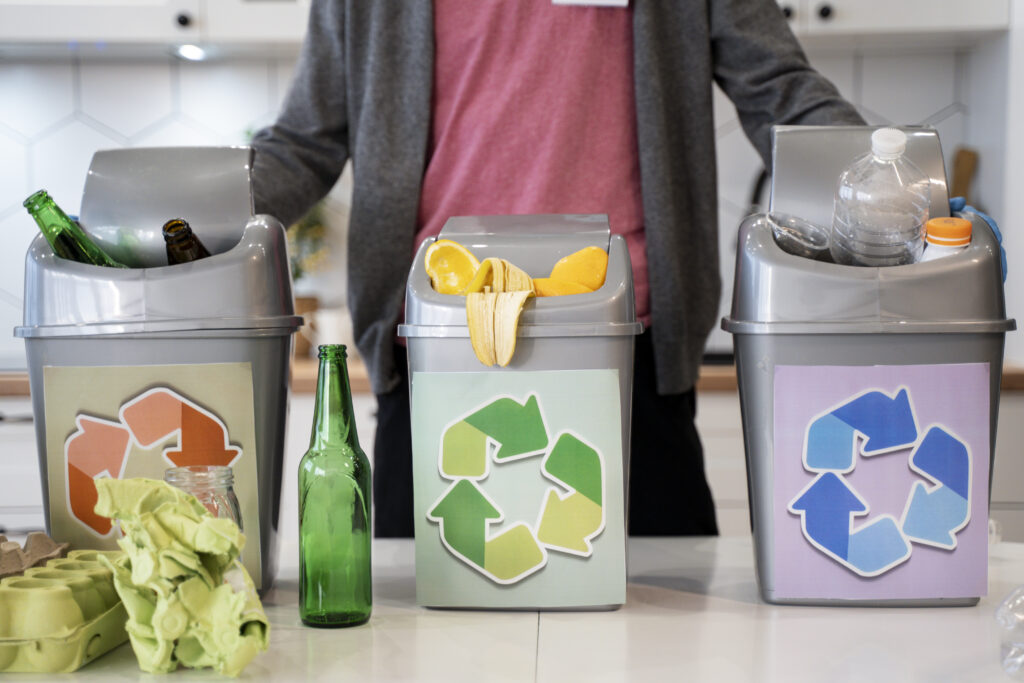
When property managers in San Ramon clean out storage areas, they follow a clear plan. First, they sort items into different groups: junk, recyclables, donations, hazardous waste, and personal belongings. They arrange for special teams to take care of appliances, electronics, and other dangerous materials. For items that can be donated, they partner with local charities and keep a list of what they give away. They also focus on being eco-friendly by recycling, reusing items, and keeping as much waste out of landfills as they can.
5. Final Unit Preparation
Property managers can simplify storage cleanouts by hiring junk removal and cleaning teams to handle the leftover debris and necessary repairs. They should also check the unit to ensure it meets management standards and create a list of repairs needed. It’s important to prepare the unit for showings quickly to minimize vacancy days. Some companies even offer same-day service. Using expert help makes the process easier and faster while ensuring everything is done properly.
Managing Complex Situations
In San Ramon, property managers face different situations that require them to be adaptable and work well with others. Here are some effective and lawful steps they can take to manage storage cleanouts while ensuring they respect tenant rights, keep everyone safe, and manage costs.
Hazardous Materials
Recognize common household hazardous waste: solvents, pesticides, batteries, motor oil, and paint. Distinguish these at first glance to prevent pollution of regular garbage and recyclables. Otherwise, abide by Contra Costa County’s dangerous waste regulations by utilizing county-operated drop-off events or approved disposal vendors. Noncompliance could result in fines and environmental liability. Use licensed removal firms for transport and disposal. They provide manifests and chain-of-custody records that protect managers legally. Teach employees to don PPE, not to combine chemicals that don’t mix, and to record findings. Educate your team about legal risks so they handle dangerous discoveries with immediacy and don’t try ad hoc disposal.
Personal Belongings
Manage personal belongings with respect to maintain tenant dignity and minimize exposure. Sort belongings into clearly labeled groups: claimable items, trash, perishable waste, and valuables. Photograph and inventory valuables and items of sentiment, and make reasonable efforts to notify tenants to collect per the lease or local law. Employ secure short-term storage as needed, and record storage location, access restrictions, and expenses. Train employees on how to de-escalate and respect privacy because some cleanouts are emotional or sensitive. Keep communications records to demonstrate good faith and as a basis for arbitrating disputes.
Abandoned Vehicles
Verify ownership before removal with DMV and lien status check. Work with local police and downtown parking enforcement to adhere to San Ramon ordinances and towing. Use authorized tow operators that issue titling paperwork and pictures upon removal. Inform tenants and neighbors in writing, maintain time stamps of notices, and save all correspondence. Monitor costs and recovery avenues, as eliminating a vehicle can be a big-ticket item that impacts budget projections.
Legal Hurdles
Stay up to date on eviction law, property codes, and storage-specific laws. Develop SOPs that are compliant with local regulations and with lease agreements to minimize exposure to legal liability. Keep comprehensive records: photos, inventories, notices, receipts, and staff reports. When matters go beyond the ordinary, talk to a lawyer so you don’t waste big bucks and so what you do is defensible.
San Ramon Local Compliance
San Ramon requires property managers to coordinate storage cleanouts with municipal and zoning codes and with its Neighborhood Preservation program that probes alleged violations. Know the City’s rules before any cleanout starts so you can avoid fines and dispose of waste safely and legally.
City Ordinances
Take a look at San Ramon’s rules for trash, recycling, and property maintenance, and know that the Neighborhood Preservation Inspectors follow up on reported violations. San Ramon Local Compliance – Post required notices and signage during cleanouts when city code requires public notification, and work with city officials for unusual or large cleanouts.
Social Media
To avoid fines, make sure all junk removal complies with local city regulations. A common issue is hiring businesses that do not hold a valid City of San Ramon Business License, so always verify that outside contractors are properly licensed. For questions about local zoning, permits, or compliance requirements, contact the city’s Planning or Building and Safety Services departments for guidance.
Waste Management
In San Ramon, property managers can rely on several options for storage cleanouts. They can use Republic Services and other licensed companies authorized to pick up commercial waste. The city also has programs for collecting large items, and there are third-party dumpster services that follow local rules. For items like electronics and chemicals, specialized hazardous waste contractors are available to ensure safe disposal.
Comply with San Ramon local laws by separating recyclables from landfill waste and scheduling regular dumpsters or pickups for property cleanouts instead of irregular cleanout sprees that may lead to compliance issues. Monitor disposal costs to stay within budget by itemizing hauling, landfill fees, and recycling rebates. For hazardous or special waste, work with licensed vendors and keep proper manifests. If you have contamination concerns, contact Environmental Health for guidance.
Donation Networks
Partner with local San Ramon charities to donate usable furniture and household goods, helping reduce landfill waste. Maintain simple inventories and receipts for donated items to document potential tax deductions and demonstrate community goodwill. Proper records also create an audit trail if questions arise about item disposition.
Reduce expenses by redirecting reusable items to donation networks whenever possible, and coordinate pickup schedules so they do not disrupt cleanout timelines. Promote donation efforts as part of responsible waste removal and positive community relations, and include these partnerships in tenant communications to encourage participation and support.
For code compliance concerns or to report issues observed during a cleanout, contact the appropriate local city department for guidance.
Why Professional Help Matters
Property cleanouts take more than brawn; they need organization, compassion, and legality. Professional junk removal companies come with a repeatable process that minimizes time on site, minimizes error, and preserves asset value before delivering the underlying operational advantages.

Efficiency
Professional teams come with plans, crews, and gear scaled to the job, which accelerates work and reduces onsite downtime. They have coordinated teams utilizing trucks, dumpsters, and loaders to transport large quantities in one pass. What would take a property manager or a handful of hired hands several days can often be completed in hours. With same-day or next-day scheduling, we help eliminate vacancy time and prevent lost rental income and expensive rush clean-up fees.
Professional assistance is great for the tenant experience. Move-in ready units go to market more quickly and with fewer surprises for new tenants, which fuels retention and stronger reviews. In messy work like estate clearouts or hoarder cases, veteran crews who know how to sort, stage, and deep clean minimize rework and make turnover predictable.
Liability
Licensed and insured junk removal companies transfer a lot of that risk off the manager and onto a contractor who has the insurance and adheres to safety protocols. Documentation, including work orders, photos, and disposal receipts, provides a paper trail that assuages arguments about lost items or alleged damage.
Hazardous material needs to be handled and certified by professionals who comply with local requirements and chain-of-custody standards to prevent fines. Environmental regulations are closing in generally, and using a compliant vendor has proven to minimize the risk of fines and negative public perception for proprietors.
Resources
Professionals tap networks that most managers cannot: certified recycling centers, donation partners, and hazardous-waste facilities. Other companies reuse as much as 80% of material they gather, reducing landfill use and helping with sustainability efforts. Experienced crews provide muscle, organization, and industrial-grade cleaning supplies, sparing your staff hours and avoidable strains.
Vendors handle logistics: route planning, load permits, and disposal manifests, so property teams can focus on leasing and operations. Junk removal lease language goes a long way toward putting responsibility in black and white, greasing future work and protecting your property value.
The Cost of Cleanouts
Cleanouts have different prices related to volume, labor, disposal rules, and access. Any good property manager budgets with ranges and example scenarios to avoid surprises and keep turnovers on schedule.
Pricing Models
Model | How it works | Typical range/example |
Flat-rate | Single price for a job | $100–$800 per full truckload |
Volume-based | Price by cubic yard or truck space | 10-yard dumpster $250–$450; estate multiple dumpsters $6,000+ |
Hourly | Charged per worker hour | $75–$150 per hour per crew member |
Ask for quotes with the labor, haul, and disposal line items broken out. Request vendors’ unit pricing per cubic metre or per truck and examples of comparable jobs. Bundled contracts for multiple units or regular cleanouts usually reduce per-job price. Bargain for a fixed monthly or turnover rate. Managing ten small turnovers monthly might justify a negotiated flat fee that cuts average per-unit cost from $500 to $350.
Average cost scenarios: A small condo junk load handled with a 10-yard dumpster averages between $250 and $450. A single-unit rental cleanout typically begins around $500 and escalates with heavy debris or hoarding. Big estate jobs with multiple dumpsters can top $6,000. General cleanout costs range from $75 to $375 per truckload based on services.
Hidden Fees
Surprise fees tend to show up for things or conditions not in base quotes. Toxic materials can add $200 or more under EPA regulations. Oversized items, such as metal frames or pianos, may have special handling fees. After-hours or emergency pickups generally cost extra.
Disposal fees vary by facility. Landfill or transfer station surcharges and recycling costs should be itemized. Certain companies have minimum load fees or add surcharges for tight access, steep stairs, or extended carry distances. Factor all these possible expenses into your accounting codes so projections and bills add up.
Value Proposition
Professional cleanout teams save time and reduce legal and safety risk. Our trained crews mean less tenant injury, less liability, and faster unit turnaround, which is critical to reducing vacancy days. Most services recycle a minimum of 60% of material collected, which may reduce disposal costs and aid sustainability goals.
Contrast labor hours and liability exposure of a DIY clearout versus vendor efficiency. Reliable vendors typically justify fees through quicker turn-times and better rent-ready quality, which can translate to stronger occupancy and returns.
A Manager’s Ethical Duty
Property managers have a responsibility to follow state laws when dealing with abandoned belongings. They must keep these items for at least 30 days, ensuring that former tenants have a fair chance to get their things back. Usually, this means giving them about 7 to 10 days to claim their property, with clear timelines and steps outlined.

Tenant Dignity
Be respectful of tenant property, no matter what. Consider personal items as private property, bagging or boxing loose items to prevent damage and minimize exposure. Send written notices with firm dates for storage, pickup windows, and disposal actions. Notes should detail contact procedures and fees and be archived.
If feasible, provide reasonable retrieval and flexible pickup hours to mitigate stress for displaced tenants. Provide monitored pickups to safeguard employees and to record returns. Don’t exhibit or advertise sensitive items, keep photos to inventory lists, and never post photos on public avenues.
Trust, in practice, means treating everyone by the same rules and communicating when there are exceptions. Privacy and de-escalation training for staff maintain dignity and reduce tensions, which supports tenancy retention and community standing.
Environmental Impact
Work with nearby recycling yards and donation centers to divert reclaimable furniture, electronics, and even clothing to community organizations. Educate employees on sorting and hazardous material handling so cleanouts and renovations don’t pose health risks. Follow environmental statistics, such as tonnes diverted, contributions, and dangerous items safely processed, and publish them in occasional reports to shareholders.
Do’s and Don’ts for Responsible Waste Management:
- Do separate them into recyclables, donations, hazardous waste, and landfill.
- Do coordinate with certified recycling centers and donation partners.
- Do log weights or volumes for reporting and accountability.
- Don’t mix hazardous items with general waste.
- Don’t ship reusable things to the landfill without at least thinking about donation.
- Don’t ignore local hazardous waste disposal rules.
Community Responsibility
Back local charities with pickups and material drives associated with cleanouts. Along the same lines, keep common areas neat during projects and clean up debris as soon as possible to maintain safety and curb appeal. It decreases complaints and retains value.
Hold seasonal cleanups and invite the neighbors. These create goodwill and a conduit for reuse. Champion responsible waste removal as a fundamental business value. Publish policies, report results, and involve tenants in recycling schemes.
Conclusion
Property managers in San Ramon handle storage cleanouts by first inspecting each unit and documenting its contents. Local laws governing liens and disposal are followed closely to ensure compliance. For larger cleanouts, professional services are often hired, and detailed inventories are maintained for proper record-keeping.
Costs, risks, and responsibilities are carefully evaluated throughout the process. To reduce waste and control expenses, managers coordinate with local donation programs and disposal services when appropriate. Because this is a business operation, thorough logs and photographic records are kept to protect both property owners and tenants.
The overall goal is to complete cleanouts quickly, fairly, and in full legal compliance while minimizing liability and preparing units for re-rental.
Frequently Asked Questions
How do property managers start a storage cleanout in San Ramon?
They inventory the unit, contact the tenant according to California and San Ramon laws, and arrange an inspection. If the unit is abandoned, they adhere to state lien and notice procedures before disposal.
What legal notices are required before disposing of belongings?
Managers must provide necessary notices in writing via certified mail and post notices onsite. California law and local San Ramon ordinances determine timeframes and specific language to safeguard due process.
Can property managers sell items from a storage unit?
Yes, but only after legal notice and lien procedures. Sales must be publicly advertised and conducted in a commercially reasonable manner to satisfy outstanding debts and obligations as required by law.
How are hazardous materials handled during cleanouts?
Hazardous materials are identified, segregated, and disposed of by licensed contractors. The managers comply with state and local hazardous waste regulations to reduce fines and health hazards.
What costs should owners expect for a professional cleanout?
Prices include labor, dumping fees, hauling, and potential hazardous waste removal. Property managers give estimates and break down fees so owners see why it is worth it, financially and legally, to use professionals.
How do managers protect tenants’ privacy and belongings?
They maintain a chain of custody, photograph items, and observe pre-disposition notice rules. This makes the process legally compliant and less prone to negligent disposal lawsuits.
When is it worth hiring a professional cleanout team?
Bring in a pro for bulk, hazardous, rush, or legally tricky cleanouts. They save property managers and owners time, ensure compliance, and reduce liability.