To avoid paying too much for storage units, follow these helpful tips to save money and space. Start by checking local prices and standard sizes for storage units to figure out a fair cost per cubic meter. Think about important features like access hours, safety, insurance, and climate control to choose the right unit for your belongings without overspending. Look at online reviews, ask about move-in deals, long-term discounts, and prorated rates for the first month to cut down on initial expenses. Before you rent, measure and take pictures of your items to avoid picking a unit that’s too big. Keep your receipts and track any ongoing charges so you can catch billing errors. The main post includes a checklist, example savings calculations, and negotiation tips for clear and effective savings.
Key Takeaways
- Determine your needs by making an itemized list and using a storage size calculator to select the smallest unit that securely accommodates present and near-term belongings. Identify the necessity of climate control.
- Shop prices and real value between facilities, including base rent, hidden fees, security, access hours, and insurance, to ensure you don’t overpay.
- Time your rentals to avoid peak demand and use introductory offers smartly. Do the math over your anticipated rental time to avoid sticker shock when promotions end.
- Negotiate rent, deposits, admin fees, and price increase clauses. Ask for month-to-month arrangements or caps on future rent increases.
- Be smart when packing! Take apart your furniture and stack it up or place it on shelves. Organize your items by how often you need them. This helps keep your storage unit smaller and stops you from needing a bigger one.
- Declutter regularly and explore options like portable containers, shared space, or home storage. Take into account obligatory insurance, lock requirements, and late fees when budgeting.
How to Avoid Overpaying for Storage
Choose the right unit size and features for your actual needs first. Then compare facilities carefully, considering location, access hours, security, and promotions. Avoid upselling on unnecessary climate control or oversized spaces, and always check long-term pricing before committing. Research discounts and read reviews before signing any lease agreement today.

1. Assess Needs
Develop a line-item list of everything you intend to store, noting rough sizes and fragility. Go through your own size calculator or size guide and map items into the unit footprint. Most people only use about 65% of a 10-by-10 unit, so this keeps you from paying for space. Think ahead: seasonal gear, future purchases, or a pending move can change requirements. Determine if you really need climate control. By avoiding unnecessary climate-controlled units, you can cut your monthly costs significantly when items are tolerant of normal temperature swings. Flag anything that needs indoor access or extra security so you can select a unit equipped with the appropriate amenities.
2. Compare Prices
Collect quotes from several companies and construct a basic comparison table of base rent, deposits, admin fees, insurance, access hours, and security. Look beyond the sticker price; hidden costs like mandatory insurance or move-in fees add up. Look at online outlets. Renting online often gets you lower first-month rent or waived fees compared to doing it in person. Weigh price with value. Superior illumination, monitoring, and access can reduce risk and expense over time. For investors, examine NOI and cap rates to evaluate actual facility value, not just rates advertised.
3. Time Your Rental
Avoid peak seasons when demand spikes and rates soar. A ton of renters end up paying through the nose because they rent during the high-demand months. Keep an eye on what’s happening locally and move in during the slow periods to get the best rates and most promotions. Take advantage of introductory deals or first-month-free offers for one-time storage needs. Match lease length to purpose: short-term needs favor month-to-month. Long-term users can seek fixed-rate deals or financing to lock in predictable payments and avoid paying more if the market climbs.
4. Negotiate Terms
Have managers match competitor pricing or throw in some extras like a free month, waived admin fees, or a discounted deposit. Negotiate flexible leases so you aren’t stuck paying for space you don’t need. Talk about possible rent increases and attempt to lock pricing or obtain written caps. For investors, it’s about knocking down cap rates and financing terms. Good terms mean you’re less likely to overpay if valuations shift.
5. Pack Efficiently
Break down big things and think vertically. Shelves and stackable boxes make the most of your available cubic meters. Cluster commonly accessed items at the front of the door and queue the less-used products behind. Professional packing not only saves space, but it also prevents you from having to upgrade to a larger unit. Minor packing tweaks can reduce unit size and monthly charge.
Find Out About Extra Costs
When you choose a storage unit, the rental price is just one component of the cost. Dig into the contract to discover add-ons like admin fees, compulsory insurance, after-hours access fees, climate-control surcharges, and one-time setup fees. Identify which fees recur monthly and which are a single occurrence. Have the manager identify any clauses that add fees when you need access outside business hours, and check if the initial pricing already bundles the first month’s rent with admin fees and required insurance.
Administration Costs
Verify if the facility charges one-time setup or recurring administration fees in addition to the base rent. Ask for an itemized list of all setup and administrative fees before signing, and verify if those fees are refundable should you terminate the lease early. Many places have a monthly administration line on the invoice that can range from 5 to 15 percent of rent, so factor that into your overall price. If a facility has access or gate code fees, have them show those in writing. Then compare different facilities’ admin structures to get the lowest total ongoing cost.
Mandatory Insurance
See if they insist you purchase insurance through them and what the policy covers. The rates are much lower than the facility’s insurance rate. Third-party coverage is often cheaper for similar limits, so check it out! Read the policy details. Many policies exclude certain valuables or set low payout limits per item. Find out if insurance is billed monthly or annually and factor that into your budget. If the facility allows you to provide proof of your own homeowner or renter’s insurance, verify what coverage levels are acceptable and what paperwork is required.
Required Locks
See if you have to purchase a certain lock from the facility or if you are allowed to bring your own approved lock. We compared facility-sold lock prices to normal retail locks and found that branded facility locks may be two or three times as expensive. Verify any personal lock satisfies the facility’s security requirements to avoid having to get one swapped out. Count the lock cost as part of your upfront expense when choosing which unit to rent.
Late Payment Penalties
Check if the late fees are a set amount or if they are based on a percentage of your rental cost. Ask how many days you can be late before the fee kicks in. Look for any grace periods, and find out if they send reminders. Understand what causes these fees! Be aware that paying late multiple times can add up and affect your account.
Evaluate True Value
Judging the real value of a storage unit is about much more than the monthly rate. It’s about comparing security, access, climate control, and location to facility-level measures like NOI and cap rate. Apply three different value methods—market comps, replacement cost, and income—to keep from under- or overpaying. They each expose different risks and rewards that are important when you compare facilities and decide what to pay for your unit.
Security Features
Verify managed access and personal unit alarms. A gate with custom PINs and logs minimizes unauthorized access. Check out lighting and sight lines at night to determine visibility. Bad lighting creates a theft opportunity and could result in higher insurance premiums. Factor security into price. Higher-grade systems raise operating costs but can justify a higher rate through lower loss probability and better resale value.
Feature | Facility A | Facility B | Facility C |
24/7 CCTV | Yes | No | Yes |
Gated access | Electronic | Manual | Electronic |
Individual unit alarms | No | Yes | No |
On-site manager | Yes | No | No |
Perimeter lighting | High | Low | Medium |
Access Hours
Consider TRUE VALUE reviews. If you need regular or emergency access—relocating, operating a small business, or holding inventory that’s time sensitive—restricted hours can cost you both time and money. Limited hours may compel scheduling to accommodate pickup windows, causing more trips. When choosing between two units, weigh access flexibility. Pay more where access saves delivery time and labor costs.
Climate Control
Determine if your products require temperature or humidity control. Electronics, antiques, leather, and vinyl can warp, corrode, or delaminate without consistent conditions. Compare price gaps. Climate control often adds a measurable premium, and you should quantify that against the replacement costs of items at risk. If the value of goods in storage is greater than the incremental cost for the anticipated storage time, climate control makes sense.
Location Convenience
Select a location near your house, office, or highways to reduce commuting and gas expenses. Urban sites are more expensive, but they reduce your commute. Suburban sites have cheaper fees, but increase your travel expense. Scout neighborhood security and entryways after hours. Compare saved rental spend versus added travel and time costs, as well as facility occupancy and operating cost profiles. Greater occupancy and efficient operations generally reflect more robust long-term value.
Master Your Contract
Mastering the contract minimizes surprises and avoidable costs. Master Your Contract: Read your entire rental agreement to know exactly your obligations, default points, notice windows, fee schedules, and how the facility treats missed payments. Retain a signed copy for your records and to back up any disagreements.

Introductory Offers
Introductory deals such as a first-month-free are handy but fleeting. Check when regular pricing kicks in and if the promotion is valid for the unit size you require. Do the math for the total cost over your intended stay. If you need 12 months, sum each month’s price, fees, and probable hikes instead of fixating on month 1. Inquire about terms that invalidate the deal. Some need autopay or minimum nights. Check qualification steps in writing so you can demonstrate eligibility later. For example, a facility offers one month free when you prepay three months. If you move after two months, you may lose the benefit and face retroactive charges.
Price Increase Clauses
Look for clauses that permit scheduled rent increases or “market adjustments.” Note any language about averages or caps, and request historical increase rates from the manager. Most properties increase rent every year or when you renew. Negotiate a fixed rate or an explicit cap for the term you sign to manage cost risk. Follow regional storage price trends to predict future prices. This helps you choose between a longer fixed term or month-to-month flexibility. If it’s ambiguous, demand a straight cap, no more than 5% per year.
Notice Periods
Look at the mandatory notice period for canceling and when a notice must be received to escape further charges. Place the deadline on your calendar and verify acceptable delivery methods, such as email, portal, or in-person. Discover early move-out and notice penalties, which may include additional months’ rent or loss of deposit. Understand payment default rules: most facilities give a grace period of 5 to 15 days, with default occurring 5 to 30 days after a missed due date. Late fees of £10 to £20 or up to 15% apply, and unpaid accounts can go to collections and stay on credit reports for seven years. Reach out to management early and work it out, rather than facing sudden lockout, fees, or auctions.
Rethink What You Store
Rethink what you store: Small changes in what you keep can cut monthly bills and free space. Inventory your unit, trade off value versus storage cost, and make explicit decisions about sell, donate, or discard so you don’t pay for lost or cheap stuff.

The Cost of Clutter
Make a checklist of what you’re storing, including condition and an approximate value in dollars. Utilize the checklist to identify duplicates, low-value items, and those things which cost more to store than they’re worth. A good rule of thumb is to rethink anything more expensive to store than its market value. Rethink what you store. Track this list digitally with timestamps so you know when an item was last used or inspected, and don’t forget contents.
Now find opportunities to sell, donate, or just toss. A few online sales or charity drop-offs can reduce your unit size or allow you to close it altogether. Bad space planning creates permanent higher rent. Piling with no layout leaves aisles, or renting a bigger unit than you require. Size up and menu map before unit size commitment.
Minimize frivolous rentals by inventorying measurements and organizing by how often you access. Repackage breakables in appropriate padding and mark them on your inventory checklist to avoid damage and replacement fees. Occasional outsourcing stops low-value bloat from quietly expanding your invoice.
Sentimental vs. Financial Value
Separate sentimental items from financial valuables and assign each their rules. Confine pure-sentiment pieces to a small, special box or shelf. Leave the rest out of those rented storage units. Digitize photos, paperwork, and certificates to minimize physical requirements. Scanned versions exist inexpensively in cloud storage, while originals are held only if necessary.
Decide on objective criteria: resale potential, replacement cost, and emotional significance scored on one sheet. Things that rate low on those axes are potential candidates to sell, donate, or recycle. This simplifies hard decisions and reduces price without remorse.
When to Declutter
Just plan cleanouts right on a calendar. Seasonal shifts or an annual date can be a good reminder. Set a rule: if unused for a year, sell or donate. Short, concentrated cleanouts keep build-up at bay and lessen the likelihood you hold on to low-value items for years.
If time is limited, hire a junk removal service for efficient clearouts. Services like JUNKED: Powered By Veterans handle haul-away and donation sorting. Recruit a friend — decisions are quicker, and you save on extra rent.
Consider Storage Alternatives
Think about storage options and evaluate your true needs before you pay for space you don’t need. Take some measurements and total volumes in cubic metres. Then add a buffer for aisles and new additions. Auditing your stock biannually will reduce unused clutter and resize your space. Think storage alternatives: bargain shop on a per-square-metre basis. The bigger the unit, the cheaper it often is, so you can share a bigger unit and save money.
Portable storage containers or mobile storage
Mobile containers can be less expensive when you want short-term or flexible access. They remove the need to move items twice: the company drops the container at your address, you load it, then they store it at a yard. Compare like-for-like features: is the container insulated, secured, and delivered with ramps or tie-down points? Calculate transport and drop/pick up fees. Summer peak demand drives prices high and availability low, so book early or opt for off-peak months such as fall or winter for more attractive pricing. Consider storage alternatives. When your items require consistent humidity and temperature, keep in mind that climate control adds approximately 12.5 percent to cost compared to non-climate units. Only pay that premium when the items warrant it.
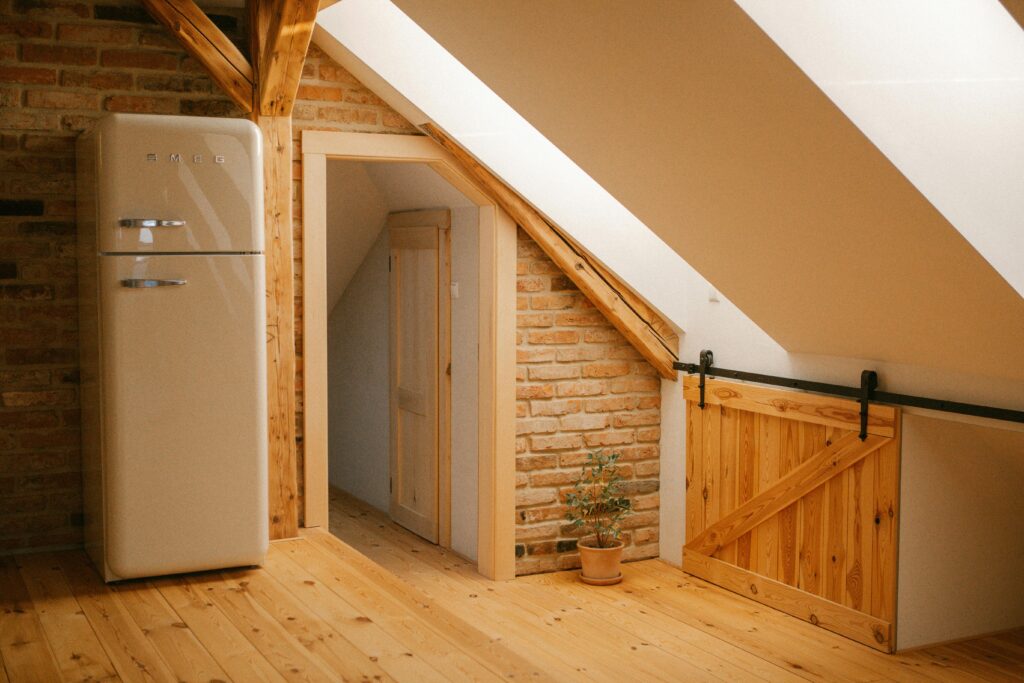
Use attic, basement, or garage space at home.
Home digs typically trump commercial rates if they satisfy security and environmental requirements. Check structural limits and moisture risk prior to storing antiques or electronics. Utilize pallets and breathable covers to prevent damp. Turn neglected spaces into labeled-bin-and-shelf zones for maximum density. DIY options let you avoid access fees and hourly restrictions, but reconcile the trade-offs: personal convenience versus potential insurance gaps and household disruption.
Share storage space with friends or family
Shall we think about storage options? Sharing divides rent and frequently brings about a decreased per-individual expense, particularly when renting a bigger unit that has a reduced unit price for each square meter. Next, brainstorm storage options and put down some basic access hour, cost share, and item responsibility ground rules to avoid fights. Shared climate control choices should reflect the most sensitive items in the group to make the additional 12.5% cost worthwhile.
Consignment shops or donation centers
For things that don’t justify perpetual rent, selling or donating eliminates recurring expenses and potentially recovers value. Consignment helps defray moving or storage costs, and donations provide tax receipts. Factor in time to sell, possible income, and the emotional price of release.
Conclusion
You can slash storage bills with smart moves and regular audits. Choose a unit that meets size and access requirements. Check prices in your area and read the fine print for admin, lock, and insurance fees. Rent month to month to keep things flexible. Organize junk and offload what you don’t want. Shelving and vacuum bags can save space and get you a unit smaller, quicker. Go lockers, peer-to-peer spaces, or climate-controlled only if your stuff requires it. Maintain a dated inventory and photo record to prevent disagreements. Small changes add up: a smart size choice, tight packing, and a sharp eye on contracts save money and time. Be prepared to store extra cleverly in your next unit.
Frequently Asked Questions
How can I spot hidden fees before renting a unit?
Ask for a full written quote that lists all charges: administrative fees, insurance, vehicle or climate surcharges, and late fees. Compare line items across facilities and do not get sticker shock.
Is it better to choose a larger unit than I need?
No. Rent the right-sized unit, and you save money. Measure and add 10 to 15 percent extra for access. Upsizing costs you more over time without additional value.
Should I sign a long-term storage contract for a lower rate?
Only if you’re confident of long-term need. Long contracts can lock you into better rates but reduce flexibility. Negotiate short-term discounts initially.
How much does insurance add to storage costs?
Insurance usually adds a nominal monthly fee, sometimes based on dthe eclared item worth. See if your homeowner’s or renter’s policy already insures stored goods.
Are climate-controlled units worth the extra cost?
Yes, if you’re storing temperature or humidity-sensitive belongings like wood, electronics, or important paperwork. For general household items, a regular unit typically does the trick.
Can I negotiate the storage price?
Yes. Request promotions, inquire about competitors’ prices, or negotiate over move-in discounts. Managers would rather offer a little discount than have an empty unit.
What are cheaper alternatives to traditional storage facilities?
Share a garage, use peer-to-peer storage, and rent a cheap off-site unit further from urban cores. Consider transport time and convenience.