Choosing the right commercial demolition contractor in San Ramon is an important decision for any property owner, developer, general contractor, or business preparing for a renovation, redevelopment, or new construction project. Commercial demolition is much more than tearing down walls or removing an existing structure. It requires careful planning, experienced crews, appropriate equipment, site coordination, debris management, and a strong understanding of how demolition activities can affect the surrounding property and project timeline.
A poorly planned demolition project can create unnecessary delays, unexpected expenses, property damage, and complications for the next phase of construction. On the other hand, an experienced commercial demolition contractor can help organize the work efficiently, identify potential challenges early, and prepare the site for what comes next.
San Ramon has a diverse commercial landscape that includes office buildings, retail properties, restaurants, industrial spaces, mixed-use developments, and other commercial facilities. Each property can present different demolition requirements. A contractor who is experienced with one type of project may not necessarily be the best fit for another. That is why business owners and project managers should evaluate contractors based on experience, project capabilities, safety practices, communication, equipment, scheduling, and overall value.
This guide explains how to choose a commercial demolition contractor in San Ramon and what factors you should consider before hiring one.
Table of Contents
ToggleKey Takeaways
- Look for a contractor with proven commercial demolition experience.
- Make sure the contractor understands the specific type and scale of your project.
- Ask about previous projects that are similar to yours.
- Evaluate the contractor’s planning and site-management process.
- Safety should be a major consideration when comparing contractors.
- Confirm that the contractor has the equipment and workforce needed for the job.
- Discuss debris removal, recycling, hauling, and site cleanup before work begins.
- Request a detailed written estimate rather than relying on a general price range.
- Avoid choosing a contractor based solely on the lowest bid.
- Communication and scheduling are essential for keeping commercial projects on track.
- Check references and reviews before making a final decision.
- Make sure responsibilities, expectations, and project scope are clearly defined in writing.
Why Choosing The Right Commercial Demolition Contractor Matters
Commercial demolition often represents one of the first major steps in a redevelopment or renovation project. If demolition does not proceed according to schedule, the delay can affect contractors, subcontractors, material deliveries, inspections, and other work that depends on the site being ready.
For example, a business owner may be preparing an existing commercial building for a complete interior renovation. The demolition contractor may need to remove partitions, flooring, ceilings, fixtures, cabinetry, mechanical components, and other interior elements before construction crews can begin. If the demolition phase takes longer than expected, the entire construction schedule may shift.
The right contractor helps reduce these risks by developing a practical demolition plan and coordinating the work according to the property’s conditions and project requirements.
Demolition Is A Specialized Construction Activity
Demolition requires specialized knowledge because existing buildings can contain different materials, structural systems, utilities, finishes, and concealed conditions.
A contractor needs to understand how to remove materials while limiting unnecessary damage to areas that will remain. This is particularly important for partial demolition and interior demolition projects.
Commercial properties can also have more complicated access requirements than residential properties. A contractor may need to work around neighboring businesses, customers, employees, parking areas, loading zones, shared walls, or active portions of a building.
Demolition Can Affect The Entire Project
The demolition contractor’s work can influence what happens after demolition is complete.
A properly prepared site allows the next contractor to begin work more efficiently. An incomplete cleanup, unexpected debris, damaged surfaces, or poorly coordinated demolition can create additional work.
For that reason, selecting a commercial demolition contractor should be viewed as a project-planning decision rather than simply a cost decision.
Determine What Type Of Commercial Demolition You Need
Before comparing contractors, identify the type of demolition your project requires. Different demolition projects can involve different equipment, crews, techniques, schedules, and levels of planning.
Interior Commercial Demolition
Interior demolition involves removing selected elements inside an existing structure while preserving the building or portions of it.
Common interior demolition work can include:
- Removing walls and partitions
- Removing ceilings
- Removing flooring
- Removing cabinets and built-in fixtures
- Removing doors and frames
- Removing outdated finishes
- Removing selected plumbing or electrical components
- Preparing spaces for remodeling
- Removing commercial equipment and fixtures
Interior demolition is common for office renovations, restaurant remodels, retail improvements, and tenant improvements.
Partial Building Demolition
Partial demolition involves removing a portion of a structure while leaving other areas intact.
This type of project requires careful planning because the contractor may need to protect structural components and occupied or functioning portions of the property.
Complete Commercial Demolition
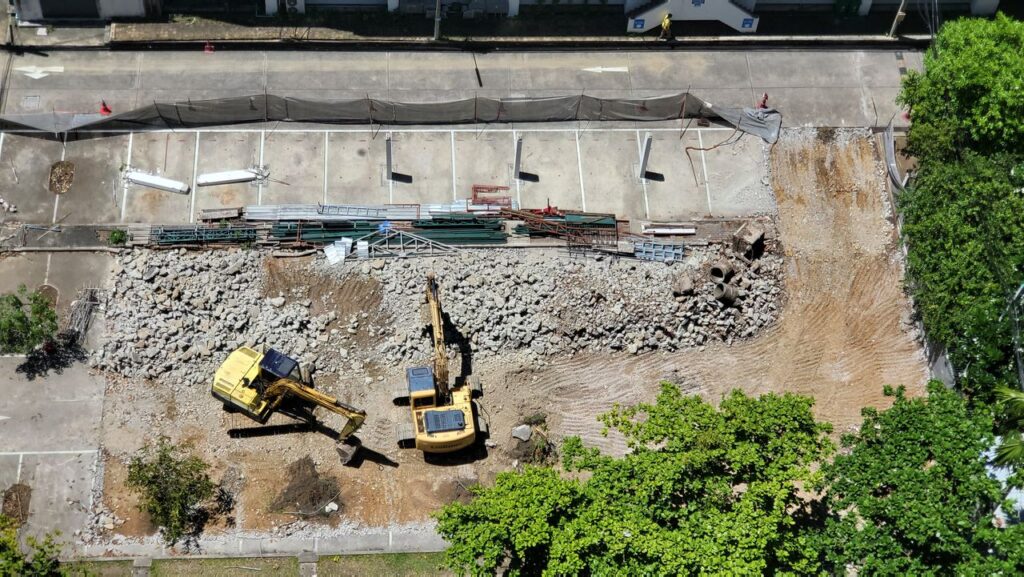
Complete demolition involves removing an entire commercial structure.
These projects generally require more extensive planning, equipment, labor, debris handling, and site coordination than smaller interior demolition projects.
Selective Demolition
Selective demolition focuses on specific building components rather than removing everything.
For example, a property owner may want to preserve the building’s main structure while removing outdated interior systems and finishes.
Knowing your project’s scope helps you identify contractors with the right experience.
Look For Proven Commercial Experience
One of the most important factors when choosing a demolition contractor is experience.
Commercial demolition can differ significantly from residential demolition. Commercial properties can be larger, more complex, and more difficult to access. They may also require coordination with multiple parties.
Ask contractors about their experience with projects similar to yours.
Ask About Similar Projects
Instead of simply asking how many years a company has been operating, ask whether it has completed projects similar to yours.
Useful questions include:
- Have you completed commercial demolition projects in San Ramon?
- Have you worked on buildings similar to mine?
- Have you handled interior demolition?
- Have you completed selective demolition?
- Have you worked on occupied commercial properties?
- How large were your previous projects?
- Can you provide examples of completed work?
- Can you provide references from previous commercial clients?
Relevant experience can give you a better idea of whether the contractor understands the challenges associated with your project.
Experience With Different Commercial Properties
A contractor who has worked in offices may have different experience from one who primarily handles industrial facilities.
Depending on the project, you may want a contractor familiar with:
- Office buildings
- Retail spaces
- Restaurants
- Warehouses
- Industrial buildings
- Medical or professional offices
- Mixed-use properties
- Tenant improvements
- Large commercial structures
The closer the contractor’s previous experience is to your project, the easier it may be to anticipate potential challenges.
Evaluate The Contractor’s Planning Process
A professional demolition contractor should have a clear process for preparing a project before demolition begins.
Planning helps identify access issues, material-handling requirements, work sequencing, equipment needs, and potential obstacles.
Conduct A Thorough Site Evaluation
Before providing a final estimate, the contractor should understand the actual conditions of the property.
A site evaluation can help identify:
- Building size
- Existing construction
- Interior layout
- Access points
- Loading areas
- Parking limitations
- Nearby structures
- Areas that must remain protected
- Material types
- Existing utilities
- Debris-handling requirements
- Equipment access
A contractor who takes time to understand the property may be better positioned to provide a realistic project estimate.
Develop A Clear Scope Of Work
The scope of work should explain exactly what will be removed.
For example, “commercial interior demolition” is a broad description. A detailed scope might specify that the contractor will remove certain walls, ceilings, flooring, fixtures, doors, and other identified components.
A detailed scope reduces confusion between the property owner and contractor.
Consider Safety Practices
Safety should be one of your highest priorities when selecting a commercial demolition contractor.
Demolition involves heavy materials, machinery, dust, debris, elevated work areas, structural components, and potentially unpredictable conditions. Commercial properties may also have employees, customers, neighboring businesses, and other workers nearby.
Ask About The Contractor’s Safety Procedures
When interviewing contractors, ask how they approach safety.
Questions can include:
- How do you prepare for demolition hazards?
- How are workers trained?
- How is the work area secured?
- How do you control dust and debris?
- How do you protect areas that remain in place?
- How do you manage equipment around other people?
- How do you coordinate work around occupied spaces?
A contractor should be able to explain its safety approach clearly rather than treating safety as an afterthought.
Site Protection Is Also Important
Safety is not limited to protecting demolition workers.
A good contractor should also consider the property, neighboring structures, surrounding areas, and other people who may be near the work zone.
Protective measures may include controlled access, barriers, signage, dust-control procedures, and appropriate handling of debris.
Check Equipment And Resources
Commercial demolition can require specialized equipment. The appropriate equipment depends on the project’s size, location, materials, and scope.
Possible equipment can include:
- Excavators
- Skid steers
- Loaders
- Concrete-breaking equipment
- Cutting tools
- Material-handling equipment
- Dust-control equipment
- Debris containers
- Hauling equipment
Equipment Should Match The Project
Having equipment available is not enough. The contractor needs to know how to use the appropriate machinery for the specific site.
For example, a large machine may be effective on an open demolition site but inappropriate for a tight interior environment.
Ask the contractor what equipment will be used and why.
Workforce Capacity Matters
A contractor also needs enough qualified workers to complete the project according to the agreed schedule.
A contractor with insufficient manpower may struggle to maintain the timeline, particularly if the project involves multiple work areas.
Ask how the contractor plans to staff the project and whether the proposed crew is appropriate for its size.
Review Debris Removal And Cleanup
Demolition produces a significant amount of material. Managing that material is an important part of the project.
Ask exactly what the contractor’s estimate includes for debris removal and cleanup.
Understand What Happens To Demolition Materials
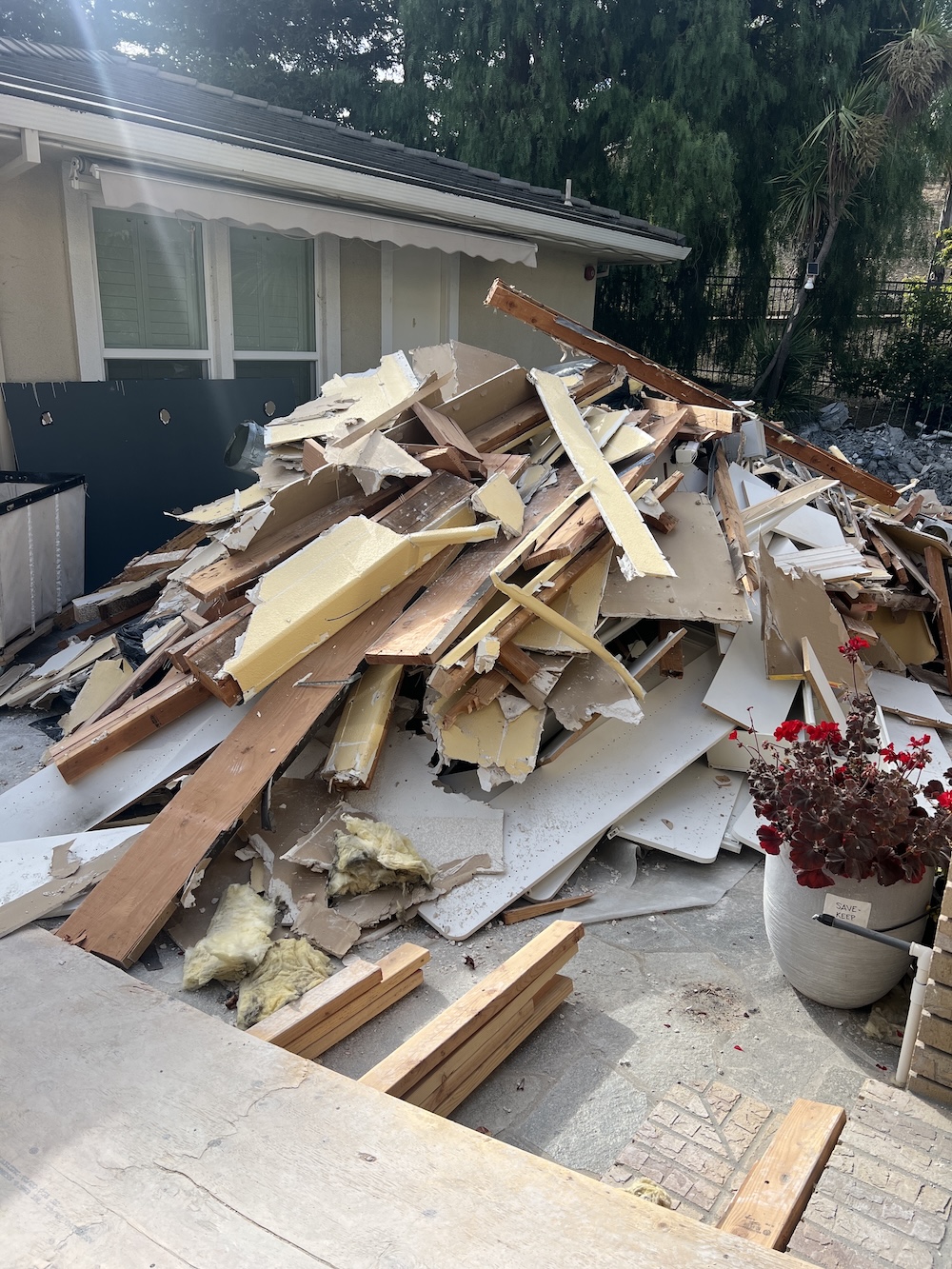
Depending on the project, materials may include:
- Concrete
- Wood
- Metal
- Drywall
- Flooring
- Ceiling materials
- Fixtures
- Glass
- Packaging
- Construction debris
Some materials may be recyclable or reusable, while others may require specific disposal procedures.
Ask About Recycling
A contractor that has an organized material-recovery process may be able to divert certain materials from disposal.
Ask:
- What materials do you recycle?
- How are recyclable materials separated?
- Is hauling included?
- Are disposal costs included in the estimate?
- Will the site be cleaned after demolition?
These questions can help prevent unexpected charges later.
Compare Detailed Estimates
Cost is naturally an important consideration, but the lowest estimate is not always the best choice.
Commercial demolition pricing can depend on many factors, including:
- Project size
- Demolition type
- Building materials
- Labor requirements
- Equipment requirements
- Site access
- Debris volume
- Hauling requirements
- Project duration
- Complexity of the work
- Protection requirements
Ask For An Itemized Estimate
An itemized estimate makes it easier to understand what you are paying for.
The estimate may separate costs associated with:
- Labor
- Equipment
- Demolition work
- Debris removal
- Hauling
- Disposal
- Cleanup
- Other project-specific services
If one contractor’s price is significantly lower than another’s, determine why before making a decision.
Avoid Choosing Based Solely On Price
A low bid may look attractive initially, but it can become more expensive if the scope is incomplete or additional costs appear during the project.
Instead, compare the overall value.
A contractor with stronger planning, better communication, appropriate equipment, and relevant experience may provide greater value even if the initial estimate is not the lowest.
Ask About Scheduling And Project Duration
Commercial projects often operate under strict schedules.
A business may need to reopen by a particular date. A general contractor may need the site prepared before other trades can begin. A developer may have multiple phases that depend on demolition completion.
Ask contractors:
- When can you begin?
- How long do you expect demolition to take?
- What factors could affect the schedule?
- How will delays be communicated?
- How will the demolition work be coordinated with other contractors?
Get A Realistic Timeline
A contractor should be cautious about guaranteeing a completion date before understanding the property’s conditions.
A realistic schedule should account for the actual scope of work and potential complications.
Communication During The Project
Good communication becomes especially important when unexpected conditions are discovered.
Rather than allowing problems to cause silent delays, a professional contractor should communicate issues and discuss potential solutions.
Evaluate Communication And Professionalism
Communication is often overlooked when comparing contractors, but it can have a major impact on the project experience.
Pay attention to how the contractor communicates from the first conversation.
Does the contractor:
- Respond promptly?
- Answer questions clearly?
- Arrive prepared for site meetings?
- Provide written information?
- Explain the scope carefully?
- Discuss potential challenges?
- Communicate schedule expectations?
If communication is difficult before the contract is signed, it may become even more challenging once demolition begins.
Choose A Contractor Who Takes Questions Seriously
You should feel comfortable asking questions about your project.
A reputable contractor should be willing to explain the demolition process, project scope, expected timeline, debris removal, site protection, and other relevant details.
Check References And Reviews
References can provide valuable insight into how a contractor performs on actual projects.
Ask for references from commercial clients who completed projects similar to yours.
Questions To Ask References
You might ask previous clients:
- Was the project completed on schedule?
- Did the final cost match the estimate?
- Was communication consistent?
- Were unexpected issues handled professionally?
- Was the site left clean?
- Would you hire the contractor again?
Online reviews can also help identify recurring patterns in customer experiences.
However, do not judge a contractor based on one review alone. Look at the overall pattern and consider reviews alongside references, experience, and direct communication.
Verify Insurance And Business Credentials
Before hiring a commercial demolition contractor, confirm that the company maintains appropriate business documentation and insurance for the work it performs.
Ask the contractor what coverage it carries and request documentation where appropriate.
Depending on the project and contractual requirements, you may need to consider areas such as:
- General liability coverage
- Workers’ compensation coverage
- Commercial vehicle coverage
- Other project-specific insurance requirements
Your general contractor, property manager, or project professional may also have specific documentation requirements.
Discuss Potential Hidden Conditions
Existing buildings can contain conditions that are not immediately visible.
Behind walls, beneath floors, above ceilings, or inside other building components, the contractor may encounter unexpected materials or construction methods.
Ask How Change Conditions Are Handled
Before work starts, understand how unexpected conditions will be addressed.
Ask:
- How are changes to the scope documented?
- Will additional work require approval?
- How will additional costs be communicated?
- Who makes decisions if an unexpected condition is discovered?
Having a clear process can prevent disagreements later.
Consider The Property’s Location And Access
San Ramon commercial properties can have different site conditions.
Some properties may have convenient access for demolition equipment, while others may be located in areas with limited access or active neighboring businesses.
Evaluate Equipment Access
Ask whether the contractor has evaluated:
- Driveway access
- Loading areas
- Building entrances
- Equipment clearance
- Parking limitations
- Staging areas
- Debris container locations
These details can influence productivity and project cost.
Consider Nearby Businesses
If the property is located in a busy commercial area, demolition work may need to be coordinated carefully to reduce disruptions.
The contractor may need to consider pedestrian activity, neighboring businesses, deliveries, parking, noise, and work-hour limitations.
Understand The Contract Before Signing
Never rely solely on verbal promises.
A written contract should clearly describe the project and responsibilities of each party.
Important Contract Details
Review whether the agreement explains:
- Scope of work
- Project price
- Payment schedule
- Estimated timeline
- Debris removal
- Cleanup
- Equipment
- Change-order procedures
- Responsibilities of the property owner
- Responsibilities of the contractor
- Insurance requirements
- Project completion expectations
If something important is not included, ask for clarification before signing.
Questions To Ask Before Hiring A Commercial Demolition Contractor
A contractor interview can help you compare companies consistently.
Consider asking:
- How much commercial demolition experience do you have?
- Have you completed projects similar to mine?
- What type of demolition do you recommend for this property?
- How will you evaluate the site before work begins?
- What equipment will you use?
- How many workers will be assigned?
- What is the expected project duration?
- How will debris be handled?
- Is hauling included in the estimate?
- What happens if unexpected conditions are discovered?
- How do you protect areas that remain?
- What safety procedures will be used?
- How will you communicate project updates?
- Can you provide commercial references?
- What is included in the written estimate?
- What circumstances could increase the project cost?
- How will changes to the scope be approved?
- What cleanup is included after demolition?
The answers can help you determine whether a contractor is prepared for your specific project.
How To Compare Commercial Demolition Contractors In San Ramon
Creating a simple comparison process can make your decision easier.
Consider evaluating each contractor in categories such as:
Category | What To Evaluate |
Experience | Similar commercial demolition projects |
Scope | Clearly defined work |
Safety | Site and worker safety procedures |
Equipment | Appropriate machinery and tools |
Scheduling | Realistic start and completion timeline |
Cleanup | Debris removal and final site cleanup |
Communication | Responsiveness and transparency |
References | Previous commercial clients |
Estimate | Detailed and understandable pricing |
Value | Overall quality compared with cost |
This approach helps prevent price from becoming the only deciding factor.
Why Local Commercial Experience Can Be Valuable
Choosing a contractor with experience working on commercial projects in the local area can provide practical advantages.
A contractor familiar with San Ramon commercial properties may have experience with different types of buildings, site layouts, access challenges, and project coordination requirements.
Local experience does not automatically make one contractor better than another, but it can be a useful factor when evaluating companies.
Understanding Local Project Conditions
Every city has its own characteristics. San Ramon’s commercial properties can range from established buildings to newer developments and renovated spaces.
A contractor who understands the types of properties commonly encountered in the area may be better prepared to evaluate site-specific challenges.
What A Professional Commercial Demolition Process May Look Like
Understanding the typical process can help you evaluate whether a contractor has a well-organized approach.
Initial Consultation
The contractor learns about the property, project objectives, demolition requirements, and expected timeline.
Site Assessment
The contractor evaluates the building and surrounding conditions.
Scope Development
The work is defined in detail so both parties understand what will be removed and what will remain.
Estimate
The contractor develops a project estimate based on labor, equipment, materials, debris handling, and other requirements.
Scheduling
Once the project is approved, the contractor coordinates the work schedule.
Site Preparation
The work area is prepared and appropriate protective measures are established.
Demolition
The contractor performs demolition according to the agreed scope and project plan.
Debris Removal
Demolition materials are sorted, removed, hauled, recycled, or disposed of as appropriate.
Cleanup
The site is cleared of remaining demolition debris and prepared for the next stage.
Project Completion
The contractor reviews the completed work and confirms that the agreed demolition scope has been addressed.
How To Prepare For Your Contractor Search
Before contacting demolition contractors, gather as much information about your project as possible.
Prepare details such as:
- Property location
- Building type
- Approximate square footage
- Areas requiring demolition
- Desired completion date
- Whether the building is occupied
- Access limitations
- Existing plans or drawings
- Areas that must remain intact
- Preferred project schedule
The more information you can provide, the easier it may be for contractors to understand your needs.
When Should You Start Looking For A Demolition Contractor?
It is generally better to begin the contractor-selection process early rather than waiting until demolition needs to begin immediately.
Starting early gives you time to:
- Compare contractors
- Request estimates
- Check references
- Review scopes
- Discuss scheduling
- Evaluate project requirements
- Coordinate demolition with other construction work
A rushed contractor selection can make it more difficult to properly evaluate your options.
The Importance Of Value Over Price
The best commercial demolition contractor is not necessarily the cheapest contractor.
Instead, consider the complete value offered by the company.
A contractor who provides careful planning, experienced labor, appropriate equipment, transparent communication, effective debris management, and dependable scheduling may help reduce the risk of expensive problems.
The goal is not simply to spend less on demolition. The goal is to complete the demolition phase safely, efficiently, and in a way that supports the overall construction project.
Final Checklist Before Hiring
Before signing a commercial demolition agreement, review the following:
- The contractor has relevant commercial demolition experience.
- Similar projects have been completed successfully.
- Scope of work is clearly defined.
- The project estimate is detailed.
- Equipment requirements are understood.
- Expected timeline is discussed.
- Debris removal is addressed.
- Cleanup responsibilities are clear.
- Safety procedures have been discussed.
- Insurance and business documentation have been reviewed.
- References or reviews have been checked.
- Change-order procedures are understood.
- Communication expectations are established.
- The contract has been reviewed carefully.
Conclusion
Choosing a commercial demolition contractor in San Ramon requires more than comparing prices. The right contractor should have relevant commercial experience, a clear planning process, appropriate equipment, strong safety practices, dependable communication, and the ability to manage debris and site cleanup efficiently.
Start by identifying the type and scope of demolition your project requires. Then compare contractors based on their experience with similar projects, site-planning approach, equipment, workforce, scheduling, references, estimates, and overall professionalism.
A detailed written scope and transparent estimate can help prevent misunderstandings, while strong communication can make it easier to address unexpected conditions during the project. It is also important to evaluate the contractor’s ability to coordinate demolition with the broader construction schedule.
Ultimately, the best contractor is one who offers a balanced combination of experience, reliability, safety, project management, and value. Taking the time to evaluate your options carefully can help create a smoother demolition process and prepare the commercial property for its next stage of development.
Frequently Asked Questions About Choosing A Commercial Demolition Contractor In San Ramon
1. What Should I Look For In A Commercial Demolition Contractor?
Look for relevant commercial demolition experience, appropriate equipment, strong safety practices, clear communication, reliable scheduling, detailed estimates, and positive references. Experience with projects similar to yours is particularly valuable.
2. How Many Demolition Contractors Should I Compare?
There is no fixed number, but comparing several qualified contractors can help you understand pricing, scope, scheduling, and available services. The goal is to compare qualified companies rather than collecting as many bids as possible.
3. Should I Always Choose The Contractor With The Lowest Price?
No. The lowest bid may not include the same scope or services as a higher estimate. Compare labor, equipment, debris removal, hauling, cleanup, scheduling, and other project requirements before making a decision.
4. How Much Does Commercial Demolition Cost In San Ramon?
Commercial demolition costs vary significantly depending on the project’s size, type, materials, access, labor, equipment, debris volume, and complexity. A contractor should evaluate the property and scope before providing a meaningful estimate.
5. What Questions Should I Ask A Demolition Contractor?
Ask about experience, similar projects, scope, equipment, timeline, safety practices, debris removal, cleanup, insurance, references, pricing, and how unexpected conditions or scope changes are handled.
6. Why Is Commercial Demolition Different From Residential Demolition?
Commercial demolition can involve larger structures, more complex layouts, specialized equipment, greater debris volumes, occupied properties, tighter schedules, and coordination with multiple contractors. The exact requirements depend on the project.
7. What Is Selective Demolition?
Selective demolition involves removing specific portions of a building while preserving other components. It is commonly used during renovations and redevelopment projects where certain structural or architectural elements are intended to remain.
8. Does The Demolition Contractor Handle Debris Removal?
Many commercial demolition contractors provide debris removal as part of their services, but the exact scope varies by company and project. Always confirm whether hauling, disposal, recycling, and final cleanup are included in the written estimate.
9. How Long Does Commercial Demolition Take?
The duration depends on the project’s size, type, complexity, access, materials, equipment, workforce, and site conditions. A contractor can provide a more accurate timeline after evaluating the property and defining the scope.
10. How Important Are Contractor References?
References can provide useful insight into a contractor’s reliability, communication, scheduling, workmanship, and ability to manage commercial projects. Whenever possible, request references from clients with projects similar to yours.
11. What Should Be Included In A Demolition Estimate?
A detailed estimate should identify the demolition scope and clarify costs associated with labor, equipment, debris removal, hauling, disposal, cleanup, and other project-specific requirements. It should also identify assumptions or exclusions that could affect the final cost.
12. What Happens If Unexpected Conditions Are Found?
Unexpected conditions can occur during demolition. Before work begins, ask how the contractor handles changes to the scope. A clear change-order process can help ensure that additional work and associated costs are discussed and approved before proceeding.
13. Is Communication Really Important When Choosing A Demolition Contractor?
Yes. Commercial demolition often involves schedules, other contractors, property owners, and changing site conditions. Clear communication helps ensure that everyone understands project expectations and that potential problems are addressed promptly.
14. When Should I Hire A Commercial Demolition Contractor?
Ideally, begin the selection process early enough to compare qualified contractors, review estimates, confirm scheduling, and coordinate demolition with the next stage of construction. Waiting until the last minute can make project coordination more difficult.
15. What Is The Biggest Mistake To Avoid When Choosing A Demolition Contractor?
One of the biggest mistakes is selecting a contractor based solely on the lowest price. A more complete evaluation should consider experience, scope, safety, equipment, scheduling, communication, debris management, references, and overall value.
Commercial Demolition Services That Clear The Way For What’s Next
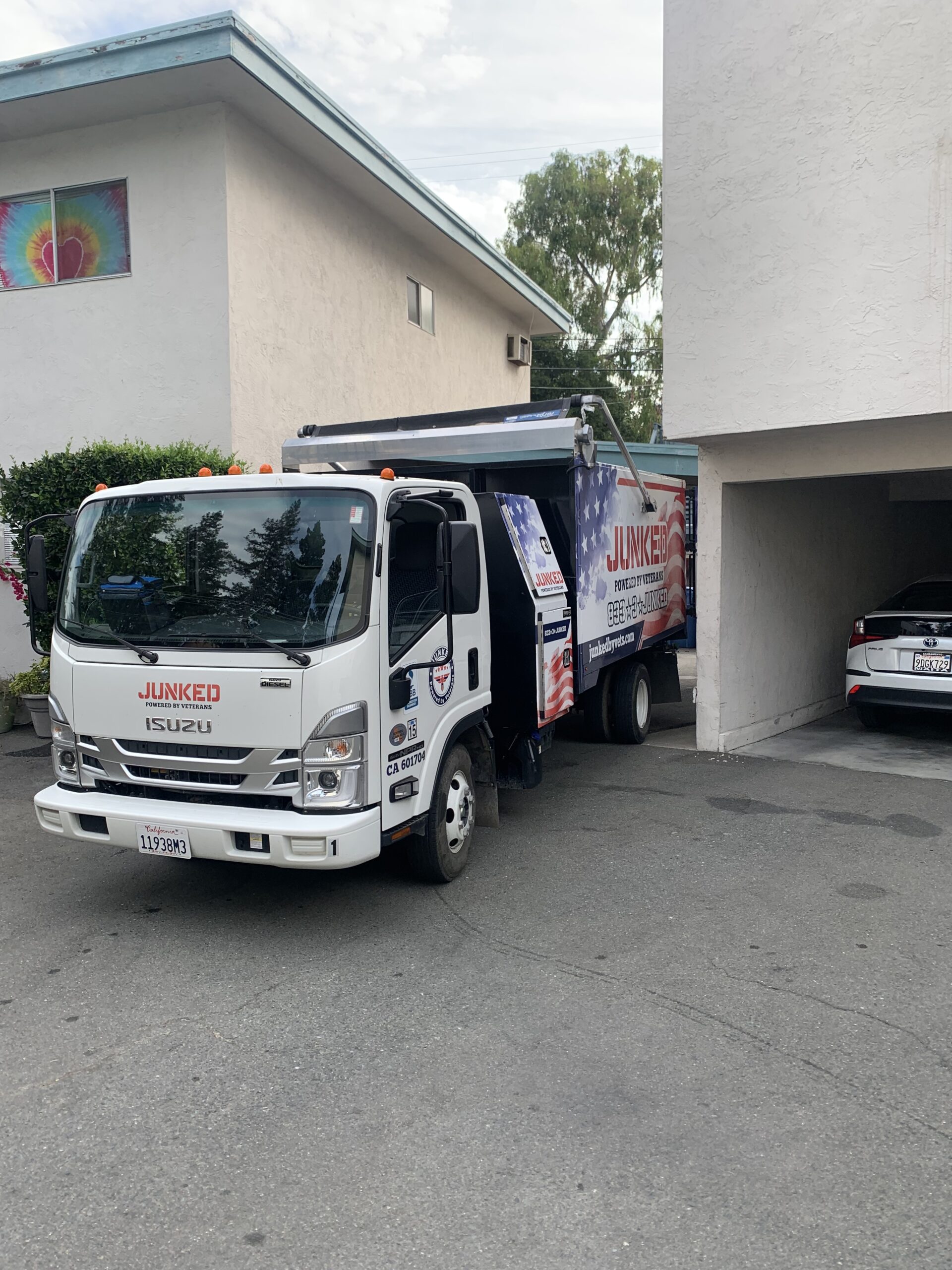
Every successful renovation, buildout, or redevelopment project starts with a clean slate. Junked: Powered by Veterans™ provides professional commercial demolition services throughout the Bay Area, helping property owners, contractors, businesses, and property managers remove what’s no longer needed and prepare the space for its next phase.
Whether you’re gutting an office, clearing out a retail space, preparing a restaurant for renovation, removing interior walls and fixtures, or getting a commercial property ready for construction, our veteran-led crew is equipped to handle the job safely and efficiently.
We don’t just tear things out. We help keep your project moving.
Commercial Demolition Without The Headaches
- Interior Demolition: Walls, ceilings, flooring, cabinetry, fixtures, built-ins, and other interior components.
- Office, Retail & Restaurant Demolition: Clearouts and demolition for remodels, tenant improvements, relocations, and new buildouts.
- Warehouse & Commercial Property Demolition: Removal of unwanted structures, improvements, equipment areas, and other materials.
- Complete Debris Removal: Once the demolition is finished, we haul away the debris and leave the site clean and ready for the next trade.
- Reliable Scheduling: We understand that delays can affect every stage of a commercial project, so we show up ready to work and keep the job moving.
- Veteran-Led Professionalism: Clear communication, dependable crews, organized work areas, and a strong commitment to doing the job right.
Clear It Out. Clean It Up. Move The Project Forward.
Commercial demolition is often the first major step in transforming a property. The faster and cleaner that step gets done, the sooner your contractors can get to work on what comes next.
Junked: Powered by Veterans™ makes the process simple by combining demolition, debris removal, and cleanup into one dependable service.
If you’re planning a commercial renovation, tenant improvement, property redevelopment, or buildout in the Bay Area, let us handle the demolition and heavy lifting.
Disclaimer
The materials available on this website are for informational and entertainment purposes only and not to provide legal or professional advice. You should contact your attorney or home improvement specialist for advice concerning any particular issue or problem. You should not act or refrain from acting based on any content included in this site without seeking legal or other professional advice. The information presented on this website may not reflect the most current home improvement developments. No action should be taken based on the information on this website. We disclaim all liability concerning actions taken or not taken based on any or all of the contents of this site to the fullest extent permitted by law.