Commercial demolition is often the first major step in transforming an outdated, damaged, underused, or unwanted commercial property into something new. Whether a business owner is preparing an office for renovation, a developer is clearing a property for redevelopment, or a property manager needs to remove outdated interior features, demolition creates the foundation for the next stage of construction.
One of the first questions property owners and developers usually ask is, “How much does commercial demolition cost in the Bay Area?” The answer is not as simple as applying one standard price to every building. Commercial demolition projects vary widely in size, scope, materials, accessibility, building age, labor requirements, equipment needs, debris volume, and site conditions.
A small office interior demolition can be dramatically different from the complete removal of a large commercial building. Even two properties with similar square footage may have very different demolition costs if one contains extensive interior partitions, concrete, mechanical systems, or difficult-to-remove materials.
The Bay Area also presents unique logistical considerations. Commercial properties may be located in dense urban districts, established business parks, industrial areas, or suburban communities. Limited access, neighboring structures, traffic, staging space, and transportation requirements can all influence how demolition work is planned and priced.
For these reasons, commercial demolition estimates are typically developed around the specific characteristics of the project rather than a generic price alone. A professional contractor needs to understand what is being removed, what must remain, how the materials will be handled, what equipment will be necessary, and how the work will be coordinated.
This comprehensive guide explores the factors that affect commercial demolition costs in the Bay Area, the different types of commercial demolition, how contractors develop estimates, ways to prepare a realistic budget, common mistakes to avoid, and frequently asked questions about commercial demolition pricing.
Table of Contents
ToggleKey Takeaways
- Commercial demolition costs in the Bay Area vary based on project size, scope, building materials, access, labor, equipment, debris handling, and site conditions.
- Interior demolition, selective demolition, and complete structural demolition have very different cost considerations.
- Square footage can provide an initial budgeting reference, but it does not determine the final price.
- Older commercial properties may require additional investigation because of their construction history and existing materials.
- Difficult access, limited staging areas, neighboring businesses, and busy streets can increase logistical expenses.
- Debris removal, hauling, sorting, recycling, and disposal should be considered when evaluating a demolition estimate.
- Specialized material handling can affect both project cost and schedule.
- A detailed scope of work makes it easier to compare estimates from different contractors.
- The cheapest bid is not necessarily the least expensive option if important services are excluded.
- Early planning can help reduce delays, prevent unnecessary work, and create a smoother transition into renovation or redevelopment.
How Much Does Commercial Demolition Cost?
There is no single price that accurately represents every commercial demolition project in the Bay Area.
Costs can vary significantly depending on whether the project involves interior demolition, selective demolition, or complete structural removal.
For preliminary budgeting, contractors and property owners sometimes use square footage as a starting point. However, a square-foot figure should be treated as a general budgeting tool rather than a guaranteed final price.
A commercial demolition estimate may account for several major categories:
- Labor
- Equipment
- Mobilization
- Site preparation
- Demolition work
- Material handling
- Debris hauling
- Disposal
- Recycling
- Specialty services
- Cleanup
- Project coordination
The final cost depends on how these factors apply to the specific property.
Why Square Footage Does Not Tell The Whole Story
Imagine two commercial properties that each contain 15,000 square feet.
One could be an open warehouse with relatively few interior partitions. The other could be a highly divided office containing conference rooms, kitchens, restrooms, multiple ceiling systems, extensive cabinetry, and numerous interior finishes.
The two properties have the same floor area, but the demolition requirements could be substantially different.
This is why property owners should be cautious about relying on a generic per-square-foot estimate without having the property evaluated.
Major Factors That Affect Commercial Demolition Costs
Many factors contribute to the total cost of a commercial demolition project.
Type Of Building
The building’s function and construction can affect the demolition approach.
An office building may contain extensive interior partitions and ceilings. A warehouse may contain large open areas but substantial concrete or industrial components.
Retail properties may include display systems, counters, partitions, specialized finishes, and other fixtures.
Restaurants can have extensive kitchen equipment, plumbing, flooring, ventilation components, and built-in features.
Each type of property creates different demolition requirements.
Construction Materials
The materials being removed are another major factor.
Commercial buildings can contain:
- Concrete
- Brick
- Masonry
- Steel
- Wood
- Drywall
- Metal framing
- Carpet
- Tile
- Glass
- Insulation
- Roofing materials
Some materials are easier to dismantle than others.
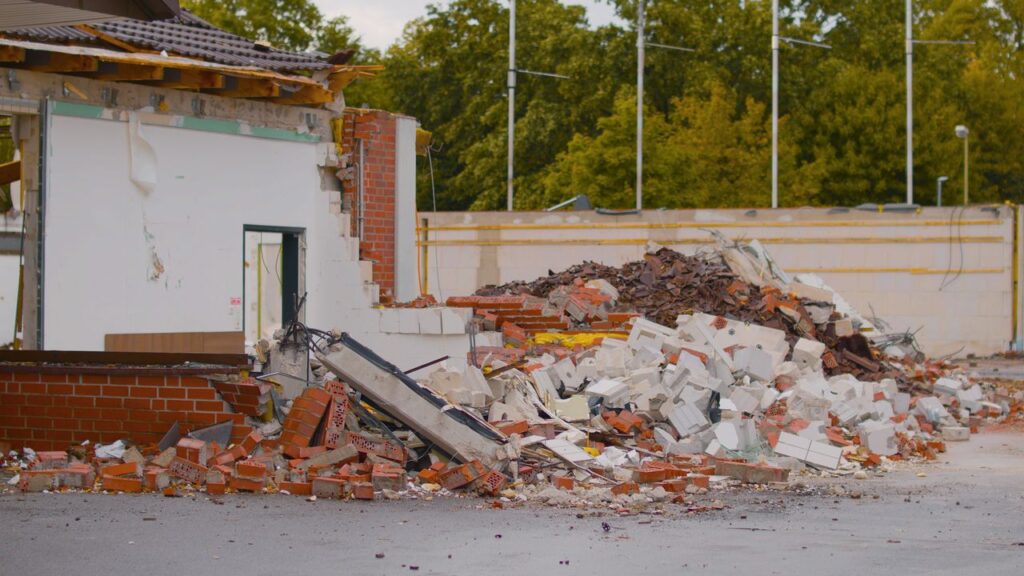
Concrete and masonry may require specialized equipment. Steel components may require cutting and careful handling. Multiple layers of flooring can increase labor.
Material Volume
The amount of material is also important.
A space with a small amount of drywall may be relatively straightforward. A building with extensive concrete, masonry, or structural materials can produce significantly more demolition debris.
More debris generally means more handling, transportation, and processing.
Building Age
Older buildings can create additional challenges.
Commercial properties may have undergone several renovations over the years. An older building might contain original construction materials beneath multiple layers of newer improvements.
For example, an older office may have:
- Multiple flooring layers
- Older ceiling systems
- Several generations of partitions
- Outdated mechanical systems
- Older insulation
- Concealed materials
The actual conditions may not be fully visible until demolition begins.
Understanding the property’s age and construction history can therefore help contractors develop a more realistic estimate.
Site Accessibility
Access is one of the most important logistical considerations.
Commercial properties may have limited space for equipment, debris containers, and material staging.
Challenges can include:
- Narrow entrances
- Limited loading areas
- Small parking lots
- Busy streets
- Nearby businesses
- Pedestrian traffic
- Restricted equipment access
- Multi-story construction
- Long material travel paths
When access is difficult, crews may need additional time or specialized equipment.
Urban Commercial Sites
Dense urban locations can create particularly challenging logistics.
Equipment may need to be carefully scheduled, debris containers may have limited placement options, and hauling operations may need to accommodate surrounding traffic and businesses.
Suburban Commercial Sites
Suburban commercial properties may provide more room for equipment and staging, but this is not always the case.
Each site should be evaluated individually.
Labor Requirements
Labor represents a major component of commercial demolition pricing.
The number of workers needed depends on the project size, demolition method, building layout, schedule, and degree of precision required.
A simple interior demolition may rely heavily on manual labor.
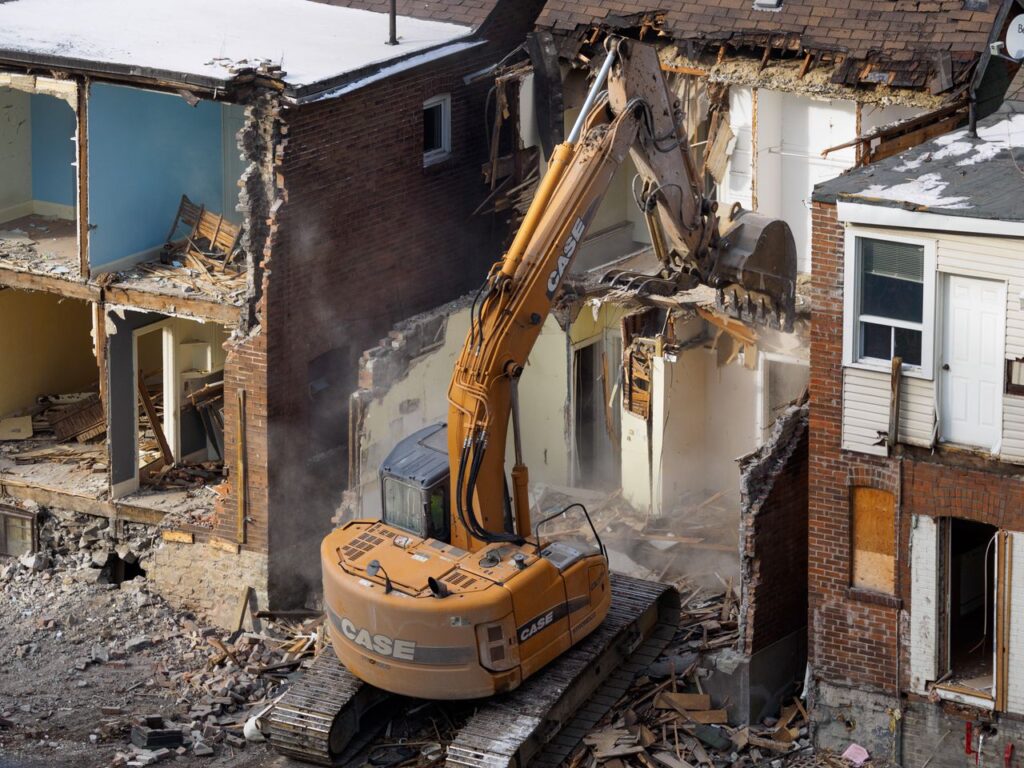
A structural demolition may require equipment operators and additional personnel to coordinate heavy machinery and material handling.
Labor requirements can increase when:
- Work is performed in phases.
- The schedule is compressed.
- Access is difficult.
- Selective demolition is required.
- Portions of the property must remain protected.
- The project involves extensive sorting.
Experienced demolition crews can help improve productivity by planning work sequences carefully and selecting appropriate methods.
Equipment
Commercial demolition may require a variety of tools and equipment.
Depending on the scope, equipment may include:
- Excavators
- Loaders
- Skid steers
- Concrete breakers
- Hydraulic attachments
- Cutting tools
- Material-handling equipment
- Debris containers
Equipment costs may include mobilization, transportation, operation, fuel, maintenance, and labor.
The equipment needs to match the property.
Using oversized machinery in a confined interior space may be impractical, while insufficient equipment can slow down a larger project.
Debris Removal
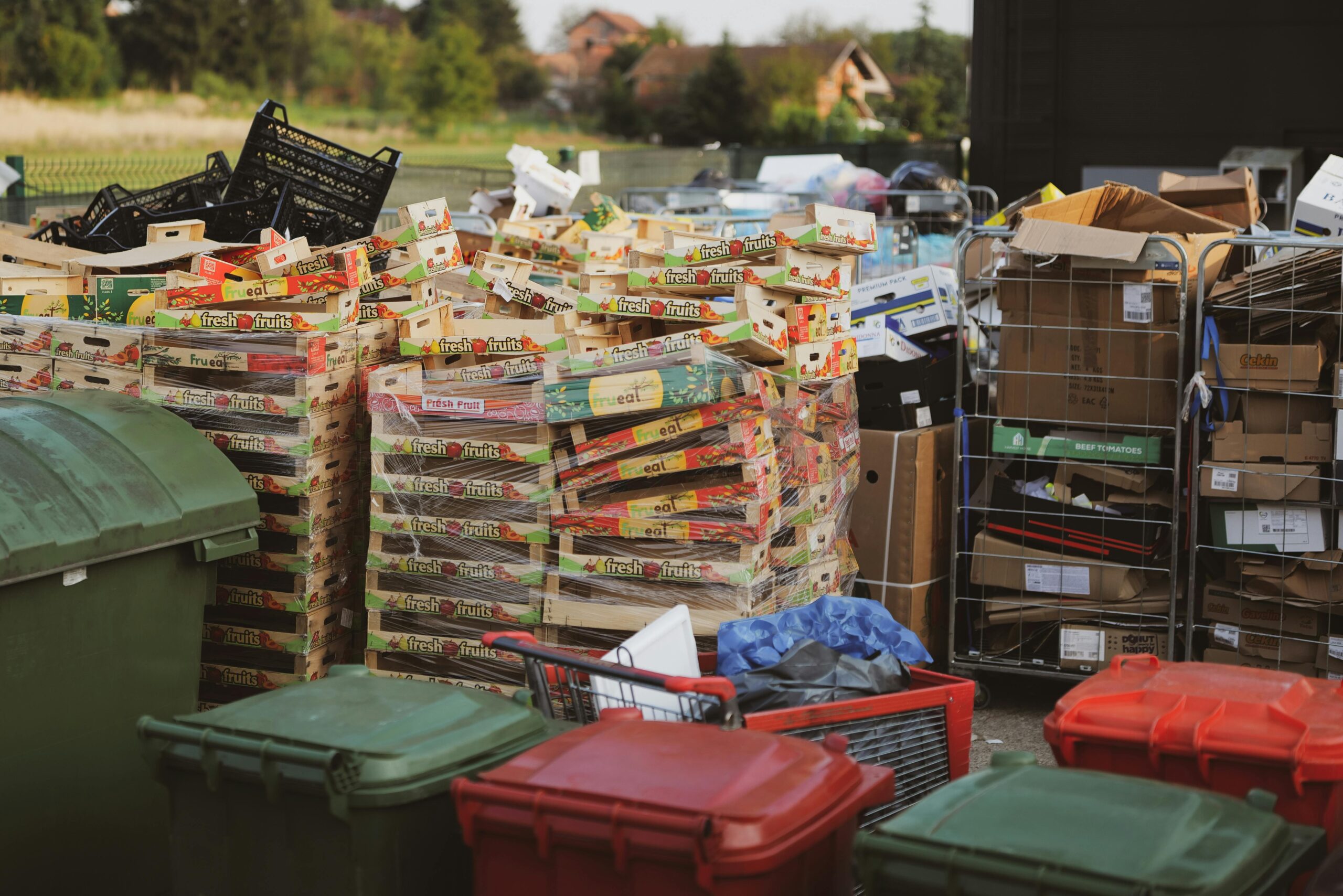
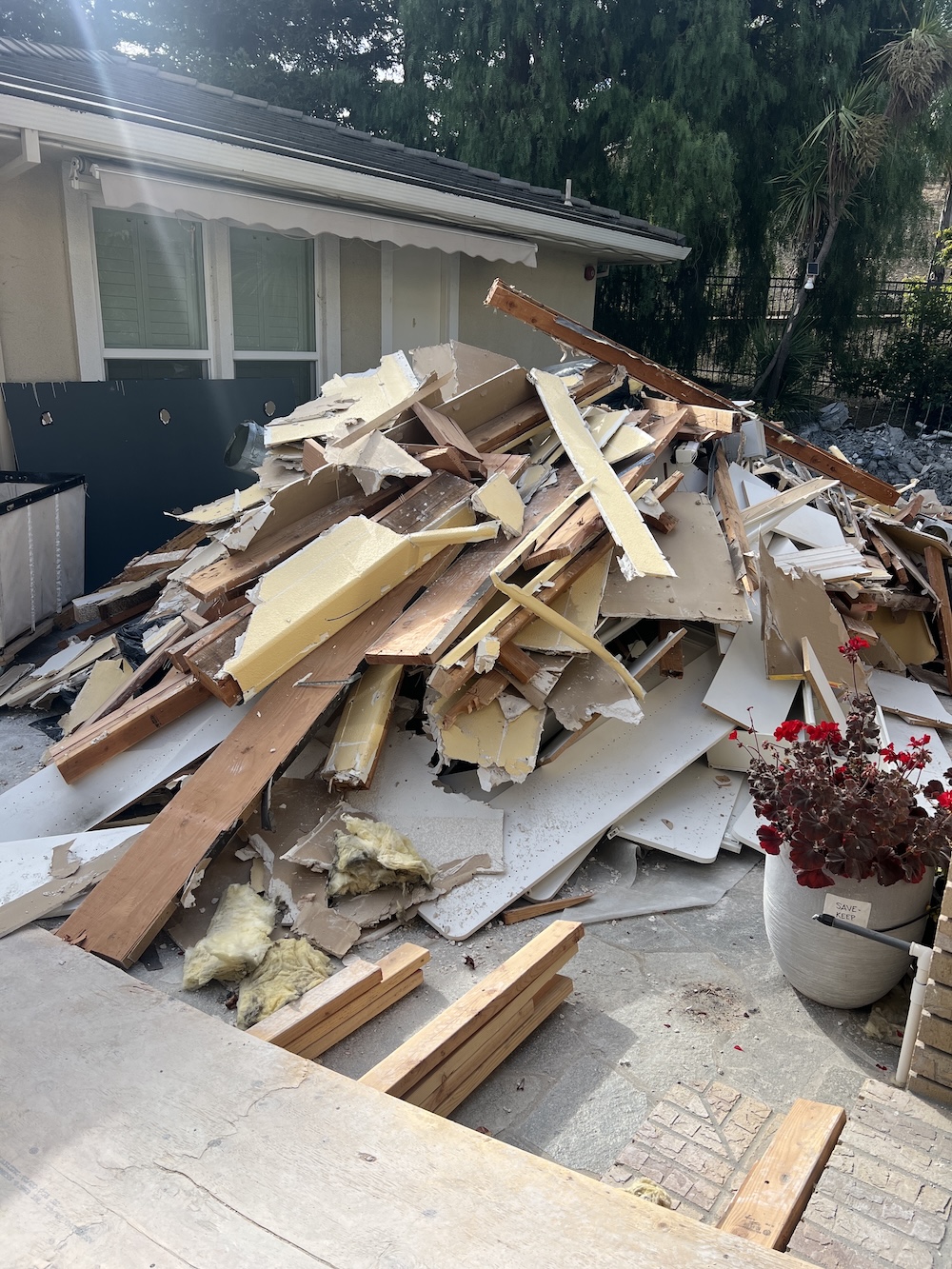
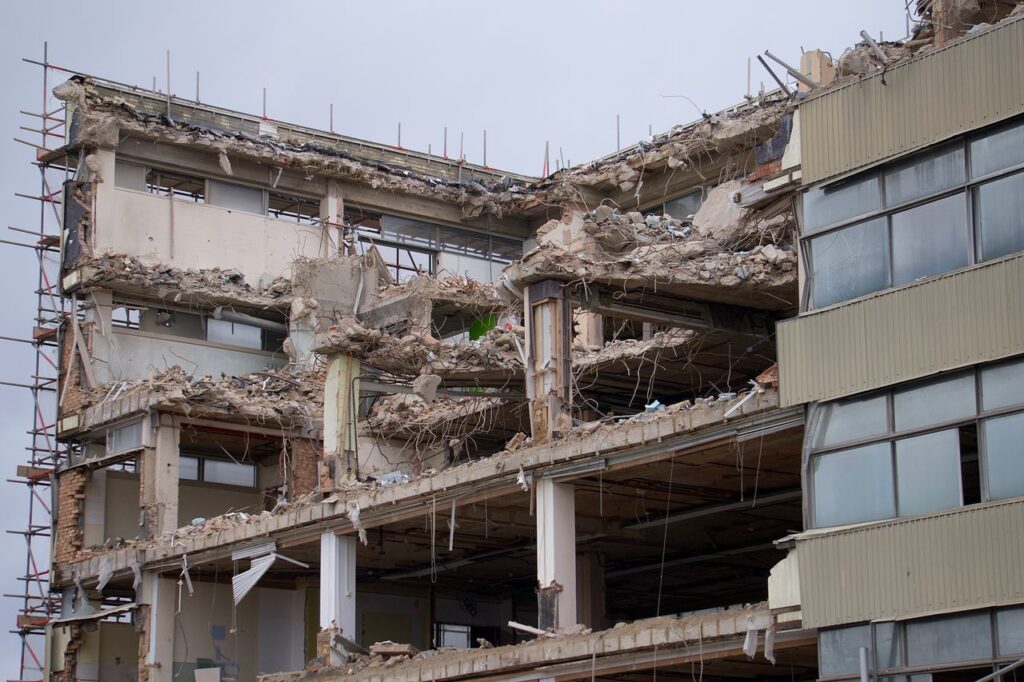
Demolition creates a large volume of material that needs to be removed from the site.
Debris management can include:
- Gathering demolished materials
- Sorting materials
- Loading containers
- Transporting materials
- Processing recyclable materials
- Disposing of remaining debris
The type of debris matters.
Concrete, metal, wood, drywall, carpet, and mixed construction debris may be handled differently.
Why Hauling Costs Matter
Transportation expenses can add significantly to the overall demolition budget.
The number of loads, distance traveled, container requirements, and material type can all affect the cost.
Property owners should therefore ask whether hauling and disposal are included in the contractor’s estimate.
Disposal And Recycling
Not all demolition materials necessarily follow the same disposal route.
Some materials may be recyclable or reusable depending on their condition and local processing options.
Sorting materials can require additional labor, but it can also support more organized debris management.
A contractor should explain how demolition debris will be handled and whether disposal costs are included in the proposal.
Specialized Material Handling
Certain buildings may contain materials that require specialized evaluation, removal, or handling.
This can be particularly relevant when dealing with older commercial properties.
Potentially hazardous or regulated materials should not simply be treated as ordinary construction debris.
If specialized work is required, it may affect the overall budget and timeline.
Property owners should address these potential issues early instead of waiting until demolition is underway.
Project Schedule
Time is another important cost factor.
A project with a flexible schedule may allow the contractor to organize crews, equipment, hauling, and material processing efficiently.
A compressed schedule can require additional resources.
For example, a property owner may need the demolition completed quickly so that a renovation contractor can begin work immediately afterward.
In such cases, the demolition contractor may need to increase labor or equipment resources to meet the target schedule.
Phased Demolition
Some commercial properties cannot be demolished all at once.
A tenant may continue operating in one portion of the building while another area is demolished.
Phased demolition can require:
- Additional scheduling
- Temporary separation
- More frequent cleanup
- Careful material movement
- Coordination with building occupants
This can increase complexity compared with a single uninterrupted demolition operation.
Location
The Bay Area encompasses many different commercial environments.
A demolition project may be located in:
- A downtown business district
- A suburban office park
- An industrial area
- A retail center
- A mixed-use development
- A warehouse district
Each location can create different logistical requirements.
Traffic, equipment access, staging space, hauling routes, and nearby properties may all influence the project’s cost.
Structural Complexity
Complex buildings often require more planning.
Structural complexity may involve:
- Multiple stories
- Reinforced concrete
- Steel framing
- Attached structures
- Complicated additions
- Large mechanical systems
- Underground components
A contractor needs to understand the building’s structure before selecting a demolition method.
The goal is controlled removal rather than simply taking apart whatever is easiest to access.
Cleanup And Site Preparation
Demolition is not necessarily complete once major materials have been removed.
Depending on the project’s scope, the site may need additional cleanup and preparation before renovation or construction begins.
This may include:
- Removing remaining debris
- Sweeping or cleaning areas
- Clearing demolition materials
- Preparing surfaces for subsequent work
- Leaving the site accessible for the next contractor
The expected final condition should be clearly defined in the contract.
Types Of Commercial Demolition Projects In The Bay Area
Commercial demolition covers many different types of work.
Office Demolition
Office spaces frequently undergo demolition when businesses move, renovate, or change their floor plans.
Work may include removing partitions, flooring, ceilings, cabinetry, fixtures, and other interior components.
Retail Demolition
Retail spaces may need demolition before a new tenant moves in.
The scope may include display structures, counters, flooring, walls, ceilings, and other tenant-specific improvements.
Restaurant Demolition
Restaurant demolition can involve specialized interior components, kitchen areas, counters, flooring, ventilation-related components, and other fixtures.
Warehouse Demolition
Warehouse projects can range from interior removal to complete structural demolition.
Large open spaces may allow heavy equipment to operate more efficiently, depending on the site.
Industrial Demolition
Industrial properties can contain specialized equipment, structural components, concrete, and complex systems.
Such projects often require detailed planning and careful sequencing.
How Contractors Estimate Commercial Demolition Projects
A professional demolition estimate usually starts with a site evaluation.
Inspect The Property
The contractor evaluates the building and surrounding site.
Important considerations include:
- Building size
- Construction type
- Interior layout
- Access
- Existing materials
- Structural components
- Staging areas
Define The Scope
The contractor identifies exactly what will be demolished.
This is critical because vague scopes can confuse later.
Determine Equipment
The contractor selects equipment based on the building and demolition method.
Estimate Labor
The crew size and expected labor hours are determined.
Estimate Debris
The contractor considers the volume and type of material that will be generated.
Plan Hauling And Disposal
The estimate should account for transportation, containers, sorting, processing, and disposal.
Establish The Schedule
The contractor determines how long the work is expected to take and what resources are required.
Prepare The Proposal
The final estimate should clearly identify included work, exclusions, assumptions, and other important terms.
What Should Be Included In A Commercial Demolition Estimate?
A detailed estimate may include:
- Site mobilization
- Labor
- Equipment
- Demolition
- Material handling
- Debris containers
- Hauling
- Disposal
- Recycling
- Cleanup
- Project supervision
- Specialty work when applicable
Property owners should review every estimate carefully.
A lower price may appear attractive, but if it excludes hauling or cleanup, it may not actually represent a lower total project cost.
Why Commercial Demolition Estimates Differ
It is common for different contractors to provide different prices for the same property.
This does not automatically mean that one contractor is overcharging.
Contractors may make different assumptions about:
- Crew size
- Project duration
- Equipment
- Debris volume
- Disposal
- Material handling
- Site conditions
- Scope interpretation
The solution is to compare detailed scopes rather than looking only at the final number.
How To Reduce Commercial Demolition Costs
Property owners can take several steps to improve cost efficiency.
Define The Scope Clearly
A clear scope reduces the chance of unnecessary work and misunderstandings.
Provide Available Building Information
Existing plans and information about renovations can help contractors understand the property.
Plan Ahead
Last-minute demolition schedules may require additional resources.
Coordinate With The Next Contractor
If construction will immediately follow demolition, schedule both phases together.
Address Material Concerns Early
Potentially complicated materials should be identified before work begins whenever possible.
Plan Debris Management
Efficient handling and sorting can help prevent unnecessary delays.
Common Commercial Demolition Cost Mistakes
Using A Generic Square-Foot Price
Square footage does not account for building complexity.
Ignoring Access
Difficult access can dramatically affect productivity.
Forgetting Disposal
Hauling and disposal should be part of the initial budget.
Choosing The Lowest Bid Automatically
The cheapest bid may not include the same services.
Failing To Define What Stays
The demolition team needs clear instructions about protected areas.
Underestimating Older Buildings
Older construction can present unexpected conditions.
Not Coordinating The Schedule
Demolition delays can affect the entire construction timeline.
Why Planning Matters So Much
Commercial demolition may appear straightforward from the outside, but successful demolition depends heavily on preparation.
A well-planned project can help crews work more efficiently and reduce unnecessary interruptions.
Planning also helps property owners understand what they are purchasing.
Before demolition begins, everyone should understand:
- What is being removed
- What is staying
- How work will be performed
- How debris will be handled
- What the schedule looks like
- What condition the site will be left in
This clarity can make the project significantly easier to manage.
Preparing A Commercial Property For Demolition
Property owners can help the process by providing contractors with accurate information.
Useful information may include:
- Building plans
- Property history
- Previous renovation information
- Approximate square footage
- Areas to be demolished
- Areas to remain
- Desired completion date
The contractor can use this information during the planning process.
Commercial Demolition And Renovation
Demolition is often closely connected to renovation.
For example, an outdated office may need existing partitions removed before a new workspace can be constructed.
A retail space may need existing finishes removed before a new storefront design is installed.
The demolition scope should therefore be designed with the next stage in mind.
Removing too little material can interfere with construction. Removing more than necessary can create additional costs.
The objective is to remove what needs to go while protecting what needs to remain.
Commercial Demolition And Redevelopment
For redevelopment projects, demolition may be necessary before a new commercial building can be constructed.
In these cases, the contractor may need to remove the existing structure and manage a much larger volume of materials.
Site access, equipment selection, debris handling, and project sequencing become especially important.
The demolition schedule may also need to coordinate closely with architects, engineers, developers, and construction teams.
Conclusion
Determining how much commercial demolition costs in the Bay Area requires looking beyond a simple price per square foot. Every commercial property has its own characteristics, and those characteristics can significantly influence the amount of labor, equipment, transportation, debris management, and planning required.
The type of demolition is one of the first factors to consider. Interior demolition, selective demolition, and complete structural demolition each involve different methods and resource requirements. A relatively straightforward office interior project may primarily involve manual removal of partitions, flooring, ceilings, fixtures, and other finishes. A full-building demolition can require heavy machinery, extensive site logistics, large-scale debris removal, and considerably more planning.
Building materials also matter. Concrete, masonry, steel, wood, drywall, flooring, glass, and other materials require different removal and handling approaches. The amount of debris generated by the project can influence hauling and disposal costs, while older properties may require additional investigation because of their construction history and existing materials.
The property’s location is another important consideration in the Bay Area. Dense commercial areas can create challenges involving access, staging, traffic, neighboring businesses, and material transportation. Even a project with a relatively straightforward demolition scope can become more complicated if equipment and debris containers are difficult to position.
For property owners, one of the most important steps is to define the demolition scope clearly before requesting estimates. Contractors should understand what needs to be removed, what must remain, how debris will be handled, the desired timeline, and the expected final condition of the property. This information allows contractors to prepare more meaningful and comparable proposals.
It is also important to avoid selecting a contractor solely because they provide the lowest initial price. A low bid may exclude hauling, disposal, cleanup, equipment, or other services that another contractor has included. Comparing complete scopes helps property owners determine which proposal actually provides the best overall value.
Planning early can make a significant difference. When demolition is coordinated with the renovation, construction, or redevelopment work that follows, the project can move more efficiently from one stage to the next. Identifying access challenges, material concerns, equipment needs, and scheduling requirements before work begins can also reduce the likelihood of avoidable delays.
Ultimately, commercial demolition is an investment in preparing a property for its next purpose. Whether the goal is to renovate an office, prepare a retail space for a new tenant, modernize an industrial property, or clear an existing building for redevelopment, the demolition process should be carefully planned around the property’s specific needs.
If you are considering commercial demolition in the Bay Area, the most reliable way to determine your potential project cost is to request a detailed, site-specific assessment from a qualified demolition contractor. A professional evaluation can account for the actual building conditions, demolition scope, access, labor, equipment, debris, and scheduling requirements, giving you a much more useful basis for budgeting and planning.
Frequently Asked Questions
1. How Much Does Commercial Demolition Cost In The Bay Area?
Commercial demolition costs vary considerably depending on the project’s size, demolition type, materials, location, access, equipment, labor, debris volume, and disposal requirements. A site-specific estimate is more reliable than a generic square-foot figure.
2. Is Commercial Demolition Priced By Square Foot?
Square footage may be used as an initial budgeting reference, but it is not the only factor. Contractors typically consider the actual demolition scope, materials, access, labor, equipment, debris, and other site conditions before preparing a final estimate.
3. Is Interior Demolition Less Expensive Than Full Demolition?
Interior demolition often involves a smaller overall scope than complete structural demolition, but the cost depends on the amount of material being removed and how difficult it is to access. Complex interior demolition can still require substantial labor and equipment.
4. What Factors Have The Biggest Impact On Demolition Cost?
Project size, demolition type, building materials, labor, equipment, site accessibility, debris hauling, disposal, building age, and scheduling requirements can all have major effects on the final cost.
5. Does The Location Of A Commercial Property Affect Demolition Pricing?
Yes. Location can affect equipment access, staging, transportation, hauling, traffic coordination, and the amount of time required to move materials.
6. Why Are Older Commercial Buildings Sometimes More Expensive To Demolish?
Older buildings may contain multiple layers of construction, outdated systems, unusual materials, or conditions that require additional evaluation and specialized handling.
7. Does Debris Removal Come With Commercial Demolition?
It depends on the contractor and contract. Some estimates include hauling and disposal, while others may separate those expenses. Always ask exactly what is included.
8. How Long Does Commercial Demolition Take?
The timeline depends on the size, scope, building type, access, equipment, debris volume, and whether demolition must occur in phases. A small interior project may be completed much faster than a large structural demolition.
9. Can Demolition Happen While Part Of A Commercial Building Remains Occupied?
In some situations, yes. However, occupied properties require careful planning and separation between demolition activities and occupied areas. Scheduling and site management become especially important.
10. Should I Get Multiple Demolition Estimates?
Getting multiple estimates can help property owners understand the market and compare approaches. However, the estimates should be based on comparable scopes of work.
11. What Should I Look For In A Demolition Estimate?
Look for a clearly defined scope, labor, equipment, debris handling, hauling, disposal, cleanup, schedule, exclusions, and terms regarding changes to the project.
12. Can Unexpected Conditions Increase Demolition Costs?
Yes. Conditions hidden behind walls, ceilings, floors, or other building components may not always be apparent before demolition begins. A detailed site evaluation and appropriate project planning can help reduce surprises.
13. How Can I Lower My Commercial Demolition Costs?
Clearly define the scope, plan the project early, coordinate demolition with subsequent construction, provide available building information, address potential material concerns early, and compare complete project scopes rather than choosing solely based on the lowest price.
14. What Is The Best Way To Get An Accurate Demolition Estimate?
The best approach is to have an experienced commercial demolition contractor evaluate the actual property and prepare a detailed estimate based on the specific scope, building conditions, access, equipment requirements, labor, and debris-management needs.
Commercial Demolition Services That Clear The Way For What’s Next
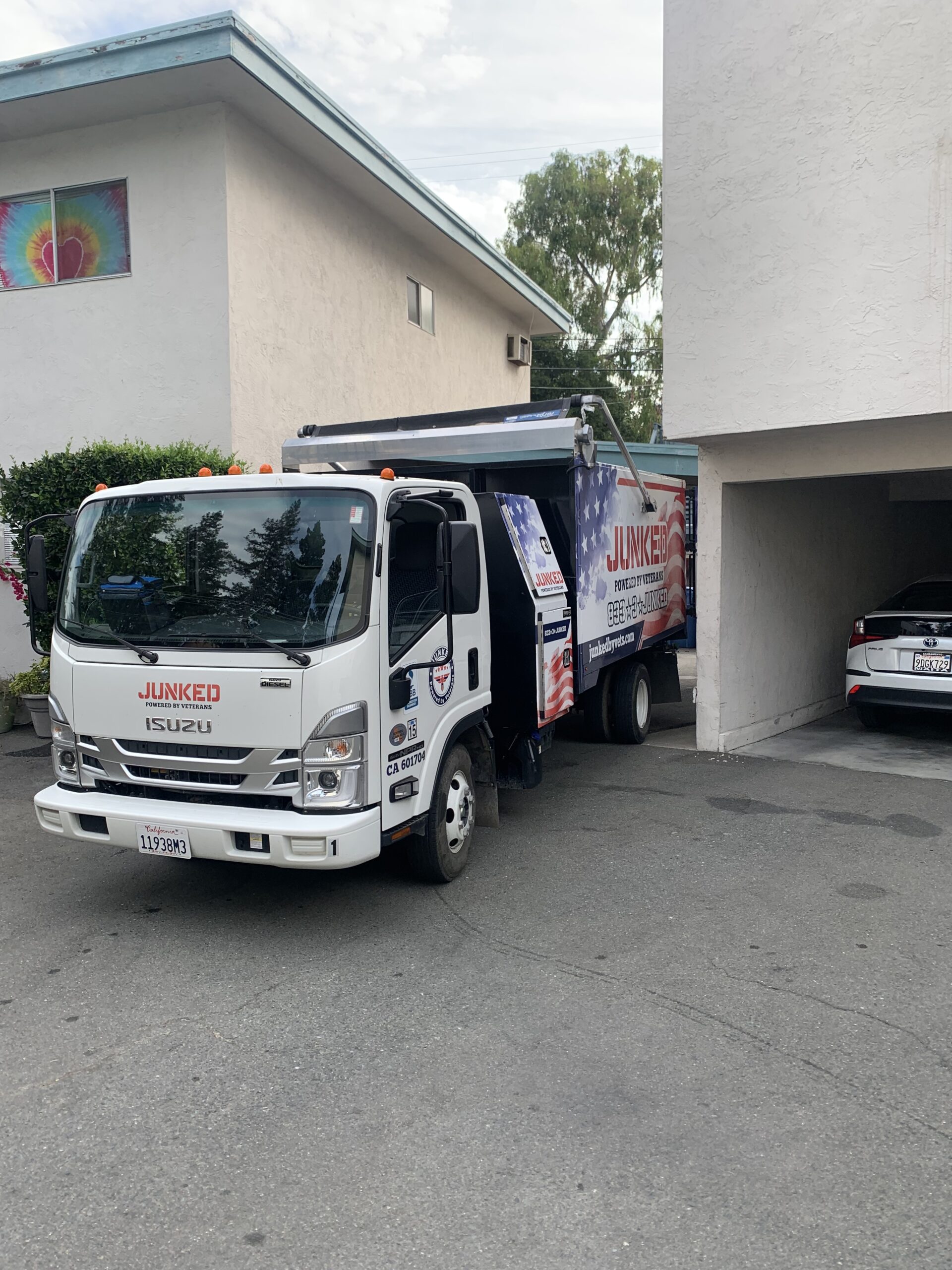
Every successful renovation, buildout, or redevelopment project starts with a clean slate. Junked: Powered by Veterans™ provides professional commercial demolition services throughout the Bay Area, helping property owners, contractors, businesses, and property managers remove what’s no longer needed and prepare the space for its next phase.
Whether you’re gutting an office, clearing out a retail space, preparing a restaurant for renovation, removing interior walls and fixtures, or getting a commercial property ready for construction, our veteran-led crew is equipped to handle the job safely and efficiently.
We don’t just tear things out. We help keep your project moving.
Commercial Demolition Without The Headaches
- Interior Demolition: Walls, ceilings, flooring, cabinetry, fixtures, built-ins, and other interior components.
- Office, Retail & Restaurant Demolition: Clearouts and demolition for remodels, tenant improvements, relocations, and new buildouts.
- Warehouse & Commercial Property Demolition: Removal of unwanted structures, improvements, equipment areas, and other materials.
- Complete Debris Removal: Once the demolition is finished, we haul away the debris and leave the site clean and ready for the next trade.
- Reliable Scheduling: We understand that delays can affect every stage of a commercial project, so we show up ready to work and keep the job moving.
- Veteran-Led Professionalism: Clear communication, dependable crews, organized work areas, and a strong commitment to doing the job right.
Clear It Out. Clean It Up. Move The Project Forward.
Commercial demolition is often the first major step in transforming a property. The faster and cleaner that step gets done, the sooner your contractors can get to work on what comes next.
Junked: Powered by Veterans™ makes the process simple by combining demolition, debris removal, and cleanup into one dependable service.
If you’re planning a commercial renovation, tenant improvement, property redevelopment, or buildout in the Bay Area, let us handle the demolition and heavy lifting.
Disclaimer
The materials available on this website are for informational and entertainment purposes only and not to provide legal or professional advice. You should contact your attorney or home improvement specialist for advice concerning any particular issue or problem. You should not act or refrain from acting based on any content included in this site without seeking legal or other professional advice. The information presented on this website may not reflect the most current home improvement developments. No action should be taken based on the information on this website. We disclaim all liability concerning actions taken or not taken based on any or all of the contents of this site to the fullest extent permitted by law.