Commercial demolition is often viewed as the first major step in a construction or renovation project, but it is much more than simply tearing down walls, removing fixtures, and clearing debris. Demolition establishes the conditions for everything that follows. If the demolition phase falls behind schedule, the delay can quickly affect structural work, utility installation, interior construction, inspections, material deliveries, subcontractors, and the eventual project completion date.
Keeping a commercial demolition project on schedule requires careful planning, communication, coordination, safety management, and flexibility. Even relatively straightforward demolition work can encounter unexpected conditions, including concealed utilities, unsuitable materials, structural complications, difficult access, hazardous materials, or delays in debris removal. A contractor that anticipates potential problems and establishes clear procedures before work begins can reduce disruptions and maintain steady progress.
For property owners, developers, general contractors, and project managers, schedule control starts before demolition equipment arrives at the site. The scope of work needs to be clearly defined, responsibilities must be assigned, site logistics should be planned, and communication channels need to be established. Once demolition begins, daily monitoring and rapid decision-making become equally important.
This guide explains practical ways to keep commercial projects on schedule during demolition. It covers pre-demolition planning, communication, site preparation, sequencing, safety, material handling, contingency planning, documentation, subcontractor coordination, and strategies for responding to unexpected conditions.
Table of Contents
ToggleKey Takeaways
- Start with a detailed demolition scope and realistic project schedule.
- Conduct thorough site assessments before demolition begins.
- Coordinate demolition activities with the overall construction schedule.
- Establish clear communication between owners, contractors, subcontractors, and site personnel.
- Plan equipment, labor, access routes, staging areas, and debris removal in advance.
- Sequence demolition logically to prevent unnecessary downtime and rework.
- Address safety requirements early instead of allowing safety problems to interrupt work later.
- Identify potential hidden conditions and establish contingency plans.
- Monitor daily progress against measurable schedule milestones.
- Make decisions quickly when unexpected site conditions arise.
- Maintain accurate documentation to support communication and project control.
- Coordinate demolition closely with the next phase of construction.
- Avoid rushing work in ways that create safety hazards, damage, or costly rework.
Develop A Detailed Demolition Scope Before Work Begins
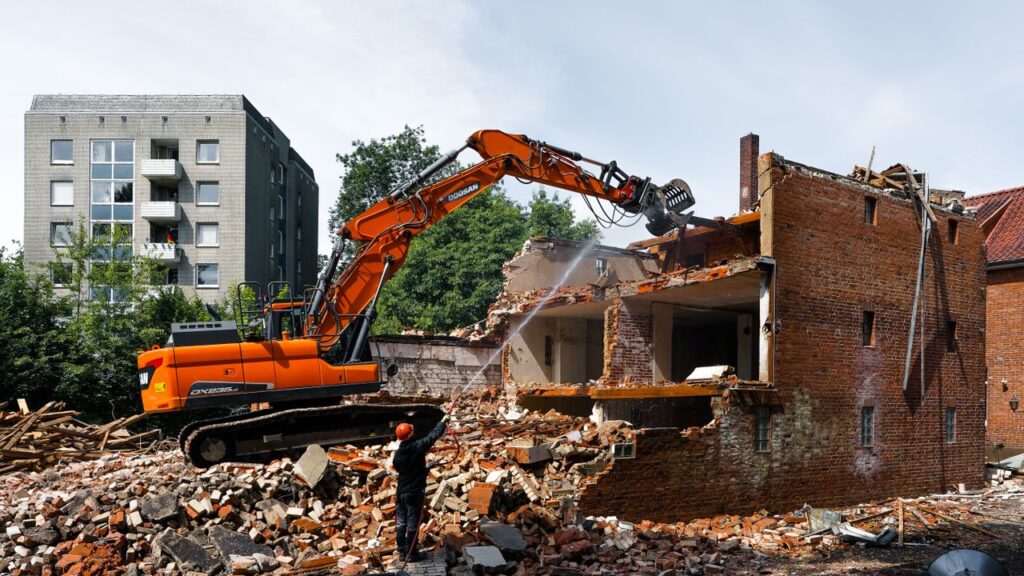
One of the most effective ways to prevent schedule problems is to define exactly what will be demolished before crews begin work.
A vague scope can lead to confusion about which walls, fixtures, finishes, mechanical systems, equipment, or other components should be removed. Crews may have to stop while project stakeholders determine what should happen next.
Define The Work Area
The demolition plan should identify the exact areas included in the project. This can include:
- Interior walls
- Flooring
- Ceilings
- Doors and frames
- Cabinets
- Mechanical equipment
- Electrical components
- Plumbing fixtures
- Roofing materials
- Exterior structures
- Concrete
- Specialized equipment
- Existing finishes
Clearly defining the work area gives the demolition team a practical roadmap.
Identify Items That Must Remain
Equally important is identifying what should not be demolished.
Existing structures, utilities, equipment, finishes, or architectural features may need to remain in place. These items should be clearly marked and communicated to the demolition crew.
Accidental removal can cause major schedule disruptions because replacement work may require new materials, additional labor, redesign, or approval.
Establish Completion Criteria
The team should also define what “demolition complete” means.
Does completion mean that all designated materials have been removed? Does the space need to be broom-clean? Are certain surfaces required to remain intact? Must debris be completely removed before the next contractor arrives?
Defining these expectations early prevents disputes and last-minute work.
Coordinate Demolition With the Overall Construction Schedule
Demolition should never be scheduled in isolation.
The demolition schedule should be connected to the broader project schedule so that all stakeholders understand how the work affects subsequent phases.
Identify Critical Milestones
Important milestones might include:
- Site preparation
- Mobilization
- Utility shutdowns
- Selective demolition
- Structural demolition
- Debris removal
- Site cleanup
- Demolition completion
- Handover to the next trade
Each milestone should have a target completion date.
Understand Dependencies
Project managers should identify which activities depend on demolition being completed.
For example, framing may not begin until certain walls are removed. Electrical installation may require ceilings and existing fixtures to be cleared. Flooring installation may depend on removal of old flooring and preparation of the substrate.
Understanding these dependencies helps prevent unrealistic scheduling.
Create A Realistic Demolition Timeline
A schedule should be ambitious enough to support project goals but realistic enough to account for actual site conditions.
Underestimating the duration of demolition can create constant pressure, rushed work, and unrealistic expectations.
Break The Project Into Manageable Phases
Instead of treating demolition as one large task, divide it into smaller activities.
A commercial project might include:
- Mobilization
- Site protection
- Salvage and removal
- Utility isolation
- Interior demolition
- Structural demolition
- Material sorting
- Debris hauling
- Final cleanup
- Site turnover
Breaking the project into phases makes it easier to track progress.
Include Logical Buffers
A schedule should account for reasonable contingencies.
This does not mean adding excessive time to every activity. Instead, project managers should identify activities that have a higher risk of disruption and provide appropriate flexibility.
For example, demolition involving older buildings or complex interiors may require more contingency than a straightforward removal project with well-documented existing conditions.
Establish Clear Communication Before Demolition Starts
Poor communication can create schedule delays even when the demolition work itself is progressing properly.
Everyone involved should know who is responsible for making decisions and who should be contacted when unexpected conditions arise.
Identify Key Contacts
The project team may include:
- Property owners
- Developers
- General contractors
- Demolition contractors
- Architects
- Engineers
- Project managers
- Site supervisors
- Utility representatives
- Subcontractors
- Safety personnel
A contact list should be available to relevant personnel.
Establish A Decision-Making Process
Unexpected conditions often require quick decisions.
If a crew discovers an unexpected obstruction, workers should know who has authority to determine the next step.
A clearly established decision-making process can prevent the crew from waiting unnecessarily for instructions.
Plan Site Access And Logistics Carefully
Commercial demolition depends heavily on site logistics.
If workers, equipment, trucks, and materials cannot move efficiently, productivity can decline.
Plan Equipment Access
The team should determine:
- Where equipment will enter
- Where equipment will be stored
- How machinery will move through the site
- Where trucks will load debris
- How pedestrians will be separated from work zones
- Where temporary barriers will be installed
Equipment that cannot reach the work area efficiently can create significant delays.
Plan Debris Routes
Debris needs to move from the demolition area to the designated loading or disposal area.
A well-planned route can reduce unnecessary handling.
If workers have to move debris long distances manually because the site was not properly planned, productivity can decline substantially.
Schedule Utility Shutdowns In Advance
Commercial buildings often contain complicated utility systems. Electricity, water, gas, HVAC, fire protection, telecommunications, and other systems may affect demolition activities.
Utility shutdowns should be carefully coordinated before work begins.
Avoid Last-Minute Shutdown Problems
If demolition requires a utility to be disconnected and the shutdown has not been properly coordinated, the crew may have to stop work.
Depending on the property, shutdowns may also affect neighboring tenants or businesses.
Advance coordination helps reduce these disruptions.
Confirm Isolation
The project team should verify that necessary systems have been properly isolated before demolition begins in affected areas.
This is important for both safety and schedule control.
Protect Areas That Are Not Being Demolished
Commercial demolition frequently takes place in buildings where portions of the property remain active.
Existing tenants, employees, customers, equipment, and finished spaces may need protection.
Use Appropriate Site Protection
Depending on the project, protection may include:
- Temporary barriers
- Dust-control measures
- Floor protection
- Protective coverings
- Temporary walls
- Controlled access points
- Signage
- Noise-management procedures
Effective protection reduces the risk of accidental damage and complaints that can interrupt the schedule.
Separate Work And Occupied Areas
Clearly separating demolition zones from occupied areas helps maintain site control.
This can also make it easier for demolition crews to work efficiently without interfering with ongoing business operations.
Sequence Demolition Activities Efficiently
The order in which demolition tasks are performed can significantly influence productivity.
A logical sequence allows crews to work continuously rather than repeatedly moving between unrelated areas.
Start With Necessary Preparatory Work
Depending on the project, preparation may include:
- Removing salvageable items
- Disconnecting utilities
- Installing protection
- Establishing containment
- Setting up access
- Preparing debris routes
Once these steps are complete, demolition can proceed more efficiently.
Work In Defined Zones
Large commercial spaces can often be divided into zones.
For example, crews may complete one section before moving to the next.
This approach can make progress easier to measure and may allow other trades to begin work in completed areas sooner.
Coordinate Labor And Equipment
Having the right equipment on-site at the right time is essential for maintaining momentum.
Equipment delays can result in idle crews and missed milestones.
Match Equipment To The Work
Depending on the project, equipment may include:
- Skid steers
- Mini excavators
- Excavators
- Loaders
- Specialized cutting tools
- Concrete removal equipment
- Hand tools
- Dust-control equipment
- Material handling equipment
The appropriate equipment depends on building conditions, access limitations, demolition methods, and project requirements.
Avoid Equipment Bottlenecks
If several crews depend on one piece of equipment, scheduling conflicts can arise.
Project managers should identify shared equipment and coordinate its use in advance.
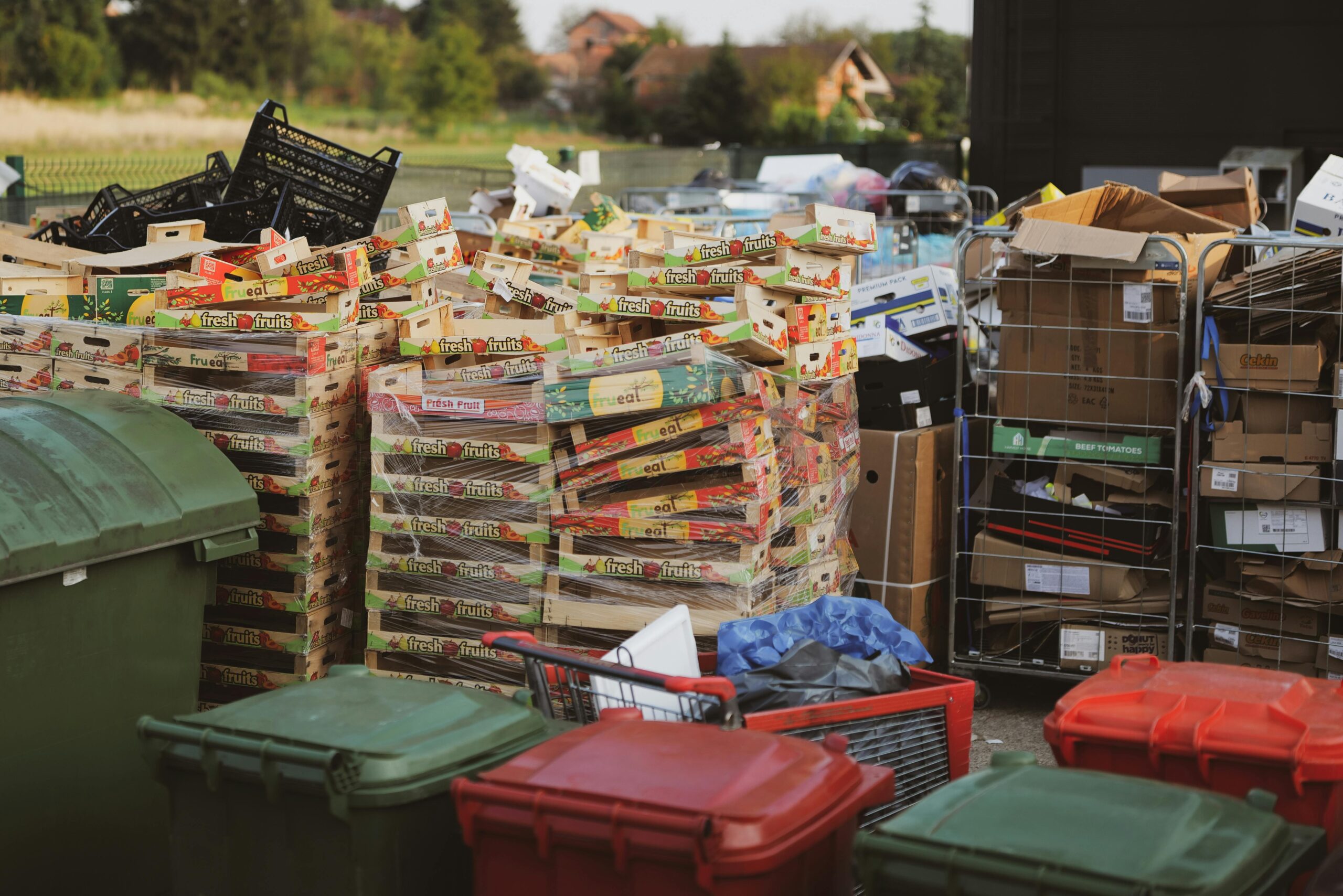
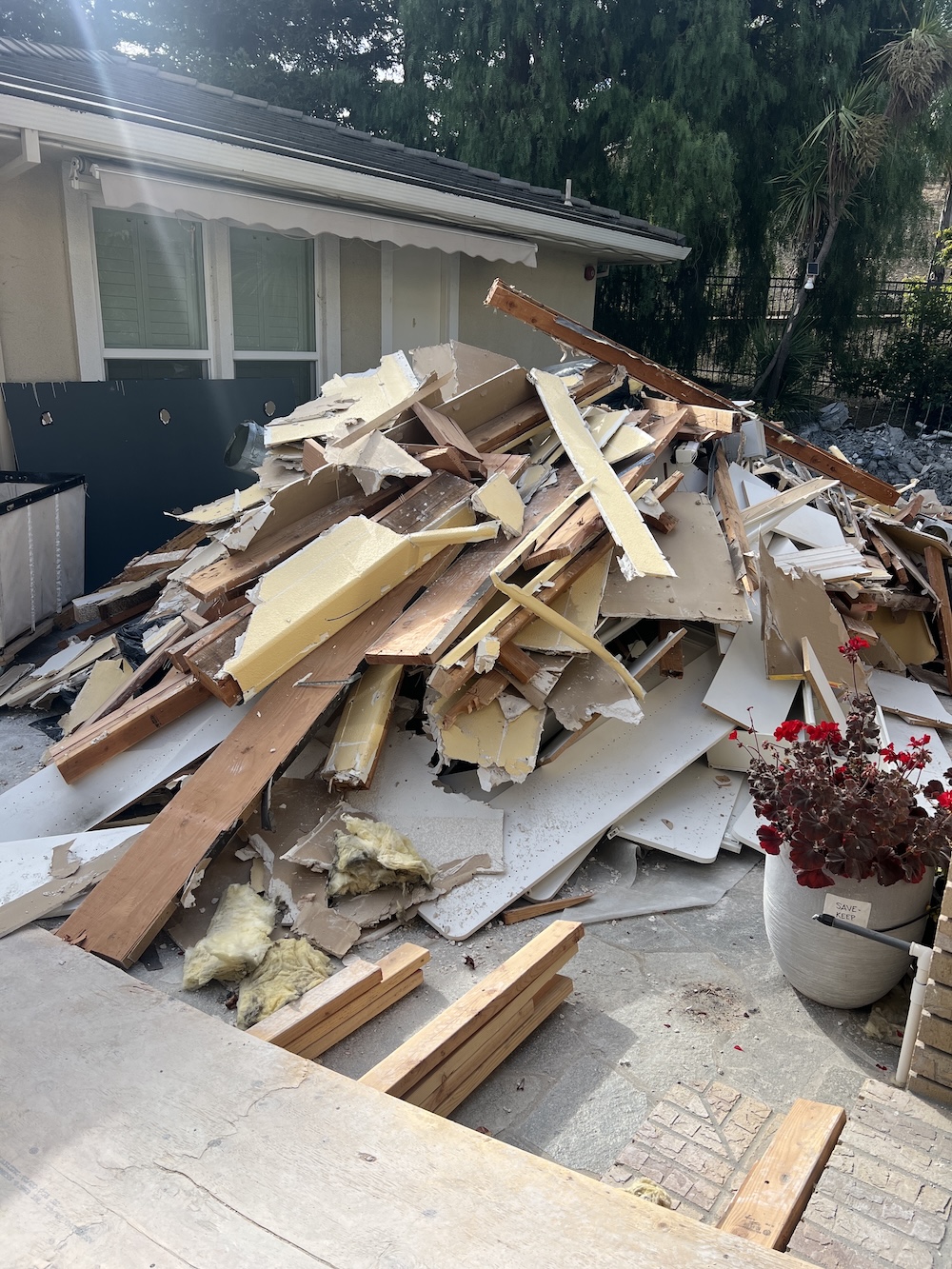
Manage Debris Removal Continuously
Debris management is one of the most important components of commercial demolition scheduling.
A work area can become difficult or unsafe to navigate if demolished materials accumulate faster than they are removed.
Plan Hauling Capacity
The project team should consider:
- Dumpster availability
- Truck scheduling
- Loading areas
- Disposal requirements
- Material separation
- Recycling opportunities
- Traffic restrictions
- Site access
A shortage of hauling capacity can force crews to stop demolition even when labor and equipment are available.
Avoid Overloading The Site
Keeping the site organized can improve productivity.
When debris is removed regularly, workers have more space to operate equipment and access work areas.
Address Safety Before It Becomes A Schedule Problem
Safety and scheduling should not be treated as competing priorities.
A serious safety incident can stop a project completely, while unsafe working conditions can reduce productivity and create costly disruptions.
Build Safety Into The Schedule
Safety planning may include:
- Site orientation
- Hazard identification
- Protective equipment
- Controlled access
- Equipment inspections
- Dust management
- Fall protection
- Structural stability procedures
- Emergency procedures
These activities should be integrated into project planning rather than treated as last-minute requirements.
Never Rush Unsafe Work
Trying to recover lost time by eliminating necessary safety procedures can create much larger delays.
A safe, organized demolition process is generally more predictable than a rushed one.
Prepare For Hazardous Or Regulated Materials
Older commercial buildings may contain materials requiring specialized handling.
Depending on the building and project, these may include asbestos-containing materials, lead-based coatings, contaminated materials, or other hazardous substances.
Investigate Before Demolition
Appropriate assessments should be performed before work begins when required.
If potentially hazardous materials are discovered unexpectedly, demolition may need to stop in affected areas until the issue is properly addressed.
Early investigation can therefore help protect the schedule.
Coordinate Specialized Work
If specialized contractors or procedures are required, they should be incorporated into the schedule from the beginning.
Waiting until demolition is underway can result in significant downtime.
Use Daily Progress Tracking
A schedule is only useful if the team actively monitors it.
Daily progress tracking allows project managers to identify problems before they become major delays.
Track Measurable Results
Rather than simply recording that crews “worked today,” project managers can track measurable accomplishments.
Examples include:
- Number of rooms completed
- Square footage demolished
- Number of fixtures removed
- Amount of debris hauled
- Percentage of a demolition zone completed
- Completed milestones
This makes schedule performance easier to evaluate.
Compare Planned And Actual Progress
If the schedule calls for a particular zone to be completed by Wednesday but only half the planned work is finished, the team can investigate immediately.
Possible causes might include:
- Equipment problems
- Labor shortages
- Access restrictions
- Unexpected conditions
- Debris removal delays
- Utility issues
Early identification creates more opportunities for correction.
Hold Regular Coordination Meetings
Short, focused meetings can help keep commercial demolition projects aligned.
Daily or periodic coordination meetings may address:
- Work completed
- Work planned
- Safety concerns
- Access issues
- Equipment needs
- Debris hauling
- Utility coordination
- Unexpected conditions
- Upcoming milestones
The goal is not to hold unnecessary meetings but to ensure that important information reaches the people who need it.
Maintain Accurate Documentation
Good documentation supports both schedule management and accountability.
Records may include:
- Daily reports
- Progress photographs
- Site instructions
- Change documentation
- Delivery records
- Equipment records
- Safety documentation
- Waste disposal records
- Updated schedules
Use Photos To Document Progress
Progress photographs can provide a clear record of completed areas.
They can also help project managers verify conditions when stakeholders are not physically present at the site.
Document Changes Promptly
If the scope changes, the change should be documented quickly.
A small change that is not communicated properly can become a major source of confusion later.
Establish A Change Management Process
Commercial demolition projects can change after work begins.
Owners may decide to remove additional materials, preserve something originally scheduled for demolition, or modify the scope based on newly discovered conditions.
Evaluate Schedule Impact
Every significant change should be evaluated for its effect on:
- Labor
- Equipment
- Materials
- Disposal
- Safety procedures
- Project duration
- Subsequent construction activities
This allows stakeholders to make informed decisions.
Avoid Informal Scope Changes
Verbal instructions can easily create misunderstandings.
Important changes should be communicated through the project’s established documentation process.
Build Contingency Plans For Common Problems
No demolition schedule is completely protected from unexpected events.
However, planning for likely problems can improve recovery.
Equipment Failure
Backup equipment sources or rental relationships can help reduce downtime when critical machinery becomes unavailable.
Unexpected Structural Conditions
If concealed structural elements are discovered, the project team should have a process for involving the appropriate professionals and making decisions.
Weather
Exterior demolition can be affected by weather. Schedules should account for conditions that could make work unsafe or impractical.
Disposal Delays
Alternative hauling arrangements or additional disposal resources may help maintain progress if the primary disposal plan becomes unavailable.
Use Technology To Improve Schedule Visibility
Technology can help project teams monitor commercial demolition more efficiently.
Depending on the project, teams may use:
- Digital schedules
- Mobile daily reports
- Cloud-based documentation
- Digital photographs
- Project management platforms
- Equipment tracking
- Shared communication systems
Keep Information Accessible
When current schedules, instructions, photographs, and reports are accessible to authorized project participants, communication can become faster and more transparent.
This is especially useful when owners, project managers, and contractors are working from different locations.
Avoid Choosing A Contractor Based Only On Price
The lowest bid does not necessarily represent the lowest overall project cost.
A contractor with an unrealistically low price may underestimate labor, equipment, disposal, site logistics, or project duration.
Consider Total Project Value
When comparing contractors, consider:
- Experience
- Schedule reliability
- Safety practices
- Communication
- Equipment resources
- Project management
- References
- Scope clarity
- Cost transparency
A contractor that maintains a predictable schedule may help reduce costs elsewhere in the project.
Maintain Flexibility Without Losing Control
A strong demolition schedule should be structured but flexible.
Rigid schedules can become difficult when unexpected conditions arise. At the same time, excessive flexibility can lead to a lack of accountability.
Reprioritize When Necessary
If one work area becomes temporarily inaccessible, the crew may be able to move to another zone instead of waiting.
This keeps labor productive while the project team addresses the obstruction.
Protect Critical Activities
When adjusting the schedule, prioritize activities that affect the overall project completion date.
This requires understanding the project’s critical path.
Manage Communication With Occupants And Neighbors
Commercial demolition can affect people outside the immediate work crew.
Noise, dust, vibration, truck traffic, and temporary access changes may affect tenants, neighboring businesses, customers, or property users.
Communicate Disruptions
Advance notice about planned disruptions can help reduce complaints and unexpected interruptions.
Depending on the property, communication may include information about:
- Work hours
- Noise
- Temporary closures
- Truck traffic
- Parking changes
- Access restrictions
Better communication can help maintain smoother site operations.
Keep The Focus On Productivity, Not Just Speed
The fastest-looking demolition process is not necessarily the most efficient.
Productivity means achieving meaningful progress while maintaining quality, safety, and organization.
A crew that rushes through demolition but damages existing structures, creates excessive debris, or requires substantial rework may ultimately take longer.
Measure Efficiency
Good productivity can involve:
- Consistent crew performance
- Efficient equipment use
- Organized debris removal
- Minimal idle time
- Clear work zones
- Effective communication
- Proper sequencing
The goal should be steady progress rather than simply working as fast as possible.
Review The Schedule Throughout The Project
Schedule management should continue from mobilization through final turnover.
A weekly review can help the project team determine:
- What has been completed?
- What is behind schedule?
- Why is it behind?
- What resources are required?
- Which upcoming activities are at risk?
- What decisions need to be made?
- What can be changed to recover time?
Regular review makes the schedule a working management tool rather than a document created once and forgotten.
A Practical Commercial Demolition Schedule Checklist
Before demolition:
- Define the demolition scope.
- Identify areas that must remain.
- Inspect existing conditions.
- Review available building information.
- Identify potential hidden conditions.
- Coordinate utilities.
- Plan access and staging.
- Determine debris removal procedures.
- Establish safety procedures.
- Confirm responsibilities.
- Develop the demolition schedule.
- Coordinate with the overall construction schedule.
During demolition:
- Conduct regular site meetings.
- Track daily progress.
- Monitor equipment availability.
- Maintain debris removal.
- Document progress.
- Address unexpected conditions quickly.
- Review schedule performance.
- Communicate changes.
- Protect completed and occupied areas.
- Coordinate upcoming construction activities.
At completion:
- Confirm demolition scope is complete.
- Remove remaining debris.
- Clean and organize work areas.
- Document completed work.
- Identify outstanding issues.
- Complete site turnover.
- Coordinate the next phase.
Conclusion
Keeping a commercial project on schedule during demolition requires much more than assigning a crew and setting a completion date. Successful schedule management begins with understanding the building, defining the scope, coordinating utilities, planning site logistics, selecting appropriate equipment, establishing realistic milestones, and preparing for potential complications. Once demolition begins, daily communication, progress tracking, debris management, safety procedures, and rapid decision-making become essential.
The most effective approach is to treat demolition as an integrated part of the overall construction process. Every activity should be considered in relation to what comes next. A delay in debris removal, for example, can prevent demolition from progressing; a demolition delay can prevent framing from starting; and a framing delay can eventually affect finishing work and final project completion. Understanding these connections helps project managers prioritize the activities that have the greatest effect on the overall schedule.
Planning for unexpected conditions is equally important. Commercial buildings can contain concealed utilities, structural components, older materials, previous modifications, or other conditions that were not obvious during initial planning. While not every surprise can be eliminated, a well-organized project can respond to surprises without allowing them to derail the entire schedule. Clear decision-making procedures, contingency planning, communication, and documentation allow the team to evaluate problems and adjust efficiently.
Safety should remain a central part of schedule management. Attempting to recover lost time by rushing demolition or bypassing established procedures can create accidents, property damage, and work stoppages that are far more disruptive than the original delay. A safe and organized worksite generally provides a more predictable environment for maintaining productivity.
Contractor selection also plays an important role. A commercial demolition contractor should have more than the equipment needed to perform the physical work. The contractor should understand scheduling, site logistics, crew coordination, debris management, communication, safety, and project handoff. Reviewing experience with similar projects and asking detailed questions about project management can help owners and general contractors choose a partner capable of supporting the larger construction schedule.
Ultimately, keeping commercial projects on schedule during demolition comes down to preparation, coordination, visibility, and adaptability. When the project team knows what needs to happen, who is responsible, when each milestone must be completed, and how unexpected problems will be handled, demolition becomes a controlled phase rather than an unpredictable obstacle. With careful planning and active management, commercial demolition can establish a strong foundation for the construction work that follows and help the entire project move toward completion more efficiently.
Frequently Asked Questions About Keeping Commercial Demolition Projects On Schedule
1. What Is The Best Way To Prevent Demolition Delays?
The best approach is comprehensive planning before work begins. A clearly defined scope, site assessment, realistic schedule, utility coordination, equipment planning, debris management strategy, and communication process can reduce many common causes of delays.
2. How Early Should Demolition Planning Begin?
Demolition planning should begin during the early stages of project development rather than immediately before crews arrive. The exact timeline depends on project size and complexity, but sufficient time should be provided for site investigation, scheduling, coordination, safety planning, and logistics.
3. What Commonly Causes Commercial Demolition Projects To Fall Behind Schedule?
Common causes include incomplete site information, unexpected structural conditions, utility issues, hazardous material discoveries, equipment failures, labor shortages, poor debris management, limited site access, scope changes, and weak communication.
4. How Does Debris Removal Affect The Demolition Schedule?
Debris removal can have a major impact on productivity. If demolished materials accumulate and prevent crews from accessing work areas, demolition may have to stop. Planning adequate dumpsters, trucks, loading areas, and disposal arrangements helps maintain workflow.
5. Should Commercial Demolition Include Scheduled Contingency?
Yes. Appropriate contingency can help accommodate unexpected conditions. However, contingency should be based on project risks rather than simply adding excessive time to the schedule.
6. How Can Project Managers Monitor Demolition Progress?
Project managers can use daily reports, milestone tracking, progress photographs, completed square footage, zone completion, equipment tracking, and regular schedule reviews to compare planned and actual progress.
7. Can Demolition And Construction Happen At The Same Time?
In some commercial projects, demolition and construction activities can overlap in separate areas. This requires careful sequencing, site separation, communication, and coordination to ensure that one activity does not interfere with another.
8. How Important Is Contractor Experience To Schedule Performance?
Experience can be highly valuable because contractors familiar with similar projects may be better prepared to anticipate access issues, equipment needs, sequencing challenges, debris management requirements, and other common obstacles.
9. What Should You Ask A Demolition Contractor About Scheduling?
Ask how the contractor develops schedules, manages crews, coordinates equipment, handles debris, responds to unexpected conditions, communicates progress, and works with other project participants. It can also be useful to request examples of similar projects and references.
10. How Can Safety Procedures Help Keep A Project On Schedule?
Effective safety planning reduces the likelihood of incidents, work stoppages, equipment damage, and other disruptions. Safety should be integrated into the project schedule from the beginning rather than treated as a separate activity.
11. What Happens If Unexpected Conditions Are Discovered?
Work in the affected area may need to pause while the condition is evaluated. The project team should follow an established process for documenting the issue, determining the appropriate response, evaluating schedule impacts, and communicating decisions.
12. Is The Lowest Demolition Bid Always The Best Option For Staying On Schedule?
No. Price is only one consideration. A contractor with stronger project management, relevant experience, equipment resources, communication practices, and schedule control may provide greater overall value even if its initial bid is not the lowest.
13. How Can Communication Prevent Demolition Delays?
Clear communication ensures that everyone understands the scope, schedule, responsibilities, site conditions, changes, and upcoming activities. Quick communication is especially important when unexpected conditions require decisions.
Commercial Demolition Services That Clear The Way For What’s Next
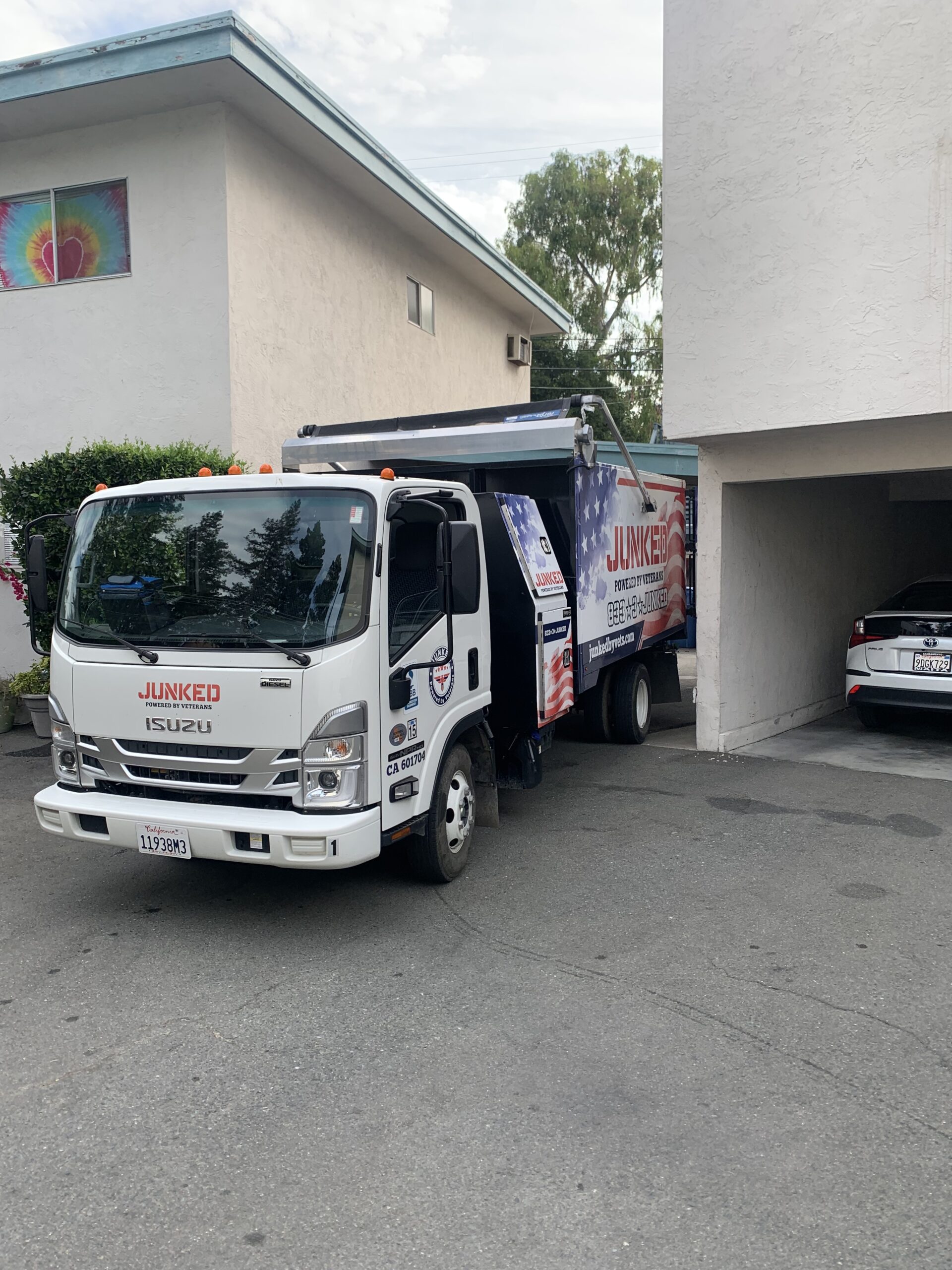
Every successful renovation, buildout, or redevelopment project starts with a clean slate. Junked: Powered by Veterans™ provides professional commercial demolition services throughout the Bay Area, helping property owners, contractors, businesses, and property managers remove what’s no longer needed and prepare the space for its next phase.
Whether you’re gutting an office, clearing out a retail space, preparing a restaurant for renovation, removing interior walls and fixtures, or getting a commercial property ready for construction, our veteran-led crew is equipped to handle the job safely and efficiently.
We don’t just tear things out. We help keep your project moving.
Commercial Demolition Without The Headaches
- Interior Demolition: Walls, ceilings, flooring, cabinetry, fixtures, built-ins, and other interior components.
- Office, Retail & Restaurant Demolition: Clearouts and demolition for remodels, tenant improvements, relocations, and new buildouts.
- Warehouse & Commercial Property Demolition: Removal of unwanted structures, improvements, equipment areas, and other materials.
- Complete Debris Removal: Once the demolition is finished, we haul away the debris and leave the site clean and ready for the next trade.
- Reliable Scheduling: We understand that delays can affect every stage of a commercial project, so we show up ready to work and keep the job moving.
- Veteran-Led Professionalism: Clear communication, dependable crews, organized work areas, and a strong commitment to doing the job right.
Clear It Out. Clean It Up. Move The Project Forward.
Commercial demolition is often the first major step in transforming a property. The faster and cleaner that step gets done, the sooner your contractors can get to work on what comes next.
Junked: Powered by Veterans™ makes the process simple by combining demolition, debris removal, and cleanup into one dependable service.
If you’re planning a commercial renovation, tenant improvement, property redevelopment, or buildout in the Bay Area, let us handle the demolition and heavy lifting.
Disclaimer
The materials available on this website are for informational and entertainment purposes only and not to provide legal or professional advice. You should contact your attorney or home improvement specialist for advice concerning any particular issue or problem. You should not act or refrain from acting based on any content included in this site without seeking legal or other professional advice. The information presented on this website may not reflect the most current home improvement developments. No action should be taken based on the information on this website. We disclaim all liability concerning actions taken or not taken based on any or all of the contents of this site to the fullest extent permitted by law.