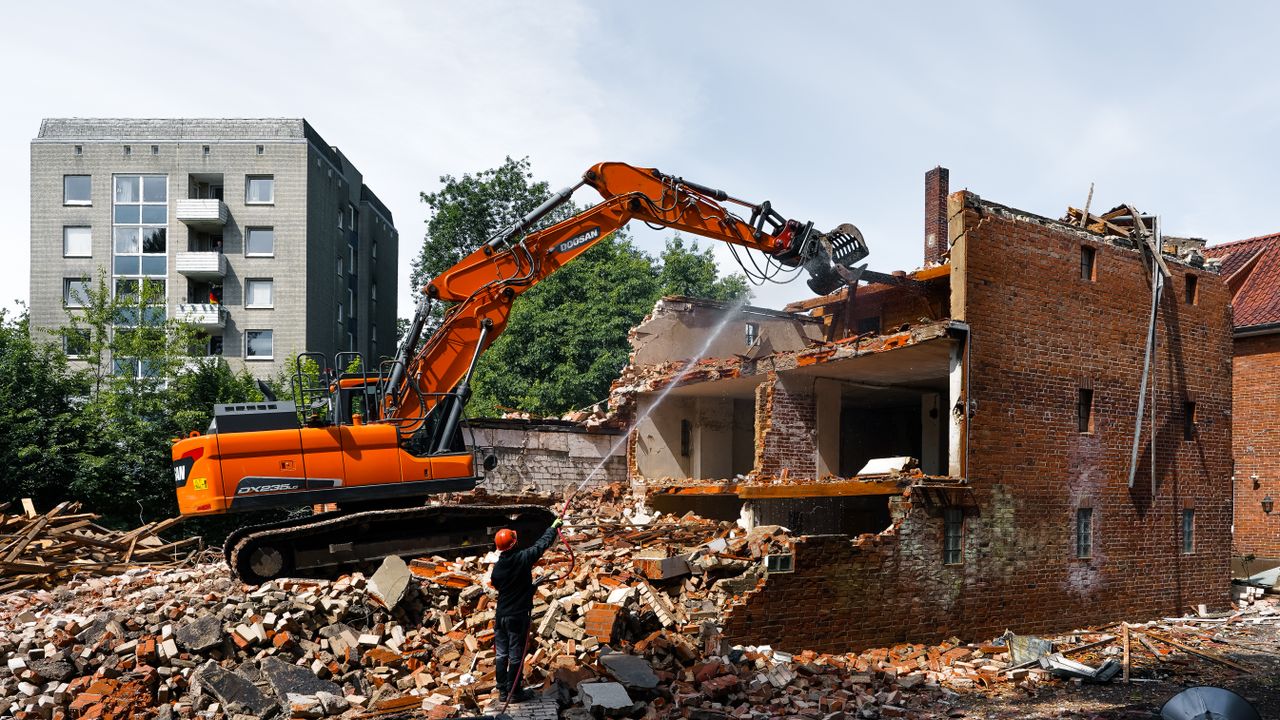
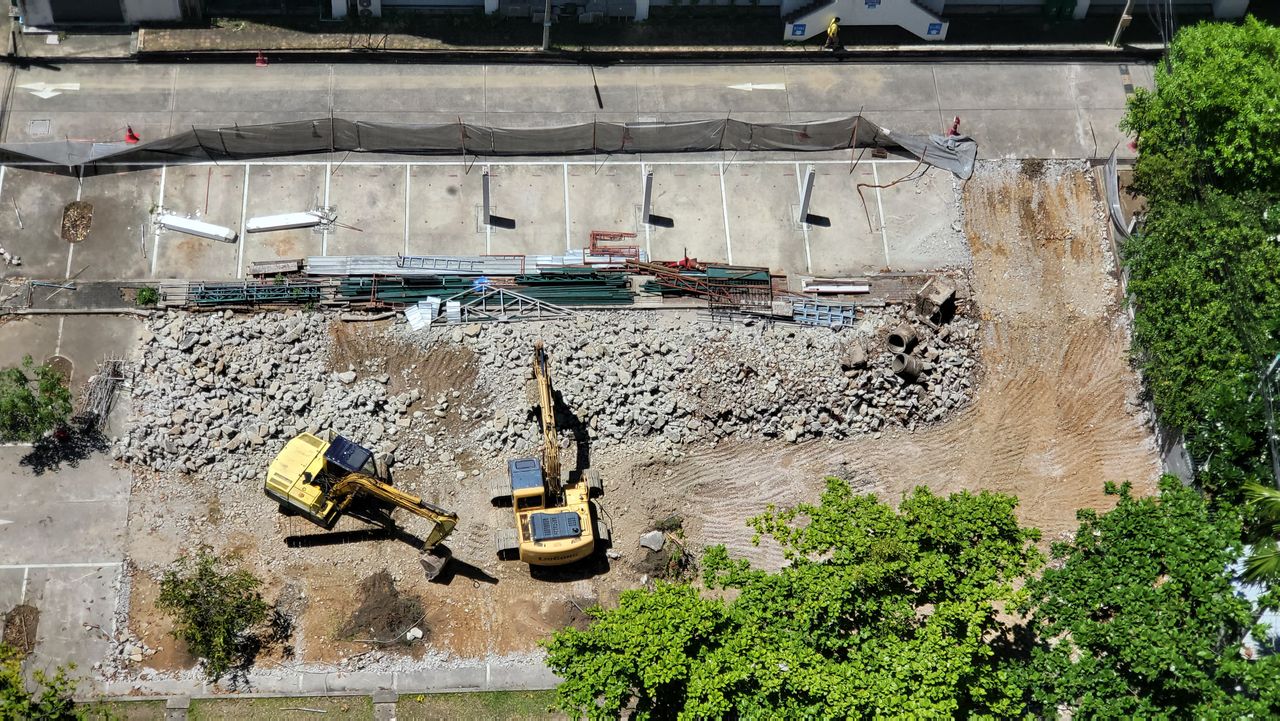
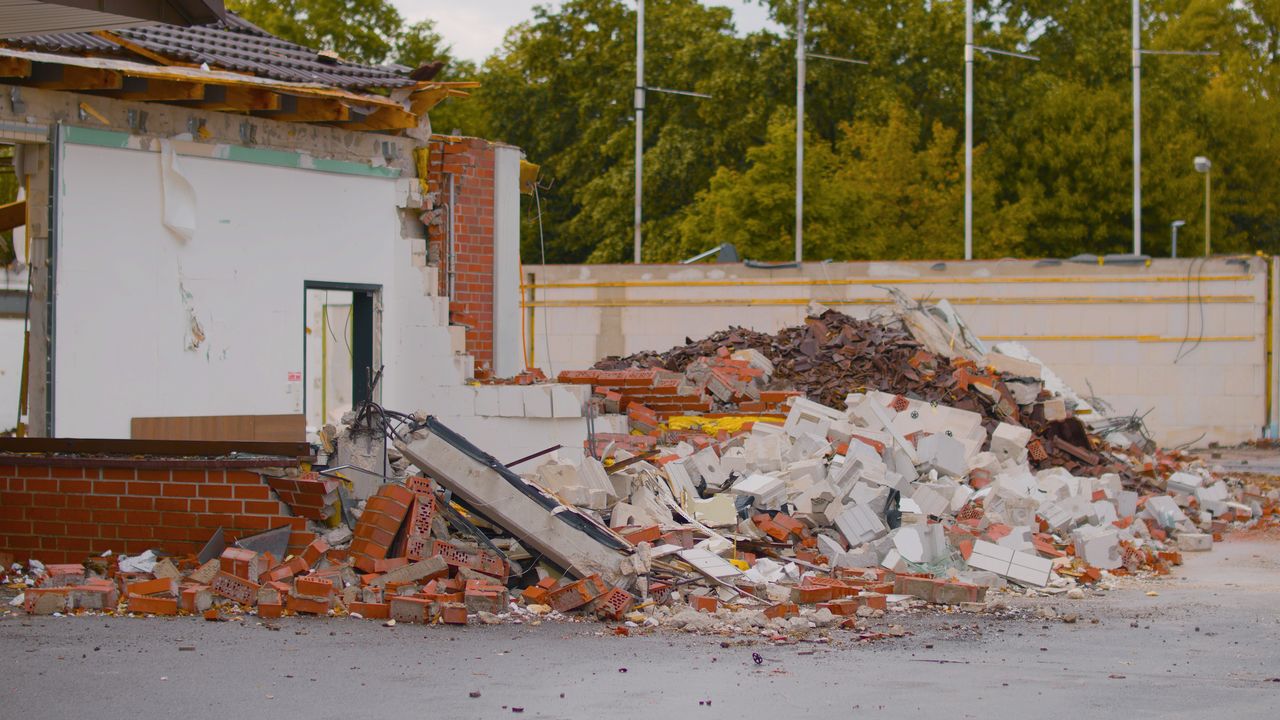
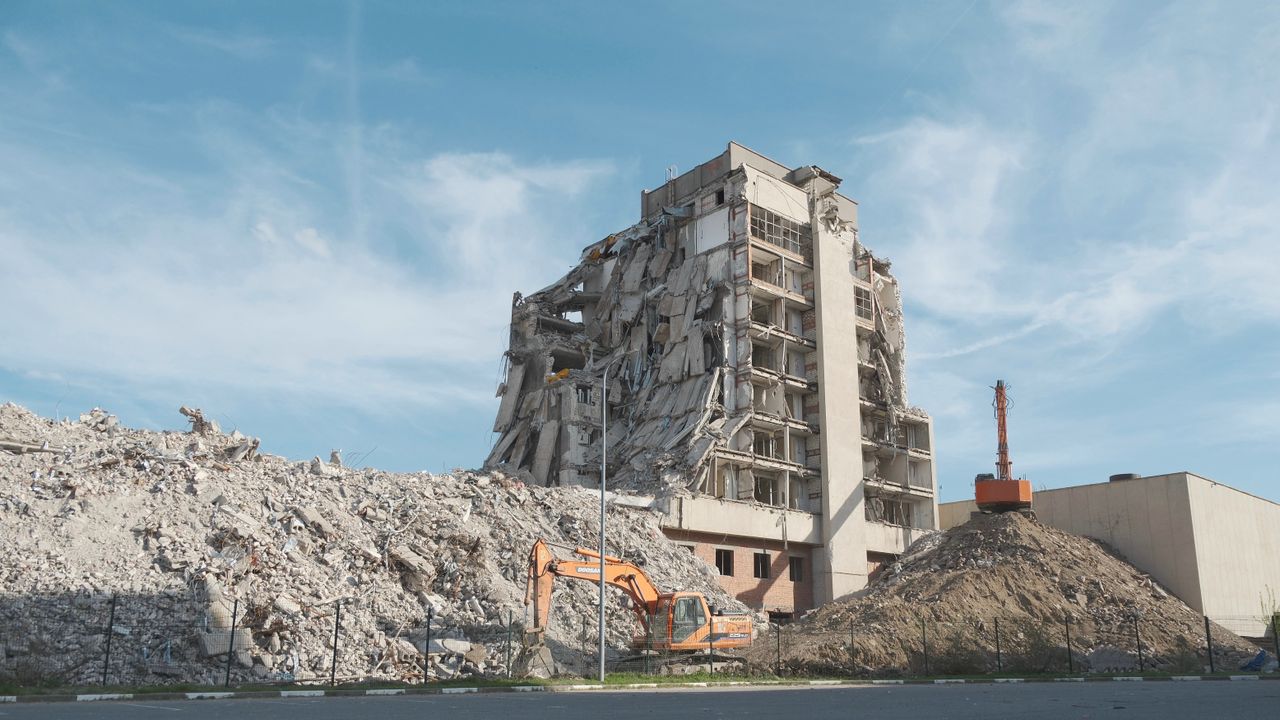
Commercial demolition is a complex construction activity that requires careful planning, trained personnel, appropriate equipment, and strict attention to safety. Unlike ordinary building work, demolition involves intentionally dismantling structures and removing materials that may be unstable, concealed, heavy, sharp, contaminated, or otherwise hazardous. A small mistake can create serious risks for workers, neighboring properties, occupants, the public, and the environment.
Safety standards for commercial demolition are designed to control these risks throughout the entire project. They address areas such as structural stability, fall protection, equipment operation, electrical hazards, hazardous materials, dust, debris, emergency procedures, personal protective equipment, and worker training. The exact requirements can vary depending on the location, building type, demolition method, and materials involved.
In the United States, commercial demolition projects commonly need to follow applicable federal Occupational Safety and Health Administration (OSHA) requirements, along with state and local regulations. California projects can also be subject to requirements administered by the California Division of Occupational Safety and Health, commonly known as Cal/OSHA. Additional environmental, building, fire, and waste-management requirements may apply depending on the project.
Understanding these standards before demolition begins can help property owners, developers, general contractors, and demolition contractors create a safer and more organized worksite. It can also reduce the likelihood of injuries, property damage, unexpected shutdowns, and costly disruptions.
This article explains the major safety standards and practices that commonly apply to commercial demolition, what they cover, and how project teams can incorporate them into a comprehensive demolition safety plan.
Table of Contents
ToggleKey Takeaways
- Commercial demolition requires careful hazard identification and planning before work starts.
- OSHA construction safety requirements commonly apply to demolition activities.
- California commercial demolition projects may also be subject to Cal/OSHA requirements.
- Structural stability must be evaluated before and during demolition.
- Fall hazards require appropriate protection and safe work practices.
- Workers need appropriate personal protective equipment for the hazards present.
- Electrical, gas, plumbing, and other utilities should be identified and properly addressed.
- Hazardous materials may require specialized assessment, removal, handling, and disposal procedures.
- Dust, noise, vibration, and airborne contaminants should be controlled.
- Heavy equipment must be operated by properly trained and authorized personnel.
- Debris should be removed and managed in a controlled manner.
- Worksites should have clear access controls and emergency procedures.
- Safety requirements should be incorporated into the demolition schedule rather than treated as an afterthought.
- A qualified demolition contractor can help coordinate the many safety considerations involved in complex commercial projects.
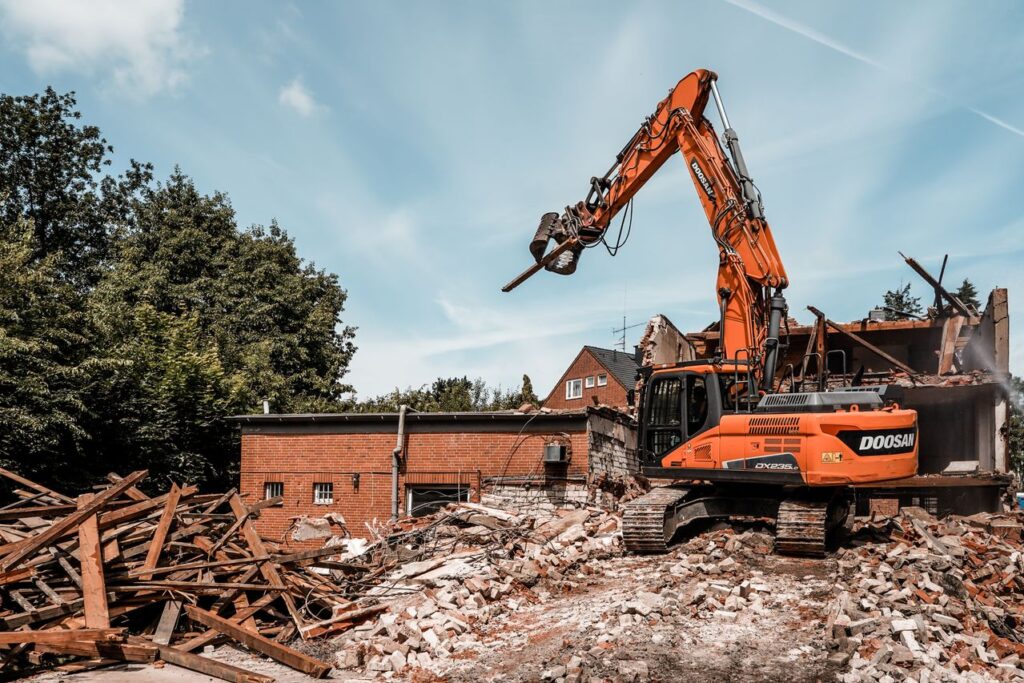
Why Safety Standards Matter In Commercial Demolition
Demolition changes the physical condition of a building throughout the workday. A structure that is stable in the morning may have significantly different load paths after walls, floors, roofs, columns, or other components are removed.
This constantly changing environment makes demolition different from many other construction activities.
Safety standards help establish procedures for controlling foreseeable hazards. They are intended to protect workers and other people who could be affected by demolition activities.
Demolition Hazards Can Change Quickly
A demolition site can contain multiple hazards at the same time, including:
- Falling materials
- Structural collapse
- Falls from elevated surfaces
- Moving equipment
- Electrical hazards
- Dust and airborne particles
- Hazardous materials
- Sharp metal
- Unstable surfaces
- Openings in floors
- Noise and vibration
- Falling tools and debris
- Restricted access
- Vehicle and pedestrian conflicts
Because conditions can change quickly, safety planning needs to continue throughout the project.
Safety Also Supports Project Efficiency
Safety is not simply about avoiding injuries. A well-managed safety program can also improve project organization.
Clear work zones, controlled access, appropriate equipment, effective communication, and proper debris management can reduce disruptions and help crews work more efficiently.
Federal OSHA Requirements For Demolition
The Occupational Safety and Health Administration establishes federal workplace safety requirements that may apply to construction and demolition activities.
OSHA’s demolition standards address hazards associated with dismantling structures and are primarily found within the construction standards.
One important principle is that employers need to evaluate hazards before and during demolition rather than assuming that a building can simply be dismantled according to a generic procedure.
Pre-Demolition Engineering Survey
A key safety consideration is the evaluation of the structure before demolition begins.
An engineering survey can help identify structural conditions that may affect the demolition sequence. The survey may consider the condition of walls, floors, roofs, framing, and other structural components.
The objective is to understand how the building is constructed and how demolition activities could affect structural stability.
Competent Person Oversight
Demolition work generally requires qualified oversight and hazard recognition.
A competent person is someone who has the knowledge and authority needed to identify existing and predictable hazards and take corrective action.
The responsibilities of qualified site personnel may include recognizing unsafe conditions, monitoring structural stability, coordinating work activities, and stopping work when necessary.
Structural Stability And Controlled Demolition
One of the most serious hazards during demolition is unintended structural collapse.
Removing one component can affect other parts of the building, particularly when structural elements are interconnected.
Understand The Building’s Structural System
Before demolition begins, the project team should understand:
- Load-bearing walls
- Columns
- Beams
- Floor systems
- Roof structures
- Bracing
- Foundations
- Structural connections
- Previous modifications
This information helps determine an appropriate demolition sequence.
Follow An Established Sequence
Demolition should generally proceed according to a planned sequence rather than allowing workers to remove structural elements arbitrarily.
The sequence should account for how the removal of one component affects the stability of remaining portions of the structure.
Watch For Changing Conditions
Structural conditions should be monitored as demolition progresses.
Unexpected cracking, movement, deflection, vibration, or other changes may indicate that work needs to stop while the condition is evaluated.
Fall Protection Standards
Falls are a major concern on construction and demolition sites.
Commercial demolition may expose workers to elevated surfaces, roof edges, floor openings, stairwells, shafts, partially demolished floors, and other fall hazards.
Identify Fall Hazards Before Work
The site should be evaluated for:
- Open edges
- Floor openings
- Roof openings
- Stairwells
- Shafts
- Elevated work platforms
- Temporary work surfaces
- Partially removed floors
Each hazard should have an appropriate control.
Use Appropriate Protection
Depending on the situation, fall protection can involve:
- Guardrails
- Personal fall arrest systems
- Safety nets
- Properly designed platforms
- Covers for openings
- Controlled access systems
The appropriate method depends on the specific work conditions and applicable requirements.
Do Not Assume A Demolition Area Is Safe Because It Is Temporary
Temporary conditions can create serious fall hazards.
A floor opening created during demolition can be just as dangerous as a permanent opening. Temporary conditions therefore need the same level of attention as other site hazards.
Personal Protective Equipment
Personal protective equipment, commonly called PPE, is an important part of demolition safety.
PPE should be selected based on the hazards present rather than using a one-size-fits-all approach.
Common Demolition PPE
Depending on the work, workers may need:
- Hard hats
- Safety glasses
- Face protection
- Hearing protection
- Work gloves
- Protective footwear
- High-visibility clothing
- Respiratory protection
- Protective clothing
- Fall protection equipment
PPE Is Not A Substitute For Hazard Controls
PPE is important, but it should not be the only safety measure.
Where possible, hazards should first be eliminated, isolated, engineered out, or controlled through work practices. PPE provides additional protection when hazards remain.
Electrical Safety
Electrical systems can create severe hazards during demolition.
Buildings may contain energized circuits that are not immediately visible. Temporary power and neighboring occupied areas can create additional electrical concerns.
Identify Electrical Systems
The project team should determine where electrical systems are located and how they interact with the demolition area.
Electrical work should be handled by appropriately qualified personnel when required.
Control Energy Sources
Appropriate procedures should be followed to de-energize and control electrical systems before affected demolition work begins.
Lockout/tagout procedures may apply in situations involving hazardous energy.
Watch For Hidden Wiring
Walls, ceilings, floors, and equipment can contain concealed wiring.
Workers should not assume that a wall or component is electrically safe simply because no wiring is visible.
Utility Isolation And Hazardous Energy
Commercial buildings can contain more than electrical systems.
Potential utilities include:
- Natural gas
- Water
- Steam
- Compressed air
- HVAC systems
- Refrigerants
- Telecommunications
- Fire protection systems
Coordinate Utility Shutdowns
Utility shutdowns should be coordinated before demolition begins in affected areas.
The project team should understand which systems need to remain operational and which can be disconnected.
Consider Neighboring Areas
Commercial properties may contain multiple tenants or interconnected spaces.
Shutting down one system can unintentionally affect another area of the building. Utility coordination therefore needs to consider the entire property.
Hazardous Materials
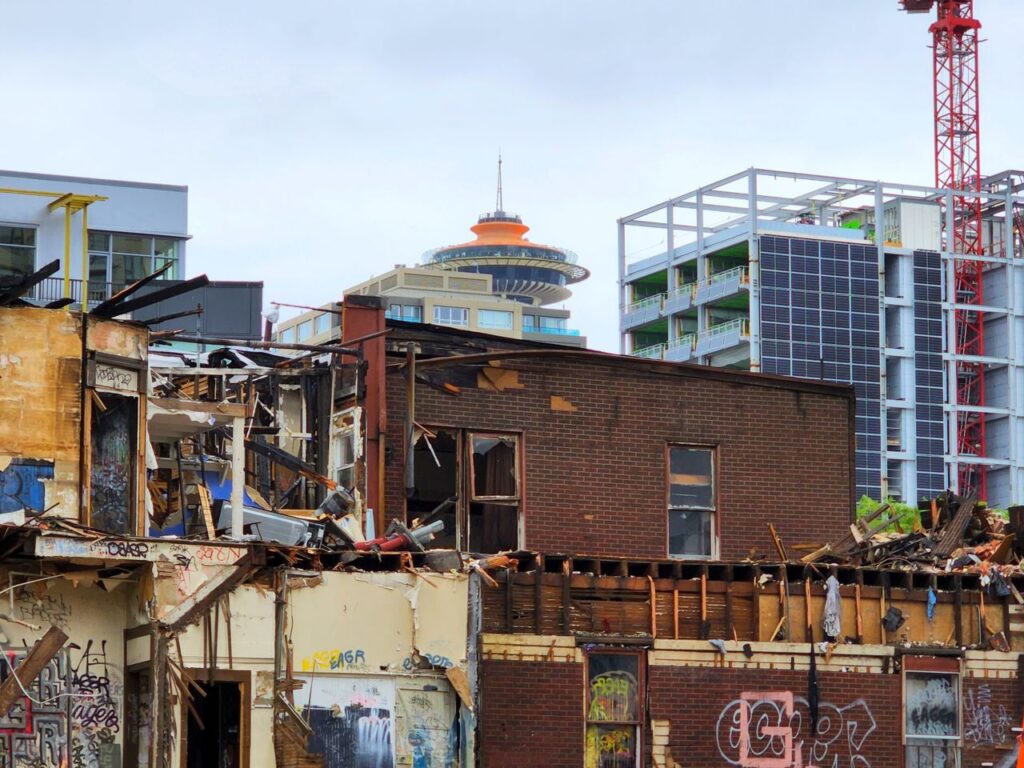
Hazardous materials are an important consideration in commercial demolition, particularly in older buildings.
Potential materials may include asbestos-containing materials, lead-containing coatings, certain chemicals, contaminated materials, or other substances that require specialized handling.
Identify Materials Before Disturbance
The project team should investigate potentially hazardous materials before demolition activities disturb them.
Depending on the material and circumstances, specialized inspections, testing, removal procedures, worker protection, and disposal requirements may apply.
Asbestos
Older commercial buildings may contain asbestos-containing materials.
Asbestos can be hazardous when fibers become airborne. Demolition involving asbestos-containing materials may be subject to specific federal, state, and local requirements.
Appropriate assessment and qualified handling are important before disturbing suspected materials.
Lead
Lead-containing coatings and other materials may be present in older buildings.
Demolition activities can create dust and debris that may expose workers to lead.
Where lead hazards are present, applicable worker protection and exposure-control requirements need to be addressed.
Silica And Dust Control
Concrete, masonry, brick, stone, and other materials can generate respirable crystalline silica when cut, drilled, crushed, or demolished.
Silica exposure can pose serious health risks.
Control Dust At The Source
Depending on the work, dust-control strategies can include:
- Wet methods
- Local exhaust ventilation
- Appropriate equipment
- Enclosures
- Work-area controls
- Respiratory protection when required
The appropriate control depends on the task and applicable exposure requirements.
Do Not Rely Only On Respirators
Respiratory protection can be important, but controlling dust at its source is generally an important part of exposure prevention.
A comprehensive approach combines engineering controls, work practices, housekeeping, and appropriate PPE.
Noise And Vibration Control
Commercial demolition can generate significant noise and vibration.
These impacts can affect workers, building occupants, neighboring businesses, and nearby structures.
Protect Workers From Excessive Noise
Hearing conservation requirements may apply when workers are exposed to hazardous noise levels.
Controls can include equipment selection, administrative measures, hearing protection, and monitoring where appropriate.
Manage Vibration
Heavy equipment, concrete breaking, and structural demolition can generate vibration.
Project teams should consider how vibration could affect:
- Remaining structures
- Sensitive equipment
- Neighboring properties
- Utilities
- Occupied areas
Where necessary, work methods can be adjusted to reduce impacts.
Heavy Equipment Safety
Commercial demolition often involves heavy machinery.
Equipment may include:
- Excavators
- Skid steers
- Loaders
- Lifts
- Forklifts
- Hauling equipment
- Specialized demolition machinery
Use Trained Operators
Equipment should be operated by personnel who have the required training and authorization for the equipment and task.
Establish Equipment Zones
Pedestrians and workers on foot should be separated from moving equipment whenever possible.
Clear traffic patterns can reduce the risk of struck-by incidents.
Inspect Equipment
Equipment should be inspected and maintained appropriately.
Defective machinery should not be used when the defect creates a safety hazard.
Scaffolding And Temporary Structures
Some demolition projects require temporary platforms, scaffolding, shoring, or other temporary systems.
These systems need to be appropriately designed, installed, inspected, and used.
Inspect Before Use
Temporary structures should be evaluated before workers rely on them.
Changes to the structure during demolition may affect temporary systems, making continued inspection important.
Do Not Modify Without Authorization
Workers should not remove braces, rails, supports, or other components without understanding how those changes affect stability.
Fire Prevention
Demolition activities can introduce fire hazards.
Cutting, welding, electrical work, temporary heating, combustible debris, and certain building materials can contribute to fire risk.
Control Ignition Sources
Hot work should be appropriately planned and controlled.
Depending on the site and circumstances, fire watches, extinguishing equipment, permits, and other procedures may be required.
Manage Combustible Debris
Accumulated combustible materials can increase fire risk.
Regular debris removal and proper storage can help keep work areas safer.
Emergency Preparedness
Every commercial demolition project should have an emergency response plan appropriate to the hazards and size of the site.
Identify Emergency Procedures
Workers should know:
- How to report an emergency
- Where to assemble
- How to contact emergency services
- How to respond to injuries
- Where first-aid resources are located
- How to report structural instability
- How to respond to fires or hazardous releases
Keep Emergency Routes Accessible
Emergency exits, access routes, and staging areas should not be blocked by demolition debris or equipment.
Worker Training
Even the best safety plan is ineffective if workers do not understand it.
Training should address hazards associated with the specific project.
General Training
Workers may need instruction on:
- Site rules
- PPE
- Hazard communication
- Emergency procedures
- Equipment hazards
- Fall hazards
- Dust
- Noise
- Material handling
Task-Specific Training
Additional training may be needed for workers operating specific equipment or performing specialized tasks.
Training should be appropriate to the worker’s responsibilities and the hazards present.
Housekeeping And Debris Management
A clean and organized worksite is an important part of demolition safety.
Debris can create:
- Trip hazards
- Blocked access
- Fire hazards
- Sharp-object hazards
- Equipment obstructions
- Poor visibility
Remove Debris Regularly
Demolition debris should not be allowed to accumulate unnecessarily.
Planned removal keeps work areas more manageable and can support both safety and productivity.
Separate Materials Appropriately
Where required or beneficial, materials may be separated for recycling, reuse, or specialized disposal.
Proper material management can reduce clutter and improve site organization.
Environmental Controls
Demolition can affect air quality, water, soil, and neighboring properties.
Environmental requirements can vary based on location and project conditions.
Dust And Airborne Particles
Dust-control measures can help reduce exposure and off-site impacts.
Stormwater And Runoff
Outdoor demolition may require attention to runoff and sediment control.
Waste Handling
Construction and demolition waste should be handled and disposed of according to applicable requirements.
The project team should understand which materials require special handling.
California-Specific Considerations
Commercial demolition projects in California may be subject to Cal/OSHA requirements in addition to applicable federal and local standards.
California has detailed workplace safety requirements covering many construction activities.
Cal/OSHA
Cal/OSHA is administered by the California Department of Industrial Relations through the Division of Occupational Safety and Health.
California employers need to comply with applicable state workplace safety requirements.
Local Requirements
Depending on the project location, local authorities may have additional requirements concerning demolition, site protection, traffic, environmental controls, waste handling, or related activities.
Property owners and contractors should identify applicable requirements before work begins.
How To Develop A Commercial Demolition Safety Plan
A demolition safety plan should be specific to the project rather than copied from another job.
Identify Hazards
Evaluate the building, surrounding property, equipment, utilities, materials, and planned demolition methods.
Determine Controls
For each identified hazard, establish appropriate controls.
Assign Responsibilities
Identify who is responsible for implementing and monitoring each control.
Communicate The Plan
Workers should understand the hazards and procedures relevant to their work.
Monitor Conditions
Safety conditions should be reviewed as demolition progresses.
Update The Plan
If site conditions change, safety procedures may need to change as well.
The Role Of The Demolition Contractor
A commercial demolition contractor plays a central role in implementing safe work practices.
Experience Matters
Experienced contractors may be better equipped to recognize common demolition hazards and plan appropriate work methods.
Equipment And Resources
A capable contractor should have access to equipment appropriate for the project and personnel who understand how to use it safely.
Communication
The contractor should maintain clear communication with the owner, general contractor, project manager, engineers, and other relevant parties.
How Property Owners Can Support Demolition Safety
Safety is not solely the responsibility of the demolition crew.
Property owners and project managers can support safe demolition by:
- Providing available building information
- Communicating known hazards
- Coordinating access
- Identifying occupied areas
- Supporting utility coordination
- Allowing appropriate time for planning
- Selecting qualified contractors
- Addressing scope changes promptly
- Supporting necessary safety procedures
Trying to save time by skipping essential planning can ultimately create greater delays and costs.
Conclusion
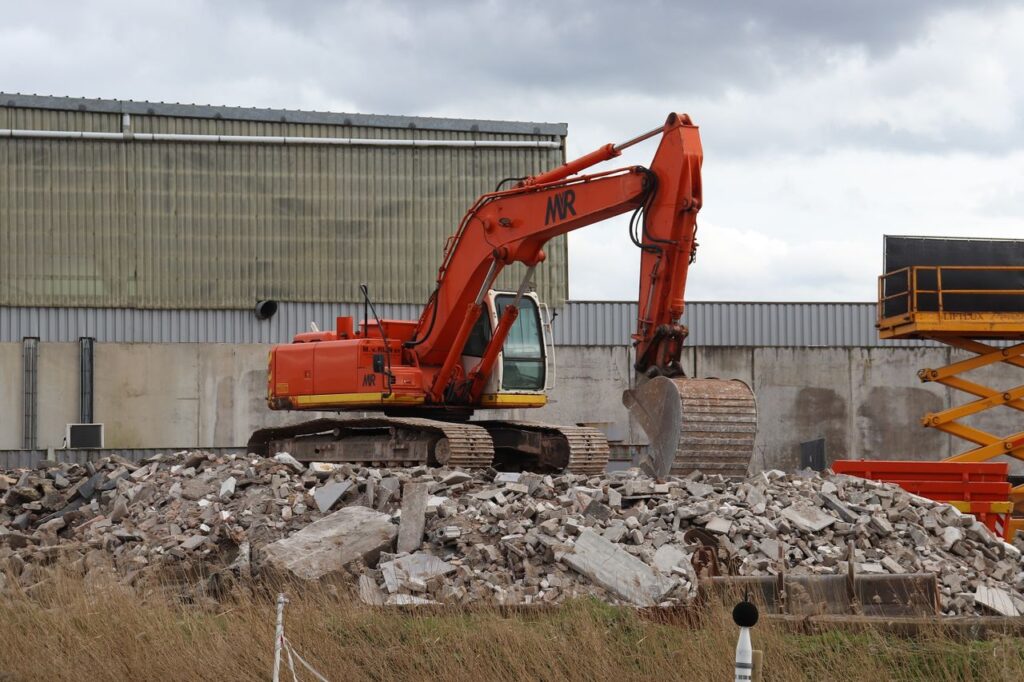
Commercial demolition requires a safety-focused approach because the work environment changes continuously as portions of a structure are removed. Structural components can become unstable, utilities can be exposed, elevated surfaces can turn into fall hazards, debris can accumulate, and hazardous materials can be disturbed. Safety standards provide a framework for controlling these risks, but successful implementation depends on project-specific planning and active oversight.
The process should begin well before demolition equipment arrives. A thorough assessment of existing conditions can help identify structural systems, utilities, hazardous materials, access limitations, occupied areas, and other factors that may affect safety. From there, the project team can develop an appropriate demolition sequence, establish work zones, determine equipment requirements, plan debris removal, and coordinate with other contractors.
OSHA requirements are an important part of the safety framework for commercial demolition, while California projects may also be subject to Cal/OSHA requirements and applicable local regulations. The exact requirements depend on the project’s location, scope, building characteristics, demolition methods, and materials. Because regulations can be detailed and project-specific, contractors and project stakeholders should obtain appropriate professional and regulatory guidance rather than assuming that one general checklist applies to every job.
Structural safety deserves particular attention. Demolition changes the way a building supports itself, making pre-demolition evaluation and controlled sequencing essential. A properly planned demolition sequence can help reduce the risk of unintended collapse and protect workers and surrounding property.
Other hazards, including falls, electrical systems, hazardous materials, silica dust, noise, heavy equipment, falling debris, and fire risks, also require appropriate controls. Personal protective equipment can provide important protection, but PPE should be combined with engineering controls, safe work practices, training, site organization, and effective supervision.
Communication is another critical component. Workers need to understand the hazards associated with their tasks, while project managers and contractors need to communicate changes in scope, site conditions, utilities, access, and sequencing. A clear process for reporting and responding to unexpected conditions can help prevent small problems from becoming serious incidents.
Ultimately, commercial demolition safety is not a single procedure or document. It is an ongoing process that begins with planning and continues through the final cleanup and site handoff. Property owners, general contractors, demolition contractors, engineers, supervisors, and workers all have roles in maintaining a safe work environment.
When safety standards are incorporated into project planning from the beginning, demolition can be managed in a more controlled, predictable, and professional manner. A qualified commercial demolition contractor can help coordinate the practical aspects of safe demolition while working with the broader project team to address the specific conditions and requirements of the site.
Frequently Asked Questions About Commercial Demolition Safety Standards
1. What Safety Standards Apply To Commercial Demolition?
Commercial demolition may be subject to OSHA construction safety standards, state requirements such as Cal/OSHA in California, and applicable local regulations. Additional requirements may apply depending on hazardous materials, environmental conditions, building characteristics, and demolition methods.
2. Is An Engineering Survey Required Before Commercial Demolition?
Applicable OSHA demolition requirements include provisions addressing an engineering survey before demolition work begins. The survey helps identify structural conditions and potential hazards. Project-specific requirements should be evaluated by qualified professionals.
3. Who Is Responsible For Demolition Safety?
Employers and contractors have responsibilities under applicable workplace safety requirements. Site supervisors, competent persons, project managers, property owners, and other participants may also have responsibilities depending on their roles and the project structure.
4. What PPE Is Commonly Used During Demolition?
Common PPE may include hard hats, safety glasses, gloves, protective footwear, hearing protection, high-visibility clothing, respiratory protection, and fall protection equipment. The exact PPE depends on the hazards present.
5. Are Fall Protection Requirements Applicable To Demolition?
Yes. Demolition work can create fall hazards from roofs, floor openings, elevated surfaces, stairwells, and other locations. Applicable fall protection requirements depend on the specific conditions and work being performed.
6. Are Hazardous Materials A Concern During Commercial Demolition?
Yes. Older buildings and certain commercial properties may contain asbestos, lead, or other hazardous substances. Appropriate investigation and controls should be considered before demolition disturbs potentially hazardous materials.
7. Why Is Structural Planning Important?
Demolition changes the building’s load-bearing system. Removing structural components without understanding how they interact can cause instability or collapse. Structural planning helps establish an appropriate demolition sequence.
8. Does Demolition Require Utility Shutdowns?
Some projects require utilities to be disconnected, isolated, or otherwise controlled before demolition. The exact requirements depend on the building and the scope of work.
9. How Can Dust Be Controlled During Demolition?
Dust controls can include wet methods, local exhaust ventilation, containment, appropriate equipment, housekeeping, and respiratory protection where required. The appropriate strategy depends on the materials and work activities.
10. What Should A Demolition Emergency Plan Include?
An emergency plan should address communication, emergency contacts, evacuation or assembly procedures, first aid, fire response, structural emergencies, hazardous material incidents, and access for emergency responders.
11. Can Demolition Continue If An Unexpected Hazard Is Discovered?
Work in an affected area may need to stop until the hazard is properly evaluated and controlled. Continuing work without addressing a serious hazard can increase the risk of injury, property damage, and project disruption.
12. How Often Should Demolition Safety Conditions Be Reviewed?
Safety should be monitored continuously throughout demolition. Conditions can change as structural components and building systems are removed, so ongoing inspections and communication are important.
13. What Should Property Owners Look For When Hiring A Demolition Contractor?
Consider experience, safety practices, project management, equipment, communication, references, understanding of applicable requirements, and experience with similar commercial projects. Cost should be considered alongside the contractor’s overall qualifications.
Commercial Demolition Services That Clear The Way For What’s Next
Every successful renovation, buildout, or redevelopment project starts with a clean slate. Junked: Powered by Veterans™ provides professional commercial demolition services throughout the Bay Area, helping property owners, contractors, businesses, and property managers remove what’s no longer needed and prepare the space for its next phase.
Whether you’re gutting an office, clearing out a retail space, preparing a restaurant for renovation, removing interior walls and fixtures, or getting a commercial property ready for construction, our veteran-led crew is equipped to handle the job safely and efficiently.
We don’t just tear things out. We help keep your project moving.
Commercial Demolition Without The Headaches
- Interior Demolition: Walls, ceilings, flooring, cabinetry, fixtures, built-ins, and other interior components.
- Office, Retail & Restaurant Demolition: Clearouts and demolition for remodels, tenant improvements, relocations, and new buildouts.
- Warehouse & Commercial Property Demolition: Removal of unwanted structures, improvements, equipment areas, and other materials.
- Complete Debris Removal: Once the demolition is finished, we haul away the debris and leave the site clean and ready for the next trade.
- Reliable Scheduling: We understand that delays can affect every stage of a commercial project, so we show up ready to work and keep the job moving.
- Veteran-Led Professionalism: Clear communication, dependable crews, organized work areas, and a strong commitment to doing the job right.
Clear It Out. Clean It Up. Move The Project Forward.
Commercial demolition is often the first major step in transforming a property. The faster and cleaner that step gets done, the sooner your contractors can get to work on what comes next.
Junked: Powered by Veterans™ makes the process simple by combining demolition, debris removal, and cleanup into one dependable service.
If you’re planning a commercial renovation, tenant improvement, property redevelopment, or buildout in the Bay Area, let us handle the demolition and heavy lifting.
Disclaimer
The materials available on this website are for informational and entertainment purposes only and not to provide legal or professional advice. You should contact your attorney or home improvement specialist for advice concerning any particular issue or problem. You should not act or refrain from acting based on any content included in this site without seeking legal or other professional advice. The information presented on this website may not reflect the most current home improvement developments. No action should be taken based on the information on this website. We disclaim all liability concerning actions taken or not taken based on any or all of the contents of this site to the fullest extent permitted by law.