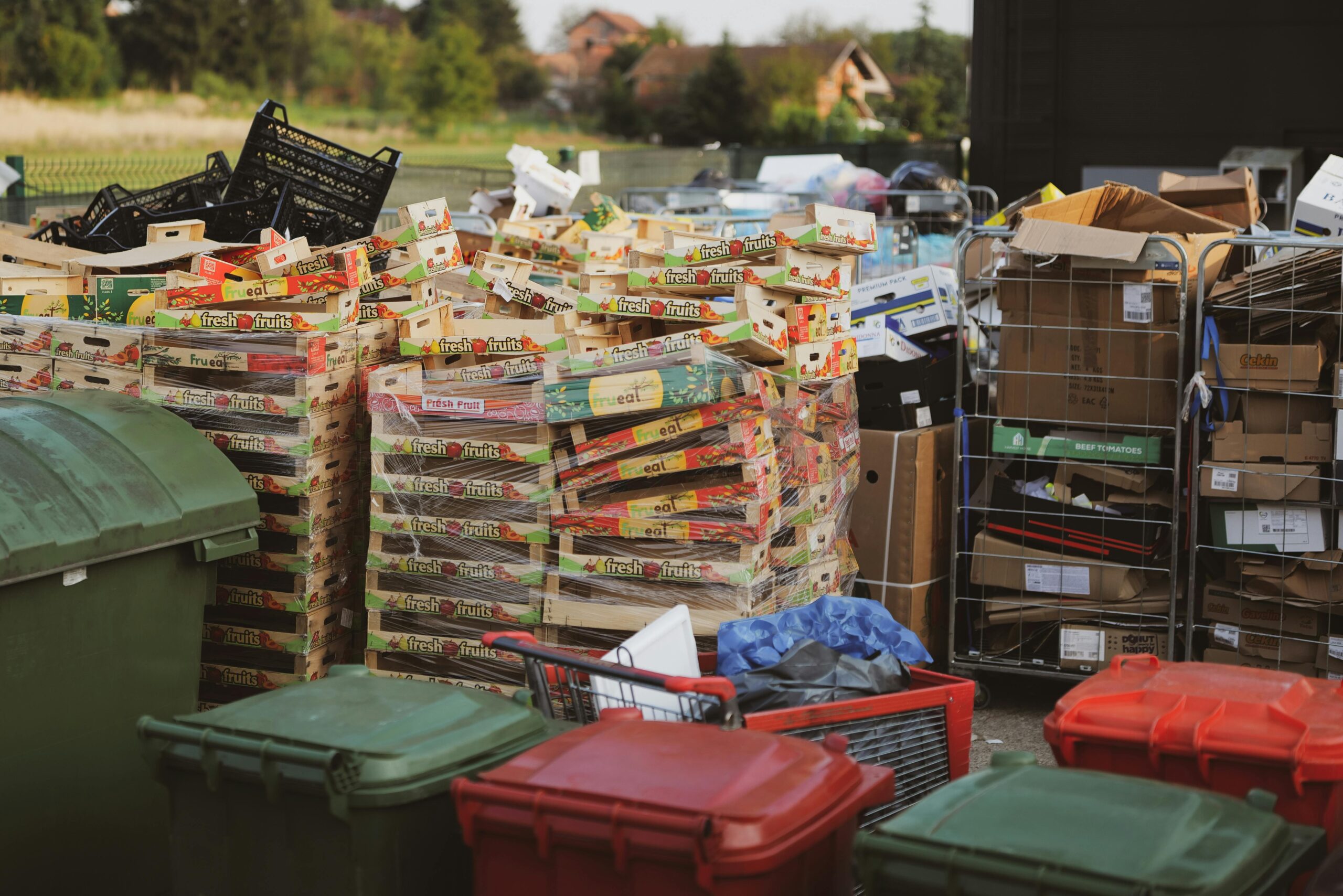
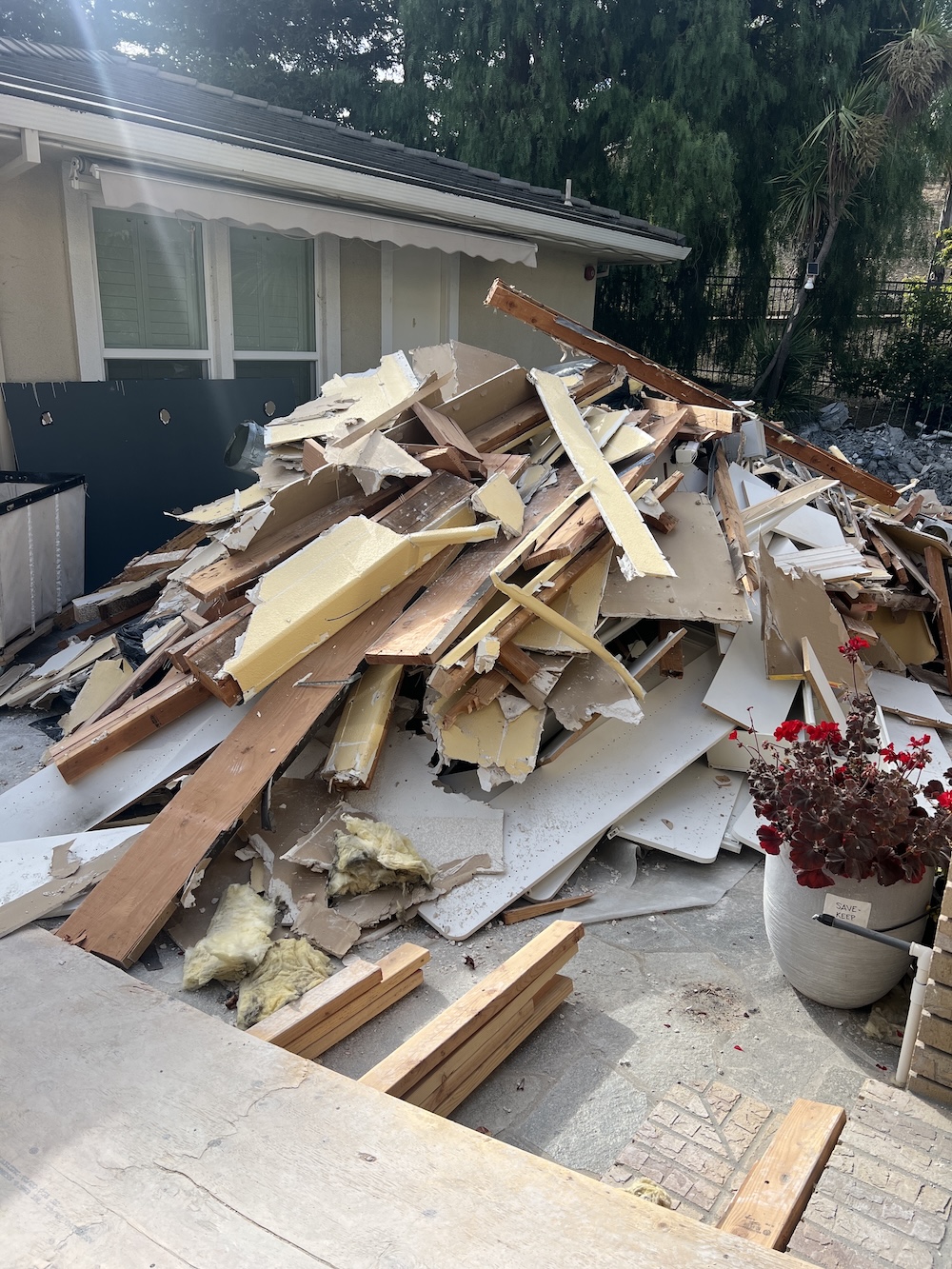
Local regulations and facility policies enumerate certain things that must not be stored or taken off without permission. Prohibited items generally involve hazardous materials such as gasoline, pesticides, explosives, and some chemicals, as they can be fire and health hazards. Fresh food and live plants are prohibited because of rot and bugs. Stolen property or items under legal hold cannot leave until they are released by authorities. Other units contain government or court-ordered possessions that cannot be relocated until the legal proceedings are complete. Facility-specific bans might include weapons, biohazard waste, and items needing climate control. The body covers laws, common facility policies, and realistic ways to fight or get items removed.
Key Takeaways
- Facility rules are in place for safety, legal, and insurance reasons, so read your rental agreement before storing or removing items.
- Flammable, hazardous, perishable, living, illegal, and many high-value items are typically banned from storage units and should be disposed of through appropriate local channels.
- Certain items, like unregistered vehicles, specific electronics, sentimental items, and business records, fall into a gray area. Before removing these items from storage units, it’s important to check with the facility staff. They may require special handling and additional paperwork for these kinds of belongings.
- Professional cleanout services minimize risk and stress by recognizing hazards, adhering to legal disposal processes, and providing protective gear and recycling alternatives.
- Adhere to a checklist and record permitted items to maintain insurance coverage, streamline cleanouts, and reduce liability or fees.
- Split cleanouts into steps that are easy to handle. Mark delicate items for special handling. Inquire about charges, disposal processes, and timing before scheduling a cleanout.
Why Rules Exist
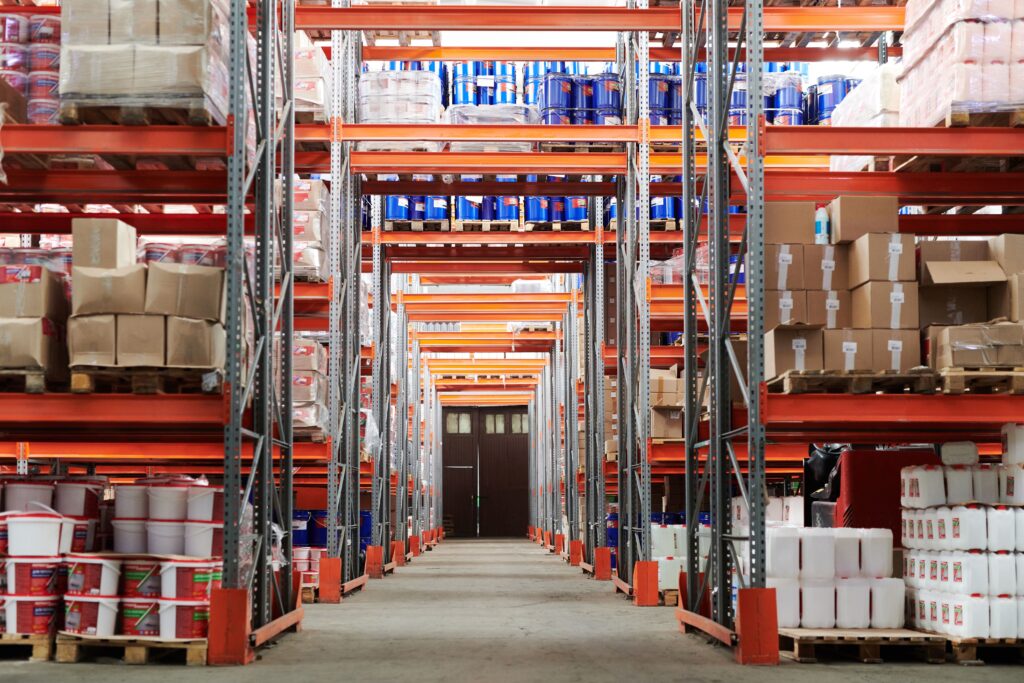
Our storage facility rules put guardrails in place that keep renters, staff, and neighbors safe and protect property and business. Rules translate technical standards—NFPA fire codes, EPA environmental rules, and OSHA safety standards—into day-to-day actions: what cannot be stored, how items must be packed, and how cleanouts are run. They minimize the risk of fire, contamination, pest infestation, and legal liability and allow professional junk removal crews to perform their job quickly and safely.
Safety First
Banning dangerous materials reduces the possibility of fires, chemical spills, and poisonous fumes when cleaning out. Things such as fuels, solvents, and explosives can ignite or react. Fireworks and ammunition can explode, and NFPA specifically cautions about this. Rules protect renters and removal crews by restricting what’s allowed when workers enter a unit. Safe disposal through hazardous waste centers and licensed removal companies has to be utilized for prohibited items to prevent damage.
Checklist of commonly banned items:
- Fuels, gasoline, propane cylinders, and solvents.
- Explosives, fireworks, and live ammunition.
- Corrosive or reactive chemicals and compressed gas cylinders.
- Perishables include food, plants, and anything that draws pests.
- Asbestos, contaminated soil, and biohazardous waste.
Legal Reasons
Housing contraband or controlled substances will bring you fines, criminal charges,s or eviction. Local, state, and federal laws say you must, and facility managers don’t want to get in trouble with the regulators. Junk removal companies are typically legally prohibited from dealing with certain wastes like PCB-containing equipment or medical waste. Therefore, renters must verify restrictions prior to scheduling a cleanout. Look over published banned lists and local laws to stay out of trouble.
Insurance Woes
Insurers typically exclude claims associated with prohibited or dangerous content. If a unit holds combustible items or contraband, renter’s insurance and facility liability coverage can be nullified. Post-fire or spill, claims can be denied when unapproved items are discovered. Let with photos and inventories to back coverage in a dispute.
Facility Integrity
Banned items can harm infrastructure. Fuels and chemicals may corrode ventilation or defeat fire suppression systems. Food and wet things attract pests and mildew. Gaping away from unit walls induces ventilation and lessens dampness accumulation and rot. Routine checks from managers catch violations early and keep corrective charges low for us all.
What Items Are Not Allowed?
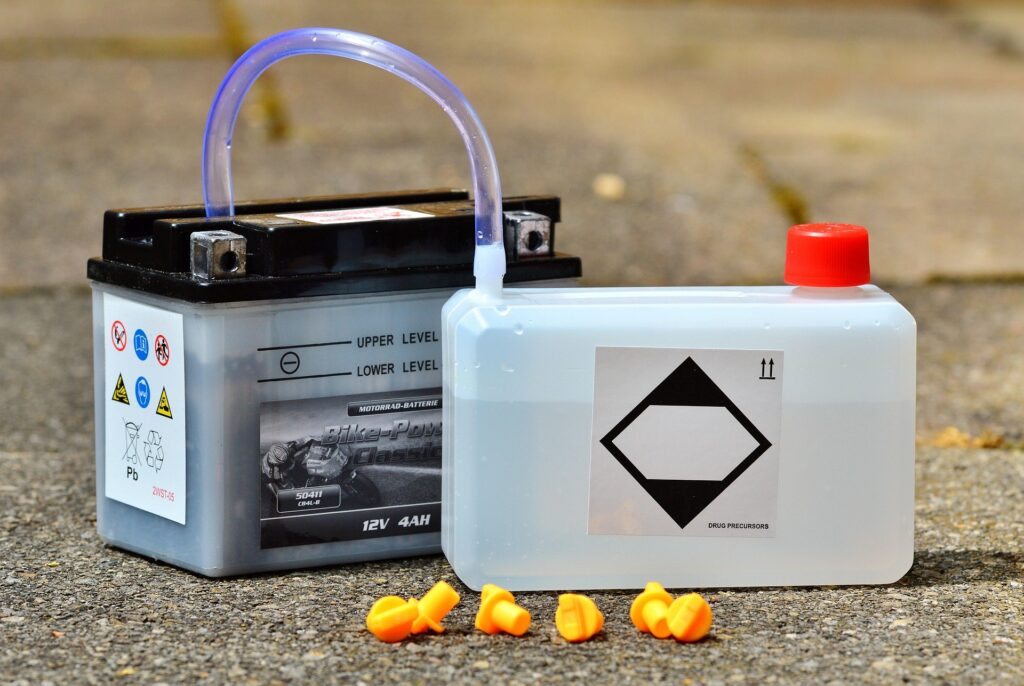
Self-storage units have restrictions on what can be stored because certain items pose safety, legal, and health risks. Check the rental agreement and facility staff for the complete prohibited list before storing or retrieving items, as policies differ by country and facility. Here’s a quick list of typical prohibited categories, accompanied by specific observations and actual removal instructions. Consider bringing in a professional storage unit cleanout crew for anything iffy or dangerous. They have training, personal protective equipment, and disposal connections.
Category | Examples |
Hazardous materials | Solvents, paints, pesticides, batteries |
Flammable substances | Gasoline, propane tanks, fireworks |
Living things | Plants, animals, insects |
Perishables | Food, beverages, wet items |
Illegal possessions | Stolen goods, drugs, and unregistered weapons |
High-value assets | Cash, jewelry, rare collectibles |
Restricted items | Tires, unregistered/uninsured vehicles |
1. Hazardous Materials
Chemicals like industrial solvents, automotive fluids, paints, pesticides, and large batteries. These items have the potential to leak, produce toxic fumes, and pollute neighboring units and groundwater. Don’t try casual disposal; take it to municipal hazardous waste drop-off sites or licensed recyclers. Cleanout crews, leave any mystery container be, quarantine it, and wear gloves, a respirator, and splash shields until it can be properly disposed of.
2. Flammable Substances
Gasoline, propane cylinders, aerosol cans, and fireworks are prohibited due to the possibility of ignition and rapid fire propagation. Even residual fuel in motorcycles or lawnmowers is dangerous. Drain tanks and air out items outside before storing or discarding. Junk removal pros need to adhere to facility reporting policies, transfer flammables to secure containment, and liaise with fire officials as needed.
3. Living Things
No animals, plants or live organisms. Keeping living things violates health codes and can result in animal cruelty or public health probes. Live matter gives rise to odors, mold, and pest infestations which damage other renters’ units. Staff need to respond to suspected live storage immediately and arrange for humane removal with local authorities.
4. Perishable Goods
Food, drinks, and wet items decompose and attract vermin and bacteria. Refrigerators and coolers must be emptied and cleaned before storage. Use sealed containers for dry, non-perishable goods. Do not store damp textiles. Rotting internal contents have to be cleaned and dumped as hazardous waste.
5. Illegal Possessions
No stolen stuff, no illicit drugs, no weapons, no knockoffs. The police can confiscate contraband discovered during cleanouts or auctions. Tenants face eviction and criminal charges. Facility managers should cooperate fully with authorities.
6. High-Value Assets
Keep cash, fine jewelry, rare stamps, or original legal documents out of basic units. Insurance limits typically exclude high-value losses. Okay, what things aren’t allowed? Use bank safe deposit boxes or certified secure storage, and keep inventory photos and receipts.
The Gray Area Items

Gray area items include things that are not explicitly prohibited by the majority of facilities, but that raise common-sense, legal, or safety concerns either when stored or when removed. They need additional attention, explicit conversations with the storage provider, and often external assistance to prevent penalties, damage, or contamination. Check rules, document conversations, and promote removal when in doubt.
Unregistered Vehicles
Unregistered, uninsured, or inoperable cars often fall into a gray zone, as units are meant for household items, not permanent car storage. Venues may permit a car only if you show proof of ownership and registration. Before storing a bike in a unit or scheduling pickup, empty the fluids, disconnect the battery, and remove fuel where applicable, as improper storage could lead to fire code violations. Our junk removal teams check the title and registration and see if it is even legally transferable before hauling. Small examples include a project motorcycle with a drained tank that may be accepted, but a car with oil leaks and a dead battery usually triggers refusal or extra fees.
Sentimental Belongings
Sentimental goods—family portraits, antique rings, old letters—aren’t prohibited but require delicate treatment. Pack delicate photos and papers in acid-free folders, label boxes clearly, and store them in airtight bins to prevent humidity damage. Leave a few centimeters of airspace around such boxes whenever possible to allow air movement and reduce mold risk. Take out the most valuable stuff prior to bringing in a clean-out service to avoid accidental disposal. Make a list of sentimental things and send it along with any assistant so they know what to put aside.
Certain Electronics
Some older electronics, like CRT TVs, desktop computers, and printers, have either recycling rules or disposal fees in many locations. Know your local e-waste rules before you stockpile or discard electronics. Wipe kitchen electronics such as microwaves and blenders inside and out to prevent bugs if you keep them around. Appliances such as refrigerators and washers should be emptied and cleaned. Take them to approved recycling facilities, and tell your junk haulers to separate electronics for appropriate recycling or donation.
Business Documents
Packing sensitive business files in a general unit can violate privacy or data laws. Use secure document storage or shredding for tax records, client information, or payroll data. We recommend separating sensitive documents from the junk prior to a unit purge and directing professional crews to treat these boxes with care and secrecy. Not doing so might expose you to legal and reputational damage.
The Cleanout Challenge
Storage unit cleanouts are more complicated than just moving boxes. There’s inventory, sorting, lifting, and convenient, safe disposal, which is usually time-pressured and emotionally stressful. Units may conceal damage from moisture, vermin, or toxins, so a systematic check is necessary before loading. Make it easy with a plan, an hour a day, or a 30-minute sprint, so you don’t get overwhelmed and so you maintain momentum. Many people underestimate scale: the self-storage industry in the United States alone offers roughly 1.7 billion square meters of rentable space across tens of thousands of facilities, so excess belongings are common and often poorly tracked.
Identifying Dangers
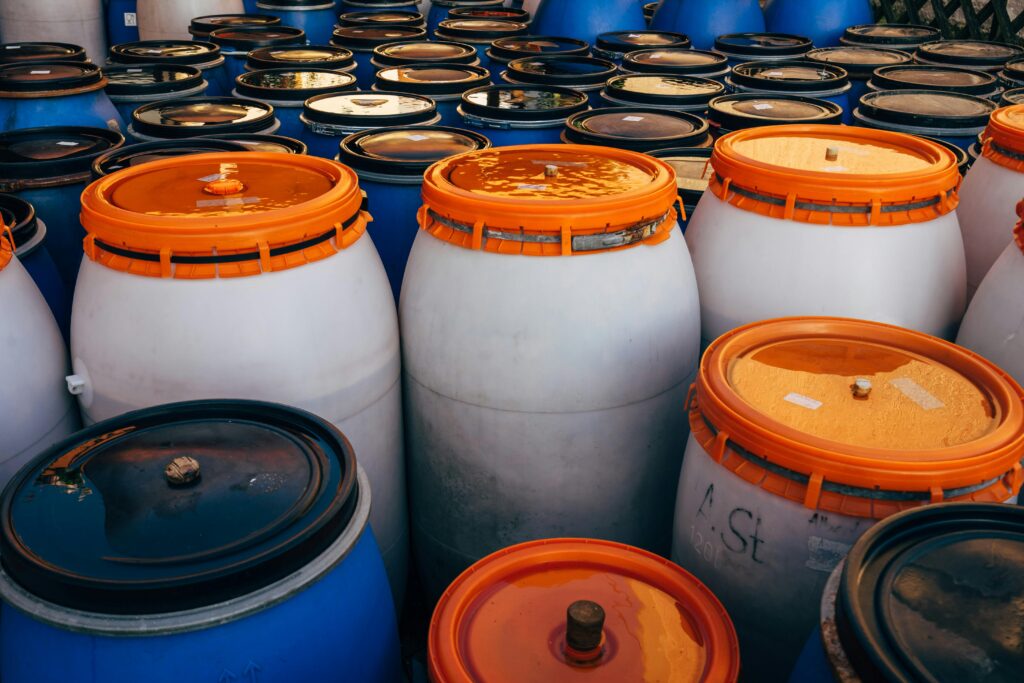
Educate squads to identify chemical containers, batteries, pressurized tanks, and illegal goods. Renters can pre-flag questionable items so crews have the correct handling and disposal routes. Always wear gloves, eye protection, and puncture-resistant boots when opening boxes or moving furniture. Unidentified liquids and sharp objects are common dangers. A checklist helps: list corrosives, biohazards, flammables, electronics with batteries, and broken glass. Check corners and behind large furnishings for pests or mold, and mark humidity stains that indicate deep infestation. They decrease injury and limit unexpected slowdowns during work.
Legal Disposal
They followed the community garbage regulations regarding household dangerous waste, e-waste, and large pieces of junk. Incorrect disposal can bring about fines. Segregate donations, recyclables, and landfill-bound material at the point of removal to reduce environmental impact and prevent cross-contamination. Question vendors up front about disposal, potential paperwork, and additional fees. Weekend surcharges, minimum dump runs, fuel fees, and cleanup add-ons are standard and can inflate fees from a modest $199 to $300, starting at $1,000 to $2,000 or more for tricky projects. Receive a complimentary quote, obtain permits for controlled disposals, and save receipts for audit or insurance purposes.
Emotional Toll
It can be exhausting to clear out a unit after a move, loss, or eviction. Chunk work — one shelf, a few boxes — and employ timers to create time-limited sprints. Engage a respectful handling and transparent communication team when items are sentimental. Take breaks and enlist friends or family where you can, and schedule maintenance every six or twelve months to prevent future buildup.
Your Rental Agreement
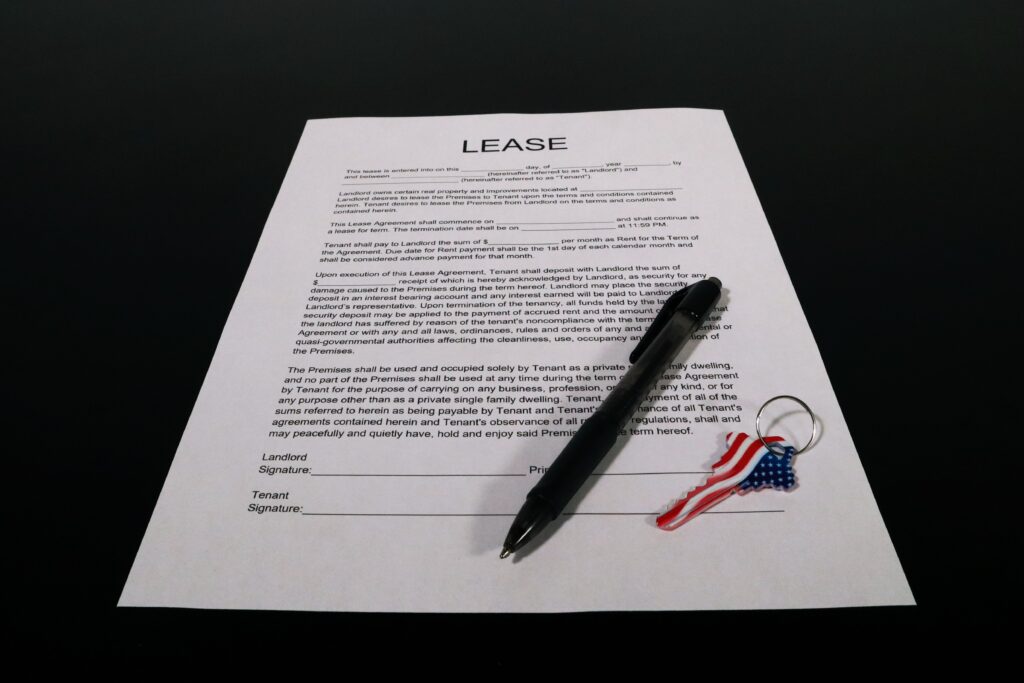
Your rental agreement lays out the terms that govern what you can store, how you pay,y and what occurs if you become delinquent. Examine it carefully before any moves in, as the contract frequently dictates banned materials, insurance requirements, payment schedules, and entry policies that impact your removals and cleanout.
Read the Fine Print
Read all the clauses, not just the main headings. Standard items on a prohibited list are perishables, flammables, hazardous waste, and irreplaceable originals, with certain locations adding their own stipulations, such as sensitive electronics or living plants. Check out insurance stipulations and coverage limits. Contracts can limit covered value to 5,000 USD unless you get written approval for additional coverage. Pay attention to the grace period for late payment, usually five to ten days, and the late-fee schedule after that.
There may be concealed charges for lock cutting, prohibited item disposal, or abandonment administrative processing. Make a one-page sheet of important rules: access times, permitted belongings, coverage, grace period, line deadlines, so you can consult it in a cleanout. Keep in mind that ignorance of details won’t prevent a facility from charging fines.
Ask Questions
Query staff over any unclear items before you bring stuff in! Be sure to ask about cleanout fees, whether the facility provides on-site disposal, how they deal with bulky items, and if third-party junk removal is permitted. Explain access windows and if after-hours access is allowed, as limited hours impact when you can take stuff out and can increase labor fees for planned clean outs.
Verify protocols for dangerous and/or suspicious materials– some centers demand written permits or reject waste streams altogether. Inquire about scheduling a cleanout and whether you’ll have to gain written authorization to remove big or shared fixtures.
Understand Penalties
Violations can result in fines, eviction or lockout, and multiple non-payments can initiate a lien process after 30 to 90 days, depending on the law and contract. If something is abandoned, facilities mail a notice with an itemized debt statement and auction warning, usually allowing about 15 days before the sale. Should your belongings be auctioned off, you have up to two years after the sale to claim any excess proceeds.
Violation | Common Penalty | Typical Timeline |
Late payment | Late fee | 5–10 day g, race then fee |
Nonpayment | Lien/auction | 30–90 days to start |
Prohibited items | Fines/disposal | Immediate removal possible |
Abandonment | Auction of goods | Notice then ~15 days to act |
Professional Cleanout Services
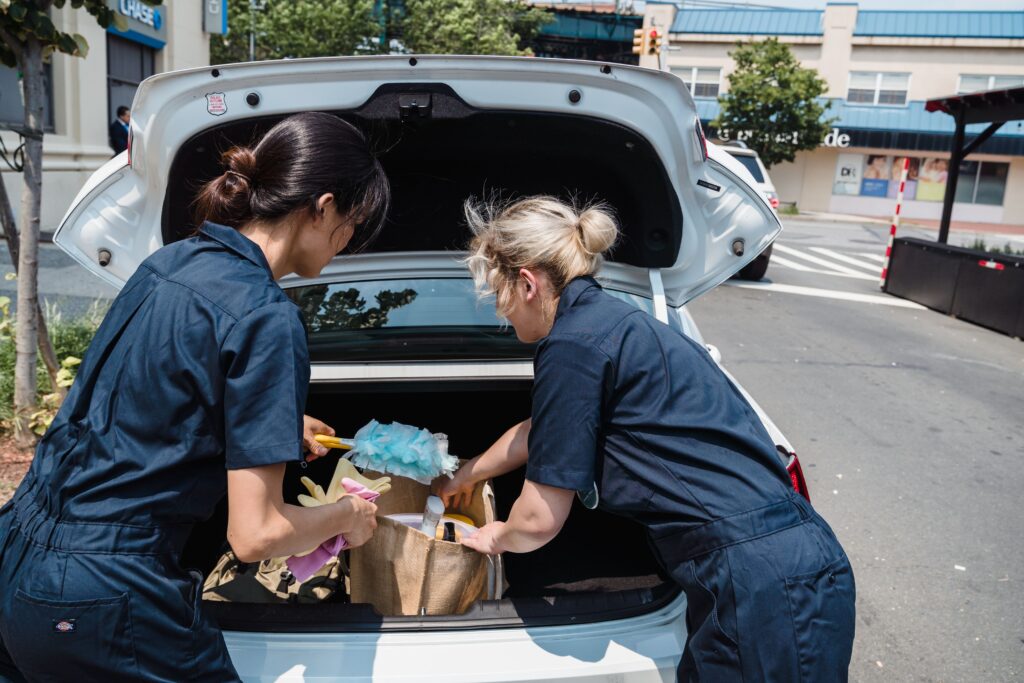
Professional cleanout services offer a straightforward solution for storage units filled with banned, dangerous, or undesirable goods. They evaluate the unit, describe the removal plan, and inform renters on what to expect in terms of timing, cost, and disposal methods so renters know what remains, what has to be taken out, and how. This quick background aids in setting up why calling in a pro is usually the most convenient option.
Professional crews save time and reduce stress by assuming physical and logistic duties that renters frequently either cannot or do not want to manage. Specialized cleanout teams arrive with heavy lifting equipment, fragile item padding and straps, and appropriately sized vehicles. They sift through heavy piles, separate into keep, donate, recycle, and dispose streams, and do loading and hauling. For example, a 10 cubic meter unit packed with furniture and boxes can be emptied in a few hours by a crew, compared with days of solo effort.
With upfront pricing and transparent quotes, budgeting is a breeze. Most services will give you a free estimate and have flat-rate or volume-based quotes that don’t have sneaky fees. Average prices vary from approximately $150 for mini jobs to over $1,000 for massive, labor-intensive cleanouts, with the ultimate price being based on unit size, volume of items, and labor. Professional Cleanout Services. Request a free estimate to get an exact scope and compare the same or next-day appointments some providers offer for urgent needs.
Earth-friendly junk removal is the norm for trustworthy professionals. Our crews will separate out donateable reusables, send e-waste and metals to specialized recyclers, and dispose of regulated waste in accordance with local regulations. This minimizes landfill footprint and risk of legal liability. For example, mattresses and electronics often go to certified recycling centers, while clothing and usable furniture are redirected to charities.
Utilizing professionals reduces liability and guarantees adherence to city and storage-facility rules. They understand permits, hazardous material regulations, and chain of evidence issues for legally sensitive materials. For those inundated with junk, physically limited, or with offsite units, a cleanout crew is pragmatic and usually essential.
Conclusion
Storage units contain worth and danger. Defined policies reduce liability and ensure locations are secure. Typical prohibited articles are cannabis, perishable items, hazardous materials, and stolen property. Some things linger in the gray area — batteries, old electronics, personal care products. What can’t be taken out of storage lockers? Call the facility manager for strange cases. For large cleanouts, hiring professionals accelerates the work and keeps you compliant. Maintain an inventory list with pictures and dates. Pack things that don’t come out of storage bins. Mark boxes with brief, explicit comments. Quick notices from the facility, ty or you’ll pay more or lose it. Need a cleanout checklist or a sample inventory sheet? I can forward one.
Frequently Asked Questions
What common items are banned from self-storage units?
Most facilities don’t allow flammables, explosives, corrosives, toxic chemicals, illegal drugs or perishable food to be stored. Fire hazards and hazardous materials are the primary concerns for safety and legal purposes.
Can I store firearms or ammunition in a storage unit?
It depends on the policy. Most facilities permit firearms to be stored unloaded and locked, but they prohibit ammunition or require documentation that it is legally owned. Look at your lease and local laws.
Are vehicles or boats allowed in storage units?
Indoor units generally cannot accommodate vehicles. Some sites even have on-site outdoor vehicle or boat storage. Confirm measurements, insurance, and if they allow car fluids or batteries.
Can I keep important documents and valuables in storage?
Yes, but it’s dangerous. What can’t come out of storage units? For extremely valuable items, a bank safe deposit box or home safe might be safer.
What personal items fall into the “gray area” for storage facilities?
Batteries, paints, cosmetics, and lithium-ion products are usually prohibited or need particular treatment. Policies vary, so list iffy items and call the facility before moving in.
Who is responsible for cleaning out a unit after eviction or abandonment?
The renter is on the hook. If abandoned, we follow local law for lien sales and disposal. Check your rental agreement for timelines and fees so you don’t get any surprises.
When should I hire professional cleanout services?
Employ specialists for big, dangerous, or biohazard cleanouts. They save you time, manage disposal legally, and can even provide documentation of the process for insurance or legal purposes.