To handle an estate cleanout step by step is to sort, clear, and prepare a home or property after someone moves, passes,s or downsizes. You begin by taking a complete inventory of items, from small mementos to bulky furniture. Sorting is next, categorizing items by keep, donate, sell, or junk. Packing up what stays or goes out of the house helps keep things neat and less stressful. After that, deep cleaning the property gets it set for sale or handover. Every step turns a hard job into a manageable one. The middle of the post provides a clean, simple step-wise breakdown to guide you through each stage of a cleanout.
Table of Contents
ToggleKey Takeaways
- Initiate the estate cleanout by securing essential documents, setting a clear timeline, and maintaining open communication with all family members to ensure clarity and efficiency throughout the process.
- Security of property – Be proactive in addressing property security vulnerabilities, remove valuables from plain view, and consider hiring professional help to secure the estate during this transition period.
- First, establish a system. Inventory everything, sort it into categories, and involve the family in decisions. This keeps things open and helps prevent legal battles or forgotten assets.
- Seek professional appraisers for valuables and leverage estate sales or donations to ensure assets are well distributed with documentation for legal and tax reasons.
- Acknowledge the emotional toll of the cleanout. Take time to grieve, encourage open conversations within the family, and consider professional or community support when needed.
- Respect environmentally safe disposal practices and local regulations for hazardous materials. Address the estate’s digital presence and administrative wrapping up for a comprehensive and considerate finish to the cleanout.
First Crucial Steps
An estate cleanout may seem overwhelming. A little planning at the outset prevents stress and confusion down the line. Time spent learning the property, planning, and engaging all parties necessary is the key.
- Start with a property walk-through. Take a day or two to explore each area, including garages and sheds. Knowing what you have and how it’s arranged allows you to visualize the scale of the process and prevents any valuables or essentials from slipping through the cracks.
- Find the key papers, such as wills, insurance forms, and property deeds, early on. Get these first because you will need them for legal and financial steps.
- Give yourself a time limit for the cleanout. Think about family schedules, legal deadlines, and the size of the estate. This will steer your process and keep everyone on the same page.
- Talk it through and get everyone on board. Openness minimizes friction and facilitates shared decisions.
- Delegate roles if you desire, such as a “keeper of stories” to document the family memories associated with various items. This keeps sentimentality at bay during your purge.
Secure The Property
Begin by addressing home security. Examine doors, windows, and entry points for vulnerabilities. Secure locks or broken windows to deter theft or vandalism. If the house will be empty, inform neighbors or local officials so they can keep an eye out for suspicious behavior. Take jewelry, cash, and tiny e-devices out of direct view. Put them in a safe or bank box. In certain instances, it might be smart to hire a professional security service, particularly if your place is on the bigger side of the spectrum or the estate will be empty for a lengthy duration.
Locate Documents
Begin your search for documents in common places: filing cabinets, desk drawers, safes, or even boxes in closets. Sometimes, vital papers are stashed in books or behind pictures. Once located, organize them into categories: legal, financial, and personal. Digitize and create hard copies of all essential documents. Identify any missing paperwork, like title deeds or insurance certificates, and plan to reach out for replacements if needed.
Set A Timeline
Plan a cleanout schedule. Designate days for each room or area for sorting, purging, and discarding. Plan family meetings and joint decisions; they will slow things down. Factor in extra time for unforeseen obstacles, such as scavenger hunts for lost items or replacement documents. Refresh your schedule to maintain an adaptable but structured process.
The Estate Cleanout Process Step By Step
Estate cleanouts require a methodical system in order not to miss very important items or causes for fights. Each stage requires planning, communication, and documentation. Here’s a checklist detailing the process, breaking the job down into actionable steps to keep you organized and accountable throughout this often complicated and emotional endeavor.
Create An Inventory
Start by taking a very slow walk through the property. Catalog everything, categorizing them by room or category, like furniture, electronics, apparel, and personal papers. Digital tools such as spreadsheets or inventory apps can assist in accelerating this stage, reducing mistakes, and creating a backup. For each item, record the condition and estimated value. Sharing this digital archive with family keeps transparency, invites feedback, and can settle conflicts early.
Sort And Categorize
Divide the items into categories: keep, donate, sell, recycle, or throw away. Work in short sessions — two to three hours — to avoid burnout. Use bins or colored labels for each group. If you’re torn about an item, use the Two-Minute Rule and toss wishy-washy things into a Review Later bin. Return to decisions as necessary, particularly as relatives’ tastes or ambitions evolve.
Involve Family
Have regular meetings so everyone can express thoughts and feelings. Prompt folks to share memories about sentimental pieces and even designate a “memory keeper” to document stories as they arise. Divide tasks according to each person’s abilities or passions. This team effort approach not only lessens the burden but also gives those experiencing grief or stress a little relief.
Stage For Removal
Box, bag, and arrange for the donation or disposal of anything you put aside to be cleared out. Establish defined areas for items to keep, sell, or donate. This reduces errors. Plan how to move large or valuable items. You may need professional movers, especially for heavy furniture or antiques. Just double-check that everything is labeled and grouped correctly to help them all out!
Execute The Plan
Follow your schedule, but pad it. Adding a week or two is wise. Team with estate cleanout companies if necessary, particularly for bigger homes. Keep on top of your progress and adjust your plans if you run into snags. Celebrate small victories to maintain morale. This labor can drag on for weeks or even months, especially with sizable estates. Estate cleanout step by step. Document all steps. Account for valuables, both tangible and intangible.

Valuing And Distributing Assets
Valuing and distributing assets is the heart of any estate cleanout, demanding a mix of heart, hustle, and strategy. This process varies based on property size, the number of items, and local regulations. Emotional factors and legal requirements can influence the result as much as financial objectives. Consider these factors:
- Property size, item volume, and type of assets
- Legal and regulatory requirements (local and international)
- Need for IRS-compliant appraisals for high-value items
- Emotional impact on heirs and family members
- Documentation and record-keeping for courts and tax filings
- Distribution plans to avoid family conflict
- Budget for equipment, labor, and disposal fees
Appraise Valuables
First, determine anything that might be of huge market or sentimental value. Things like antiques, rare collectibles, original artwork, or fancy electronics will often need a more professional eye, particularly when estate value must be proven in court. For valuables, contact professional appraisers who can offer IRS-compliant documentation if requested by legal or probate-related situations. Maintain file copies of all appraisals, as they back both sales and insurance claims. Consult respected industry leaders and experts about valuing your assets, advises Waring, but always check market trends before selling.
Decide What To Sell
Check each for condition, value, and heart before you sell. Large properties, such as a 300 square meter house, will have a greater variety of belongings and can require more attention and manpower than a small flat. Arrange a sale or auction for something that has value on the market, or utilize online auctions for something rare or worth a lot, which will attract buyers globally. This optimizes profits and accelerates the pace. Keep family members in the loop on what is being sold and how proceeds are distributed. Such transparency minimizes confusion and stress.
Coordinate Donations
Look for established charities or donation centers that receive items from estates. Some organizations provide free pick-up, which is particularly helpful for heavy or awkward items or in high labor cost areas. Be sure donated items are washed and in working condition. Record gifts for tax write-offs and personal records. This is a great service to the community and a swift, ethical way to clear space.
Navigating The Emotional Toll
Estate cleanout is about more than just logistics. It’s an emotional rollercoaster that frequently influences decision-making and development. Grief can fog decision-making, stall momentum, and stir conflict around even mundane objects. Having a pause around major decisions allows your emotions to recede and keeps things grounded. A positive environment, where all are welcome to express themselves and be listened to, aids families in weathering the most difficult journey together. Concentrating on what you will need while still respecting the memories and sentimentality provides equilibrium, which makes this process less painful and more pragmatic at every turn.
Acknowledge Grief
Any feelings of loss, sadness, or frustration are perfectly natural during an estate cleanout. Every family member responds differently, so it helps to provide room for everyone to share memories or stories of the departed. In sharing, the work feels less lonely and more like a tribute. Breaks are not only helpful but necessary. Emotional burnout can creep in fast, particularly when you’re sifting through a loved one’s belongings that remind you of their life. Make sure they have access to grief support, be it local organizations, faith groups, or online. Sometimes, simply pausing to walk or to eat a quiet meal together can bring back some peace.
Set Boundaries
Establish boundaries upfront. Determine what’s in, what’s out, and what requires more consideration. Use a simple four-category system: keep, donate, sell, or discard. For stuff of ambiguous value, apply the “Two-Minute Rule.” If you can’t decide in two minutes, put it aside for later consideration. Transparent discussions regarding what is meaningful prevent shocks. If someone is attached to an item, honor their request but stay on track. Know how you’re going to deal with disagreements, such as a family vote or outside mediator, so things stay fair and on point.
Seek Support
Assistance is crucial. Contact friends for a sympathetic ear or assistance. Consider estate cleanout services or professional organizers; they can speed up work and alleviate stress. Turn to family for support, alternating challenging tasks, or passing around the emotional weight. Grief counselors are there for the toughest emotions, providing techniques to cope with trauma and sorrow. Keep in mind that a well-done cleanout can span weeks, so patience and support are crucial.
Responsible Item Disposal
Responsible item disposal during an estate cleanout takes some planning and involves environmental and legal issues. It helps delineate the scope, which aids in separating any hazardous items from recyclables or donations. Ridding yourself of everything—closets, attics, crawlspaces—leaves nothing to chance. It’s not easy to go through, particularly after the death of a loved one, but by having a plan in place, you stress less and avoid making rash decisions.
Disposal Method | Example Items | Environmental Impact |
Recycling | Electronics, glass, paper | Low, reuses raw materials |
Landfill | Broken furniture, textiles | High increases landfill |
Hazardous Waste Center | Paint, batteries, chemicals | Medium, prevents pollution |
Donation | Clothing, books, cookware | Low, benefits the community |
Secure Shredding | Sensitive documents | Low, protects privacy |
Hazardous Materials
Locate toxic items such as household cleaning products, paint cans, batteries, and electronics. They cannot be co-mingled with household waste because they’re a contamination or injury risk. Your local waste management facility generally offers guidance or even special pick-up services for items like this. Certain locations, especially if you have a lot, want you to schedule a drop-off or call a certified handler. Always wear gloves and utilize sealed containers when transporting hazardous substances to avoid leakage or other mishaps.
Teach kids about the dangers. Not everyone realizes the risks of mixing batteries or solvents with common garbage. Even offering a plain list or quick demonstration can save you from disaster. For specialty items, such as medical waste or industrial chemicals, check municipal websites or call your local agencies to verify how to dispose of them.
Digital Footprint
Digital Asset Type | Recommended Action |
Email accounts | Delete or transfer ownership |
Cloud storage | Backup and delete |
Social media | Memorialize or close |
Online banking | Notify institution |
It’s crucial to securely delete your digital accounts. Some platforms offer account memorialization, which retains content but freezes access. Others need a proper goodbye. Keep a record of all accounts and passwords in a password-protected format with estate documents. This saves you hassle down the road, particularly with sensitive or legal financial documents hosted on the web. Think of digital assets as part of your estate; their value or liability might need legal review.
Recycling And Waste
Just make sure you separate recyclables, plastic, glass, and electronics from regular waste before it leaves. Throw away. Use clear bags or bins for simple sorting. Research local certified recycling centers, as several cities provide drop-off locations or bulky item collection days for items such as mattresses or appliances. Respect their regulations to prevent refused batches.
Bring everyone participating in the cleanout up to speed on recycling 101. Put up easy-to-read signs or checklists to direct sorting. Keep a record of what is discarded and where. This is not only great for compliance but can also assist with any legal paperwork needed for probate. It comes in handy when tallying the estate’s overall worth, particularly if items are sold, donated, or recycled.
Finalizing The Property
With the estate settled, it’s all about finalizing the property. This involves getting it ready for sale, rent, or a family member. This stage requires you to focus on tidying, fixing, and legal closure. It’s easy to get overwhelmed, particularly if the estate was a close relative’s. Nothing is insignificant, from the condition of the floors to utilities being handed over properly. Family involvement is usually required at this point, both pragmatically and sentimentally.
Deep Cleaning
A deep clean is a must. Every room, every appliance, every fixture. There’s nothing wrong with hiring professional cleaners if the task is too overwhelming or heartbreaking, especially if you’re pressed for time or have a huge property. Mind neglected areas, such as baseboards, top shelves, attics, or crawlspaces. Invite family in first to grab any last bits of clutter, then take one last sweep through every closet and storage nook. If you can, establish a hard deadline to keep everyone on track—“get the house empty by 1 July.” A properly cleaned property makes new owners feel at home and can even add appeal to buyers.
Final Walkthrough
Before you turn over the keys, conduct a careful walkthrough. Check every nook and cranny for what may have been left behind, including garages, sheds, and basements. Look for safety and legal requirements such as functioning smoke alarms, safe wiring, and adequate locks. Finalize the property by capturing it in photos or video. This comes in handy if you get questioned or have disputes afterwards. In most cases, bringing another family member or estate executor along can help catch missed details and offer additional accountability.
Administrative Closure
Administrative closure needs attention and order. Collect all of the estate’s paperwork — appraisals, bills, letters. Hope for the best; probate properties have “Letters Testamentary” or “Letters of Administration.” Inform banks, utilities, and others of the ownership transition and coordinate utility transfers or disconnects. Pay off debts before closing the estate. Just like assets, liabilities must be wrapped up long before closing the estate. Store everything in one safe folder. This makes follow-up much easier and assists executors, attorneys, and heirs with future inquiries.
Conclusion
How do you deal with an estate cleanout? Step one: get a good plan. Walk through the space, chunk tasks, and set goals. Here’s how to manage an estate cleanout, step by step. Give yourself time to grieve and lean on friends or family. Sell, give, or recycle stuff carefully, using trusted services if wanted. Inspect every room before completion, ensuring the home is secure and clean. Each step constructs order and peace. By remaining honest and forthcoming, you discover the optimal path forward. For more tips or to read other people’s stories from the trenches, visit some of my other posts or post your own steps below.
Frequently Asked Questions
1. What Is The First Step When Handling An Estate Cleanout?
Begin by securing the property and collecting legal documents. Inform interested parties like banks and utility providers. This protects the estate and ensures you’re following all the legal requirements.
2. How Do You Organize The Estate Cleanout Process?
Make a checklist and timeline. Sort items into categories: keep, donate, sell, recycle, or discard. This breaks up the process into something organized and more manageable.
3. How Can You Fairly Value And Distribute Assets?
Collaborate with a professional appraiser for valuables. Adhere to any legal directives, such as a will or court order. Be up front with everyone to prevent disagreements.
4. How Do You Manage The Emotional Stress Of An Estate Cleanout?
Don’t forget to take breaks and request assistance from friends, family, or professionals. Acknowledge your emotions and allow yourself time. This makes it less stressful and more manageable.
5. What Is The Best Way To Dispose Of Unwanted Items Responsibly?
Donate what’s useful to charities. Recycle items like electronics and metals. For hazardous waste, reach out to local disposal services. This ensures items get treated in an eco-friendly manner.
6. When Is The Estate Cleanout Complete?
Your cleanout is done when all assets are organized, the home is clear, and any legal or financial matters are concluded. A final walkthrough ensures nothing is overlooked.
7. Should You Hire Professionals For An Estate Cleanout?
Yes, particularly for large estates or if you’re overwhelmed. Experts can save time, provide knowledge, and manage items responsibly and legally.
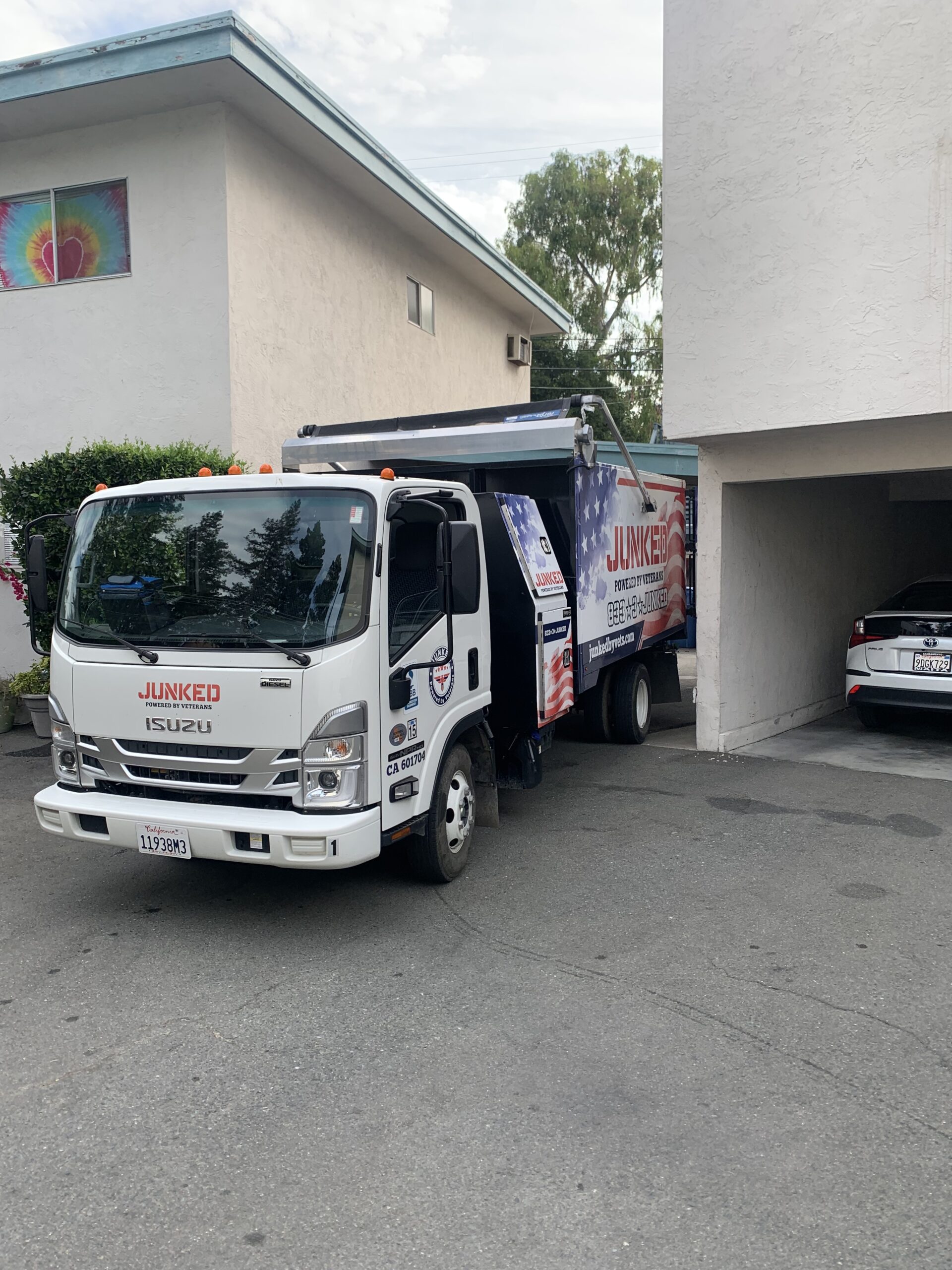
Handling An Estate Or Inherited Property? Here’s Why Bay Area Property Pros Choose Junked: Powered By Veterans™
If you’re managing an estate or dealing with an inherited property, choosing the right cleanout company matters. The wrong team can slow things down, create unnecessary stress, or leave behind items and debris that delay the next steps. At Junked: Powered by Veterans™, we help Bay Area families, executors, real estate agents, and property managers handle estate cleanouts with care, efficiency, and professionalism from start to finish.
Whether you’re clearing out a home after a loved one’s passing, preparing a property for sale, or managing a full estate transition, our veteran-led team brings respect, organization, and the right approach for every situation. We don’t just remove items, we help you move forward with a property that’s clean, cleared, and ready for what comes next.
Why Junked: Powered by Veterans™ Is The Right Choice For Estate & Inherited Property Cleanouts
- Compassionate, Respectful Service: We understand these situations can be emotional, and we handle every cleanout with care and discretion
- Full-Service Cleanouts: From furniture and personal items to garage and attic cleanouts, we handle everything so you don’t have to
- Efficient Turnaround: We work quickly to help you meet timelines for listing, renovation, or property transfer
- Eco-Friendly Disposal: Donations, recycling, and responsible disposal are always prioritized whenever possible
- Veteran-Led Professionalism: Clear communication, reliability, and a team you can trust during a sensitive time
If you’re dealing with an estate or inherited property in the Bay Area, the decision comes down to who will make the process easier. Schedule your free, no-obligation estimate and see why so many property professionals trust Junked: Powered by Veterans™ for cleanouts that are respectful, efficient, and stress-free.
Disclaimer
The materials available on this website are for informational and entertainment purposes only and not to provide legal or professional advice. You should contact your attorney or home improvement specialist for advice concerning any particular issue or problem. You should not act or refrain from acting based on any content included in this site without seeking legal or other professional advice. The information presented on this website may not reflect the most current home improvement developments. No action should be taken based on the information on this website. We disclaim all liability concerning actions taken or not taken based on any or all of the contents of this site to the fullest extent permitted by law.