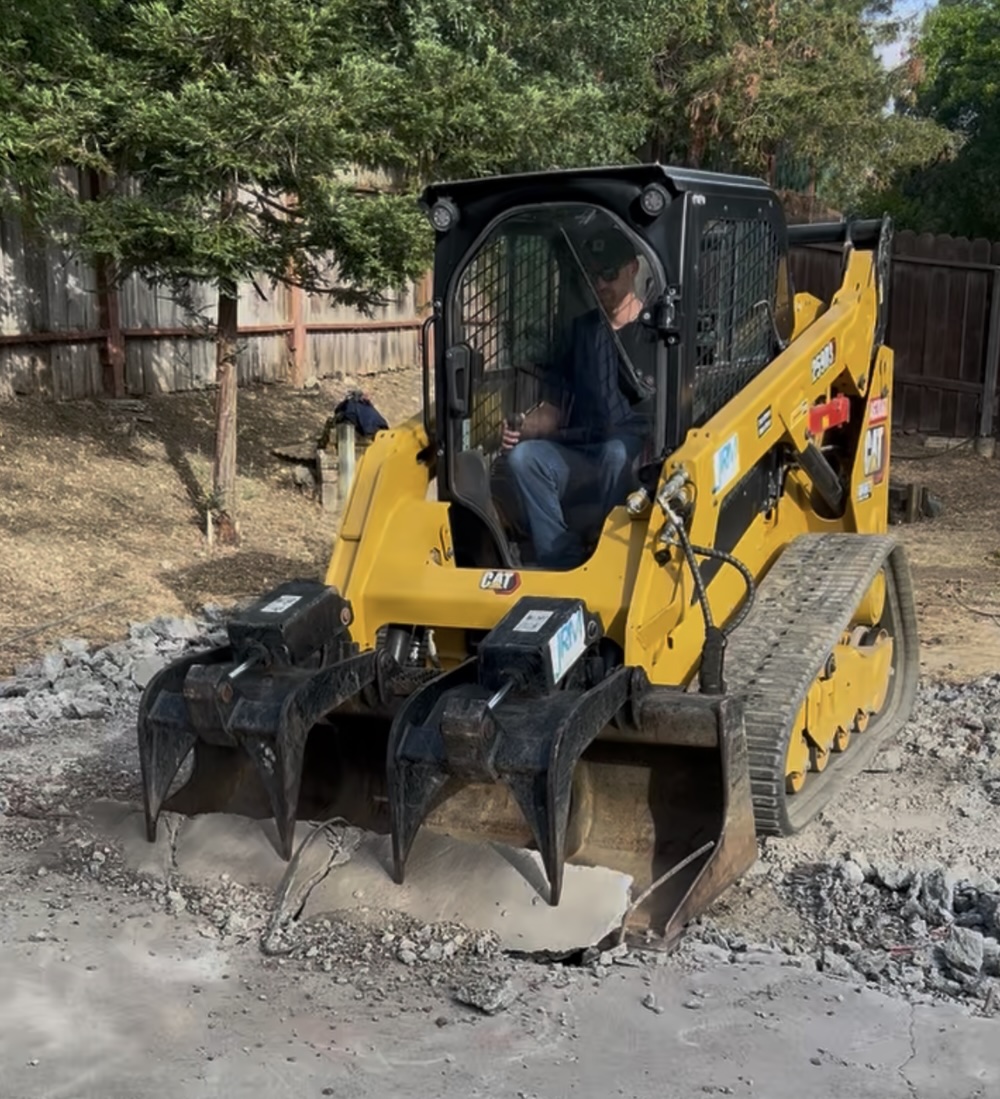
Residential demolition is much more than tearing down walls or clearing a property. Whether you’re removing an outdated home to make room for new construction or demolishing part of a structure for a major renovation, every decision you make affects safety, costs, timelines, and the success of your project.
Many homeowners assume demolition is straightforward because the visible work happens quickly. In reality, a successful demolition project requires careful planning long before heavy equipment arrives. Permits, utility disconnections, hazardous material inspections, debris management, and environmental regulations all play important roles. Missing even one step can lead to expensive delays, legal issues, or dangerous conditions.
If you’re planning a residential demolition project, understanding the most common mistakes can help you avoid unnecessary setbacks. By working with experienced professionals and preparing properly, you can protect your property, stay on schedule, and create a safer environment for everyone involved.
This guide explains the mistakes homeowners should avoid before, during, and after residential demolition so you can make informed decisions throughout the process.
Table of Contents
ToggleKey Takeaways
- Residential demolition requires detailed planning before any work begins.
- Skipping permits or inspections can result in costly delays and penalties.
- Utility disconnections must always be completed before demolition starts.
- Hazardous materials like asbestos and lead paint require specialized handling.
- Hiring an experienced demolition contractor improves safety, efficiency, and regulatory compliance.
- Proper debris removal and site cleanup prepare your property for the next phase of construction.
- Planning for unexpected challenges helps keep your project on budget and on schedule.

Failing To Plan Before Demolition Begins
Underestimating The Scope Of The Project
One of the biggest mistakes homeowners make is assuming demolition only involves knocking down a structure. Every residential demolition project includes multiple phases that require careful coordination.
Before demolition begins, professionals evaluate:
- Structural conditions
- Property boundaries
- Utility connections
- Accessibility for equipment
- Environmental concerns
- Waste disposal requirements
- Local permitting regulations
Without proper planning, unexpected problems often arise after work has already started. These issues may require additional inspections, revised permits, or schedule changes that increase overall costs.
Taking time to understand the full scope of the project creates a smoother demolition process from beginning to end.
Ignoring Site-Specific Conditions
Every property presents unique challenges.
Older homes may contain outdated building materials, while hillside properties, limited access lots, or densely populated neighborhoods require additional planning. Large trees, retaining walls, nearby structures, and underground utilities can all influence demolition methods.
Ignoring these site-specific conditions may increase safety risks or cause unnecessary property damage.
Experienced demolition contractors inspect the property carefully before work begins so they can develop an appropriate demolition strategy.
Waiting Too Long To Start Planning
Some homeowners begin planning only after construction schedules have already been finalized.
Unfortunately, demolition often requires several weeks of preparation, depending on permitting requirements and utility coordination. Delays in any of these steps can postpone the entire construction project.
Starting the planning process early provides enough time to address inspections, paperwork, contractor scheduling, and any unexpected discoveries without creating unnecessary stress.
Develop A Demolition Timeline
A well-organized timeline helps keep your demolition project on track from start to finish. Instead of treating demolition as a single event, break the project into manageable phases that include inspections, permit approvals, utility disconnections, hazardous material assessments, equipment scheduling, demolition, debris removal, and final site preparation.
Creating a realistic timeline also helps coordinate with your builder, engineer, or other construction professionals involved in the next phase of construction. If demolition is delayed, every following stage of the project may also be pushed back.
Keep in mind that approval times vary by municipality, and weather or unexpected site conditions can affect scheduling. Building flexibility into your timeline gives you room to address unforeseen issues without disrupting your overall construction plans.
Skipping Permits And Regulatory Requirements
Assuming Permits Are Optional
Many homeowners believe permits are only necessary for new construction.
In reality, residential demolition usually requires permits from local authorities. Requirements vary depending on your location, the size of the structure, and the type of demolition being performed.
Beginning demolition without proper approval may lead to:
- Work stoppages
- Financial penalties
- Mandatory inspections
- Project delays
- Additional administrative costs
Obtaining permits before demolition protects both homeowners and contractors while ensuring compliance with local regulations.
Overlooking Environmental Regulations
Demolition projects often involve environmental responsibilities that extend beyond removing a building.
Some materials require specialized disposal procedures to protect surrounding communities and natural resources. Depending on the property’s age and condition, environmental regulations may apply to:
- Asbestos-containing materials
- Lead-based paint
- Refrigerants
- Fuel storage tanks
- Contaminated soil
- Electronic waste
Ignoring these requirements can create health hazards while exposing homeowners to significant legal liabilities.
Working with qualified professionals helps ensure all regulated materials are handled responsibly.
Forgetting Required Inspections
Permits frequently include inspection requirements before demolition begins.
Inspectors may verify utility disconnections, hazardous material assessments, or other safety measures before authorizing work.
Skipping these inspections can delay demolition even if equipment and crews are already scheduled.
Scheduling inspections early keeps the project moving efficiently while reducing last-minute complications.
Understand Local Property Requirements
Permit requirements are only one part of the approval process. Depending on your property’s location, additional rules may affect how demolition work is performed. For example, homes within historic districts, environmentally sensitive areas, or neighborhoods governed by homeowner associations may be subject to additional review before demolition can begin.
Property boundaries and easements should also be confirmed before heavy equipment enters the site. Knowing exactly where utilities, neighboring structures, and shared access areas are located helps prevent accidental damage and potential disputes.
Your demolition contractor can often help identify local requirements early in the planning process, allowing you to resolve any issues before they affect the project schedule.
Overlooking Safety Hazards
Failing To Disconnect Utilities
One of the most dangerous mistakes during residential demolition is failing to disconnect utilities before work begins.
Electricity, natural gas, water, sewer, telecommunications, and other underground services should be properly identified and disconnected by the appropriate providers.
Attempting demolition without verified utility disconnections increases the risk of:
- Fires
- Explosions
- Flooding
- Electrical shock
- Service disruptions
- Serious injuries
Professional demolition companies coordinate these utility shutdowns before any structural work starts.
Ignoring Hazardous Building Materials
Many older homes contain materials that require specialized handling.
Common hazardous materials include:
- Asbestos insulation
- Lead-based paint
- Mold contamination
- Mercury-containing devices
- Certain adhesives
- Old flooring materials
Disturbing these materials without proper procedures can release hazardous particles into the air, creating health risks for workers, neighbors, and future occupants.
Licensed specialists should evaluate suspicious materials before demolition begins.
Allowing Unauthorized Access To The Work Area
Demolition zones can change rapidly throughout the day.
Falling debris, unstable structures, heavy machinery, and exposed utilities create hazards that make unrestricted access extremely dangerous.
Keeping unauthorized individuals away from the demolition area helps prevent accidents involving:
- Children
- Neighbors
- Delivery personnel
- Pets
- Curious bystanders
Proper fencing, warning signs, and controlled entry points improve site safety throughout the project.

Failing To Choose The Right Demolition Contractor
Hiring Based Only On The Lowest Price
It is natural to compare estimates when planning a demolition project, but choosing the lowest bid without looking at the contractor’s qualifications can become an expensive mistake.
A low estimate may not include important services such as permit assistance, debris removal, hazardous material coordination, or complete site cleanup. If these items are added later, your final cost may end up being much higher than expected.
Instead of focusing only on price, compare each proposal carefully. Look at what is included, how the work will be completed, and whether the contractor has experience with residential demolition projects similar to yours.
The best value often comes from a contractor who provides clear communication, transparent pricing, and comprehensive project management.
Overlooking Experience And Safety Practices
Residential demolition requires specialized knowledge that goes beyond operating heavy equipment.
Experienced contractors understand how to evaluate structural conditions, protect nearby buildings, comply with regulations, and safely remove different types of construction materials.
Before hiring a demolition company, ask questions about:
- Similar residential projects they have completed
- Their approach to job site safety
- Equipment used for demolition
- How debris will be managed
- Whether they coordinate permits and inspections
Choosing a contractor with proven experience helps reduce risks and increases the likelihood of a successful project.
Not Asking For A Detailed Scope Of Work
Misunderstandings often happen when homeowners assume certain services are included in the project price.
A detailed scope of work should explain:
- What structures will be demolished
- Which materials will be removed
- Whether foundations are included
- Utility coordination responsibilities
- Site cleanup expectations
- Final grading, if applicable
Reviewing these details before work begins helps prevent disagreements and unexpected charges later in the project.
Verify Insurance And Licensing
Before hiring a demolition contractor, verify that the company meets all applicable licensing and insurance requirements for your area. Proper insurance coverage helps protect both the contractor and the property owner if an accident or unexpected damage occurs during the project.
It is also helpful to ask whether the contractor uses trained operators for heavy equipment and follows established job site safety procedures. Professional contractors should be willing to explain how they protect nearby structures, control dust, manage debris, and comply with local regulations throughout the demolition process.
Taking time to confirm these qualifications gives you greater confidence that the work will be completed safely, responsibly, and according to applicable requirements.
Ask About Dust And Noise Control
Residential demolition can temporarily affect the surrounding area, especially in established neighborhoods where homes are located close together. Dust, vibration, and construction noise are common during demolition, but experienced contractors take steps to reduce their impact whenever possible.
Ask your contractor how they plan to manage dust throughout the project. Common practices include wetting demolition areas with water, covering debris during transport, and cleaning the site regularly to prevent dust from spreading to neighboring properties. Contractors should also explain how they will schedule noisy work, manage truck traffic, and protect nearby landscaping, sidewalks, or driveways from damage caused by heavy equipment.
Discussing these details before work begins helps set realistic expectations while demonstrating that your contractor values safety, cleanliness, and good communication throughout the demolition process.
Poor Budgeting And Unrealistic Expectations
Forgetting About Hidden Costs
Many homeowners budget only for the demolition itself without considering related expenses.
Additional costs may include:
- Permit fees
- Utility disconnect charges
- Hazardous material testing
- Asbestos or lead abatement
- Tree removal
- Temporary fencing
- Soil testing
- Final site preparation
Including these items in your budget provides a more accurate picture of the project’s total cost.
Building a contingency fund for unexpected issues can also help you avoid financial stress if surprises arise during demolition.
Expecting Every Project To Follow The Same Timeline
Every residential demolition project is different.
Factors that influence the schedule include:
- Home size
- Construction materials
- Weather conditions
- Permit processing
- Hazardous material removal
- Equipment availability
- Debris hauling requirements
While some projects can be completed relatively quickly, others require additional preparation before demolition can safely begin.
Maintaining realistic expectations allows you to better coordinate the next stages of construction.
Ignoring The Impact Of Weather
Weather affects more than just outdoor work.
Heavy rain may create muddy conditions that limit equipment access. High winds can increase dust concerns and make demolition less safe. Severe storms may temporarily stop work until conditions improve.
Planning flexibility into your schedule helps minimize disruptions caused by weather-related delays.
Neglecting Debris Removal And Site Cleanup
Assuming Debris Disposal Is Automatic
Demolition creates a significant amount of waste.
Concrete, wood, roofing materials, drywall, metal, insulation, glass, and other building components all require proper handling.
Before work begins, confirm how debris will be:
- Collected
- Sorted
- Hauled away
- Recycled when possible
- Disposed of according to local regulations
Knowing what is included in the cleanup process helps prevent confusion at the end of the project.
Missing Opportunities To Recycle Materials
Not every material removed during demolition belongs in a landfill.
Many demolition projects produce recyclable materials such as:
- Steel
- Aluminum
- Copper
- Concrete
- Brick
- Asphalt
- Untreated wood
Recycling usable materials helps reduce waste while supporting more sustainable construction practices.
An experienced demolition contractor can often identify materials suitable for recycling or recovery.
Leaving The Site Unprepared For Construction
The demolition project is not truly complete when the structure is gone.
The property should also be prepared for whatever comes next.
Depending on your project, final site preparation may include:
- Removing remaining debris
- Filling voids
- Leveling the ground
- Compacting soil
- Eliminating hazards
- Preparing access for construction crews
A clean, organized site helps the next phase of development begin more efficiently.
Confirm The Final Site Condition
Before considering the demolition project complete, ask what the finished site will look like after cleanup is complete. Some demolition contracts include only debris removal, while others may also include grading, soil compaction, foundation removal, or preparation for future construction.
Understanding the expected condition of the property helps you coordinate with builders, surveyors, or excavation crews who will be working on the next phase of development. A clearly defined finish also reduces the likelihood of misunderstandings about what work has been completed and whether additional site preparation will be needed before construction can begin.
Reviewing these expectations before demolition starts helps ensure a smoother transition from demolition to rebuilding.
Communicating Poorly Throughout The Project
Failing To Ask Questions
Residential demolition involves many technical steps that homeowners may not encounter often.
If something is unclear, ask questions before work begins.
Topics worth discussing include:
- Project schedule
- Equipment access
- Noise expectations
- Dust control
- Property protection
- Cleanup procedures
- Emergency contacts
Clear communication helps everyone understand expectations from the start.
Not Informing Neighbors
Demolition projects can temporarily affect nearby properties.
Heavy equipment, increased truck traffic, dust, and construction noise are common parts of the process.
Giving neighbors advance notice demonstrates courtesy and helps reduce misunderstandings while work is underway.
Simple communication can go a long way toward maintaining positive relationships during construction.
Ignoring Updates During The Project
Even well-planned demolition projects occasionally encounter unexpected conditions.
Examples include hidden structural damage, buried foundations, unidentified utilities, or additional debris beneath the surface.
Staying involved throughout the project allows you to make informed decisions if adjustments become necessary.
Regular communication with your contractor helps resolve issues quickly before they become larger problems.
Conclusion
Working with an experienced residential demolition contractor provides valuable guidance through every stage of the process. From planning and regulatory compliance to safe demolition practices and responsible debris removal, professional expertise helps protect your property while preparing your site for its next chapter.
Just as importantly, an experienced contractor serves as a partner throughout the project rather than simply performing demolition work. They can help identify potential challenges early, coordinate with utility providers and local officials, communicate realistic timelines, and recommend practical solutions when unexpected conditions arise. This level of planning and collaboration can reduce costly delays while keeping the project organized and moving forward.
Taking the time to plan carefully today can help you avoid costly setbacks tomorrow, making your residential demolition project safer, more efficient, and better positioned for successful redevelopment.
Frequently Asked Questions
1. What Is The Biggest Mistake Homeowners Make During Residential Demolition?
One of the most common mistakes is beginning demolition without proper planning. Skipping permits, inspections, or utility disconnections can create safety hazards, legal issues, and costly project delays.
2. Do I Always Need A Permit For Residential Demolition?
In many areas, yes. Permit requirements vary by location and project scope, so you should check local regulations before scheduling demolition work.
3. Why Should Utilities Be Disconnected Before Demolition?
Active gas, electrical, water, and sewer lines can create serious safety hazards during demolition. Proper disconnection helps prevent fires, explosions, flooding, and service interruptions.
4. How Can I Tell If My Home Contains Hazardous Materials?
Older homes may contain asbestos, lead-based paint, or other hazardous materials. Professional inspections before demolition can identify these materials and determine whether specialized removal is necessary.
5. What Happens To The Debris After A Home Is Demolished?
Materials are typically sorted for recycling or disposal. Recyclable items such as concrete, metal, and certain wood products may be diverted from landfills whenever possible, while non-recyclable materials are disposed of according to local regulations.
6. How Can I Prepare My Property Before Demolition Begins?
You can prepare by removing personal belongings, confirming utility disconnections, securing permits, discussing site access with your contractor, and notifying nearby neighbors about the upcoming work.
Residential Demolition Services Done Right
Whether you’re preparing for a home renovation, removing an old structure, or clearing space for a new project, Junked: Powered by Veterans™ provides safe, reliable residential demolition services throughout the Bay Area. Our experienced, veteran-led team handles every project with precision, ensuring your property is ready for the next phase of construction.
Why Choose Junked: Powered by Veterans™?
- Safe, Professional Demolition: We complete every project with safety, efficiency, and attention to detail.
- Complete Residential Demolition: Garages, sheds, decks, fences, interior demolition, patios, and more.
- Fast Cleanup: We remove demolition debris and leave your property clean and ready for rebuilding.
- Veteran-Led Service: Dependable communication, professional crews, and workmanship you can trust.
When you need residential demolition services in the Bay Area, trust Junked: Powered by Veterans™ to get the job done safely, efficiently, and on schedule. Contact us today for a free, no-obligation estimate.
Disclaimer
The materials available on this website are for informational and entertainment purposes only and not to provide legal or professional advice. You should contact your attorney or home improvement specialist for advice concerning any particular issue or problem. You should not act or refrain from acting based on any content included in this site without seeking legal or other professional advice. The information presented on this website may not reflect the most current home improvement developments. No action should be taken based on the information on this website. We disclaim all liability concerning actions taken or not taken based on any or all of the contents of this site to the fullest extent permitted by law.