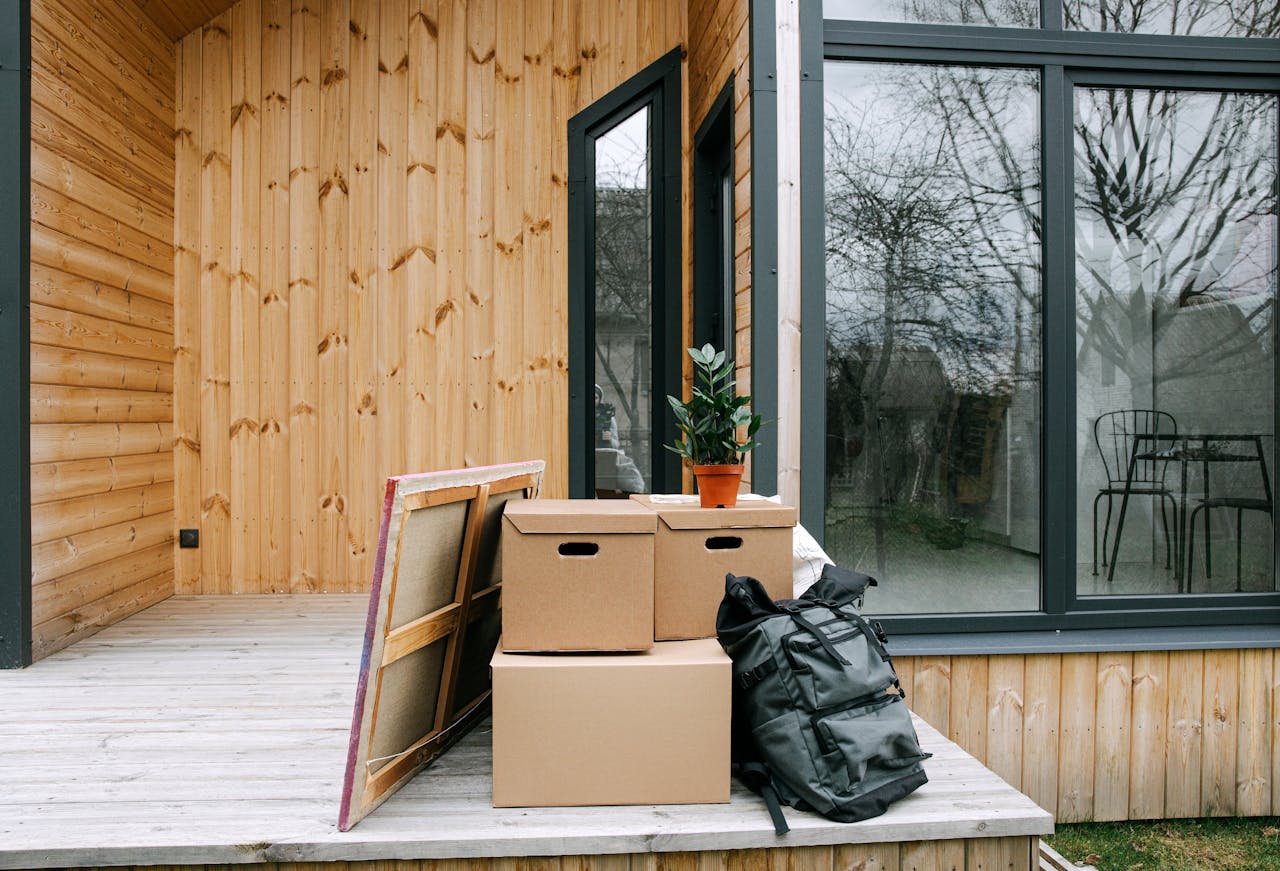
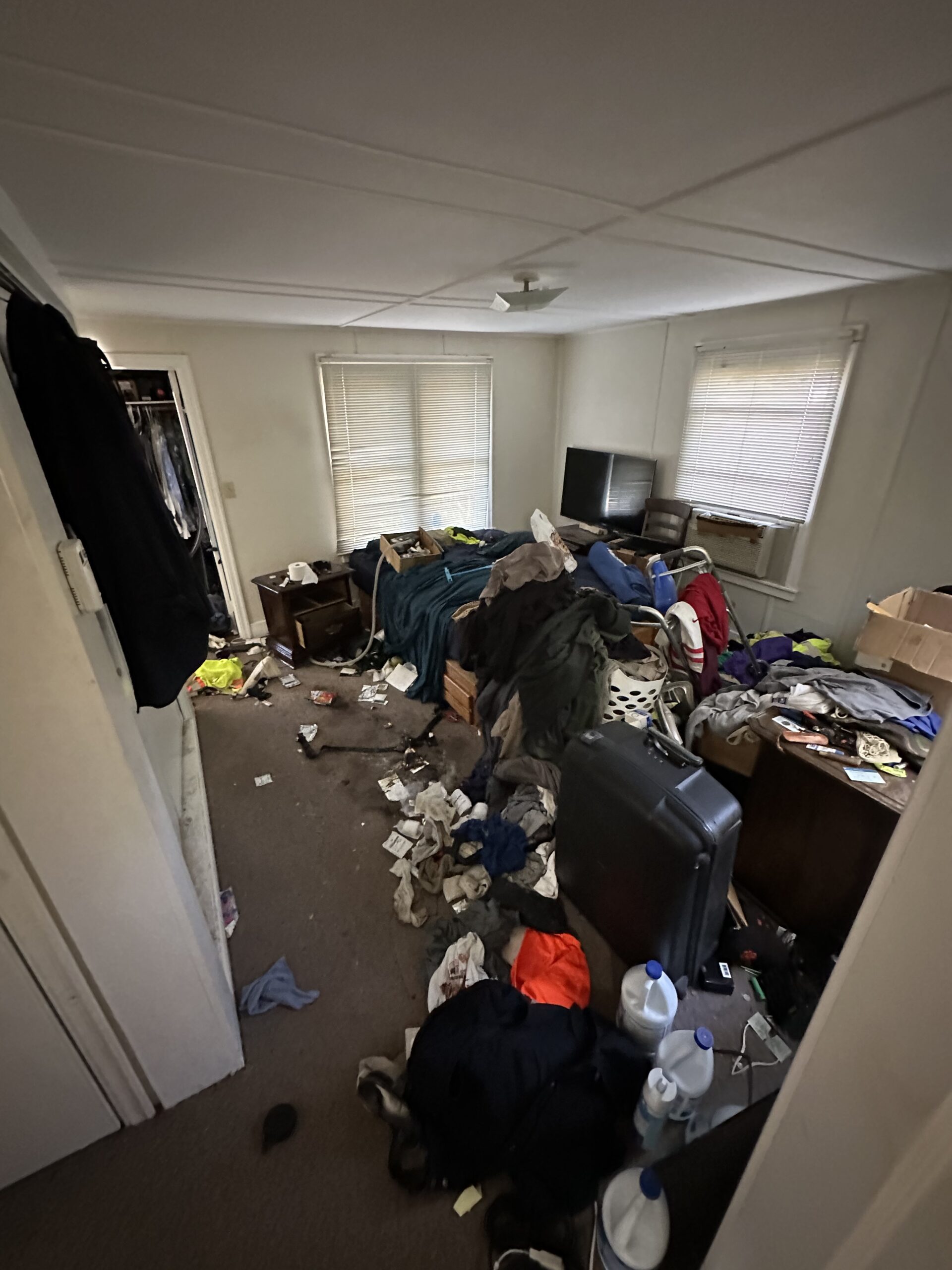
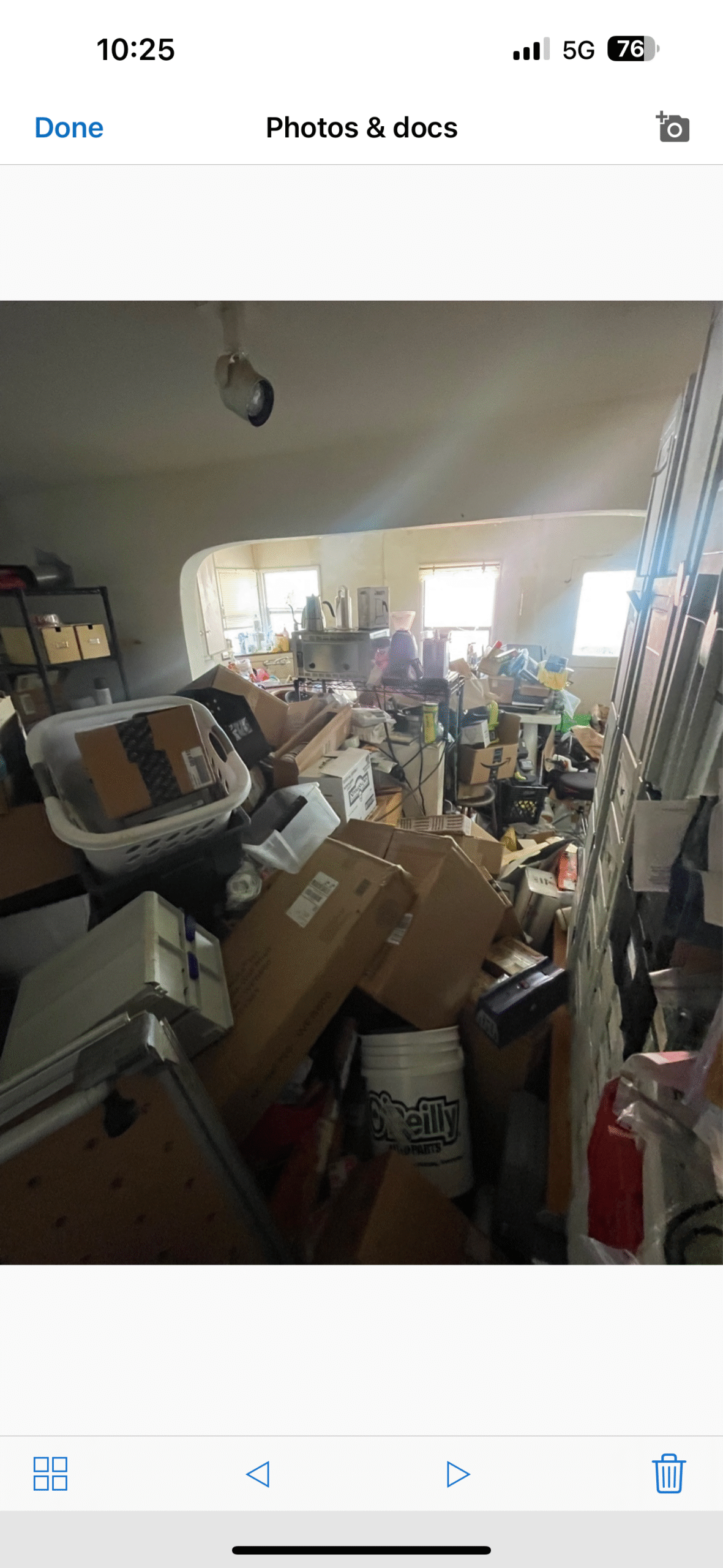
Our pre-move cleanout checklist for Bay Area families keeps your move easy breezy. Cleaning out a home in the Bay Area entails sifting through years of accumulated possessions, recycling outdated technology, donating clothes to charity, and tracking down the appropriate pick-up services for heavy debris. Most local families have to adhere to city waste regulations, limited storage, and relatively tight timelines. Easy lists of what to chuck, give away, or keep and where to drop it off. Cleanout steps include cleaning each room and looking for items left behind in storage spaces. With a simple, transparent checklist, you save time and comply with local regulations. The following sections provide steps and tips to help Bay Area families move out with less stress and more serenity.
Table of Contents
ToggleKey Takeaways
- By organizing your cleanout based on your schedule, local laws and fees, and a defined budget, you are set for a smooth move anywhere in the world.
- By organizing the cleanout into more reasonable phases, decluttering, deep cleaning, and final inspection, you encourage efficiency and thoroughness for each room in your house.
- By reading up on local waste, recycling, and hazardous materials guidelines, you reduce the potential for fines and promote environmentally conscious behavior.
- By utilizing professional and DIY cleaning options, you can find a nice mix of quality and cost. This makes the cleanout process achievable for whatever resources you have on hand.
- Being green in your pre-move cleanout checklist for bay area families not only helps your own home, but the community around you.
- Having clear checklists around tasks, donation logistics, digital declutter, and move-in essentials makes sure nothing falls through the cracks and helps make move day just a little easier for your family.
Strategize Your Bay Area Cleanout
Thoughtful cleanout plans count for Bay Area families, where prices, logistics, and local regulations can make the process challenging. A clear plan keeps you on schedule, compliant with the law, within budget, and stress free.
Timing The Market
Alright, on to the things that will hopefully make your life easier and your Bay Area cleanout more manageable. If you can strategize your Bay Area cleanout to be in an off-peak month, you’ll save money and parking hassles, which are particularly painful in crowded neighborhoods. Be on top of local market cycles if you’re selling or moving out of a rental. This way, you can align your cleanout with critical market windows, having your home prepared for when buyers or renters are out in force.
Consider the weather as well. Wet or foggy days typical of the Bay Area can stall hauling heavy furniture or make stairways slick. Plan your Bay Area cleanout. Set your cleanout schedule so that timing is flexible and leave buffer days to account for setbacks. Plan your Bay Area cleanout by always working back from your move date, then phase the job, for example, one room at a time. This prevents you from becoming overwhelmed by the project.
Local Regulations
Bay Area waste and recycling regulations vary from city to city, and fines for incorrect disposal can be high. Consult your city’s waste management site for lists of accepted recyclables and sorting guidelines. Electronics, old paint, and other chemicals frequently require specific drop-off points. Never commingle these with regular garbage. Fines are imposed and haulers might reject collection.
If you’re renting, review your lease or inquire with your property manager about move-out stipulations. Some landlords require professional cleaning confirmation or have regulations on where to leave bulk items. Think ahead, particularly if you need time for hazardous waste drop-off.
Budgeting Smartly
Bay Area cleanouts can be anything from affordable to expensive, influenced by the size of your home, the volume of bulky items, and whether or not you need outside assistance. Begin with a basic budget spreadsheet, noting anticipated expenses like boxes, cleaners, and disposal fees. If necessary, include professional cleaning or junk removal. Include additional funds for surprise expenses, such as requiring more supplies or parking tickets.
Doing it yourself can save money, especially if you sort and pack room by room, following the 12-month rule: if an item hasn’t been used in a year, consider donating or recycling it. Gather your receipts and tab your spending to stay on track. For big jobs, consider whether bringing in the professionals is worth it, especially if you’re up against heavy lifting or treacherous stairs.
The Ultimate Pre-Move Cleanout Checklist
An efficient, streamlined pre-move cleanout lessens your stress and makes your transition smoother, especially in cities like NYC where square footage is at a premium and time is valued. Use this checklist as a guideline for preparing any home for a move, from initial decluttering to final sweep.
- Start decluttering and purging rooms eight weeks before moving.
- Sort items: keep, donate, discard, or sell.
- Focus on efficient cleaning. Clean high-traffic zones first and then transition to less-used spaces.
- Deep clean appliances, windows, and storage areas.
- Check off each task as you complete it for every room using my ultimate pre-move cleanout checklist.
- Give each task its own day to prevent cramming.
- Organize important documents in a single, accessible folder.
The Declutter Phase
Start by tackling each space and categorizing items. The 12-month rule is practical: if you have not used something in the past year, consider letting it go. Identify piles or boxes to keep, sell, donate, or trash. This will minimize clutter and make packing more efficient.
Grab a decluttering checklist for each room – from the bedrooms to the utility closet. Plan regular sessions, weekly is ideal, to keep the workload in manageable chunks. This pacing keeps you motivated and prevents burnout. Involving the whole family gets it done faster because if you assign everyone tasks, the work becomes manageable and inclusive.
The Deep Clean
Deep cleaning is best attacked by rooms. Concentrate on high traffic zones, such as kitchens and bathrooms, first. Apply appropriate cleaning supplies to different surfaces, including wood, tile, and glass, to prevent damage and get surfaces truly clean. Vacuum carpets, mop floors, and clean appliances inside and out.
For glass, wipe with a cleaning solution and a lint-free cloth or paper towel to prevent streaking. Setting aside individual days for deep cleaning makes sure that every corner gets some love. If you’re short on time or energy, a professional cleaning service is a good investment.
The Final Sweep
On moving day, do one last detailed room-by-room inspection. Sanitize appliances, fixtures, and surfaces so it’s move-in ready for new tenants. Flush out any residual garbage and test each closet, cabinet, and storage nook for overlooked objects. Pack final donations or recyclables for drop-off!
One final sweep with your checklist makes sure you leave nothing behind. Organize all moving papers in one folder.
Tackle Bulky Item Removal
Bulky item removal is among the most complicated phases of any pre-move cleanout, particularly in high-density urban environments. Start by sorting your belongings into clear categories: keep, donate, recycle, and discard. The 12-month rule comes to the rescue—if you haven’t used it in a year, it probably no longer serves you. By forcing yourself to break up the task into manageable chunks, such as a room at a time, you keep things clear and less overwhelming. Hard-to-move items, such as sofas, mattresses, appliances, or electronics, need to be handled differently. It is smart to create a checklist and spread the work over days or weekends, which reduces stress and potential harm.
Look into local bulky item removal or disposal services ahead of time. Many cities provide municipal collection, while private haulers or junk removal companies can be more flexible. Check rules for hazardous waste. Chemicals or electronics typically need to be disposed of in a specialized manner to protect the environment. Schedule pickups well in advance to sidestep last minute holdups, particularly for items on higher levels or in remote nooks. Some services fill up fast, so secure dates early.
This not only accelerates the process, but keeps everyone safe as well. Once cleared, sweep through each space checking that nothing remains and that areas are clear for their next purpose.
Navigating Parking
Checking local parking rules prior to moving day is crucial. Dealing with large item disposal is important. Crowded or tight streets likely need permits or pre-booking. Contact local officials or property managers accordingly. Tip off neighbors to the upcoming disruption. Clear communication goes a long way to preventing conflict. Always have a contingency parking plan in mind because some poor soul might suddenly decide to put up new roadwork signs or have a PTA event.
Choosing Services
Service Type | Typical Price (USD) | Pros | Cons |
City Bulk Pickup | Free–$100 | Cost-effective, eco-friendly | Limited dates, strict item limits |
Private Junk Removal | $100–$600 | Flexible, fast, full-service | Expensive, less eco oversight |
Donation Pickup | Free–$50 | Supports charities, tax-deductible | Availability varies, item restrictions |
Read reviews and testimonials to check reliability. Select providers based on your timing, item types and service scope. Schedule bulky item removal and confirm availability for your move date since some providers have long lead times.
Donation Logistics
Identify local charities or organizations that take household items, furniture, or lightly used goods. Call them to arrange pickups or drop off ahead of your move. Wash and bag donations so they are attractive and transportable. Maintain an itemized list for your own record-keeping purposes. This aids possible tax deductions and keeps track of what you have donated.
Why Eco-Friendly Cleaning Matters
Eco-friendly cleaning is not a fad. It’s a smart decision for families seeking a wholesome, cozy living space while minimizing their environmental footprint. Little things you do differently when cleaning pre-move can reduce waste, minimize harm from toxic substances, and establish healthier practices for your new place.
- Reduces landfill waste due to less packaging and single-use items.
- Supports healthier indoor air by lowering chemical fumes
- Protects kids and pets from toxic residue left on surfaces.
- Encourages responsible buying and use of daily supplies
- Increases transparency since labels on eco-friendly products are usually more explicit.
- Reduces water and soil pollution through safer ingredients
- Helps create a healthier lifestyle for the whole family
Product Choices
Product Type | Environmental Benefit | Example Use |
Plant-based cleaners | Less toxic to people and animals, safe for water | Kitchen surfaces |
Refillable spray bottles | Cuts single-use plastic, easy to track usage | All-purpose cleaning |
Microfiber cloths | Replace paper towels, reusable, trap dust | Dusting, window cleaning |
Concentrated cleaning pods | Less packaging, lighter for shipping | Floor cleaner |
Compostable sponges | Break down naturally after use | Bathroom and kitchen |
Swap to reusable mops, cloths, and brushes to ditch single-use waste. Choose cleaning concentrates; these require less packaging and you dilute them with water at home, which saves room and plastic. Look for companies that support their sustainability marketing with transparent details on sourcing, fair labor, and environmentally responsible manufacturing.
DIY Solutions
A combination of vinegar, baking soda, and lemon will clean glass, tile, or sinks. These essentials are cheaper, avoid caustic vapors, and generally do the trick for most uncomplicated tasks.
Try making rags from old cotton t-shirts or towels cut into squares. This keeps fabric out of the landfill and works just as well as disposable wipes. Share your top recipes or tips with neighbors. Word of mouth can get even more families to safer, simpler ways.
Experiment with different blends for tough stains, such as combining baking soda with a spritz of water to scrub grout. There’s not one best blend. Experiment to find what works in your home.
Waste Reduction
Coordinate trash, recycling, and donations ahead of time, before you pack. Save cardboard and clear plastic for recycling drop-off. Hazardous materials like leftover paint or cleaners belong at special collection points, not the curb.
Reuse boxes, jars, and bags for storage. If possible, donate or sell stuff you don’t want instead of hurling it into the dump. Get as close to zero waste as you can by reusing what you already have!

The “Don’t Forget” Final Details
Even after such sorting and packing, pre-move cleanout steps can fall through the cracks. With busy Bay Area families and special housing expectations, it’s smart to stay on top of important last touches. These ‘Don’t Forget’ final details help you move smoothly, protect deposits, and stay sane!
Digital Declutter
Digital detritus bogs down machines and makes it difficult to locate crucial files in your new location. Begin with filing and emails. Transfer any documents and photos you wish to retain to cloud storage for easy retrieval down the road. Uninstall unneeded apps and files to clear device storage, which may accelerate your phone or computer. Unsubscribe from newsletters or services you no longer use so your inbox remains manageable. This reduces distractions in those important post-move weeks.
Appliance Prep
- Switch off and unplug all appliances at least 24 hours prior to moving day.
- If your fridge or freezer is coming, empty and defrost it, then wipe it dry to prevent mildew.
- Take out the food, wash inside, and secure loose parts like shelves or trays.
- Disconnect washing machines, dishwashers, or gas stoves according to the manufacturer’s guidelines. Water and gas lines should be capped safely.
- PHOTOS, PHOTOS, PHOTOS Take a photo of each appliance to keep note of their condition, especially if you rent or sell.
- Don’t forget final details. Make sure appliances are working and leave user manuals for new tenants if needed.
Outdoor Spaces
Don’t forget those final details! Sweep patios, shake out and wipe down furniture, collect garden tools or sports gear you’ll store. You can toss compost, old soil or broken pots. Check plants for pests or disease before you transfer them. Some areas have stringent laws. Mow overgrown grass or hedges, then clean pathways so movers have a clear path. If you’re leaving equipment, inform the landlord or buyer.
A last sweep catches trash, forgotten items, and cleaning. Run the garbage disposal, take the last trash bag out, and turn the lights off. Lock up, turn in keys, or change locks if necessary. Don’t forget those first day survival packs! Toiletries, clothes, medicine, and cleaning supplies. Remember to drink hot water in your new place, snap pictures of your old one, thank your helpers, and most importantly, take care of yourself.
Your Move-In Sanity Kit
Move-in Sanity Kit. A sanity kit is a minimalist but much-needed move for families who want to slash stress on day one. This kit contains the essentials you need immediately, so you don’t have to dig through boxes for your toothbrush, a bottle of water, or a screwdriver. It’s not all about comfort. It’s about providing yourself a fresh slate in a new space, so you can get down to what counts.
Pick a durable bag or box, and keep it handy as you pack. Cleaning supplies are essential. At a minimum, pack all-purpose cleaner, a sponge, microfiber cloths, dish soap, rubbish bags, and paper towels. Even in a pristine room, I still like to quickly clean shelves, counters, and bathrooms before really moving in. It just gives me peace of mind. If you have tots or furry friends at home, pack sustainable cleaners to protect them.
Basic tools are next. Think screwdriver, pliers, a tape measure, and a box cutter. They assist in opening boxes, assembling furniture, or hanging curtains. Tape and scissors are for quick fixes. If you’ve got any flat-pack furniture, throw in an Allen wrench as well.
Personal items are the core of your kit. Bedding provides the sweetest sleep. Include a set of sheets, pillows, and a light blanket. Toiletries such as toothbrushes, toothpaste, soap, and toilet paper all belong in one clear bag. Per person, include a change of clothes, any daily medications, and vital paperwork such as passports, health insurance cards, and lease. These few things really do wonders to make the new space feel secure and inhabited.
Snacks and water are often forgotten, yet they are key to keeping energy up. Stock up on non-perishable snacks like granola bars, nuts, or dried fruit and water bottles for everyone. For little kids, throw in their favorite snack and a small toy or book. This is a nice easy way to keep morale high as you’re unpacking.
SANITY KIT, label it in big bold letters and keep it in your car or the top of your moving pile. This time saves and makes everyone aware of where to find what they need. Every move is unique, so feel free to customize your kit. It doesn’t matter if you’re a first-time mover or a veteran family. This kit gives you a sanity-saving calm start during a hectic, stress-filled time.
Conclusion
Nothing like a good cleanout before a move to save you a ton of time and keep stress low! Adhering to a checklist keeps things on point. Sorting stuff early, ditching the junk, and choosing green cleaning methods make the whole process smoother. Bulky items require quick response because Bay Area pick-up slots fill up fast. Remembering last-day details makes the move simple. A sanity kit filled with essentials provides day-one peace of mind. With every step, you inch toward a peaceful new-home beginning. Looking for an easier move? Print out this checklist for your next cleanout and post your own tips or questions in the comments. Your feedback aids other Bay Area families prepare for their move.
Frequently Asked Questions
1. What Should Bay Area Families Prioritize During a Pre-Move Cleanout?
Prioritize by need. Give away, recycle, or trash what you don’t need. This saves moving expenses and headaches and streamlines your move.
2. How Can I Dispose of Bulky Items Before Moving?
Arrange a pickup through your community waste service or contract a removal firm. Check with your local regulations to find out the proper way to dispose of or recycle to ensure you’re in compliance.
3. Why Is Eco-Friendly Cleaning Important During a Move?
Eco-friendly cleaning safeguards the environment and your family’s health. It reduces pollution and allergens, and non-toxic products create a healthier living space for your loved ones.
4. What Items Are Often Forgotten in a Pre-Move Cleanout?
We all forget about storage spaces, attics, garages, and behind appliances. Give these spots an extra once-over to help you not leave anything important behind during your move.
5. How Can a Pre-Move Checklist Help Bay Area Families?
A checklist keeps you sane! It guarantees that all cleaning and sorting is done in a timely fashion so that nothing gets overlooked before moving day.
6. What Is a Move-in Sanity Kit?
Move-in sanity kit – a box with essentials like toiletries, snacks, basic cleaning supplies, and important documents. This kit allows your family to get comfortable quickly without digging through boxes.
7. Are There Local Resources for Eco-Friendly Disposal in the Bay Area?
Yes, the Bay Area has recycling centers, donation drop-offs, and composting programs. Check your city’s website for current resources and responsible disposal guidelines.
Download Your Free Pre-Move Cleanout Checklist
Moving in the Bay Area can be overwhelming, but our free pre-move cleanout checklist makes it easy breezy. From decluttering rooms and organizing donations to handling bulky items and following local waste regulations, this checklist keeps your move on track, saves time, and helps you avoid costly mistakes. With clear, step-by-step guidance for sorting, packing, and eco-friendly disposal, your family can tackle each space efficiently while staying safe and stress-free. Download your checklist today and turn your Bay Area move into a smooth, organized, and worry-free experience!
Disclaimer
The materials available on this website are for informational and entertainment purposes only and not to provide legal or professional advice. You should contact your attorney or home improvement specialist for advice concerning any particular issue or problem. You should not act or refrain from acting based on any content included in this site without seeking legal or other professional advice. The information presented on this website may not reflect the most current home improvement developments. No action should be taken based on the information on this website. We disclaim all liability concerning actions taken or not taken based on any or all of the contents of this site to the fullest extent permitted by law.