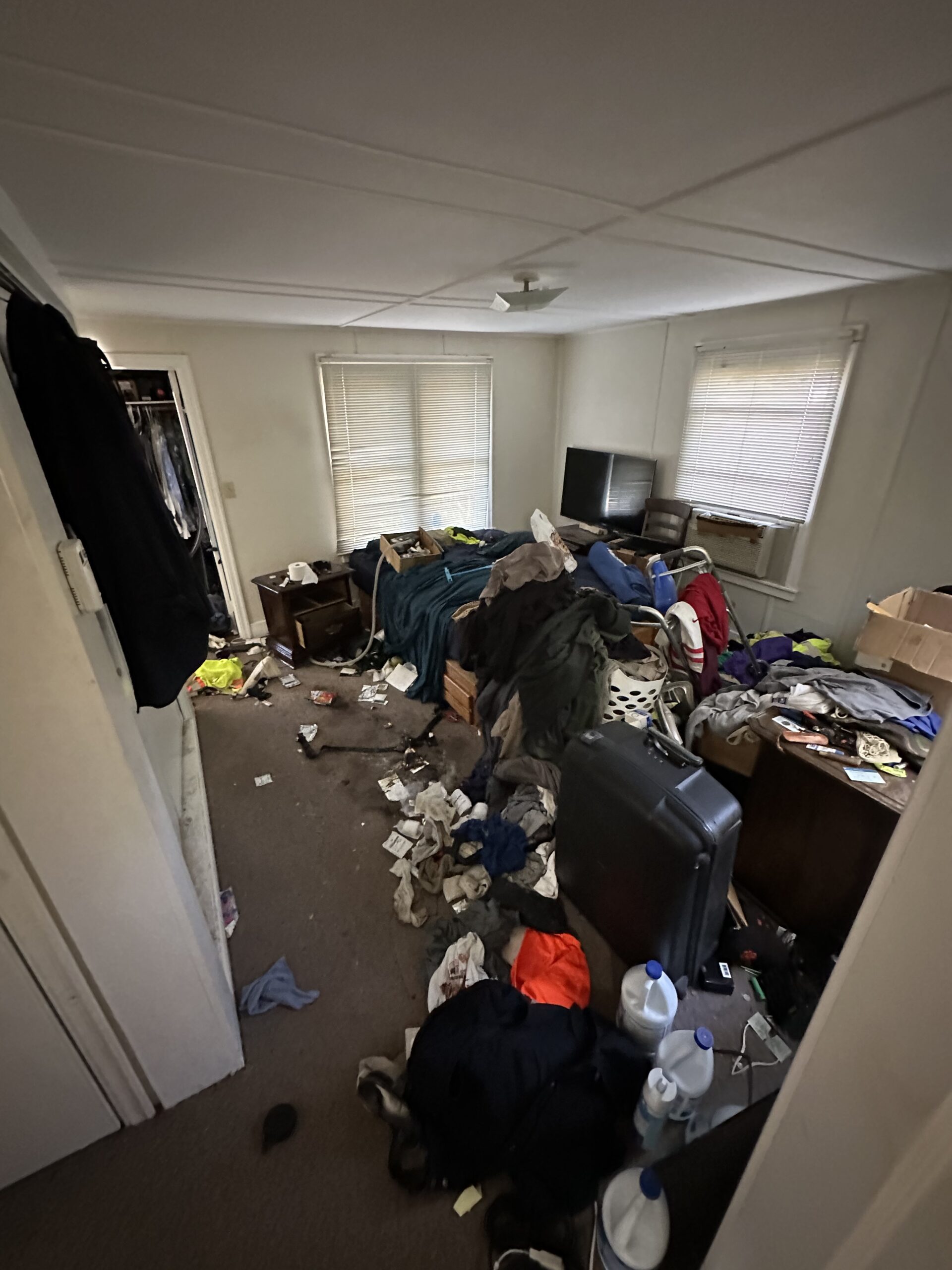
How to time a cleanout during a real estate sale Most owners schedule a cleanout immediately after they accept an offer but prior to the inspection or appraisal. Timing it right keeps everything on schedule, prevents scrambles at the end, and allows buyers to get a great first impression of an empty home. Clear steps such as sorting in advance, choosing a removal date, and verifying access times with the agent or buyer make the cleanout less stressful. During bustling markets, cleanouts tend to need to happen quickly, yet it’s useful to keep communication open with all parties. Little things like disposal regulations and neighborhood garbage schedules can shift the schedule. The rest of the post demonstrates how to construct a plan that fits most sales.
Table of Contents
ToggleKey Takeaways
- Establishing a structured and strategic cleanout timeline is essential to align all phases of the real estate sale and prevent costly delays.
- Early cleanout, professional cleaning, and controlled inventory all make your property more appealing and will increase the odds that buyers will raise their offers.
- Scheduling cleanouts with showings and inspections keeps the house clean and getting rid of junk in advance prevents panic expenditures.
- Knowing your legal and contractual deadlines and following local regulations protects the transaction from penalties and complications.
- Tackling the emotional and logistical challenges of estate cleanouts needs open family communication, practical planning, and professional assistance when necessary.
- Thinking ahead, comparing cleanout providers, budgeting expenses, and preparing for surprises will help your sale go more smoothly, cost effectively, and successfully.
The Strategic Cleanout Timeline
In a well-managed estate cleanout, the timing of this work aligns closely with the real estate sale, ensuring that the property is market-ready and that everyone involved is less stressed. A common timeframe might be three to six months from early planning to final sweep, each stage demanding defined milestones and transparent communication. With appropriate planning and batching, you can get through them quickly, and a full checklist guarantees you don’t miss anything.
Pre-Listing Phase
Ideally, it should begin months prior to listing, starting with low-traffic rooms such as attics, basements, or sheds. Early decluttering helps accentuate the home’s best features to buyers. A clear inventory is a must; note what remains, what is donated, and what is thrown away. This step stops overwhelm and with it, confusion, making the subsequent tasks easier. Professional cleanout services can be brought in at this stage for expert help. Deep cleaning doesn’t belong in the ‘if time, energy, and patience allow’ category. It’s most effective when reserved for after the biggest clutter is removed and the home looks clean and new.
Listing Phase
Once the house is on the market, any leftover junk needs to be cleared out in a hurry to make it inviting for showings and open houses. Clean appearing homes keep buyers’ attention longer. Expert junk removal can deal with bulk items like old couches or refrigerators right away. Weekly and monthly checks prevent the space from becoming an unmanageable mess. Even minor blemishes in the form of dust or stray objects can sway buyer perceptions.
Under Contract Phase
Once you’re under contract, it’s time for a strategic final cleanout. Everything of a personal nature is out prior to the buyer’s inspection. Sometimes buyers or inspectors want you to clean or remove overlooked items. These last-minute needs should be handled immediately. Maintain all sale paperwork handy. Plan to toss unwanted stuff so there’s nothing left at closing.
Post-Closing Phase
The final week is key. Take a last walkthrough—don’t forget attics, closets and hidden storage. What’s left behind should go wisely to the trash or to donation for greatest impact. Reflect on the experience for next time and easy transitions!
Financial Impact of Timing
The timing of your cleanout in relation to a real estate sale affects not only your expenses but your returns as well. It defines the estate’s attractiveness and relevance to evolving market trends. Bad timing on a cleanout can lead to hurried choices and wasted money and value. Compare features, prices and potential savings associated with different cleanout timing in the table below to see what a difference strategy can make.
Timing | Features | Estimated Cost (USD) | Potential Savings (USD) | Notes |
Last-minute | Rushed, high fees | $3,000–$5,500 | $0 | Higher risk of errors, missed valuables |
Planned (1–2 months ahead) | Appraisal, donations, professional help | $1,500–$3,500 | $1,500–$2,000 | Allows for appraisals, more buyer interest |
DIY, unlicensed | Lower upfront | $500–$1,500 | $0 | Risk of $5,000+ in damages/legal penalties |
Maximizing Value
A cleanout that’s timed when demand is high, such as in spring or early summer, will typically generate higher bids as well. Serious buyers view homes during these time frames and well-staged, decluttered homes attract more views and higher offers. A professional appraisal, despite its $200 to $500 price tag, can uncover concealed value of thousands, making it far easier to rationalize the timing and the cost.
- List all potentially valuable items before discarding anything.
- Use a certified appraiser for antiques or collectibles.
- Separate family documents and photos early in the process.
- Check for market trends before selling large items.
- Photograph key belongings for records and marketing.
Homes that show in their best light sell faster, decreasing holding costs. More expensive, professional cleanout services can increase perceived value and reduce the risk of expensive errors like misplacing family heirlooms or crucial documents.
Minimizing Costs
- Begin thinking two months in advance of the sale.
- Get multiple quotes from licensed professionals.
- Sort and donate items to reduce landfill fees.
- Track all spending for transparency and budget management.
Rushed cleanouts tend to tack on last-minute expenses. Unlicensed companies feel cheap, but property damage, legal disputes, and other hidden risks can cost you over $5,000 in the blink of an eye. Utilizing recycling and donation avenues reduces expenses related to waste disposal and benefits local communities. Save your receipts, or you’ll be sorry!
Opportunity Costs
A cleanout delay can result in lost rental income or selling opportunities. The greater the length of ownership, the higher your costs, including mortgage payments and insurance. A timely cleanout can assist families in closing sales efficiently and preventing the burden of covering an unoccupied home. Market shifts in the interim may reduce the value of the property or sour buyers.
The threat of removal penalties, which in some cases can be $5,000 or more. Not nailing the property after a cleanout has cost us $10,000 or more. Misjudging the work and time required, particularly for larger estates, can turn what could have been a manageable few days into a costly weeks-long affair.
Legal and Contractual Deadlines
The timing of a cleanout on real estate requires careful consideration of legal and contractual deadlines. Contracts put hard deadlines on each phase and tripping on any can cause delays, fines, or even loss of the sale. Buyer or seller, keep tabs on these deadlines closely. Here’s a table of important legal deadlines and what you need to do at each stage of a standard cleanout, taking Texas as an example where option periods and payment terms are ironclad.
Deadline/Obligation | Description | Example (Texas) |
Option Period | Timeframe for buyer to inspect and possibly cancel the contract. | 7–10 days (negotiable); must pay option fee on time. |
Earnest Money Deadline | Buyer must deposit earnest money within stated days. | Due in 3 calendar days; if a holiday, due next business day. |
Option Fee Payment | Delivered in the same way and within the same timeframe as earnest money. | As of April 1, 2021, same deadline as earnest money. |
Cleanout Completion | All belongings cleared by closing or as specified in contract. | If cleanout is not done by closing, penalties may apply. |
Waste Disposal Compliance | Follow local rules for sorting, disposing, or recycling items. | Must use licensed waste haulers where required. |
Local trash ordinances dictate what you are allowed to throw away and when. For instance, most cities now demand that you separate debris into different bins for landfill, recycling, and hazardous material. Disregarding these regulations may result in being turned away at the dump or incurring a ticket. Before you begin, consult the regulations with your town or city. For cities, it is a wise move to book a licensed hauler in advance, as those slots fill up quickly. Some require a manifest or evidence of legal disposal, so save your papers. In metropolitan areas, e-waste typically has additional limitations.
Contracts clarify cleanout dates. Most state that the property must be vacant and “broom clean” by the closing. Others may specify an earlier date. Scan each paragraph for timing, such as Texas Paragraph 5D which says the buyer forfeits cancellation rights if the option fee is late or non-existent. Texas law counts all days as calendar days, not business days, and offers an automatic extension if a deadline falls on a weekend or holiday. Extensions to the option period require a new, meaningful fee, not a nominal amount. Deadlines can be legal and contractual. Missing a deadline can mean losing deposit money or legal action.
Maintaining a calendar with all contract and local deadlines prevents slippages. Monitor each payment, fee and removal date to remain in good standing and continue the sale.
The Human Element
Timing a cleanout during a real estate sale is not merely logistical. It’s profoundly human. It can put emotional preparedness to the test, necessitate continued conversations with family members, and force actual evaluation of one’s willingness. All of these determine timing and how to proceed.
Emotional Readiness
The emotional toll of a cleanout is legitimate. Digging through a late grandmother’s wedding ring, a dad’s old medals, or a child’s shoes can bring you back to the past and stall your decision process. Others require days or weeks of contemplation before saying goodbye to such items. I like to reserve time to swap stories as a group before anything gets packed up or donated.
Your family members will all look at the same thing—a vase, for instance, or a symbol of childhood. Discussing those emotions is helpful. If that emotional freight is too heavy, hire a professional counselor or estate organizer. They can steer the process and ensure everyone feels listened to.
Family Consensus
Getting the entire family on the same page is not always a breeze, particularly with multiple executors in the mix. Open family meetings to talk about whatever it is that’s happening to every last item are essential. A straightforward strategy scrawled on a piece of paper, who receives what, when, and why, can prevent squabbles down the line. It’s pragmatic to compile lists or spreadsheets to keep track of decisions with 150 to 200 hours of work to go.
Sometimes, our passions are too inflamed for consensus. Introducing a neutral third party, such as an estate liquidator, can assist in maintaining discussions equitable and focused.
Personal Bandwidth
A cleanout is hard work. We’re all busy; we have jobs and families to juggle, which makes the process even harder. Examine your own schedule and be realistic. If the idea of organizing every closet is overwhelming, break up the task. Leave some rooms to others or employ a cleanout crew.
Create a schedule that accommodates your life and resources. Concentrate initially on the highest priority items — legal documents, valuables or those with hard emotional attachments. Divide and conquer. Breaking the cleanout into smaller, week-by-week jobs works better for most families than trying to finish all at once.

Coordinating Professional Services
To time a cleanout well during a real estate sale, you have to work with the right people. Deciding who to trust with the work begins with research. Seek out estate cleanout companies that have a stellar record. See what online reviews say and request references. This allows you to identify which services work and do not work. Many of them have appraisers come in and verify items or professional organizers come in and help you sift through what should stay, go, or be donated. Junk removal services accelerate the process when you know what to discard!
Once you have a potential company list, schedule times to meet with them. A consultation allows you to probe their methods and the type of work they excel at. Tell us about your requirements, like if you require assistance in sorting things for sale, donation, or disposal. Inquire about their schedule and whether they have done anything remotely similar. Some companies provide a turn-key solution, while others will just pull the trash. Gain clarity on what they will and will not do.
Quote comparison is crucial. Shop prices from three or more companies. Just make sure you ask what is included and what may add additional cost, like dumpster rental or hazardous waste removal. It’s by the hour at some companies and by the job at others. For estate sales, managers or auctioneers can take 40 to 50 percent of what sells, but they do the work and bring the buyers. Final prices can vary significantly depending on volume, required effort, and additional services. Budget 150 to 200 man hours on average and anticipate the entire process requiring three to six months.
Once you select a provider, transparent communication counts. Just get everyone on the same page about deadlines, what’s expected, and more. Review all contracts closely and verify the company has insurance prior to coming on board. This covers you if something goes sideways during the cleanout.
Planning for the Unexpected
Property cleanouts in a real estate sale tend to seem straightforward. Real-life examples prove otherwise. Research from a government accountability office emphasizes that good planning and expert advice are essential to handling reversals. Backup steps in case of delays, accidents, or legal issues should always be part of your detailed plan. For instance, if movers cancel or weather halts work, having a backup crew or reschedule window identified ahead of time can keep things moving. A time-bound checklist and small jobs keep stress down and make it easy to see progress, even when things pop up.
Surprise discoveries are the norm. Every once in a while, treasure surfaces—ancient coins, a first edition, heirloom jewelry—demand immediate considerations of conservation or valuation. Other times, toxic materials such as old paint, solvents, or asbestos might arise. A complete property inspection prior to cleanout assists in identifying these hazards early on. Make sure you document everything you find, especially any dangerous or precious items. For example, it proves useful in honoring the instructions of a lost loved one and remaining legally compliant. Observing the will or local estate laws is not only savvy; it prevents any subsequent hassle with heirs or officials.
They have to plan for the unexpected and their schedules can’t be rigid. If a cleanout reveals more significant issues, like mold or pests, additional time is required for removal. Constructing spare days into the plan from the beginning is the antidote to last-minute screaming panic. Awareness of local discard options is crucial. Most cities have special drop-off locations for electronics, construction waste, or chemicals. Local rules checked before the cleanout can save time and legal risk later. For instance, in certain jurisdictions, just tossing e-waste into the regular trash can get you fined.
Tailored plans for each unit are ideal. A forsaken home might take extra measures, such as scheduling hazardous waste crews or specialty movers. Dividing the project into defined stages, inspection, sorting, removal, and cleaning, prevents skipped steps. Procrastinating and underestimating the work only makes you more stressed and more likely to delay your sale. Just knowing the local rules and good recordkeeping can save you from penalties and make the cleanout smoother for everyone.
Conclusion
In timing a cleanout during a real estate sale, timing defines your entire strategy. Establish a definite schedule, observe crucial deadlines, and consult the agreement for predetermined guidelines. Early conversations with buyers or agents prevent last-minute panic or overlooked steps. Purge room by room, from storage area out into living space, to ensure you don’t overlook anything. Call a junk service or movers if it feels too big for one person. Allow room for minor failures, such as weather or slow pickups. Proper timing keeps stress low and saves money. For more cleanout or moving tips and real stories, head on over to the rest of the blog or drop me a line with your own questions.
Frequently Asked Questions
1. When Should I Schedule a Cleanout During a Real Estate Sale?
Plan that cleanout for after you have accepted an offer and before the final buyer walkthrough. This makes the house vacant, sparkling, and ‘show-ready.’
2. How Can Cleanout Timing Affect the Sale Price?
A cleanout timed right can increase your home’s attractiveness. Clean, clutter-free homes usually bring in higher offers and sell faster, so there is a financial incentive as well.
3. Are There Legal Deadlines for Property Cleanouts?
Yes, almost all sales contracts have a set date that the property must be cleaned out. If you miss these deadlines, you can face a penalty or a delayed closing.
4. What if I Need Extra Time to Clean Out the Property?
Talk to your agent and buyer. You can probably negotiate an extension if you request it early and have a reasonable cause.
5. Should I Hire Professional Cleanout Services?
To save time and guarantee a thorough clean, hire professionals. It gets you in line with buyer expectations and legal requirements, helping you avoid hassles during the sale.
6. How Do I Handle Unexpected Issues During Cleanout?
Work out a tentative schedule and expect delays or surprises. Having backup assistance or a time cushion in your schedule can keep things from becoming a last minute nightmare.
7. Why Is the Human Element Important During a Cleanout?
A cleanout can be emotional, particularly with a family home. Schedule time for memory digestion and family bonding. This smooths the transition for all involved.
Coordinate Your Closing Today
Timing is everything when it comes to a cleanout during a real estate sale. From pre-listing decluttering to final post-closing sweeps, planning ahead keeps your sale on track, prevents last-minute stress, and makes your home appealing to buyers. Work with licensed, professional junk removal services to handle bulky items, hazardous materials, or unexpected discoveries safely and efficiently. Coordinate schedules with your agent, buyer, and cleanout team, and don’t forget to follow local disposal and recycling rules. By staying organized, communicating clearly, and using experienced professionals, you can save time, reduce costs, and ensure a smooth closing. Start planning your cleanout today and take the first step toward a stress-free, successful sale.
Disclaimer
The materials available on this website are for informational and entertainment purposes only and not to provide legal or professional advice. You should contact your attorney or home improvement specialist for advice concerning any particular issue or problem. You should not act or refrain from acting based on any content included in this site without seeking legal or other professional advice. The information presented on this website may not reflect the most current home improvement developments. No action should be taken based on the information on this website. We disclaim all liability concerning actions taken or not taken based on any or all of the contents of this site to the fullest extent permitted by law.