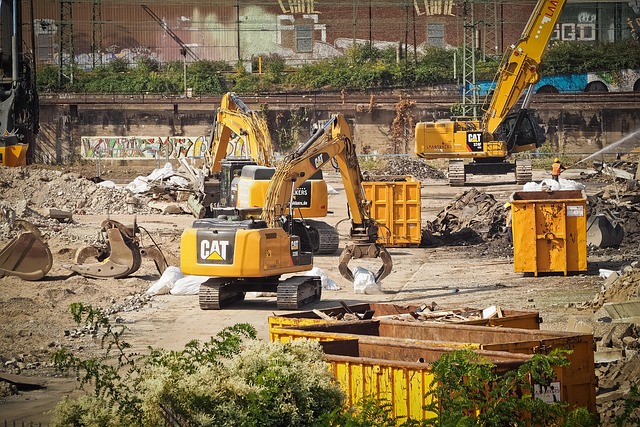
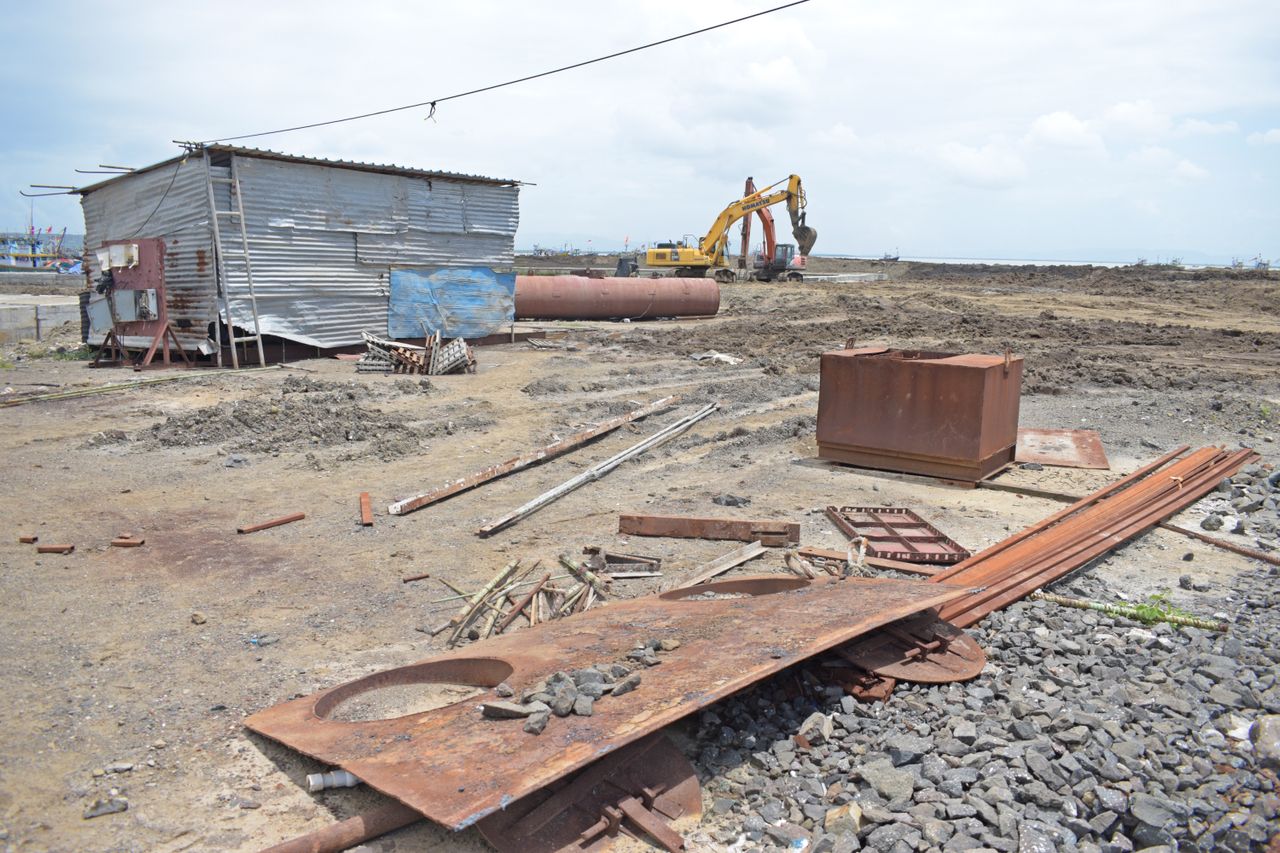
Commercial demolition is much more than tearing down a building. It is a carefully coordinated process that involves planning, safety management, site preparation, structural evaluation, equipment selection, debris removal, environmental considerations, and final site cleanup. Because commercial properties are often larger, more complex, and surrounded by active businesses, roads, utilities, or neighboring structures, demolition projects require a high level of organization from beginning to end.
A successful commercial demolition project starts long before heavy equipment arrives at the site. Project managers, demolition contractors, engineers, environmental specialists, equipment operators, and other professionals may work together to determine how the structure should be taken apart and how potential hazards will be controlled. The team must understand the building, identify risks, establish a work sequence, coordinate resources, and maintain communication throughout the project.
Commercial demolition can involve many types of properties, including office buildings, retail centers, warehouses, industrial facilities, restaurants, apartment complexes, hotels, and other commercial structures. Some projects involve complete building removal, while others focus on selective demolition. Selective demolition may remove specific walls, floors, fixtures, equipment, or building systems while preserving the rest of the structure.
Understanding how commercial demolition projects are managed can help property owners, developers, facility managers, and business owners better understand what to expect. It also highlights why professional project management is essential for keeping demolition work organized, safe, efficient, and environmentally responsible.
Table of Contents
ToggleKey Takeaways
- Commercial demolition requires detailed planning before work begins.
- The building must be evaluated to understand its structure, condition, and potential hazards.
- A demolition plan establishes the sequence, equipment, workforce, and methods used for the project.
- Safety is one of the most important parts of commercial demolition management.
- Utility services and surrounding properties must be considered before demolition begins.
- Hazardous materials may require specialized identification, handling, and disposal procedures.
- Equipment selection depends on the building’s size, construction, location, and demolition method.
- Selective demolition requires greater precision than complete structural demolition.
- Dust, noise, vibration, traffic, and debris must be managed throughout the project.
- Recycling and responsible debris disposal can reduce the environmental impact of demolition.
- Project managers coordinate workers, equipment, schedules, subcontractors, and site conditions.
- Final cleanup and site inspection are important steps before the project is considered complete.
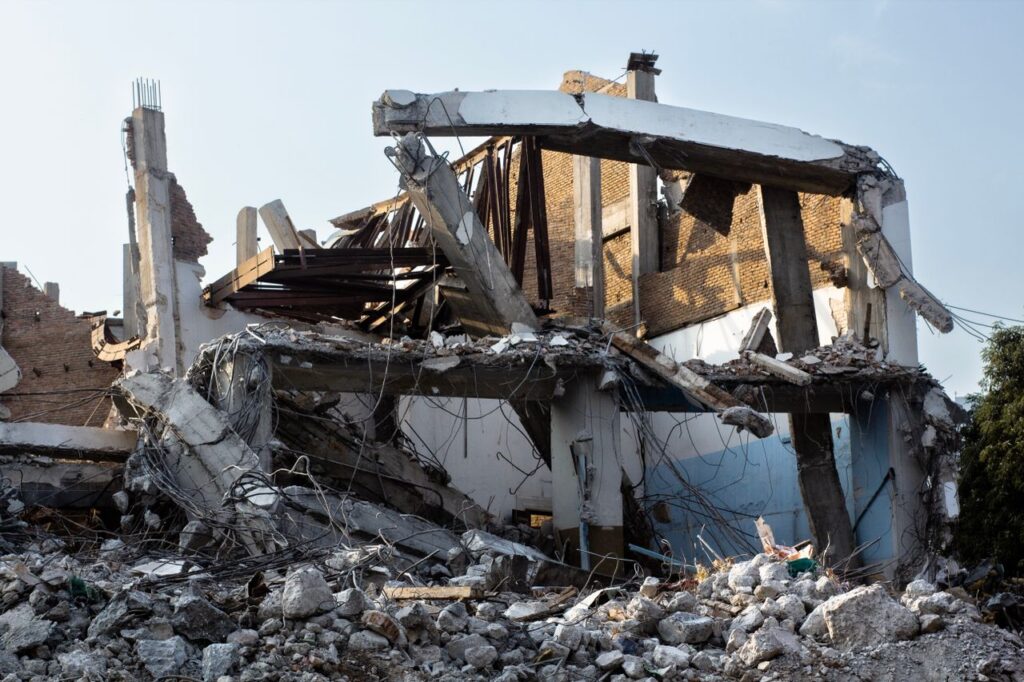
How Are Commercial Demolition Projects Managed?
Commercial demolition projects are generally managed through a series of organized stages. While the exact process varies depending on the property and scope of work, most successful projects involve planning, assessment, preparation, demolition, debris management, and final site cleanup.
Initial Project Assessment
The first stage is understanding the property and defining the demolition objectives.
Project managers and demolition professionals may review the building’s size, construction type, age, condition, location, accessibility, and surrounding environment. They may also evaluate whether the project involves complete demolition or selective removal.
The initial assessment helps identify potential challenges before work begins.
Important questions may include:
- What portions of the building will be removed?
- What materials are present?
- How is the building constructed?
- Are neighboring structures nearby?
- How easily can heavy equipment access the site?
- Are utilities located within or around the property?
- Are there potential hazardous materials?
- How will demolition debris be removed?
- What restrictions could affect the project schedule?
- What needs to remain undisturbed?
A detailed assessment gives the project team a foundation for developing the demolition strategy.
Structural Evaluation
Understanding how a building is constructed is essential to safe demolition.
A structural evaluation helps the team identify load-bearing components, structural connections, floor systems, roof systems, foundations, and other important features. This information allows the demolition contractor to determine how the structure can be dismantled without creating unnecessary risks.
Older buildings can present additional challenges because construction methods may differ from modern structures. Renovations and additions may also have changed the original building configuration.
The demolition team must account for these conditions when determining the order in which components are removed.
Developing The Demolition Plan
Once the building has been assessed, the project team develops a detailed demolition plan.
The plan typically identifies the demolition methods, work sequence, equipment, workforce requirements, debris-handling procedures, and safety controls.
A well-organized plan answers questions such as:
- Where will demolition begin?
- Which components will be removed first?
- What equipment will be required?
- Where will equipment operate?
- How will workers access different areas?
- How will debris be transported?
- How will dust and other site impacts be controlled?
- How will surrounding areas be protected?
- What happens if unexpected conditions are discovered?
The demolition plan serves as a roadmap for the project.
Safety Management During Commercial Demolition
Safety management is one of the most important responsibilities in any commercial demolition project. Demolition sites can contain numerous hazards, including falling materials, unstable structures, heavy equipment, exposed utilities, dust, debris, and unexpected structural conditions.
Establishing A Site Safety Plan
A site-specific safety plan establishes procedures for protecting workers, visitors, neighboring properties, and the public.
The plan may address:
- Site access
- Worker movement
- Equipment operation
- Personal protective equipment
- Restricted areas
- Emergency procedures
- Communication procedures
- Dust control
- Falling-object protection
- Structural stability
- Debris handling
- Fire prevention
Workers should understand their responsibilities before demolition begins.
Controlling Access To The Site
Commercial demolition sites need controlled access. Unauthorized people should not enter active demolition areas.
Fencing, barriers, warning signs, designated entrances, and controlled access points can help separate demolition activities from pedestrians, vehicles, and surrounding operations.
Access control becomes particularly important when the project is located near occupied commercial properties or public areas.
Monitoring Structural Stability
Structures can become less stable as demolition progresses. Removing one component may affect another part of the building.
For this reason, demolition should follow a controlled sequence rather than involve random removal of structural elements.
Project managers and qualified professionals monitor conditions throughout the work and adjust procedures when necessary.
Utility Coordination
Utilities are another major consideration in commercial demolition.
Before demolition begins, the project team must determine the status and location of electrical, gas, water, sewer, telecommunications, and other utility systems that could affect the work.
Utilities may serve the building itself or neighboring properties. Simply assuming that a service has been disconnected can create serious risks.
The project team coordinates with appropriate parties to identify services that need to be disconnected, relocated, protected, or maintained.
Why Utility Planning Matters
Utility coordination can help prevent:
- Electrical hazards
- Gas-related incidents
- Water damage
- Service interruptions
- Damage to neighboring properties
- Delays
- Unexpected project costs
The earlier utility conditions are identified, the easier it is to incorporate them into the demolition schedule.
Hazardous Material Management
Some commercial buildings may contain materials that require specialized handling.
Depending on the building’s age, construction, previous uses, and renovation history, potential concerns may include asbestos-containing materials, lead-based coatings, certain chemicals, contaminated materials, or other hazardous substances.
The project team should identify potential hazards before demolition activities disturb them.
Identifying Potentially Hazardous Materials
A professional assessment can help determine whether materials require special handling. If hazardous materials are present, appropriately qualified specialists may need to perform removal or remediation before general demolition proceeds in affected areas.
This separation is important because uncontrolled disturbance of certain materials can create exposure risks and complicate cleanup.
Proper Handling And Disposal
Materials requiring specialized handling should be managed according to applicable safety and environmental requirements.
The demolition contractor may coordinate with specialized service providers to ensure affected materials are removed, packaged, transported, and disposed of appropriately.
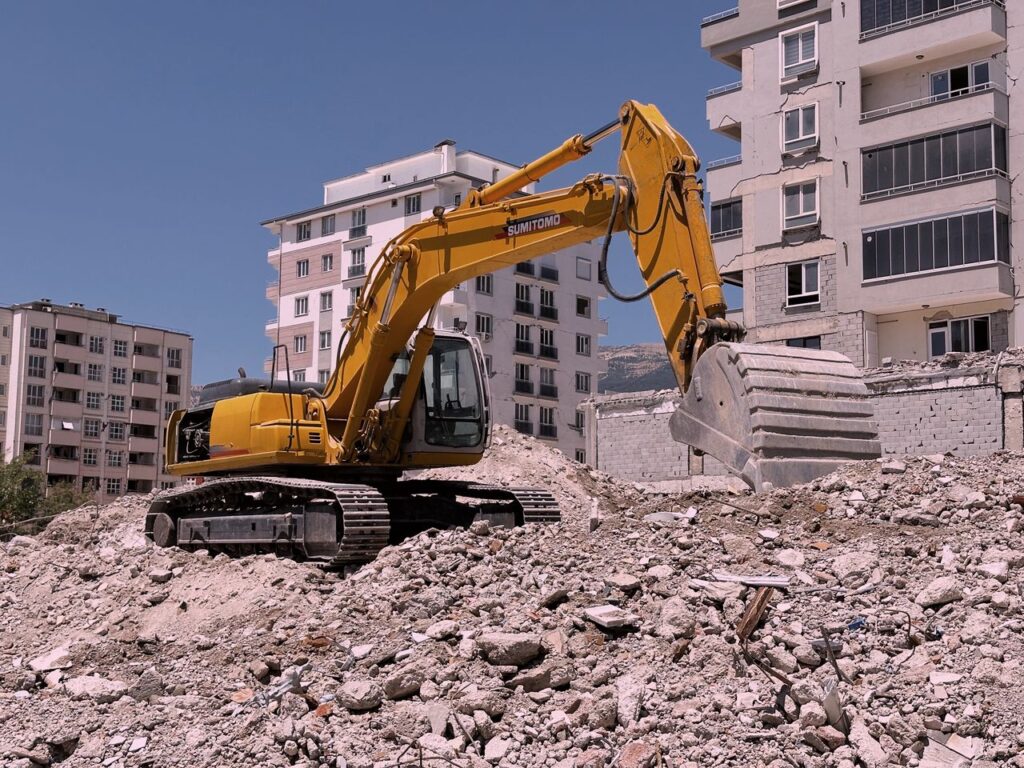
Choosing The Right Demolition Method
There is no single demolition method suitable for every commercial property.
The appropriate method depends on factors such as building size, construction materials, structural configuration, site conditions, surrounding properties, project goals, and access.
Mechanical Demolition
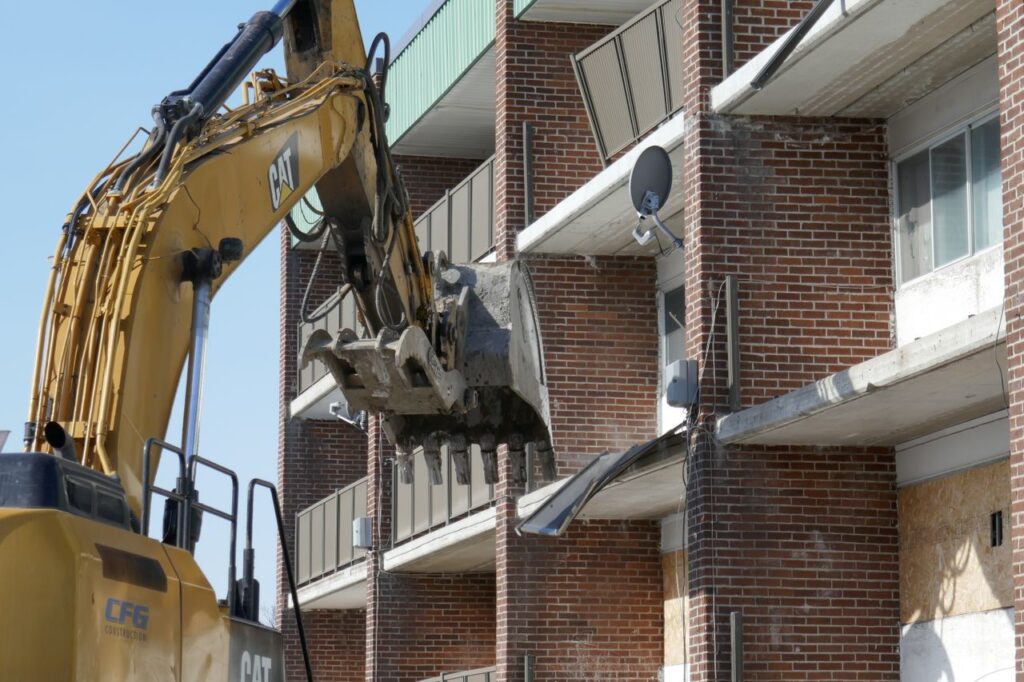
Mechanical demolition uses heavy equipment to dismantle and remove structures.
Common equipment can include:
- Excavators
- Hydraulic breakers
- Grapples
- Loaders
- Skid steers
- Shears
- Specialized attachments
Mechanical demolition is often efficient for large commercial structures because heavy equipment can process significant quantities of material.
Manual Or Hand Demolition
Hand demolition involves workers using tools and smaller equipment to carefully remove selected components.
This method may be appropriate for interior demolition or areas where precision is more important than speed.
Hand demolition is particularly useful when workers need to preserve adjacent structures, architectural features, or building systems.
Selective Demolition
Selective demolition combines precision and controlled removal. It is often used for renovation projects where certain portions of a commercial property must remain.
For example, a contractor might remove interior finishes while preserving the structural frame.
Equipment Management
Equipment is a major part of commercial demolition operations.
Project managers must determine what machinery is needed, when it should arrive, where it will operate, and how it will be maintained.
Using oversized equipment on a restricted site may create unnecessary logistical problems. Conversely, using equipment that is too small may slow production.
Matching Equipment To The Project
Equipment selection may depend on:
- Building height
- Structural materials
- Site access
- Available working space
- Debris volume
- Demolition method
- Ground conditions
- Required precision
The project manager coordinates equipment use with the demolition sequence so that machines are available when needed without unnecessarily overcrowding the site.
Managing The Demolition Schedule
Time management is critical for commercial demolition because demolition often occurs as one stage within a larger development or renovation project.
Delays can affect subsequent construction activities, tenant improvements, inspections, material deliveries, and other scheduled work.
Creating A Realistic Schedule
A demolition schedule may include:
- Site preparation
- Utility coordination
- Hazardous material work
- Interior removal
- Structural demolition
- Debris processing
- Hauling
- Site grading or preparation
- Final cleanup
The actual sequence varies depending on project conditions.
Project managers must also account for potential disruptions such as weather, unexpected structural conditions, equipment issues, material quantities, or access limitations.
Coordinating With Other Contractors
Commercial demolition frequently occurs alongside other construction or development activities.
The demolition team may need to coordinate with:
- General contractors
- Structural engineers
- Architects
- Environmental specialists
- Utility providers
- Surveyors
- Hauling companies
- Site preparation crews
Clear communication helps prevent conflicts and keeps different teams aligned.
Managing Dust, Noise, And Vibration
Commercial demolition can affect neighboring properties and surrounding areas.
Dust, noise, and vibration should therefore be addressed as part of the project plan.
Noise Management
Heavy demolition equipment can produce significant noise. Project managers may schedule particularly noisy activities during appropriate working periods and use site management practices to reduce unnecessary disturbance.
Vibration Monitoring
Certain demolition activities can generate vibrations that may affect nearby structures or sensitive equipment.
Where appropriate, the project team may establish monitoring procedures and adjust demolition techniques if excessive vibration becomes a concern.
Debris Management And Material Removal
Demolition generates substantial quantities of material. Managing that material efficiently is essential for keeping the site organized.
Debris can include:
- Concrete
- Brick
- Steel
- Wood
- Drywall
- Roofing materials
- Glass
- Fixtures
- Flooring
- Insulation
- Equipment
The project team determines how materials will be collected, processed, loaded, transported, recycled, or disposed of.
On-Site Sorting
Sorting materials can improve efficiency and support recycling efforts.
For example, metals may be separated from concrete and wood. Recyclable materials can then be directed toward appropriate facilities instead of being mixed with general waste.
Hauling Coordination
Trucks must be coordinated with demolition operations.
Too few trucks can cause debris to accumulate and restrict site operations. Too many trucks can create congestion and inefficient use of resources.
A well-managed hauling schedule helps maintain a steady flow of materials from the property.
Recycling And Environmental Responsibility
Modern demolition projects often focus on recovering materials whenever practical.
Recycling can reduce the amount of material sent to landfills and may help recover useful resources.
Materials commonly considered for recovery include:
- Structural steel
- Other metals
- Concrete
- Brick
- Wood
- Certain fixtures
- Selected building materials
Concrete and masonry can sometimes be processed for reuse as aggregate or other construction applications, depending on material quality and local requirements.
Environmental management should be considered during planning rather than treated as an afterthought.
Managing Unexpected Conditions
Even the best demolition plan cannot predict every condition inside an existing commercial building.
Once walls, ceilings, floors, or other components are removed, the team may discover hidden damage, undocumented modifications, unusual structural connections, abandoned systems, or unexpected materials.
How Project Managers Respond
When an unexpected condition appears, work in the affected area may need to pause while the project team evaluates the situation.
The team may:
- Secure the affected area.
- Determine what was discovered.
- Assess potential safety or environmental concerns.
- Consult the appropriate professional.
- Modify the demolition sequence if necessary.
- Communicate schedule or cost implications.
- Resume work once the issue has been addressed.
This ability to adapt is an important part of effective project management.
Communication And Documentation
Communication is one of the less visible but most important aspects of demolition management.
A commercial demolition project may involve numerous people and organizations. Everyone needs accurate information about current activities, upcoming work, site restrictions, safety concerns, and changes to the project.
Regular Project Meetings
Project managers may conduct regular meetings to discuss:
- Progress
- Upcoming activities
- Safety issues
- Equipment needs
- Site conditions
- Material removal
- Scheduling
- Coordination with other contractors
Consistent communication reduces misunderstandings and helps the project remain organized.
Project Documentation
Documentation can include schedules, site reports, equipment records, material tracking, photographs, safety documentation, and other project records.
Good documentation provides a record of what happened throughout the demolition process and can help resolve questions that arise later.
Cost Management
Commercial demolition budgets can be influenced by many factors.
Costs may include:
- Labor
- Equipment
- Transportation
- Debris disposal
- Material recycling
- Specialized services
- Site preparation
- Safety measures
- Environmental controls
- Unexpected conditions
Developing A Realistic Budget
An accurate project estimate should consider the actual scope of work and known site conditions.
A low initial estimate does not necessarily mean a project will cost less overall. If important conditions are overlooked, unexpected expenses can arise later.
Experienced project management attempts to identify foreseeable costs early and maintain appropriate contingency planning for conditions that cannot be fully predicted.
Controlling Costs During Construction
Cost control continues after demolition begins.
Project managers monitor labor, equipment use, hauling, material quantities, and schedule performance. They may adjust resources when site conditions change.
Efficient scheduling can help prevent unnecessary equipment rental time, labor delays, and transportation costs.
Site Protection
Commercial demolition does not always take place on an isolated property. Buildings may be located next to roads, sidewalks, parking lots, businesses, or structures that must remain.
Protecting surrounding areas is therefore a major responsibility.
Protecting Neighboring Structures
The demolition team evaluates the proximity and condition of neighboring buildings before work begins.
Where appropriate, the project plan may incorporate controlled demolition methods, barriers, monitoring, and other protective measures.
Protecting Remaining Building Components
Selective demolition requires additional care because parts of the building must remain operational or intact.
Workers may need to protect:
- Structural components
- Electrical systems
- Plumbing
- HVAC equipment
- Windows
- Doors
- Finished surfaces
- Existing utilities
Clear identification of what stays and what goes is essential.
Final Cleanup And Site Completion
Demolition is not finished simply because the building is gone.
The final stage involves removing remaining debris, cleaning the site, addressing designated materials, and preparing the property for the next phase.
Final Site Inspection
Project managers inspect the property to verify that the demolition scope has been completed.
They may check for:
- Remaining debris
- Unremoved structural components
- Site hazards
- Material piles
- Equipment
- Damage to protected areas
- Incomplete demolition work
Preparing For The Next Phase
Depending on the project, the site may then move into grading, excavation, new construction, renovation, or another development phase.
A clean and organized handoff can make the transition to the next contractor more efficient.
Common Challenges In Commercial Demolition
Commercial demolition projects can face a wide range of challenges.
Limited Site Access
Urban commercial properties may have restricted access for large machinery and hauling trucks.
Project managers may need to create carefully timed delivery and hauling schedules.
Unknown Building Conditions
Existing structures may contain undocumented modifications or hidden problems.
These conditions can require changes to the demolition sequence.
Tight Schedules
Commercial development projects often operate under strict schedules. Delays during demolition can affect subsequent phases.
High Material Volumes
Large buildings can generate enormous quantities of debris. Efficient hauling and sorting are necessary to keep the site manageable.
Neighboring Businesses
Demolition near occupied businesses requires careful coordination to reduce disruptions and maintain safe access.
What Makes Commercial Demolition Management Successful?
Successful demolition management depends on more than having powerful equipment.
It requires:
- Detailed planning
- Strong communication
- Safety awareness
- Experienced personnel
- Appropriate equipment
- Careful scheduling
- Environmental responsibility
- Flexible problem-solving
- Efficient debris management
- Consistent quality control
The strongest projects are managed proactively. Instead of waiting for problems to occur, the project team identifies potential issues and develops strategies to address them.
Conclusion
Commercial demolition projects are managed through a carefully coordinated process that begins well before demolition equipment arrives on site. From the initial property assessment and structural evaluation to equipment selection, safety planning, utility coordination, material management, demolition operations, and final cleanup, every stage contributes to the success of the project.
One of the most important aspects of commercial demolition is planning. A detailed demolition strategy allows the project team to understand the structure, establish a logical sequence of work, anticipate potential hazards, organize equipment, coordinate workers, and manage debris efficiently. Without adequate planning, even a straightforward demolition project can become more complicated, expensive, or time-consuming than expected.
Safety is equally important. Commercial structures can contain unstable components, heavy materials, utilities, hazardous substances, and other risks. Managing these conditions requires trained professionals, controlled access, appropriate equipment, clear communication, and continuous attention to changing site conditions.
Effective demolition management also involves environmental and logistical considerations. Dust, noise, vibration, traffic, debris, recycling, and material disposal all need to be incorporated into the project strategy. Proper coordination can help minimize disruption to neighboring properties while keeping demolition activities organized.
Communication ties the entire process together. Project managers must coordinate with property owners, contractors, workers, engineers, environmental professionals, hauling companies, and other parties involved in the project. Regular communication helps everyone understand the schedule, work sequence, safety requirements, and changes that may occur.
Ultimately, commercial demolition is a specialized construction activity that requires much more than simply removing a building. It is a structured process involving planning, technical knowledge, safety management, resource coordination, and careful execution. When the project is managed properly, demolition can create a safe, organized, and prepared site for the next stage of development, renovation, or construction.
Frequently Asked Questions About Commercial Demolition
1. How Long Does A Commercial Demolition Project Take?
The timeline varies considerably depending on the building’s size, construction type, demolition method, site conditions, and project scope. A small selective demolition project may be completed relatively quickly, while a large commercial structure can require significantly more time.
The schedule also depends on preparation, utility coordination, hazardous material management, debris hauling, and final site cleanup.
2. What Is The First Step In A Commercial Demolition Project?
The first step is generally a detailed assessment of the property and the intended scope of demolition. The project team evaluates the structure, site conditions, materials, surrounding environment, access, utilities, and potential hazards before developing the demolition plan.
3. Why Is Structural Evaluation Important?
Structural evaluation helps the demolition team understand how the building is assembled and how different components interact. This information is important for establishing a controlled demolition sequence and avoiding unnecessary risks.
4. Is All Commercial Demolition The Same?
No. Commercial demolition varies significantly from project to project. A complete warehouse demolition is very different from selective interior demolition in an occupied office building. The appropriate approach depends on the property’s structure, location, scope, and project objectives.
5. What Happens To Demolition Debris?
Demolition debris may be sorted, recycled, processed, hauled to appropriate facilities, or disposed of according to applicable requirements. Materials such as concrete, steel, and other metals may have recycling or recovery opportunities.
6. Can Part Of A Commercial Building Be Demolished While Another Part Remains?
Yes. Selective demolition is specifically designed for projects where certain areas or components must be removed while others remain. This requires careful planning and precise demolition techniques.
7. How Is Dust Controlled During Demolition?
Dust-control strategies depend on the materials and site conditions. Appropriate methods may include controlled water application, containment, work sequencing, and other measures designed to reduce airborne dust.
8. Why Is Equipment Selection Important?
Using the right equipment can improve productivity, safety, and site control. Equipment must be appropriate for the building, demolition method, available space, ground conditions, and amount of material being removed.
9. What Happens If Unexpected Materials Or Structural Conditions Are Discovered?
Work in the affected area may be paused while the condition is evaluated. The project team can then determine whether additional expertise, specialized handling, or a change in demolition procedures is necessary.
10. How Can Property Owners Prepare For Commercial Demolition?
Property owners can help by clearly defining the demolition scope, providing available building information, communicating project objectives, identifying known site constraints, and working with an experienced demolition contractor. Early planning can help the project team identify potential challenges before demolition begins.
Commercial Demolition Services That Clear The Way For What’s Next
Every successful renovation, buildout, or redevelopment project starts with a clean slate. Junked: Powered by Veterans™ provides professional commercial demolition services throughout the Bay Area, helping property owners, contractors, businesses, and property managers remove what’s no longer needed and prepare the space for its next phase.
Whether you’re gutting an office, clearing out a retail space, preparing a restaurant for renovation, removing interior walls and fixtures, or getting a commercial property ready for construction, our veteran-led crew is equipped to handle the job safely and efficiently.
We don’t just tear things out. We help keep your project moving.
Commercial Demolition Without The Headaches
- Interior Demolition: Walls, ceilings, flooring, cabinetry, fixtures, built-ins, and other interior components.
- Office, Retail & Restaurant Demolition: Clearouts and demolition for remodels, tenant improvements, relocations, and new buildouts.
- Warehouse & Commercial Property Demolition: Removal of unwanted structures, improvements, equipment areas, and other materials.
- Complete Debris Removal: Once the demolition is finished, we haul away the debris and leave the site clean and ready for the next trade.
- Reliable Scheduling: We understand that delays can affect every stage of a commercial project, so we show up ready to work and keep the job moving.
- Veteran-Led Professionalism: Clear communication, dependable crews, organized work areas, and a strong commitment to doing the job right.
Clear It Out. Clean It Up. Move The Project Forward.
Commercial demolition is often the first major step in transforming a property. The faster and cleaner that step gets done, the sooner your contractors can get to work on what comes next.
Junked: Powered by Veterans™ makes the process simple by combining demolition, debris removal, and cleanup into one dependable service.
If you’re planning a commercial renovation, tenant improvement, property redevelopment, or buildout in the Bay Area, let us handle the demolition and heavy lifting.
Disclaimer
The materials available on this website are for informational and entertainment purposes only and not to provide legal or professional advice. You should contact your attorney or home improvement specialist for advice concerning any particular issue or problem. You should not act or refrain from acting based on any content included in this site without seeking legal or other professional advice. The information presented on this website may not reflect the most current home improvement developments. No action should be taken based on the information on this website. We disclaim all liability concerning actions taken or not taken based on any or all of the contents of this site to the fullest extent permitted by law.