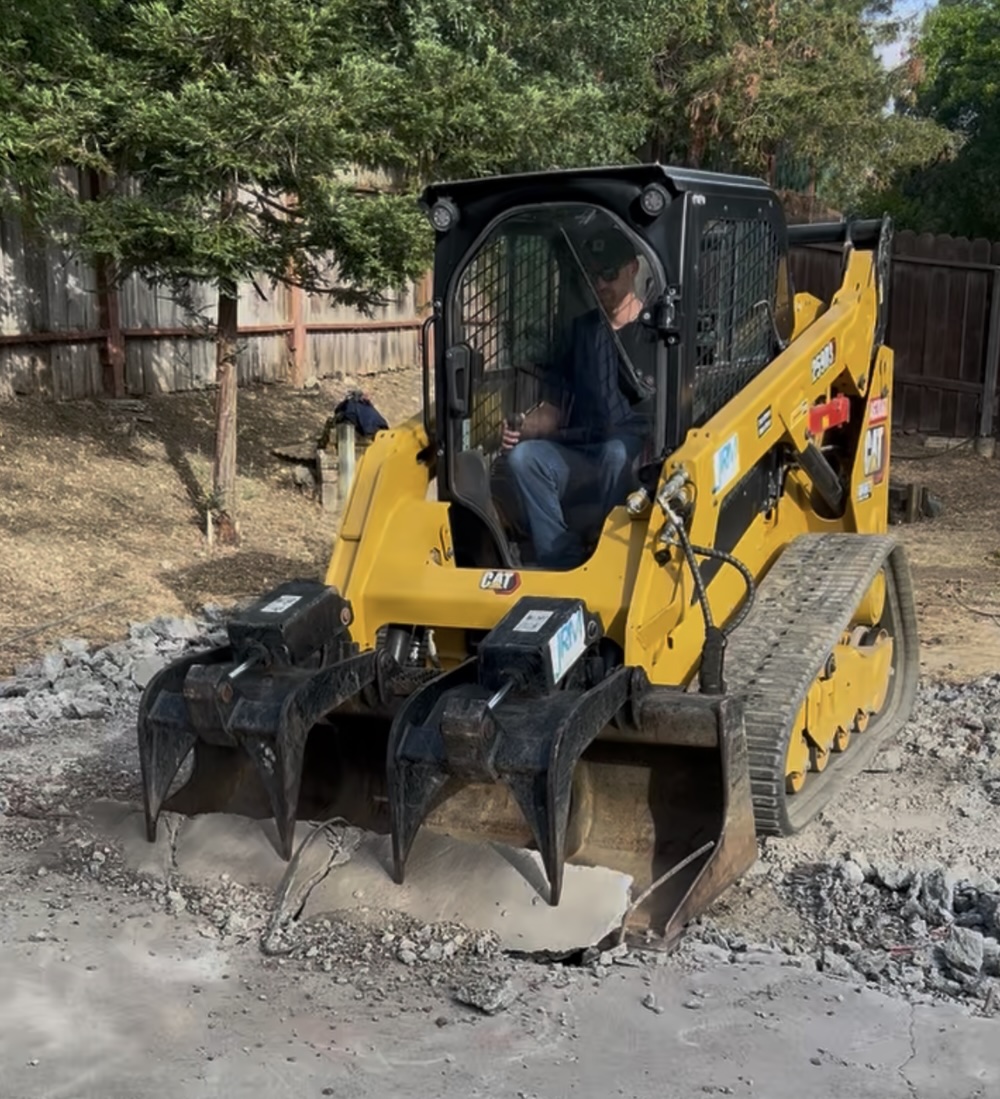
Most homeowners picture demolition as one dramatic moment. The excavator swings, the wall folds, dust billows, and the job’s done. But that’s the easy part, frankly, and it’s not even close to the whole story. The real work starts once the dust settles, when a mountain of broken concrete, splintered lumber, twisted rebar, and shattered drywall sits where a house used to be. That pile doesn’t just disappear. It gets sorted, weighed, hauled, crushed, sold, buried, or burned, depending on what it is and where your project sits on the map.
Debris removal is one of the most important parts of any residential demolition project because it affects the overall cost, project timeline, and environmental impact. According to the U.S. Environmental Protection Agency (EPA), the United States generates approximately 600 million tons of construction and demolition (C&D) debris each year, with demolition activities accounting for the vast majority of that total. A significant portion of these materials—including concrete, asphalt, metal, and wood—is recycled or reused instead of being disposed of in landfills. The remaining materials, particularly contaminated or non-recyclable debris, must be transported to approved disposal facilities. Understanding what happens after demolition helps homeowners evaluate contractor practices and make informed decisions before work begins.
Table of Contents
ToggleKey Takeaways
- Debris gets sorted on-site before it ever leaves the property, separating concrete, metal, wood, and hazardous materials into distinct waste streams.
- Concrete and masonry rarely go to a landfill; crushed and screened, they become aggregate for road base, drainage fill, or new concrete.
- Metal debris, everything from rebar to old plumbing, gets pulled early because scrap value offsets demolition cleanup costs.
- Wood is salvaged when possible, chipped into mulch when not, and in some regions burned as fuel where permitted.
- Asbestos, lead paint, and other hazardous materials require testing and licensed disposal, not a standard dumpster.
- What’s left after sorting, the true non-recyclable fraction, goes to a construction and demolition landfill, which operates under different rules than a municipal solid waste landfill.
What Happens To Debris Right After A House Comes Down?
Once a structure has been demolished, the focus shifts immediately to debris management. Weather conditions, site access, hauling schedules, and safety considerations all influence how quickly materials can be removed. Rather than treating debris removal as simple cleanup, experienced demolition crews prioritize sorting and organizing materials early to improve recycling opportunities, reduce disposal costs, and keep the project moving efficiently.
Sort Materials On-Site First
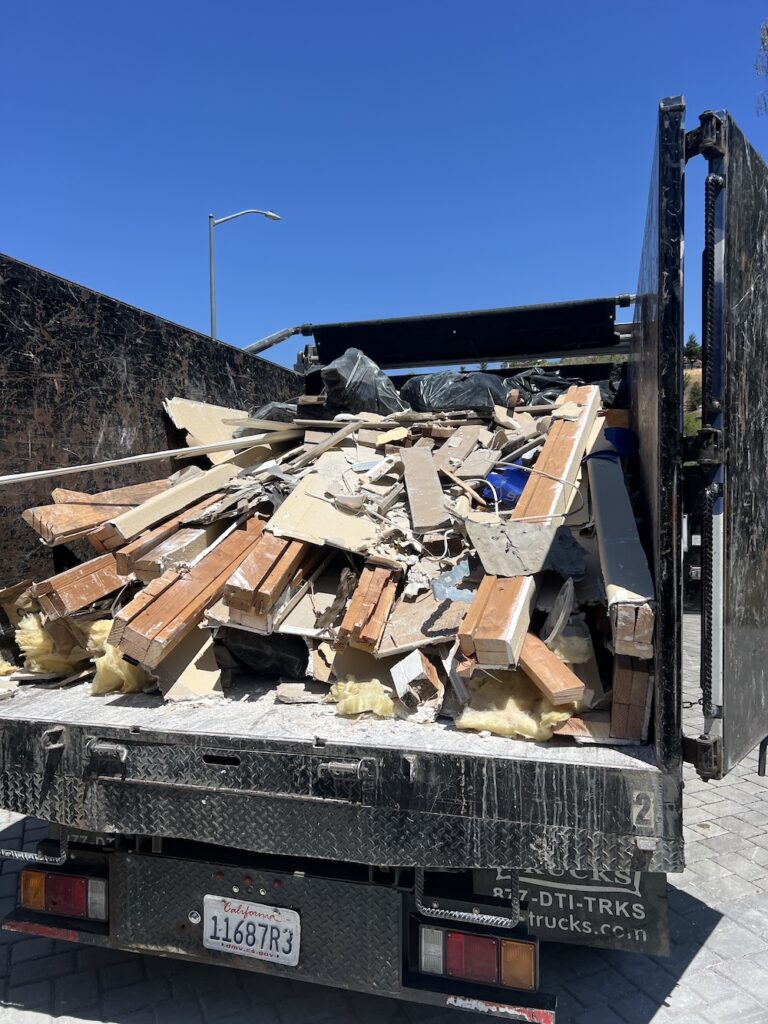
Mixed debris is expensive debris. If concrete, wood, metal, and drywall all get scooped into the same load, that load is headed straight to a landfill because no recycling facility wants to sort through contaminated, mixed material. Crews with any sense stage separate piles as the structure comes down, sometimes even sequencing the demolition itself so materials fall into predictable zones. Contractors often report that separating materials during demolition helps reduce hauling costs by minimizing contamination, improving recycling opportunities, and reducing the number of mixed waste loads sent to landfills.
Separate Hazardous Waste Immediately
Anything suspected of containing asbestos, lead-based paint, or old fuel tanks gets pulled aside the second it’s identified, not at the end of the day. Under EPA guidelines for asbestos-containing materials, these items can’t mix with general debris at any point, even briefly, because cross-contamination turns a clean load into a hazardous one.
Stage Loads For Hauling
Once sorted, debris gets staged near the access road, roughly grouped by destination: aggregate here, scrap metal there, wood over by the gate. This isn’t just organization for its own sake. It determines which trucks come when, and mismatched staging means trucks sit idle, which means you’re paying for time nobody’s using.
Document Materials Before Hauling
Many professional demolition contractors also document the materials leaving the site before hauling begins. Load tickets, weight receipts, and disposal records help verify where debris is taken and whether recyclable materials were diverted from landfills. These records may also be required to satisfy local permit conditions or municipal recycling requirements. For homeowners, proper documentation provides reassurance that waste has been handled responsibly and in accordance with applicable regulations.
Where Does Concrete And Masonry Debris End Up?
Concrete is the heaviest thing coming off most residential sites, and it’s also the most predictable in terms of destination. According to EPA material-specific data, roughly 90 percent of concrete debris is recycled rather than landfilled because recycling is often more cost-effective than disposing of large volumes of heavy material while also conserving natural resources.
Crush Concrete Into Aggregate
Concrete debris is processed through a portable or stationary crusher, where it is broken down into aggregate of varying sizes suitable for use in road construction, drainage projects, and other building applications. This crushed concrete aggregate isn’t lower-quality junk, either; depending on the crushing standard, it can substitute for virgin gravel in a lot of applications.
Reuse Aggregate For Road Base
The biggest destination for that crushed aggregate is road base. Municipalities and paving contractors use recycled concrete aggregate because it performs similarly to quarried stone in many applications, including roads, driveways, and parking lots, while often reducing material costs and conserving natural resources. Some of it even loops back into new concrete or asphalt production, cutting demand for fresh cement.
Recycle Brick And Block
Brick and masonry block get handled a bit differently than poured concrete since whole bricks sometimes have resale value if they come out intact, particularly older, reclaimed brick that renovators pay a premium for. What doesn’t survive intact gets crushed alongside the concrete stream.
Transport Materials To Recycling Facilities
After crushing or sorting, recycled materials are transported to facilities that process them for future use. Concrete and masonry are screened to remove contaminants before being stockpiled for construction projects. Metals are shipped to recycling plants where they are melted and manufactured into new products, while reusable brick and stone may be sold through architectural salvage suppliers. Keeping materials separated throughout transportation helps maximize recycling efficiency and reduces contamination that could otherwise send usable materials to a landfill.
How Is Metal Debris Recycled After Demolition?
Metal is the one material where the incentive to recycle isn’t really about sustainability at all. It’s about cash. Scrap yards pay for it, which means every ounce of metal left in a mixed debris pile is money left on the table.
Pull Metal From Mixed Debris
Rebar, copper pipe, aluminum siding, HVAC ductwork, even old appliances if the house had them still sitting inside- all of it gets pulled during the sort. Magnets and manual picking both come into play, since not everything is ferrous.
Sell Scrap To Recyclers
Once separated, scrap metal gets weighed and sold to local recyclers, and prices fluctuate with commodity markets the same way any raw material does. A demolition contractor tracking scrap prices closely can time a sale to get meaningfully more for the same pile.
Offset Costs With Salvage Credit
Salvage value can directly affect the overall cost of a demolition project. Some contractors factor the estimated value of recovered metal into their initial quote, which may reduce the total price charged to the homeowner. Others retain the proceeds from salvaged materials as part of their business model. Before signing a contract, ask how recovered materials are handled and whether any salvage value is reflected in the project estimate.
What Happens To Wood And Timber Debris?
Wood is oddly underrated in demolition planning. Everyone focuses on concrete tonnage, but framing lumber, joists, and old timber can represent a serious chunk of a residential structure’s total mass, and it has more end-of-life options than almost anything else on-site.
Salvage Reusable Lumber
Older homes, especially anything built before the 1970s, sometimes have old-growth framing lumber that’s genuinely more valuable intact than as chips. Reclaimed wood buyers will pay for beams, flooring, and trim in decent condition, which is one more reason gutting a structure before full demolition tends to pay off.
Grind Wood Into Mulch
Wood that isn’t salvage-grade gets ground into mulch or wood chips. It’s not glamorous, but it diverts real tonnage away from landfills and into landscaping supply chains, sometimes even municipal composting programs.
Burn Wood As Fuel Where Permitted
In certain regions, clean, untreated wood debris gets processed as biomass fuel. This is not the same as an open burn on-site, which is illegal almost everywhere; structural burns are explicitly prohibited under most state environmental codes because of the toxic smoke released from treated lumber, paint, and adhesives.
Not every piece of wood qualifies for recycling or biomass use. Pressure-treated lumber, painted wood containing lead, engineered wood products with heavy adhesives, and severely water-damaged materials often require different disposal methods because they may release harmful contaminants if burned or processed incorrectly. Contractors evaluate the condition of the wood before determining the most appropriate disposal or recycling option, helping ensure compliance with local environmental regulations.
How Do Crews Handle Asbestos And Other Hazmat?
Hazard Type | Common Source In Older Homes | Required Handling |
Asbestos | Insulation, floor tile, siding, popcorn ceilings | Testing, licensed abatement crew, sealed disposal |
Lead-based paint | Pre-1978 painted surfaces | Cannot be recycled; treated as hazardous debris |
Household hazardous waste | Old paint cans, solvents, batteries | State-regulated disposal, sometimes separate from landfill stream |
Test Older Homes Before Demo
Any residential structure built before the late 1970s should get tested for asbestos and lead before a permit even gets pulled. Skipping this step isn’t just risky, it’s often illegal, and it’s the single fastest way to turn a routine teardown into a shutdown site.
Remove Hazmat Under Strict Protocol
Once identified, hazardous materials get removed under containment protocols, sealed bagging, negative air pressure in some cases, and certified technicians handling the physical removal. This happens before general demolition begins, not during.
Dispose At Licensed Facilities
Hazmat can’t ride along with your regular debris removal truck. It goes to specifically licensed disposal facilities, tracked separately from the rest of the project’s waste stream, which is part of why hazmat discovery can add real time and cost to a schedule you didn’t budget for.
In many jurisdictions, hazardous waste shipments are accompanied by documentation identifying the type of material, its quantity, and its destination. Licensed disposal facilities follow strict handling procedures designed to protect workers, nearby communities, and the environment. Proper documentation also helps demonstrate compliance with federal, state, and local regulations if questions arise after the demolition project has been completed.
What Happens To Non-Recyclable Debris?
Not everything can be salvaged, crushed, or sold. Composite materials, contaminated soil, certain plastics, and mixed debris that never got properly separated all end up with one destination.
Haul Mixed Waste To Landfills
This fraction goes to a construction and demolition landfill, which is distinct from a municipal solid waste landfill, since C&D landfills are built to handle debris rather than household garbage and don’t accept hazardous waste under EPA rules.
Track Disposal With Manifests
Legitimate demolition contractors document where every load ends up using disposal manifests. This paper trail matters if a permit closeout requires proof of proper disposal, and it protects you as the homeowner if a dispute ever comes up about where your project’s waste went.
Use Transfer Stations When Necessary
Depending on the project location, debris may first be delivered to a construction and demolition transfer station rather than directly to its final destination. At these facilities, materials are inspected, weighed, and further sorted before being transported to recycling centers or approved landfills. Transfer stations improve transportation efficiency by consolidating loads and recovering additional recyclable materials that may have been overlooked during on-site sorting.
Minimize Landfill Volume Through Planning
Residential demolition projects that generate the least landfill waste are typically those where material sorting begins before structural demolition starts. Planning allows contractors to recover more recyclable materials, improve hauling efficiency, reduce disposal costs, and minimize the overall environmental impact of the project.
How Much Does Debris Removal Add To Demolition Cost?
Debris removal typically represents a substantial share of total demolition cost, often 20 to 40 percent depending on the structure’s size and what’s inside it. Hazardous material handling alone can swing a quote by 30 to 50 percent if asbestos or lead paint surfaces mid-project instead of getting caught in a pre-demo survey. That’s the number that catches homeowners off guard most often, since initial estimates rarely account for surprises found once walls come down.
Is Debris Removal Included In Demolition, Or Separate?
It depends entirely on the contract, and this is worth clarifying before you sign anything. Some demolition quotes bundle debris removal into a flat price, others itemize it separately, and a few exclude hazardous material disposal entirely, treating it as a change order if something unexpected turns up. Ask for a scope breakdown, not just a total number.
Why Should You Gut A House Before Demolition?
Gutting first, pulling fixtures, doors, cabinetry, and interior finishes before the structural teardown, reveals what you’re actually dealing with before the big equipment shows up. It exposes hidden structural issues, gives salvage crews a shot at recovering higher-value materials, and tends to prevent the mid-project cost surprises that come from discovering asbestos or rot after demolition is already underway. Projects that skip this step save a little time upfront and often pay for it later.
How Can Homeowners Plan For Debris Before Hiring A Contractor?
Ask prospective contractors how they plan to sort, transport, and dispose of demolition debris, and request clear answers rather than general assurances. An experienced contractor should be able to explain where concrete will be recycled, how scrap metal will be handled, and which approved disposal facilities will receive non-recyclable materials. Homeowners should also ask whether disposal fees, recycling costs, hazardous material handling, and transportation charges are included in the estimate or billed separately. Requesting a detailed written scope of work, along with documentation of recycling or disposal practices when available, helps prevent misunderstandings and allows for more accurate budgeting before demolition begins.
Conclusion
Debris management is a critical part of residential demolition that extends well beyond tearing down a structure. Every decision made after demolition—from separating recyclable materials to disposing of hazardous waste—affects project costs, environmental responsibility, and regulatory compliance. Working with a contractor who follows organized sorting procedures, partners with appropriate recycling facilities, and documents disposal practices can help reduce landfill waste while keeping the project on schedule. By understanding how demolition debris is managed, homeowners can ask better questions, compare estimates more effectively, and make informed decisions before demolition begins.
Frequently Asked Questions
1. Does All Demolition Debris Go To A Landfill?
No. A majority gets redirected toward recycling or reuse, particularly concrete and metal, with only the non-recyclable fraction, often less than a quarter of total tonnage, ending up landfilled.
2. Can I Recycle Materials From My Own House Before Hiring A Demolition Contractor?
Yes, and many homeowners do exactly that with fixtures, doors, and hardware, selling or donating them to salvage yards before the contractor even arrives.
3. Who Pays For Hazardous Material Testing Before Demolition?
This is typically the homeowner’s responsibility as part of pre-demolition due diligence, though some contractors include a basic survey in their initial quote.
4. What’s The Difference Between A C&D Landfill And A Regular Landfill?
A construction and demolition landfill is permitted specifically for building debris and does not accept household hazardous waste, unlike a municipal solid waste landfill.
5. Can Homeowners Keep Materials From A House Before Demolition?
Yes. In many cases, homeowners can remove and keep items such as doors, cabinets, light fixtures, appliances, flooring, and decorative features before demolition begins. Some materials may also be donated or sold if they are in good condition. Before removing anything, discuss your plans with the demolition contractor to ensure it will not affect safety, project scheduling, or permit requirements.
6. How Long Does It Take To Remove Demolition Debris From A Residential Property?
The time required depends on the size of the home, the amount of debris generated, site accessibility, weather conditions, and whether materials are being recycled or require special disposal. For many single-family homes, debris removal is completed within one to several days after demolition. Projects involving hazardous materials or extensive recycling may take longer due to additional handling, transportation, and disposal requirements.
Residential Demolition Services Done Right
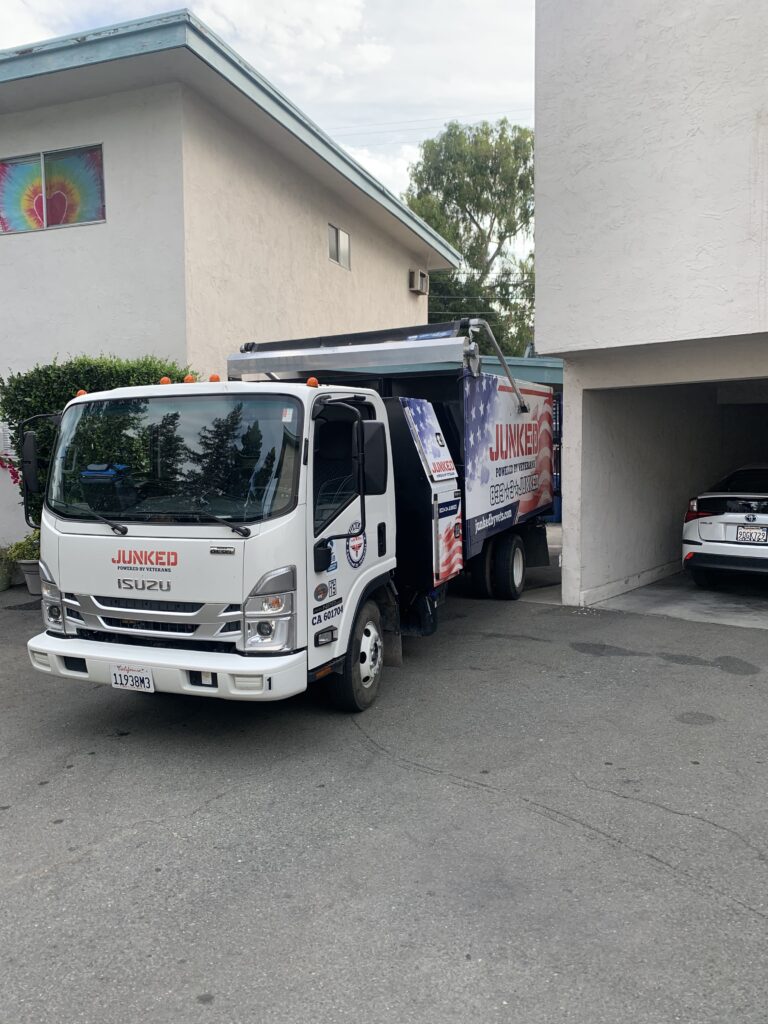
Whether you’re preparing for a home renovation, removing an old structure, or clearing space for a new project, Junked: Powered by Veterans™ provides safe, reliable residential demolition services throughout the Bay Area. Our experienced, veteran-led team handles every project with precision, ensuring your property is ready for the next phase of construction.
Why Choose Junked: Powered by Veterans™?
- Safe, Professional Demolition: We complete every project with safety, efficiency, and attention to detail.
- Complete Residential Demolition: Garages, sheds, decks, fences, interior demolition, patios, and more.
- Fast Cleanup: We remove demolition debris and leave your property clean and ready for rebuilding.
- Veteran-Led Service: Dependable communication, professional crews, and workmanship you can trust.
When you need residential demolition services in the Bay Area, trust Junked: Powered by Veterans™ to get the job done safely, efficiently, and on schedule. Contact us today for a free, no-obligation estimate.
Disclaimer
The materials available on this website are for informational and entertainment purposes only and not to provide legal or professional advice. You should contact your attorney or home improvement specialist for advice concerning any particular issue or problem. You should not act or refrain from acting based on any content included in this site without seeking legal or other professional advice. The information presented on this website may not reflect the most current home improvement developments. No action should be taken based on the information on this website. We disclaim all liability concerning actions taken or not taken based on any or all of the contents of this site to the fullest extent permitted by law.