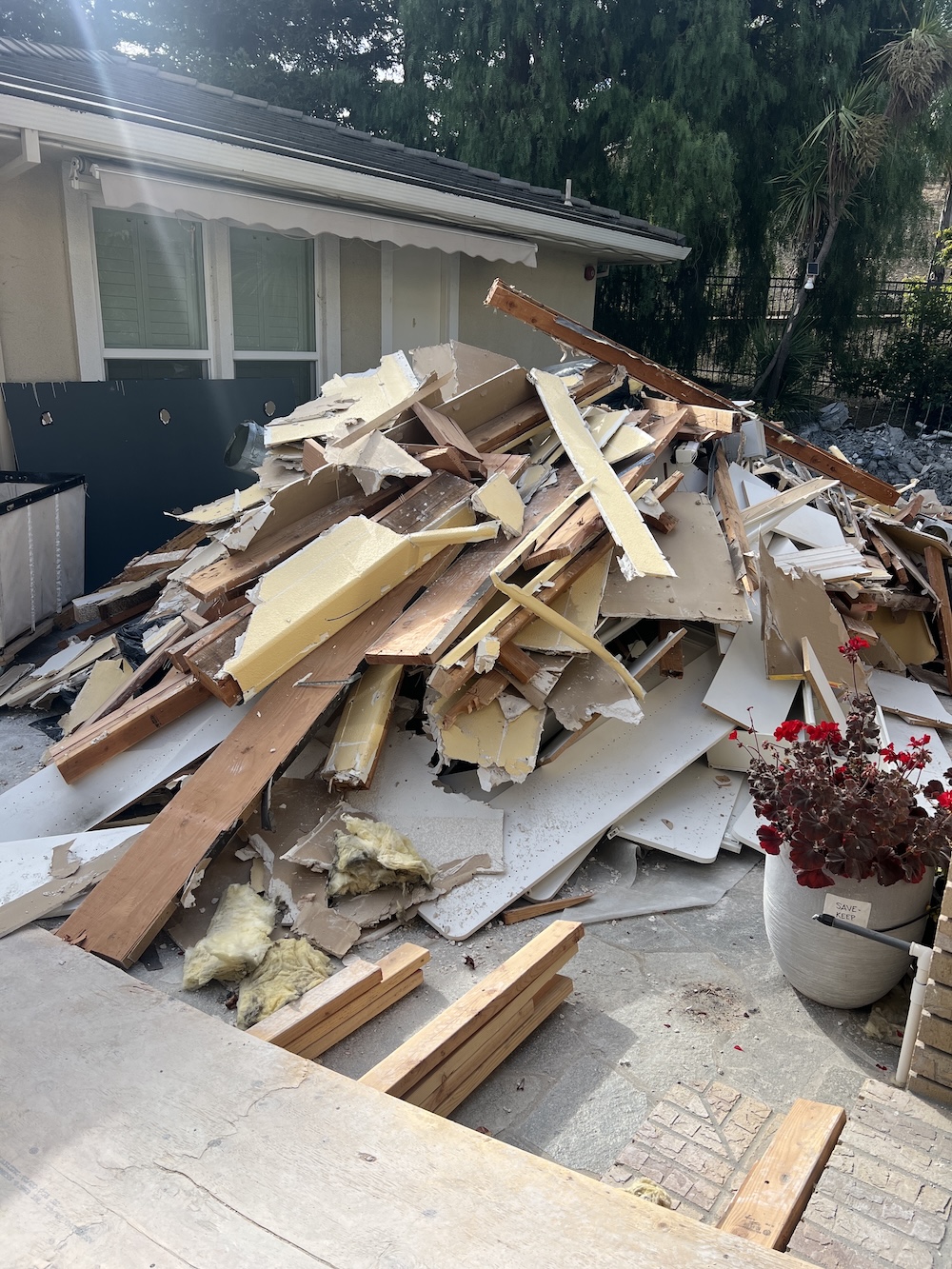
You’ve probably seen it happen on your own street. A dumpster shows up, a crew rolls in with respirators and pry bars instead of a wrecking ball, and three days later the kitchen is gutted down to the studs while the rest of the house looks completely untouched. That’s not luck. That’s selective demolition, and it’s the reason your neighbor’s remodel didn’t turn into a six-month nightmare with a blue tarp over half the roof.
Here’s the answer up front, since you didn’t come here for a history lesson: selective demolition is the practice of removing specific building materials, fixtures, walls, or finishes from a structure while leaving everything else standing and functional. It requires precision rather than complete removal. A crew targets exactly what needs to go: the old cabinets, a non-load-bearing partition, cracked tile, and leaves the framing, the plumbing runs you’re keeping, and your neighbor’s fence line completely alone. Contrast that with a full teardown, where the whole structure comes down, and you’re rebuilding from a bare lot. Most home renovation work in the US, from a bathroom gut job in Chicago to a kitchen expansion in Sacramento, actually depends on this distinction, even if homeowners don’t know the term for it yet.
Table of Contents
ToggleKey Takeaways
- Selective demolition removes targeted materials or structures while preserving the rest of the building, unlike full demolition, which clears everything.
- It’s the standard approach for kitchen remodels, bathroom renovations, interior wall removal, and flooring replacement.
- The process involves site assessment, containment setup, hand removal, and careful material sorting, often with recycling in mind.
- Permits, hazardous material checks (think asbestos and lead paint), and licensed contractors are non-negotiable for anything beyond cosmetic work.
- Cost runs lower than full demolition because labor, disposal, and rebuild scope all shrink.

What Is Selective Demolition?
Definition And Core Purpose
Selective demolition, sometimes called partial demolition in contractor bids, is the controlled removal of specific components of a building rather than the whole thing. Think interior walls, dated flooring, a section of a foundation slab for a plumbing reroute, or an entire kitchen down to the subfloor. The purpose isn’t destruction for its own sake. It’s precision. A demolition crew working this way is trying to protect what stays (structural framing, adjacent rooms, load-bearing walls) while clearing out what needs to go so a renovation can move forward on schedule. Many experienced contractors compare selective demolition to editing rather than starting from scratch. Instead of removing an entire structure, crews carefully eliminate only the components that no longer serve the renovation while protecting everything intended to remain.
How It Differs From Full Demolition
Full demolition, sometimes called complete or structural demolition, takes down the entire structure, often with heavy machinery, excavators, wrecking balls in older jobs, and high-reach shears for taller buildings. There’s no salvage plan beyond scrap metal and maybe some timber. Selective demolition flips that logic. Industry best practices emphasize selective demolition because most renovation projects only require removing specific building components rather than tearing down the entire structure. By preserving usable structural elements, homeowners can often reduce construction costs, shorten project timelines, and minimize unnecessary waste. The distinction matters for budgets too. Full demolition projects carry heavier disposal fees and longer rebuild timelines because you’re starting from dirt. Selective demolition keeps your foundation, your roofline, and often your permits simpler.
Who Performs The Work
This isn’t a job for a guy with a sledgehammer and a Saturday afternoon free, despite what a lot of DIY demolition videos suggest. Licensed demolition contractors, sometimes general contractors who subcontract the demo phase, handle selective work because it requires knowing which walls are load-bearing, where the electrical wiring runs, and how to avoid triggering a hazmat situation with old insulation or popcorn ceiling texture. Experienced selective demolition contractors specialize in this type of precision work for residential and commercial renovation projects because it requires careful planning, technical knowledge, and close attention to structural safety. One wrong cut into a bearing wall and you’re not renovating anymore; you’re calling a structural engineer and praying.
When Do Homeowners Need Selective Demolition?
Kitchen And Bathroom Remodels
Almost every kitchen remodel in the country starts with selective demolition, whether the homeowner realizes it or not. Cabinets come out, countertops get pried off, sometimes a wall between the kitchen and dining room comes down to open up the floor plan. Bathrooms follow the same pattern: old tile, a dated vanity, maybe a tub that’s getting swapped for a walk-in shower. None of this requires touching the rest of the house.
Interior Wall Removal
Open-concept layouts continue to be a popular renovation choice for many homeowners, making interior wall removal one of the most common selective demolition projects. Removing an interior wall can create better sightlines, improve natural light, and make living spaces feel larger. Before any wall is removed, however, contractors must determine whether it is load-bearing and identify any plumbing, electrical wiring, or HVAC components that may be concealed inside.
Flooring And Fixture Replacement
Pulling up hardwood, tile, or carpet to replace with something new sounds simple, and sometimes it is. But older homes, particularly anything built before the late 1980s, sometimes hide asbestos-containing adhesive under that flooring, which turns a straightforward job into one requiring abatement protocols before demolition even starts.
How Does The Selective Demolition Process Work?
Site Assessment And Planning
Every legitimate selective demolition project starts with a walkthrough. A contractor, sometimes alongside a structural engineer for anything touching load-bearing elements, maps out what’s coming down, what’s staying, and where plumbing lines, electrical wiring, HVAC components, and other utilities are located. This planning phase is where a lot of renovation budgets get saved or blown, depending on how thorough it is.
Work Zone Setup And Protection
Before a single hammer swings, crews section off the work zone. Plastic sheeting, plywood floor protection, sometimes full containment walls if you’re living in the house during the renovation. The goal is keeping demolition debris and dust confined to one area instead of drifting into your living room or your kid’s bedroom down the hall.
Hand Removal And Material Sorting
This is where selective demolition earns its name. Instead of machinery, crews rely heavily on hand tools, pry bars, reciprocating saws, and sometimes small robotic demolition units for tight interior spaces where a full-size excavator would never fit. Materials get sorted as they come out: wood here, metal there, drywall in its own pile, because sorting on-site makes recycling and material recovery dramatically easier later.
How Do Contractors Control Dust, Noise, And Damage?
Containment Barriers And Negative Air Pressure
Negative air pressure systems, essentially large fans pulling air through filtration and venting it outside, keep dust from migrating through your HVAC system into rooms you’re not renovating. This matters more than people expect, especially in older buildings where lead paint or asbestos might be disturbed.
Protecting Structural And Load-Bearing Elements
Temporary shoring, essentially bracing that holds up the load a wall used to carry, goes in before that wall comes out. Skipping this step is how ceilings sag or, in worse cases, how floors above start to crack. Qualified demolition professionals treat structural protection as a non-negotiable part of every project. Temporary supports, detailed planning, and careful sequencing help ensure the remaining structure stays stable throughout the renovation.
Scheduling To Limit Disruption
Smart scheduling keeps noisy demolition phases, jackhammering concrete, for instance, confined to hours that don’t wreck your relationship with the neighbors. It also means sequencing work so you’re not living without a kitchen for longer than necessary.

Why Is Planning So Important Before Selective Demolition?
A successful renovation starts long before the first cabinet is removed or the first wall is opened. Careful planning helps identify structural elements, utility lines, and potential hazards that could affect both the demolition process and the renovation that follows. Contractors often coordinate with architects, designers, or engineers to ensure the demolition work matches the approved renovation plans.
Planning also helps homeowners avoid costly surprises. For example, removing finishes may reveal outdated wiring, water damage, or structural issues that need to be addressed before rebuilding begins. Identifying these conditions early allows contractors to adjust the project schedule and budget before construction reaches the installation phase.
Another benefit of thorough planning is improved communication. When everyone involved understands which materials will be removed, preserved, or salvaged, the project is more likely to stay organized and efficient. Clear expectations reduce misunderstandings and help the renovation move forward with fewer delays.
What Safety And Code Requirements Apply?
Permits And Local Building Codes
Most municipalities require permits even for interior selective demolition, particularly if you’re touching plumbing, electrical, or structural elements. Requirements vary significantly by city, and something like NYC’s permitting process for selective demolition looks nothing like what you’d deal with in a smaller town in Ohio. Always check locally before assuming your project is exempt.
Hazardous Material Checks
OSHA requires an engineering survey before demolition begins to evaluate structural conditions and identify potential hazards that could affect worker safety during the project. OSHA’s demolition standards under 1926 Subpart T spell out exactly what that survey needs to cover. Asbestos, lead paint, and mold are the usual suspects in older housing stock, and hazardous material abatement protocols require specific handling before demolition crews can proceed.
Licensed Contractor Qualifications
Licensing requirements differ by state, but reputable demolition services carry insurance, workers’ comp coverage, and often certifications specific to hazmat handling. This isn’t the corner you want to cut to save a few hundred dollars.
What Are The Benefits Of Selective Demolition For Renovations?
Lower Cost And Faster Rebuild
Because you’re not rebuilding an entire structure, labor and material costs drop substantially. According to research comparing full and partial demolition costs, targeted removal isolates exactly what needs replacing, cutting both disposal fees and rebuild scope.
Less Waste Through Salvage And Recycling
Selective demolition allows crews to pull out reusable materials, wood framing, fixtures, sometimes entire cabinet sets, and route them toward salvage facilities instead of a landfill. A scientific review published on ScienceDirect found that selective dismantling can significantly increase the resale value of recovered building materials compared to conventional demolition methods.
Preserved Landscaping And Neighboring Structures
Because heavy machinery mostly stays off-site, your landscaping, driveway, and the neighbor’s fence stay intact. That matters more in dense urban lots where there’s barely three feet of clearance between houses.
Factor | Selective Demolition | Full Demolition |
Scope | Targeted areas/materials | Entire structure |
Typical Cost | Generally lower than full demolition | Higher, full rebuild |
Waste Output | Reduced via salvage/recycling | High volume, less sorting |
Timeline | Days to a few weeks | Weeks to months |
Site Disruption | Minimal, contained zones | Significant, whole-lot impact |
How Much Does Selective Demolition Typically Cost?
Costs vary wildly depending on region, square footage, and what’s being hazmat-tested, but homeowners typically see selective demolition priced by the square foot or as a flat scope-based bid, often landing somewhere between a few thousand dollars for a single kitchen and considerably more if structural modifications or asbestos abatement enter the picture. Labor considerations, local disposal fees, and whether materials get recycled or landfilled all shift that number.
What Factors Affect The Cost And Timeline?
Although every renovation project is different, several factors influence how much selective demolition will cost and how long it will take. Larger work areas naturally require more labor, while structural modifications often involve additional engineering reviews and permit requirements. Older homes can also extend the schedule if asbestos, lead-based paint, or other hazardous materials are discovered during the initial inspection.
Accessibility is another important consideration. Demolition inside upper floors, confined spaces, or occupied homes generally requires more careful planning than work in open areas. Disposal costs, recycling opportunities, utility disconnects, and local permit processing times can also affect both the project budget and completion date. Discussing these factors with your contractor before work begins helps establish realistic expectations and reduces the likelihood of unexpected delays.
How Should Homeowners Prepare For A Selective Demolition Project?
Get multiple bids, ask specifically whether the contractor tests for hazardous materials before starting, and confirm permits are pulled before work begins rather than after. Clear out anything valuable from adjacent rooms; dust travels further than you’d think, and set expectations with your contractor about which materials you want salvaged versus tossed. A little planning here prevents most of the headaches homeowners report after the fact.
How Do You Choose The Right Selective Demolition Contractor?
Choosing the right contractor is just as important as the renovation itself. Look for companies that are properly licensed, insured, and experienced with residential selective demolition rather than only full-scale demolition projects. Ask whether they handle permits, conduct hazardous material assessments when necessary, and follow OSHA safety standards throughout the project.
It’s also helpful to request a detailed written estimate outlining the demolition scope, disposal methods, salvage opportunities, and project timeline. A reputable contractor should clearly explain what will be removed, what will remain, and how the work area will be protected from dust and damage. Taking time to compare qualified contractors can help prevent costly mistakes and ensure the renovation starts on a solid foundation.
What Mistakes Should Homeowners Avoid?
One of the most common mistakes is assuming demolition is simply tearing things apart. Removing walls or flooring without understanding what lies behind them can damage plumbing, electrical wiring, HVAC systems, or structural framing. Even seemingly simple projects can become expensive if hidden components are accidentally damaged.
Another mistake is choosing a contractor based only on the lowest price. A detailed proposal that includes permits, debris removal, dust control, and cleanup often provides better long-term value than a lower estimate that leaves important services out. Asking questions about licensing, insurance, project timelines, and disposal methods can help homeowners compare contractors more accurately.
Homeowners should also avoid making last-minute design changes once demolition is underway. While adjustments are sometimes necessary, frequent changes can increase labor costs, delay material orders, and extend the overall renovation schedule. Finalizing design decisions before demolition begins usually leads to a smoother and more efficient remodeling experience.
Conclusion
Selective demolition isn’t a buzzword contractors throw around to sound fancy. It’s the difference between a renovation that stays on budget and one that spirals into a full rebuild nobody planned for. Whether you’re gutting a kitchen or opening up a floor plan, understanding this process and hiring people who actually specialize in it sets the tone for everything that follows.
Frequently Asked Questions
1. Is Selective Demolition The Same As Deconstruction?
Not quite. Deconstruction focuses specifically on disassembling a structure to maximize material reuse, often board by board. Selective demolition has a broader goal, removing targeted areas for renovation, and may or may not prioritize salvage to the same degree.
2. Can I Do Selective Demolition Myself?
Minor cosmetic removal, sure. But anything touching walls, plumbing, or older materials that might contain asbestos needs a professional, both for safety and because DIY demolition mistakes tend to get expensive fast.
3. How Long Does Selective Demolition Usually Take?
A single room might take a few days. Larger renovation projects involving multiple rooms or structural changes can stretch into a couple of weeks, depending on hazmat findings and crew availability.
4. Does Selective Demolition Require A Permit?
In many cases, yes. Permit requirements vary by city and state, but projects involving structural changes, electrical systems, plumbing, or mechanical systems often require approval before demolition begins. Your contractor should verify local requirements and obtain the necessary permits before work starts.
5. Do I Need To Move Out During Selective Demolition?
Not always. Many homeowners can remain in their homes during selective demolition if the work is limited to one area and proper dust containment measures are in place. However, projects involving extensive structural changes, hazardous material abatement, or utility shutdowns may require temporary relocation for safety and convenience. Your contractor can help determine the best approach based on the project’s scope.
6. Can Materials From Selective Demolition Be Reused?
Yes. One of the advantages of selective demolition is the opportunity to salvage reusable materials. Cabinets, doors, hardwood flooring, fixtures, and some structural lumber may be suitable for reuse or recycling if they remain in good condition. Reusing materials can reduce landfill waste, lower disposal costs, and support more sustainable renovation practices.
Residential Demolition Services Done Right
Whether you’re preparing for a home renovation, removing an old structure, or clearing space for a new project, Junked: Powered by Veterans™ provides safe, reliable residential demolition services throughout the Bay Area. Our experienced, veteran-led team handles every project with precision, ensuring your property is ready for the next phase of construction.
Why Choose Junked: Powered by Veterans™?
- Safe, Professional Demolition: We complete every project with safety, efficiency, and attention to detail.
- Complete Residential Demolition: Garages, sheds, decks, fences, interior demolition, patios, and more.
- Fast Cleanup: We remove demolition debris and leave your property clean and ready for rebuilding.
- Veteran-Led Service: Dependable communication, professional crews, and workmanship you can trust.
When you need residential demolition services in the Bay Area, trust Junked: Powered by Veterans™ to get the job done safely, efficiently, and on schedule. Contact us today for a free, no-obligation estimate.
Disclaimer
The materials available on this website are for informational and entertainment purposes only and not to provide legal or professional advice. You should contact your attorney or home improvement specialist for advice concerning any particular issue or problem. You should not act or refrain from acting based on any content included in this site without seeking legal or other professional advice. The information presented on this website may not reflect the most current home improvement developments. No action should be taken based on the information on this website. We disclaim all liability concerning actions taken or not taken based on any or all of the contents of this site to the fullest extent permitted by law.