After an estate cleanout, belongings typically go through several steps, including sorting, donating, selling, recycling, or disposal. Family members or estate executors often begin by identifying items with sentimental or financial value to keep, distribute, or pass down to relatives. Valuable belongings may be sold through estate sales, auctions, or resale services, while usable furniture, clothing, books, and household goods are frequently donated to charities or thrift stores to help others in the community. Items such as scrap metal, electronics, and old appliances are commonly sent to recycling facilities whenever possible. Anything that cannot be reused, donated, or recycled is usually taken to a waste disposal site for proper handling. Although the process can be physically and emotionally demanding, following a structured approach helps keep everything organized and manageable. The sections below explain each stage of the estate cleanout process and how decisions are typically made along the way.
Table of Contents
ToggleKey Takeaways
- They have a methodical sorting process that includes family members and professional help, ensuring that all estate items are evaluated and handled properly. This reduces the chances of missing any valuable or sentimental pieces.
- Items from an estate cleanout may follow several paths, including resale, donation, recycling, or ethical disposal. Decisions are based on the condition, value, and regulatory requirements associated with each item.
- Document recovery and data security are important processes that safeguard sensitive information and ensure compliance with legal requirements. These processes prevent identity theft and data breaches throughout the cleanout.
- Emotional sensitivity is key during the cleanout because acknowledging the personal value and history associated with items can aid family healing and pay respect to the legacy of the past.
- By partnering with trusted cleanout services, confirming their ethical rigor, and requesting transparent documentation, families can feel confident that items are being managed responsibly and that they can follow the outcomes.
- We offer post-cleanout considerations, including property repairs, staging, and estate settlement, to help you complete the transition and address any remaining obligations or family needs.
The Initial Sorting Process
Estate cleanout, first sorting. This is frequently a slow and labor-intensive process, particularly because it occurs during a difficult period for those involved. Prior to any sorting work beginning, you would be smart to walk the entire property. This gives everyone a feel for the scope and allows them to identify what might require closer attention later. Estate sorting can take weeks or even months, so breaking the work into digestible tasks keeps it from becoming overwhelming.
On-Site Triage
On-site triage is the act of triaging each item as you encounter it. The aim is to identify anything that requires immediate attention, such as critical documents, dangerous substances, or breakables. Items such as old paint cans, expired medications, or damaged electronics should be separated from the others for safety. Things with obvious value, like antiques or jewelry,y should be segregated for appraisal or family review. Spreading out areas for “keep,” “sell,” “donate,” and “dispose” right there on the spot simplifies sorting as you go. With vast estates, hiring a cleanout crew can assist in making this step move more swiftly and avoid leaving behind something vital.
Document Recovery
One of the most crucial phases is locating and safeguarding papers. Important papers, such as wills, titles, insurance files, and bank records, should be gathered first. Keep them in a safe place, like a locked box, so they don’t get lost or vandalized. They use a checklist to keep tabs on papers to locate and not skip anything. Family members should have copies of the most essential records for their own files.
Personal Mementos
Personal mementos require special attention. This could be old letters, pictures, or a wedding band. Items like these are reserved for the family to review and take. Discussing with family what these things mean can assist everyone in coping with the loss and make decisions regarding what to hold on to. Keepsake boxes for the littler things are a wonderful way to store memories without wrecking your clutter mojo. Respect these things always. The history is one thing, but it actually means something to the family.
What Happens To Estate Items?
What Becomes of the Estate Items? Others are retained by heirs for sentimental reasons or passed out according to a will. The rest get divided up: keep, sell, donate, recycle, trash. Professional advice is often needed, especially for higher-value items like jewelry, antiques, or artwork.
Option | Features | Pros | Cons |
Appraised & Sold | Professional appraisals, auction, or online sale | Maximizes value, wide reach | Time-consuming, may not sell for the expected price |
Donated | Given to charities, often in good condition | Supports community, possible tax benefit | Not all items are accepted, requires coordination |
Recycled | Sorted materials, processed at facilities | Reduces landfill waste, eco-friendly | Limited to recyclable materials |
Disposed | Proper disposal follows regulations | Clears unsellable/unusable items | Environmental impact may incur costs |
Appraised And Sold
Identify valuables such as collectibles, electronics, and antiques and have them appraised by a certified estate liquidator. This helps to establish a fair market value before a sale. Local and online auctions have access to very broad buyer pools, so there is a greater potential for competitive bidding, particularly on uncommon or sought-after items. Things have to be cleaned and staged. A wipe down or even professional cleaning can help. Let me be clear with you. You need to have realistic expectations, as market trends change and some things won’t sell for what you were hoping.
Donated To Charities
With some estate items, particularly those with minimal resale value, local charities and communities can gain. Locate charities that will take furniture, clothes, or household items and schedule a pick-up or drop-off according to their rules. Donated items have to be clean and functional. It is helpful to maintain a list of donated items for tax and personal records. Donations can simplify the cleanout and add some good vibes.
Sent For Recycling
Recycling cuts waste and fosters sustainability. Things like paper, metals, electronics, and some plastics should be diverted from landfills. By partnering with trusted recycling centers, we make sure our materials are treated right. Educating your kids as you go instills good habits. Certain items can be imaginatively upcycled before recycling.
Ethically Disposed
Right disposal respects local legislation, especially for dangerous or bulky junk. Use licensed removal services for safe, responsible disposal. Recording discarding steps keeps integrity. Think green; aim for minimal damage to the community.
The Unseen Logistics
Estate cleanouts are no joke. They usually come on the heels of a life-altering event like death or divorce. These events, for which we are long-time supporters, need strategic planning and behind-the-scenes coordination to remove, sort, and ultimately dispose of thousands of pieces in a house. Every step has to be accounted for, from pinpointing treasures that can recoup expenses to staying in tune with local regulations for dangerous waste. In a home averaging more than 230 square meters crammed with stuff, this is an even more involved process. Cleanouts can last for a few weeks as well, especially for larger estates or homes with vast collections.
A successful cleanout depends on logistics. Planning covers several critical phases:
- Assess the property and create a detailed inventory.
- Set clear removal timelines to avoid delays.
- Assign responsibilities to each team member.
- Identify items for sale, donation, recycling, or disposal.
- Coordinate pickup and drop-off with buyers and charities.
- Arrange for specialty handling of unusual items.
- Monitor progress and adjust plans as needed.
Item Tracking
- Choose a digital tool or spreadsheet for item logging.
- Assign unique IDs to each item or group.
- Record item condition, location, and destination.
- Note status changes (e.g., sold, donated, recycled).
With stock sheets, crews maintain an inventory of everything taken or purchased. These checklists assist in identifying treasures like designer jewelry or limited-edition collectibles that might reduce total fees. Constant updates are crucial as stuff flies in and out of various phases. Everyone, often family members, should be in the loop with tracking information and not left wondering.
Data Security
- Identify and collect all documents and digital devices.
- Remove data from devices using secure wipe tools.
- Shred or destroy sensitive paper records.
- Securely discard backup media.
Personal documents need to be shredded to protect against identity theft. Digital appliances, from laptops to ancient handsets, must be cleared using reliable software before selling off or chucking. Everyone who participates needs to be aware of the hazards and adhere to data protection best practices during the cleanout.
Regulatory Compliance
In many regions, there are laws that prevent you from simply tossing electronics or chemicals in the trash. Environmental regulations mandate that we recycle items to avoid pushing landfills even further. Licensed pros can help make sense of the nasty rules and manage the cleanout. Documenting your compliance efforts is a smart idea, either for your own future reference or to demonstrate to authorities if necessary.
A Life’s Story, Not Junk
Estate cleanouts are about a life’s story, not junk. Everything in a home is a piece of someone’s life, their story, their memories together. Dealing with a life’s accumulation requires attention, sensitivity, and time from all parties. It’s often long and draining, but if you approach it empathetically, it becomes meaningful.
Respectful Handling
In a hurry? You’re just going to mess it up and regret it. Each fragile teacup and a bundle of old letters must be gently preserved for its form and significance. Cleanout crews who understand this savor each box carefully, ensuring nothing is flung aside without consideration. Training is key. Teams have to view these things as not just stuff; they’re a link to a life.
Certain items, like exquisite jewels or collector’s coins, require even more care. It’s clever to put these apart for careful consideration, possibly even an expert appraisal. Even the non-resale-worthy stuff, such as patchwork quilts and family photos, can be upcycled or repurposed, finding a new home in someone else’s house. It takes time, weeks or months at times, but it’s worth it for your peace of mind.
Finding Lost Treasures
It’s frequently surprising. Occasionally, families come upon cash in a book or jewelry in a drawer. These discoveries aren’t junk—they’re a tribute to the individual’s life. Taking pictures of the stuff you want or selecting just a few items from a large stash can make it easier to release the rest. Tracking what’s discovered and distributing it makes all involved feel valued and appreciated.
Some things truly are valuable, and it’s worth it to see before you donate. Other times, the magic is in the memory, not the cost. Discovering that old letter or special toy can provide both comfort and story-sparking moments for a family moving forward together.
Choosing A Responsible Service
Estate cleanouts aren’t just about taking stuff. Most families want to know that their dear ones’ possessions will be treated with dignity and care.
The following table outlines key criteria to consider when evaluating potential estate cleanout providers:
Criteria | What to Look For |
Experience | Proven record with estate cleanouts, especially with sentimental items |
Valuation Skills | Ability to identify valuable or unique items |
Handling Process | Clear steps for sorting, packing, and transporting |
Charitable Partnerships | Evidence of donations to reputable charities |
Recycling Commitment | Use of recognized recycling facilities for non-donated items |
Reporting & Documentation | Detailed reports on item disposition |
References | Positive feedback from previous clients |
Flexibility | Willingness to accommodate special requests and handle surprises |
Ask About Process
Start by questioning every service in their process. A responsible service will explain how they review, categorize, and package for shipping. This would have to involve taking out things of sentimental or resale value. Trained staff can catch things that other people miss.
Inquire about classification. Certain providers utilize color-coded tags and lists to differentiate donations from items to sell, recycle, or dispose of. This is crucial for those worried about storing sentimental items or having certain belongings treated with a little bit of extra care.
Make the time frame clear. Estate cleanouts are a bit unpredictable. Sometimes we get held up because we discover more valuables or receive special directions. Mention any special wishes, like preserving pictures of beloved collections or leaving donations to particular charities.
Verify Partnerships
Make sure the service works with local charities and certified recycling centers. Request the names of their partners and verify if they adhere to agreements. Responsible processing implies that not all of it goes to landfill; some unsaleables will be donated or repurposed.
Choose a responsible service. If contracts are provided, read their green commitments. Transparency about how they work with partners is a positive indication. Responsible services will have no problem showing you proof of donations and recycling.
Transparency builds trust. Seek out services that are happy to talk about their partnerships and show you the evidence.
Request Reports
Ask for specific written reports on how and where things are processed. Great services track every step: donation, sale, disposal, and provide this information back to clients for peace of mind.
Transparent, frequent communication is essential. Reports simplify future tracking of what was done and usually include photos or detailed lists. This record can assist families in keeping records and making sure valuables are not overlooked.
These records will come in handy if you ever want to hang onto a single from a set or need proof for insurance or estate reasons.
After The Items Are Gone
Once the estate cleanout is done, what delivers what after? After the Pieces Are Gone First, the estate receives an up-close inspection. Folks have to look for fixes, from ancient wiring to cracked tiles, before putting the place on the market. Even minor aesthetic fixes, such as painting or patching leaks, can help increase the value. Occasionally, staging the home assists as well. That is, adding basic furniture or decoration so that buyers or renters can imagine living there. In metropolitan communities large and small, or even in quaint rural towns around the globe, a staged home sells or rents more quickly, so this step is handy for citizens who want to move on ASAP.
Some of the cleanout items are donated and find a new home. These items assist at-risk youth, supplying apparel, books, or tools that bolster life-changing programs. The rest may end up at auction houses or special buyers. For instance, good jewelry or unique coins can command top dollar. A diamond ring can sell for $16,000 or more,e and a box of vintage coins can sell for $5,000. Not all of them are valuable, however. Others do not resell at all but can be upcycled or repurposed. A broken-down chair may become a plant stand, nd and glass jars could contain art projects. If all else fails, at least recycling reduces waste. Still, some items go to a landfill if they are not good for anything, demonstrating the boundary of the cycle.
The purge itself can transform family mindset and behavior. Sorting through personal belongings is emotional. It’s those old pictures and letters and ratty jackets that bring back memories or cause those little keep-away battles. This phase requires caution and patience, particularly as family connections become stressed. Some families discover new appreciation. Others aren’t quite ready to lick their wounds yet.
When the dust clears, it’s smart to strategize next moves. This could be things like paying off debts, closing accounts, or making sure the estate is settled with local laws in mind. There are loose ends, like locating errant paperwork or dealing with attorneys. All steps require time and a calm mind to close open loops and advance.
Conclusion
There is a residue that clings when you sort through an estate. Every piece has a history, even when it’s no longer in the house. Our crews carefully sort, pack, and haul things. Some find new homes, some are donated to charity, others are recycled, and some are discarded. Every stage requires hard decisions and gentle hands. Choosing a service that cares about what happens to things makes all the difference in the world. Post-cleanout, empty rooms make room for new plans. If you want to keep in the loop with tips like these or need some estate clear-out assistance, see my blog or get in touch. I provide real-life tales and practical knowledge to lead you through every phase.
Frequently Asked Questions
1. What Happens To Valuable Items After An Estate Cleanout?
Any valuable items are typically evaluated and sold, donated, or retained by relatives. Expertise assists in understanding what has value and where to send it.
2. Are Estate Items Simply Thrown Away After A Cleanout?
Not everything goes to the trash. Items that can be used are frequently donated or recycled. We take care to ensure that only damaged or unusable items are sent to waste facilities as per local regulations.
3. How Are Personal Or Sensitive Documents Handled?
Sensitive documents get sorted, too. They are either returned to the family or securely shredded to protect privacy and prevent identity theft.
4. Can Family Members Keep Items During The Cleanout Process?
Yes, family members can claim items before the cleanout. Most services urge families to take anything meaningful first.
5. Do Estate Cleanout Services Recycle Or Donate Items?
Generally, with good companies, the majority is recycled or donated. It’s a principle of waste reduction that helps local charities and organizations.
6. What Steps Are Taken To Respect A Loved One’s Belongings?
Respect for all belongings is what professional teams provide. They appreciate the emotion and proceed tenderly, frequently conferring with families during the process.
7. How Is The Cleanout Process Documented?
A lot of services are very transparent and provide inventories or reports. This allows families to stay informed about what was donated, sold, recycled, or disposed of for transparency and peace of mind.
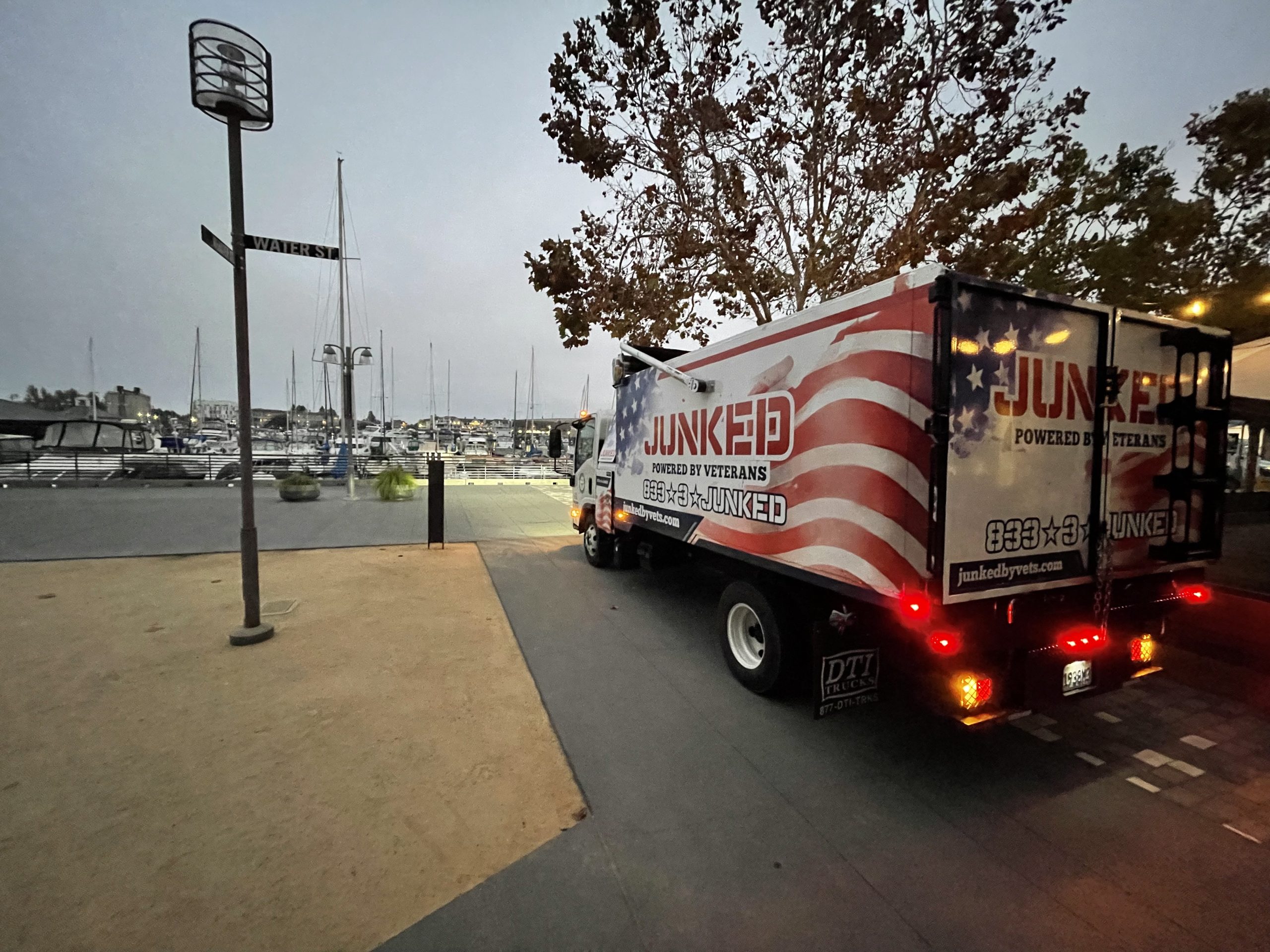
Handling An Estate Or Inherited Property? Here’s Why Bay Area Property Pros Choose Junked: Powered By Veterans™
If you’re managing an estate or dealing with an inherited property, choosing the right cleanout company matters. The wrong team can slow things down, create unnecessary stress, or leave behind items and debris that delay the next steps. At Junked: Powered by Veterans™, we help Bay Area families, executors, real estate agents, and property managers handle estate cleanouts with care, efficiency, and professionalism from start to finish.
Whether you’re clearing out a home after a loved one’s passing, preparing a property for sale, or managing a full estate transition, our veteran-led team brings respect, organization, and the right approach for every situation. We don’t just remove items, we help you move forward with a property that’s clean, cleared, and ready for what comes next.
Why Junked: Powered by Veterans™ Is The Right Choice For Estate & Inherited Property Cleanouts
- Compassionate, Respectful Service: We understand these situations can be emotional, and we handle every cleanout with care and discretion
- Full-Service Cleanouts: From furniture and personal items to garage and attic cleanouts, we handle everything so you don’t have to
- Efficient Turnaround: We work quickly to help you meet timelines for listing, renovation, or property transfer
- Eco-Friendly Disposal: Donations, recycling, and responsible disposal are always prioritized whenever possible
- Veteran-Led Professionalism: Clear communication, reliability, and a team you can trust during a sensitive time
If you’re dealing with an estate or inherited property in the Bay Area, the decision comes down to who will make the process easier. Schedule your free, no-obligation estimate and see why so many property professionals trust Junked: Powered by Veterans™ for cleanouts that are respectful, efficient, and stress-free.
Disclaimer
The materials available on this website are for informational and entertainment purposes only and not to provide legal or professional advice. You should contact your attorney or home improvement specialist for advice concerning any particular issue or problem. You should not act or refrain from acting based on any content included in this site without seeking legal or other professional advice. The information presented on this website may not reflect the most current home improvement developments. No action should be taken based on the information on this website. We disclaim all liability concerning actions taken or not taken based on any or all of the contents of this site to the fullest extent permitted by law.