Sort, donate, and dispose of stuff in a cleanout. People tend to group their stuff by use, so they determine what to keep and slide the rest into give away or toss out. Sorting involves looking at every item, pulling out what is still good or needed, and stacking unwanted items in obvious piles. For donations, they have sent clothes, books, and small tools here and there to people and local centers that accept lightly used items. Broken or not fit for use should go to recycling or safe waste bins. Every step keeps the cleanout process clear and time-efficient. To assist with each decision, the main body will detail sorting, optimal donating, and proper disposal of items.
Table of Contents
ToggleKey Takeaways
- Setting cleanout goals and adopting a good attitude as you begin will keep you on track and inspired when you hit your inevitable sentimental or logistical rough patches.
- Separating items into keep, donate, recycle, trash, and sentimental piles keeps a cleanout organized and streamlined. Decisions become easier.
- Preparing for the feelings of decluttering, recognizing the memories,s and setting up strategies for release, will help de-stress the process and make it more meaningful.
- By researching reputable donation centers and preparing items properly, you can maximize the impact of your donations and make sure they go to folks who need them. Keeping records can be great for taxes.
- By prioritizing eco-friendly disposal, including recycling and handling of hazardous waste, you can reduce environmental impact and contribute to sustainable community efforts.
- When dealing with estates or other big projects, being transparent with family and enlisting professionals or legal assistance encourages fairness, minimizes fighting, and helps make sure everything is handled.
The Mindset For Success
Success in a cleanout is not solely about physical labor. It comes from a clear mindset and a strategy founded on planning, self-awareness, and conscious decisions. Creating a clutter-free zone is more than thrifting or sorting. It is about having clear objectives, emotional preparedness, and avoiding the typical traps that bog you down. These initial steps lay the groundwork for a process that is both effective and significant, regardless of your location or context.
Set Your Vision
Begin by declaring your intent. Perhaps you desire to open up additional space for your home office or simply have a peaceful living space. Write your goals down or create a vision board, whatever you can revisit frequently. This maintains your concentration, particularly when you find yourself bogged down. If your space is large, break your work into steps: clean one room or sort one group of items at a time. That way, all those tiny wins accumulate and propel you forward. Tell your family or housemates your plans as well. They keep you honest and might jump in, making the work lighter.
Emotional Preparation
Sorting through old belongings can stir up powerful emotions. Maybe a jacket that smells like your old pal or a forgotten snapshot that transports you back in time. Allow yourself space to experience these emotions. Or perhaps write about what you recall or why a piece is significant. If it is difficult to abandon, inquire whether the item sparks true happiness or has an obvious purpose. If not, then it might be time to send it on its way. Others use a timer to reflect and then get on with it. This prevents you from being mired in the past.
Avoid Common Pitfalls
It’s easy to keep things ‘just in case’ or out of guilt. To avoid this, use a system like the 5-Box Method: keep, donate, sell, recycle, and toss. Give each decision a hard limit to save you from overthinking. Sometimes you need to ask, would I buy this again or ” Will I use this in 6 months? Distractions are omnipresent, so schedule short, intense foci. If you start to lose steam, a quick call or text to a friend gets you back on track. Attack one drawer or shelf at a time, which gives you a feeling of accomplishment.
How To Sort Your Items
Sorting is the foundation of any good cleanout. Separating your stuff into distinct piles will accelerate your sorting and reduce frustration. Begin by just pulling things out—if it’s your closet, empty all clothes onto your bed. Use the 5-Box Method: grab five boxes or bags and label them Keep, Donate, Recycle, Trash, and Relocate. This allows you to easily figure out where everything belongs. Create a checklist for each room or area, so you don’t overlook anything lurking in drawers or cabinets. Select a location, then create a space for each pile. Process your belongings in passes, verify your results, and shift things around if you reconsider.
The Keep Pile
Have you worn or used it in the last year? If so, or if it sparks genuine joy, retain it. This pile should be as small as possible. Only the things you need or love survive. Sort these by room, like kitchen or bedroom, to make laying things away easier later. For stuff you want but don’t currently use, such as winter clothes or mementos, consider storage. Clear bins or labeled boxes are great for shoving them out of the way, but accessible.
The Donate Pile
Set aside everything that still functions or is in good condition,n but you don’t need it. See who can use what you have by checking with local charities or community groups. As you sort, toss donations directly into a labeled box or bag. Don’t wait too long. Make a date to drop them off so they don’t start to accumulate again.
The Recycle Pile
Sort out paper, plastics, metals, and electronics to be recycled. Check your city or area’s recycling regulations because not everything belongs in the same bin. Bring your recyclables to the appropriate center. If you’re crafty, try to give new purpose to old jars or boxes before you dump them; they’re recyclable, too.
The Dispose Pile
Trash is broken, soiled, and non-fixable. Throw away heavy-duty bags and special pickups for big stuff like furniture. Look up regulations on the disposal of electronics, batteries, or chemicals, as these have to be handled specifically. Having a clear idea of what to toss and what to repair or repurpose ensures your heaps remain neat and your purge conscientious.
The Sentimental Pile
Reserve a memory stronghold. Keep this pile lean. Less is more. Photograph things you want to reminisce about, but don’t want to keep. Consider why you’re hanging on to each item and if the remembrance is in the object or in you.
Responsible Donation Guidelines
While donating items during a cleanout can make a real difference, the process requires care and planning. Not everything is donation-worthy. Take a moment to look over each item’s condition and pair it with the recipient organization in need. There are some responsible donation guidelines you should know: Most centers have strict rules, so donors should read these to prevent having items refused or thrown in the landfill. Timing is important; contributing warm clothes ahead of winter or school supplies before the new school year goes a long way toward making sure they get where they’re needed most. Dignified acts such as cleaning, sorting, and packaging respect the time of volunteers and the recipients.
Find Reputable Centers
Research local charities and donation centers that fit your values and mission. Begin by looking into their mission and where they provide services. Go online and browse reviews and testimonials to see how reputable and responsible the center is in allocating donated items. If you can, visit them to witness their process and their needs. Contacting community organizations or neighborhood groups can provide you with reliable advice. This initiative assists in ensuring your donations are utilized effectively and get to those who require them.
Item Preparation
- Wash and dry all clothes before donation
- Repair minor damages such as loose buttons or zippers
- Place goods in sturdy boxes or reusable bags
- Mark boxes to indicate contents, for example, “men’s jackets” or “children’s books.”
- Remove personal data from electronics before donating.
ALL ITEMS need to be in GOOD–USABLE condition, as broken goods often find their way to the landfill and create additional work for volunteers! Donations that are clean and well-packed have the best chance of being sold or distributed. Adhere to the center’s item guidelines closely and respect their rules. Some places simply can’t accept certain donations due to storage or safety restrictions.
Digital Donations
Not all things are tangible. Consider donating e-books, expired software licenses, or online subscriptions to schools, libraries, or nonprofits via reliable digital channels. Look into safe alternatives that are a good fit for your cause. Community groups appreciate shared access to digital resources, particularly in low-budget environments. Remember to record digital donations for your own records or taxes.
Sustainable Disposal Methods
Selecting sustainable disposal options for cleanout leftovers makes a difference both to the environment and your community. Sustainable options help reduce landfill waste and allow resources to live on in another form. As you compile items, consider what could be repurposed, recycled, or donated before you throw them out.
E-Waste
E-waste should never land in ordinary garbage cans. Old phones, laptops, and e-waste have metals and chemicals that can affect water and soil if they are landfilled. Most cities or towns have certified e-waste recycling centers that deal with these items with care. Be sure to research local laws and seek out centers that adhere to stringent environmental practices.
You can usually donate working electronics. Schools, community centers, and non-profits can use computers, tablets, and other devices that still function. Don’t just give stuff away — only transfer it when the recipient needs it, so you’re not just transferring the disposal problem. The table below shows common donation options:
Organization Type | Accepted Items | Donation Tips |
Schools | Computers, tablets | Check age and software needs |
Community Centers | TVs, phones | Ask about specific requirements |
Non-Profits | Laptops, printers | Ensure all personal data is erased |
Knowing how to dispose of e-waste sustainably minimizes your environmental footprint and prevents others from coming into contact with toxic substances.
Hazardous Materials
Hazardous items like paint, batteries, and household chemicals require special handling. It’s hazardous to toss these out with your normal garbage. Some communities have convenient collection days or drop-off centers for hazardous items. They’re initiatives that keep toxins out of landfills and water supplies.
Dispose of it responsibly, according to local regulations. Make sure you always read the labels and keep hazardous items in their original containers until they can be dropped off. Knowing what risks are associated with improper disposal can help you steer clear of damaging the environment or public health.
Bulky Items
Think about furniture and appliance items. They occupy a significant amount of landfill space. A few can be given to charities or shelters when they’re still in fair condition, kindling the joy for someone else. A lot of cities have bulk pickups. Find out when and what the rules are; otherwise, you can get a ticket. Junk removal companies, like 1-800-GOT-JUNK, can take care of items that are too large to put out for normal disposal.
Frequent purging keeps their quantity in check and encourages greener habits. Put labeled boxes or bags to sort items, junk first, to keep up the pace.

Handling Estate Items
Sorting, donating,g and disposing of estate items is a delicate, methodical process. Legal requirements and family needs, as well as emotions, all factor in. Before diving in, take a complete inventory of everything — from vital paperwork to personal artifacts. It helps families discuss openly what should occur and keeps it equitable. To organize and simplify, label piles as “Keep,” “Donate,” and “Toss.” Taking on one room or category a day helps segment the process into manageable pieces, so you don’t get overwhelmed. Below is a table showing the main legal implications involved:
Aspect | Will | Trust | Key Considerations |
Definition | Legal document with wishes for assets after death | Legal entity holding assets for beneficiaries | Both can dictate how to distribute items |
Role in Cleanout | Directs what heirs receive; may name executor | Allows smoother transfer, sometimes skips probate | Must follow the stated instructions strictly |
Potential Issues | Can be contested by family or creditors | More privacy, but needs proper setup | Legal advice often needed for complex estates |
Legal Documents
Locate legal documents: wills, trusts, insurance policies, birth certificates, and financial statements. These are important since they direct the rest of the process and safeguard heirs’ rights. Keep all papers in one safe, marked location so nothing gets lost. If you’re lost when it comes to the paperwork, consult an estate lawyer. Legal advice can avoid conflict and ensure conformity with local law. Have a backup somewhere, digital or physical, because you don’t want to lose it in a fire or other emergency.
Sentimental Heirlooms
Heirlooms tend to be highly emotional. Consult with family to find out what means the most and have them share memories or stories. Work out an equitable method of dividing these items up. This might be by lot, turn, or agreement. Occasionally, photographing sentimental items lets them be remembered without keeping them all. Consider making a family history book with stories and photos, which can make the experience meaningful and help future generations understand their legacy. When in doubt, balance pragmatism with sentiment.
Fair Distribution
Establish firm boundaries for dividing up estate items so no one assumes anything beyond their agreement. Some family members use a lottery, while others allow everyone to take one item each round. Make a list of what has been decided so no one forgets or feels excluded. Be direct and confront issues as they arise. If disputes arise, concentrate on equity and harmony.
When To Seek Help
Cleanout deed — sorting, donating, and throwing away — starts simple, but rapidly becomes grueling. When the things to sort become overwhelming, it’s time to seek assistance. If you look in a room filled with boxes or furniture or years of stuff, it can seem never-ending. For bigger undertakings, such as estates with numerous rooms or more than one location, you may require additional hands or expertise. When you’ve got stacks of stuff in multiple locations or if the project deadline is unforgiving, a professional estate cleanout service saves time and keeps things moving. They know how to sort, pack, and haul away. If there are hazardous materials, big furniture, or loads of heavy lifting, they have the proper equipment and expertise.
Going through old stuff always has emotions attached. When you stumble upon photos, letters, or family mementos, it’s tough to know what to hold onto or release. Emotional connections can drag things down and cause you to doubt decisions. If you’re stumped, having someone there with you—a friend, family member, or even a pro—can assist with the hard decisions. Asylum: When to Seek Assistance. Occasionally, you’ll require a new set of eyes or somebody less connected to the items to assist in sorting, packing, and making firm decisions. If it’s grief or loss, support groups or local resources will walk you through the process and provide tips on reducing belongings without stress.
Physical limits count. Cleanouts usually require bending, lifting, carrying, or moving stuff up stairs or into trucks. If the work is too much for one person or you have health issues, it’s wise to seek assistance. Pay people to do things like move large pieces of furniture or purge heavy boxes. If you’re not sure what to do with antiques, outdated tech, or collectibles, contact experts who know how to value, sell, or donate such items. If you’re obligated to comply with waste regulations or aspire to recycle, professionals can lead you in the right direction.
Conclusion
Sorting, donating,g and tossing out stuff is some serious work, and you need a clear head to do it well. By dividing large piles into smaller tasks, you prevent them from becoming overwhelming. Donation not only helps out others,s but also reduces waste. Giving things away and safely tossing out stuff is good for the planet. Estate items or hard stuff require more attention and occasionally assistance from specialists. Each step is worth it when you view the expanse of cleared space and diminished clutter. These moves belong anywhere, anytime, and help you maintain order that endures. For other tips, visit the blog or share how you stay on track with your cleanouts. Keep educating, keep evolving, and keep your environment empowering.
Frequently Asked Questions
1. What Is The Best Way To Start Sorting Items During A Cleanout?
Start by sorting items into ‘keep’, ‘donate’, ‘recycle’, or ‘dispose’. This gives you a visual of what you have and forces fast decisions for each item.
2. How Do I Know If An Item Is Suitable For Donation?
Donate things that are clean, safe, and in working order. Don’t donate broken, stained, or hazardous things. Verify with local acceptance guidelines for donations.
3. What Should I Do With Items That Cannot Be Donated or Recycled?
Recycle or toss these locally. For hazardous or electronic waste, follow your municipal guidelines.
4. How Can I Responsibly Donate Items Internationally?
Select reputable global organizations that will accept international donations. Check their guidelines and make sure your items fit before you ship.
5. What Are Sustainable Ways To Dispose Of Unwanted Items?
Utilize recycling centers, composting, and specialized collection programs. They minimize landfill waste and promote eco-friendly practices.
6. How Should I Handle Valuable Or Sentimental Estate Items?
Evaluate the worth and significance of every item. Think about getting a professional appraiser involved or bringing your family members into the decision process so you handle things respectfully.
7. When Should I Seek Professional Help For A Cleanout?
Get assistance for large volumes, time constraints, or removing hazardous materials. Experts can offer quick, secure, and eco-friendly options.
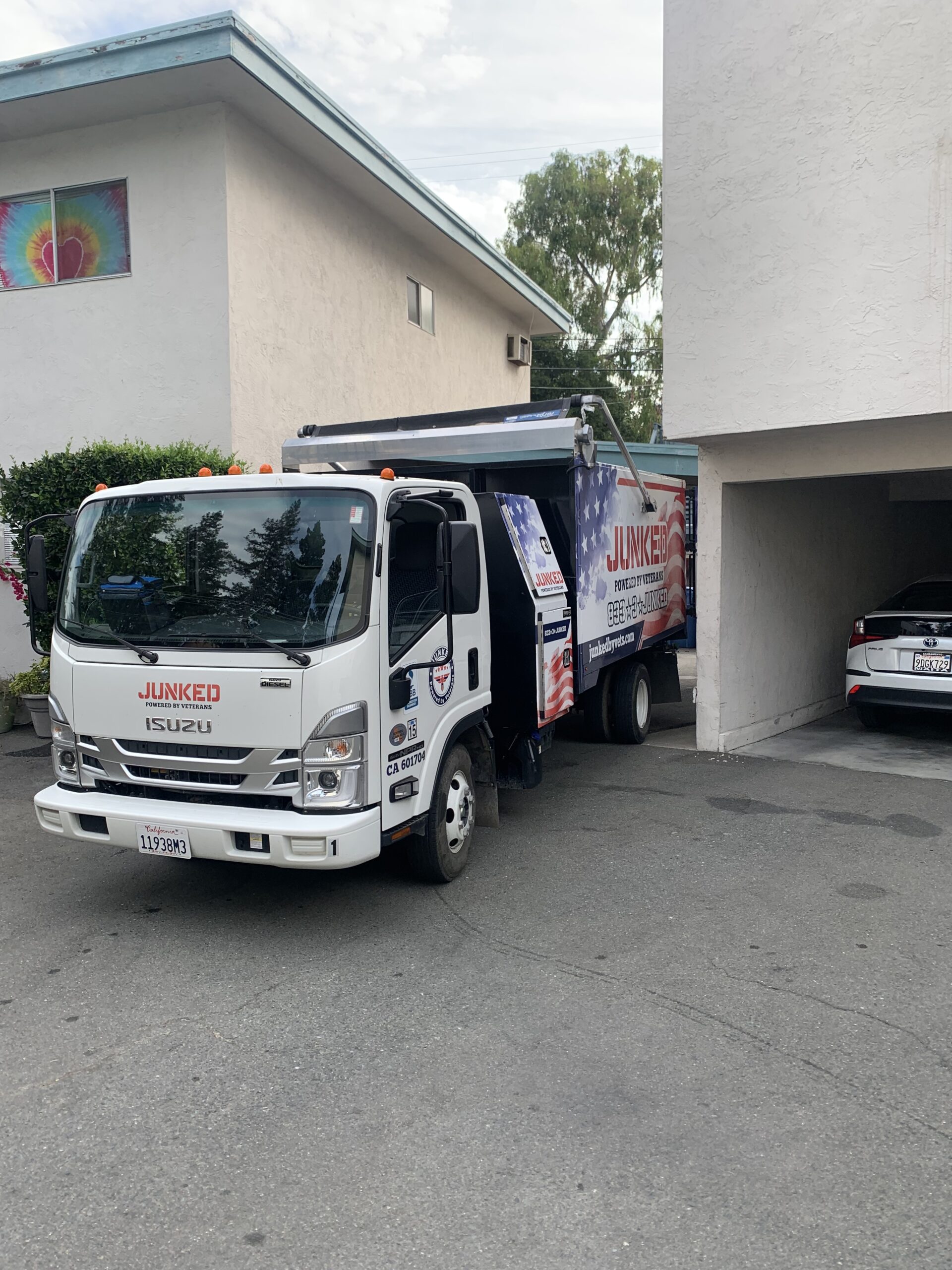
Handling An Estate Or Inherited Property? Here’s Why Bay Area Property Pros Choose Junked: Powered By Veterans™
If you’re managing an estate or dealing with an inherited property, choosing the right cleanout company matters. The wrong team can slow things down, create unnecessary stress, or leave behind items and debris that delay the next steps. At Junked: Powered by Veterans™, we help Bay Area families, executors, real estate agents, and property managers handle estate cleanouts with care, efficiency, and professionalism from start to finish.
Whether you’re clearing out a home after a loved one’s passing, preparing a property for sale, or managing a full estate transition, our veteran-led team brings respect, organization, and the right approach for every situation. We don’t just remove items, we help you move forward with a property that’s clean, cleared, and ready for what comes next.
Why Junked: Powered by Veterans™ Is The Right Choice For Estate & Inherited Property Cleanouts
- Compassionate, Respectful Service: We understand these situations can be emotional, and we handle every cleanout with care and discretion
- Full-Service Cleanouts: From furniture and personal items to garage and attic cleanouts, we handle everything so you don’t have to
- Efficient Turnaround: We work quickly to help you meet timelines for listing, renovation, or property transfer
- Eco-Friendly Disposal: Donations, recycling, and responsible disposal are always prioritized whenever possible
- Veteran-Led Professionalism: Clear communication, reliability, and a team you can trust during a sensitive time
If you’re dealing with an estate or inherited property in the Bay Area, the decision comes down to who will make the process easier. Schedule your free, no-obligation estimate and see why so many property professionals trust Junked: Powered by Veterans™ for cleanouts that are respectful, efficient, and stress-free.
Disclaimer
The materials available on this website are for informational and entertainment purposes only and not to provide legal or professional advice. You should contact your attorney or home improvement specialist for advice concerning any particular issue or problem. You should not act or refrain from acting based on any content included in this site without seeking legal or other professional advice. The information presented on this website may not reflect the most current home improvement developments. No action should be taken based on the information on this website. We disclaim all liability concerning actions taken or not taken based on any or all of the contents of this site to the fullest extent permitted by law.