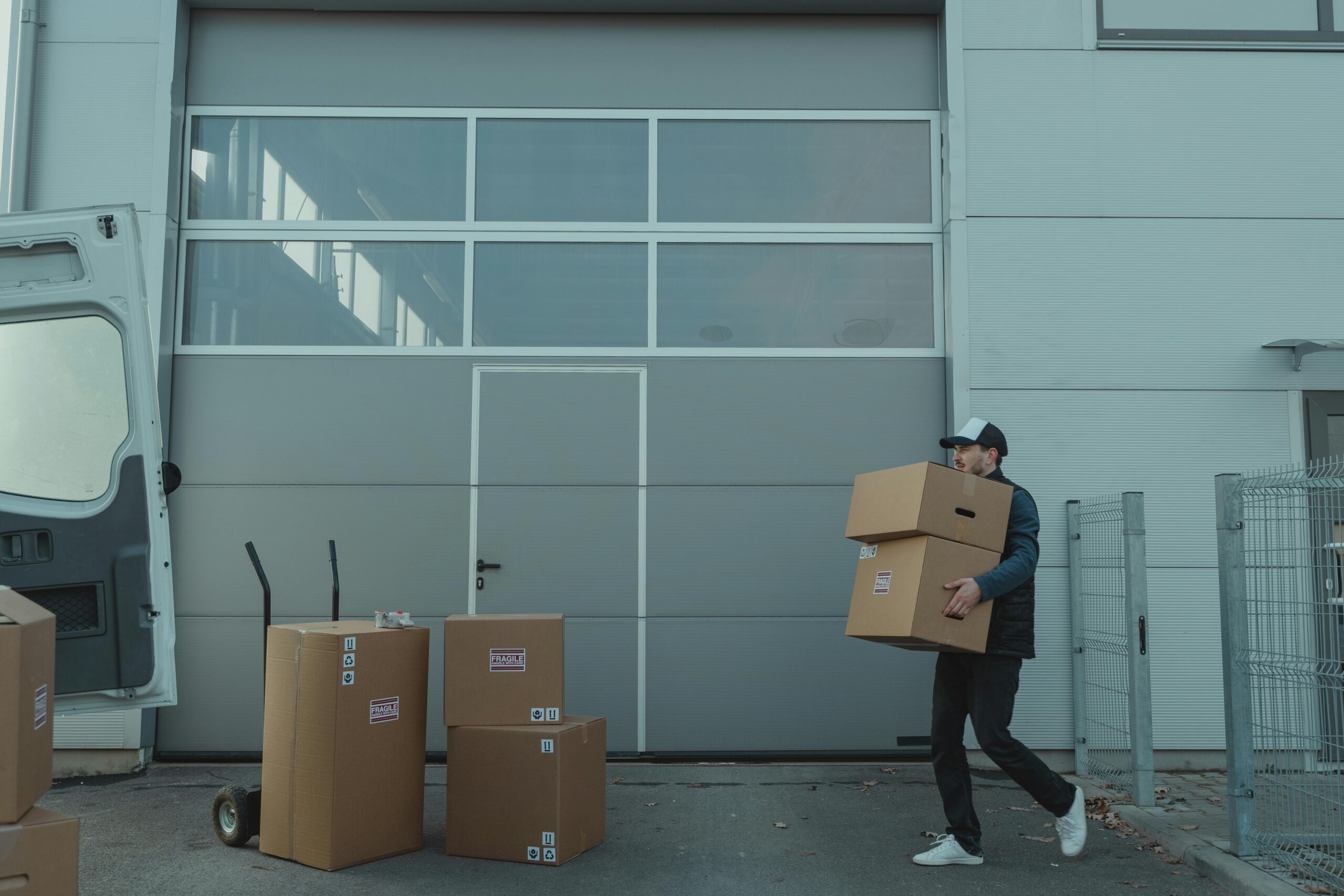
How we stay green while cleaning out the waste refers to using safe methods and smart steps to reduce damage to the earth when we dispose of trash. Decisions like separating garbage, opting for reusable containers, and selecting non-toxic cleaning solutions contribute to the health of our air, water, and soil. Many teams have switched to electric trucks and energy-efficient equipment to reduce fuel consumption and emissions on the job. Little things like composting food scraps and repurposing components from old gear go a long way to conserving raw materials and reducing landfill contributions. To keep pace with regulations and optimal methods, regular checkups and training count as well. In the following installments, we detail easy ways to stay green while clearing waste.
Table of Contents
ToggleKey Takeaways
- Cleaning up that junk in a sustainable way, going green with your cleaning supplies and recycling, makes the earth a better place to live and helps fight the global carbon footprint.
- One that makes sure we’re staying green while we’re clearing out the crap.
- By incorporating local charities and donations and encouraging recipients to upcycle what’s reusable, you not only help your community, you stretch the lifespan of these products and in turn reduce your waste.
- By employing cutting-edge, energy-efficient, and biodegradable technologies in our clean-outs, we improve our service while we reduce waste and emissions.
- Teaching clients and involving them in green efforts builds community and helps create environmental consciousness.
- Sustainable cleaning solutions are great for the environment and great for your bottom line as they provide long-term savings due to decreased disposal costs and resource efficiencies.
Our Green Philosophy
We concentrate on practical actions that reduce waste and conserve energy. It’s not simply what we do on the job; it’s a lifestyle that influences how we vacuum, recycle, and compost every day. It’s all about the 3 R’s — Reduce, Reuse, and Recycle. We don’t just take them as a motto. These measures direct our efforts and inform our decisions. We select earth-friendly cleaning products that biodegrade quickly and don’t saturate the air or water with toxic chemicals. They’re effective and more earth-friendly. For instance, we take plant-based cleaners for both floors and surfaces, opting for brands with obvious eco labels. That’s how we keep spaces clean without adding to pollution.
Waste minimization. We seek out opportunities to use less, from shopping for supplies in bulk to ditching single-use plastics for reusable bins and bags. When we do use, we separate and preserve what we can for reuse. We use old boxes for tools, glass jars for screws, and even torn-up towels as rags. Composting is included in our day plan as well. We teach teams to separate coffee grounds, fruit peels, and other scraps for compost, not garbage. This reduces food waste and returns nutrients to the soil.
For us, recycling is more than just a chore. It’s ingrained in our DNA and we demonstrate to others how to do it right. We label bins with clear signage and conduct brief workshops on what is recyclable and what isn’t. Our Green Philosophy Our teams discuss with clients about separating paper, glass, and metal. We discuss the difference every choice makes. By demonstrating the connection between waste and carbon footprint, we assist others in understanding why these measures are significant. We further advocate for energy conservation through the use of energy-efficient equipment and the practice of shutting off lights and equipment when not in use.
We understand that everybody makes a difference. By sharing these tips and setting the example, we teach others early on. Educating the three R’s in schools or local groups can cultivate a new generation of eco-conscious individuals. Every little bit counts toward a cleaner world.
The Green Cleanout Process
A green cleanout places care for the earth in the center of every decision. It aims to reduce waste, recycle what we can, and use non-toxic products. This technique reduces damage to the earth and helps keep the air and water inside your home healthy for everyone. From the initial check to the final chunk of garbage, every detail contributes to a less wasteful process and a better model for others.
1. Assessment
The green cleanout begins with a deep inventory of everything to be cleaned out. Every item is inspected to identify what can be recycled, repaired, or repurposed. A checklist directs the process, ensuring that nothing gets overlooked. This phase involves consulting with clients about their waste targets and specific requirements. It’s critical to provide a free, no-obligation estimate based on this check, so customers don’t get hit with surprises.
2. Sorting
Sorting means putting items in groups: what to recycle, donate, or throw away. Staff are trained to identify what is reusable or recyclable, which streamlines the process and reduces mistakes. For best results, clients are encouraged to participate in the sorting. An easy infographic explains what can go where, from e-waste to garments and glass. This step keeps more out of landfills, where waste like plastic can linger for centuries and leach methane.
3. Donation
Usable stuff goes to local charities. This breathes new life into things and keeps them out of the dump. Customers discover that donating that antique dresser or precious chisel benefits someone else and revitalizes your community. With every donation, a receipt is provided, which gives you great help with your taxes. Giving away stuff does more than reduce dumping; it can ignite a sense of pride and community.
4. Upcycling
Others get a second act through upcycling. Clients receive inspiration and advice for transforming old wood or jars into shelves or storage. Local artists can participate, demonstrating how reuse can be practical and artistic. When you share your upcycling wins, you help others realize the value in what might be tossed!
5. Disposal
For what can’t be reused or repaired, responsible disposal is a priority. That means educating clients on why they should dispose of certain items the right way, such as keeping toxins out of the water. Only licensed waste companies are used, and customers receive information on where to dispose of hazardous materials, such as batteries or paint. Composting food scraps is urged to reduce landfill waste and trim greenhouse gases.
Beyond the Bin
Wiping out waste with a green attitude means thinking beyond the recycling bin. A lot of steps – large and small – keep trash in check and our planet in mind. An important role is considering how we address waste prior to it reaching the bin. Composting is one of the easiest and most powerful ways we can reduce landfill waste and give back to the soil. Food scraps account for 24.1 percent of what ends up in U.S. Dumps, yet just 5 percent of discarded food is composted. Throw in yard trimmings, wood, and paper, and these organic bits account for over half, 51.4 percent, of landfill refuse. That is a big opportunity to improve.
Composting fits many lifestyles. It works inside with little bins or outdoors with piles or tumblers. You can keep it simple by just mixing food scraps and yard clippings, or maintain a 25 to 30 to 1 carbon to nitrogen ratio for optimal results. Compost can take as little as four weeks or as long as a year, depending on how frequently you turn it and what you feed it. The payoff is big: compost boosts soil’s water holding, crop yields, and even the ability to bounce back after tough weather.
- Buy less and use what you have first.
- Choose items with less or no packaging.
- Bring your own bags and containers for shopping.
- Compost food scraps, coffee grounds, and yard waste.
- Fix things rather than toss them out.
- Join swaps or use secondhand shops.
- Donate what you don’t need.
- Learn what your local recycling program accepts.
- Choose reusable over single-use when you can.
- Support brands that use green materials.
Culture determines our waste perception and behavior. Educating both kids and adults on just how much we’re tossing, what can be reused, and how compost works establishes habits for life. Community classes, school projects, and easy-to-read guides help everyone get on board.
Team initiatives assist. Local groups could plant trees, conserve native plants, or establish composting hubs. These actions serve humanity and the Earth by turning spaces into veritable oases of green vibrancy.
Our Eco-Friendly Technology
Eco-friendly tech is more than a green sticker. It mixes innovation, energy-smart technology and improved workflows to reduce waste and assist the environment. Employing these tools in our cleaning services has an actual impact. The table below shows key technologies we use:
Technology | Main Benefit | Example in Use |
Energy-efficient machines | Lower energy use and less emission | HEPA vacuums with low-watt motors |
Biodegradable cleaning agents | Safe for people and nature | Plant-based surface cleaners |
Renewable energy integration | Less fossil fuel, less pollution | Solar-powered cleaning carts |
Water-saving systems | Reduce water waste | Low-flow spray nozzles on pressure washers |
Programmable thermostats | Smart control, less wasted energy | Automatic heating/cooling in cleaning areas |
Industrial symbiosis | Waste repurposed, less landfill use | Spent mop heads turned into packing material |
Powerful cleaning tools lead the way in our process. Low-energy vacuums and electric sweepers run on less power, which means less greenhouse gas. Several of our tools now have sensors that adjust power to the job, so we’re only using what we need. These little things make a difference, particularly in large buildings or extended work days. This is green technology, just in case it’s not green enough; it reduces energy expenses, as well.
Biodegradable cleaners are a no-brainer for us. These cleaners decompose quickly and leave no poisonous residue. They fight hard on stains and gently on water and soil. For instance, we utilize plant-based disinfectants that pass rigorous safety standards. That’s how cleaning doesn’t hurt people or pets or add toxic chemicals to rivers or lakes.
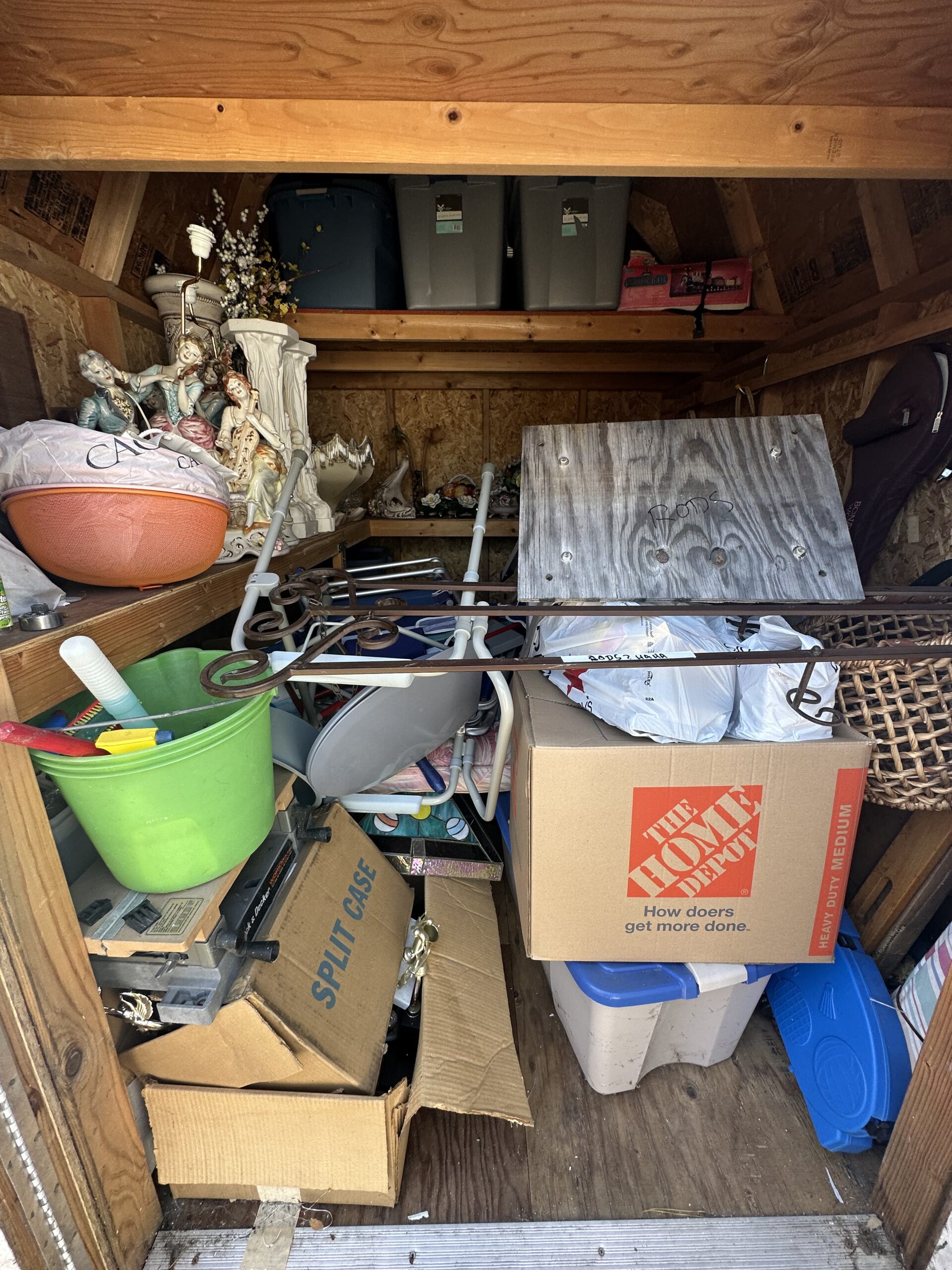
Ongoing optimization is what powers our green initiative. We try new products, refresh our gear and monitor our fuel consumption. If a new technique proves to conserve even more water or energy, we give it a shot. We find reuse for waste, too, like sending mop heads and old rags to partners who convert them into packing fill. This type of industrial symbiosis is crucial to a sustainable future. It’s not just about our company. Change needs everyone: people, businesses, and governments.
The Economic Sense
Green cleaning isn’t just a fad; it’s something that makes economic sense in the long term. Opting for green clean services may seem expensive initially, but the actual figures tend to say otherwise. Most services incur less business-shaped costs as well. With longer-lasting supplies, reduced single-use plastics and less toxic chemicals, companies can dodge the hidden fees associated with health hazards and pollution. For instance, when companies trade out caustic cleaners for more secure alternatives, they don’t only curb their footprint on earth, they decrease the incidence of worker illness as well, resulting in less absenteeism and more consistent output.
Recycling is another place where savings appear quickly. When corporations separate their trash and recycle, they reduce landfill waste. Reducing waste volume just that much translates into significantly lower disposal fees. In large cities, with waste fees proportional to what you toss, recycling can save you a few thousand dollars annually for both offices and factories. Small things like powering down computers every night or switching to LEDs contribute to large savings in electric bills each month.
The advantages of green extend well beyond the balance sheet. Investments in eco-friendly practices, like putting in water-saving fixtures or sourcing supplies from responsible vendors, tend to pay for themselves over a few years. The enduring benefits are in reduced utility bills, reduced penalties for violating environmental regulations, and an enhanced brand value. When organizations genuinely care about the planet and the people who work for them, public trust follows. This may lure in the best people and the most loyal customers, and it can pay off with stronger market results. Governments assist in reducing the cost via tax credits and grants for eco-friendly improvements.
Economic sense, too, balancing profit, planet and people. Occasionally, the older, less resource-intensive cleaning methods are superior to the newer, disposable-laden ones. There’s an economic sense to sprinkling social and environmental objectives into the daily grind that can fuel consistent growth. Workers in healthy, green offices stick around longer and take less sick time, which keeps teams strong and reduces hiring expenses.
Organization | Green Practice Implemented | Savings/Outcome | Region |
Tech Office | Computer shutdown policy | $3,000/year electricity | Germany |
Hospital | Waste sorting & recycling | 40% lower landfill fees | Singapore |
Retail Chain | Eco-certified cleaners | 25% drop in sick days | Canada |
Factory | Water-saving systems | 20,000 L/month saved | Australia |
A Ripple Effect
A ripple effect demonstrates how a single act can transcend the individual who initiates it, radiating out into the broader world. In green cleaning, this concept translates into even one tiny stride towards less waste can count. When we scrub out garbage mindfully—separating recyclables, opting for green products, or conserving water—our decisions accumulate. It catches on as others see and do. It’s not merely theory. Research indicates that when one household switches to composting or reuses containers, neighbors are more likely to follow suit. Action begets action, and the chain continues to lengthen.
Clients frequently set this in motion. When you tell your green cleaning story — whether it’s posting your results online, chatting about it at a community event, or simply telling a friend — you’re inspiring others. Take, for instance, a family that reduces plastic and posts their advice. Friends and family might be inspired to follow suit. This sharing creates a ripple effect. It grows a culture where intelligent, green habits are common, not uncommon. Over time, communities experience decreases in landfill waste and improved air and water quality. These aren’t mere assertions. In other cities, local groups employed clean-up days or recycling drives to ignite bigger movements. The ripple effect is clear. One group’s push leads to wider changes, with real results.
Whatever begins with one may endure for years. Children who observe their parents separating garbage or conserving water usually get the same habits. Schools that initiate clean-up projects or educate about reduced waste have students take those concepts back home. The effect ripples forward, influencing decisions for years. Health is in on this as well. Less junk and cleaner homes lead to less toxins and illness. The ripple effect doesn’t stop at the planet; it improves life for people, too.
Conclusion
About how we stay green while cleaning out the waste. We recycle what we remove, use new equipment, and partner with like-minded crews. Each little bit we do reduces waste and keeps more stuff out of landfills. Our tech enables us to capture what we save, so we know we make a difference. It’s more than waste; it’s about doing something good every day. We have more people who want this and support the movement for cleaner cities and less damage to the environment. Care to join in or throw some ideas our way? Contact us and be part of this green way together.
Frequently Asked Questions
1. How do you ensure your waste cleanout process is environmentally friendly?
We sort and recycle as much material as we can. Our crews utilize biodegradable supplies and we work with licensed recycling facilities. It’s about staying green when we’re cleaning out the trash.
2. What types of technology do you use for eco-friendly waste management?
Through high tech sorting systems and low-emission vehicles. These technologies assist us in remaining environmentally conscious while cleaning out the waste.
3. Why is your green cleaning process better for the environment?
Of how we go green in the waste cleanup. Doing so prevents pollution in the air, water, and soil, fostering a healthier and safer environment for everyone.
4. How do you handle hazardous or electronic waste?
We adhere to rigorous protocols for the safe segregation and delivery of hazardous or electronic waste to authorized centers. This keeps toxins out of the environment through safe disposal.
5. Can your green cleanout services save customers money?
Yes. Because we recycle and reuse, we reduce disposal costs. Customers can sometimes cash in with lower rates and even get compensation for items that can be reused or donated.
6. What happens to items that can’t be recycled?
Non-recyclable items are responsibly disposed of at licensed facilities. We are always green while we clean out the debris.
7. How does your green approach benefit the community?
Here’s how we stay green while clearing out the junk. That means cleaner neighborhoods and healthier living for all.
Build Brand Authority Through Veteran Excellence: Demolition You Can Trust
Every great brand starts with integrity, discipline, and a mission to serve. At Junked: Powered by Veterans™, we don’t just tear down structures—we build trust, credibility, and lasting impact with every project we complete. Our veteran-led team delivers professional demolition services that reflect precision, accountability, and honor, values that define both our work ethic and our reputation across the Bay Area.
When clients hire Junked, they’re not just choosing a demolition company—they’re partnering with a brand built on service and results. From commercial site teardowns to residential interior demolitions, our team brings military-grade attention to detail and efficiency to every job.
Why Junked: Powered by Veterans™ Builds Trust and Brand Strength
✔ Veteran Leadership – Our mission-driven team brings integrity, teamwork, and focus to every project.
✔ Proven Professionalism – We’ve earned a reputation for showing up on time, staying on budget, and finishing strong.
✔ Safety & Precision – We follow the highest safety standards while delivering efficient, clean results.
✔ Sustainable Practices – We recycle and repurpose materials whenever possible to protect our communities.
✔ Community Commitment – Every project supports veteran employment and helps strengthen local economies.
Your brand’s reputation matters. Partnering with a veteran-owned business like Junked means aligning with values that inspire confidence and respect. Together, we’ll clear the way for progress while demonstrating leadership and integrity at every step.
Let’s get started. Schedule your free demolition estimate today and see how Junked: Powered by Veterans™ turns disciplined service into lasting brand authority.
Disclaimer
The materials available on this website are for informational and entertainment purposes only and not to provide legal or professional advice. You should contact your attorney or home improvement specialist for advice concerning any particular issue or problem. You should not act or refrain from acting based on any content included in this site without seeking legal or other professional advice. The information presented on this website may not reflect the most current home improvement developments. No action should be taken based on the information on this website. We disclaim all liability concerning actions taken or not taken based on any or all of the contents of this site to the fullest extent permitted by law.