What happens to your junk after pickup? Inside our donation and recycling process Stuff in good shape, such as furniture or electronics, frequently heads to local charities or reuse centers where it can benefit someone else. Stuff like metal, glass, and clean wood gets sent to recycling plants, where it is processed and turned into new products. Things that cannot be reused or recycled, like broken plastics or contaminated items, are transported to licensed facilities for responsible disposal. By sorting and tracking every piece, it helps us minimize local landfill waste and support eco-conscious lifestyles. To provide a more transparent picture, the below separates out what occurs at every stage, from pickup to destination.
Table of Contents
ToggleKey Takeaways
- Intrigued, we wanted to learn more about what happens to your junk after it is picked up, so we took a peek inside our donation and recycling process.
- Thoughtful segregation by materials, utility, and condition is key to increasing recovery and minimizing environmental footprint, both local and global.
- Excellent quality control, transparent donation streams, and working with good partners do wonders for ensuring that good goes to charities and for reducing contamination and inefficiencies.
- Community engagement and education are key in encouraging responsible consumption, correct sorting, and continued support of donation and recycling efforts.
- Secure data destruction for e-waste safeguards sensitive information with global standards for privacy and environmental safety.
- Tackling challenges like contamination, market shifts, and logistical obstacles necessitates ongoing adaptation, creative thinking, and community collaboration for sustainable impact.
The Journey of Your Junk
Knowing the end of the road for your junk can inform your decisions—not only about what you keep in your space, but about what’s best for the planet. The path isn’t always straightforward; your junk goes to a landfill, but sometimes, it gets donated, recycled, or even upcycled. As much as possible, they want to keep it out of landfills by sorting, recycling, and donating items whenever they can.
The Pickup
You begin by scheduling a pickup at a time convenient for you. Your junk junkies show up and do the heavy lifting. They track your directives, like if some items require special handling or are dangerous. This step isn’t only more convenient, it guarantees stuff is gathered securely and separated appropriately from the start.
The Sorting
Step two, sorting. Items are split into groups: what can be reused, what can be recycled, and what is truly waste. For instance, glass is separated to be crushed and melted, and items such as old appliances are inspected for reusable or donatable parts. Sorting centers have a big role to play here, too. They remove anything valuable that can bypass the landfill. The less that becomes garbage, the greater it is for both the earth and local populations.
Sorting helps you obey local regulations. A few locations prohibit specific items from conventional garbage, such as devices or rechargeable batteries, which must be addressed distinctly. If you prepare your loot prior to scooping, it prioritizes the operation and tells diamonds from dross.
The Decision
This is where the destiny of each object is determined. Anything still usable goes to donation or is put in a pile for recycling. Broken, un-repairable stuff is tagged for dumpster duty, but not before scouring it for reusable bits. Prioritizing donation or recycling reduces waste and contributes to a more sustainable cycle.
The Destination
Junk goes to a few different places. Furniture and clothes might end up at local thrift stores or charities. Glass, metal, and plastic go to recycling plants. Dangerous waste goes to special places. Moving this stuff around is an intricate business.
The Impact
This process made a real difference. Donations support families and nonprofits. Recycling saves resources. Toxic-free disposal keeps junk out of landfills. It is about taking steps that benefit both people and the planet.
Our Sorting Philosophy
Sorting is the primary and initial stage post junk removal. It lays the groundwork for what comes next: reuse, recycle, or responsible disposal. Our approach is built on three core pillars: usability, material, and condition. There’s no such thing as a cookie-cutter approach; every item is evaluated thoughtfully, with strong consideration to minimize waste, contribute to local communities, and maximize resources. This organized approach not only ensures that dangerous materials don’t end up in landfills, but it also works to create a circular economy and supports mindful consumption.
Usability
We begin by seeing if it’s still usable. If it works or can be easily repaired, it goes into a pile for donation. This is particularly the case for furniture, gadgets, and kitchenware. Items that can be used assist those in need, support social welfare initiatives, and keep precious resources in circulation for a longer period of time. If items are too broken or have no spares, these items are marked for recycling or disposal.
We have strict standards for what qualifies as functional. Nothing heavily damaged, complete parts, and no safety hazards are accepted. A working lamp, a clean mattress, or a gently used bicycle is donation-worthy. If it cannot be used, it advances to the next phase of our process.
Material
Once we’ve looked over usability, we sort by material. Metals, plastics, paper, and glass are sorted to enhance recycling. Electronics, batteries, and chemicals need extra attention since they can be dangerous if not disposed of properly. We separate them from other recyclables to avoid contamination.
It’s this sort of sorting philosophy that makes our recycling more efficient. It’s simpler to extract valuable materials such as copper from cables or plastic from containers. We even collaborate with local sorting centers that recycle particular materials, keeping everything running smoothly and minimizing waste.
Dangerous stuff such as old paints or light bulbs goes to special stations. This prevents toxins from seeping into landfills and keeps the community safe.
Condition
Condition is as important as functionality. Lightly used pieces hit our donation partners. No items with stains, tears, or missing pieces are accepted. Giving broken items to charities is tough on them because they usually don’t have the means to fix or dispose of them.
These in bad shape go to recycle if we can. If not, they go away under rigid environmental regulations. This reduces landfill usage and assists in maintaining the purity of waste streams.
We encourage donors to sort prior to donating. Thoughtful giving keeps the entire ecosystem humming and is great for all.
The Junk Donation Process
Following pickup, the junk donation process goes through a few intentional stages aimed at supporting the greatest needs in the community while wasting as little as possible. Furniture, clothing, electronics, and housewares are sorted at a central location. Our junk removal teams are trained to separate what can be donated, recycled, or handled responsibly. The focus is always on keeping items out of landfills whenever possible and ensuring each piece is treated with care and respect. Donation-focused runs are common, and digital tools are often used to help streamline and coordinate the process.
Our Partners
Partnerships with reputable charities, nonprofits, and community organizations are at the core of the donation process. These organizations help ensure usable items reach individuals and families who truly need them. Local community partners provide direct connections to schools, shelters, and households, allowing donated clothing, furniture, and small appliances to make a meaningful impact. Broader nonprofit networks help distribute larger volumes of donated goods, supporting seasonal needs and relief efforts. Community-based partners also bring valuable insight, helping align donations with immediate and practical needs.
Quality Control
Quality control is what makes donations genuinely helpful. Each item is carefully inspected for damage, stains, or safety hazards before being approved for donation. Donors are guided on what items are acceptable, reducing the chance that unusable goods enter the donation stream. Donation facilities often perform an additional round of sorting, determining which items can be redistributed or repurposed. Transparency throughout this process builds trust and reassures donors that their items are truly helping others rather than contributing to waste.
Community Impact
Donations can make a meaningful difference. Essential items like beds, coats, and kitchenware help individuals and families who are starting over or facing challenging circumstances. These contributions strengthen neighborhoods and foster a shared sense of responsibility and care. Continued participation from the community keeps donation programs effective, relevant, and impactful throughout the year.
Beyond the Donation Bin
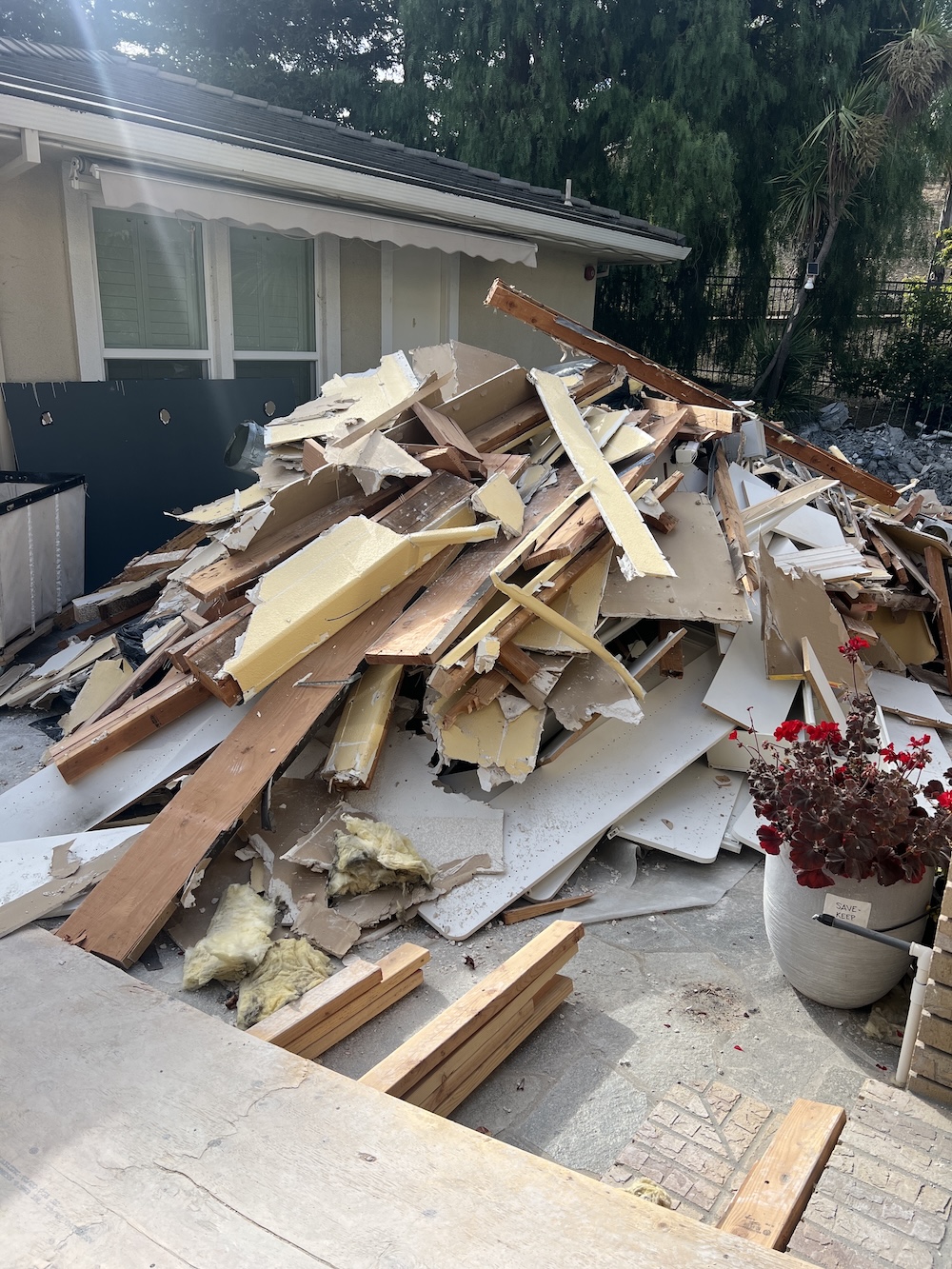
Beyond the donation bin After a pickup, donated goods go through a series of steps that determine their destiny. Much of it doesn’t stay in the donation bin. It travels through sorting centers. Our staff sorts them by type, value and condition. Things like gently used furniture, kitchen gear, and clothes simply head straight to local charities. Others go to international partners, touching communities around the world. Other things, like electronics or old mattresses, need special attention. Donation options have expanded past the old drop off bin. Think peer-to-peer, online, community swap meets and charity or organization pickup.
Material Recovery
Beyond the donation bin, material recovery begins with sorting. Sites sort out metal, glass, plastics, textiles, and electronics. Some centers use machines, and some use manual labor for this. For instance, metal is washed and melted for fresh goods. Plastics get washed, shredded, and reprocessed for manufacturing. Ineffective recycling occurs when recyclable materials are contaminated, or there simply isn’t a market for them, leading to landfilling. Specialized recycling centers, such as those for e-waste or plastics, extend the lifespan of materials and contribute to the circular economy. These initiatives minimize waste and reduce carbon emissions. Composting, another type of recovery, uses air, water, carbon, and nitrogen to decompose food and yard waste. It’s a process that works on both home and commercial scales, transforming waste into valuable soil.
Responsible Disposal
Hazardous and non-recyclable stuff, like batteries or old paint, require proper disposal. Sending these to standard landfills can be damaging. Specialized facilities handle these to contain pollution and comply with safety regulations. Landfills now have liners and other protections to prevent chemicals from seeping into water. Incineration converts certain waste to power, but it is sometimes disputed as it could disincentivize recycling or contribute to pollution. With the world creating 2.01 billion tonnes of solid waste each year, doing your part to dispose of clutter responsibly goes a long way. Informing communities about the dangers of dumping improperly teaches them to make wiser decisions, which better protects the environment.
Data Destruction
E-waste, such as old phones and computers, contains private information. Security data destruction is imperative before recycling or disposal. This could imply physical destruction, degaussing, or certified wiping of storage drives. Not all centers provide this, therefore selecting accredited services is crucial. It can cause data leaks or breaches if your e-waste is mishandled. Here’s certified destruction that safeguards privacy and helps you meet worldwide regulations. Promoting understanding builds confidence and protects confidential data.
The Unseen Challenges
Junk removal and donation are fraught with unseen challenges. What seems like a straightforward clear-out of junk turns out to be a sophisticated enterprise entangled with ecological, commodity, and transportation issues. Each stage is defined by rigid regulations, fluctuating market forces, and the inherent uncertainty of what’s thrown away. As it turns out, almost no one knows that millions of tons of waste navigate an incredibly common system annually, with each kind encountering different routes and obstacles toward being recycled, donated, or trashed.
Contamination
Which brings me to the unseen challenges. Contamination is the biggest threat to recycling and donating effectively. Typical contaminants include food residue on packaging, composite materials such as plastic and metal, or hazardous waste combined with regular refuse. For donations, stained items or moldy or pest-infested items often cannot be reused. When contaminants infiltrate recycling streams, whole loads can be rejected and landfilled, increasing expenses and ecological hazards. Soil and water sources can be compromised by hazardous waste that is not treated or disposed of properly, so rigorous care is necessary.
Because most communities don’t really have clear sorting instructions, people just throw in electronics or batteries with the junk. That’s a problem. Unsorted or contaminated loads complicate the ability of facilities to salvage valuable materials and can pose a risk to workers. Educating individuals on correct sorting and giving clear lists of what’s allowed minimizes these hazards and optimizes successful recycling rates.
Market Fluctuations
The worth of recyclables and donations is connected to unstable international markets. If specific plastics or metals aren’t in demand, recyclers may not accept them, resulting in increased landfill use. The global waste trade, marked by international regulations and trade wars, can wreak havoc for local recycling programs. When buyers abroad say no to certain waste, local processors have to react fast.
Donation centers experience shifts in demand. What’s good for one year can’t be sold the next. These instabilities have implications for organizations, which have to continually adapt their plans, at times needing to hold items longer or pivot to new community needs. Understanding these economic pressures sets reasonable expectations for what occurs post-pickup.
Logistical Hurdles
Transporting junk from the homes to the appropriate place is a challenge. Bulky waste, such as old furniture or construction debris, demands different handling and larger trucks. E-waste has to be carefully sorted and sent to specific facilities. Hazardous waste rules add even more layers, with documentation and paths engineered to ensure safety for human health.
Innovation in routing, scheduling, and sorting can help. So can partnerships with local groups. Community participation, via neighborhood pickup drives or volunteer sorting, fortifies these mechanisms. When they know what happens to their junk, people will support sustainability and even participate.
Why Our Method Matters
Eco-friendly junk removal isn’t simply a business practice. It’s a foundation for environmental responsibility. By separating our items for donation or recycling, we prevent waste from going to landfill and reduce the impact on local ecosystems. This is important as more than 50% of all trash in numerous nations, such as the US, ends up in one of over 3,000 landfills. These landfills aren’t just packed with household goods or old furniture. They receive a significant amount of food waste, with around 1.3 billion tons wasted annually across the globe. These stats illustrate the strain our waste behaviors place on the earth. Whether it’s identifying new homes for items or reducing them down to raw materials, we reduce the volume of items to be buried or incinerated. The less we deliver to the waste stream, the less we contribute to our overall environmental footprint.
Donation and recycling both reduce landfill usage and conserve resources. They are shocked to hear that nearly 75% of all waste is recyclable, but only about 30% here in the U.S. Actually gets recycled. Whether we’re donating still working appliances, books, or clothing, these items live again and help to reduce the demand for new. Recycling programs are gaining ground. In 2019, recycling rates in the U.S. climbed to 32% and are still rising as more people start to care about the environment. Things like glass in particular—there were 9 million tons of glass thrown out in 2009 instead of recycled, so that’s a lot of wasted potential. When we recycle, we consume less energy, conserve raw materials, and reduce the pollution associated with the production of those goods.
Community support is huge. By utilizing local disposal and recycling facilities, we retain jobs and tax revenue in our communities. That means trucks don’t have to drive as far, so we reduce the fuel we use to transport waste. Landfills, even when necessary, can be beneficial. Some, like one in California, utilize the gas they generate to power up to 3,000 homes per day. All these steps combined create a system in which waste is handled respectfully and everyone’s decisions count.
Conclusion
Check out where your junk goes after pickup reveals a whole new angle of junk removal. Every ancient armchair or battered gizmo follows a trace of compassion and craftsmanship and hands-on effort. Our teams sort through it by hand and allocate anything that can be given to the right groups while breaking down what can’t be saved for safe recycling. Not a thing goes to waste without taking a peek if it can help someone or be repurposed. The process seems simple, but it requires smart thinking and hustle every day. Want to keep the cycle powerful? Next time you clean your clutter, inquire where your junk goes. Select a service that prioritizes reuse and recycling—your junk can work harder than you believe.
Frequently Asked Questions
What happens to my items after junk pickup?
After pickup, your stuff is sorted. Anything that’s still usable gets donated. Recyclable materials go to recycling centers. Only non-reusable, non-recyclable items are disposed of responsibly.
How do you decide what gets donated or recycled?
Items are inspected for condition and utility. Clean, safe, working items go to donation partners. Metal, glass or paper, for example, are separated for recycling.
Where do donated items go?
Donations are sent to reputable charities and community groups. They donate items to people in need or to aid their programs.
What happens to items that cannot be donated or recycled?
We dispose of all other items according to local regulations. We try to keep as much out of the landfill as possible.
Why should I choose a junk removal service with a donation and recycling process?
Selecting one of these services cuts down on waste, helps communities and the environment. You know your junk is going somewhere responsible and ethical.
Are electronics and appliances handled differently?
Yes, electronics and appliances are diverted to certified recyclers. We keep your junk out of the environment with this toxic waste avoidance.
How do you ensure items are handled ethically?
We work exclusively with vetted nonprofits and certified recyclers. Our crew abides by rigorous protocols to increase impact and reduce environmental damage.
Transform Your Property: Veteran-Powered Demolition Services For A Fresh Start
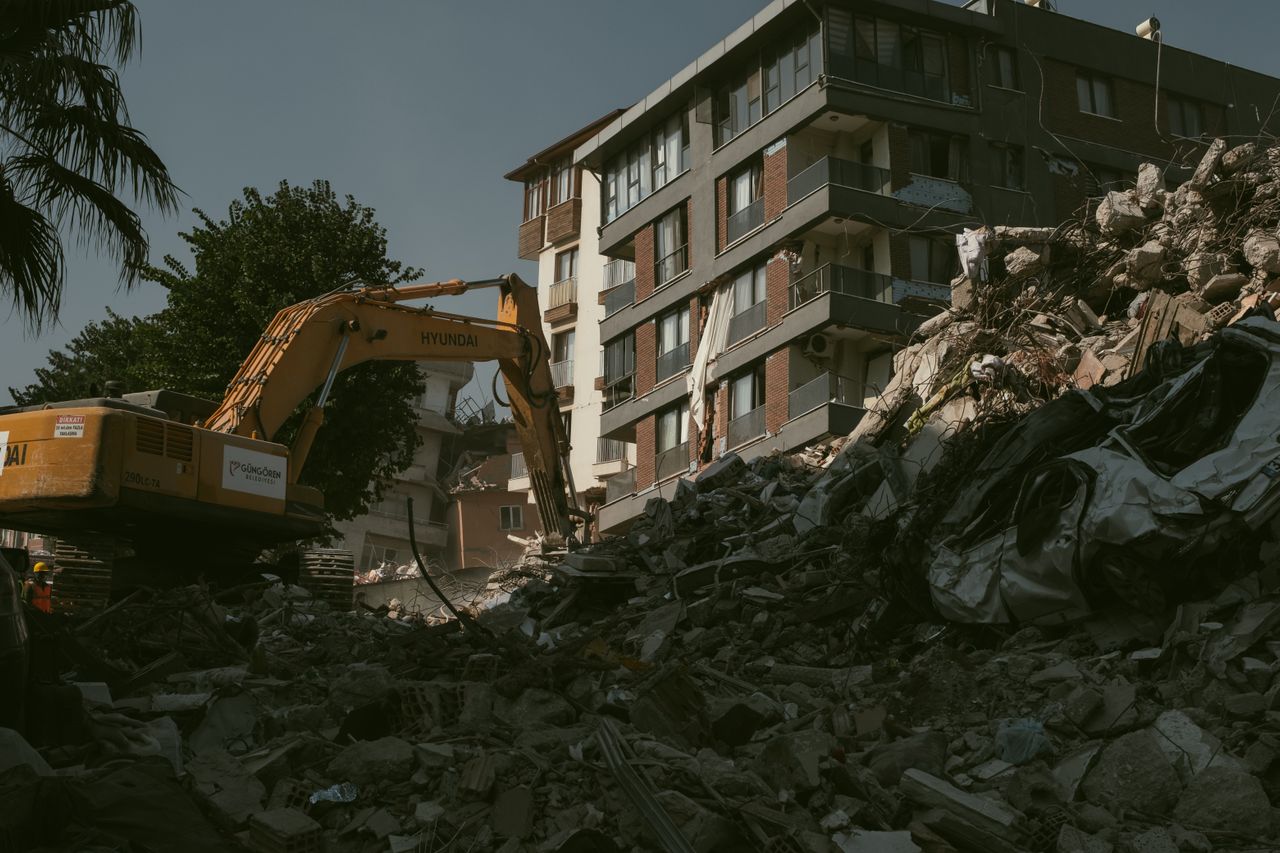
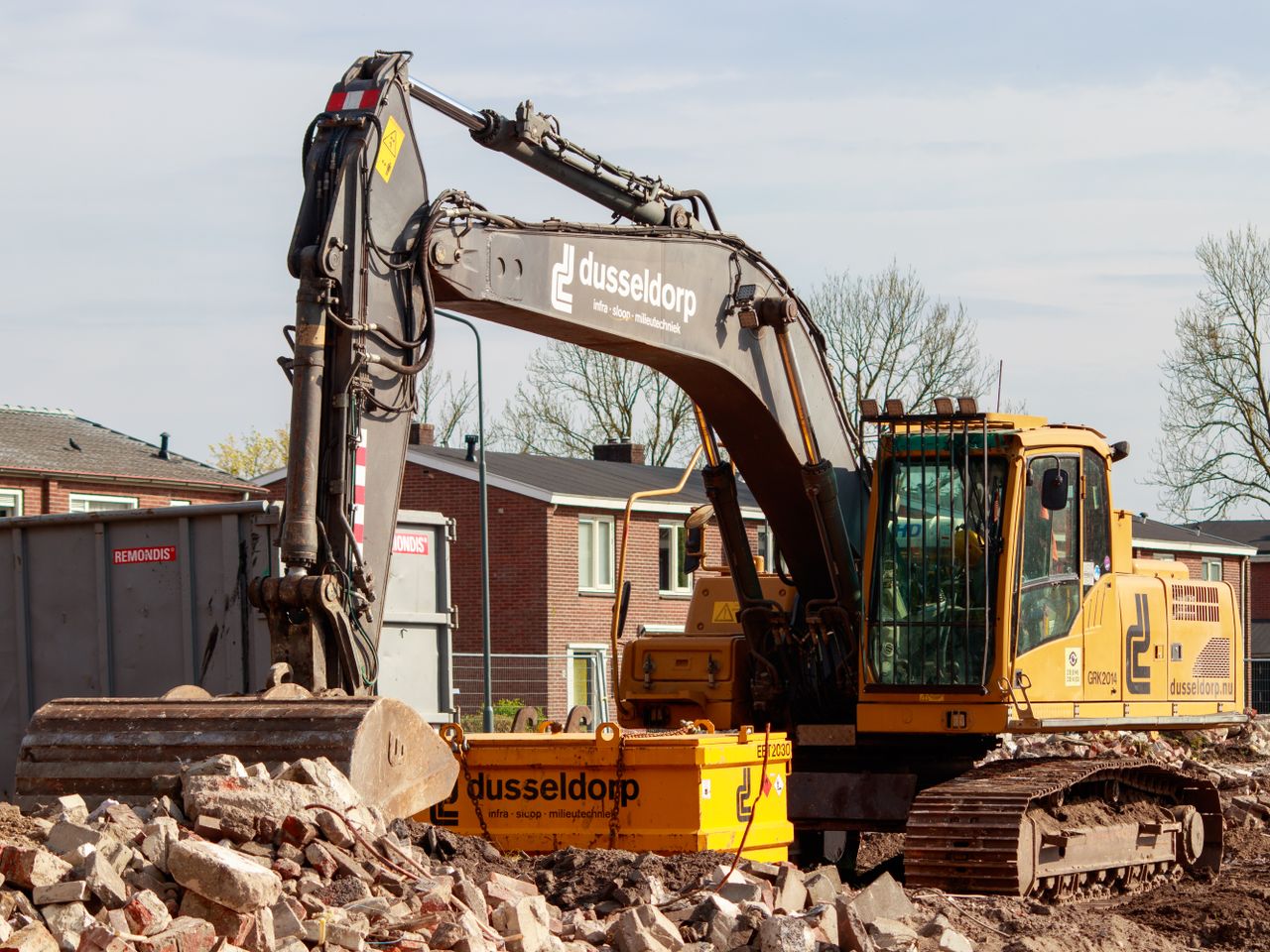
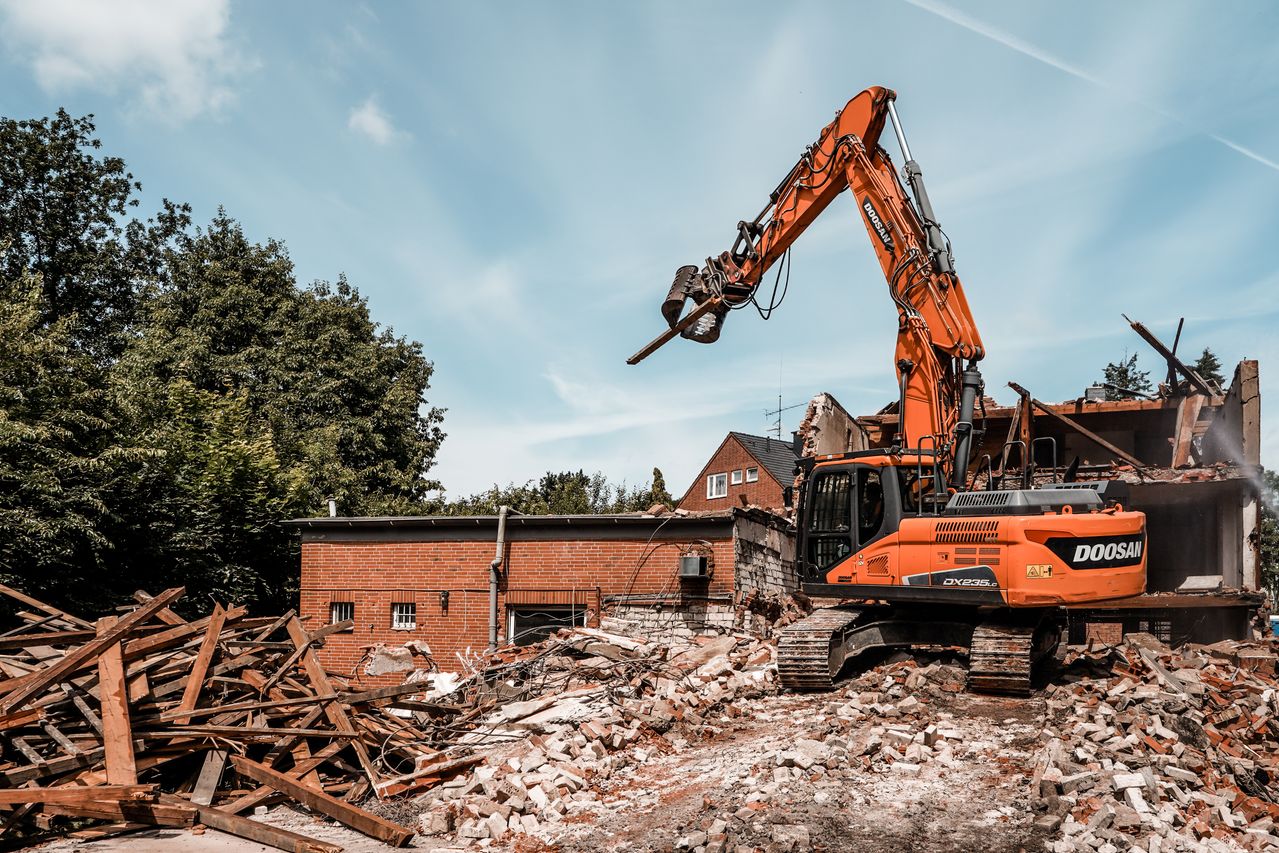
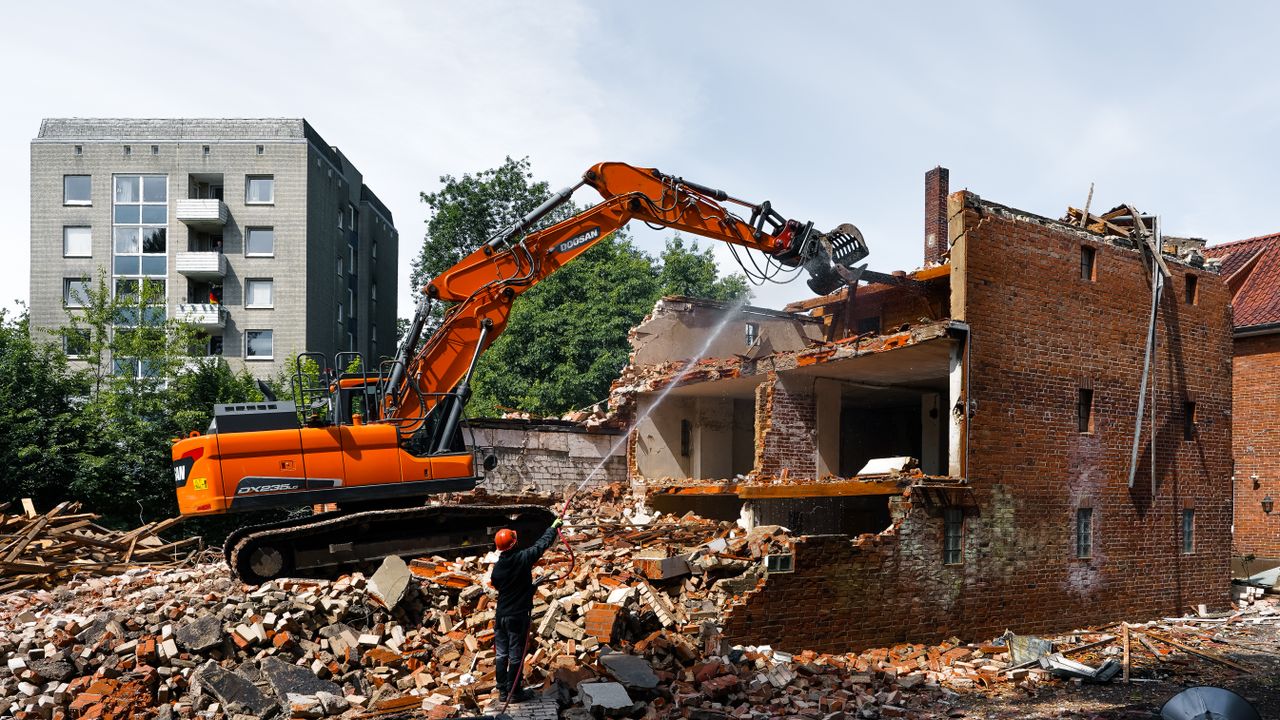
Is an old structure, unsafe building, or outdated space holding back your property’s potential? At Junked: Powered by Veterans™, we specialize in efficient, professional demolition services for property managers, real estate agents, business owners, and contractors looking to clear the way for something new. Proudly serving the Bay Area, our dedicated team of veterans brings precision, safety, and expertise to every demolition project, ensuring a smooth and hassle-free process. Whether it’s a partial teardown, interior gutting, or full structural demolition, we have the skills and equipment to handle projects of any size.
Why Choose Junked: Powered By Veterans™ For Your Demolition Needs?
✔ Safe & Efficient Demolition – Our team follows strict safety protocols to ensure a smooth teardown.
✔ Full-Service Cleanup – We remove debris and leave your site ready for the next phase.
✔ Eco-Friendly Approach – We prioritize recycling and salvaging materials to minimize waste.
✔ Experienced & Professional Team – Our veteran-led crew works with precision and integrity.
✔ Hassle-Free Process – We handle everything from permitting assistance to debris hauling.
Don’t let an old or unsafe structure stand in the way of progress! Whether you’re renovating a commercial space, clearing land for new construction, or removing hazardous structures, we ensure the job gets done safely, quickly, and professionally.
Schedule your free, no-obligation estimate today and experience how Junked: Powered by Veterans™ delivers top-tier demolition services while supporting local veterans. Clear the way for new possibilities—demolish with confidence!
Disclaimer
The materials available on this website are for informational and entertainment purposes only and not to provide legal or professional advice. You should contact your attorney or home improvement specialist for advice concerning any particular issue or problem. You should not act or refrain from acting based on any content included in this site without seeking legal or other professional advice. The information presented on this website may not reflect the most current home improvement developments. No action should be taken based on the information on this website. We disclaim all liability concerning actions taken or not taken based on any or all of the contents of this site to the fullest extent permitted by law.