Demolition projects represent a significant investment, and understanding the difference between interior and full home demolition can help you choose the right approach. However, many people assume interior demolition and full home demolition are simply different versions of the same service. Although both involve removing parts of a property, they are designed for very different project goals. Interior demolition removes non-structural elements inside an existing home so the space can be renovated while preserving the building’s exterior shell and primary structural framework. Full home demolition removes the entire structure and, when required, the foundation to prepare the site for new construction. That distinction affects nearly every aspect of the project, including permits, equipment, timelines, dust control, hazardous material handling, site safety, and overall project planning.
Homeowners often confuse the two because both involve heavy equipment, debris removal, and significant construction activity. Dumpsters. Debris. A crew tearing things out. But the intention is completely different. One is surgically targeted removal. The other is complete structure removal.
Table of Contents
ToggleKey Takeaways
- Interior demo keeps the exterior and main structure standing; you strip interiors like drywall, ceilings, flooring, cabinets, fixtures, and some non-load-bearing walls.
- Full demolition (house demolition) removes the entire building, often including foundation elements like slab and footings, then grading and site prep.
- Interior demolition services lean on containment, sequencing, and preserving structural integrity; full demolition leans on heavy equipment, haul routes, and site safety.
- Cost depends less on square footage alone and more on structural complexity, equipment requirements, debris disposal, hazardous material handling, accessibility, and local permit requirements. Homeowners should obtain detailed estimates from qualified demolition contractors before work begins.
Choose The Right Approach For Your Project
Renovation Goals
If your renovation plans are “keep the bones, change the vibe,” interior demolition is usually the move. Think: you want a complete remodel, but you’re not trying to touch the exterior work beyond maybe windows or a door. You’re basically paying for a controlled interior demolition process that gets you from “lived-in house” to “clean framework for renovation” without turning the place into a vacant lot.
This is where select demolition services shine. You’re not paying a demolition team to erase your house. You’re paying them to remove sections of interiors in a way that sets your renovation project up for speed: clean studs, cleared floors, visible plumbing and electrical, fewer surprises for your GC. Also fewer arguments. Usually.
If your goal is “new construction, different footprint, different everything,” full demolition stops being dramatic and starts being practical. You cannot remodel your way out of a bad layout, a failing structure, or a house that simply doesn’t fit your rebuild plans.
Structural Constraints
Interior demo gets risky fast when “non-structural” turns out to be a lie your house told in 1958. Load paths are sneaky. A wall that looks like a simple partition might be holding up a beam, carrying joists, or bracing the entire building. This is why contractors obsess over structural components and structural elements before the first tear begins.
Full demolition has its own structural issues, but it’s a different game. You’re planning for collapse prevention in the demolition area, equipment reach, and safe knockdown patterns. Interior demolition job? You’re planning to keep the entire building stable while you tear out inside. Full demolition? You’re managing the controlled failure of the entire structure.
Understanding the distinction between structural and non-structural components is essential before beginning any demolition project, as removing load-bearing elements without proper planning can compromise the building’s stability.
Rebuild Plans
A lot of people flirt with the “maybe we gut it” idea because it feels less extreme, then they run the numbers and realize the rebuild is the point. If you’re planning to re-site a garage, add a story, change rooflines, or rework the footprint, you’re drifting toward full demolition whether you admit it or not.
And if sustainability is part of your decision, renovation often generates less construction waste and preserves more existing building materials than complete demolition. However, the most appropriate option depends on the building’s structural condition, long-term performance, and overall project goals. Research on adaptive reuse and life-cycle assessment consistently shows that retaining structurally sound buildings can reduce material consumption in many situations. You still might need a teardown. Just don’t pretend it’s “green” because you recycle some concrete.
Compare Scope, Structure, And Site Impact
Work Boundaries
Interior demolition stays inside. That sounds obvious until you watch an interior demo that trashes a staircase, nicks a main line, damages exterior sheathing, or leaves windows rattling like a haunted house. The boundary is physical and contractual: what gets removed, what must be protected, what must remain usable, and where the tear line stops.
Full demolition has almost no boundaries besides property lines and local building codes. You’re clearing the entire building, then you’re often handling removal of flatwork, steps, patios, and sometimes accessory structures depending on scope.
Here’s a simple comparison that actually matches how jobs are run.
Category | Interior Demolition | Full Home Demolition |
Goal | Prep for renovation/remodel | Clear lot for rebuild |
What stays | Exterior shell, framing, many structural components | Nothing, often including foundation |
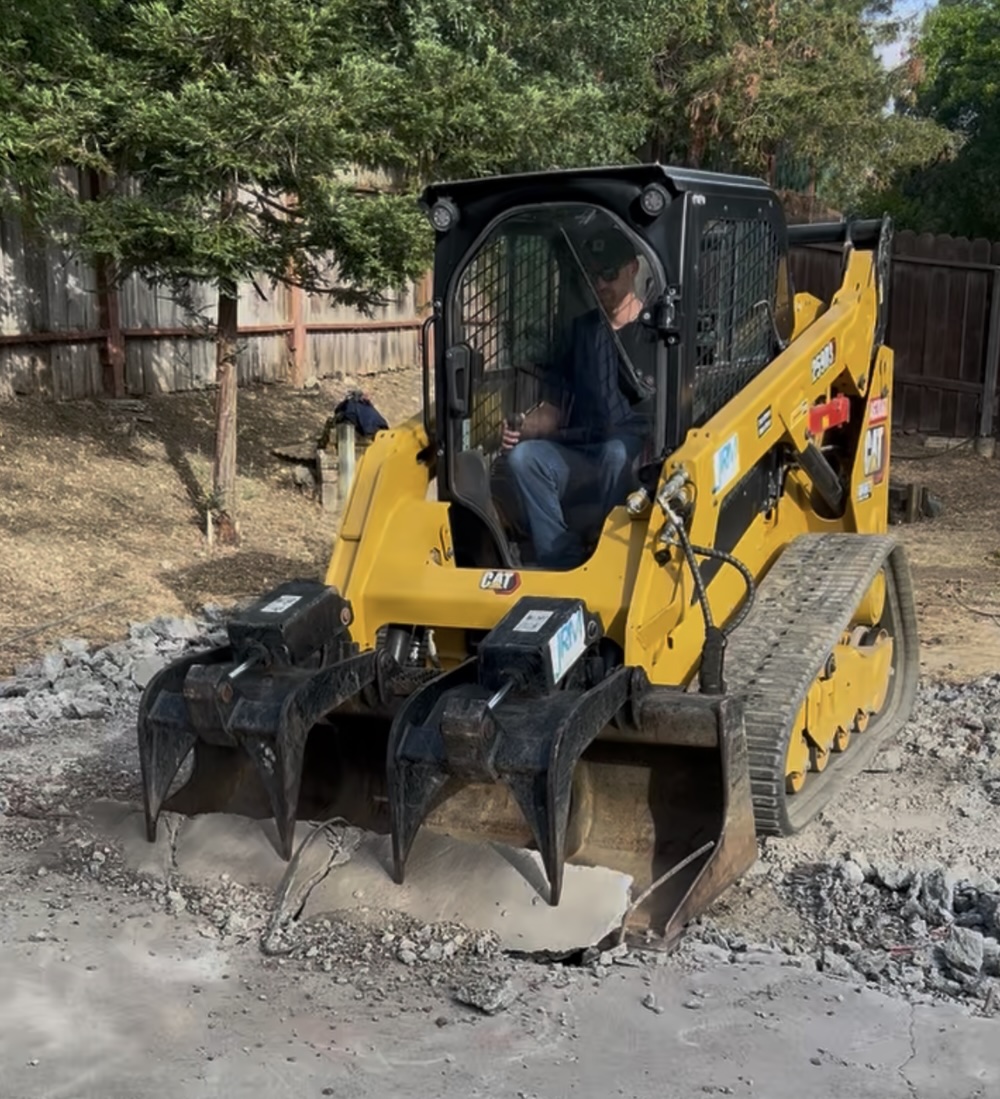
Typical tools | Hand tools, saws, small equipment, containment | Excavators, skid steers, haul trucks |
Site impact | Dust/noise mostly inside | Noise, vibration, trucks, open site |
Load-Bearing Elements
Interior demolition is where you can accidentally create unintended damage that costs more than the demo. You’re removing finishes and sometimes walls, but you’re threading a needle around structural integrity. A selective interior approach means your contractor is identifying load-bearing walls, beams, posts, shear panels, and anything tied to bracing. They might do temporary shoring. They may also recommend against changes that could compromise the home’s structural stability.
Full demolition still cares about structural elements, but for sequencing. You don’t just ram an excavator into a house and hope. A professional demolition company plans the structural removal so the building comes down predictably, protecting workers, adjacent buildings, and utilities.
Foundation Outcomes
This is where homeowners get surprised. With interior demolition, your solid foundation is assumed. You keep it. You work off it. Your floors might get opened up, but the foundation outcomes are “existing, intact” unless you’re doing a major structural change.
With full demolition, foundation removal can be a big chunk of cost and time. Slabs, basements, footings, stem walls, concrete, rebar. If you’re clearing to dirt, you’re paying for heavier equipment, more disposal, and more trucking. If you’re leaving a slab for a rebuild (sometimes allowed, sometimes not smart), that becomes a planning decision tied to engineering and inspections.
How Professionals Determine Whether A Home Can Be Gutted Or Should Be Demolished
Before recommending interior demolition or a complete teardown, experienced contractors evaluate the overall condition of the structure rather than focusing on a single damaged area. They typically look at the foundation, framing, roof system, water damage, structural movement, and the condition of major mechanical systems. A house with cosmetic issues may still be an excellent candidate for interior demolition, while one with widespread structural deterioration may be more practical to replace entirely.
Building codes, zoning regulations, and future construction plans also influence the recommendation. For example, homeowners planning to expand the footprint, add another story, or significantly alter the structural layout may find that full demolition provides greater flexibility than attempting to modify an aging structure. In contrast, homes with solid framing and foundations often benefit from selective interior demolition because much of the existing building can remain in service while the interior is modernized.
Obtaining opinions from structural engineers or qualified demolition contractors before making a final decision can prevent expensive design changes later in the project. A thorough site evaluation helps determine which approach offers the safest, most cost-effective, and most practical path forward.
Expect Typical Timelines And Job Sequencing
Utility Disconnects
No matter which demolition project you pick, utilities are the first adult problem. Gas, electric, water, sewer, telecom. Interior demolition still needs safe electrical isolation and plumbing caps. Full demolition needs formal disconnects and often written releases from the utility providers.
Utility disconnects are typically coordinated before demolition begins, and inspections may be required whenever structural work or environmental regulations apply. Local requirements vary by municipality, so homeowners should verify procedures with their local building department. It’s not glamorous. It’s paperwork and phone calls and waiting.
Tear-Out Methods
Interior demolition is usually “soft demolition,” though crews don’t call it that when they’re sweating through a respirator. You’re dismantling from inside: cabinets, flooring, drywall, ceilings, mechanicals, sometimes selective removal of walls. If you’ve ever wondered why interior demolition services cost what they cost, it’s because this is labor-heavy and full of precision. A good crew moves fast without breaking what you’re keeping.
Full demolition is machinery-forward. Excavators, hydraulic thumbs, buckets, sometimes bulldozers depending on access. The goal is efficiency and safe collapse. You can’t finesse your way through a full teardown with a pry bar.
During interior demolition, contractors often encounter concealed plumbing, electrical wiring, HVAC components, and other building systems. Identifying these elements before demolition helps prevent unnecessary damage, unexpected repairs, and project delays.
Debris Hauling
Interior demo creates a weird mix: lighter materials, lots of volume, lots of bags, and sharp stuff that loves to puncture everything. Full demolition creates heavy debris and big loads, plus concrete and mixed material piles that can complicate recycling.
Either way, your timeline gets eaten by hauling. Dumpsters swap. Streets get blocked. Neighbors stare. If access is tight, your demolition job slows down no matter how motivated your crew is.
Material Salvage Opportunities
Not everything removed during demolition has to become landfill waste. During interior demolition, materials such as hardwood flooring, solid wood doors, cabinetry, decorative trim, light fixtures, brick, and certain architectural features may be suitable for reuse or recycling if they are removed carefully. Salvaging these items can reduce disposal costs while preserving materials that still have functional or resale value.
Selective salvage requires additional labor because materials must be removed without damage, sorted, and transported separately from general demolition debris. While this may slightly increase labor costs, it can offset landfill fees and support sustainability goals. Contractors can also separate recyclable materials such as clean wood, concrete, asphalt, steel, aluminum, and copper when local recycling facilities accept them.
Discussing salvage options before demolition begins allows the crew to plan accordingly instead of treating everything as disposable debris once work starts.

Understand Cost Drivers And Budget Ranges
Labor And Equipment
Interior demolition costs are typically driven by labor hours and complexity, especially if you’re working in multiple rooms, dealing with tight access, or protecting anything worth keeping. While average pricing information can provide a general benchmark, actual project costs depend on the home’s condition, accessibility, demolition scope, disposal requirements, and local labor rates. A detailed on-site estimate is the most reliable way to determine pricing because every project varies in scope, accessibility, structural complexity, and the extent of interior removal required.
Full demolition costs are driven by equipment, haul-off, and scope. A house demolition with easy access and minimal foundation removal can be straightforward. A teardown with a basement, thick concrete, and tight neighborhood access turns into a logistics job.
This is one place where people get misled by averages. Your bid is your bid. Your site is your site.
Disposal And Recycling
Disposal is where budgets quietly bleed. Landfill fees vary. Recycling is great when it’s feasible, but sorting takes time, and mixed debris can get charged as mixed debris. If you care about environmental impact, you can ask for a recycling plan, but don’t confuse “we recycled some metal” with “this was low-impact.”
Factors That Commonly Change Demolition Costs
Initial estimates are based on visible conditions, but the final cost of a demolition project can change if unexpected issues are discovered after work begins. Common examples include concealed structural damage, multiple layers of flooring, additional concrete beneath existing slabs, underground utility lines, or previously completed renovations that do not match current building records.
Accessibility also plays a major role. Homes with limited driveway access, narrow streets, overhead utility lines, or neighboring structures located close to the property often require smaller equipment and more manual labor. These site conditions can extend project timelines and increase hauling expenses compared to properties with unrestricted equipment access.
Reviewing the scope of work carefully before demolition begins helps homeowners understand which costs are fixed and which may change if unforeseen conditions are uncovered.
Hidden Conditions
Old houses hide things like it’s their hobby. Rotten framing. Improvised wiring. Mystery moisture. Previous unpermitted renovations. Sometimes, hazardous materials.
Interior demolition uncovers these problems and forces decisions midstream. Full demolition often sidesteps them by removing the entire structure, but you can still get hit with surprises like buried tanks, weird foundation extensions, or contaminated soil. Either way, “hidden conditions” is not contractor-speak for “we’re scamming you.” It’s contractor-speak for “your house is older than your certainty.”
Because structural demolition requires additional engineering considerations, equipment, permitting, and safety measures, it generally costs more than selective interior demolition under comparable site conditions.
Plan For Hazards And Safety Controls
Asbestos And Lead
If your home was built before 1980, you should assume lead paint is possible. If it’s older, asbestos becomes a real possibility in flooring, mastic, pipe insulation, duct wrap, textured ceilings, siding, and more. Interior demolition, especially, is where airborne hazards become a legitimate health risk because you’re working inside, where dust accumulates and migrates.
This is where hazardous material removal requirements stop being “technicalities” and start being safety. Testing matters. Containment matters. Proper disposal matters. If a contractor waves it off, that’s not bravado. That’s negligence.
Dust And Containment
Interior demolition process equals dust, and dust equals conflict: with your lungs, with your HVAC, with the rest of the house, with your neighbor’s laundry if windows are open. Proper containment usually means plastic barriers, negative air, HEPA filtration, and thoughtful sequencing so you’re not dragging debris through areas that are staying.
Full demolition is dusty too, but the controls are different: wetting down, perimeter control, hauling practices, and working within requirements that may show up in permit conditions.
Collapse Prevention
Interior demo needs collapse prevention in a “keep it standing” way. Temporary supports, careful wall removal, and not touching structural components without an engineer or at least a contractor who understands load paths.
Full demolition needs collapse prevention in a “bring it down safely” way: exclusion zones, machine positioning, controlled tear patterns, and keeping workers out of pinch points. The risks are different. The stakes are the same.
Understand Demolition Permits And Inspections
Common Permit Types
Permit requirements vary by state, county, and municipality, so homeowners should always verify local regulations before beginning demolition work. Interior demolition that does not affect structural components may require different permits than projects involving load-bearing walls, major structural modifications, or complete building removal.
Full home demolition typically requires a demolition permit, utility disconnect verification, and inspections before work begins. Depending on the property’s age and location, additional environmental reviews or hazardous material assessments may also be required. Local building departments can explain the specific documentation and inspection process applicable to each project.
Required Documentation
Expect to assemble a little portfolio: utility disconnect confirmations, site plan, contractor info, sometimes an asbestos survey depending on age and scope, and a debris disposal plan. On full demolition projects, cities often want to know how you’re managing erosion, grading, and the post-demo condition of the lot.
If your contractor is reputable, they’ll treat documentation as part of the demolition service, not a surprise add-on.
Working With Licensed Demolition Professionals
Hiring an experienced demolition contractor helps ensure the project follows local regulations from the beginning. Licensed professionals understand permit requirements, utility coordination, waste disposal procedures, and job-site safety standards that apply throughout the demolition process. They also maintain appropriate insurance coverage to protect homeowners if accidental property damage or job-site incidents occur.
Before hiring a contractor, homeowners should ask about licensing, insurance, permit responsibilities, debris disposal practices, and previous experience with projects similar in size and complexity. Establishing these expectations before work begins reduces misunderstandings and helps projects move through inspections with fewer delays.
Fines And Stop-Work Risks
Stop-work orders are expensive in the most annoying way because they freeze your schedule. You’re still paying for dumpsters, you’re still paying for equipment standby, and your renovation project timeline starts sliding into the part of the calendar you didn’t want. Fines can follow, sure, but the bigger hit is momentum. The job stalls. Subs vanish. Your rebuild plans get delayed.
If someone tells you permits are optional, they’re volunteering you as the test case.
Conclusion
If you’re renovating, interior demolition is the controlled tear-out that keeps your exterior and main structure intact while clearing the inside for a remodel. If you’re rebuilding, full demolition is the complete structure removal that levels the entire building and usually deals with the foundation too. The smart move is matching scope to intent, then budgeting for the unsexy parts: utilities, permits, hazardous materials, disposal, and sequencing. That’s where projects stay safe and predictable, and where homeowners stop getting blindsided.
Frequently Asked Questions
1. Can You Live In The House During Interior Demolition?
Sometimes, but it’s rarely comfortable, and it’s often impractical. Dust, noise, blocked rooms, shutoffs, and safety zones can make “living through it” a daily fight, especially if multiple rooms are involved.
2. Does Interior Demolition Include Removing Load-Bearing Walls?
It can, but only with planning, permits, and proper temporary support. Once load-bearing walls are involved, you’re into structural changes, not just selective interior demo.
3. Is Full Home Demolition The Same As Exterior Demolition?
Not exactly. Exterior demolition can mean removing exterior elements or an exterior portion of a structure, while full demolition is the teardown of the entire building. People mix the terms casually, but the scope and permitting are usually different.
4. What Costs More: Interior Demo Or Full Demolition?
Full demolition often costs more because of equipment, hauling, site work, and foundation removal, but a complex interior demolition job can get expensive fast when labor, containment, and hazardous material removal requirements stack up.
5. How Do You Decide Between Gutting And Tearing Down?
You decide based on renovation goals, structural constraints, and rebuild plans, then you validate with an engineer or experienced contractor who can tell you whether the existing structure and foundation are worth keeping.
6. Can Interior Demolition Be Completed Room By Room?
Yes. Many interior demolition projects are completed in phases, allowing homeowners to renovate one area at a time. This approach can help manage budgets, reduce disruptions, and make it easier to coordinate demolition with the overall remodeling schedule.
Residential Demolition Services Done Right
Whether you’re preparing for a home renovation, removing an old structure, or clearing space for a new project, Junked: Powered by Veterans™ provides safe, reliable residential demolition services throughout the Bay Area. Our experienced, veteran-led team handles every project with precision, ensuring your property is ready for the next phase of construction.
Why Choose Junked: Powered by Veterans™?
- Safe, Professional Demolition: We complete every project with safety, efficiency, and attention to detail.
- Complete Residential Demolition: Garages, sheds, decks, fences, interior demolition, patios, and more.
- Fast Cleanup: We remove demolition debris and leave your property clean and ready for rebuilding.
- Veteran-Led Service: Dependable communication, professional crews, and workmanship you can trust.
When you need residential demolition services in the Bay Area, trust Junked: Powered by Veterans™ to get the job done safely, efficiently, and on schedule. Contact us today for a free, no-obligation estimate.
Disclaimer
The materials available on this website are for informational and entertainment purposes only and not to provide legal or professional advice. You should contact your attorney or home improvement specialist for advice concerning any particular issue or problem. You should not act or refrain from acting based on any content included in this site without seeking legal or other professional advice. The information presented on this website may not reflect the most current home improvement developments. No action should be taken based on the information on this website. We disclaim all liability concerning actions taken or not taken based on any or all of the contents of this site to the fullest extent permitted by law.