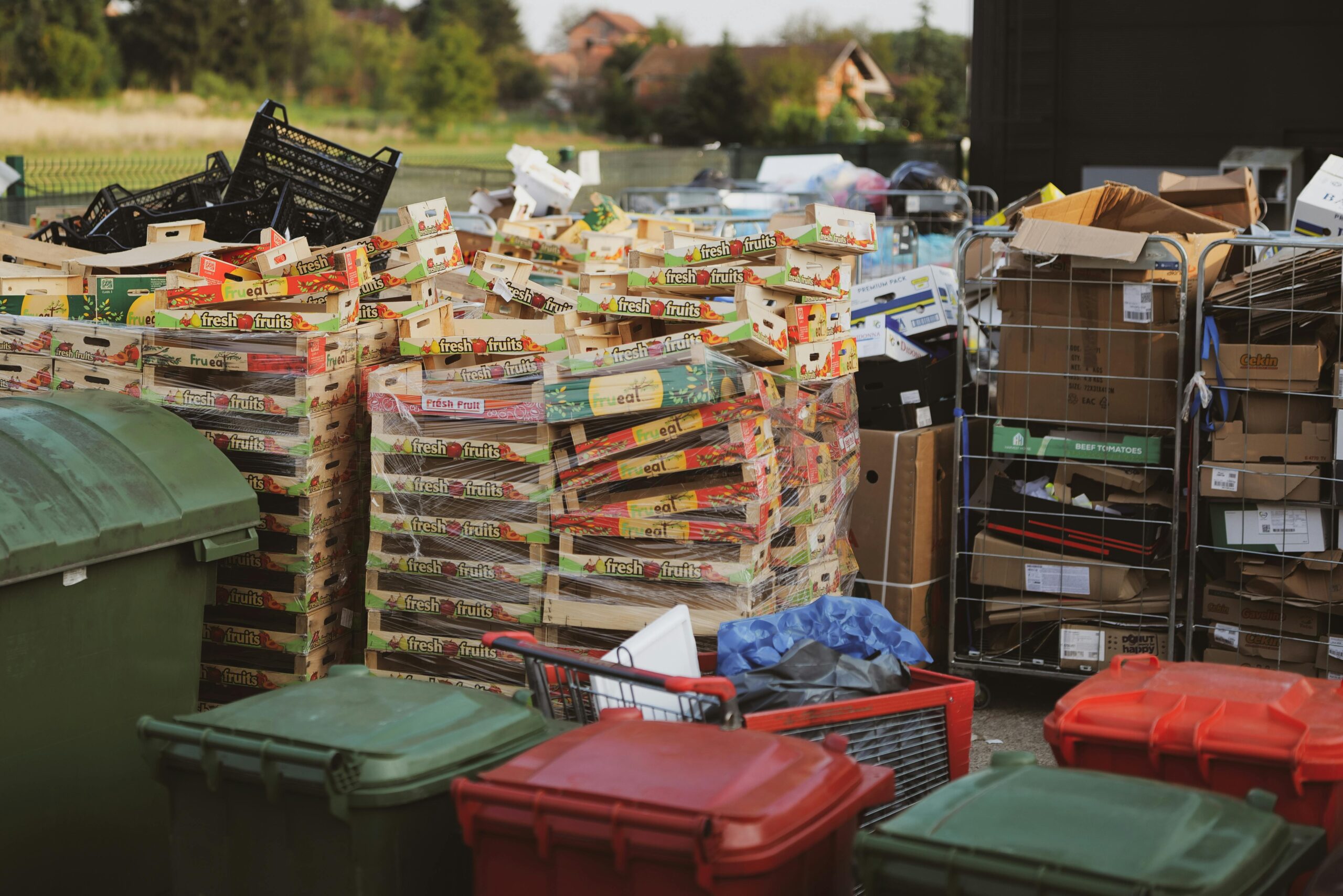
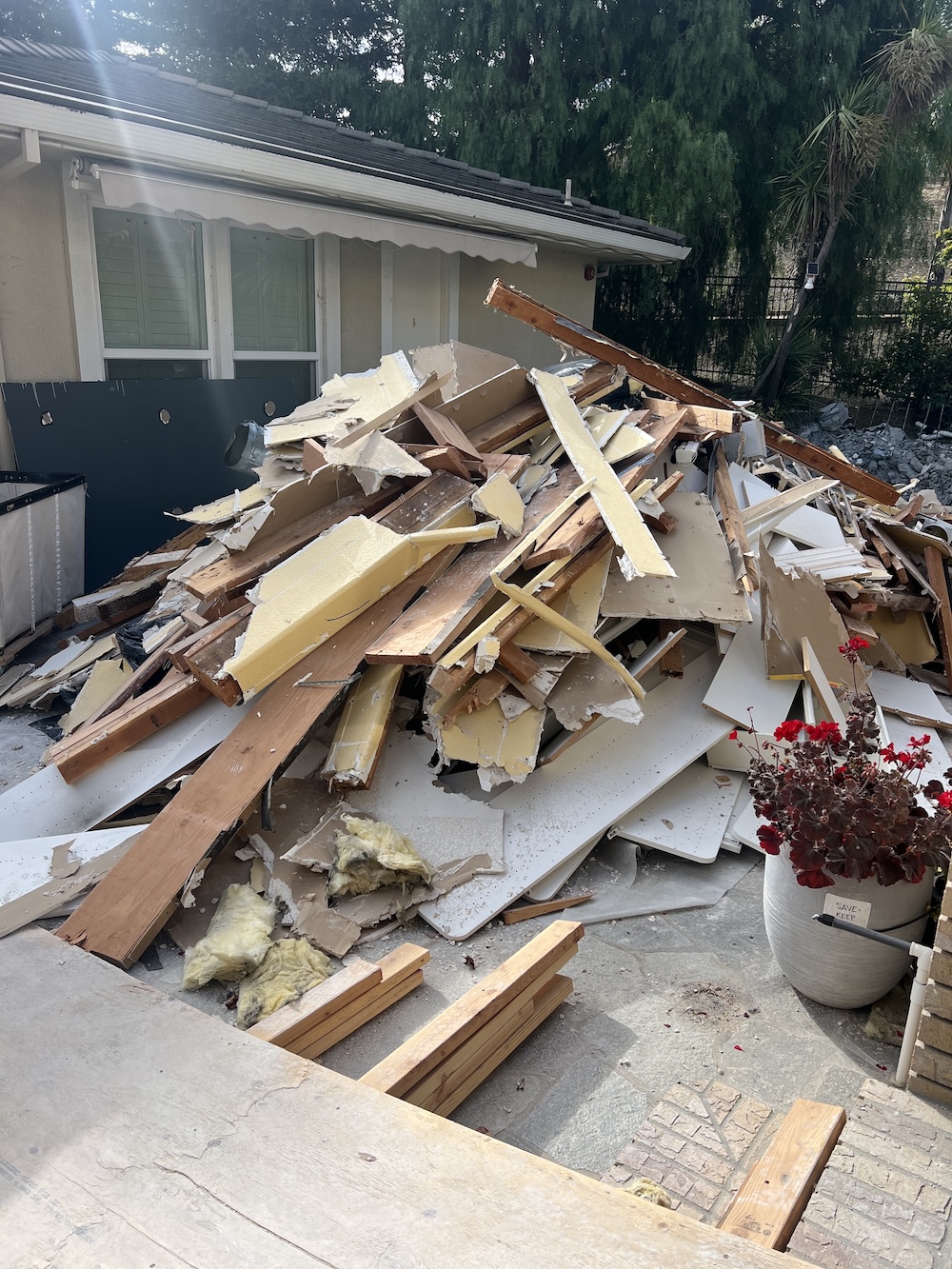
How expensive are construction cleanouts in the Bay Area? Average cleanout costs run from around $300 for minor work all the way to $5,000 or more for complete site sweeps, averaging close to $1,200 based on scale. These costs factor in labor hours, waste type, haul distance, disposal fees, and any permits that may be required. Recyclables and hazardous waste add handling steps and increase costs per ton. Urban job sites are subject to increased truck access fees and peak-hour labor rates. I detail line-item cost drivers, provide sample budgets for small, medium, and large projects, and methods to reduce costs by material sorting and local disposal options. The following sections provide simple cost-check steps for accurate bids.
Table of Contents
ToggleKey Takeaways
- Know common Bay Area cleanout cost drivers to budget properly for project size, labor, debris type, disposal fees, and service level.
- Match pricing model to project risk. A flat fee is for well-defined jobs, hourly is for uncertain scope, or per square meter is for large repetitive spaces.
- Consider hidden costs, such as site access issues, permits, hazardous waste, and delays, by including contingency time and money in estimates.
- Consider local factors such as city ordinances, access to landfills, and local demand when you bid because neighboring jurisdictions can vary prices dramatically.
- Think about phased cleaning and recurring contracts. It reduces rush charges, is safer, and lessens long-term cleanup costs.
- Most importantly, build long-term relationships with a trusty cleanout partner to get priority scheduling, consistent quality, and perhaps volume discounts.
What Are Bay Area Construction Cleanout Costs?
Bay Area construction cleanout costs differ substantially depending on the scope, materials involved, labor and disposal required, as well as the service level selected. Typical ranges are anywhere from 275 to 4,000 USD based on square footage, number of items, and complexity. Property cleanouts most frequently range from 400 to 2,500 USD. These numbers vary by location within the Bay Area, access limitations, and municipal regulations that alter hauling and disposal logistics.
1. By Project Size
Big projects fuel high costs. They generate more debris and require more crew hours and bigger trucks. A tiny remodel might only generate 100 to 500 in junk removal costs, while mid-size jobs tend to run into the several hundred to a few thousand range. Big builds with total demo tend to lean toward the 4,000 upper range. Multi-unit or multi-phase projects can receive volume discounts when contractors arrange batch cleanouts and recycle equipment, which typically reduces per-unit cost by low single-digit percentages.
2. By Labor Rates
Labor is the killer cost. Here in SF, contractors bill for around 40 to 80 hours. That rate significantly influences overall invoices. Union crews are generally more expensive than non-union teams, and specialized labor for hazardous or heavy material handling pushes hourly rates even higher. Track labor hours closely: multiplying hours by the crew rate gives a solid baseline for estimating overall charges and spotting inefficiency.
3. By Debris Type
Normal debris such as wood, loose tile, and scrap metal is less expensive to dispose of than concrete, full drywall stacks, or bulky fixtures. Hazardous materials, including lead paint residue, asbestos-like rubble, and chemical bottles, require specific processing and increase charges. Recycling regulations complicate matters. Segregating recycling materials can add to initial labor but may reduce landfill tipping fees. Typical surcharge items are concrete, major appliances, and asbestos.
4. By Disposal Fees
Landfill tipping fees are a big cost chunk. Recycling centers can sometimes cost less but add extra sorting labor. Distance to disposal sites raises transport costs and time, which pushes total charges higher. Disposal fees are based on weight and volume. Trucks are charged by weight or by cubic yard, altering final invoices.
5. By Service Level
Basic hauling takes out bulk waste alone. Full-service cleanouts include sweeping, dusting, and site detailing and increase the cost. After-hours or rush jobs often incur premiums. Present service levels with specific inclusions so proposals are comparable.
Uncover Hidden Cost Factors
Construction cleanout quotes, for example, tend to include a base rate. Several more subtle cost factors drive prices up. These sneaky factors impact budgets, schedules, and resource requirements. Detect cost drivers early, check contracts for fee language, and make explicit your access, permits, hazmat, and delay assumptions to sidestep unanticipated issues that can blow a project off course.
Site Access
Restricted access and complicated layouts translate into increased labor time and equipment requirements. Expansive homes with meandering hallways or multi-level layouts require more time to remove than a modest rectangular estate. Glass-intensive architecture or vaulted ceilings necessitate the use of specialized lifts or delicately trained crews. High-rises and tight urban lots might necessitate hoists, stair carries, or elevator protection, which adds time and per-trip fees.
Parking restrictions and narrow streets increase transport costs. If staging space is tight, crews can shuttle debris in smaller loads, which raises labor and truck hours. Route debris hauls, reserve staging areas, load counts for varying surfaces, and anticipated dust levels.
Local Permits
Some towns and cities have fees for dumpster placement, curb-side pickup, or limited-hour hauling. Permit fees differ quite a bit from one city to another and can range from nominal fees to several hundred dollars. Failure to obtain permits leads to fines and delays. Discover Surprise Cost Elements
Checklist for common permit needs:
- Curbside dumpster permit for street placement.
- Temporary parking or loading zone permit for trucks.
- Special hauling permits for oversized or night work.
- Local environmental or disposal notices where required.
Hazardous Waste
Asbestos, lead paint, and chemical residues require specialized handling and disposal, and that handling is expensive. Hazardous waste disposal is very tightly regulated. Fees for landfill or processing could add thirty to eighty dollars per load or more based on material designation. Certified crews, respirators, and containment are all required. Anticipate higher hourly rates and separate invoicing for hazardous removal.
Some Bay Area sites have pervasive toxic items such as ancient glue, lead paint chips, fluorescent bulbs, and soil contamination. Crews need to record chain of custody and use licensed disposal sites.
Construction Delays
Weather, scheduling conflicts, and change orders add time and cost. Dumpsters or equipment rental extensions raise fees, and idle labor still accrues charges when work stalls. Build contingency time and budget, typically 10 to 15 percent, and consider off-peak scheduling on weekdays or slower seasons to reduce costs by about 10 to 15 percent.
Compare Pricing Models
There are generally three pricing models for construction cleanout work in the Bay Area. Each corresponds to different project types, risk profiles, and client inclinations. Below, I deconstruct how each model works, when to use it, and the compromises you should anticipate, with specific figures and actionable suggestions.
Flat Fee
Flat fee pricing is one lump sum for the entire cleanout, typically quoted following a site walk-through and scoping agreement. This system offers consistent pricing for owners and GCs. Standard property cleanouts range from $400 to $2,500 based on size and scope. Flat fees tend to include buffers for common unknowns, so the price can seem a little inflated compared to the bare minimum expected cost.
Flat fees suit straightforward, well-defined jobs: finished residential build-outs, small demo sites, or repeatable unit turnovers. If the site condition is clear and debris type is standard, flat pricing eliminates admin time and billing disputes. Surprise shifts, such as hidden toxic sludge, super heavy loads, or entry challenges, can push you back to the bargaining table. Always spell out exclusions and change-order triggers in the contract.
Hourly Rate
We bill hourly for actual labor time on-site and materials/disposal as separate line items. Labor rates in the area typically fall between $40 and $80 an hour. This model works best for unpredictable scope or debris volume jobs, like partial gut-outs or challenging multi-trade sites.
Hourly pricing is a crapshoot and can swell way beyond what’s necessary if not controlled. Cleaners could scramble to complete more quickly or pad hours. Inefficient workflows or poor site prep send totals sky high. Monitor hours carefully, demand daily logs, and mix hourly work with caps or milestone estimates to constrain overruns. Remember to add in disposal method details. Landfill costs more to dispose of than recycling, and hazardous drop-off has rigid regulations that increase the cost of handling.
Per Square Foot
Per-square-foot pricing links cost to project footprint. Post-construction cleanup begins at $0.38 per square foot. This approach streamlines bids for big or recurring spaces like new construction or office floors and is more scalable for multiple units.
Debris density, access complexity, and finish level still impact final pricing. Two equal-sized spaces can require different amounts of time if one contains heavy tile debris. Run this model on new construction or big commercial jobs and supplement it with unit-based adjustments for heavy debris or special disposal requirements. Remember how frequency of service, equipment used, and property condition change effective price per square meter.
Residential Versus Commercial Projects
Residential and commercial cleanouts are different in scale, complexity, and cost drivers. Those differences drive pricing, timing, and the planning required. Commercial jobs tend to be bigger and require more manpower, equipment, and management. Residential jobs tend to be smaller and more straightforward, but occasionally require painstaking work around sensitive finishes.
Typical costs diverge. Commercial post-construction cleaning commonly falls between 0.15 and 0.80 per square foot, reflecting wider project variance, while residential jobs are usually quoted as flat rates or hourly sums because square footage is smaller and scope is clearer. What really moves the cost needle in both settings is how much dust and debris there is after construction. Heavy drywall dust, adhesive residue, or concrete slurry all raise labor time and necessitate industrial vacuums and fine-cleaning steps that push a job toward the higher end of the per-square-foot range.
Commercial work can activate more severe health and safety regulations, adding layers of process and expense. You might require certified respirators, HEPA filtration, safety briefings, and record-keeping. They add immediate expense and clog the pipeline. Commercial sites often use more uniform, hard surfaces, vinyl, concrete, metal, so cleaning can be more mechanical and scalable but still requires bigger crews and specialized machinery like walk-behind scrubbers and backpack vacuums.
Residential projects might be faster but more sensitive. Polished wood, marble, or specialty coatings require certain cleaners and soft tools to prevent damage, and that specialist time drives up per-hour costs even when total area is smaller. Residential crews tend to be one to three individuals with very basic equipment, whereas commercial jobs often require a team and big tools, which drives up mobilization and hourly burn rates.
Coordination differs. Commercial cleanouts require liaison with contractors, property managers, and facility owners, adding scheduling constraints, access controls, and potential night or weekend work that affect cost. Location and site access issues weigh heavier for commercial projects. Cramped loading docks, multi-floor elevator restrictions, or secure access add time and thus cost. Tailor service agreements. Specify scope, surfaces, safety needs, timing windows, and penalties for missed milestones so each property type gets the right mix of resources and protections.
Why Bay Area Prices Differ
The Bay Area is such a hotbed for cleanout pricing variation because so many local factors collide to drive prices up or down, sometimes just miles apart. Variations in regulations, transportation requirements, workforce, and site intricacy alter not just sticker prices but actual prices. Mapping averages by city or county helps expose patterns and backs reasonable bids.
City Regulations
All of the Bay Area cities have their own rules around garbage and recycling that impact price. San Francisco, for instance, mandates that construction and demolition debris be sorted and delivered to certified processing facilities, which increases both the time and tipping fees. Other cities may permit mixed loads or have easier reporting, which trims overhead.
Compliance adds labor and administrative cost via additional sorting, manifests, and permits. More exacting municipalities can require inspection or paperwork before ultimate disposal, so crews spend more hours on the paperwork and staging. Cities vary on what is considered hazardous, how e-waste has to be managed, and if bulky items require separate collection.
Key regulatory differences include San Francisco with mandatory sorting and certified facilities, Oakland with specific bulky-waste rules and contractor reporting, San Jose with permit requirements for large projects, and smaller counties with variable requirements and fewer certified sites.
Landfill Proximity
Proximity to the dumpsite directly influences transportation and fuel costs. Longer hauls raise per-trip cost and depress crew productivity since travel time displaces on-site work, which inflates labor line items. Certain areas of the Bay Area have restricted landfill capacity, necessitating longer hauls or increased rates at pressured sites.
Access to recycling centers may reduce net costs if materials are diverted for resale or reduced tipping fees. If recycling centers are nearby, contractors can lower both dumping fees and sorting labor. Always account for travel time in bids. A site 80 km from the nearest certified facility is going to command a very different price than one 8.
Market Demand
Peak building season makes prices even higher. Busy months imply fewer crews available and a rushed schedule. Bay Area’s high cost of living translates to higher base wages. Labor typically constitutes the majority of post-construction cleanup costs. Labor shortages amplify price gains.
Off-season discounts might pop up when demand slumps. Tracking local construction starts and hiring trends assists in predicting price fluctuations. Specialized jobs requiring additional labor or equipment and disposal of hazardous materials, such as e-waste fees ranging from $20 to $300 per item, increase costs.
Beyond The One-Time Cleanout
After-the-project cleanout is usually assumed to be a one-and-done sort of thing. These ongoing services deliver quantifiable value in terms of safety, expenses, and client satisfaction. Below are pragmatic strategies that go beyond one-time work and illustrate how recurring arrangements can be built into project plans to manage long-haul costs, mitigate risk, and maintain finishes and systems.
Phase Cleaning
Phase cleaning is planned debris removal tied to project milestones instead of random pickups. That’s clearing framing waste after rough carpentry, drywall dust before finish trades, and the final debris sweep before handoff. This keeps the site safer and allows crews to work without tripping over materials, which minimizes lost time and minor injuries. Phase cleaning avoids expensive last-minute scrambles that inevitably involve overtime wages and rush disposal charges. Plan a phase cleaning schedule in your project documents, including dates, triggers, and crew hours, a 1,500 square meter commercial floor could require three phase cleans, each scoped at four to eight technician-hours, depending on trade density.
Ongoing Maintenance
Regular site cleanup reduces debris accumulation and maintains consistent workflow. Routine cleaning is already known to minimize slip-and-trip hazards, decrease airborne dust that can trigger allergies, and if conducted in residential units, potentially improve occupants’ sleep and stress levels. Services are flexible: teams can return weekly, biweekly, or at custom intervals set to project tempo. Maintenance work preserves finishes and systems, increasing the lifespan of surfaces, fixtures, and equipment while minimizing remedial repair expenses. Rates depend on location, frequency, and level of service. A two-person crew can take anywhere between four to eight hours to post-construction clean a 140 m2 home, but return clients generally get a better per-visit rate. Provide maintenance packages with frequency tiers and explicit deliverables so clients opt for self-clean or pro plans.
Long-Term Partnerships
A regular partner provides priority booking, flat-rate pricing, and corporate memory of a contractor’s habits. Over time, they learn site layouts, waste streams, and tenant rules, which accelerates mobilization and reduces rework. Key benefits:
- Priority scheduling during peak seasons
- Volume discounts and flat-rate contracts
- Faster onboarding and site familiarity
- Consistent quality and reduced oversight burden
- Customization for special needs and compliance
Conclusion
Bay Area cleanouts vary all over the place. Small home jobs tend to fall in the 200 to 800 USD range. Mid-size remodels hover around 1,200 to 3,000 USD. Large or commercial sites go beyond 5,000 USD. Local dump fees, permit requirements, labor rates, and haul distance influence every estimate. Flat-rate crews minimize surprise fees. Hourly teams assist on short, tight projects. Include recycling or hazardous removal for real pricing. For speedier victories, request an itemized bid, a timeline, and waste diversion plans. Kitchen demo with curb pickup might be 700 USD, but the same job with hazardous waste pickup might jump to 1,400 USD. Compare 2 to 3 estimates. Choose the one that aligns with scope, timing, and waste plans. Need assistance comparing local quotes? I can check them out.
Frequently Asked Questions
1. How Much Does A Typical Residential Construction Cleanout Cost In The Bay Area?
Standard residential cleanouts fall anywhere from around $300 to $1,200. The final price depends on debris volume, access, and disposal requirements. Request an on-site estimate for an accurate figure.
2. Do Commercial Cleanouts Cost More Than Residential Ones?
Yes. Commercial cleanouts often run between 1,000 and 5,000 plus USD because they involve larger volumes, stricter safety regulations, and longer job times.
3. What Hidden Factors Can Raise My Cleanout Bill?
Hidden drivers are hazardous-materials handling, permit fees, recycling requirements, difficult access, and extended labor. Talk about these up front with contractors to avoid surprises.
4. Is Pricing Usually Flat-Rate Or By Haul/Load?
Both are around. Small jobs tend to have flat rates. Bigger jobs use per-cubic-yard or per-ton rates. Request quotes that identify the pricing model as well as what services are included.
5. Can I Reduce Costs By Separating Recyclables And Donation Items?
Sorting onsite can reduce disposal fees and potentially offer tax-deduction receipts for donations. Check with your contractor what they accept and how that impacts the quote.
6. Are Permits Or Disposal Fees Included In Estimates?
Not necessarily. A lot of contractors don’t include permit and tip fees. Make sure the estimate covers permits, landfill or transfer station fees, and special handling.
7. How Do I Pick A Credible Cleanout Contractor In The Bay Area?
Verify local licenses, insurance, references, and written estimates. Search for up-front prices, a commitment to recycling, and a defined timeline.
Construction Cleanouts + Demo That Keep Your Project Moving
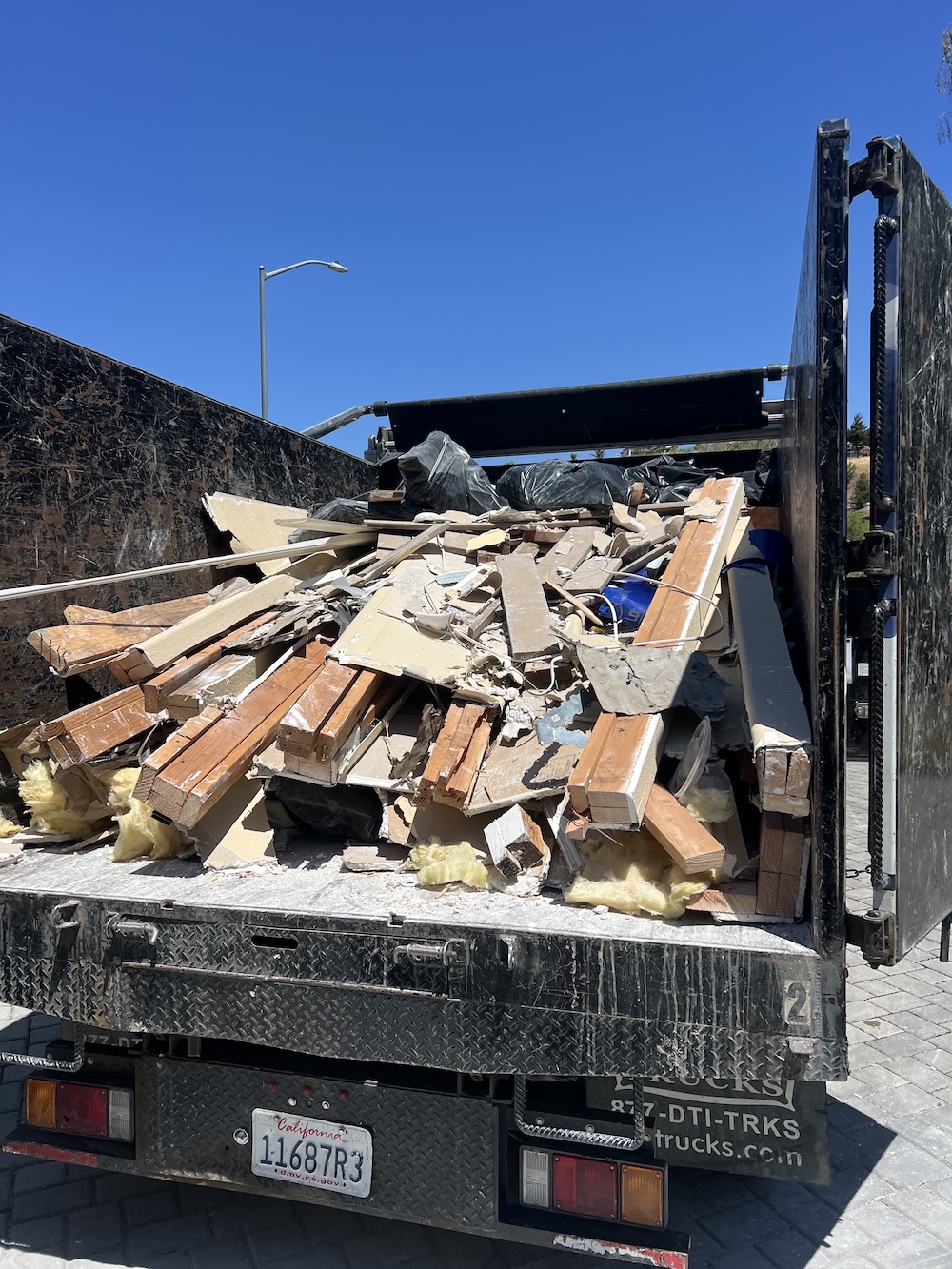
Construction and renovation projects create debris fast. Junked: Powered by Veterans™ provides professional construction cleanouts and demolition services throughout the Bay Area, helping contractors, property owners, businesses, and property managers keep job sites clear and ready for the next phase.
From interior demolition and remodel cleanouts to construction debris removal, we handle the heavy lifting, hauling, and cleanup. Our veteran-led crew can remove drywall, flooring, cabinetry, fixtures, lumber, and other unwanted materials safely and efficiently.
A cluttered job site can slow down crews and create unnecessary delays. Junked: Powered by Veterans™ makes cleanup simple by combining demolition, debris removal, and hauling into one dependable service.
Whether you need a one-time cleanout or ongoing cleanup during a renovation or buildout, we’re ready to help keep your project moving.
Disclaimer
The materials available on this website are for informational and entertainment purposes only and not to provide legal or professional advice. You should contact your attorney or home improvement specialist for advice concerning any particular issue or problem. You should not act or refrain from acting based on any content included in this site without seeking legal or other professional advice. The information presented on this website may not reflect the most current home improvement developments. No action should be taken based on the information on this website. We disclaim all liability concerning actions taken or not taken based on any or all of the contents of this site to the fullest extent permitted by law.