Cleanout costs explained – being aware of all the charges and processes associated with a cleanout, say, of an office, home or warehouse. Cleanout costs typically include hauling, dumping, labor and occasionally disposal of special items. All but one are variable fees that depend on the size of the job, the material type and local regulations. For residences, additional fees may arise from removing heavy or awkward pieces or disposing of items such as e-waste or chemicals. In the commercial arena, fees can increase with vintage machinery or files that require secure destruction. Cleanout fees can be charged by weight, truckload or hour. To budget, it helps to identify what items are really inflating the cost and what services provide the most value. The following section expands on these points.
Table of Contents
ToggleKey Takeaways
- Cleanout costs depend on debris volume, labor requirements, disposal fees, property access, and project urgency. It’s important to evaluate these factors before starting.
- To budget correctly, you need to measure debris volume, identify hazardous materials, and research local disposal and permit fees. All of these can sneak in additional expenses to the process.
- Property condition and location are a big factor in final pricing, as city, toxic waste, and junkyards all cost more.
- Comparing professional services with do-it-yourself efforts highlights the value of expertise, time savings, and safety assurances provided by trained teams, especially for complex or large-scale cleanouts.
- Environmental surcharges, overtime labor, and unexpected obstacles are all hidden costs that can catch you by surprise, so it’s wise to set a contingency budget for these potential expenses.
- Beyond potential odor and pest issues, cleanout costs are explained. A thorough cleanout can boost your property’s value and safety, provide emotional ease, allow you to unearth hidden treasures, and pay dividends in increased productivity and wellness.
Understanding Cleanout Costs
Cleanout costs are influenced by a combination of factors that dictate price and logistics. Knowing these specifics enables owners and managers to plan with greater confidence and precision. Here are the main variables at play:
- Debris volume: More debris means higher costs. A bigger home with decades’ worth of stuff tends to increase all costs, particularly if bulky or hazardous materials are involved.
- Disposal fees: These vary by region and waste type, with some local laws like those in California affecting what can be thrown away and at what cost.
- Property access: Tight staircases, narrow hallways, or limited parking can slow work and require extra labor or equipment, which increases the total bill.
Labor Intensity
Labor costs connect directly to the project’s difficulty. A whole-house cleanout with heavy lifting, sorting of valuables, and hazardous materials can need a skilled crew, often running costs of $1,200 to $3,000 or more. One-bedroom apartments with minimal requirements might only require two workers for several hours. A grand estate could require specialized labor at premium rates, particularly if inventory or asset identification services are required, which can add $2,000 to $6,000 in additional charges. Longer jobs also require more labor hours, so time estimates are key.
Debris Volume
Estimate debris by volume and waste types. One truckload usually ranges between $130 and $370 and might do for small jobs. Big houses or barns stuffed with items may require multiple truckloads, which totals up quickly. Any hazardous materials or bulky items such as appliances or old furniture typically have a surcharge. A cluttered garage will add $300 to the cost and an overflowing barn will add $1,500. The more you have, the more you pay.
Disposal Fees
Disposal fees vary by location, landfill regulations, and recycling requirements. Certain cities may have landfills and recycling centers that charge extra to sort or deal with electronics, chemicals, or construction debris. Certain cities tack on recycling fees. State laws, such as those in California, can affect landlords and tenants’ costs. Special handling can add significant expense to both large and small cleanouts.
Property Access
Quick access to the property makes cleanouts less time-consuming and less expensive. If employees need to carry items down stairs, through tight doors or across an expansive distance to a truck, labor fees increase. Hard-to-reach places might need special equipment, such as lifts or dollies, that can increase the cost. Parking restrictions, which are common in busy cities, can even incur additional time and permit fees.
Project Urgency
Urgency tends to command a higher rate. If you require a cleanout within days, anticipate expedited service charges. Last minute and same-day requests can be 30 to 50 percent more expensive than planned projects, particularly in high-demand city hubs. Fast turnarounds after move-outs, foreclosures, or emergencies occur, so if you can, plan ahead to avoid premium charges.
What Influences The Final Price?
Cleanout costs are a function of a combination of physical, technical, and local factors. Some, such as the diameter of the piece of real estate or pipe, are obvious. Others must be examined closely, including the existence of dangerous goods, specialty items or local laws. The following table summarizes the key factors that play a role in shaping the final bill:
Factor | Example Impact on Cost | Typical Range (USD) |
Property Condition | Well-kept vs. neglected | $150 – $500+ |
Hazardous Materials | Asbestos, lead paint, chemicals | $200 – $1,600+ |
Specialized Items | Pianos, safes, large appliances | $100 – $1,000+ |
Geographic Location | Urban vs. rural; region | $200 – $600+ |
Labor Costs | Hourly wage | $45 – $200/hr |
Permit Fees | Local government requirement | $50 – $1,600 |
Pipe Length | Length to sewer line | $50 – $250/meter |
Emergency Services | After-hours, weekend | +$100 – $500 surcharge |
Cleanout Type | One-way vs. two-way | $1,000 – $3,500+ |
Property Condition
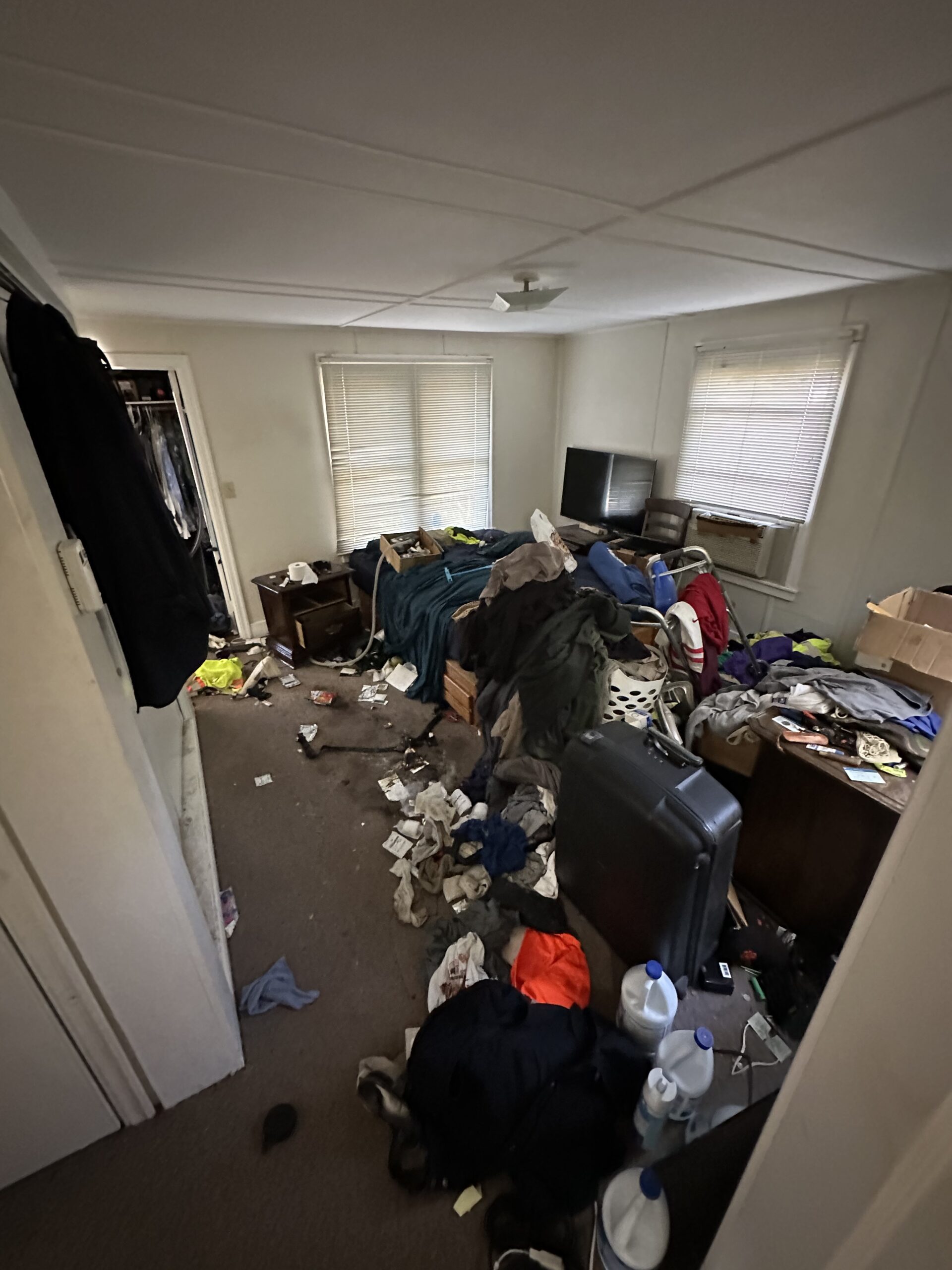
The kicker is, until you perform a full inspection, you won’t know the extent of a cleanout. If a home is in good shape and everything is sorted, prices are reduced since disposal is quick and easy. Junky or abused spaces require additional work, time, and precautions. This may be the case if debris has banked up for years or there’s water or bug damage.
Hazardous materials such as mold or asbestos increase the difficulty and cost. If post-cleanout fixes are necessary, that’s an additional contribution to the invoice. For instance, replacing drywall or flooring after a sewer backup can increase costs dramatically.
Hazardous Materials
Hazardous waste—such as chemicals, lead paint, or medical sharps—requires additional actions. Teams require specialized equipment and training to manage and transport these safely. This pushes up labor rates and can activate fees for complying with government regulations.
You may need permits, particularly for heavy or dangerous loads, which typically cost between $50 and $1,600 depending on the region. You’d be best to get certified crews to do this.
Specialized Items
Other jobs include items that are oversized or sensitive, such as pianos, industrial equipment, or antiques. Taking these off might require cranes or additional personnel, which adds to the labor invoice. Heavy items, like old safes or machinery, can push the price up because of the need for careful handling.
Fragile or expensive items require careful unpacking, occasionally with custom packaging or insurance. Local law may require unique disposal for electronics or some appliances, which could translate to higher disposal fees.
Geographic Location
Where the gig goes down alters everything. City neighborhoods, where labor and disposal rates are higher, generally price higher than suburban or rural locations. For instance, cleanout fees can be between $300 and $600 in the Northeast and $200 to $500 is typical in the South.
Local regulations impact whether you need permits or how you dispose of waste. If the team has to travel a distance, anticipate additional fees. Sewer line location, whether urban or rural, shifts labor, permit and disposal costs.
Junk Removal Cost Breakdown
Junk removal prices vary based on junk measurement and item type. Knowing these three categories will help you approach your cleanout project with more clarity and a budget in mind.
- By the truckload (volume-based)
- By the item (itemized pricing)
- By the hour (labor-based)
- Location-based fees
- Special item surcharges
- Bulk pickup or municipal service options
By The Truckload
The majority of junk removal companies employ truckload size as a primary pricing measure. Twenty cubic meters, or roughly twenty yards, trucks are full loads, and prices scale with how much space your things occupy. For instance, a half truckload could run you around $350, while a full load might be $700 or higher. Construction waste tends to run on the high end of that. Partial loads smaller in size tend to cost disproportionately more per cubic meter, so full loads are a better value. Many providers add fees for overloading or for junk that requires specialized disposal. Location is important; rates can vary by 10% to 20% by city or country.
By The Item
Itemized removal goes great for single items or mini-batches. You may be charged $10 to $20 for a chair, but $50 to $100 for a major appliance. Tires, for instance, are usually $5 to $15 each to get rid of. A detailed list of what you need removed helps get an accurate quote. A few businesses even discount for removing several identical pieces in one fell swoop, so bulk rates tend to be more cost-effective than a bunch of individual pickups. If your list is lengthy, inquire if a bundled rate is more economical.
By The Hour
Labor costs arise when cleanouts require some additional effort. Average prices are between $100 and $300 per session, though hourly billing is sensible for complicated tasks or DIY assistance. For full-service crews, overtime fees might kick in if the work runs longer than anticipated. Checking hourly rates from various firms can maximize your value, but don’t forget to project total hours required for your square feet and junk density. Others bundle in basic labor with their volume pricing, so see what’s included.
The Hidden Financial Factors
Cleanout costs extend beyond labor and disposal fees. A few uncommon suspects can increase the cost. Big cleanouts, particularly for larger houses or commercial spaces, can require added expenses that raise final pricing. Neglecting these can affect a property’s value, often leading to declines as great as 30%. These secret ingredients are what you need to know for effective planning.
Environmental Surcharges
There may be environmental surcharges for disposing of electronics, chemicals, or other hazardous materials. These surcharges can be anywhere from $200 to $1,000, depending on material type and volume. Local ordinances generally mandate recycling or green disposal, which might include additional surcharges or handling fees. A few waste companies are gouging for green too, even if it’s mandatory in some areas. Mattresses or appliances, for instance, could cost $50 to $250 a piece to legally dispose of. Just to be safe, always check local trash rules. They vary widely and disregarding them can lead to surprise surcharges or penalties.
Permit Requirements
A lot of areas require permits for big cleanouts, like if you rent a dumpster or need the street to be closed. Permit fees can range anywhere from $25 to $100, depending on local regulations. Ignoring this step can result in fines or project hold-ups that increase your expenses. In other cities, they will check paperwork before allowing the work to go forward, so looking into your local permit needs is key. Non-compliance, besides risking penalties, can jeopardize project deadlines.
Overtime Labor
- Extended project duration due to scope changes
- After-hours or weekend work scheduling
- Emergency or urgent project deadlines
- Short staffing or crew shortages
Labor costs escalate quickly when cleanouts spill over regular working hours. After-hours or weekend rates can increase labor bills by 25 to 50 percent. Scheduling issues or last minute delays necessitate additional staffing or extended shifts, pushing up spending. Large or remote projects may add travel fees of $50 to $200 if crews travel over 32 kilometers.
Unforeseen Obstacles
Hidden issues, such as structural damage or mold, can emerge halfway through a project. These problems can require additional equipment or assistance, driving up expenses. Dumpster rental overages, hazardous waste disposal, or surprise debris can all result in additional charges. Without a plan, these surprises can send budgets over the edge. It’s best practice to have an emergency fund for these types of situations.

Professional Service Versus DIY
The question of a professional cleanout service versus DIY depends on many factors such as the actual costs, risk, and project complexity. They both have advantages and pitfalls, and knowing these leads to a shrewder, more pragmatic choice.
- Professional services provide reliability, higher compliance, and faster delivery. Their crews utilize industrial grade tools and adhere to rigorous cleanliness standards, resulting in a compliance rate around 95% compared to the sub-par results of DIY. What would take you an hour, they can do in half the time because of their skill and tools. Professional services are more expensive up front, and for less complex or smaller tasks, the added value may not always be worth these fees. A DIY cleanout reduces direct costs, but it tends to raise the potential for injuries, erratic standards, and incomplete outcomes. DIY might be cheap, but it will screw up your joy of work as well as the quality.
- It’s all about weighing cost, time, and quality. If you have a small, uncomplicated project that doesn’t involve significant safety considerations, DIY may suffice. For bigger or complicated jobs, particularly where compliance and work safety are concerned, professional services frequently end up being more cost effective over the long haul.
The True DIY Cost
A DIY cleanout seems less expensive initially. Monthly supply and equipment expenses will run $200 to $400 all by themselves, not counting the costs of disposal or the fees for renting dumpsters or special tools. Labor, the forgotten expense, accrues when you include your team’s hours, particularly when efforts drag as a result of inexperience. The potential for injury exists; moving bulky, heavy objects without the proper equipment can cause injuries that result in downtime or medical expenses. Standards vary widely, which can affect job satisfaction and create a less productive work environment. Without a process, you end up with results that don’t meet expectations, leaving some regions uncovered or substandard.
The Professional Value
Professional service adds efficiency, expertise and peace of mind. Their teams are experienced at dealing with complicated cleanouts and toxic materials, reducing hazards and guaranteeing compliance. Professionals get it done faster, often twice as fast, thanks to their experience and tools. This efficiency results in less interruption and additional activity. The assurance of knowing work will be done right is difficult to quantify, but it counts, especially in regulated industries. Neat working environments increase worker productivity by as much as 16%. The sticker price is higher for professionals, but the risk reduction, time compression, and enhanced results usually make it worth it.
The Investment of a Clean Slate
A cleanout is not a one-and-done activity. It’s an investment that yields both practical and emotional dividends. They may seem steep, with prices between $275 and over $4,000 for a full estate cleanout. The rewards dive deeper into real estate value, emotional wellness and everyday happiness. For most, decluttering becomes a trigger for permanent transformation. A clean slate is an investment in your mental health. These bursts in productivity, paired with the momentum of the clean slate, can help you build new habits and routines that enable a sustainable new order.
Time Reclamation
Investing in cleanout work by professionals gives back hours, even days, that would otherwise be lost. Sorting, hauling, and dumping is a consuming process, especially if you’re doing it solo. The opportunity cost is high. You could be working, learning, or spending time with family, friends, or your kids while doing a DIY cleanout. If you’re staging a property for sale or rental, a quick professional cleanout can expedite the process, shorten vacancy, and enhance marketability. Fast turnaround leads to properties moving quicker, and owners don’t sweat out months of rehab or foreclosure.
Safety Assurance
Benefit | Description |
Expert Handling | Trained teams manage hazardous items safely |
Risk Reduction | Fewer injuries or property damage |
Liability Prevention | Safety measures lower chances of costly accidents |
Professionals have the proper training and equipment to handle the hazards. They manage blades, heavy machinery, and toxic substances that are potentially lethal in untrained hands. This minimizes the risk of hurting yourself or inadvertently destroying the house. In places where safety is a priority, such as high-rise apartments or vintage homes with hidden substances, professional supervision may save you from legal and financial trouble.
Emotional Relief
Decluttering is a highly intimate experience. Going through stuff is difficult; things hold memories, things are chapters in life. It can be cathartic, allowing individuals to unload emotional baggage. A clean, organized environment is proven to reduce stress and anxiety, helping you to focus and unwind better at home. There’s great satisfaction in letting go and making room for new experiences and new habits. For others, it may be a battle they fight their entire lives, but the reprieve of a clean slate is instant and tangible.
Asset Recovery
These cleanouts expose value. Sell unwanted furniture, electronics, or collectibles to help offset the cleanout costs. Donation pickups give you an opportunity to help local charities and clear out clutter. This double win is less wasteful and more rewarding. When you’re planning a cleanout, accounting for asset recovery can help you maximize your ROI and bring accomplishment well beyond a neat room.
Conclusion
Cleanout costs can appear steep initially, though they simplify things and save you time. A pro team like us brings both the skills and the right equipment to the job. They forget the little charges and price leaps that accompany DIY-ing. Out of sight, out of mind. When you pay for a good service, it equals less stress, less mess, and more time to concentrate on work or family. Every space, every job is unique. Collecting some quotes goes a long way in choosing the right one. To score a savvy decision, check service reviews and inquire about all fees in advance. Looking to go further or offer your own advice? Drop a line on the blog or get in touch. Your experience can guide others toward the correct solution.
Frequently Asked Questions
1. What Is the Average Cost of a Cleanout Service?
The cleanout prices explained earlier could be anywhere between €200 and €1,000. The ultimate cost is determined by the size, junk volume, and regional pricing.
2. What Factors Affect Cleanout Costs the Most?
Based on volume, materials, labor, and any special disposal needs. Location and accessibility are big factors in the final cost.
3. Are There Hidden Costs in Cleanout Services?
Yup, those sneaky costs might consist of things like hazardous materials, additional labor, transport or dumping of bulky items. Cleanout costs explained. Always get a quote before booking!
4. Is It Cheaper to Do a Cleanout Yourself?
DIY cleanouts can reduce expenses, but you’ll sacrifice time and put yourself in danger. While considering the cleanout costs.
5. How Do Professionals Calculate Junk Removal Prices?
Experts usually price according to volume in cubic meters, weight, work hours, and kind of objects. Some have minimum fees no matter what you remove.
6. Are Cleanout Services Environmentally Friendly?
A lot of companies recycle or donate anything that is usable. Inquire with your provider regarding their disposal procedure so you know they are using responsible, eco-friendly methods.
7. Do All Cleanout Companies Offer Free Quotes?
Most good cleanout services will give you a free quote. Be sure to verify this to avoid being surprised by extraneous fees and to more readily compare pricing.
Get Transparent Pricing Now
Understanding cleanout costs doesn’t have to be complicated—or stressful. From hauling and labor to disposal and permits, the fees can add up quickly, especially for larger or specialized projects. By working with a professional team like Junked by Vets, you gain upfront, transparent pricing that eliminates surprise charges, ensures proper handling of hazardous or bulky items, and saves you valuable time and effort. Their trained crews provide safe, efficient, and fully compliant cleanout services for homes, offices, and commercial spaces—so you can focus on what matters most while knowing your project is in capable hands. Get transparent pricing today and take the guesswork out of your next cleanout!
Disclaimer
The materials available on this website are for informational and entertainment purposes only and not to provide legal or professional advice. You should contact your attorney or home improvement specialist for advice concerning any particular issue or problem. You should not act or refrain from acting based on any content included in this site without seeking legal or other professional advice. The information presented on this website may not reflect the most current home improvement developments. No action should be taken based on the information on this website. We disclaim all liability concerning actions taken or not taken based on any or all of the contents of this site to the fullest extent permitted by law.