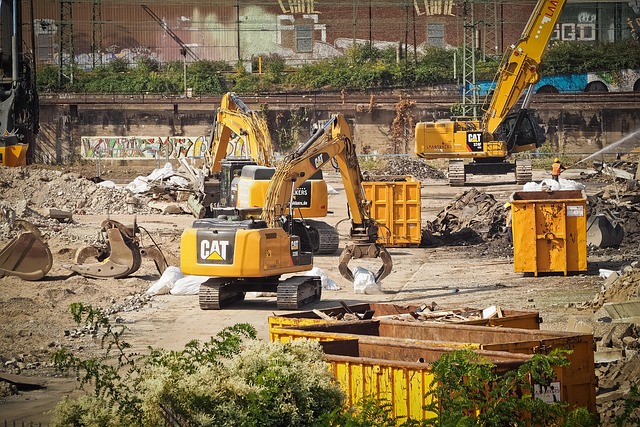
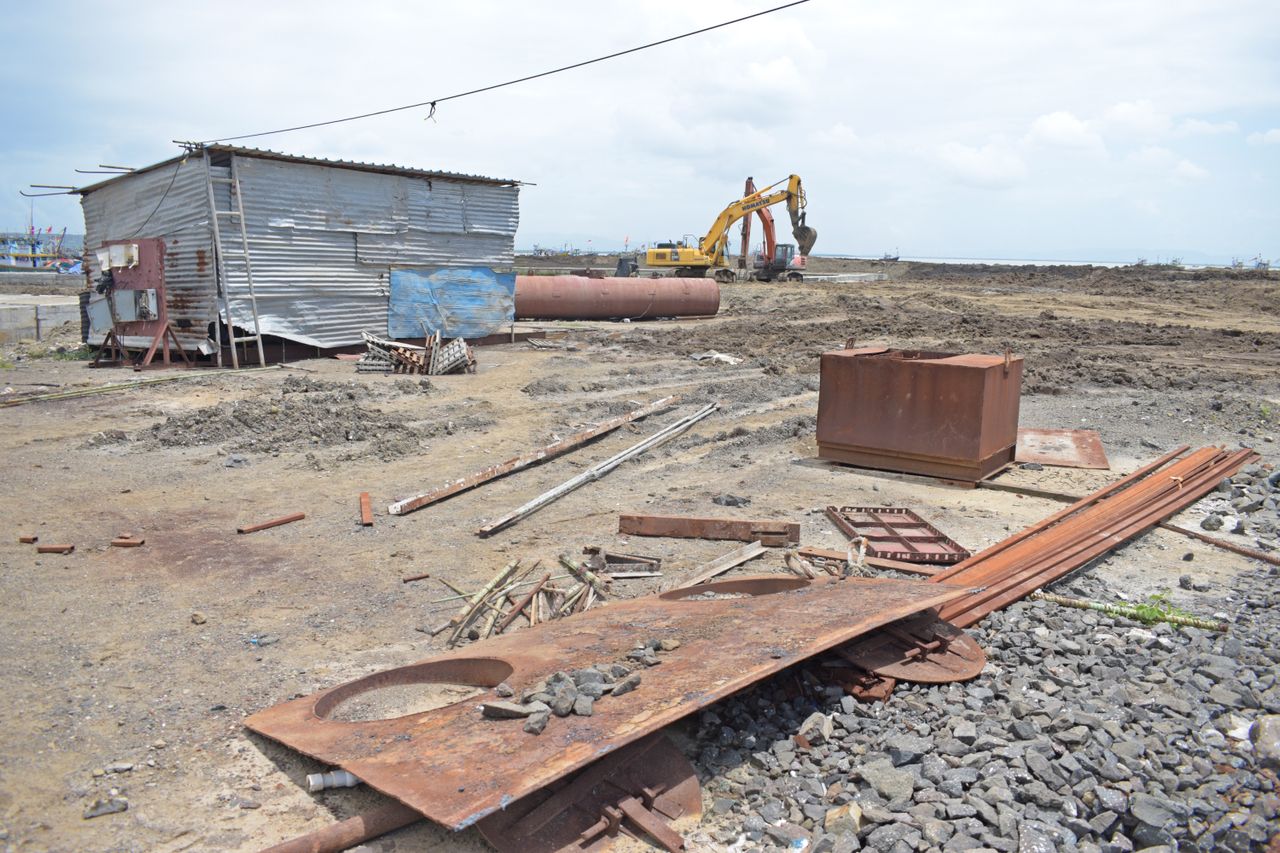
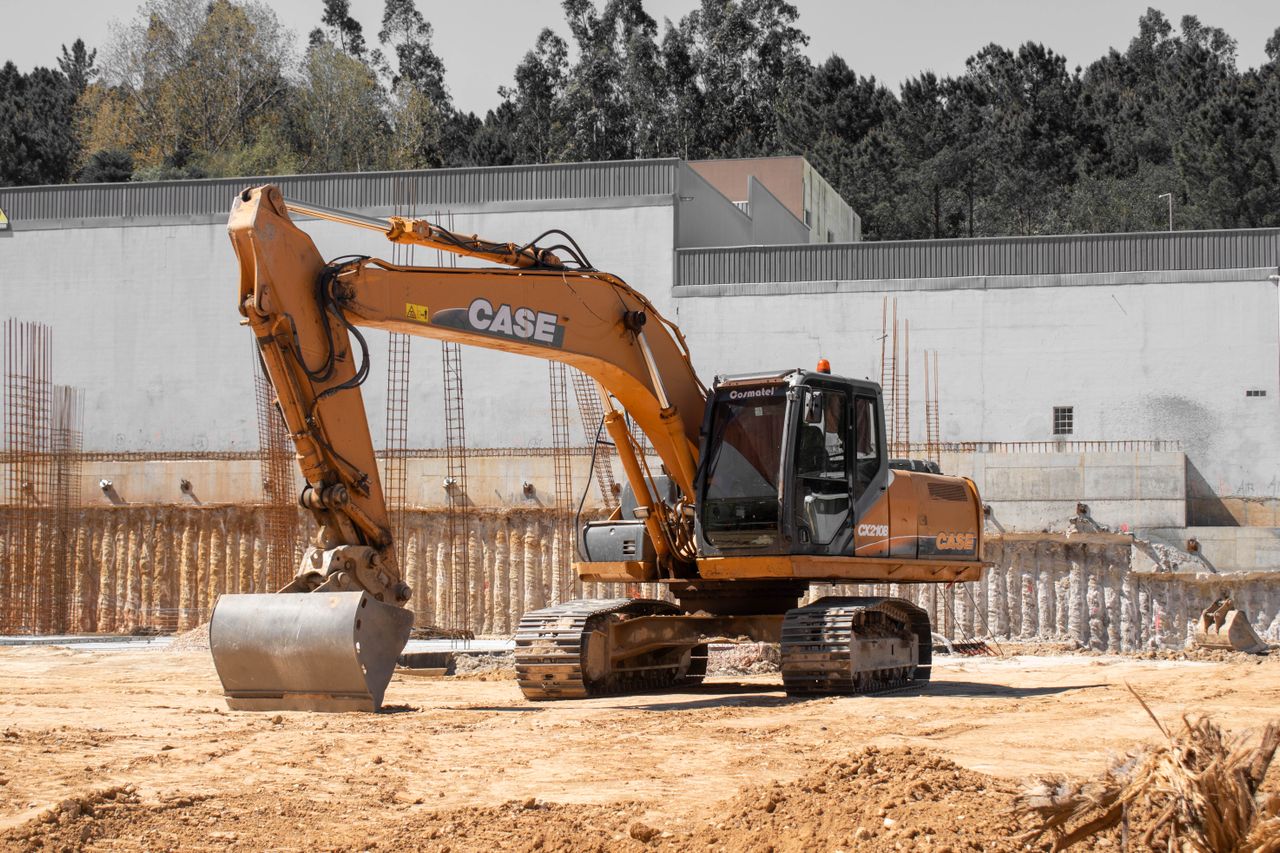
Demolition tears down structures and heavy materials while cleanout removes debris, salvageable items, and hazardous waste to make places ready for reuse. Integrated workflows accelerate project schedules by synchronizing demolition stages with focused cleanout activities, reducing both labor and dumping expenses. Coordinated site safety plans, material sorting, and waste tracking help teams meet local regulations and recycling goals. Equipment staging and sequencing direct which to tear down first and which to clear for inspection or reuse. Good communication with contractors, waste haulers, and property owners minimizes delays and surprises. Here’s a quick breakdown of typical steps, roles, and cost drivers to plan integrated demolition-cleanout projects.
Table of Contents
ToggleKey Takeaways
- Integrated demolition and cleanout crews operate in a coordinated, sequential workflow that starts with an initial site evaluation and concludes with a final pass to ensure the site is safe to build on, minimizing the chances of forgotten debris or hazards.
- Bundling demolition and cleanout with one provider streamlines your project, reduces costs by cutting duplicate mobilization and overhead billing, and accelerates your schedule with a coverage method of rolling, phased removal.
- Local on-site sorting and phased removal make everything safer and more recyclable by isolating recyclables, hazardous waste, and landfill materials, and by organizing cleanout work right after each phase of demolition work.
- Coordinated planning, common project software, and instant messaging tools eliminate scheduling conflicts and scope creep by aggregating schedules, documents, and progress updates for the two crews.
- Proactive regulatory compliance and risk management means identifying hazardous or contaminated materials early, getting permits in time, having documented disposal actions, and joint emergency protocols to protect workers and limit liability.
- Value-added services, from asset recovery to advanced recycling partnerships to site preparation, maximize client returns, showcase sustainability, and position the provider as a turnkey site-ready solution.
The Integrated Demolition And Cleanout Process
One integrated approach combines demolition, debris removal, and site prep under one coordinated plan to cut delays, minimize the risk of miscommunication, and accelerate turnover for owners who can’t stand to have long vacancy periods.
1. Initial Assessment
A property evaluation identifies structural risks, hazardous materials, and salvageable assets. This step maps access points, notes tight spaces or hillside conditions, and lists required permits and local rules. The plan sets roles for demolition and cleanout crews, specifies equipment such as mini-excavators or skip bins, and flags recycling streams for metal, concrete, wood, and specialized waste. Providers who offer integrated services can help navigate local procedures, reducing start delays.
2. Strategic Demolition
Smartly sequence work to strip out nonstructural elements first, then address load-bearing components in measured phases to preserve favorite features. Remove the reusable fixtures and recyclable materials before heavy machinery arrives. Schedule timing with cleanout crews so sorting can start as soon as materials hit the ground. This minimizes stream cross-contamination and reduces disposal fees. Apply site-specific and project-specific techniques, such as selective deconstruction, manual dismantling, or concrete saws, depending on site constraints and the desire to salvage where possible.
3. On-Site Sorting
Establish clean areas for recyclables, hazardous waste, and landfill items close to the work face. Crews trained to identify hazardous materials, such as asbestos, lead paint, or electronics, immediately segregate and contain them. Record volumes by material for disposal manifests and recycling rebates. Smart on-site sorting minimizes truck trips, accelerates removal, and facilitates adherence to local waste regulations.
4. Phased Removal
Schedule debris pull in phases associated with demolition milestones, so work areas remain safe and accessible. Plan cleanout to come right after each demolition with no lag. This keeps turnover speedy and can save you from weeks of downtime. Modify removal strategies should weather or site conditions alter while tracking each step for accountability and permitting audits. Single-provider teams make it easy to coordinate logistics and crew shifts.
5. Final Sweep
Close it all out with a final inspection that searches for concealed debris, lingering hazards, and site construction readiness. Take care of missed spots on the spot and generate a client checklist complete with photos, waste manifests, and recycling reports. This paves the way for quick follow-on work and prevents owners from losing rental income due to delays.
Why Combine These Services?
Combining demolition and cleanout creates a single, continuous workflow that eliminates frequent gaps between site teardown and site clearance. This integration minimizes handoffs, eliminates duplication, and clarifies accountability for site status from beginning to end.
Cost Efficiency
Cost Item | Separate Services | Bundled Services |
Labor mobilization | Higher, separate crews | Lower, shared crew |
Equipment rental | Duplicate | Shared use |
Disposal fees | Standard | Discounted bulk rates |
Administrative billing | Multiple invoices | Single invoice |
Bundling eliminates duplicate labor and equipment moves, reducing out-of-pocket expenses and minimizing downtime that customers still have to pay for. Administrative load drops because clients get one invoice and one contract, which makes procurement and accounting easier. Recycling partners enable providers to offer savings from economies of scale when it comes to sorting and hauling material in bulk. By combining junk removal and dumpster rental, you often get additional discounts, and one provider can verify the disposal follows proper environmental guidelines.
Time Savings
- Coordinate crew schedules to overlap demolition with staged cleanout.
- Why build these services together?
- Pre-sort hazardous and recyclable streams to prevent delays later.
- Book final sweeps and inspections without waiting on different crews.
More rapid site turnover is a direct result. Work flows continuously, not stopping between stages, so build or renovation teams can get going faster. With one contractor in charge of both, change orders and rescheduling only need single approvals, which shortens decision loops.
Enhanced Safety
Keeping a clean site reduces slips, trips, and falling-object incidents. Hazardous materials are all identified early and removed under one unified protocol, limiting inter-team miscommunication. One safety plan to cover them all means uniform PPE policies, exclusion zones, and waste processing procedures. Fewer dust and debris floating around on site reduce exposure to contaminants, helping safeguard workers and neighboring occupants alike.
Simplified Accountability
One provider takes unambiguous responsibility for all clearing work, streamlining contract language and making remediation quicker. Centralized reporting provides clients a single set of daily logs, photos, and waste manifests for permits and audits. One project manager means no back-and-forth between companies to get things fixed and consistent quality standards for everything from demolition through final cleanout.
Managing The Combined Project
Managing demolition and cleanout as one project requires a short framing: integrate plans so timelines, resources, compliance, and risks are treated holistically rather than as two separate tasks. This minimizes downtime, prevents redundant work, and maintains the site safer and more efficient.
Unified Planning
Come up with a master schedule that aligns demolition and cleanout, with defined start and end points for each and handoff windows for crews. Use time-boxed tasks. For example, a structural tear-out day followed by a same-day roll-off pickup avoids material pileup. Share resources between the two teams, including crew size, equipment, and one central debris location, such as a roll-off dumpster, to avoid scattered debris piles and frustration. Choose dumpster types and sizes up front. One 20 m3 roll-off may work for light interior demo, while several smaller bins suit mixed waste. Switch to regular waste service the next day if ongoing cleanup is needed. Establish shared goals and KPIs, such as daily cubic meters removed, safety incidents, and percentage of recyclable waste separated, and consult weekly plans with customers to maintain alignment. Make small cleanup tasks happen continuously. Don’t work every hour and then do big cleanup. Steady housekeeping keeps spaces usable and prevents small delays from piling up for weeks.
Code Compliance
Keep up to date on local, state, and federal regulations that impact demolition and waste removal. Maintain a compliance matrix that reflects permits, notification requirements, and approved disposal facilities. Get all necessary permits before mechanical demolition and bind manifest documents for controlled waste. Document disposal and recycling actions by recording weights, destinations, and receipts to meet legal and client audit needs. Train staff to recognize hazardous materials such as asbestos, lead paint, or contaminated soils, and prescribe handling paths that include containment, labeled transport, and licensed disposal. Periodic refresher sessions minimize slip-ups and help confirm permits and manifests align with activities on the ground.
Risk Management
Pinpoint hazards from rubble sorts, unstable building materials, and toxic waste. Correlate them to controls such as exclusion zones and staged elimination. Implement safety measures tailored to both demolition and cleanout: temporary walkways, dust suppression, and scheduled debris lifts to avoid congestion. Keep insurance and make sure policies cover combined operations and subcontractors. Develop emergency protocols that cross-cut both teams, including spill response, medevac routes, and quick rerouting of waste to other facilities when sites shut down.

Common Integration Challenges
Demolition and cleanout crews must first recognize common integration challenges when workflows intersect on the same project location. Identifying contamination risks, schedule mismatch, scope drift, family dynamics, time and cost limits, and regulatory hurdles early minimizes friction and helps projects stay on course.
Material Contamination
Identify and quarantine infected materials upon intake. Common integration challenges include a diligent site walk that detects asbestos, lead paint, oil, or biologically contaminated items. Sampling and tagging accelerate future determinations. Prevent cross-contamination by using separate handling procedures. Dedicated bags, labeled bins, sealed containers, and color-coded routes keep clean areas distinct from hot zones. Adhere to rigorous disposal regulations for hazardous materials. Local waste regulations typically mandate manifests, licensed haulers, and certified facilities. Ignoring them can spark fines or work stoppages. Train crews on how to spot and handle contaminated waste. Training should include visual indicators, simple on-site testing, selecting PPE, and when to phone an environmental contractor. For example, an old boiler room with oil-soaked insulation requires immediate containment, soil testing, and a licensed remover before demolition proceeds.
Scheduling Conflicts
Time coordination so that teams are not overlapping or waiting on one another. Map out a phase map of when the structural takedown, item removal, and fine cleanout each begin and end. Employ project management software to monitor and update schedules in real time. Cloud-based tools allow supervisors to reassign crews, record delays, and distribute updated plans to subcontractors. Inform changes to all stakeholders effectively and timely manner. Quick notice minimizes shock and gives families, estate executors, or purchasers a chance to recalibrate expectations. Build flexibility into the schedule to accommodate unforeseen delays such as weather, permit waits, or emotional pauses when relatives need time to sort belongings. Under time pressure, stress is often multiplied. Deadlines may require hurried sorting and more expensive disposal.
Scope Creep
Set project boundaries and deliverables up front. An explicit scope lists rooms and what to keep, donate, or throw away, with price averages per action. Keep an eye out for work scope additions or changes. Assign a change-request track so snide requests don’t become extra-billable work. Update contracts and budgets promptly when scope changes occur, and record approvals. Meet periodically to check progress and scope concerns. Bring in family representatives if estate decisions are contested. Emotional attachment, family conflict, and financial constraints are often the impetus for scope changes and must be handled with explicit policies and prompt documentation.
The Technology Connection
It’s this increasingly technical connection between demolition and cleanout, powered by tools that handle risk, accelerate work, and capture compliance data. Technology links planning, field activities, waste processing, and reporting into one stream, allowing teams to comply with safety and environmental regulations while maintaining projects on schedule and on budget.
Project Software
- Centralized platforms bring schedules, permits, and site plans together so project managers and subcontractors view the same baseline. These systems archive records for hazardous material surveys, asbestos or lead paint abatement plans, and underground storage tank removal permits.
- Real-time updates transmit crew activity and resource status. Use mobile check-ins to confirm when a hot spot is cleaned or when a vacuum truck has extracted soil.
- Digital tracking of materials quantities tracks volumes of concrete sent to crushing and recycling, e-waste collected for certified recycling, and transport manifests for hazardous waste. That information is tied to weight tickets and photographs for audit trails.
- Automated report generation outputs client-ready summaries and regulatory filings, such as chain-of-custody records for lead abatement and disposal receipts for e-waste.
Communication Tools
Mobile apps and messaging platforms allow crews to send site photos and safety alerts immediately, minimizing lag time when problems occur. Trade-focused group channels for demolition, abatement, and waste handling accelerate attachment or disposal path decisions. Archive functions save chats and pictures for subsequent review or compliance audits. GPS-tagged photos and maps allow you to demonstrate precisely where you encountered underground tanks or contaminated hotspots and how you responded, making clients and regulators happy.
Equipment Advances
Put money toward machine deconstruction that both breaks and loads to reduce handling stages. Hydraulic shears, pulverizers, and mini-crushers save time and labor. Specialized attachments sort material on-site: grapples for metal, clams for concrete, and screens for separating soil with contaminants. Green engines and electric drives cut emissions, and on-site concrete crushing converts demolition debris into recycled aggregate. Routine preventative maintenance and calibration of air monitors, respirators, and vacuum trucks keep teams safe and systems dependable. Control hazardous material release and comply with environmental regulations through air monitoring, respirators, and containment.
Beyond The Wrecking Ball
Demolition today isn’t just about wrecking. It’s a harmonized method of strategic demolition, materials management, and site preparation so building can begin earlier and with less expense and hazard. The tables below illustrate how demolition and cleanout services combine to provide value beyond the wrecking ball.
Asset Recovery
Salvage everything you can before the wrecking ball swings, fixtures, doors, windows, copper wire, hardwood floors. A walk-through with the client and project team flags what to salvage and what to demolish.
Generate an inventory of salvageable assets and assign estimated resale or repurposed values. This list directs demolition order and allows customers to envision paybacks. Smart scheduling allows crews to salvage items without impeding focused wrecking tasks.
Organize removal and temporary storage to safeguard salvaged items from damage and theft, employing labelled crates, covered pallets, and off-site storage when necessary. Small-scale examples include stripping out antique radiators for resale or reclaiming timber for finish carpentry.
Get the best return for your clients by combining salvage markets with recycling outlets. With selective demolition and correct sorting, we can keep up to 90% of materials out of landfill, enhancing project economics and client sustainability statistics.
Material Recycling
Material Type | Typical Recovery Rate | Partner Facility |
Concrete & masonry | 70-95% | Local crushing plants |
Metals (ferrous/non-ferrous) | 85-98% | Scrap yards |
Wood | 50-90% | Reuse centers |
Drywall | 30-70% | Specialized recyclers |
Work with local recyclers to divert concrete, metals, wood, and gypsum from landfill. These collaborations accelerate processing and reduce shipping emissions.
Monitor recycling rates and give clients transparent reports displaying tonnes diverted and possible LEED credits gained. Championing these green practices builds brand equity and satisfies increasing demand for zero waste projects.
Green methods and new equipment lower emissions and allow you to work in tight spaces. You can recycle on site or nearby with minimal disturbance.
Site Preparation
Prepare the site to construction standards by cleaning debris, removing nonstructural vegetation and leveling. Focused demolition makes it possible to take out one wall or a full wing without affecting surrounding areas.
Ready level ground and clear debris so incoming contractors can get foundation or fit-out work underway as soon as possible! Employ compactors, laser grading tools, and even mini excavators to maintain tight tolerances.
Make sure utilities are safely disconnected or rerouted. Work with utility providers and document handoffs. This minimizes safety hazards and avoids expensive rework. Provide a safe, clear site prepared for the next step with supporting inspection reports and photo documentation so project teams can start with assurance.
Conclusion
Demolition and cleanout go hand in hand! Crews get speedy when responsibilities align, and work cascades in obvious steps. Planning determines waste flows, safety efforts, and recycling targets. On site, crews demolish and clean out, sort and haul, in sync. Tech like drones and cloud logs monitor debris, schedules, and costs. Typical snags arise regarding permits, concealed risks, and limited entry. Patch those with site scans, transparent command chains, and buffer time in the schedule. A tight demo-cleanout mix leaves a site ready for what’s next, with less downtime and less junk. Need a checklist and sample timeline for your project? Grab the free pack and begin planning.
Frequently Asked Questions
1. What Are The Main Steps When Demolition And Cleanout Services Are Combined?
Combined projects typically include site assessment, permits, selective demolition, debris sorting, hazardous material removal, haul-away, and final site cleaning. Coordinated scheduling reduces downtime and cost.
2. Who Manages Permits And Regulatory Compliance For Combined Work?
Licensed contractors manage permits and compliance. They make sure local building, waste, and hazardous-material regulations are adhered to. Request paperwork and chain-of-custody records for hazardous waste.
3. How Does Combining Services Save Time And Money?
Integration minimizes redundant mobilizations, decreases disposal rates via improved sorting, and accelerates project completion times. Fewer subs means streamlined communication and fewer scheduling conflicts.
4. What Happens With Hazardous Materials During An Integrated Project?
JUNKED: Powered By Veterans crews identify, contain, and remove hazardous materials before demolition. Because we take business seriously, we do proper testing and disposal the legal way to protect our workers and environment!
5. How Is Salvage And Recycling Handled In Combined Projects?
Crews separate materials on-site for repurposing or recycling. Recyclable metals, concrete, and fixtures are diverted, which reduces disposal costs and increases sustainability.
6. How Do Contractors Minimize Disruption To Neighboring Properties?
They take advantage of containment, dust suppression, sound power level measurement, and controlled demolition. Transparent signage and site fencing safeguard neighbors and minimize liability.
7. When Should I Hire An Integrated Demolition And Cleanout Team?
Hire them while still planning if you want quicker turnaround, fewer contractors, and smarter waste management. Early involvement helps with cost estimates and permits.
Construction Cleanouts + Demo That Keep Your Project Moving
Construction and renovation projects create debris fast. Junked: Powered by Veterans™ provides professional construction cleanouts and demolition services throughout the Bay Area, helping contractors, property owners, businesses, and property managers keep job sites clear and ready for the next phase.
From interior demolition and remodel cleanouts to construction debris removal, we handle the heavy lifting, hauling, and cleanup. Our veteran-led crew can remove drywall, flooring, cabinetry, fixtures, lumber, and other unwanted materials safely and efficiently.
A cluttered job site can slow down crews and create unnecessary delays. Junked: Powered by Veterans™ makes cleanup simple by combining demolition, debris removal, and hauling into one dependable service.
Whether you need a one-time cleanout or ongoing cleanup during a renovation or buildout, we’re ready to help keep your project moving.
Disclaimer
The materials available on this website are for informational and entertainment purposes only and not to provide legal or professional advice. You should contact your attorney or home improvement specialist for advice concerning any particular issue or problem. You should not act or refrain from acting based on any content included in this site without seeking legal or other professional advice. The information presented on this website may not reflect the most current home improvement developments. No action should be taken based on the information on this website. We disclaim all liability concerning actions taken or not taken based on any or all of the contents of this site to the fullest extent permitted by law.