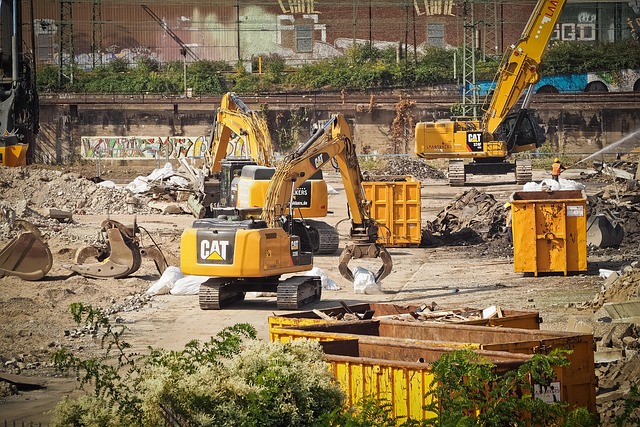
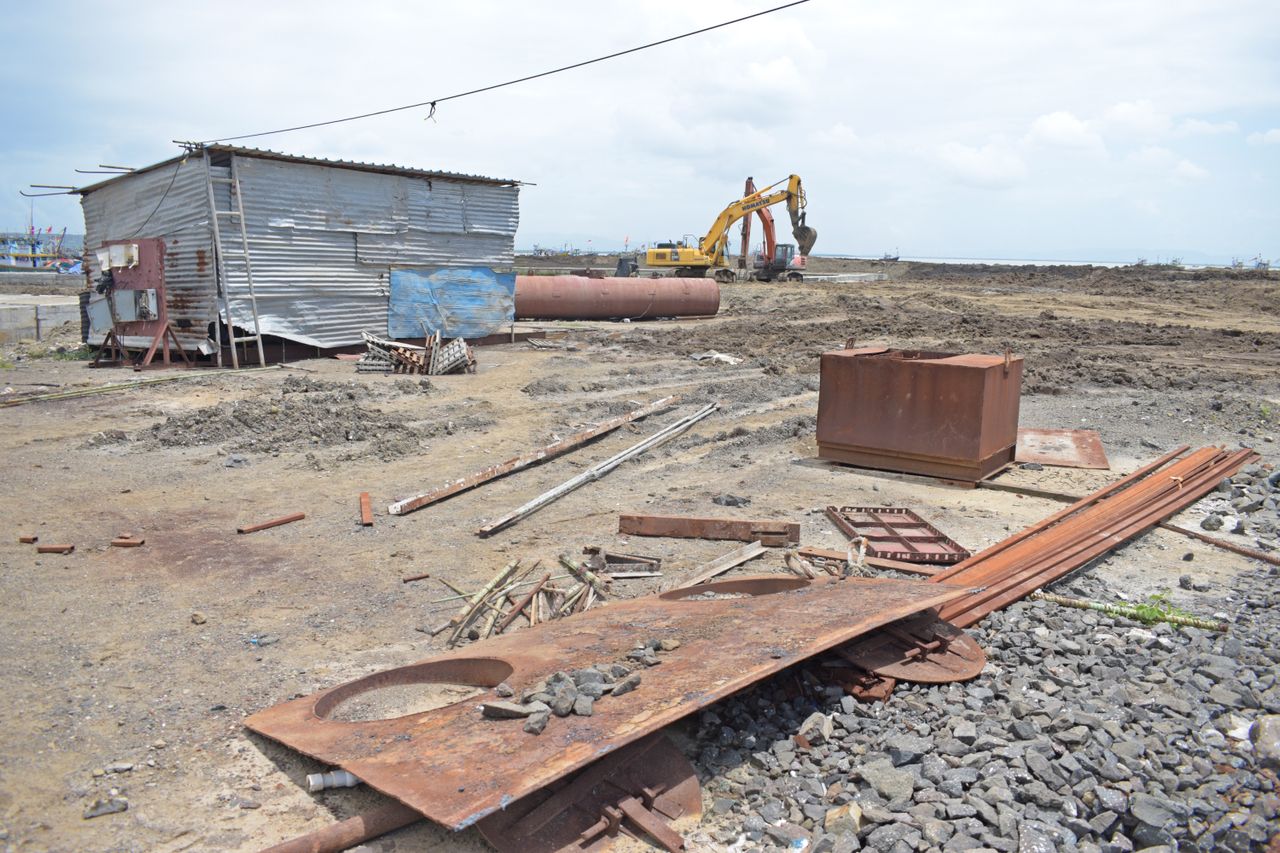
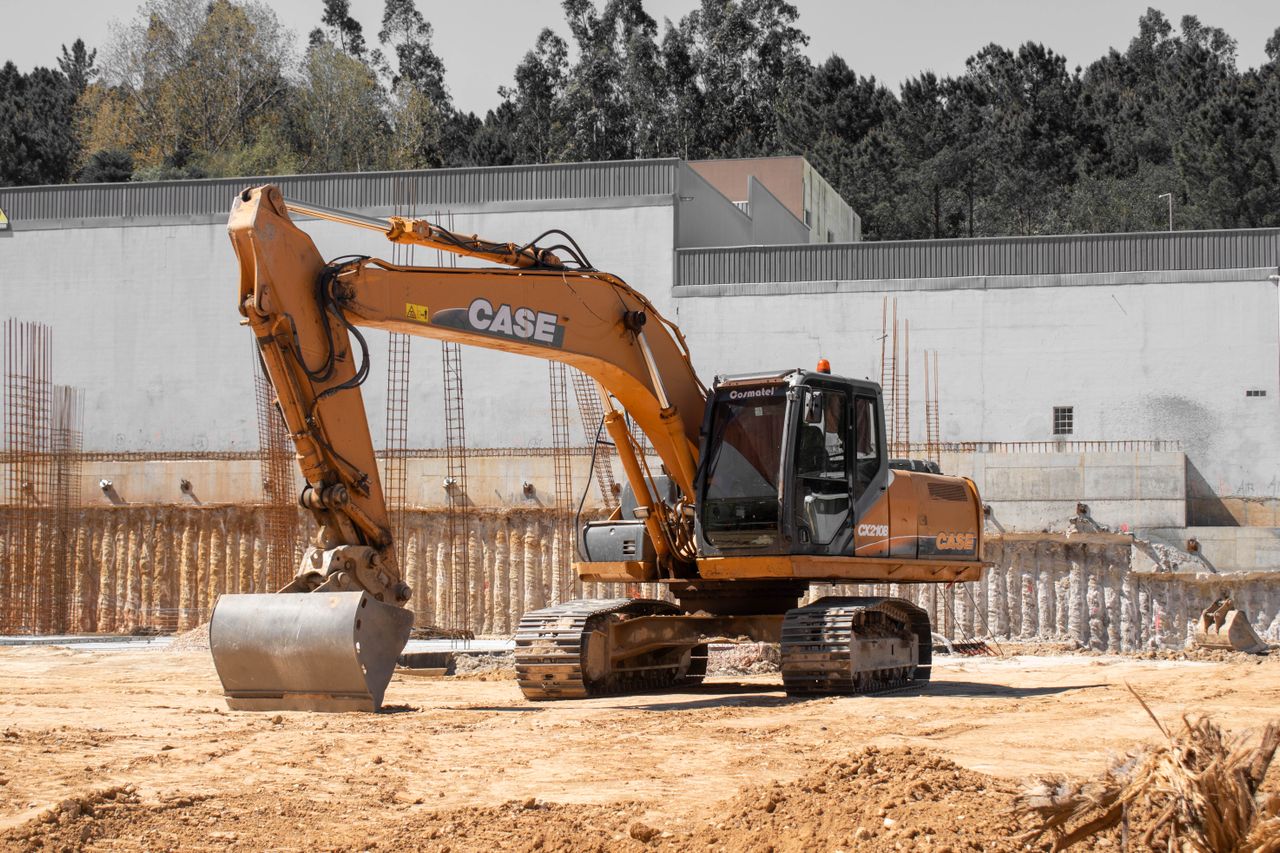
In the Bay Area, many residential demolition projects typically range from $8 to $16 per square foot, which often puts a typical whole-house demolition between $15,000 and $40,000 before factoring in permits, hazardous material abatement, utility disconnects, and other project-specific costs. That’s a wide range, but it’s typical for Bay Area demolition projects because every property presents different site conditions and regulatory requirements. Demolition is one of those line items that looks “simple” until you’re juggling utility disconnects, demolition permits, hazardous material inspections or surveys, limited site access, and waste disposal documentation, all while meeting local regulatory requirements.
You’re probably here because you want a clean number. You want to tell your partner, your architect, or your lender, “It’s going to be X.” I get it. In the Bay Area, project costs can vary significantly due to local regulations, labor rates, and site-specific conditions.
Table of Contents
ToggleKey Takeaways
Most homeowners get tripped up because they’re pricing the moment the excavator shows up, not the weeks of compliance and logistics leading up to it. The fastest way to stay sane is to think in three buckets.
- You’re paying for labor and equipment (the physical demolition, whether it’s mechanical demolition or more hands-on work).
- You’re paying for risk management (asbestos, lead, PCBs, surveys, insurance, and why you want a CA-licensed contractor and not a guy with a pickup).
- You’re paying for materials handling (sorting, debris removal, trucking, disposal fees, recycling documentation, and sometimes a full-on complete debris haul if the site is tight).
If you only remember one thing: the Bay’s “per-square-foot rate” is real, but it’s not the whole bill.
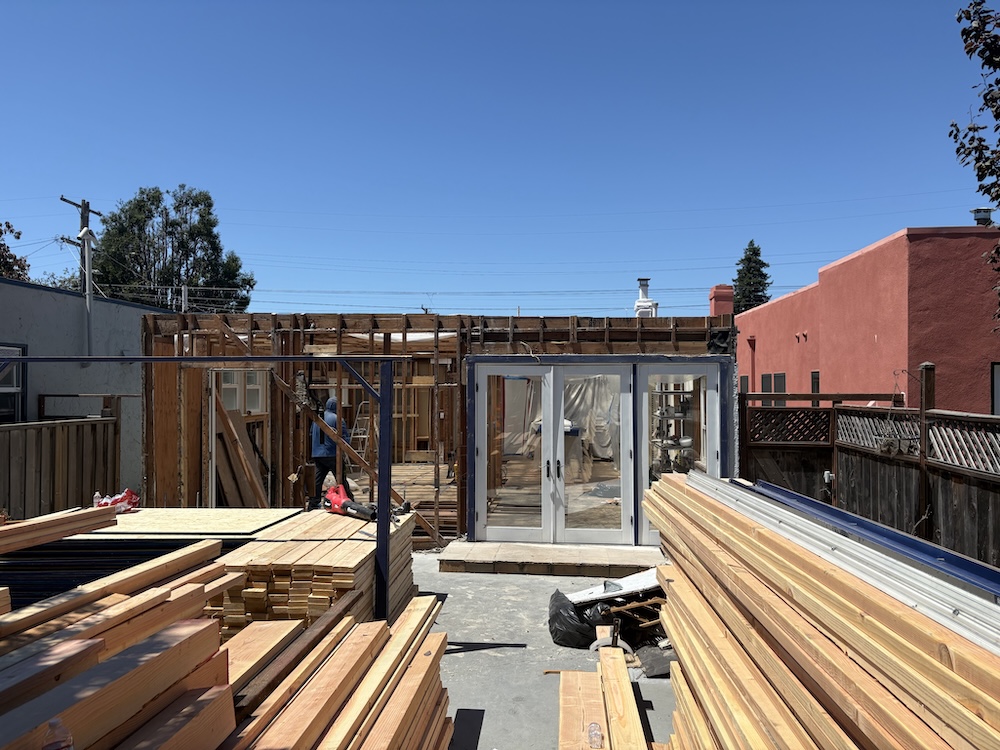
What Does Residential Demolition Cost Per Square Foot In The Bay Area?
Typical Price Range
The clean headline number is still useful: $8 to $16 per square foot for many Bay Area homes. While actual costs vary by project, many homeowners receive estimates within this range depending on site conditions, accessibility, and local permitting requirements.
Your lower-end bids usually assume a straightforward structure, decent access, minimal hazardous material scope, and a standard haul-off plan. Your higher-end bids show up when your house is older, multi-story, perched behind narrow side yards, or sitting on a lot where every move requires additional labor, specialized equipment, and careful coordination.
Total Cost By House Size
Here’s the part people actually want. Ballpark totals, using that $8 to $16 per sq ft band, and assuming you’re doing full structural removal (not just interior demolition).
House Size (Sq Ft) | Typical Demo Range (Bay Area) | What Usually Pushes You Up |
1,000 | $8,000 to $16,000 | tight access, extra hand work, older materials |
1,500 | $12,000 to $24,000 | asbestos flags, heavier debris haul plan |
2,000 | $16,000 to $32,000 | multiple floors, steep lots, stricter diversion requirements |
3,000 | $24,000 to $48,000 | bigger foundation, more trucking, longer schedule |
If you’re planning a full house demolition as part of a tear-down and rebuild project, remember that demolition is only one portion of the overall construction budget. Site preparation, permitting, utility work, and rebuilding costs should also be included in your planning.
Why Local Rates Run Higher
You’re not imagining it. Bay Area demolition costs are generally higher than national averages because of the region’s labor costs, permitting requirements, environmental regulations, and logistical challenges.
Labor is expensive. Insurance is expensive. Trucking is expensive. Landfill and recycling fees are expensive. Then come the rules: diversion requirements, air district notifications, stormwater protections, and city-by-city permit hoops. If you’ve ever watched a contractor try to stage equipment on a dense street in San Francisco, you’ve seen the money burn in real time.
Also, your “square foot” price is never just about the sq ft structure. It’s about the choreography around it.
How To Estimate Your Project Cost
You can get a usable estimate in two ways. One is fast-and-dirty. The other is how pros protect their margin and your schedule.
Square Footage Method
Take your house’s square footage and multiply by a realistic Bay Area rate. If you’re a single-story with decent access, you’ll live closer to the bottom of the range. If your home has multiple levels, limited access, a steep driveway, or restricted equipment staging, expect estimates toward the higher end of the typical price range.
If you’ve been staring at sq m costs on some international forum and wondering why numbers don’t match, that’s why. Most Bay Area bids and permit docs speak sq ft all day.
Line-Item Method
This is the version you use when you want to stop being surprised. A real bid tends to break into: mobilization, protection and dust control, actual structural demo, loading, hauling, disposal, and site cleanup. Some contractors will also separate “pre-demo” items that you may be handling yourself, like testing and notifications.
Looking at costs as individual line items helps homeowners understand where their budget goes by separating pre-demolition planning, permitting, environmental compliance, on-site demolition, hauling, disposal, and final site cleanup.
Contingency Amount
In the Bay, a contingency is not pessimism. It’s maturity.
If you’re preparing a rough budget for a whole-house demolition project, include a contingency amount for unexpected conditions that may arise once work begins. Older homes tend to come with surprises behind walls and under slabs: abandoned lines, mystery additions, weird footings, oddball concrete slab removal needs. Your contingency is what keeps you from making panicked decisions when the first “unforeseen condition” pops up.
Compare Multiple Demolition Estimates
Getting multiple estimates is one of the best ways to understand whether a demolition quote is reasonable. Rather than choosing the lowest price, compare what each contractor includes in the proposal. One estimate may cover permits, debris hauling, utility coordination, and final site cleanup, while another may charge separately for those services.
Ask each contractor whether hazardous material testing, foundation removal, recycling fees, permit assistance, and disposal costs are included. A detailed, itemized estimate makes it easier to compare bids fairly and reduces the chance of unexpected expenses later. Choosing a qualified, licensed demolition contractor who clearly explains the project scope often provides better long-term value than selecting the lowest initial price.
Know What Drives The Final Price
Site Access Constraints
Site access is one of the biggest factors affecting demolition pricing.
A wide driveway and a flat lot let a crew work efficiently. A narrow side yard, overhead trees, power lines, a steep grade, or a neighbor’s fence that can’t be touched turns your “simple demolition” into a more manual operation. Sometimes the equipment has to shrink, which sounds cute until you realize smaller machines mean more cycles, more hours, more labor.
You’ll hear contractors talk about staging, swing radius, trucking distance, street closure coordination, and spotters. That’s not fluff. That’s the job.
Hazardous Material Scope
Bay Area housing stock is old enough that asbestos is a regular guest. Lead paint too. Then you’ve got the newer regulatory attention on PCBs for certain eras of construction and remodels.
If you’re in the Bay Area Air District jurisdiction, you may need to follow the BAAQMD asbestos and demolition notification process, which can affect timing and documentation. And if you’re dealing with stormwater requirements tied to PCB screening, cities can require paperwork like the BASMAA PCB Screening Assessment Form to get you to permit issuance.
This is why the cheapest bid is rarely the cheapest outcome. Cutting corners can lead to project delays, compliance issues, and enforcement actions.
Haul-Off And Diversion Rules
Many jurisdictions require a high diversion percentage, meaning materials must be separated and documented to show where they are recycled or disposed of. This affects on-site labor, hauling logistics, and disposal requirements. Your contractor may include complete debris removal, hauling, and disposal as one bundled service, separate disposal costs from trucking, or itemize each expense individually. Regardless of the pricing format, these services contribute to the overall demolition cost.
Plan For Permits, Utilities, And Inspections
Permit And Plan Check Fees
Every city and county has its own permitting process and documentation requirements.
Some are checklist-heavy. Some are plan-check-heavy. Some want tree protection, encroachment approvals, waste management accounts, stormwater plans, and extensive documentation before permits are issued. If you’re trying to understand what the paperwork looks like in the real world, you can peek at a county packet like Contra Costa County demolition permit requirements, because it spells out the “no, seriously, you need releases for this” reality.
Utility Disconnect And Capping
Utility disconnects are one of the most common causes of project delays if they are not scheduled early.
You’ll need power, gas, water, sewer, and telecom handled properly. Sometimes that’s a disconnect. Sometimes it’s a cap and mark. Sometimes it’s coordination with the city plus the provider plus an inspection window that only happens on certain days. This is also where homeowners get seduced into DIY demolition and realize, too late, that utilities are not a weekend hobby.
Required Surveys And Inspections
If you’re demolishing anything older, expect inspections and surveys to be part of the run-up. That can include asbestos inspections, lead considerations, sometimes soils, sometimes special stormwater documentation depending on the jurisdiction and build year.
If you’re unsure about your local requirements, your city or county building department can explain the inspections, environmental reviews, and documentation needed before demolition work begins. It’s not a substitute for your local building counter, but it frames the usual suspects.
Choose The Right Demolition Approach
Full Mechanical Demolition
This is what most people picture: excavator, shear, bucket, trucks. Efficient when access is decent. Usually the best way to control schedule.
When comparing bids, pay close attention to what each estimate includes. Differences in demolition methods, debris removal, recycling requirements, hazardous material handling, and cleanup can explain why one proposal costs significantly more than another.
Selective Interior Demolition
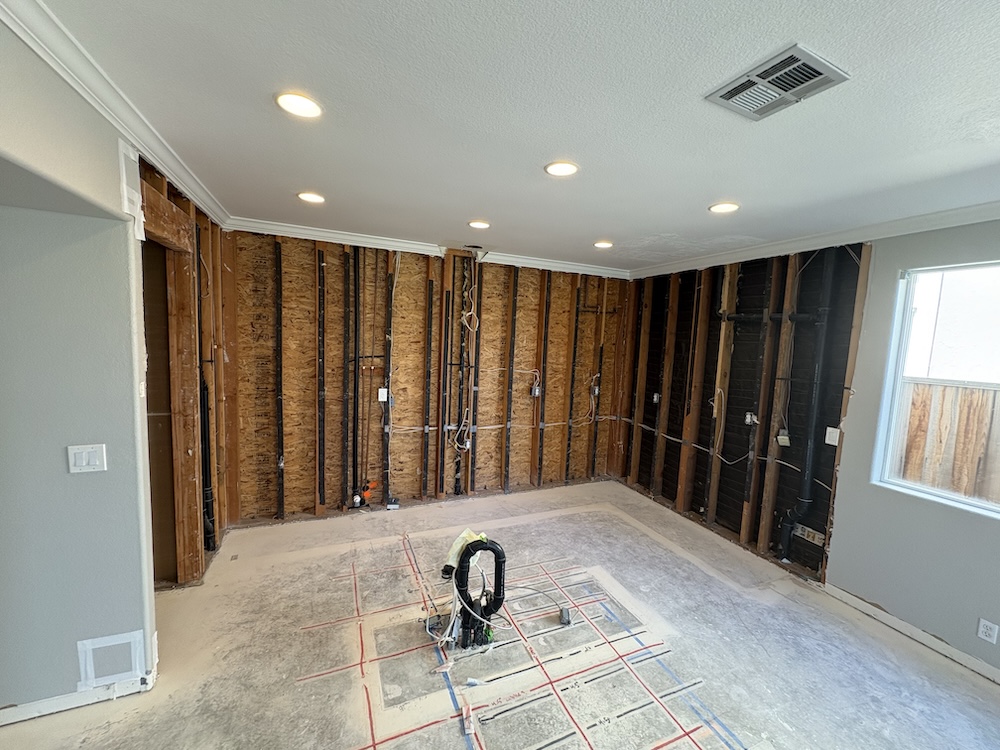
Partial demolition is where remodel dreams meet reality. Kitchen walls, bathroom demolition, opening up a load-bearing wall, dropping ceilings, pulling finishes. Your cost can be lower than full demo, but selective work can be labor-intensive, especially if you’re protecting adjacent finishes or keeping parts of the structure live.
This is also where you want someone who understands sequencing. Poor sequencing means rework, dust migration, neighbor complaints, and a schedule that drags.
Deconstruction For Salvage
Deconstruction is slower. Sometimes it’s environmentally motivated, sometimes it’s driven by salvage value, sometimes it’s a compliance decision. You’re basically paying for careful disassembly instead of brute-force removal, which means labor climbs.
If your lot is tight or your neighborhood is sensitive, deconstruction can reduce chaos, but it should not automatically be considered the lower-cost option. It’s a different demolition method, and the math changes.
Compare Costs Across Bay Area Cities And Counties
The phrase “Bay Area” hides a lot. Your address matters.
Location Zone | What Commonly Shifts The Budget | What It Looks Like In Real Life |
San Francisco | access, parking control, neighbor proximity, tighter enforcement | higher labor hours, more coordination, more protection |
Peninsula + South Bay | high permit scrutiny, stormwater and PCB screening in some cities | more pre-demo paperwork, longer lead times |
East Bay + North Bay | varies widely by city and hillside conditions | some areas easier access, hills can spike equipment needs |
How Older Homes Can Increase Demolition Costs
Many homes throughout the Bay Area were built decades ago, and older properties often require additional planning before demolition can begin. Depending on the home’s age, contractors may need to complete asbestos inspections, lead paint evaluations, or other environmental assessments before permits are issued. Older homes may also contain outdated plumbing, electrical systems, underground tanks, or undocumented additions that require extra labor to remove safely.
These factors don’t automatically make a project significantly more expensive, but they can increase both the demolition timeline and the overall budget. Asking your contractor about the property’s age and any anticipated environmental or structural challenges during the estimating process can help you avoid unexpected costs later.
San Francisco Cost Factors
San Francisco projects often involve additional logistical challenges because of dense neighborhoods, limited access, and stricter local requirements. Even when the structure is small, the environment is dense. Street space is contested. Lots are narrow. Neighboring properties are often located very close together, requiring additional dust, noise, and safety controls.
If you’re pricing structural demolition in San Francisco, you’re not just buying destruction. You’re buying control: dust control, noise management, staging, safety barriers, and scheduling that doesn’t trigger complaints that lead to stop-work.
Peninsula And South Bay Trends
On the Peninsula and in parts of the South Bay, the sticker shock often comes from process. Cities can be strict about stormwater protection, erosion control, and documentation, and older homes can trigger environmental screening requirements that add time.
For a simple example of how a jurisdiction spells out its steps, Santa Clara County’s own demolition existing structure instructions show you how many boxes can exist before a single wall comes down.
East Bay And North Bay Trends
The East Bay can swing from “pretty straightforward” to “why is this lot shaped like a pretzel.” Hillside sites and tight driveways are the classic budget busters. Some cities are also very explicit about diversion requirements and accounts you need to set up before you demo.
Walnut Creek, for example, lays out the admin burden pretty plainly in its demolition permits guide, which is a good reminder that “fees” are only part of the hassle. Time is the other part.
Conclusion
If you want a realistic number for a Bay Area home demolition cost, start with $8 to $16 per square foot, then factor in site access challenges, environmental compliance, debris disposal requirements, and local permitting timelines that can significantly affect the final project cost.
One of the best ways to keep a demolition project on schedule is to obtain a detailed site assessment, request an itemized estimate, and treat permitting and regulatory compliance as essential parts of the planning process rather than last-minute tasks. Proper planning helps reduce delays, avoid unexpected costs, and keep your demolition project moving forward.
Frequently Asked Questions
1. Why Is My “Whole House Demo Cost” Quote So Different From My Neighbor’s?
Because your house is not your neighbor’s project. The structure might be similar, but access, age, lot slope, utility conditions, and hazardous materials can make two bids diverge fast. Even the hauling route and where trucks can stage matters.
2. How Long Does Residential Demolition Usually Take In The Bay Area?
The actual on-site demolition can be quick, sometimes a few days for a straightforward house. Permits, utility disconnects, required inspections, and scheduling often drive the total timeline. The “calendar time” is usually the frustration, not the machine time.
3. Do I Really Need Asbestos Testing?
If your home is older, assume testing is likely, and in many cases required as part of permitting and air district compliance. Skipping it is how projects get shut down midstream, which is the most expensive way to learn a lesson.
4. What Should Be Included In A Whole House Demolition Service Agreement?
You want painfully specific scope: what’s being removed (structure, foundation, flatwork), what’s staying, how debris is handled, who pays which fees, what’s included for protection, and what “clean” means at the end. If you’re hiring a demolition partner, you’re buying clarity as much as labor.
5. Is Selective Interior Demolition Cheaper Than Full Demolition?
Often, yes, but it can still be pricey because it’s labor-heavy and careful. If you’re keeping parts of the building intact, your contractor is doing surgery, not a clean slate teardown. That usually costs more per square foot than people expect.
6. Can Weather Affect A Demolition Schedule?
Yes. Heavy rain, high winds, or poor site conditions can delay demolition work, especially when equipment access or safety is affected. While short delays are common, your contractor can usually adjust the schedule once conditions improve.
Residential Demolition Services Done Right
Whether you’re preparing for a home renovation, removing an old structure, or clearing space for a new project, Junked: Powered by Veterans™ provides safe, reliable residential demolition services throughout the Bay Area. Our experienced, veteran-led team handles every project with precision, ensuring your property is ready for the next phase of construction.
Why Choose Junked: Powered by Veterans™?
- Safe, Professional Demolition: We complete every project with safety, efficiency, and attention to detail.
- Complete Residential Demolition: Garages, sheds, decks, fences, interior demolition, patios, and more.
- Fast Cleanup: We remove demolition debris and leave your property clean and ready for rebuilding.
- Veteran-Led Service: Dependable communication, professional crews, and workmanship you can trust.
When you need residential demolition services in the Bay Area, trust Junked: Powered by Veterans™ to get the job done safely, efficiently, and on schedule. Contact us today for a free, no-obligation estimate.
Disclaimer
The materials available on this website are for informational and entertainment purposes only and not to provide legal or professional advice. You should contact your attorney or home improvement specialist for advice concerning any particular issue or problem. You should not act or refrain from acting based on any content included in this site without seeking legal or other professional advice. The information presented on this website may not reflect the most current home improvement developments. No action should be taken based on the information on this website. We disclaim all liability concerning actions taken or not taken based on any or all of the contents of this site to the fullest extent permitted by law.