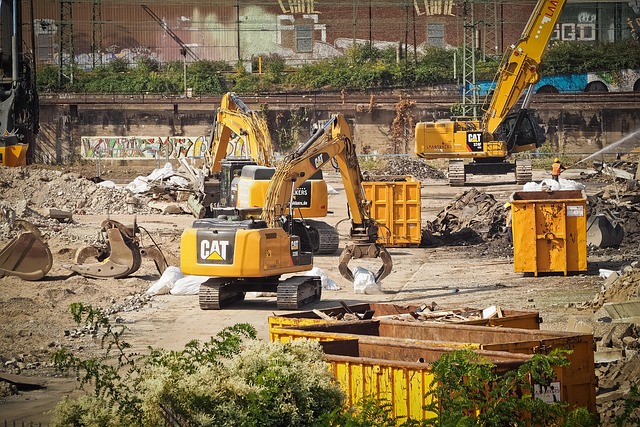
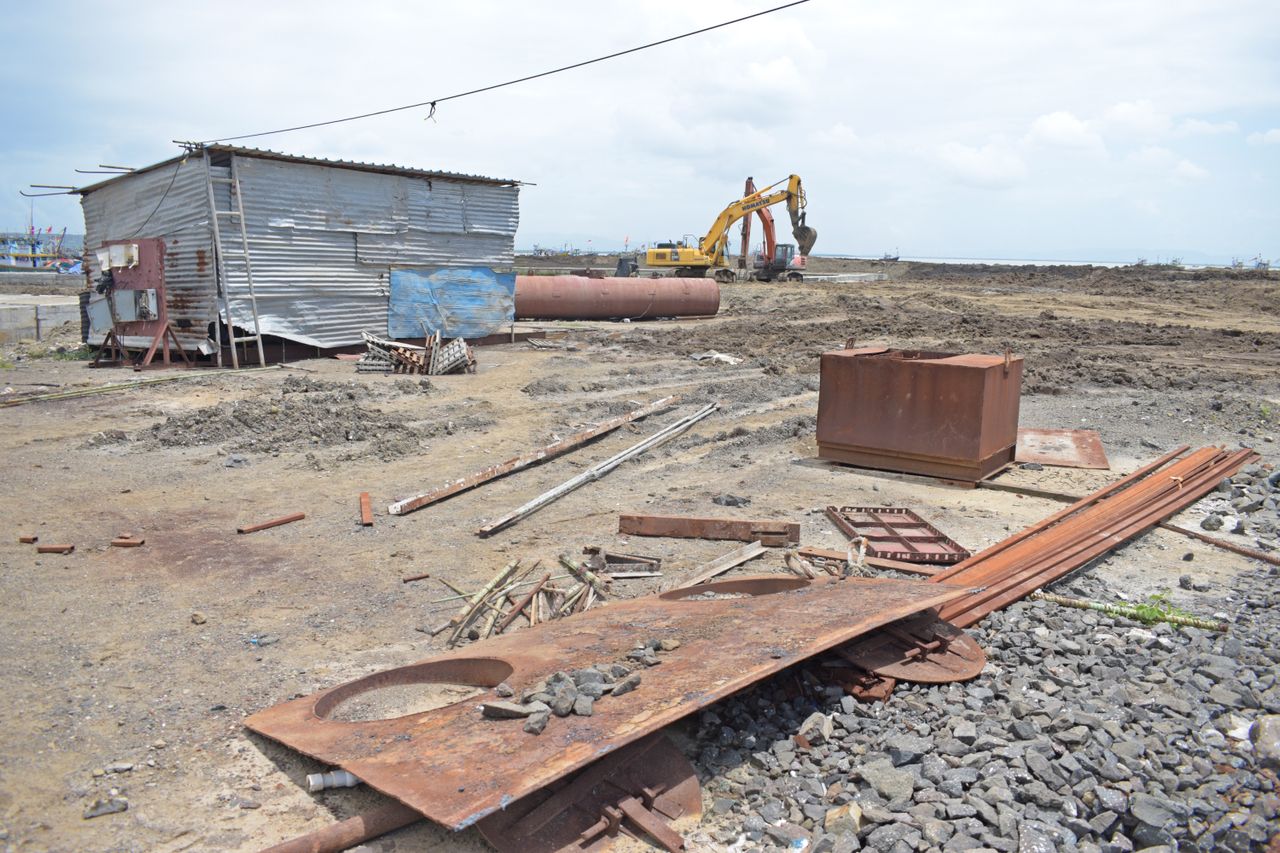
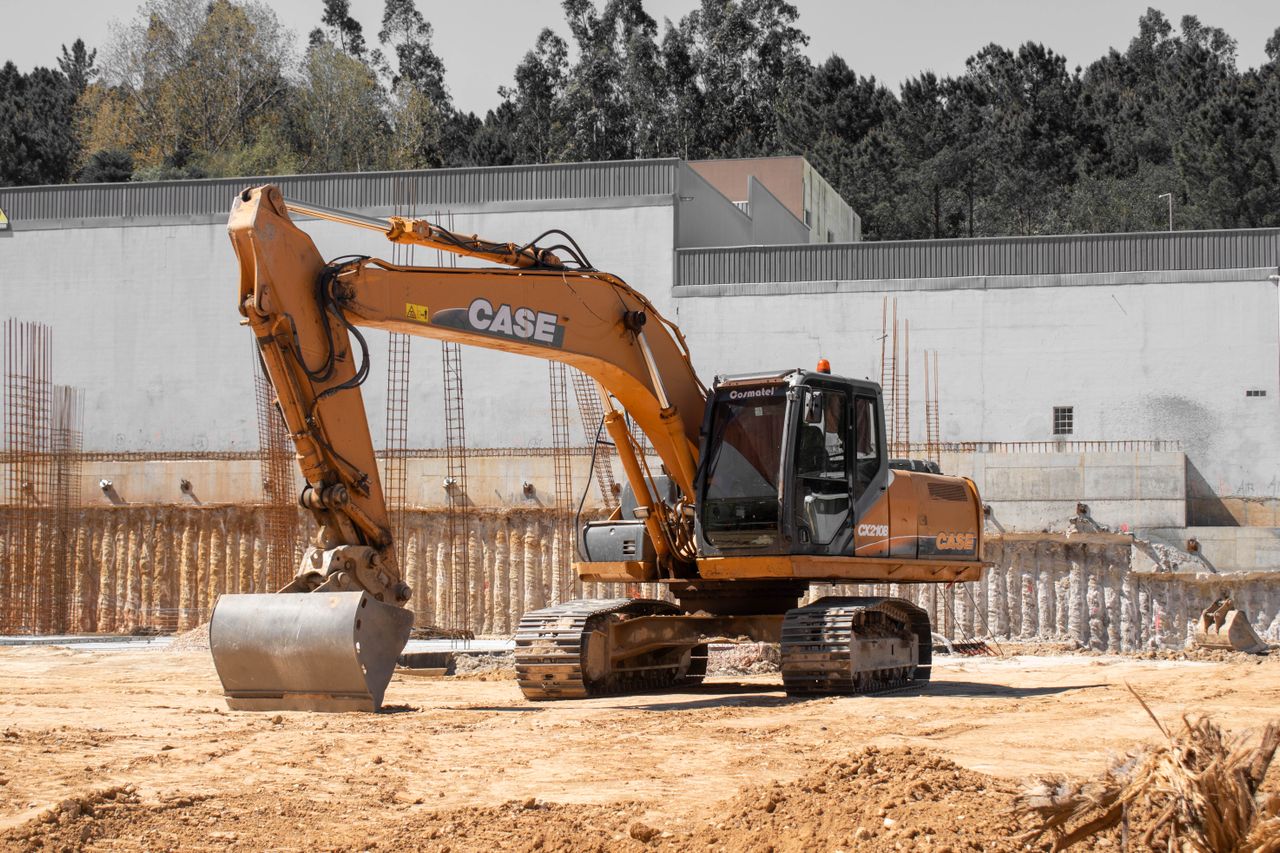
You prepare your home for demolition in Concord, CA by locking down your scope (full tear-down vs selective interior work), pulling the right city permits, scheduling hazardous-material surveys (most commonly for asbestos and lead), getting every utility formally disconnected and capped, clearing the structure, securing the site, and lining up compliant hauling so debris is removed safely and efficiently.
Most homeowners think demolition starts when an excavator shows up. In real life, the “demolition process” starts when you’re staring at a permit checklist late at night, realizing your house is now a paperwork project. And yes, it’s annoying. Also yes, it’s where smart people avoid the expensive and avoidable mistakes.
One quick clarity point before we get into it: I’m talking about Concord, California, in Contra Costa County, not Concord, New Hampshire. NH has its own rules and forms, including its own demolition instruction sheet, and if that’s your city, you should start with the Concord, NH demolition permit steps instead of trying to duct-tape California requirements onto a New England building department.
Table of Contents
ToggleKey Takeaways
- Decide whether you’re doing a full structure house demolition or a partial demolition, because that choice drives everything: schedule, dust control, budget, even neighbor complaints.
- Start the permit process early and follow the City’s submittal requirements exactly, not your interpretation of them.
- Treat asbestos and lead like schedule-critical items, not “we’ll deal with it later” chores.
- Utility shutoffs need official disconnects and caps, not a casual flip of a breaker.
- Clear the home completely and protect what stays, especially if you’re keeping a garage, slab, trees, or hardscape.
- Secure the site like you expect curious people to show up, because they will.
- Use a licensed contractor with real insurance, plus a disposal plan that respects hazardous waste rules and local air quality regs.
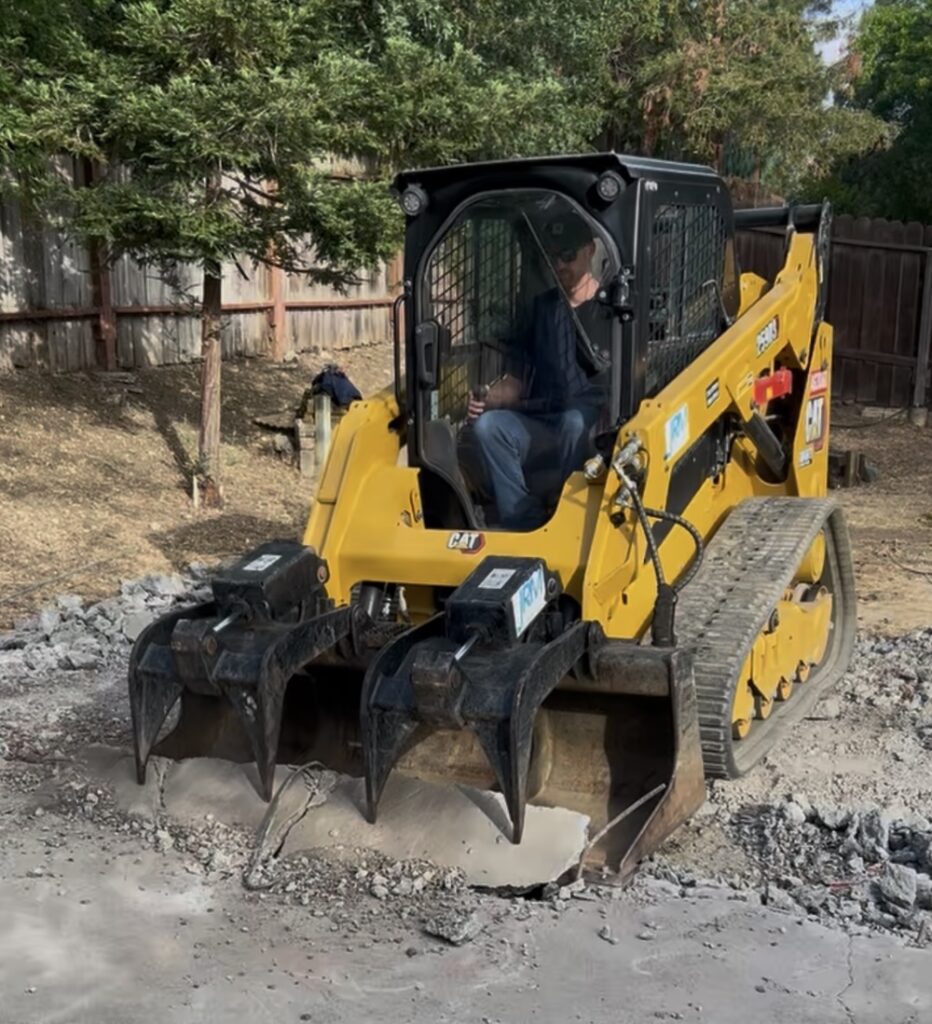
Decide Full Tear-Down Or Selective Interior Work
Project Scope
If you’re stuck between “take it all down” and “just gut the inside,” you’re not alone. A lot of homeowners in Concord are trying to thread a needle: keep the footprint, keep a foundation, keep a portion of framing, keep the neighbors calm, keep costs from ballooning.
The trap is thinking selective interior work is automatically simpler. Sometimes it is. Sometimes it’s a higher-skill operation with tighter controls, because you’re essentially doing surgery inside a lived-in neighborhood instead of a clean, one-and-done knockout.
Here’s the comparison you actually need, not the dictionary definition version you’d get from Merriam or Webster, where every word looks neat on the page, and none of it helps you on demo day.
Decision Point | Full Tear-Down | Selective Interior Demolition |
Dust and containment | Easier to manage outdoors, still regulated | Harder, because dust wants to migrate into “finished” areas |
Hidden hazards | Exposed quickly | Can stay hidden until you open walls and ceilings |
Utilities | Full disconnect is typical | Often requires temporary power/water planning |
Neighbor impact | Shorter, louder burst | Longer, sometimes quieter, but more sustained disruption |
End goal | New home build prep | Remodel, addition, or rebuild with parts retained |
Salvage Plan
Salvage is where people get sentimental and then get sloppy. You can keep antique doors, hardwood flooring, old-growth beams, even cabinets. You just need a plan that respects time, labor, and safety.
Deconstruction is the formal, more careful cousin of demolition. It’s slower, more selective, and if you do it right, you divert a lot from dumpsters. If you do it wrong, you create a chaotic pile of “maybe we’ll use it” materials that sits on your property until rain, theft, or exhaustion finishes the job.
If you want salvage, say it early. Your contractor sequences work differently if you’re trying to preserve materials instead of pulverizing them.
Budget And Timeline
Budgeting a demolition project is less about the excavator and more about the stuff around it: surveys, abatement, permits, disposal, traffic control, and the weird delays no one wants to talk about.
Timeline is similar. The physical demo might be quick. The pre-demo runway is where the time goes, especially if your home was built before modern rules about asbestos and lead hardened into “no, seriously, don’t mess around.”
Confirm Permits And City Requirements
Concord Submittal Packet
Concord is not shy about telling you what they expect. The easiest place to orient yourself is the City’s Permit Center, because it’s where people get grounded again after they’ve heard three different opinions from neighbors and one confident uncle who “did it once in 1998.”
When you’re ready to submit, follow the City’s demolition permit submittal requirements like your timeline depends on it, because it does.
A typical submittal packet tends to include things like:
- Proof you own the property (or legal authorization to act).
- A site plan showing the footprints of structures and what’s being removed.
- A detailed project scope that accurately reflects the planned demolition work.
- Utility disconnect documentation or requirements for it.
- Any agency sign-offs that apply to your address and conditions.
If you want additional background on what demolition permits generally involve, reviewing educational resources from permitting professionals can help explain why cities require detailed documentation before approving demolition work. These requirements are intended to protect public safety, utilities, neighboring properties, and environmental compliance.
Plan Set Details
Plan sets are where homeowners try to “save time” and accidentally create delays. Concord wants clarity on what exists, what goes away, what stays, and how the site will behave after removal. If there’s grading, drainage, or a tricky lot, that stuff matters earlier than people expect. The City’s broader use permit application checklist is a decent reminder of how seriously local government takes drainage and contours once soil is disturbed.
Also, if you’re touching a pool, that is its own universe. The City’s swimming pool demolition guideline gets oddly specific for a reason. Water disposal, storm drains, and weather windows are not optional considerations in California.
Common Approval Delays
The most common delays are painfully predictable: incomplete site plans, missing disconnect letters, scope mismatches, and hazardous materials not addressed early enough.
You’ll also see delays when people discover something late, like an unpermitted addition or an old underground storage tank. That’s not “bad luck.” That’s what happens when prep gets treated like a speed bump instead of the actual job.
Schedule Required Inspections And Environmental Tests
Asbestos Survey
If your home was built before the 1980s, there is a greater likelihood that asbestos-containing materials may be present. A professional inspection should always confirm whether asbestos exists before demolition work begins. That’s not paranoia. That’s experience talking.
In Contra Costa County, asbestos and dust control obligations often flow through air quality requirements. The County’s demolition permit and air district guidance is a clean starting point to understand what notifications and controls may apply before any structural disturbance.
If you want the broader safety framework, the hazardous material survey steps at SafetyCulture’s building demolition guidance are solid, especially if you’re the type who wants to know what “good practice” looks like instead of trusting a shrug.
Lead Paint Rules
Lead-based paint is another classic for older houses. It becomes a bigger deal when you’re creating dust through sanding, cutting, demo, and debris handling. This is where you stop thinking like a DIY weekend warrior and start thinking like a contractor partner: containment, worker protection, and proper disposal are not aesthetic preferences.
You do not want your project to be the reason someone’s kid tests high for lead later. That’s the kind of “cost” that doesn’t show up on an invoice and still ruins your year.
Rodent Control Letter
Some areas and some scopes trigger pest control expectations, and sometimes it’s a formal letter. Even when it’s not mandated, it’s smart. Demolition shakes loose nests, pushes rodents outward, and irritates neighbors in a way that has nothing to do with noise.
If you want a clean list of which agencies may get involved locally, Contra Costa County also publishes a document outlining required approvals, and yes, this is the part where you realize “demolition” touches more departments than you expected.
Disconnect And Cap Every Utility Line
PG&E Gas And Electric
Your contractor should coordinate formal disconnects, but you should still understand the why: live services during demolition create fire risk, shock risk, and the kind of liability that makes insurers go quiet on the phone.
Gas needs to be shut off and capped properly, typically at the meter or service point per the utility’s requirements. Electric is similar: kill power, remove meters if required, verify everything is dead, then document it.
This is not the time to improvise. Utility disconnects should always be completed according to the requirements of the utility provider and verified before demolition begins to reduce safety risks and prevent costly delays.
Water And Sewer
In Concord, your water and sewer service may involve different local districts depending on your address, so verify first, then schedule. Water lines should be shut off and capped. Sewer laterals might need to be protected or capped depending on whether you’re rebuilding and where.
If you’re keeping a slab or foundation, your contractor should confirm how lines are handled so you do not crush, shear, or contaminate something you intended to reuse.
Telecom And Irrigation
Telecom is the sneaky one. Old phone lines, cable, fiber, all that spaghetti. Irrigation too, especially if you’re preserving trees or landscaping. People forget; the excavator does not forget, and then you’re paying for repairs you didn’t budget because you assumed “it’s just a wire.”
Clear The Home And Protect What Stays
Belongings And Fixtures
Clearing sounds emotional because it is. You’re removing the last “home” signals from what’s about to become a work zone. It’s also practical: anything left behind becomes debris, and debris becomes disposal fees.
A sane approach is to separate what’s coming out into a few buckets:
- Personal belongings and documents, which should leave first and never come back.
- Appliances and fixtures you’re salvaging, which need careful removal and storage.
- Items that look worthless but are not, like vintage hardware or specialty trim.
- Things you should not salvage, because they’re contaminated, damaged, or not worth the labor.
Dust And Debris Control
Dust control is not just comfort. It’s compliance and health. If you’re doing partial demolition, plan for containment: plastic barriers, negative air if needed, and a strategy for keeping dust from migrating through HVAC pathways.
Full tear-downs still need dust suppression, usually water application and smart sequencing. The Bay Area is not a place where you get to pretend air quality rules are optional.
Protect Trees And Hardscape
If you’re keeping mature trees, patios, driveways, fences, or a neighbor-facing wall, call it out early. Protection can include fencing off root zones, plywood over hardscape, and setting equipment paths that do not compact soil where you’ll need it healthy later.
Concrete is basically calcium chemistry in action, and once you crack what you meant to keep, you do not “uncrack” it with good intentions.
Secure The Site And Notify Neighbors
Security is boring until it isn’t. You want perimeter fencing, signage, controlled access, and a plan for where trucks stage. If you’re in a tighter Concord neighborhood, you also want to think about school commute hours, narrow streets, and the fact that someone will try to walk up and watch.
Notifying neighbors is half courtesy, half self-defense. A heads-up about noise, dust, and truck traffic reduces the odds that your project gets reported for every minor nuisance. You’re not asking permission. You’re managing expectations.
Choose A Licensed Contractor And Verify Coverage
California licensing matters. Insurance matters more than homeowners expect. The point is not to “find a guy.” The point is to hire someone who can run a safe demolition project inside a regulated environment without turning your property into an incident report.
Before you sign anything, you verify:
- The contractor’s active license classification matches demolition or the scope they’re taking on.
- General liability insurance is current and sized for the work.
- Workers’ comp is in force if they have employees, and you get proof.
- They have an abatement plan for asbestos or lead if surveys call for it.
- Their subcontractors are legitimate, not mysterious “helpers” who appear on demo day.
If your contractor downplays the importance of proper insurance coverage, consider it a serious warning sign.
Plan Waste Hauling, Recycling, And Hazardous Disposal
Dumpsters are not a strategy. They are a container.
Your disposal plan should separate clean loads from contaminated ones, because asbestos-containing material and lead-contaminated debris do not get tossed around like ordinary framing scraps. Proper hauling, manifests when required, and compliant facilities are part of doing this like a professional.
If you’re trying to be smart about recycling and diversion, deconstruction and source separation can reduce landfill loads, but it also increases labor. That trade can be worth it, especially when your goal is to rebuild and you care about materials, but it’s never “free.”
Reviewing guidance from local agencies and regulatory organizations before demolition begins can also help homeowners understand proper waste handling, hazardous material disposal, and environmental compliance requirements throughout the project.
Prepare For Demo Day And Post-Demo Cleanup
Demo day is loud. Trucks show up. Someone realizes a gate is too narrow. The foreman asks where the shutoffs are. It’s a whole thing. If you did the prep correctly, it’s still a whole thing, just less chaotic.
Post-demo is where you stop thinking “demolition is done” and start thinking “site is ready.” That usually means foundation removal if required, rough grading, debris pickup, sweeping streets if needed, and making sure the lot is safe and secured.
A realistic prep timeline often looks like this:
Phase | Typical Lead Time | Who Drives It |
Scope + contractor selection | 1 to 3 weeks | You + contractor |
Surveys (asbestos/lead) | 1 to 2 weeks | Licensed inspector |
Permits + agency sign-offs | 2 to 6+ weeks | You + contractor + City |
Utility disconnects | 1 to 3 weeks | Utilities + contractor |
Demolition + haul-off | A few days to 2 weeks | Contractor |
Cleanup + rough grading | 2 days to 2 weeks | Contractor |
If you’re trying to stack demolition immediately before a rebuild, coordinate with your builder so you’re not paying crews to wait around while paperwork catches up.
Conclusion
Prepping your home for demolition in Concord is mostly about acting like the grown-up in the room: define the project scope, respect the permit process, test for hazardous materials, disconnect utilities formally, secure the site, and hire a contractor who treats safety as real work, not a slogan.
You’re not just tearing down a house. You’re setting conditions for what comes next, whether that’s a new home, a major remodel, or a clean lot you can actually use.
Frequently Asked Questions
1. How Early Should You Start The Permit Process In Concord, CA?
Assume weeks, not days. Between City review, required agency approvals, and utility scheduling, the permitting process can easily stretch, especially if your submittal packet is incomplete or your property has quirks like a pool, complex grading, or older construction.
2. Does The Year Your Home Was Built Change What You Have To Do?
Yes. Older homes are more likely to involve asbestos-containing materials and lead-based paint, and those findings can change your schedule, your disposal plan, and who is legally allowed to perform certain work.
3. Can You Stay Living In The Home During Selective Interior Demolition?
Sometimes, but it’s not automatically smart. Dust containment, temporary utilities, noise, and safety boundaries have to be managed aggressively. If your contractor waves this off as easy, push back and get specifics on containment and access control.
4. What’s The Biggest Mistake Homeowners Make Before A House Demolition?
They treat utilities and hazardous materials like afterthoughts. The fastest path to delays, added cost, and ugly risk is starting physical work before surveys, abatement (if needed), permits, and disconnects are locked in.
5. Do You Need To Remove All Personal Belongings Before Demolition Begins?
Yes. Personal belongings, furniture, appliances, and any materials you plan to salvage should be removed before demolition starts. Anything left inside the structure may be treated as demolition debris, increasing disposal costs and making it more difficult to recover valuable items safely. Clearing the home also gives contractors better access to the work area and helps reduce potential hazards.
6. Should You Tell Your Neighbors Before A Demolition Project Starts?
While it may not always be legally required, notifying your neighbors before demolition begins is considered a best practice. Giving advance notice about expected noise, dust, truck traffic, and the project timeline can help maintain good relationships and reduce complaints. A simple conversation or written notice also gives nearby residents time to prepare for temporary disruptions.
Residential Demolition Services Done Right
Whether you’re preparing for a home renovation, removing an old structure, or clearing space for a new project, Junked: Powered by Veterans™ provides safe, reliable residential demolition services throughout the Bay Area. Our experienced, veteran-led team handles every project with precision, ensuring your property is ready for the next phase of construction.
Why Choose Junked: Powered by Veterans™?
- Safe, Professional Demolition: We complete every project with safety, efficiency, and attention to detail.
- Complete Residential Demolition: Garages, sheds, decks, fences, interior demolition, patios, and more.
- Fast Cleanup: We remove demolition debris and leave your property clean and ready for rebuilding.
- Veteran-Led Service: Dependable communication, professional crews, and workmanship you can trust.
When you need residential demolition services in the Bay Area, trust Junked: Powered by Veterans™ to get the job done safely, efficiently, and on schedule. Contact us today for a free, no-obligation estimate.
Disclaimer
The materials available on this website are for informational and entertainment purposes only and not to provide legal or professional advice. You should contact your attorney or home improvement specialist for advice concerning any particular issue or problem. You should not act or refrain from acting based on any content included in this site without seeking legal or other professional advice. The information presented on this website may not reflect the most current home improvement developments. No action should be taken based on the information on this website. We disclaim all liability concerning actions taken or not taken based on any or all of the contents of this site to the fullest extent permitted by law.