Residential demolition is the controlled, permitted, safety-managed removal of part of a home or the entire house, and you need it when the structure is unsafe, unhealthy, financially irrational to repair, or simply in the way of what you’re building next. If you’re staring at a failing foundation, a Mold problem that keeps “coming back,” a post-fire shell, or a layout that would cost a small fortune to un-ruin, demolition stops being dramatic and starts being practical.
People hear “house demolition” and picture a Hollywood collapse and a wrecking ball. In real life, most of the work is quieter and slower: surveys, utility disconnects, dust control, selective tear-out, dump trucks cycling debris, and a lot of paperwork that exists because the hazards are real.
And yes, you can absolutely use demolition as a strategy, not a last-ditch panic move. That’s the whole point of knowing when it’s needed.
Table of Contents
ToggleKey Takeaways
- Residential demolition isn’t something people choose on a whim. You need it when the building’s risk, toxins, or repair math stops making sense.
- Full teardown, partial removal, and interior strip-out are different scopes with different permits, schedules, and neighbor impact.
- The demolition process is won or lost before the first wall comes down: engineering survey, utility coordination, hazardous materials plan, hauling and waste management.
- If your home was built before 1978, lead-based paint rules can show up fast, and you don’t want to improvise that part of your life.
- A reputable demolition contractor should talk like a risk manager and a logistics lead, not like someone renting a machine for the weekend.
Define The Work And Scope
Residential demolition is a weird blend of construction, excavation, and hazard control. You’re not just “demolishing.” You’re managing gravity, dust, noise, neighbor boundaries, hidden utilities, and whatever the last five homeowners did behind the drywall.
The scope matters because it determines the demolition plan, the inspections, and the cost profile. It also determines how much of your property turns into debris and how much turns into salvage, reuse, or recycling.
Here’s the cleanest way to think about scope without getting lost in jargon.
Scope | What Comes Out | Typical Use Case | What Surprises People |
Full teardown | Whole house down to slab or crawlspace, often followed by excavation | Total rebuild, severe damage, major redesign | The amount of coordination before “demo day” |
Partial removal | One wing, garage, addition, exterior walls, roof sections | Expansions, structural correction, fire or water damage in one zone | Temporary shoring and sequencing complexity |
Interior strip-out | Non-structural walls, floors, cabinets, MEP access; sometimes selective demolition | Remodels, insurance work, tenant improvements in residential homes | Dust control and disposal rules for “small” jobs |
Full teardown
A full teardown is the classic home demolition project: the whole house comes down, you clear the footprint, and you’re setting up a new construction project or a major site re-grade.
You usually choose this when the building itself is no longer the valuable part of the property. The land is. That shows up in expensive neighborhoods, flood zones, wildfire rebuild corridors, and places where an 85-year-old structure is charming until you open the walls and discover it’s basically a museum of bad ideas. A recent DeZeen analysis points out American homes are now roughly 85 years old on average, which is reassuring until you realize “average” includes plenty of houses that are held together by patchwork repairs and optimism.
A full teardown also forces you to get honest about excavation services. If you’re rebuilding, you might be dealing with grading, old concrete removal, footings, soil compaction, and drainage. That’s not cosmetic. That’s physics.
Partial Removal
Partial house demolition is where people get themselves into trouble because it sounds smaller than it is. Taking off a garage, removing an addition, or doing exterior demolition on a failing wing can be the right move, but it’s not “half the risk.” Sometimes it’s more risk.
Why? Load paths. Temporary supports. Weatherproofing a structure that’s now open to the sky. The demolition team needs to sequence removals so nothing shifts unexpectedly, which is exactly why OSHA pushes pre-demo engineering surveys as a baseline for safe demolition planning in its demolition standards.
You’re also dealing with neighbor realities. A partial removal can happen inches from a shared fence, a tree you promised you’d keep, or the side of the house you’re still living in. This is where a professional demolition contractor earns their money.
Interior Strip-Out
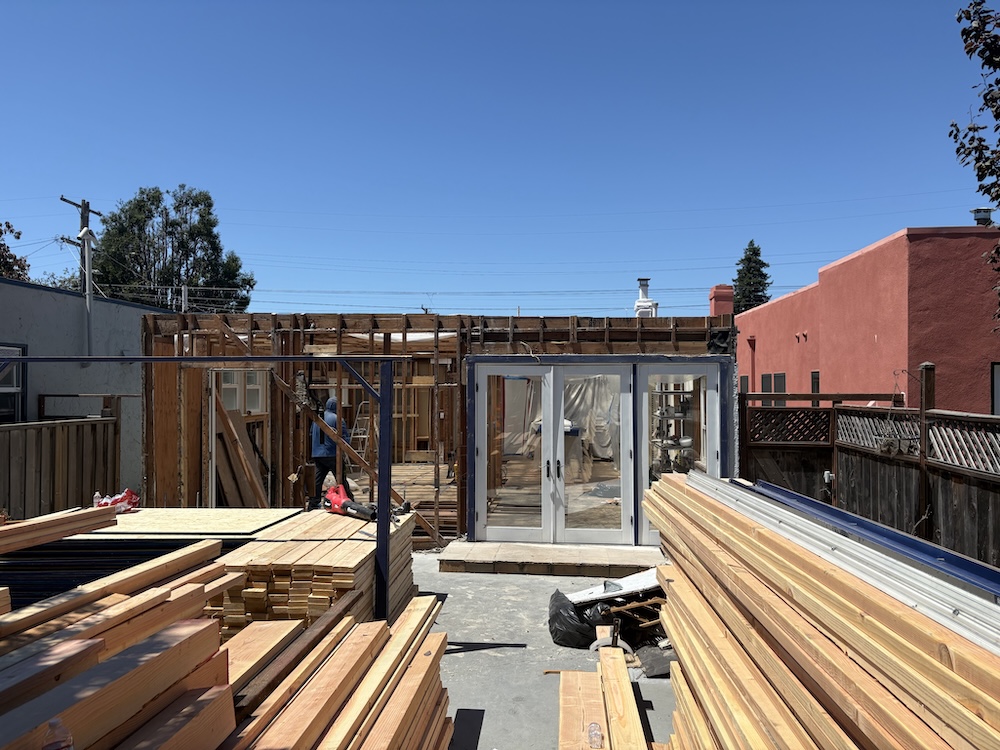
Interior demolition is the least glamorous and the most common. It’s selective demolition: ripping out flooring, removing cabinets, opening up walls, pulling old siding from inside-out projects, getting access to plumbing and electrical, and preparing for rebuild work.
And yes, it “counts.” Interior strip-out still produces waste, still needs disposal planning, and still can trigger hazardous materials rules depending on age and materials. You want the interior demolition process to feel boring. Boring is controlled.
When Does Teardown Beat Renovation?
Renovation is the American hobby. New tile will fix your life, right? Sometimes, sure. Sometimes you’re pouring money into a structure that’s actively trying to lose.
The demolition-versus-renovation decision is usually three arguments wearing a trench coat: structural failure, health hazards, and cost crossover.
Structural Failure
Structural failure doesn’t always look like a dramatic collapse. It can be a long, slow quitting. Major foundation cracks that keep moving. Rot in sill plates. Termite damage that has turned framing into soft pulp. Rooflines sagging because someone removed something “nonessential” in 1999.
The reason contractors harp on engineering surveys is that demolishing a compromised building is different from demolishing a healthy one. Unpredicted collapse is not a fun surprise. It’s also why you want documentation from inspections, not vibes.
If you’re in seismic regions like Southern California, structural issues carry a different weight. A house can look fine until you realize it’s performing terribly against modern lateral-force expectations, and retrofitting becomes its own mini housing project.
Health Hazards
This is where people try to DIY their way into a disaster.
Older homes can hide asbestos in insulation, floor tiles, mastic, textured ceilings, and more. Lead-based paint is a big deal in pre-1978 residential homes, and demolition dust does not politely stay on your property line. The U.S. Environmental Protection Agency’s lead-based paint guidance for demolition exists because the hazard is not theoretical.
If you’re in California, asbestos oversight often routes through regional air regulators, and a real plan can include a Certified Asbestos Consultant depending on scope, which is exactly the sort of thing spelled out by South Coast AQMD’s asbestos demolition and removal rules. That’s not “red tape.” That’s how you keep your neighbors from breathing your renovation.
Mold is another one. If you have widespread mold tied to chronic moisture, you can gut and remediate, but sometimes the best move is demolition of the affected structure, especially when the framing and sheathing are compromised, and the remediation procedures start multiplying like rabbits.
Cost Crossover
The cost crossover is the moment renovation stops being noble and starts being sunk-cost theater.
In the field, you’ll hear rough heuristics like “if repairs exceed 50 percent of the home’s value, rethink it,” and while you shouldn’t treat that like scripture, it’s a decent gut-check. Once you stack structural repairs, code upgrades, temporary housing, change orders, and the fact that older buildings love to reveal new problems every week, teardown math starts to win.
From the market side, the teardown trend is not your imagination. The NAHB has noted demolition permits staying elevated, with 2025 levels still well above pre-2019 baselines in key states, as covered in this NAHB report on aging housing stock and demolitions. That’s the bigger story: homes age, expectations rise, land values climb, and demolition becomes a rational tool.
If you want one legal-flavored wrinkle, the tax treatment of demolition can matter in real estate decisions, and the Cornell Law School LII summary of 26 CFR § 1.165-3 is the kind of thing your accountant will quietly appreciate you knowing exists.
Choose A Method That Fits The Site
There are demolition methods, and then there are demolition methods that won’t wreck your schedule or your neighbor relationships. The method you pick depends on access, proximity, what you’re saving, and what you’re building next.
Mechanical Equipment
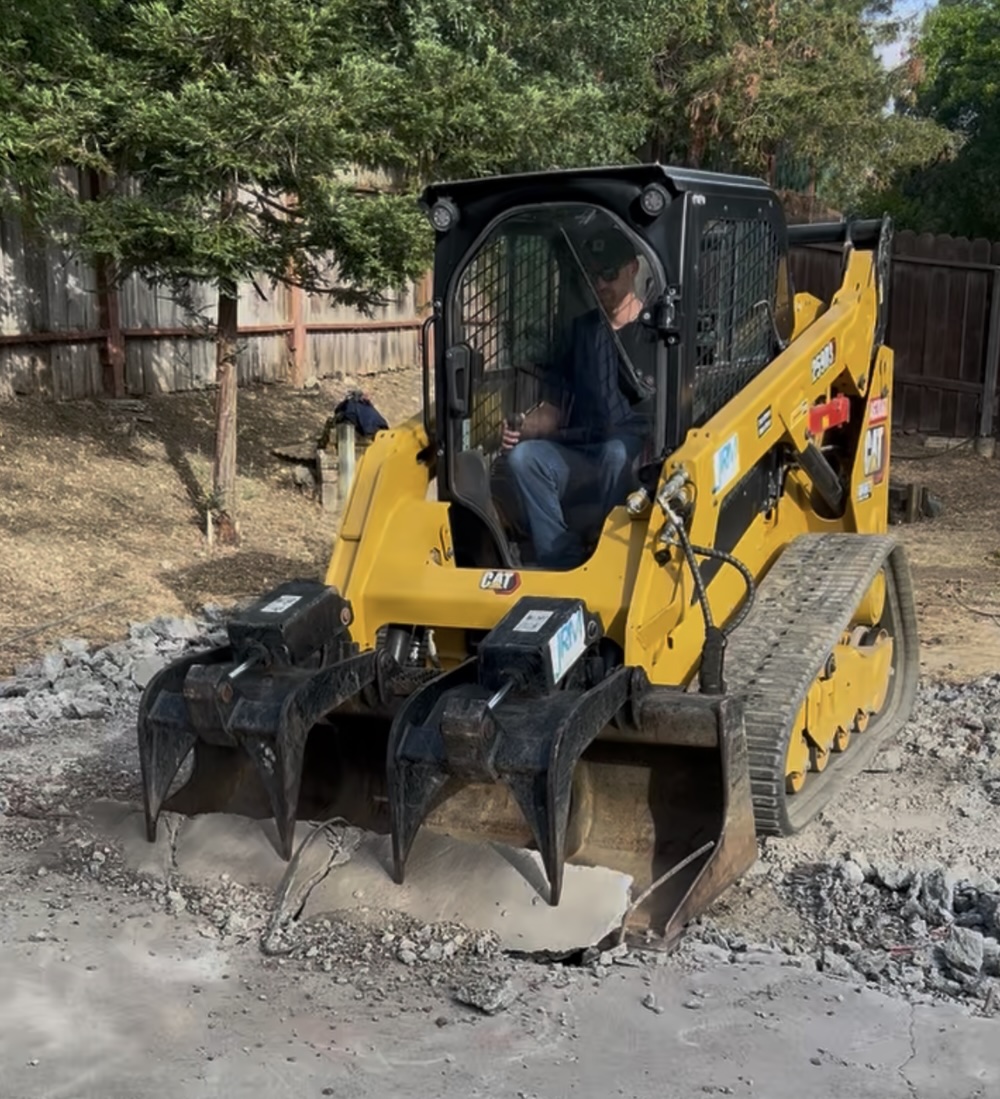
Mechanical demolition is the classic: excavators with thumbs, skid steers, breakers, loaders. Fast, loud, efficient. If you have space for equipment staging and a safe swing radius, mechanical demolition usually keeps labor hours down.
It also creates a predictable hauling rhythm. Dump trucks cycle in and out, debris gets sorted (if you’re doing it right), concrete can be separated, and the site starts to look like a buildable pad instead of a memory.
One quiet truth: mechanical doesn’t mean careless. The best operators are precise, especially near property lines and utilities that are “disconnected” but still present.
Hand Demolition
Hand demolition is slower and more surgical. It’s the right call when access is tight, when you’re protecting adjacent structures, or when interior demolition needs finesse around live areas.
If you’re living in the house during phases, you care about containment, negative air, and daily cleanup. You also care about noise windows and neighbor peace. Hand work gives you control, and control is half of safe demolitions.
Deconstruction Salvage
Deconstruction is demolition with a conscience and a spreadsheet. You’re dismantling to salvage lumber, doors, fixtures, sometimes even framing members, aiming for reuse and recycling instead of landfill-heavy disposal.
It’s not always cheaper. It can be slower. It can also reduce waste, cut some hauling volume, and make sense in regions with strong material markets and diversion requirements. The bigger waste-management world is moving this way anyway, with the construction and demolition waste management market projected to keep growing as recycling requirements expand, as reflected in this Research and Markets analysis.
If you want the contrarian take, it’s this: “green demo” is only green if you actually have a plan for where the materials go. Salvage without an outlet is just hoarding with gloves.
Know The Steps From Plan To Cleanup
People love asking what the first demolition step is, like there’s a magic button. The first step is planning, then more planning, then a phone call you should have made earlier.
If you want the sequence that tends to keep demolition projects from going off the rails, it looks like this.
- Engineering survey and hazard scan so you know what you’re dealing with structurally and environmentally.
- Permits, notifications, and utility coordination so you’re not accidentally demolishing with live services.
- Site setup, protections, and controlled removal so exterior demolition and interior demolition don’t create avoidable damage.
- Debris hauling, sorting, and disposal so waste doesn’t pile up into chaos.
- Demolition cleanup, final inspection steps, and site stabilization so excavation and rebuilding can start without drama.
Engineering Survey
An engineering survey is the adult version of “checking it out.” You’re identifying structural stability, collapse risks, and sequencing constraints. This is also where you confirm what is load-bearing, what can be selectively removed, and what needs temporary support.
If your contractor shrugs at this, you should get nervous.
Utility Disconnects
Utilities are the silent danger zone: gas, electric, water, sewer, telecom. Disconnects are coordination-heavy, and sometimes they require inspections or sign-offs.
A big part of safe demolition is controlling what you can control. Live utilities are the opposite of that.
Debris Hauling
Debris hauling is logistics. You’re staging, loading, tracking tonnage, choosing bins, scheduling dump trucks, and keeping the site passable. It’s also where your recycling intentions either happen or quietly die.
If you’re trying to keep costs sane, hauling and disposal strategy matters more than people expect, especially when concrete, roofing, and mixed debris start adding up.
Handle Permits And Compliance Early
Permits are not a formality. They’re the ruleset for how your city wants a building removed, how hazards are managed, and how neighbors are protected. Handle this early, and the project feels controlled. Handle it late and everything feels like a scramble.
Permit Triggers
Permit triggers vary by jurisdiction, but the usual suspects are full teardown, structural removals, significant exterior demolition, and any work tied to hazardous material handling. Some places also tie demolition permits to having a plan for the next build so lots don’t sit vacant forever.
If you want a clear example of how detailed this can get, Seattle’s permitting guidance talks plainly about demolition of housing, waste diversion planning, and project sequencing in a way that’s useful even if you live nowhere near Washington, which is why homeowners keep stumbling across the Seattle.gov demolition of housing page.
Inspections And Notices
Inspections can include pre-demo assessments, asbestos and lead compliance steps, utility confirmations, and post-demo sign-off depending on local code.
Notices are the other part. Neighbors care when you’re demolishing next door, and cities often care that you told them. Noise ordinances, work-hour limits, street use permits, sidewalk closures. It’s all connected.
Documentation To Keep
Keep your permits, utility disconnect confirmations, hazardous materials reports, hauling tickets, and any final inspection records. If you sell, rebuild, or get questioned later, this file saves you. It also signals you ran a professional operation, not a chaotic home demo.
For a practical checklist mindset, Missouri’s environmental regulators have a thorough demolition project checklist that’s useful as a “did we forget anything toxic?” sanity check, even outside that state, and it lives here in the Missouri DNR demolition checklist.
Reduce Risk With A Safety-First Plan
Demolition is inherently risky. The only sane response is to treat safety like part of production, not a motivational poster.
Asbestos And Lead
If asbestos is present, you need the right survey, the right abatement approach, and the right disposal. If lead is present, you need lead-safe work practices and the right containment so dust does not travel.
On larger-scale demolition projects, the EPA frames best practices around materials management, stormwater, and environmental controls, and it’s worth skimming their large-scale residential demolition guidance even if your project is “just one house,” because the logic is the same.
Dust And Noise Control
Dust is not just annoying. It’s a health risk and a neighbor relationship killer. Noise is similar. You want water suppression, barriers, covered loads, and a crew that treats cleanup as ongoing, not end-of-project theater.
If you’ve ever lived near a demolishing site that didn’t control dust, you already know why people get furious.
Neighbor And Property Protection
You protect what you don’t want to pay for later: fences, adjacent buildings, sidewalks, landscaping, parked cars, windows. You also protect access. You plan truck routes. You think about where the excavator tracks will go. You don’t casually destroy the curb and act surprised when the city sends a bill.
A demolition contractor who talks about neighbor protection early is usually the one who’s not going to “discover” problems after they happen.
Conclusion
You need residential demolition when the house is unsafe, unhealthy, or economically past the point of reasonable repair, or when the property’s best future requires a clean slate. The smartest projects treat demolition like the first phase of construction, because it is. Planning, permits, hazards, utilities, hauling, cleanup. Get those right, and the rest of your build gets easier.
If you’re weighing options, talk to demolition experts who can walk the site with you and explain the method, the risk controls, and the real schedule, not just toss out a number. The goal is not destruction. It’s a safer, cleaner starting line for whatever you’re building next.
Frequently Asked Questions
1. Is Residential Demolition The Same As Excavation?
No. Demolition is the removal of the building. Excavation is earthwork: grading, trenching, footing work, soil removal, and compaction. The two often overlap on a full teardown, but they’re different scopes, different equipment tasks, and sometimes different subs.
2. Can You Live In Your Home During Interior Demolition?
Sometimes, but it depends on the interior demolition scope and the hazard profile. If you’re doing a contained strip-out with clear separation from living areas, it can be feasible. If there’s asbestos, lead dust risk, or major utility shutdowns, you’re usually better off relocating during the worst phases.
3. Do You Always Need A Demolition Permit?
Not always, but most structural removals, exterior demolition, and any full house demolition will trigger permits in most cities. Even “partial” work can require approval if you’re altering load-bearing elements, changing egress, or creating significant debris and haul activity.
4. What Makes Demolition “Safe” Versus Just Fast?
Safe demolition is planned demolition: engineering survey, utility disconnect verification, hazard controls for asbestos and lead, dust suppression, site security, and a hauling plan that keeps the site stable and navigable. Speed is fine. Speed without control is how you get accidents, neighbor claims, and stop-work orders.
5. How Do You Decide Between Partial Removal And Full Teardown?
You decide based on structural integrity, how much of the building you can confidently keep, the cost crossover versus rebuilding, and what your end goal is. If the “kept” portion requires so much reinforcement and remediation that you’re basically rebuilding anyway, full teardown often becomes the cleaner path.
6. What Happens To All The Debris?
Debris is sorted, loaded, and hauled for disposal and, when required or feasible, recycling. Concrete and metal are commonly separated. Mixed loads cost more to process. If you care about diversion, ask upfront how the contractor handles waste management and what documentation you’ll get.
Residential Demolition Services Done Right
Whether you’re preparing for a home renovation, removing an old structure, or clearing space for a new project, Junked: Powered by Veterans™ provides safe, reliable residential demolition services throughout the Bay Area. Our experienced, veteran-led team handles every project with precision, ensuring your property is ready for the next phase of construction.
Why Choose Junked: Powered by Veterans™?
- Safe, Professional Demolition: We complete every project with safety, efficiency, and attention to detail.
- Complete Residential Demolition: Garages, sheds, decks, fences, interior demolition, patios, and more.
- Fast Cleanup: We remove demolition debris and leave your property clean and ready for rebuilding.
- Veteran-Led Service: Dependable communication, professional crews, and workmanship you can trust.
When you need residential demolition services in the Bay Area, trust Junked: Powered by Veterans™ to get the job done safely, efficiently, and on schedule. Contact us today for a free, no-obligation estimate.
Disclaimer
The materials available on this website are for informational and entertainment purposes only and not to provide legal or professional advice. You should contact your attorney or home improvement specialist for advice concerning any particular issue or problem. You should not act or refrain from acting based on any content included in this site without seeking legal or other professional advice. The information presented on this website may not reflect the most current home improvement developments. No action should be taken based on the information on this website. We disclaim all liability concerning actions taken or not taken based on any or all of the contents of this site to the fullest extent permitted by law.