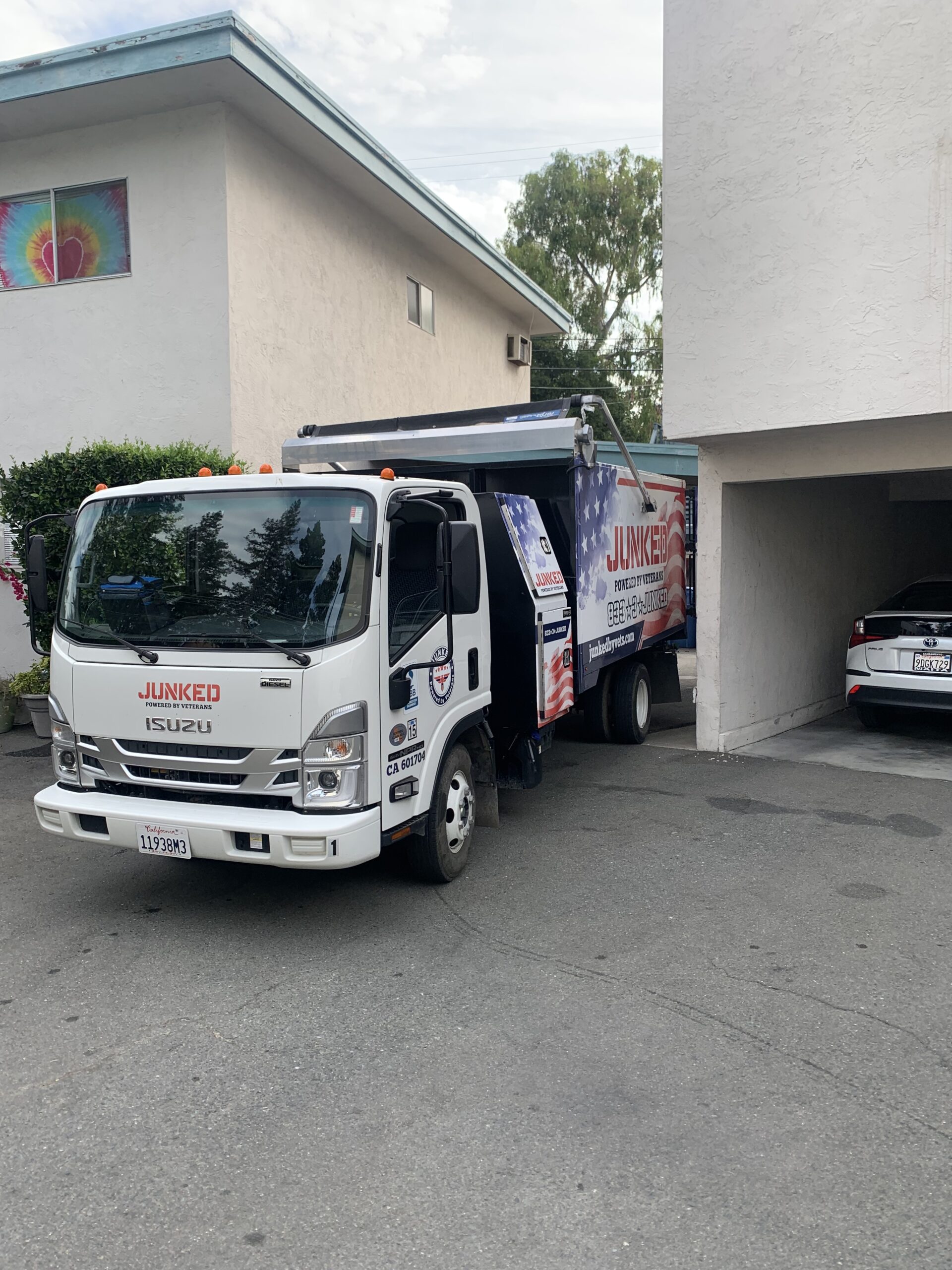
Hoarding is more than clutter. It involves collecting too many belongings, making a home difficult or unsafe to use. Hallways, kitchens, bathrooms, and bedrooms may become blocked, creating safety risks and affecting the well-being of everyone living in the property.
A hoarder cleanout is a specialized service that safely removes unwanted items, organizes belongings, and restores the home to a clean, functional condition. Professional teams work with care and respect, understanding the emotional challenges involved while helping create a healthier and safer living environment.
Key Takeaways
- A hoarder cleanout is a comprehensive process that involves removing, sorting, organizing, and properly disposing of excessive belongings from a property.
- Hoarding can create serious safety risks, including fire hazards, blocked exits, pest infestations, and structural concerns.
- Professional cleanout services use a structured approach to evaluate the property and develop an efficient cleanup plan.
- Belongings are typically categorized into items to keep, donate, recycle, sell, or discard.
- Safety precautions, protective equipment, and proper handling procedures are often necessary during the cleanup process.
- Emotional support and compassionate communication can play an important role in helping individuals navigate the cleanout experience.
- Deep cleaning and sanitation are usually performed after clutter removal to improve the property’s condition.
- Maintaining organization after the cleanout can help prevent future accumulation and support long-term success.
- The ultimate goal of a hoarder cleanout is to restore a safe, healthy, functional, and comfortable living space.
What Is A Hoarder Cleanout?

A hoarder cleanout is a specialized, comprehensive service designed to address properties overwhelmed by excessive clutter and accumulated belongings. Unlike a standard residential cleaning project, a hoarder cleanout often involves removing large volumes of items that have accumulated over months or even years. The goal is not simply to clear out unwanted possessions but to restore the property to a safe, sanitary, and functional condition.
These projects frequently require a structured approach that includes evaluating the property’s condition, sorting and organizing belongings, identifying valuable or sentimental items, and determining which possessions should be kept, donated, recycled, or discarded. In some situations, cleanout professionals may also encounter biohazards, pest infestations, mold, or structural concerns that require specialized handling and safety procedures.
Because hoarding situations can involve strong emotional attachments to possessions, professional cleanout services often emphasize respectful communication and compassionate support throughout the process. By balancing practical cleanup needs with sensitivity to the individual’s circumstances, a hoarder cleanout can help create a healthier living environment while reducing stress for everyone involved.
Why Are Hoarder Cleanouts Necessary?
Hoarded properties can create a wide range of challenges that affect the safety, health, and overall well-being of occupants. As clutter accumulates, living spaces can become increasingly difficult to navigate and maintain. What may begin as a manageable collection of belongings can eventually lead to serious concerns that impact daily life and property conditions.
In many cases, excessive clutter restricts access to essential areas of the home, making routine tasks such as cooking, cleaning, bathing, and sleeping more difficult. Emergency responders may also face challenges accessing the property if medical or fire-related emergencies occur. Additionally, neglected areas hidden beneath clutter can contribute to sanitation issues that worsen over time.
Common Concerns Associated With Hoarding
Fire Hazards
Large amounts of paper, cardboard, clothing, and other combustible materials can significantly increase fire risks. Blocked hallways and exits may also make evacuation more difficult during emergencies.
Increased Risk Of Trips And Falls
Narrow pathways, stacked belongings, and unstable piles can create dangerous obstacles that increase the likelihood of accidents and injuries.
Structural Stress
In severe cases, the weight of accumulated possessions can place excessive stress on floors, staircases, and other structural components of a building.
Pest Infestations
Clutter can create ideal hiding places for rodents, insects, and other pests that may cause property damage and introduce health concerns.
Mold Growth And Sanitation Issues
Hidden moisture, poor ventilation, and neglected cleaning can contribute to mold growth, unpleasant odors, and unsanitary living conditions.
Limited Access To Essential Living Spaces
Bedrooms, bathrooms, kitchens, and utility areas may become partially or completely inaccessible, reducing the property’s functionality and comfort. Addressing these concerns through a professional hoarder cleanout can dramatically improve safety, restore usability, and create a healthier environment for occupants and visitors alike.
How Does The Hoarder Cleanout Process Begin?
Every successful hoarder cleanout begins with a detailed assessment of the property. This initial phase allows cleanout professionals to understand the project’s scope, identify potential risks, and develop an organized strategy to complete the work efficiently.
The assessment process helps establish realistic expectations regarding timelines, labor requirements, equipment needs, and disposal methods. It also provides an opportunity to discuss priorities, concerns, and goals with the property owner or family members involved.
Initial Evaluation
During the initial evaluation, professionals carefully assess the property to understand the extent of the hoarding situation. They estimate the volume of accumulated belongings, identify safety hazards and accessibility issues, evaluate sanitation and environmental conditions, and determine whether specialized equipment or protective gear will be needed. They also assess items that may be suitable for disposal, donation, or recycling.
This planning phase serves as the foundation for a safe and organized cleanout. Based on the assessment, the team develops a customized cleanup strategy, establishes realistic project timelines and milestones, and estimates the resources required to complete the job efficiently. A thorough evaluation helps ensure that safety risks are addressed, logistical challenges are anticipated, and the cleanup process proceeds as smoothly as possible.
Sorting And Organizing Belongings
After the initial assessment is complete, the sorting phase begins. This stage is often one of the most time-consuming aspects of a hoarder cleanout because each item must be carefully evaluated before decisions are made regarding its future.
A systematic sorting process helps reduce clutter while minimizing the risk of accidentally disposing of important possessions. Professional teams often work closely with property owners and family members to ensure meaningful items are identified and preserved.
Categories Commonly Used During Sorting
Items To Keep – possessions that are actively used, have significant sentimental value, or serve an important purpose within the household.
Items To Donate – usable clothing, furniture, household goods, and other items that can benefit charitable organizations or community programs.
Items To Recycle – materials such as paper, cardboard, metal, electronics, and certain plastics can be processed through recycling programs.
Items To Discard – broken, damaged, expired, contaminated, or otherwise unusable items that no longer serve a practical purpose.
Important Documents and Valuables – legal records, financial documents, family photographs, heirlooms, collectibles, jewelry, and other items that require special attention.
A well-organized sorting process allows the cleanout to progress efficiently while preserving belongings that may have financial or sentimental significance.
Removal and Disposal of Unwanted Items

After the sorting process is complete, the removal and disposal phase begins. This stage involves clearing unwanted belongings from the property in a safe, organized, and efficient manner. Depending on the size of the cleanout, professionals may need to remove bulky furniture, appliances, construction debris, household clutter, or large volumes of accumulated possessions. Careful planning helps streamline the process while minimizing disruption to the property and surrounding area.
Professional cleanout companies follow responsible waste management practices by separating reusable, recyclable, and disposable materials whenever possible. Their goal is not only to restore the property but also to reduce landfill waste, comply with local disposal regulations, and maximize opportunities to donate usable items to organizations that can benefit from them.
Common Disposal Methods:
- Donation to Charitable Organizations
Furniture, clothing, household goods, appliances, and other items that remain in good condition may be donated to local charities, shelters, churches, or nonprofit organizations. Donating usable items helps support community programs while reducing unnecessary waste. - Recycling of Appropriate Materials
Many materials can be recycled instead of being sent to landfills. Paper, cardboard, glass, plastics, scrap metal, electronics, batteries, and certain appliances are often separated and delivered to approved recycling facilities, helping conserve natural resources and reduce environmental impact. - Proper Disposal of Non-Reusable Items
Damaged, broken, contaminated, or worn-out items that cannot be reused or recycled are disposed of according to local waste management regulations. Professionals ensure these materials are transported to authorized disposal facilities to maintain compliance with environmental standards. - Specialized Handling of Hazardous Materials
Some cleanout projects involve hazardous materials such as chemicals, paint, solvents, pesticides, medical waste, mold-contaminated items, asbestos-containing materials, or other regulated substances. These materials require specialized handling, protective equipment, and disposal procedures to protect workers, occupants, and the environment.
Proper removal and disposal are essential for completing a successful cleanout. By following safe handling procedures and environmentally responsible disposal practices, professional teams can efficiently clear the property, reduce environmental impact, meet regulatory requirements, and prepare the space for its next use, whether for occupancy, renovation, sale, or redevelopment.
Cleaning And Sanitizing The Property
After clutter and unwanted items have been removed, the property often requires extensive cleaning and sanitation. Hoarded environments may contain dust, debris, odors, stains, and contaminants that have accumulated over long periods. Deep cleaning helps restore the property’s appearance while improving indoor air quality and overall hygiene.
Areas Commonly Addressed
Floors and Carpets – vacuuming, scrubbing, stain treatment, and debris removal help restore flooring surfaces throughout the property.
Walls And Surfaces- dust, grime, and residue are removed from walls, shelving, countertops, and other frequently used surfaces.
Kitchens And Bathrooms – these areas often require thorough sanitation to address bacteria, mold, grease buildup, and other contaminants.
Odor Removal – specialized cleaning methods and deodorizing treatments may be used to eliminate persistent odors caused by clutter, moisture, pets, or waste.
Mold Remediation When Necessary – if mold growth is identified, appropriate remediation measures may be implemented to help restore a healthier indoor environment. This stage transforms the property from a cluttered space into a cleaner, safer, and more comfortable home.
What Happens After A Hoarder Cleanout?

Completing the cleanout is a major achievement, but maintaining the results is equally important. Without effective organizational systems and ongoing maintenance, clutter can gradually return over time. Long-term success often depends on establishing habits and routines that support a cleaner, more organized living environment.
Strategies For Preventing Future Clutter
Establishing Organizational Systems – creating designated storage areas and organizational methods makes it easier to manage possessions and reduce clutter accumulation.
Creating Regular Cleaning Schedules – consistent cleaning routines help prevent belongings from piling up and maintain a functional living space.
Seeking Professional Support When Needed – professional organizers, counselors, and support services may provide valuable assistance for individuals facing ongoing challenges related to clutter.
Setting Realistic Goals For Possessions – regularly evaluating belongings and limiting unnecessary acquisitions can help maintain an organized home.
Conducting Periodic Home Assessments – routine inspections allow homeowners to identify potential problem areas before clutter becomes overwhelming.
By implementing these strategies, individuals can preserve the progress made during the cleanout and enjoy a safer, healthier, and more organized living environment for years to come.
Conclusion
A hoarder cleanout is much more than a large-scale cleaning project. It is a structured and carefully managed process designed to address excessive clutter while restoring safety, functionality, and cleanliness to a property. From the initial assessment and planning stages to sorting belongings, removing unwanted items, deep cleaning, and implementing long-term organizational strategies, each phase contributes to transforming a property into a healthier and more livable space.
Hoarding situations often present unique challenges that can affect both the physical condition of a home and the well-being of those who live there. Excessive clutter can create safety hazards, limit access to essential living areas, contribute to sanitation concerns, and make daily activities more difficult. Because these situations frequently involve emotional attachments to possessions, successful cleanouts require patience, compassion, and a thoughtful approach that balances practical needs with personal considerations.
Professional hoarder cleanout services provide the experience, equipment, and organizational expertise necessary to manage even the most complex projects. Their structured processes help ensure that valuable items are preserved, hazardous materials are handled safely, and the property is restored as efficiently as possible. By addressing both immediate cleanup needs and long-term organizational goals, professional cleanout teams can help create lasting improvements in safety and quality of life.
Whether the goal is to prepare a property for occupancy, support a loved one through a difficult transition, or simply restore order to an overwhelmed living space, understanding how hoarder cleanouts work can make the process less intimidating. Taking the first step toward addressing excessive clutter can lead to a safer, healthier, and more comfortable home environment for years to come.
Frequently Asked Questions
1. How Long Does A Hoarder Cleanout Take?
The timeline for a hoarder cleanout varies significantly based on several factors, including the size of the property, the volume of accumulated belongings, accessibility challenges, and the overall complexity of the project. Smaller cleanouts may be completed within a few days, while larger or more severe situations can take several weeks. Properties that require extensive sorting, specialized disposal procedures, or deep cleaning services may require additional time to complete properly.
2. Are Valuable Items Protected During A Hoarder Cleanout?
Yes. Protecting valuable and meaningful belongings is a critical part of the cleanout process. Professional cleanout teams typically implement a detailed sorting system to identify important documents, financial records, family photographs, heirlooms, collectibles, jewelry, and other valuable possessions before any disposal occurs. Many companies also work closely with property owners and family members to ensure important items are preserved and properly secured throughout the project.
3. Is A Hoarder Cleanout The Same As Regular House Cleaning?
No. A hoarder cleanout is substantially different from standard residential cleaning services. Traditional house cleaning generally focuses on routine maintenance tasks such as dusting, vacuuming, and surface sanitation. A hoarder cleanout involves extensive sorting, organizing, decluttering, removal of accumulated belongings, responsible disposal, and often deep cleaning and sanitization. In some cases, specialized services such as odor removal, pest remediation, or hazardous material handling may also be required.
4. Can Donated Items Be Separated During The Process?
Absolutely. One of the primary goals of many hoarder cleanouts is to reduce waste whenever possible. Items that remain in usable condition are often separated and designated for donation to charitable organizations, shelters, community groups, or nonprofit agencies. This allows unwanted belongings to benefit others while reducing the amount of material sent to landfills. Donation decisions are typically made during the sorting phase and coordinated as part of the overall cleanout plan.
5. What Safety Precautions Are Taken During A Hoarder Cleanout?
Safety is a top priority during any hoarder cleanout project. Professional teams often wear personal protective equipment (PPE), including gloves, masks, eye protection, and protective clothing when necessary. They may also use specialized equipment to address hazards such as mold, pest infestations, biohazards, unstable structures, sharp objects, or contaminated materials. Thorough risk assessments are typically conducted before work begins to help ensure a safe environment for both workers and property occupants.
6. What Types Of Items Can Be Recycled During A Hoarder Cleanout?
Many items commonly found in hoarder properties can be recycled rather than discarded. Depending on local recycling programs, materials such as cardboard, paper, plastics, metals, electronics, and certain household items may be separated for recycling. Professional cleanout services often identify recyclable materials during the sorting process to help minimize environmental impact and promote responsible disposal practices.
7. Will The Home Be Fully Cleaned After The Clutter Is Removed?
In most cases, yes. After unwanted items are removed, the property typically undergoes a deep cleaning process to address dust, dirt, odors, stains, and sanitation concerns that may have developed over time. This may include cleaning floors, walls, appliances, bathrooms, kitchens, and other surfaces. Some projects may also require odor treatment, mold remediation, or specialized sanitation procedures to fully restore the home’s condition.
8. How Can Future Clutter Be Prevented After A Hoarder Cleanout?
Maintaining an organized home after a cleanout often involves creating practical storage systems, establishing regular cleaning routines, and periodically reviewing possessions to prevent unnecessary accumulation. Some individuals may also benefit from working with professional organizers, counselors, or support groups that specialize in clutter management. Consistent maintenance and realistic organizational goals can help preserve the progress achieved during the cleanout and reduce the likelihood of future clutter problems.