Quality demo crews will offer evidence of training and specific safety measures. Ask if they have the proper permits and insurance so you’re not risking anything. Find out if they use current tools and know how to dispose of waste. Inquire about previous projects similar to yours to determine if they align with your requirements. Inquire about who will be leading the job and how they troubleshoot if things go awry. These 7 questions help you find a demo crew that works safely, smartly, and on time. The next section dissects every question and explains why each one matters for your project.
Table of Contents
ToggleKey Takeaways
- First and foremost, always check your demo contractor’s credentials, including up-to-date licensing, insurance, bonds, certifications, and more, to ensure you’re working within the law and that your project is protected.
- Evaluate the contractor’s safety record and risk management by examining previous project accidents or incidents, compliance with safety regulations, and their strategies for hazard reduction and emergency preparedness.
- Ask for a clear, step-by-step explanation of the demolition process, from preparing the site and acquiring permits to working alongside other crews. This will help you establish reasonable expectations and timelines.
- Demand a comprehensive debris management plan that includes waste removal, recycling, and proper disposal of hazardous materials.
- Before you sign on the dotted line, ask for a complete cost factor breakdown. Hidden charges can be sneaky, and if you’re shopping around, you can compare true value between multiple contractors.
- Know the qualifications and experience of the contractor’s crew. Look for contractors that focus on continued training and managing their team well. They are key to a safe and successful demolition project.
What Are Your Credentials?
Confirming a demo crew’s credentials isn’t about box-ticking but it’s crucial for ensuring the team you hire can safely, legally, and efficiently handle your demolition needs. Credentials support a residential demolition contractor’s assertions and provide you evidence of their expertise, trustworthiness, and professionalism in the demolition industry.
- Valid licenses for all demolition and specialized work
- Comprehensive insurance coverage, including general liability and workers’ compensation
- Active bonding status guaranteed by a reputable surety firm
- Industry-recognized certifications, especially for hazardous materials
- Strong, transparent safety record
- Familiarity with local regulations and permit requirements
- References and proof of similar completed projects
1. Permits
A demo crew’s license is crucial as it proves they exceed all local and national standards for demolition work. Always ask to see a valid, current license for the type of demolition services you require, especially when dealing with hazardous materials. Ensure the license corresponds to the job scope and is up to date. Request paperwork that describes exactly what the license covers, as regulations can vary by location, particularly for structural demolition projects.
2. Insurance
Insurance matters because demolition is dangerous. It’s essential to request evidence of general liability insurance from your demolition contractor, which protects against property damage. Additionally, verify their workers’ compensation policy to ensure that workers are covered if they get injured during the demolition project. Certain demolition services require additional protection, so inquire about insurance for specific hazards, such as pollution or contamination.
3. Bonding
Bonding safeguards you if the demolition contractor doesn’t complete the project or breaches the contract. Check what amount the bond covers and the company backing it. If you can, get their bonding history and see if there were past claims. Ensure the bond covers all aspects of the residential demolition project, including legal and financial risks.
4. Certifications
Certifications demonstrate that a reliable contractor has the training and expertise necessary for demolition work. Keep an eye out for badges from the National Demolition Association or similar organizations. Safety certifications and ongoing training indicate that the demolition contractor is serious about their work. Inquire about courses they’ve taken recently and how this training contributes to maintaining safety standards in demolition projects.
5. Safety Record
An impeccable safety record with a reliable contractor translates to less risk to you and your property. Enquire about any previous accidents and whether they are a licensed demolition contractor. Investigate their hazard and risk management plans, particularly for service demolition projects in confined and urban spaces, to ensure adherence to safety standards.
How Do You Manage Risk?
Managing risk is no doubt one of the most important aspects of any demolition project. A reliable contractor will begin with cautious plans and hazard analysis. They inspect for asbestos, lead, and mold before they tear into structures. For example, they might conduct lab tests or consult with experts to identify these hazardous materials. This step isn’t only for security but also to comply with domestic and international regulations. The safest crews, like those at JUNKED: Powered By Veterans, demonstrate their plans for worker protection and have a strong safety record. They wear protective equipment themselves and ensure that all their crew is well-trained.
Routine inspections and compliance checks are essential throughout the entire process of structural demolition. Contractors should describe the frequency with which they scan for vulnerabilities and who conducts these scans. They might have a checklist to ensure that equipment is working and that all crew members adhere to safety procedures. If something goes wrong, like a machine malfunction, they have a contingency plan to repair or exchange it quickly. This keeps work on track and reduces the risk of injury or project delays. Good crews keep records of these checks, which helps if any disputes or insurance issues arise down the line.
Contingency plans are another important category in the demolition industry. If there’s an accident, a fire, or if they come across unforeseen dangers, the crew should have defined procedures to take. This can include first aid training, who to call, and how to secure the area. They should share examples of what has happened in similar projects and how they dealt with it. This reveals whether they are prepared for the unforeseen and can secure people as well as assets.
Communication is equally critical as the steps above. The most effective demolition contractors discuss potential risks with you prior to beginning work. They describe what they are on the lookout for and what they will do if an issue arises. They seek your advice on major decisions, such as what to do about unexpected discoveries or weather-related slowdowns. This makes you feel engaged and gives you an opportunity to voice concerns early. Good crews guide you through their debris removal and site cleanup plan, reducing accident and environmental risks.
What Is Your Process?
A strong process is the essence of any trustworthy demolition contractor. Prior to hiring a residential demolition contractor, it’s crucial to request a step-by-step walk-through of how the contractor plans, prepares, and executes the structural demolition project. Here is a breakdown of what to look for.
- Site Preparation And Permits: The contractor should start by checking and securing the site. That means obtaining any required permits and ensuring local laws and codes are adhered to. Securing permits frequently involves submitting documentation to municipal or local authorities. Skipping this step can stall the work or result in fees. The crew ought to look for dangerous materials such as asbestos or lead paint. Safe removal isn’t only a legal requirement but it safeguards all workers on site.
- Timeline And Coordination: Ask for a clear project timeline. This should lay out the start and end of each portion of the work. For example, tearing down a 200m2 (2,150ft2) home might take a couple of weeks, while a big office block might take months. The contractor needs to discuss how they will coordinate with other crews, such as builders or utility workers. This keeps the project on track and steers clear of conflicts.
- Safety And Experience: The crew’s safety record and training are vital. Discover how they train their employees and intervene to prevent injuries. Ask for licensing, bonding, and insurance info. This shields you from legal or money hazards. A contractor who has done structural demo for years will see issues immediately and work quicker and with more safety.
- Debris And Waste Handling: Good crews have a plan for sorting debris and waste. They should include a demonstration that they will clear the site and adhere to specified rules for dumping or recycling. This maintains your site tidy, secure, and legal.
- Project Cost: Costs change by location and job size. Four to eight dollars per square foot is the national average, this can fluctuate. A complete estimate assists you in planning your budget and minimizing surprises.
How Do You Handle Debris?
Debris is one of the most important aspects of any demolition project. How do you deal with debris? A quality demolition contractor, like JUNKED: Powered By Veterans, is going to have an explicit plan from start to finish for sorting, removing, and disposing of all waste. This plan should help reduce risk, keep the site safe, and comply with all local regulations, especially regarding hazardous material. It should address both routine and unexpected debris and demonstrate how the crew will handle recycling requirements. How debris is managed defines the expense, duration, and footprint of the entire project.
Checklist: Debris Removal And Recycling Methods
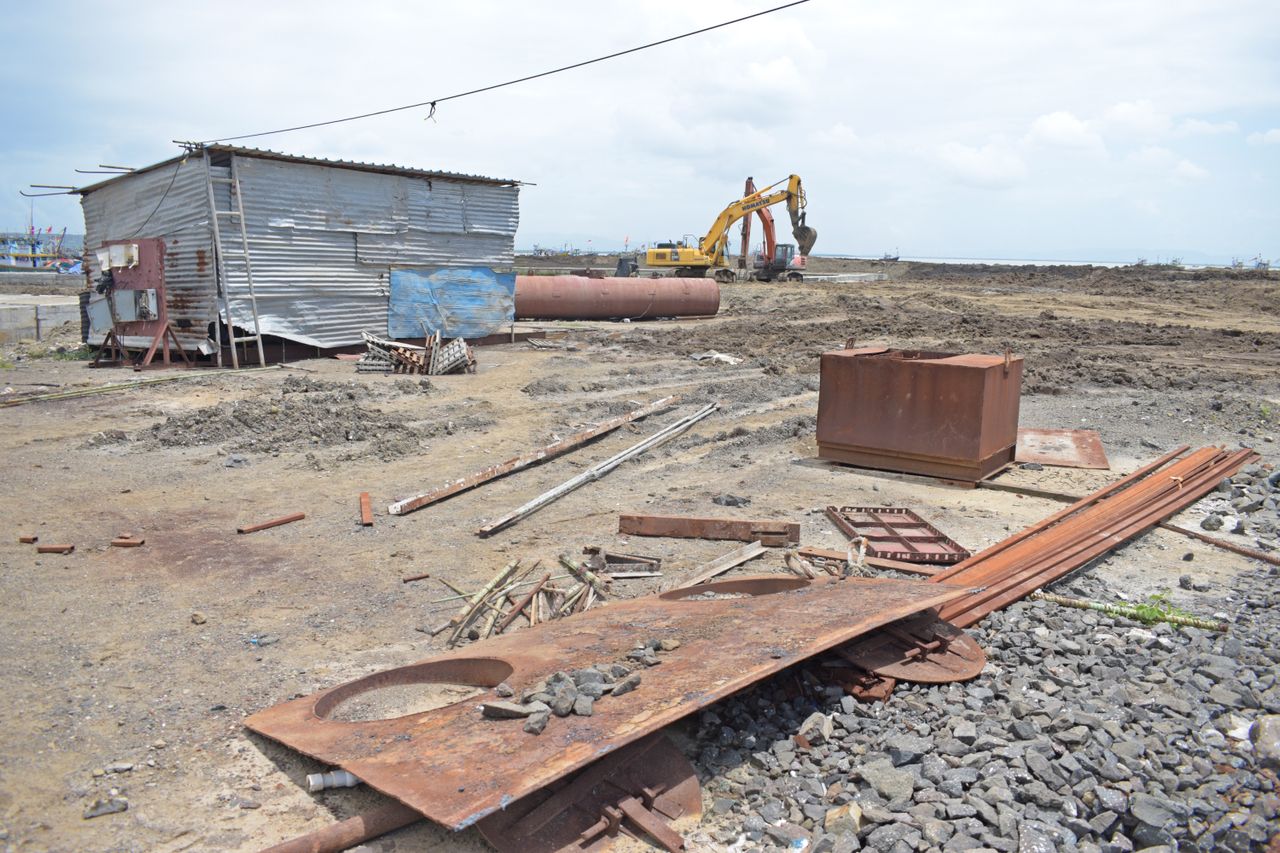
A hard checklist lets you know if the residential demolition contractor is prepared for your work. First, see if they separate debris at the job. They need to separate wood, metal, concrete, plastics, and hazardous waste. Every batch requires its own route: recycling, reuse, or safe disposal. Request evidence of where the trash travels. For example, clean concrete could be taken to a recycling facility, and old wiring could be stripped for copper. All hazardous material, like asbestos or lead, has to be handled by trained staff and dumped at approved sites. Your demolition contractor should have definitive records of every phase, not a vague response. They should demonstrate how they reduce dust and noise for neighbors and nearby businesses.
Waste Management Plan And Environmental Compliance
Request the debris plan in writing from your residential demolition contractor. Good crews know which materials are safe to recycle and which have to be handled as hazardous material. They need to understand your site’s guidelines and possess the appropriate demolition permits. This is key for things like lead paint, solvents, or asbestos. If a contractor is fuzzy on this, that’s a red flag. The plan should detail how they store, label, and transport all trash, aiming to recycle as much as possible. They should provide you a cost breakdown by each part since debris handling can be a large portion of the demolition cost.
Equipment And Methods For Minimal Disruption
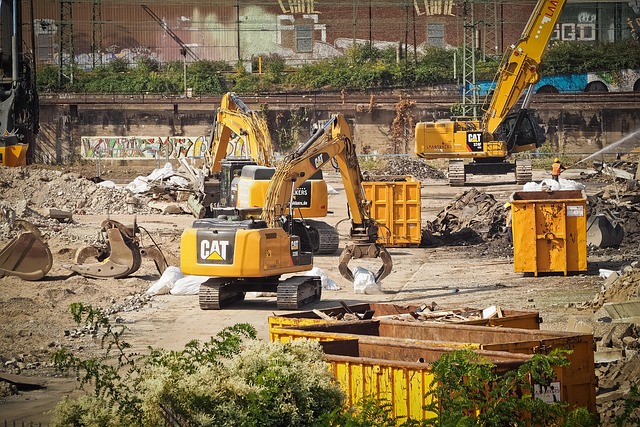
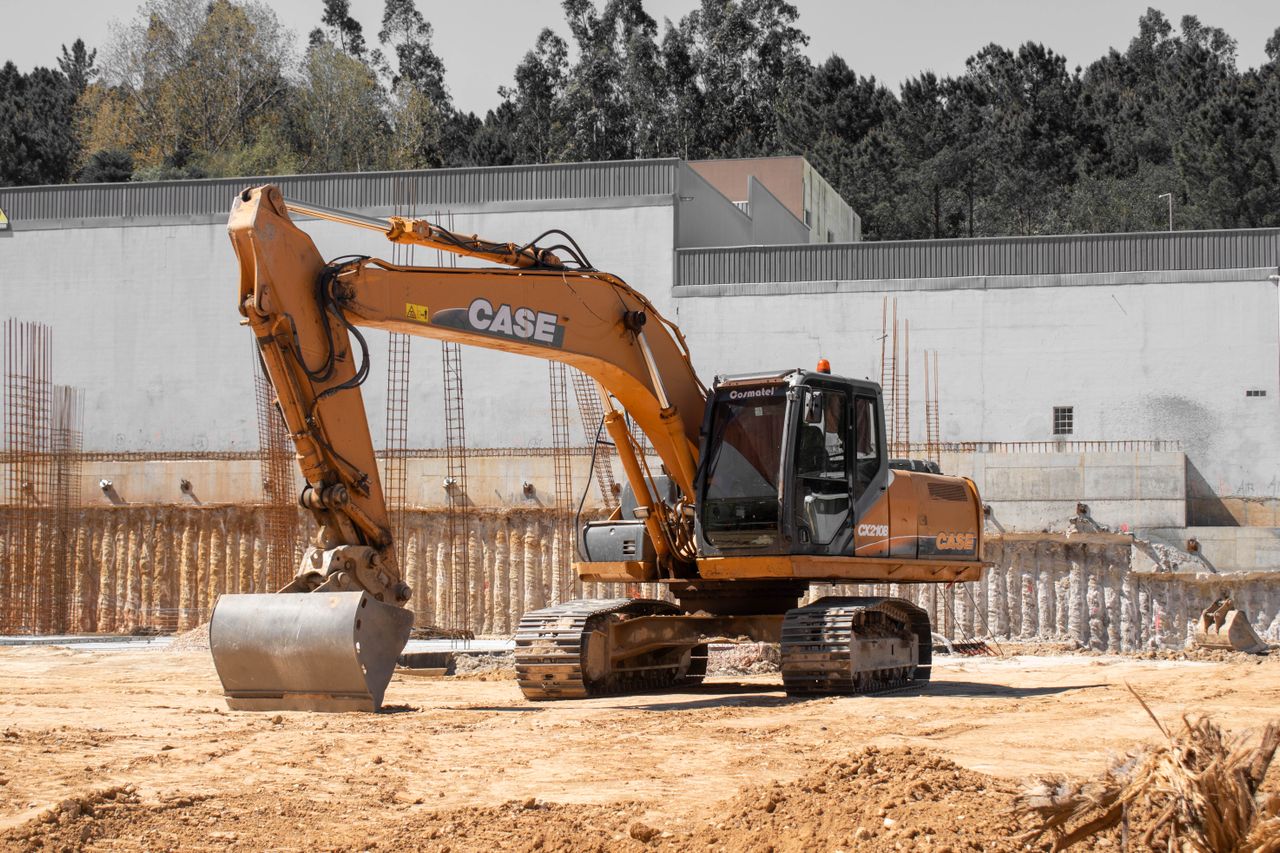
Experienced teams, like JUNKED: Powered By Veterans, use modern tools: cranes, excavators, trucks, compactors, and sometimes crushers. Their approach should suit the location, such as employing smaller trucks in a dense urban environment to maintain traffic flow. Inquire how frequently they clear away demolition debris and whether they maintain tidiness as they labor, ensuring safety standards are met.
Handling Unexpected Debris Issues
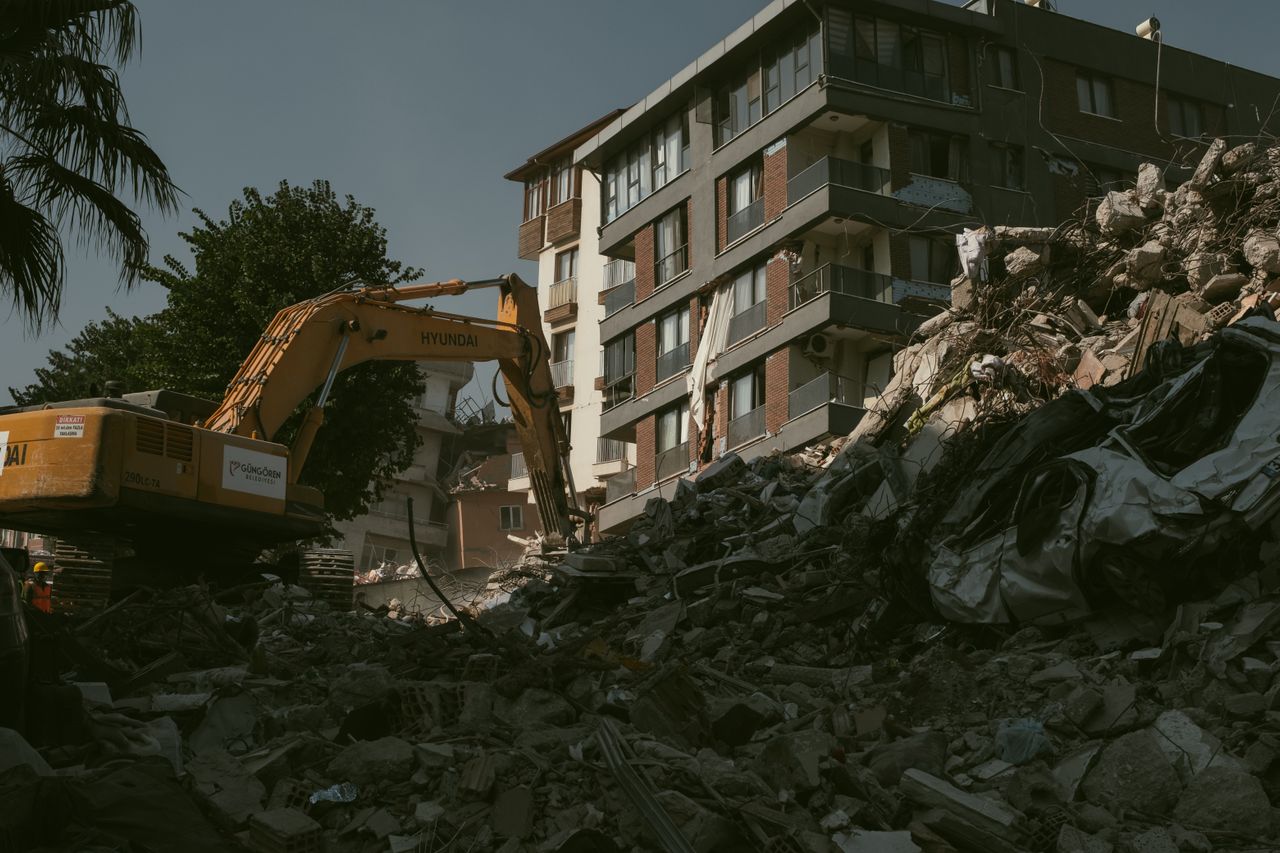
Even with the best plan, surprises can spring during a demolition project. These may include concealed tanks, unexpected quantities of hazardous material, or fragile soil. You want a reliable contractor that can think fast and change their plan. Ask for examples of how they’ve handled these problems in the past. They should carry auxiliary implements and understand who to contact for esoteric assistance, demonstrating their expertise in demolition services and keeping your project moving.
What Is The True Cost?
The real cost of hiring a demolition contractor exceeds its sticker price. Demolition costs are frequently quoted on a per square foot basis, with the national average falling between $4 and $8 per square foot. A few factors can change this spectrum. The cost could go down in certain areas, such as the South or the Midwest, while cities with stringent regulations or higher permit fees may cause it to increase, occasionally as an incentive to encourage building rehab instead of demolition. For a clear picture, have each residential demolition contractor provide a line-item quote. This approach allows you to understand what you’re actually paying for and assists in identifying hidden fees.
- Main building tear-down
- Removal of debris
- Site cleanup
- Permit fees
- Hazard material handling (asbestos, lead paint, etc.)
- Utility disconnection
- Equipment use
- Waste disposal
- Insurance coverage
- Labor costs
Certain costs aren’t apparent from the get-go. Permits are a big one. Lots of cities charge steep fees that can add up quickly. If the building contains dangerous substances such as asbestos or lead paint, safe removal requires additional processes and expense. Sometimes, after walls come down, workers discover secret structural problems such as weak foundations or mold, which need to be repaired and will increase the cost. If you need to turn off utilities, such as water, electric, or gas, those could be additional fees as well. Demolition waste is a consideration. Dumping fees for debris can vary by volume or material and with local regulations.
It’s common advice to compare bids from two or three demolition contractors, as this will reveal pricing holes. Look for distinctions in what’s included in the bids. The cheaper bid could lack essential components, such as site clean-up or debris removal, or even insurance. Requesting line-item details will help you find out what’s driving the cost, preventing confusion and expensive surprises.
Opting for a cheap, inexperienced crew might save you money now but could lead to problems later. Quality, reputable contractors adhere to safety standards and local ordinances, which prevent delays or fines. They generally maintain a cleaner worksite, making it safe for what’s next in your residential demolition project.
Who Is On Your Crew?
A demolition contractor isn’t just about the work but every member of the crew plays a crucial role. From the site supervisor directing the demolition projects to the demolition team tearing down walls, and the laborers cleaning up demolition debris, each position is vital. Some projects may require specialized skills, such as those of asbestos removal specialists or trained professionals capable of handling hazardous materials. When hiring a residential demolition contractor, it’s wise to inquire about each member’s background and experience, ensuring a balance between seasoned experts and those prepared for the task. They must possess the right skills for your job, whether you’re demolishing a bungalow or a multi-story building. Checking licenses and certifications is essential and a reputable demolition company will have the proper paperwork and insurance, demonstrating their expertise and protection against unforeseen incidents.
Training is equally as important as experience in the demolition industry. When selecting a service demolition contractor, inquire about the safety training their crews undergo. Highly trained crews are adept at recognizing hazards and adhering to safety protocols, employing the right equipment, and following accident avoidance principles. For instance, a solid crew will have operators specialized in heavy machinery and safety inspectors ensuring compliance with safety standards. If the crew has worked on similar projects before, that is a significant advantage. You can ask for references or speak to past customers to gauge their satisfaction with the demolition services provided.
Understanding who is on your crew is vital for a smooth demolition project. A professional demolition company knows its structure and the boss issues directives while the crew executes the strategy. Effective communication, whether through radios or informal meetings, keeps everyone informed. The size of the crew will vary based on the assignment and larger buildings may necessitate more hands, while a small residential demolition might only need a few. Ultimately, what matters is that each member knows their role, works collaboratively, and ensures the project is completed safely, on time, and within budget.
Conclusion
Choosing the appropriate demolition team is crucial, so be vigilant and inquire thoroughly. Inquire about their expertise. See how they secure the site. Ask how they plan every step. Ask how they dispose of materials. Inquire about the cost. Know who works on the team. These questions give you the reality. You witness the crew’s true work ethic, not just hype. You know what to expect from day one to completion. To really get the best crew, ask clear questions. Great answers make your workflow smooth and secure. Need more tips or assistance with your next project? Blog about it. Connect and post your own successes or inquiries.
Frequently Asked Questions
1. What Qualifications Should A Demo Crew Have?
Ask a reliable demolition contractor about their licenses, certifications, and insurance, as these demonstrate adherence to safety standards and industry codes.
2. How Can I Check A Demo Crew’s Experience?
Do they stay within the allotted time and budget for their demolition projects? Checking their background provides you insight into their experience and trustworthiness as a reliable contractor.
3. What Should Be Included In A Demolition Quote?
A good quote from a reliable contractor separates labor, equipment, debris removal, necessary permits, and any additional fees, helping you know the total demolition cost up front.
4. How Long Does A Typical Demolition Project Take?
Project time for residential demolition projects varies based on size and complexity. Most residential jobs require a couple of days, while larger demolition sites necessitate more careful planning. Request a project timeline from your reliable contractor.
5. Can I Stay At Home During Demolition?
It’s based on the scope of work and safety standards. For small demolition projects, a reliable contractor may suffice. For larger or hazardous work, hiring an experienced demolition contractor with the proper license and necessary permits is advised.
Comparing Demolition Companies? Here’s Why Bay Area Property Pros Choose Junked: Powered by Veterans™
If you’re planning a renovation, rebuild, or property reset, choosing the right demolition company matters. The wrong crew can mean delays, safety issues, surprise costs, or a site that’s left messy and unprepared for what comes next. At Junked: Powered by Veterans™, we help Bay Area property managers, real estate agents, business owners, and contractors make a confident, informed decision by delivering demolition services that are professional, efficient, and built around safety from start to finish.
Whether you need interior demolition, a partial teardown, or a full structural demolition, our veteran-led team brings precision, accountability, and the right equipment to handle projects of any size. We don’t just knock things down, we help you move forward with a site that’s clean, cleared, and ready for the next phase.
Why Junked: Powered by Veterans™ Is The Right Choice For Demolition
- Safety-First Demolition: Strict protocols and experienced crews that prioritize safe, controlled removal
- Full-Service Cleanup Included: Debris removal so your site is ready for construction, remodel, or resale
- Eco-Friendly Disposal: Recycling and salvaging whenever possible to reduce landfill waste
- Veteran-Led Professionalism: Clear communication, integrity, and a crew you can trust on-site
- Streamlined Process: We help simplify logistics, including permitting assistance and hauling
If you’re comparing demolition options in the Bay Area, the decision comes down to one thing: who will do it right the first time. Schedule your free, no-obligation estimate and see why so many property professionals trust Junked: Powered by Veterans™ for demolition that’s clean, safe, and hassle-free.
Disclaimer
The materials available on this website are for informational and entertainment purposes only and not to provide legal or professional advice. You should contact your attorney or home improvement specialist for advice concerning any particular issue or problem. You should not act or refrain from acting based on any content included in this site without seeking legal or other professional advice. The information presented on this website may not reflect the most current home improvement developments. No action should be taken based on the information on this website. We disclaim all liability concerning actions taken or not taken based on any or all of the contents of this site to the fullest extent permitted by law.