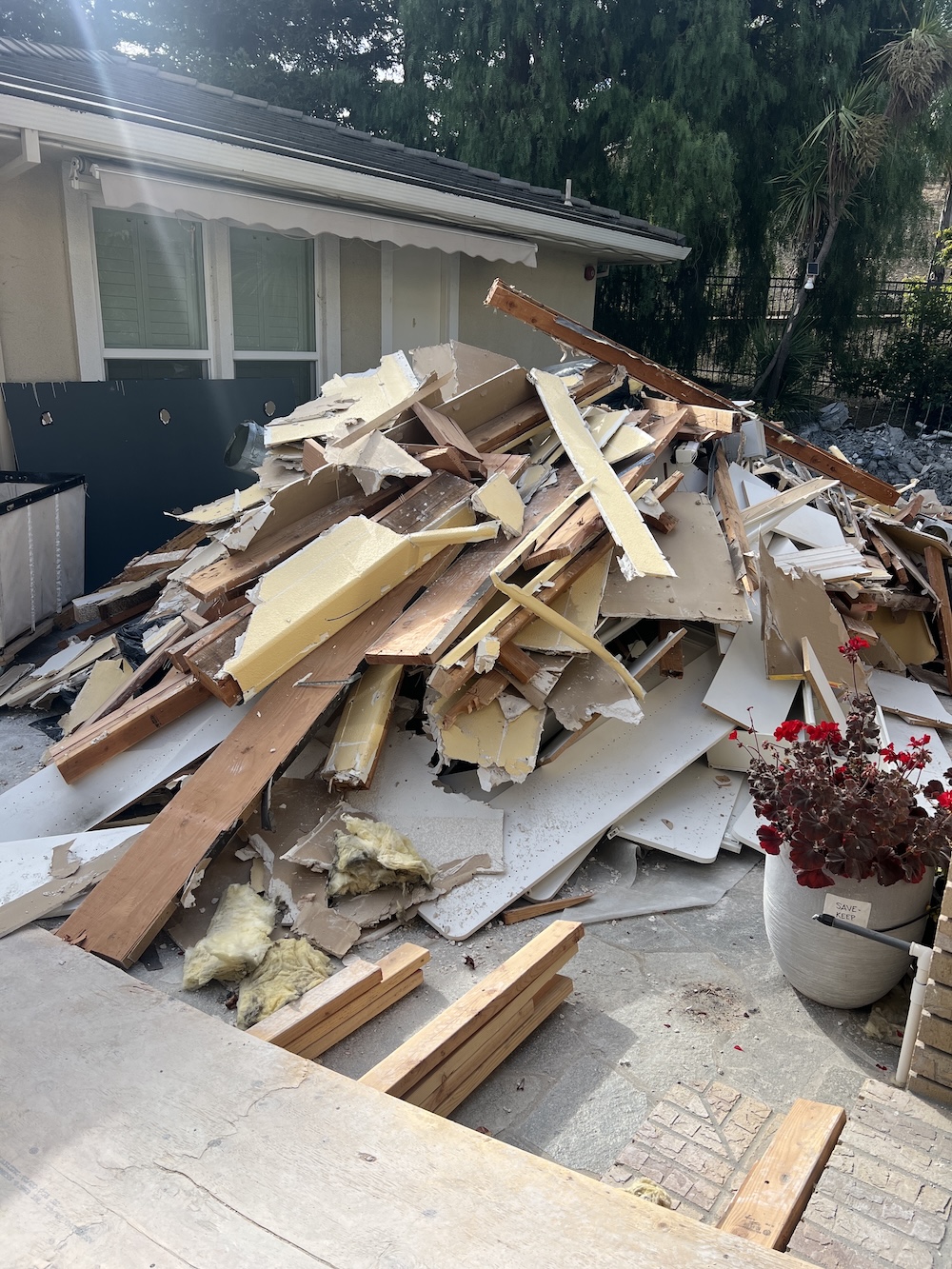
Turning your property around with veteran-powered demolition services means having expert crews who know how to demolish plots quickly and safely. These crews, frequently composed of military veterans, bring their discipline and camaraderie to every job, managing large and small demo projects with care. Their experience helps keep projects on course and done well. That’s why so many property owners turn to veteran-powered services, which provide trust, strong work ethics, and respect for your property. Whether it’s tearing down old walls or hauling off debris, every aspect of the job is handled with precision and expertise. Selecting these teams for your property provides an actual fresh start and peace of mind. Next up, we’ll discuss the specifics of how these services operate and what you can anticipate.
Table of Contents
ToggleKey Takeaways
- Veteran-powered demolition brings military precision and cutting-edge technical skills to the table. It ensures that projects are impeccably planned, executed with unparalleled care, and produce results that set the standard for demolition projects everywhere.
- With a strict focus on safety and regular staff training, our veteran-owned demolition company ensures the protection of both our workers and the communities surrounding our work sites. We emphasize compliance with all local and international regulations.
- A mission mindset cultivates responsibility, flexibility, and efficiency, enabling teams to surmount curveballs and complete projects on schedule and on target.
- Fostering team cohesion and open communication engenders an inclusive, collaborative culture that not only helps get the project done but boosts morale.
- By embracing sustainable practices like asset salvaging, responsible waste management, and community engagement, we not only create environmental benefits but leave a positive local impact, making it an enriching experience for property owners and communities alike.
- Meticulous planning, transparent contractor screening, and preparation of the site are key takeaways readers can implement to guarantee a smooth transition from demolition to new build, no matter where they live.
Why Veteran-Powered Demolition?
What separates veteran-powered demolition services from others is the unique training, discipline, and work ethic that the military instills. These teams merge technical expertise and a sense of mission, becoming reliable collaborators for property reinvention initiatives across neighborhoods and landscapes.
Military Precision
Veterans apply disciplined techniques acquired from their service experience, ensuring each phase of demolition is calculated. It reduces errors and keeps the project on target. Innovative tools, including remote-control equipment and precision cutting machines, typically feature in their arsenal, guaranteeing every operation is performed meticulously. Carefully constructed project timelines segment the work into definite stages, allowing the crew to adhere to aggressive timelines. Quality checks at every stage keep our work consistent and reliable, minimizing the risk of any steps being missed or details overlooked.
Unwavering Safety
Safety First for Veteran-Powered Teams Rigorous safety training featuring regular drills gets them ready for real-world hazards, such as dealing with toxic debris or maneuvering heavy equipment in congested city areas. PPE, including helmets, gloves, and respirators, mitigates risks. These teams always adhere to local and international safety codes, keeping in step with established standards for demolition. This emphasis on safety safeguards not only the crew but the surrounding homes, businesses, and environment.
Mission-Oriented Mindset
Veterans’ mission-driven mentality propels projects forward. Each member of our team understands his responsibility and is driven to achieve without compromise. There is built-in flexibility. If something unexpected comes up, like old wiring or hidden asbestos, the team pivots on the fly. There is shared ownership in results, so we all remain accountable for our work and the project as a whole.
Team Cohesion
Trust and teamwork are at the heart of veteran-led groups. Regular team-building and candid, open dialogues keep us all aligned. Fresh ideas are encouraged, which expedites problem solving and makes members feel appreciated. Common objectives enable the team to stay directed towards doing the job right, even if it’s strenuous or intricate.
Planning Your Transformation
Planning your transformation. Every step — scoping, legal review and contracting — demands clever decisions and exhaustive vetting. This keeps your project within budget and code, and with minimal disruptions. It promotes waste recycling and environmental stewardship.
Project Scope
Begin by listing what you need to take down and what materials. Think if you will require new construction or major repairs after demolition. Consider your project’s environmental footprint and plan for mitigation. Full site surveys can assist in identifying aging pipes, compromised foundations, or protected historical elements.
- List all buildings, walls, or other structures to remove
- Identify hazardous materials like asbestos or lead paint
- Plan for upgrades, repairs, or new builds post-demolition
- Establish recycling goals for steel, brick, and wood.
Comprehensive site review and utility shutoffs are essential. Gas lines can be cut in days, while electricity takes longer. Schedule waste because regulations vary and some are difficult. Good plans save money and keep the work on time.
Legal Hurdles
Before the work starts, investigate local regulations and permits required. Each area has its own codes and environmental laws. If your site is urban, verify noise ordinances and work hour restrictions.
Prepare the paperwork: applications, drawings, and surveys for review. One missed permit can hold up your project for weeks. If local law feels tricky, consult legal advisors early. They can assist you in navigating complicated zoning and safety regulations and ensure there are no unexpected issues.
Contractor Vetting
Choose your team wisely. Review their expertise, previous projects and whether they’re properly licensed. Be sure they’re insured in case of accidents.
Criteria | Experience | References | Licensing | Interview Results |
Contractor A | 10 years | Positive | Yes | Good fit |
Contractor B | 5 years | Mixed | Yes | Satisfactory |
Contractor C | 12 years | Excellent | Yes | Strong alignment |
Request and telephone previous customers to verify their labor. Skim reviews for clues as to their reliability. Connect in person to see if they fit your mission and agenda.
Preparing The Site
Site preparation is the foundation of a safe and effective demolition project. Meticulous preparation allows you to anticipate the risks, safeguard key resources, and keep everyone in the loop. For urban and suburban sites, this is more than just clearing debris. It demands a strategic approach to planning, safety, and communication.
Utility Disconnection
Utility disconnection is an important task. Coordinating with local water, gas, and electricity providers is a must to prevent risks such as fire or flooding. Gas can often be turned off within days, but power disconnection can take weeks, so working those schedules into your demolition timeline is important. Each disconnection must be recorded, not only for safety but for legal and regulatory reasons. Any pipes, wires, or connections need to be checked and tested to verify the site is safe for workers. Planning well means no live wires or gas leaks are menacing workers or surrounding homes.
Asset Salvaging
Prior to demolition, one of the smartest things you can do is identify materials worth saving. Wood beams, metal fixtures, and piping are often valuable and can be salvaged for reuse. A thorough sweep, removing furniture, appliances, and all personal effects, avoids waste and destruction. Some 70% of building materials are recyclable or reusable, so working with recycling centers increases the recovery of materials and promotes sustainability. Training owners and contractors on the financial and environmental benefits of salvage can minimize expenses and landfill waste. Salvaging isn’t just lucrative; it’s what makes demolition efficient and green.
Site Security
Protecting the site protects persons and possessions. Installing fencing prevents trespassing and safeguards the public. Security cameras, along with informed employees who know security procedures, assist in observing action and discouraging theft or vandalism. Discussing security plans with local officials and neighbors can prevent unnecessary chaos and keep people in the loop. Site security means scoping out hazards like asbestos or lead paint ahead of time. Protecting adjacent structures and ensuring that dangerous debris is disposed of takes top priority.
The Demolition Process
Demolition is a methodical process that includes method selection, rigorous safety protocols, and manual labor. Every stage of the process is informed by site conditions, environmental stewardship, and prioritizing the safety of individuals and adjacent structures.
Method Selection
A detailed site evaluation kicks off this stage, with crews canvassing for dangers like asbestos, hazardous conditions or structural instability. Mechanical excavators, wrecking balls, or high-reach arms work well for big, solid buildings, while manual methods are more suitable for smaller structures or sites with limited access. Certain projects require controlled implosion, which demands specialized experience, as even minor miscalculations can damage neighboring structures or critical infrastructure.
You need to consider the type of building, location, and potential environmental impact. For instance, in congested urban neighborhoods, hand or precision demolition could minimize dust and noise and mitigate risk to surrounding neighbors. Each selected approach is specified not only for design but for transparent reporting and team coordination.
Safety Protocols
Safety is always the first concern. Rigid guidelines encompass worker equipment, public fencing, and rescue plans. Routine safety audits verify that all activity is to global standards and results are reported back to the crew. Continuous workshops and drills keep staff up to speed on best practices, reducing the risk of mistakes.
A robust safety culture allows each worker to report hazards without concern. This method assists in detecting issues early, such as loose debris or gas leaks, and maintains safety on the site for everyone, including staff, visitors, and neighbors.
Execution
Phase | Key Actions | Checkpoints |
Pre-demolition Planning | Site assessment, utility disconnect | 3-5 days before demolition |
Demolition Execution | Structural takedown, debris sorting | Daily progress review |
Post-demolition | Waste removal, site inspection | Final safety audit |
The schedule keeps us all on the same page. Teams convene regularly to exchange updates, troubleshoot, and reassign work if necessary. Working hours are restricted to minimize noise and prevent stress among the local residents. Any such headaches, like weather delays and antique wiring, are remedied swiftly to stave off interruptions.
Recycling is key, with as much as 70% waste sorted for reuse, diminishing the project’s footprint.
Managing The Aftermath
Caring for a demolition project’s aftermath requires planning and a systematic approach. Safety, compliance, and environmental responsibility are paramount. By securing the site, evaluating hazards, and creating a cleanup plan, you establish the groundwork for an easy transition to new construction or land use.
Debris Sorting
- Debris produced by demolition must be sorted into three main categories: recyclable (such as metals, concrete, and glass), reusable (like undamaged bricks or timber), and waste (contaminated or unsalvageable materials). This promotes sustainability and keeps landfill costs down.
- Specialized sorting machinery, including portable crushers, magnetic separators, and screeners, accelerates the process and guarantees precision. Hand sorting can be employed for materials easily marred by machines or where contamination is an issue. This two-pronged strategy minimizes hazards and optimizes rescuables.
- Working with local recycling centers is crucial. Facilities for construction and demolition waste can recycle as much as 90 percent for new purposes, which is fantastic for the environment. For instance, concrete might be crushed for road base and metals melted down for manufacturing.
- Tracking diversion rates, which is the percentage of materials diverted from landfills, provides a clean metric of a project’s recycling achievement. Keep track of the truth, and you’ll be in good shape.
Responsible Disposal
- Any waste, including both hazardous and non-hazardous waste, must be disposed of in accordance with local regulations and environmental standards. Neglecting these invites penalties and environmental damage.
- Keep detailed logs of material types, quantities, and destinations.
- Record dates and methods of disposal for each load.
- Maintain copies of all permits and manifests.
- We educate clients on the importance of responsible waste management, which establishes trust and promotes best practices on projects to come.
- Continued record keeping keeps you honest and prepares your team for audits or compliance.
Site Clearance
- A clean site is a secure site. All debris, sharp objects, and hazards must be cleared away after demolition. This step avoids injuries and primes for follow-on work.
- The site is then ready for its next purpose, be it a new structure, landscaping, or short-term storage. Proper grading and hazard checks occur.
- Transparent communication with stakeholders via photos, reports, or site walkthroughs validates that the site is prepared and project targets have been achieved.
- We keep site security and access controls in place until construction continues to mitigate the risk of accidents or trespassing.
The Fresh Start Blueprint
Fresh Start Blueprint is your stepwise plan to transform a property’s utility, security, and worth. This plan mixes demolition, site prep, and new construction goals. Each phase, demolition, land grading, and building planning, requires feedback from engineers, architects, and the homeowner. With diligent teams, regular reporting, and transparent updates, we keep your project on time and on budget. Tackling site safety, waste removal, and environmental rules is key to meeting local and global standards. Below is a simple timeline to guide the transition from demolition to new construction:
- Week 1–3: Demolition, debris removal, and site clearance
- Week 4: Final inspection and regulatory compliance checks
- Week 5–7: Land grading, soil testing, and erosion control
- Week 8–10: Engage architects; finalize building design
- Week 11 onwards: Begin new construction phase
Final Inspections
Final inspections put the nail in the demolition coffin. A crew inspects the house to ensure each assignment fits the work order. This step is crucial because it’s when you uncover lurking pit holes or unfinished tasks.
Inspectors seek complete adherence to safety and environmental regulations. If any problems arise, they log it and collaborate with the staff to resolve it. This could encompass testing for dangerous substances missed during primary destruction or verifying that debris is managed in compliance.
A nice report of all findings with pictures of the site cleared and a checklist of completed tasks! Clients receive this document to confirm that the work was completed properly. This report is typically required to obtain permits for the next stage.
Land Grading
Grading shapes the site for new construction. First, laborers smooth the earth and clear away detritus. This prevents potential water runoff problems.
Soil checks come next. Engineers poke for stability and scan for vulnerabilities. This step can avert expensive issues in new construction.
Erosion control is second. Easy barriers or plantings prevent soil from washing away, particularly during the rainy season.
Last, engineers and architects convene to coordinate the grading plan with building designs. This prevents late changes that bog down the project and drive up expenses.
Future Building
Future building begins with a consideration of sustainability. Teams consider employing intelligent mechanisms, reused components, and energy-saving models.
Community input counts. Stakeholders convened to discuss what the neighborhood needs, such as tailoring a building to a local style or creating a green space.
Bold objectives increase real estate value and boost the community. Energy savings and green features aren’t fads; they lower long-term costs and increase local desirability.
Conclusion
To make room for new, count on veteran-powered demolition teams. Veteran crews understand how to work safely and quickly. They clean, de-clutter, and leave no mess behind. You get a lot ready for what’s next. No guesswork, no stress; you get straight results. Change begins with a plan and hard hands. Vet crews bring both, so your fresh start feels real from day one. Your property is redefined with veteran-powered demolition for a clean slate. Contact a veteran-powered team and get your project moving. Come with your plans, your aspirations, and your inquiries. Discover how the right people can make a hard job a victory.
Frequently Asked Questions
What makes veteran-powered demolition services unique?
Veteran-powered demolition teams instill discipline, attention to detail, and work ethic. Their military background guarantees secure, accurate, and timely project execution.
How do I prepare my property for demolition?
Remove personal belongings and hazardous materials. Work with your demolition crew for site preparation to guarantee safety and regulatory standards.
Are veteran demolition services environmentally responsible?
Yep, some veteran-owned businesses are all about recycling and trash removal. They adhere to guidelines to reduce environmental footprint and foster eco-friendliness.
What safety measures are taken during demolition?
Veteran-powered crews adhere to rigorous safety standards. They utilize protective equipment, secure the location, and follow regulations to safeguard workers and the surrounding environment.
How long does the demolition process take?
The timeline varies based on project size and complexity. Most residential demolitions are done in just a few days. Bigger jobs take more time.
What happens to debris after demolition?
All debris is sorted, recycled where possible, and properly disposed of with respect to local regulations. Your demolition experts will handle all waste disposal in a secure and efficient manner.
Can I stay on my property during demolition?
It’s typically not advised for safety. Work with your demolition team to make sure you’re safe and comfortable.
Transform Your Property: Veteran-Powered Demolition Services For A Fresh Start
Is an old structure, unsafe building, or outdated space holding back your property’s potential? At Junked: Powered by Veterans™, we specialize in efficient, professional demolition services for property managers, real estate agents, business owners, and contractors looking to clear the way for something new. Proudly serving the Bay Area, our dedicated team of veterans brings precision, safety, and expertise to every demolition project, ensuring a smooth and hassle-free process. Whether it’s a partial teardown, interior gutting, or full structural demolition, we have the skills and equipment to handle projects of any size.
Why Choose Junked: Powered By Veterans™ For Your Demolition Needs?
✔ Safe & Efficient Demolition – Our team follows strict safety protocols to ensure a smooth teardown.
✔ Full-Service Cleanup – We remove debris and leave your site ready for the next phase.
✔ Eco-Friendly Approach – We prioritize recycling and salvaging materials to minimize waste.
✔ Experienced & Professional Team – Our veteran-led crew works with precision and integrity.
✔ Hassle-Free Process – We handle everything from permitting assistance to debris hauling.
Don’t let an old or unsafe structure stand in the way of progress! Whether you’re renovating a commercial space, clearing land for new construction, or removing hazardous structures, we ensure the job gets done safely, quickly, and professionally.
Schedule your free, no-obligation estimate today and experience how Junked: Powered by Veterans™ delivers top-tier demolition services while supporting local veterans. Clear the way for new possibilities—demolish with confidence!
Disclaimer
The materials available on this website are for informational and entertainment purposes only and not to provide legal or professional advice. You should contact your attorney or home improvement specialist for advice concerning any particular issue or problem. You should not act or refrain from acting based on any content included in this site without seeking legal or other professional advice. The information presented on this website may not reflect the most current home improvement developments. No action should be taken based on the information on this website. We disclaim all liability concerning actions taken or not taken based on any or all of the contents of this site to the fullest extent permitted by law.