Monthly junk pickup for restaurants is a scheduled service that removes bulk waste or old equipment from eateries. A lot of restaurants accumulate additional garbage, broken chairs, outdated kitchen utensils, or boxes that require more than daily trash bins. To maintain clean kitchens and dining areas, proprietors enlist monthly junk pickup to dispose of these larger volumes. Most services comply with local waste regulations and environmentally friendly disposal. Pricing may vary due to load size, pickup time, or special requirements. Some companies will even sort or recycle items to support the environment. To choose the appropriate monthly junk pickup, proprietors consider speed, cost, and what they will pick up. The following section details the important things to look for.
Table of Contents
ToggleKey Takeaways
- Scheduling consistent monthly junk pickups is essential for maintaining cleanliness, operational efficiency, and compliance with health and safety regulations in restaurant environments.
- With strong waste separation and intelligent pickup scheduling, restaurants can maximize storage, minimize contamination, and achieve sustainability goals.
- By partnering with professional, licensed junk removal providers, you stay compliant with regulations, reduce downtime, and enjoy customized options for variable waste volume.
- By considering service flexibility, pricing models, and contract terms, restaurants can sidestep hidden fees and identify the most economical and transparent removal options available to them.
- By anticipating challenges like volume spikes, access, and contamination risks, you make the junk pickup process much more effective.
- By adopting a conscientious approach to junk removal, you’re not only improving your brand image, but you’re also making a positive impact toward greater community sustainability and environmental stewardship.
Why Regular Junk Pickup Matters
Monthly junk pickup is way more than just a spring cleaning for restaurants. It keeps areas tidy, facilitates efficient operation, complies with regulations, and safeguards a restaurant’s reputation. By scheduling pickups, you’re ensuring waste is cleared before it can accumulate. This makes it simpler to maintain every space secure and clean.
Beyond Cleanliness
Consistent junk pickup prevents rodents and odors, which are essential for a restaurant to have a clean dining area. When food or cardboard sits around, it attracts bugs and rodents. Taking it away when due reduces that danger. Diners see the details. Tables, floors, and entryways devoid of debris establish an air of concern that breeds confidence.
Clean work areas lift employee spirits. They operate more efficiently and promptly when their instruments and environment are free and not obstructed by ancient cartons or malfunctioning equipment. It keeps teams proud and motivated. By establishing regular junk pickup, you demonstrate to customers and staff that the restaurant is invested in being a smart choice. That sort of exemplar can define a brand’s character for the good.
Operational Flow
Restaurants operate most effectively when nothing interferes. Scheduling junk pickup during off-hours ensures that no one gets disturbed during meal rushes. Workers can stay focused on cooking and guests, not on the mess. Less junk means less cluttered paving stones and more space for what counts — supplies, clean plates, or secure containers.
Every unused thing you chuck frees up valuable space. This makes it easier to hustle and locate supplies, skimming slowdowns. Scheduled pickups prevent expensive band-aids, such as last-minute dumpster rentals or surcharges for overloaded containers.
Regulatory Peace
Local waste laws can be tough, especially in food service. If you’re on top of the rules and keep clear records, it can help you avoid fines and failed checks. Regular pickups mean inspectors encounter a clean, orderly site, not clutter. Having a reliable junk pickup provides peace of mind because they know the regulations and assist in keeping the eatery compliant.
All this bolsters the legislation and the drive for cleaner, healthier urban environments. Having a predictable pickup reduces the likelihood of pollution and illegal dumping, making it safer for all.
A Step-By-Step Monthly Junk Pickup Plan
A step-by-step monthly junk pickup plan supports health and order in restaurants. For example, your plan must tackle typical sources of garbage, specify employee responsibilities, and define deadlines for each phase. Clear planning wins on the home front in keeping spaces tidy and helps you more easily meet sustainability goals and follow your progress. It can cover things like appliance disposal, cleanouts, and yard waste. Here is a rough plan of each important step.
- Perform periodic waste audits to determine waste types and volume.
- Organize trash bins with proper signage and instructions.
- Use technology for smart scheduling, adjusting for peak times
- Coordinate pickups with service providers and assign staff oversight
- Check results monthly and adjust as necessary.
1. Waste Audit
Begin by conducting a waste audit to record all waste exiting the restaurant. I’m talking about food scraps, packaging, busted kitchen utensils, and old appliances. Identify the high waste days by tracking trends over a few weeks. Use this information to schedule pickups when bins are most full. Divide items that you can recycle, such as glass bottles or cardboard. These audit results inform action to optimize processes and reduce waste, aiding in lowering costs and landfill output.
2. Segregation System
For deciding a clear system for sorting junk, designate bins for recyclables, compost, and trash, and put them where staff need them most. Education is everything. Everyone should understand what goes where and why. This minimizes confusion and increases recycling. Once every few months, check in on the system. If new materials pop up in the waste stream, refresh bin signage and education accordingly. This helps satisfy shifting regulations and maintain the system.
3. Smart Scheduling
About: A Step-by-Step Monthly Junk Pickup Plan) Use your calendar or app to schedule pickups at convenient points in your daily schedule. Never schedule during prime time meals—early morning or late night. Automated reminders keep staff prepped for collection. If seasons swap out waste types or quantity, refresh the pickup schedule for optimal results.
4. Pickup Coordination
Collaborate with your junk company. Let us know in advance if there are site access challenges or hazardous materials involved. Choose an employee to take calls and manage pickups. Great communication avoids missed pickups and resolves problems quickly.
5. Performance Review
Test your plan each month. Ask staff what could improve, and look at audit numbers. Define your own benchmarks, such as reducing waste by 10 percent or reducing packup time. Let results inform your next cycle updates.
Selecting The Right Removal Service
Choosing a monthly junk pickup service for a restaurant is about more than just hunting for the lowest price. It’s the art of balancing features, real-world reliability, and environmental ethos for each provider. Important characteristics to evaluate are types of items accepted, recycling or donation opportunities, and scheduling accommodations. Restaurants usually can’t just throw away hazardous materials or large equipment, so verifying what they accept is a necessity.
Customer reviews and testimonials provide a reality check for provider claims. Repeated comments regarding professionalism, reliability, and transparency indicate a service that can really deliver in the trenches. For restaurants, references to lifting heavy kitchen equipment or handling last-minute pickups are particularly important. Soliciting quotes from more than one provider exposes you to variations not only in price but in services. Comparing these details helps avoid hidden fees and ensures every quote is based on actual restaurant-specific needs.
The right removal service has to be flexible for a restaurant’s particular needs in both what’s removed and the frequency. Choosing an experienced provider with professional staff and equipment is key to safe, efficient pickups. They should match sustainability objectives too, with recycling and donation services and transparent waste diversion reporting. Restaurants are under even more pressure to reduce landfill impact, so knowing you can use eco-friendly options is a smart, responsible move.
Verify Credentials
Verifying credentials is a must. Restaurants are liable for what becomes of their waste. Therefore, a removal service must maintain all necessary licenses and permits for disposing of waste legally. Insurance is key because it protects the restaurant from liability if something happens during pickups. Sustainable certifications demonstrate a dedication to responsible disposal, and a good local and industry reputation denotes reliability and professionalism.
Assess Sustainability
A removal service’s commitment to sustainability matters. Consider the percentage of waste diverted to recycling or other landfill destinations. Inquire if they collaborate with local recyclers or charities, thereby benefiting both the environment and your community. Green disposal is an expectation, not a premium. Clear reporting on recycling rates is a positive sign that a company is responsible for its environmental practices.
Evaluate Flexibility
Adaptability is essential for restaurants that face fluctuating waste levels. Certain weeks are heavier, and special events can bring sudden increases in waste. A great service will allow you to configure custom pickup schedules and modify them as needed. Providers should manage both small and large loads without additional trouble. Emergency pickups or last-minute requests should be available, providing peace of mind when unexpected situations arise.
Decoding Service Costs And Agreements
Junk pickup for restaurants can be a confusing maze of prices and contracts. Garbage fees vary widely, ranging from $20 per ton to over $100 per ton, depending on region, frequency, and service type. A 4-yard container serviced once a week will generate monthly disposal charges of $45.21. Often, the service time remains the same when you have a 2-yard versus an 8-yard bin, but the pricing is based either on yards or the number of lifts. Contracts usually add 15 percent to direct costs for overhead. With increasing customer density, providers can offer improved rates along the way.
Pricing Models
Model | Description | Pros | Cons |
Volume-based | Charged per container size (yards) | Predictable for steady waste patterns | It can be costly for fluctuating volume |
Weight-based | Charged per weight (tonnes) | Fair for lighter waste loads | Can spike with heavy or bulky items |
Flat fee | Fixed monthly charge | Simple budgeting | May overpay if waste volume is low |
Per lift | Charged per pickup event | Good for low-frequency generators | Unpredictable for high waste producers |
Custom/Hybrid | Mix of models, often with discounts | Tailored to usage, possible savings | Complex to track |
It’s crucial to compare providers on these models. A restaurant with regular fixed waste output could make good use of a flat monthly fee, whereas an establishment with fluctuating volume would find weight-based pricing more suited and fair. Few provide loyalty or long-term contract discounts, but these might lock you in, so factor the savings against flexibility. Customer density in your area can reduce costs, as providers save on travel and pass along those savings.
Contract Terms
Read the contract length and renewal fine print carefully. A few agreements auto-renew, which might not work for a restaurant with evolving needs. Early termination fees are standard, too. These can be high, so look for fair opt-outs. Service guarantees and expectations should be spelled out. If the service does fail, such as missed pickups, there is a process for recourse or refunds. Keep an eye out for provisions like dispute resolution. There should be a way forward if issues arise.
Hidden Fees
Inquire about fuel surcharges, typically a percentage, such as 5 percent, added on top of the rate as fuel prices fluctuate. Find out if there are additional fees for oversized, toxic, or e-waste. A few companies include container maintenance fees, sometimes 1 dollar a month, in addition to charges for operations such as billing changes. Ask for a complete cost list so you aren’t surprised. Pricing can change, so audit invoices and watch for additional line items.
Navigating Common Pickup Challenges
Restaurant monthly junk pickup has its own special requirements. Smart fixes do not just reduce debris and increase efficiency; they provide neighborhood wins. Most operators contend with variable junk loads, fences around their sites, and regulations about what can be put in the bin. Complications like fuzzy pricing, the absence of waste audits, and a lack of tech tools can exacerbate these problems. Here are the most common pickup challenges and clever ways to address them.
- Volume spikes following holidays or events cause missed pickups and overflow.
- Narrow alleys, bus loading zones, or blocked doors are hard to get to.
- E-waste or hazardous goods pose risks of penalties and damage to the environment.
- Taking haulers offline can slow or stop service.
- Staff training gaps lead to more errors and skipped sorting steps.
- Inconsistent pricing causes budget headaches for many restaurant owners.
- Lost gadgets can stall route planning and tracking.
- Little auditing leads to squandered opportunities to reduce and redirect waste.
Volume Spikes
Junk seasons and junk holidays both tend to create spikes in junk. Restaurants can monitor their waste patterns with basic logs or electronic monitoring to identify these spikes in advance. By coordinating with pickups and providing notice, additional pickups or temporary dumpsters can be established as needed. For instance, if a restaurant has a festival, throwing in an extra pickup or two can keep things flowing. Waste audits not only identify what kind of junk is being flung about but also underline how to cut food waste, which is critical because 95% of food waste misses out on any diversion and is still dumped. Basic staff training in portion control or composting, supported by city compost programs, can reduce volume.
Access Issues
Certain pick-up trucks don’t fit down narrow lanes or get blocked by delivery vans. To skirt these problems, well-marked thoroughfares and signage help. Owners should inform their hauler of any hard turns, weird hours, or parking restrictions, and possibly arrange pickups before the lunch rush or late at night. Even a brief note or small map for the driver can keep things moving. We offer a dispatch map and stop ordering via drag and drop that allows haulers to plan more efficient routes.
Contamination Risks
Sorting junk right is key for the law and the planet. A quick checklist on the back door can jog the corps on where to fling food, oil, glass, or batteries. Specific guidelines for managing hazardous waste, such as expired chemicals or broken glass, need to be explicit and regularly reviewed. Regular conversations with the pickup team can identify pesky habits before they turn into tickets or health hazards. Urban areas that conduct food waste challenges or distribute communal compost bins assist eateries in complying with regulations and minimizing landfill waste. Employees require simple tips and hands-on preparation to keep flubs minimal.
The Bigger Picture: Sustainability Impact
Monthly junk pickup for restaurants is not just a logistics problem; it influences how a community fulfills its sustainability impact. Sustainable junk removal reduces landfill waste and increases reuse and recycling. Restaurant waste is a major motivator in this regard. Of the food generated nationwide, approximately 38% is uneaten. This waste decomposes in landfills and emits methane, a potent greenhouse gas. By scheduling pickups every month, restaurants can separate their junk, recycle more, and compost organics rather than just dumping it all together. This supports the fight against climate change and keeps the local community clean.
Restaurants participating in waste reduction can significantly lower their environmental impact. Many local jurisdictions now mandate that businesses segregate organic waste. Composting scraps is becoming easier as organic waste is collected and transported to sites where it is converted into compost for agricultural areas, parks, and gardens. This cycle reduces landfill waste and returns nutrients to the earth.
Sharing the restaurant’s efforts can help build trust with guests. Most diners care about how businesses behave. If a restaurant demonstrates that it separates its waste, composts, and strives to be less wasteful, guests might be more comfortable dining there. Research shows that 75% of people would order smaller plates if they could save money and waste less. Telling this story with signage or on websites helps raise awareness and increase brand loyalty.
Restaurants can take it a step further and join local sustainability groups or programs. By linking into local initiatives and tracking waste reduction, restaurants can meet regulations, share effective solutions, and inspire others. Every business doing its part, measuring what it discards, and making small changes, contributes to a larger impact on community sustainability.
Conclusion
Junk monthly pickup keeps restaurants clean and safe. Quick garbage hauling reduces clutter and keeps cooks cooking in the kitchen. Scheduled pickups prevent stacks from accumulating and ward off vermin. Informed scheduling gives the staff more time for great service. The right removal service saves time and money. Clear guidelines prevent miscommunication and cost overruns. A smart pickup plan makes it simple to satisfy health codes and go green. Each restaurant can contribute to waste reduction by opting for intelligent junk pickup. To enhance daily work and achieve green benchmarks, review your junk pickup scheme and seek to improve it.
Frequently Asked Questions
1. How Often Should Restaurants Schedule Junk Pickup?
Restaurants get monthly junk pickup. Frequent pickup keeps mess at bay, promotes cleanliness, and facilitates efficiency. Once per month is just right for most restaurants.
2. What Types Of Waste Can Be Included In A Monthly Pickup?
The majority of services pick up kitchen waste, old furniture, packaging materials, and broken equipment. Hazardous materials are typically not accepted. Always check accepted items with your provider.
3. How Do I Select A Reliable Junk Removal Service?
Look for licensed, insured vendors with strong customer reviews. Make sure they adhere to local waste laws and provide transparent pricing. Comparing multiple options allows you to discover the perfect fit.
4. Are There Any Hidden Costs In Junk Removal Agreements?
Most businesses charge an add-on fee for heavy or special items. Always check the contract for extra fees. Request an itemized estimate so you won’t get blindsided.
5. How Can Restaurants Ensure Their Junk Is Disposed Of Sustainably?
Go with one that actually recycles and donates usable things. Inquire about their ecological initiatives. Responsible disposal is cool because it supports sustainability and reduces landfill waste.
6. What Challenges Might Restaurants Face With Monthly Junk Pickup?
They suck. Just like common problems with restaurant monthly junk pickup services being missed, confusing schedules, or sorting mistakes. Talk to your provider regularly and set expectations to minimize these pains.
7. Can Monthly Junk Pickup Help With Restaurant Health Inspections?
Yeah, nothing like monthly junk pickup for greasy spoon restaurants. This assists in health code compliance and inspection results.
Stay Clean And Compliant
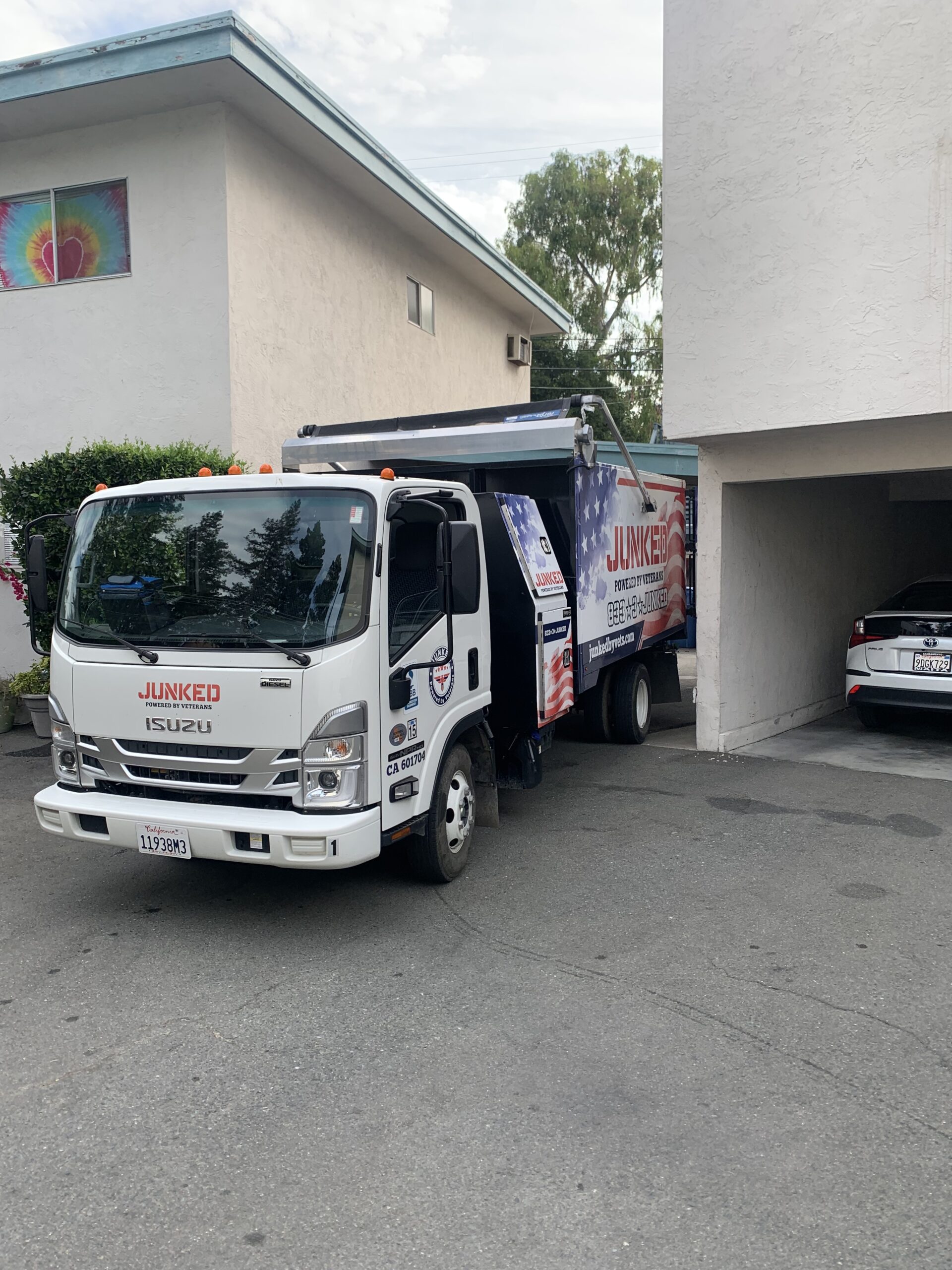
Keep your restaurant in Pacheco, CA, spotless, efficient, and eco-friendly with monthly junk pickup from JUNKED: Powered By Veterans. Our professional team handles everything from bulk kitchen waste to outdated equipment, ensuring your establishment stays compliant with health regulations while minimizing environmental impact. By partnering with us, you can focus on delivering excellent service, avoiding clutter and vermin, and demonstrating your commitment to sustainability. Schedule your monthly pickup today and experience a cleaner, safer, and greener restaurant operation.
Disclaimer
The materials available on this website are for informational and entertainment purposes only and not to provide legal or professional advice. You should contact your attorney or home improvement specialist for advice concerning any particular issue or problem. You should not act or refrain from acting based on any content included in this site without seeking legal or other professional advice. The information presented on this website may not reflect the most current home improvement developments. No action should be taken based on the information on this website. We disclaim all liability concerning actions taken or not taken based on any or all of the contents of this site to the fullest extent permitted by law.